Jeans Are Killing the Planet — and We’re Only Now Finding Out (11 photos)
Every day, we learn more about the environmental threats posed by human activity. Industrial emissions, ozone-depleting aerosols, ocean-choking plastic, toxic batteries—the list goes on. Now, blue jeans can firmly be added to that list, having turned out to be a surprisingly major contributor to environmental destruction. 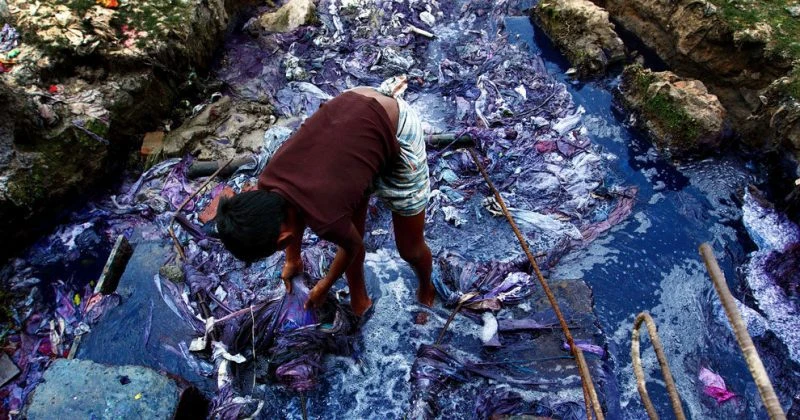
The Bugatti Chiron is one of the world's most expensive, powerful, and polluting hypercars. Its 1,500-horsepower, 8.0-liter quad-turbocharged engine spews 516 grams of CO2 per kilometer. Buying just one pair of jeans causes as much environmental damage as driving this supercar for 26 kilometers.
Manufacturing a single pair of classic jeans releases 13 kilograms of carbon dioxide into the atmosphere. It takes a mature tree four and a half months to absorb that much CO2. Now consider this: humanity produces four billion pairs of jeans every year, unleashing a staggering 52 million tons of carbon emissions. 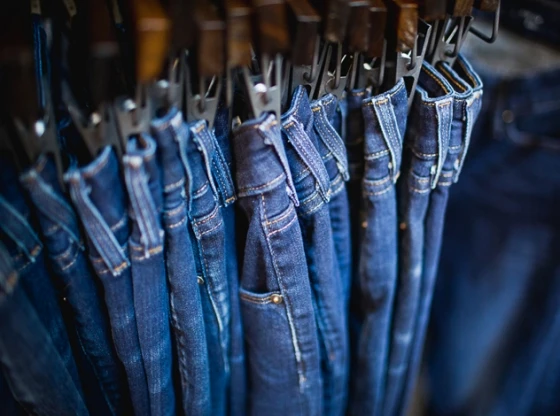
But the damage doesn't stop there. Producing just one pair of jeans consumes up to 10 kilograms of chemical dyes and 8,000 liters of water. Alarmingly aware of this footprint, eco-conscious shoppers are increasingly swearing off denim in favor of sustainable materials.
The primary culprit behind denim's heavy footprint is cotton. This crop requires vast amounts of water and occupies massive swathes of land. According to Cotton Outlook, cotton farming covers over 150 million hectares worldwide.
To make matters worse, cotton thrives in hot, arid regions where water is already scarce. In India, growing just one kilogram of cotton drains 22,500 liters of water. The Aral Sea in Central Asia stands as a tragic monument to what reckless cotton irrigation can do to the planet. 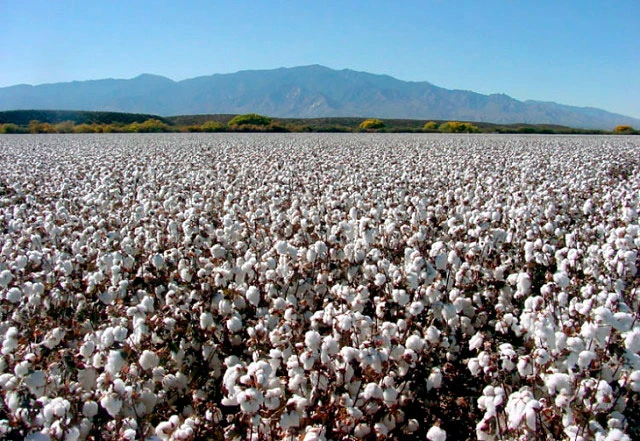
Yet research shows that these astronomical water requirements aren't strictly necessary. Farmers can get by on 10,000 liters—or even 8,000, as demonstrated in the United States. Furthermore, eliminating pesticides allows run-off water to be safely reused.
Achieving this doesn't require high-tech breakthroughs—just practical upgrades. Replacing dirt or sand irrigation channels with concrete-lined ones, installing efficient pumps, and utilizing targeted hose systems can deliver water directly to the plant roots.
Drip irrigation cuts water consumption even further, though it demands a significant upfront investment in equipment. Piping water directly to individual plants keeps evaporation and runoff losses to a bare minimum. 
To help farmers cultivate cotton with minimal environmental impact, the Better Cotton Initiative (BCI) was established in 2005. The global non-profit gained backing from retail giants like Adidas, Gap, H&M, and Ikea.
BCI's primary goal is supporting farmers committed to eco-friendly practices. The organization connects growers with investors and apparel brands actively seeking sustainably sourced raw materials.
The Better Cotton Initiative's efforts are already yielding tangible results, successfully cutting water usage on cotton plantations in Tajikistan (by 3%) and Pakistan (by 20%). Similar sustainable initiatives are gaining traction in China and Turkey. 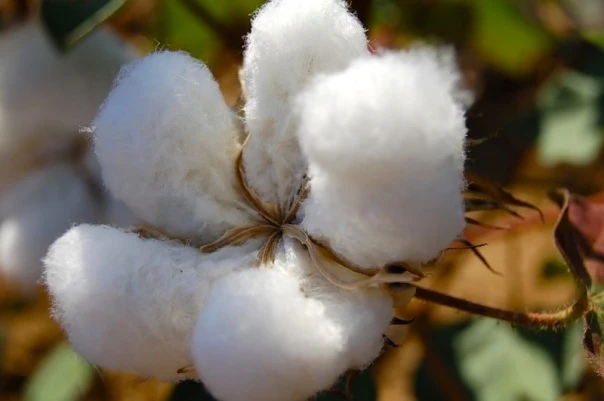
Beyond water conservation, there is another major benefit: cotton producers partnering with BCI commit to phasing out harmful pesticides and synthetic chemicals.
The second major environmental headache in denim production is the dyeing process. Surprisingly, fabric dyeing technology has remained virtually unchanged for 150 years, still demanding massive amounts of water and heavy doses of toxic chemicals and pigments.
Before dyeing, the fabric is bleached using harsh chemical agents and treated with lubricants to reduce thread friction on the conveyor. A single snapped thread can spell disaster—rendering an entire 700-meter roll of fabric useless. 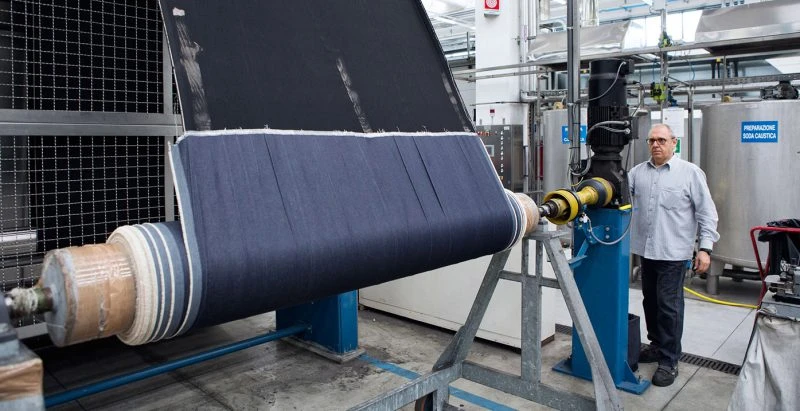
Next comes the dyeing phase, involving 12 separate indigo baths, with the fabric thoroughly dried between dips. Sodium hydrosulfite is added to fix the color, breaking down dye particles so they penetrate deep into the fibers.
A standard denim dyeing line stretches 52 meters long and processes 19 linear meters of fabric per minute—guzzling a staggering 95,000 liters of water in the process. Major brands like Levi’s, Wrangler, and Lee use specialized treatment facilities to recycle their wastewater, but smaller manufacturers can rarely afford such technology.
Budget denim brands and counterfeit workshops often dump untreated indigo wastewater straight into local rivers without a second thought. Even treated water from major factories is far from pristine—it remains industrial wastewater, unfit for drinking or irrigation. 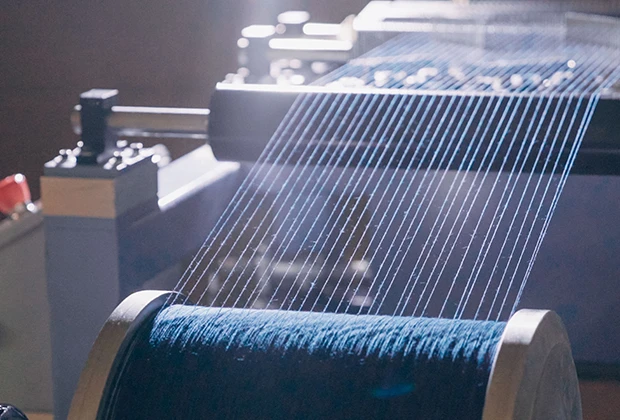
With roughly 783 million people worldwide lacking access to clean drinking water, the traditional approach to denim manufacturing is wildly unsustainable. This crisis sparked an innovative solution known as "dry dyeing."
Spanish textile mill Tejidos Royo, based in Alicante, Valencia, developed this eco-friendly process. Founded in 1903, the family-owned business faced soaring operational costs at the turn of the 21st century. To adapt, Tejidos Royo partnered with dyeing machinery maker Gaston Industries to engineer a revolutionary 8-meter dyeing line. The new setup uses just 36 liters of water per minute while boosting production from 19 to 27 linear meters of denim.
Unlike traditional methods, "dry dyeing" takes place in a nitrogen-enriched chamber using foamed indigo dye. The foam penetrates fibers effortlessly, while the oxygen-free environment locks in color in a single application step. 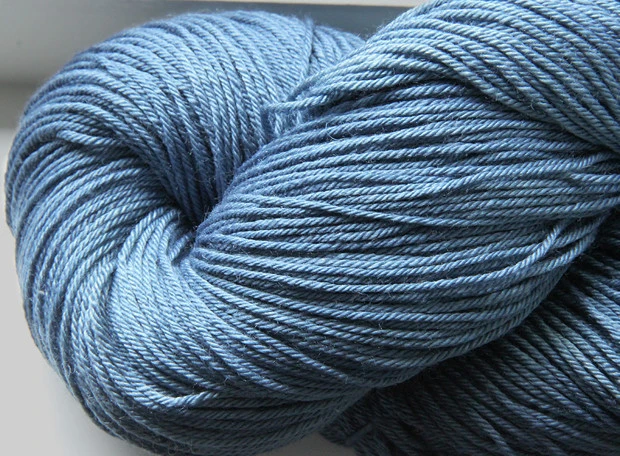
The technique completely eliminates harsh chemical additives, including toxic hydrosulfites. This not only safeguards local ecosystems but also slashes production costs. The breakthrough proved so successful that denim giant Wrangler quickly adopted it for its sustainability line.
A third major hurdle for the denim industry is textile waste. In the United States alone, at least 13 million tons of clothing end up in landfills every year—a massive portion of which is denim. That figure doesn't even account for industrial waste, like fabric scraps discarded during garment assembly.
Research indicates that up to 95% of cotton garments and textile waste could be recycled, dramatically shrinking denim's environmental footprint. Currently, recycled clothing is often downcycled into low-grade products like industrial rags and insulation stuffing. 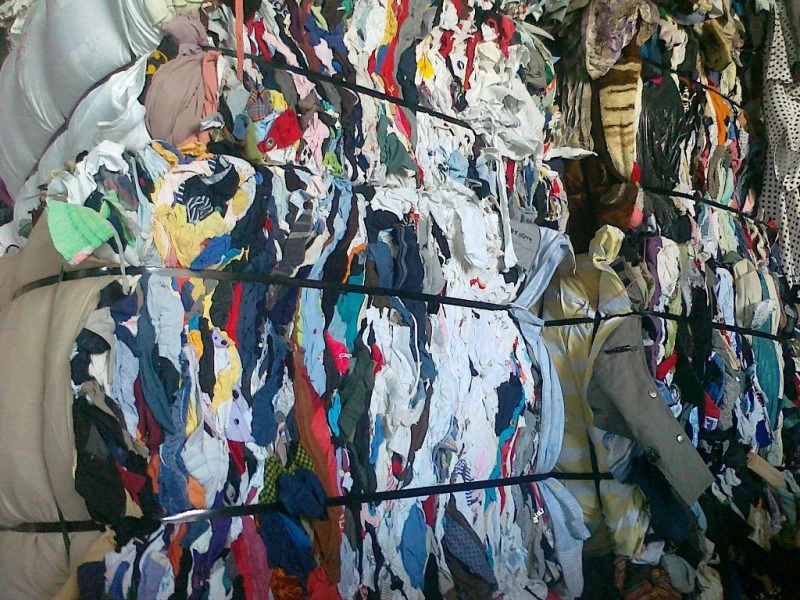
More effective circular methods are starting to emerge. A recycled cotton T-shirt can be spun into a hoodie, which, at the end of its lifespan, can become a heavy blanket. This progression happens because recycling shortens and coarsens cotton fibers, requiring them to be remade into denser fabrics. While current technology limits garments to about two recycling cycles, advancements are rapidly making the process more efficient.
The fourth key factor driving up denim's environmental cost is the washing process. To achieve that trendy worn-in look, new jeans are artificially aged. Originally developed by Jack Spencer for Lee, this distressing technique is now used by nearly every major brand.
To lighten the fabric, jeans are washed in chemical baths containing chlorine, cellulase enzymes, and other harsh reagents. Pumice stone is often tossed into the wash to physically abrade the fabric for a faded look. Unsurprisingly, this consumes vast quantities of water that are nearly impossible to fully purify. 
Beyond the ecological toll, distress washing poses severe health risks to garment workers. In developing nations, workers frequently handle these toxic chemical washes without protective gear—sometimes even with their bare hands—leading to chronic occupational illnesses.
In 2017, several pioneering companies introduced an innovative, chemical-free finishing technique. By swapping chlorine and pumice for laser technology, manufacturers eliminated health hazards and eco-damage while improving finishing precision. A labor-intensive 30-minute wash cycle was slashed to just 90 seconds, preventing fiber damage and ensuring consistent color and texture.
To fade denim without harsh chemicals, manufacturers inject ozone gas directly into washing drums. Ozone breaks down indigo dye effectively while leaving the rinse water relatively clean. Using ozone for cleaning isn't new—dry cleaners have relied on it for tough stains for years—though denim bleaching requires significantly higher concentrations. 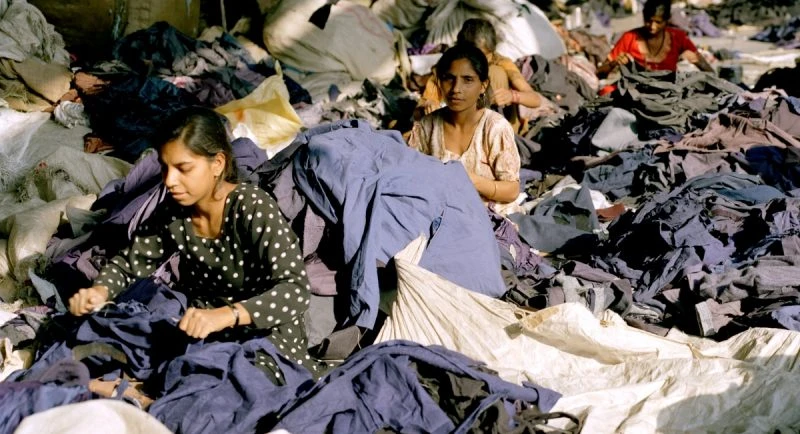
This method cuts water usage by 50–60%, prompting eco-conscious brands like Levi’s, Lee, Wrangler, Uniqlo, and Guess to adopt it. Smaller manufacturers in India, Turkey, and Pakistan are now following the industry giants' lead.
So, what can consumers do to help mitigate denim's environmental crisis? Do we have to give up our favorite jeans, denim jackets, and shorts? Not at all. To make a meaningful impact, simply avoid ultra-cheap fast fashion from unknown manufacturers.
Most mid-range and premium apparel brands have already transitioned to lower-impact production methods. Sustainable technologies remain costly—though researchers are working to lower expenses. By investing in well-made pieces from reputable brands, we reduce our environmental footprint and help fund cleaner, greener innovation. Staying stylish today goes hand-in-hand with making conscious choices—and that makes all the difference.