The Phantom Corsair "Car of Tomorrow": A Stunning Blend of Beauty and Impracticality (11 Photos)
This one-of-a-kind automobile was built on the whim of Rust Heinz, heir to the American food industry giant. The young heir conceived the concept and design himself, overseeing every stage of its creation. Unveiled to the public in 1938, the breathtakingly futuristic Phantom Corsair looked like a vision straight out of the distant future. 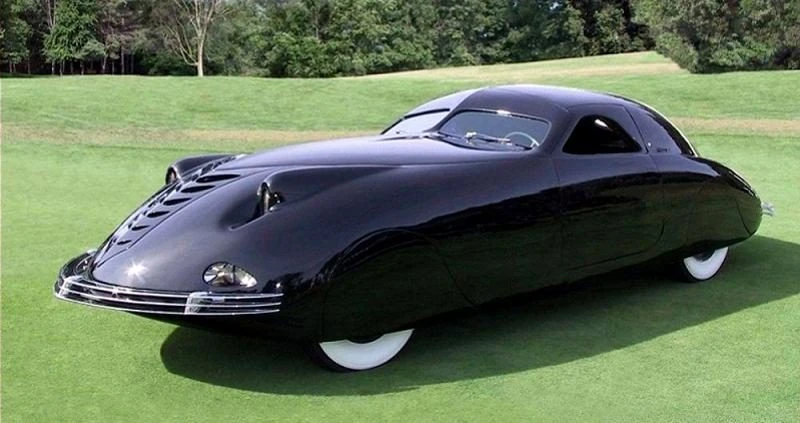
The backstory of the Phantom Corsair is fascinating. Its creator, Rust Heinz, was a free spirit who wanted to pursue only what he loved. At age 22, he dropped out of prestigious Yale University and returned to his family home.
Contrary to his family’s expectations, young Heinz had no interest in selling ketchup or mayonnaise. Instead, he decided to turn his talents to automotive design. In 1936, Rust purchased a brand-new Cord 810/812 with plans to redesign it into something truly unique. 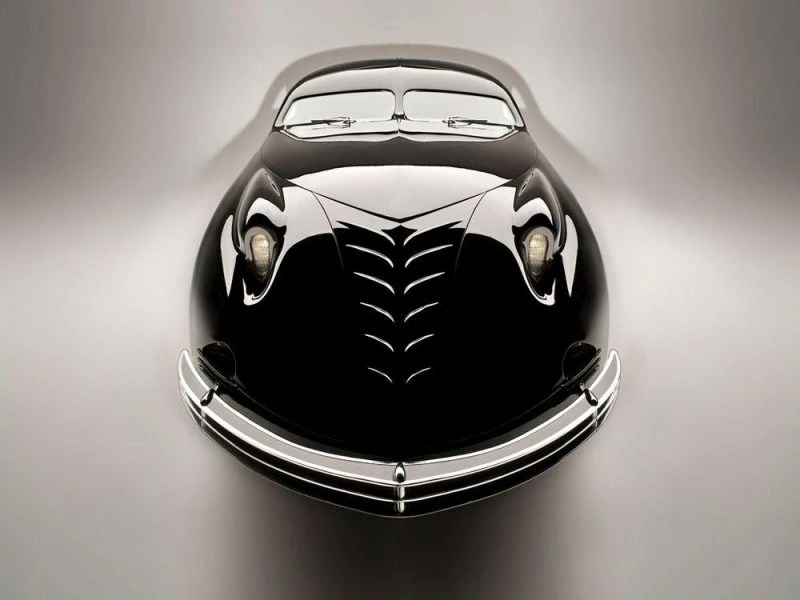
The previously directionless rich kid threw himself into the project, diving into textbooks and blueprints. Before long, he had drafted plans for a vehicle unlike anything the American auto industry—already no stranger to radical designs—had ever seen. 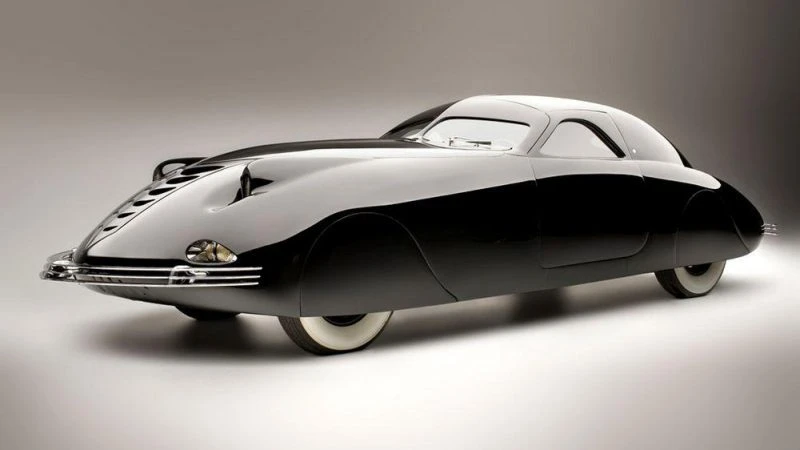
To bring his dream to life, Rust turned to the custom coachbuilder Bohman & Schwartz in Pasadena, California. After much trial and error, an all-aluminum fastback body was forged. To achieve optimal aerodynamic performance, the body was refined through wind tunnel testing. 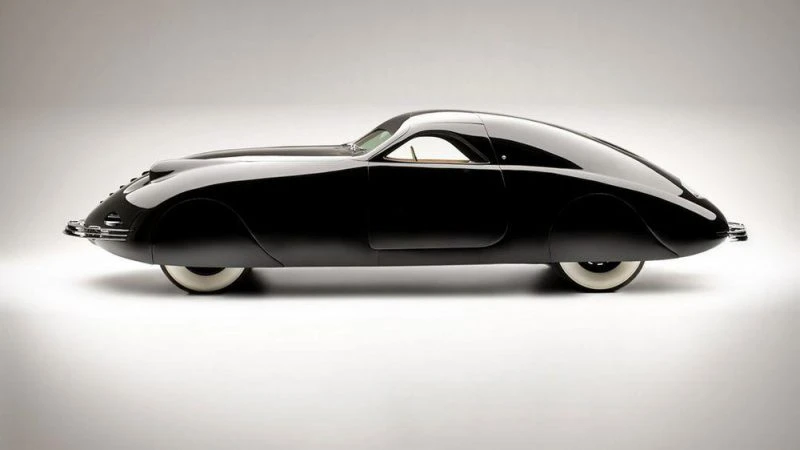
Test results led to crucial final tweaks, including skirted front wheels to improve streamlining. The handcrafted body was complemented by custom flush-mounted headlights, while the chrome bumpers were mounted on innovative telescopic shock-absorbing brackets.
The cabin accommodated six passengers in an unusual 4-plus-2 seating arrangement. The futuristic coupe featured push-button electric door locks and subtle green-tinted glass. 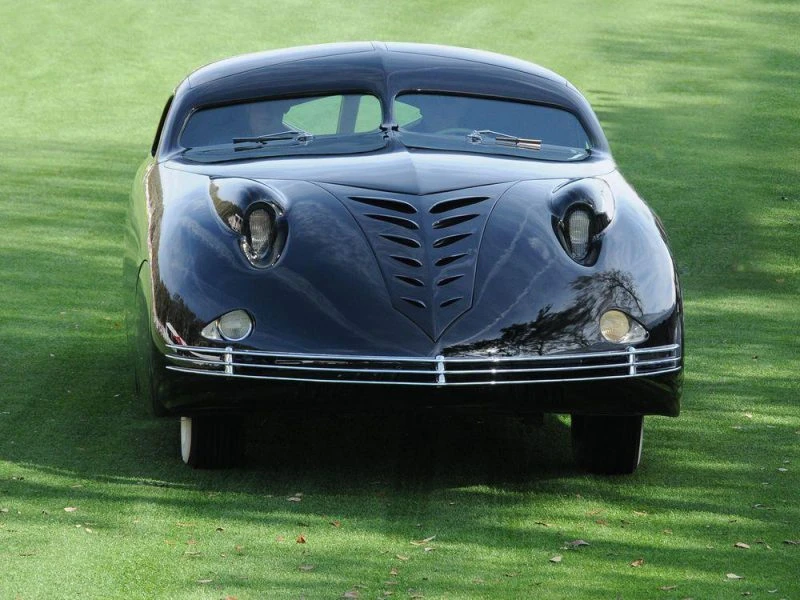
The Phantom Corsair’s dashboard was complex enough to intimidate even seasoned drivers. Designed to resemble an aircraft cockpit, it was packed with switches, gauges, and indicators. Great attention was also paid to passenger safety, with crash-deflection zones designed to absorb impact energy in a collision. 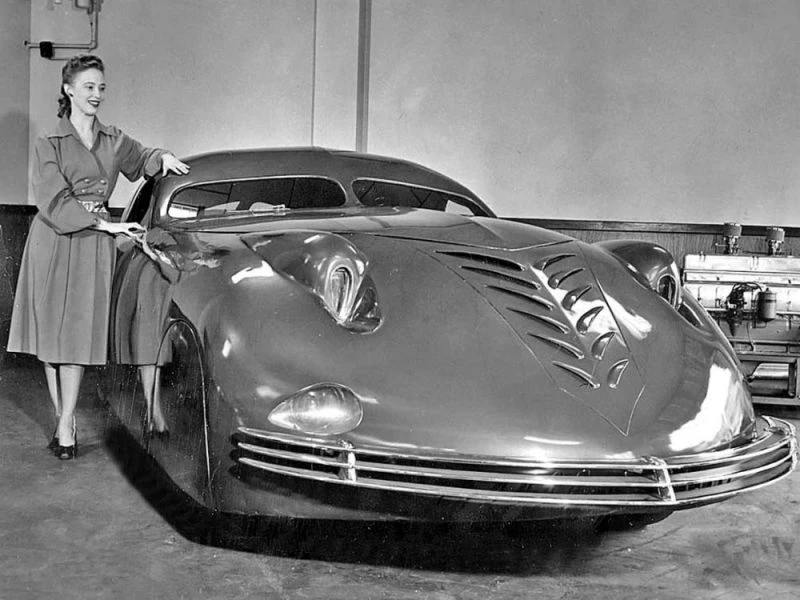
Tipping the scales at a hefty 4,600 lbs (2,086 kg), the car was far from light, but its 4.7-liter V8 engine provided plenty of muscle. Mechanics boosted the stock Cord 810/812 engine from 127 to 193 horsepower. Featuring front-wheel drive and a 4-speed preselector transmission, the car reached a top speed of 115 mph (185 km/h)—an impressive feat for the 1930s. 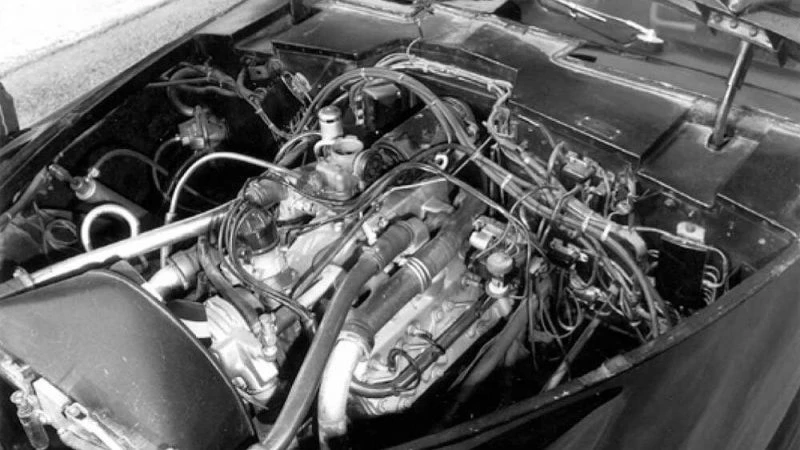
Despite its groundbreaking features, the car had glaring flaws. Chief among them was the tiny radiator grille, sacrificed for the sake of sleek aesthetics, which caused the high-powered engine to overheat quickly. Visibility through the split windshield and narrow rear window was virtually nonexistent, forcing the driver to rely on guesswork and constant head turns. 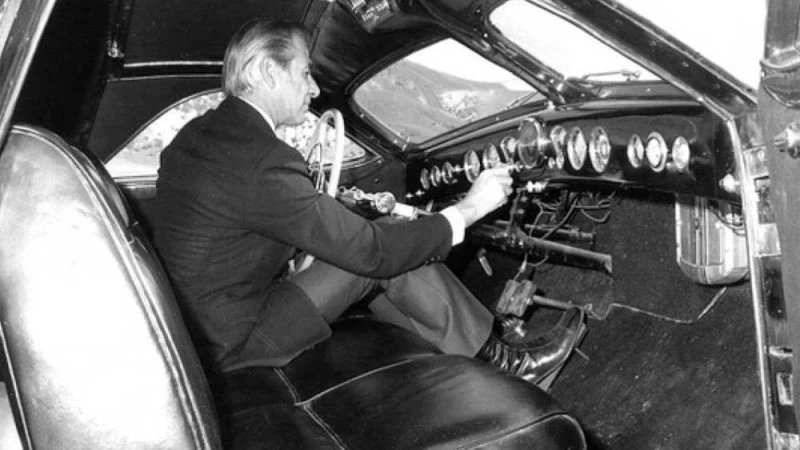
The futuristic automobile cost its builder a staggering $24,000 at the time—a massive fortune for the era. A resourceful handyman in China had a much tougher time, armed with just $5,000 and a passion to create.
The car was Heinz’s dream project, and he passionately hoped to put it into limited production at a retail price of $15,000. The concept generated buzz, landing a feature in Esquire magazine and starring in David O. Selznick's 1938 film The Young in Heart. It also captivated crowds at the 1939 World's Fair, where it was presented as the "Car of Tomorrow." 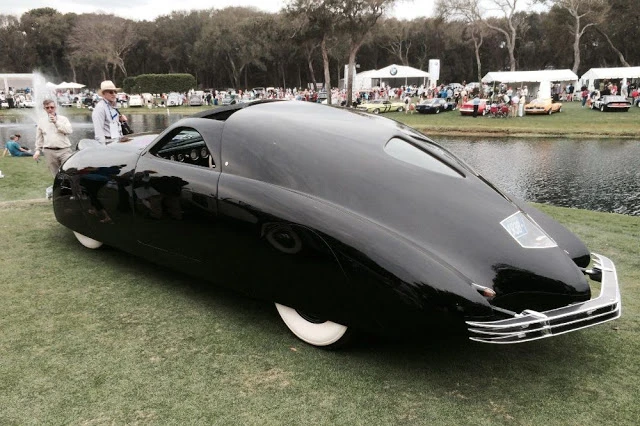
Tragically, Rust Heinz’s dream was never meant to be. He died in a car crash shortly after, leaving his creation forgotten. In the mid-1950s, comedian Herb Shriner purchased the sole Phantom Corsair prototype from the Heinz family. 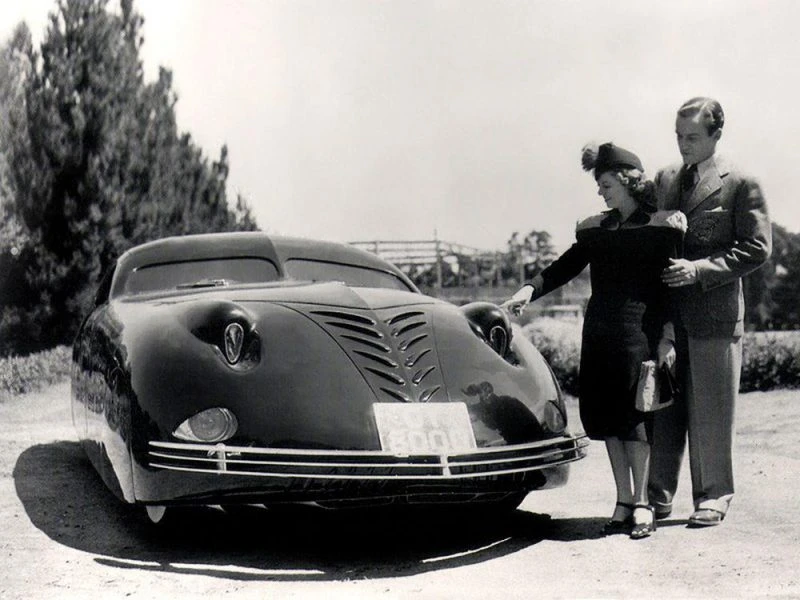
Teaming up with Albrecht Goertz, designer of the BMW 507, Shriner modified the vehicle to make it more practical. They replaced the split windshield to improve visibility and finally fitted the engine with a proper air intake. 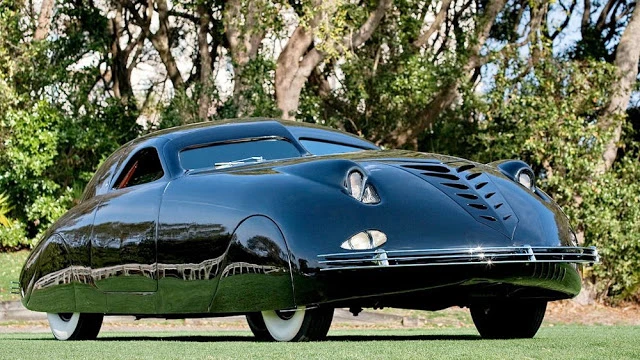
Following the modifications, the supercar was sold to casino mogul William Harrah, who put its striking design to full use. Heinz's creation toured car shows, exhibitions, and promotional events, consistently dazzling audiences. Today, the retired concept car holds a place of honor at the National Automobile Museum in Reno, Nevada.