He Confessed to 30 Murders He Didn't Commit — and Fooled All of Sweden (11 photos)
Sweden's worst serial killer never actually killed anyone. Sture Bergwall spent more than twenty years in a psychiatric facility — and spent nearly all that time masquerading as a monster, confessing to murders he had nothing to do with. Eight courts took him at his word. Here is a look at how that was possible and who finally exposed the fraud. 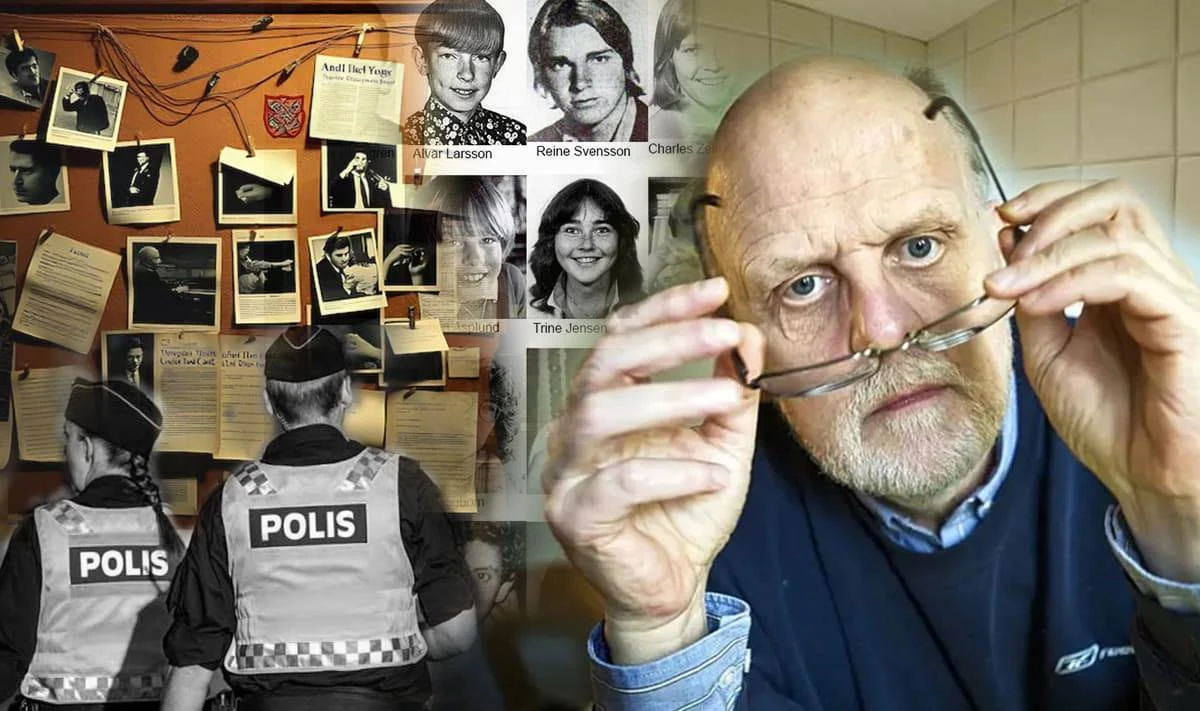
The Birth of Thomas Quick
In 1991, 41-year-old Sture Bergwall was admitted to Säter Psychiatric Hospital. He was sent there after a botched armed robbery, not for murder. Bergwall had spent years struggling with an addiction to tranquilizers and had almost no close friends or family.
The hospital staff practiced a controversial psychoanalytic technique based on the idea that severe childhood trauma remains buried deep within the subconscious. Therapists encouraged patients to try and "recover" those memories. Bergwall proved to be an eager pupil. First, he confessed to several burglaries. Then, he began talking about an unsolved murder. Taking the pseudonym Thomas Quick — his mother’s maiden name — the psychiatric patient transformed into exactly what the police were looking for: a serial killer. 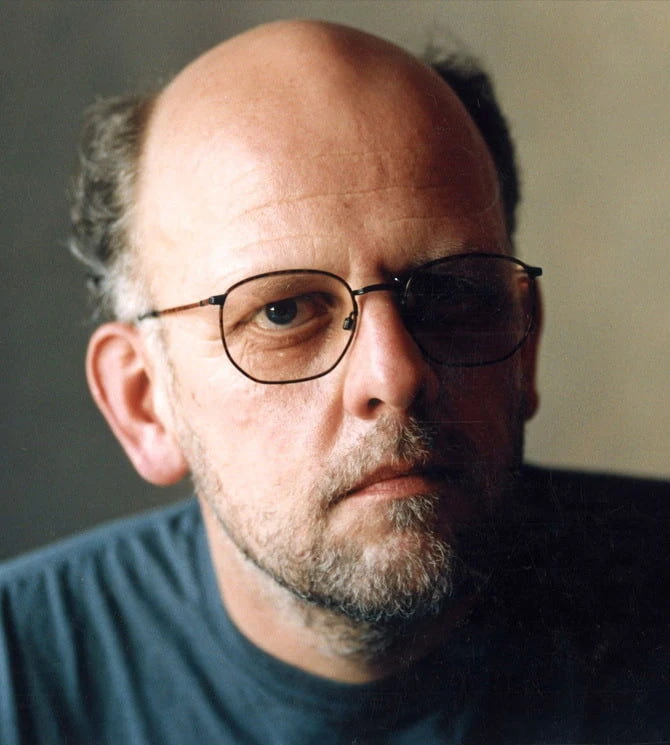
Sture Bergwall in 1991, shortly after his admission to Säter Hospital
Bergwall was mentally ill, but he was far from naive. He quickly realized that the more gruesome his confessions were, the more attention he received. Therapists listened with bated breath, doctors prescribed heavier doses of sedatives, and he was transformed from an ordinary inmate into the star of the clinic — and soon, of Swedish criminology.
A Childhood in the Shadow of a Domineering Mother
Sture Ragnar Bergwall was born on April 26, 1950, in the village of Korsnäs, near the city of Falun. He grew up in a family with seven children. Both parents abused alcohol, and the household was run by a domineering mother whom the children feared. It was her maiden name — Quick — that Bergwall would adopt years later. 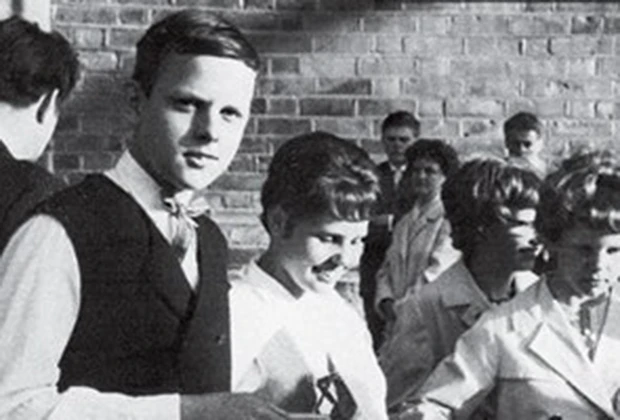
Sture Bergwall with his twin sister in 1964
Bergwall's criminal tendencies surfaced in his adolescence, starting with petty theft and brawling before escalating to much serious offenses. In 1970, at age 19, he was convicted of molesting young boys. Rather than sending him to prison, the court ordered mandatory psychiatric treatment. Thus began Bergwall's first — but by no means last — stay in a mental facility.
Over the following years, he was institutionalized multiple times, struggling with drug addiction and diagnosed with a personality disorder. According to medical records, it was during this period that he severely wounded a man with a knife. Yet even that incident didn't land him in prison — Bergwall was once again remanded for psychiatric care.
A Robbery Gone Wrong
In 1990, the 40-year-old Bergwall found himself desperate for cash and decided to commit an armed robbery. Alongside a young accomplice — who was later sentenced to three and a half years in prison — he broke into the home of a bank employee near Falun. The intruders took the host and his family hostage, demanding access to the bank's vault. 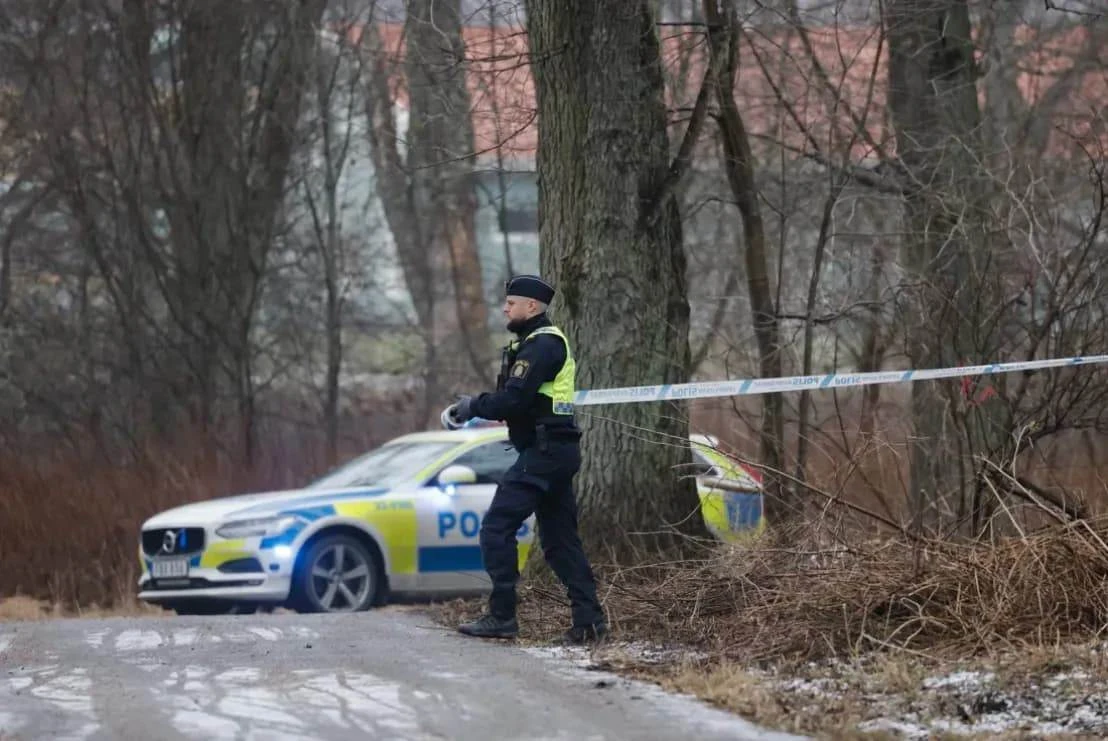
Swedish police at the crime scene. The robbery was the final straw before Bergwall's commitment to Säter
To disguise themselves, the robbers wore balaclavas and Santa Claus masks while speaking with an exaggerated Finnish accent. But the scheme fell apart almost immediately: Bergwall had operated a tobacco kiosk near the bank for years, and employees instantly recognized his voice. Police picked up both suspects within hours. 
Falun, a town in central Sweden, where Bergwall spent much of his life
His accomplice went to prison. Bergwall, following a forensic psychiatric evaluation, was remanded to Säter Hospital for criminally insane offenders. Thus began the journey that, a year later, would give birth to Thomas Quick.
The Cult of Margit Norell and the Memory Trap
When Bergwall began confessing to murders, a team of therapists led by Margit Norell took over his care. They didn't merely observe the patient — they essentially reconstructed his entire persona. Norell championed the belief that Quick had repressed nightmare memories of his crimes, which could only be retrieved by delving into the finest details. 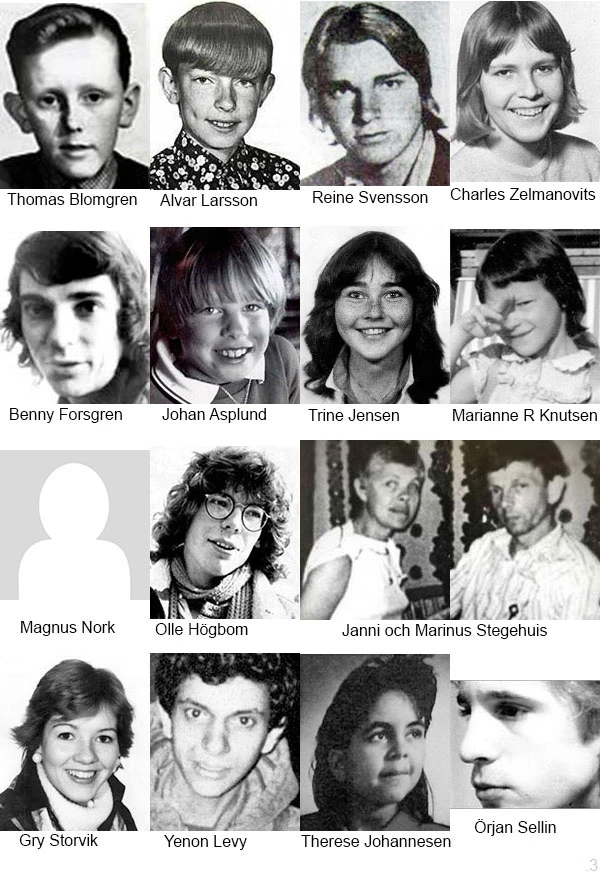
Thomas Quick confessed to murdering all of these people — later, he was cleared of every single crime
It was a trap. Investigators had no fingerprints, no murder weapons, and no DNA evidence. As a result, often inadvertently, they fed Quick the missing pieces. Whenever he got a location wrong, detectives drove him to the scene, eventually finding "corroboration" in his revised accounts. 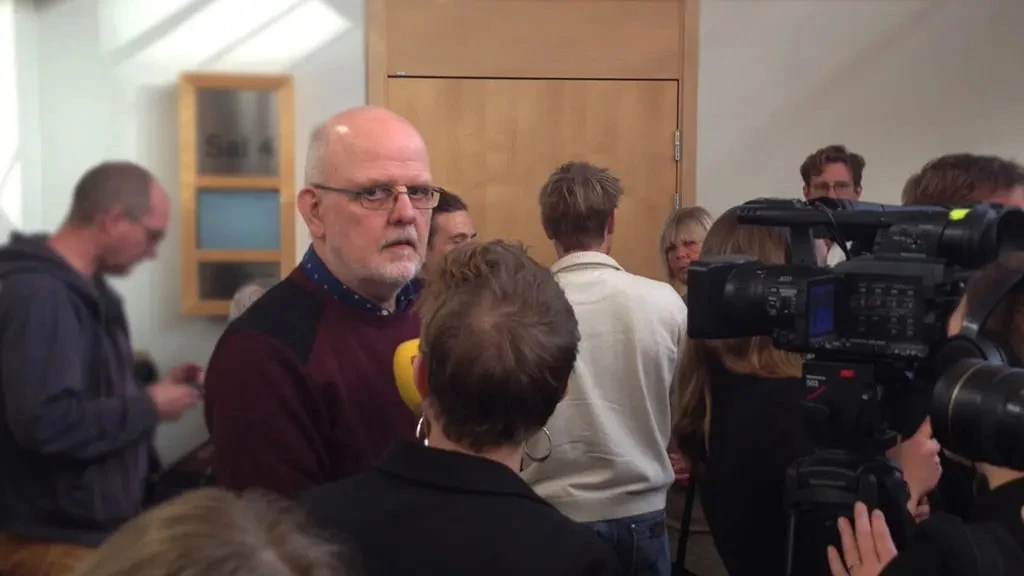
Sture Bergwall during a court hearing in 2008
It became a self-serving feedback loop. Police closed cold cases, prosecutors won high-profile convictions, and therapists proved their theories. Nobody asked the fundamental question: if he really committed the murders, why did evidence only surface after investigators dropped hints?
Hannes Råstam Shatters the Myth
The truth only came to light years later, thanks to investigative journalist Hannes Råstam. By 2008, Quick had been silent for seven years, refusing all contact with the press. Still, Råstam secured an interview. Working with colleague Jenny Küttim, he combed through police archives and cross-referenced them with interrogation transcripts — something investigators had failed to do for years. 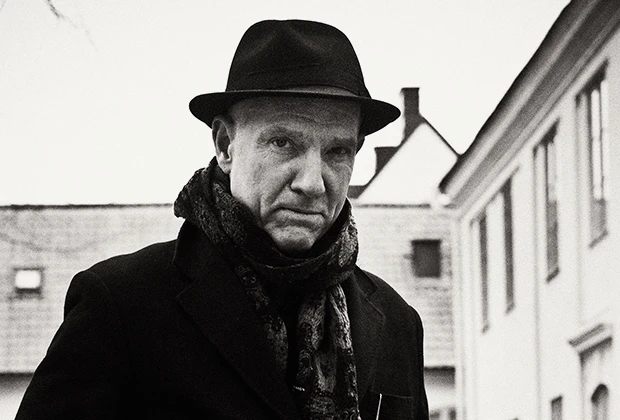
Journalist Hannes Råstam, who convinced Quick to break his seven-year silence
It turned out Quick had simply lifted many details from contemporary newspaper reports. Råstam exposed a web of geographic impossibilities and glaring contradictions behind the confessions. His book and television documentary sent shockwaves through Swedish society, making it abundantly clear that police, prosecutors, and psychiatrists had systematically ignored glaring flaws in the case. 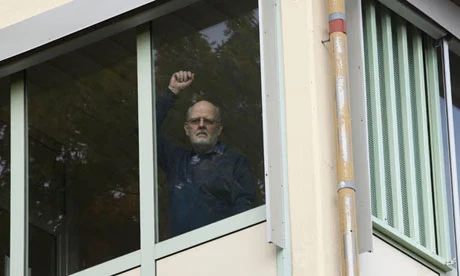
Bergwall looking out from his room at Säter Hospital
That same year, Bergwall formally recanted all of his confessions. Tragically, Hannes Råstam did not live to see him walk free: the journalist died of pancreatic and liver cancer in January 2012 at age 56. However, he managed to finish his book on the Quick case just days before his death.
The Greatest Miscarriage of Justice in Swedish History
The recantation sparked a lengthy review process. One by one, courts overturned the murder convictions handed down to Quick between 1994 and 2001. The final chapter came on July 30, 2013, when the court cleared Bergwall of the last of his eight murder convictions. He walked free under his real name. 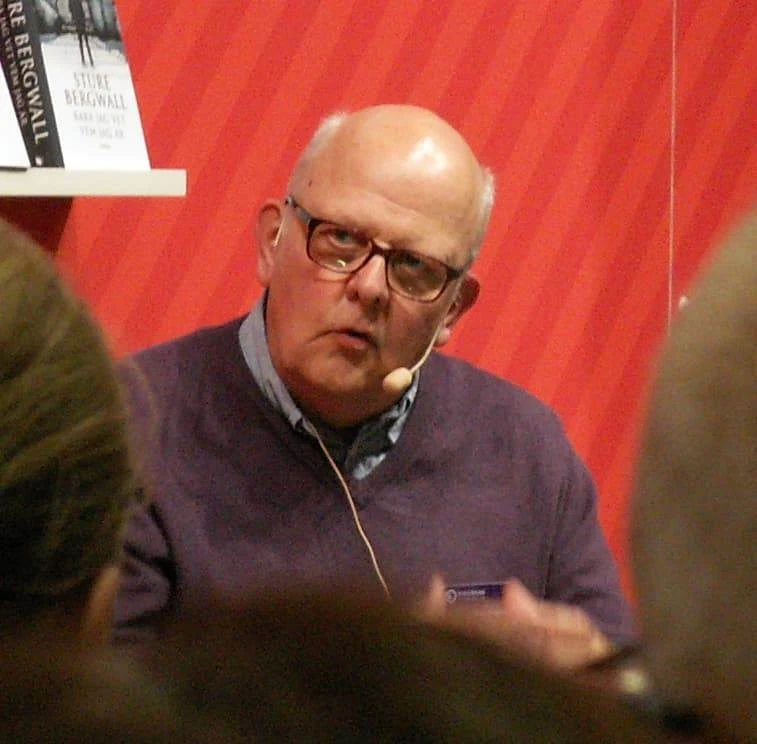
Sture Bergwall in 2016, several years after his release
The Quick affair was dubbed the greatest legal scandal in Swedish history. In 2015, director Brian Hill released a documentary film, "The Confessions of Thomas Quick," based on Råstam's work. The film shows how a lonely, mentally fragile man became the embodiment of evil for an entire nation for nearly two decades — and almost no one dared to question it.
How the System Created a Monster
The Quick case stands as a textbook example of groupthink and collective self-deception. Investigators and judges became prisoners of their own eagerness to clear unsolved cases. When a single suspect confessed to a string of murders, it seemed too convenient a solution, so no one rushed to double-check the facts. On the contrary, any critical inquiry was viewed as an obstacle rather than a vital component of justice. 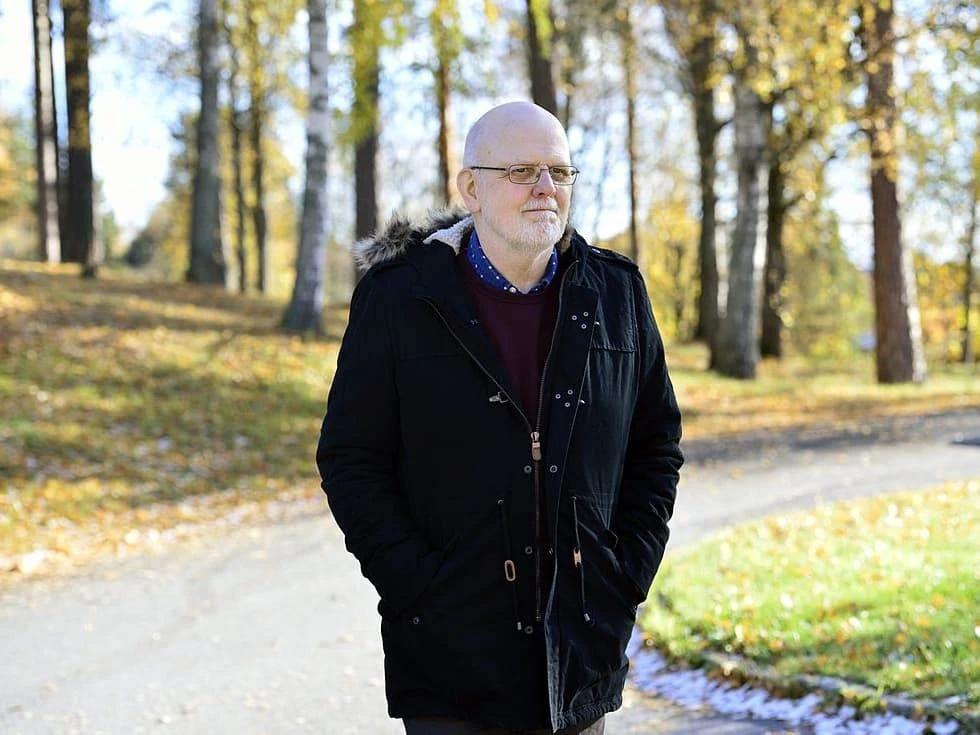
Today, Bergwall lives alone in a small town in northern Sweden — a neat and polite man who resembles a retired schoolteacher
The fallout forced Sweden to reform its interrogation practices and reconsider the role of psychotherapy in criminal investigations. Yet the fundamental question remains: how many similar stories lie buried within legal systems elsewhere — where haste and the thirst for sensational headlines trump healthy skepticism?
Which is worse: a real killer remaining at large, or a system consciously scapegoating an innocent man to boost its clearance rates? Share your thoughts in the comments.