Catch-and-Release Fishing: The Harmful Consequences of This Popular Hobby (6 Photos)
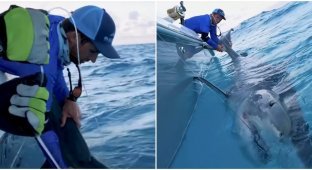
I’ve never understood the appeal of catch-and-release fishing. If you’ve already injured a creature with a hook and terrified it by dragging it into an alien environment, at least finish the job and eat it! Or put it to good use somehow. But maiming a fish only to throw it back—what’s the point? To me, it’s just pointless cruelty. Do you know what their survival rate is afterward? It’s surprisingly low. 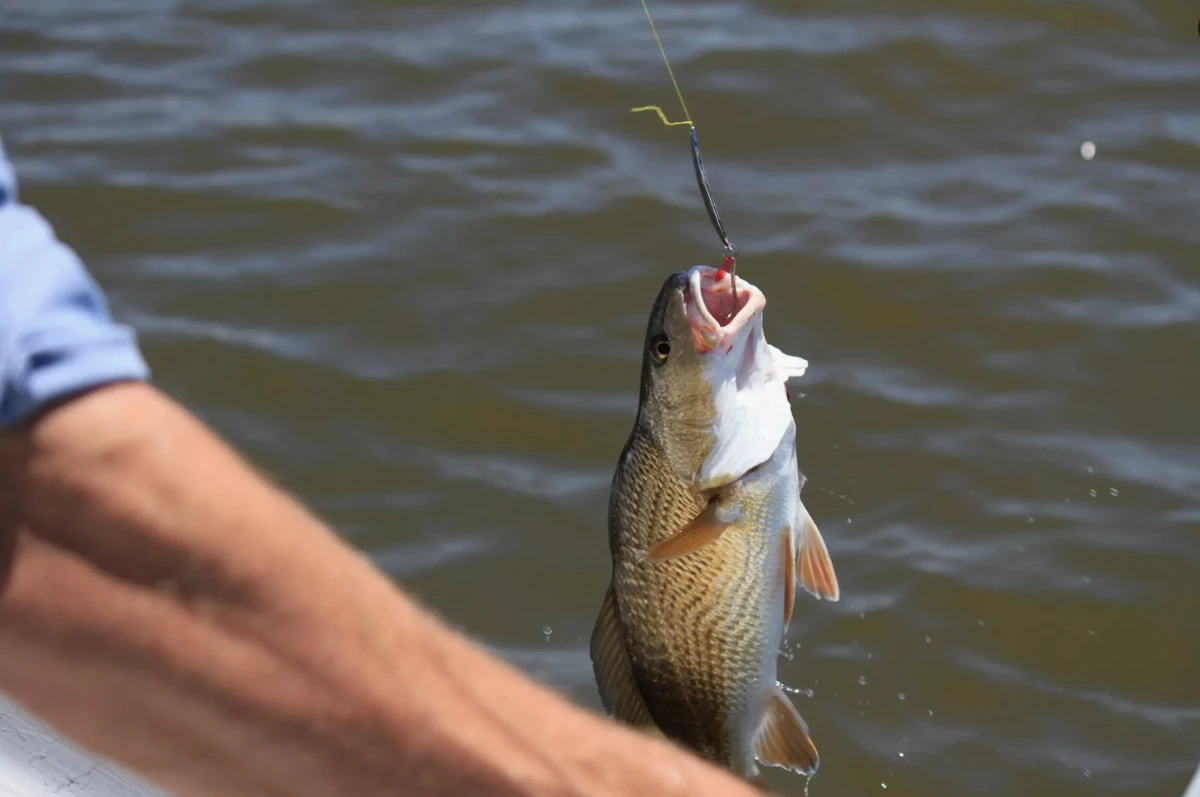
"Sergey, seriously, let's just go to a real dentist!"
It’s a familiar, picturesque scene: an angler carefully removes the hook, gently eases the fish back into the water, and after floating sideways for a moment, it darts off into the depths. A good deed done, a clean conscience. But what happens to that fish next is something people rarely consider. They should, because the outcome depends on a whole range of factors. The concept of "catch and release" originated in mid-20th-century American sport fishing when wild trout and salmon populations began to plummet. The logic was simple: if we fish for sport rather than food, we should return what we catch. But as always, the devil is in the details. 
"You've got exactly one minute for your wishes, buddy. I'm not gonna last much longer..."
The main enemy isn't the hook; it's time. A fish's post-release survival rate depends on several factors—most notably the species and how long it stays out of the water. Every second in the air causes oxygen deprivation and strips away the protective slime layer that shields the fish from infection. Two to three minutes out of the water, and its chances of survival drop drastically, even if it swims off briskly at first. Looks can be deceiving: a fish can easily die hours after swimming away out of sight. The myth that fish get "burned" by human hands isn't entirely accurate either; the danger isn't heat, but the loss of protective slime through dry contact. That’s why seasoned anglers wet their hands before handling a catch. Dry hands wipe away slime like sandpaper, leaving the fish completely vulnerable to bacteria and fungi. 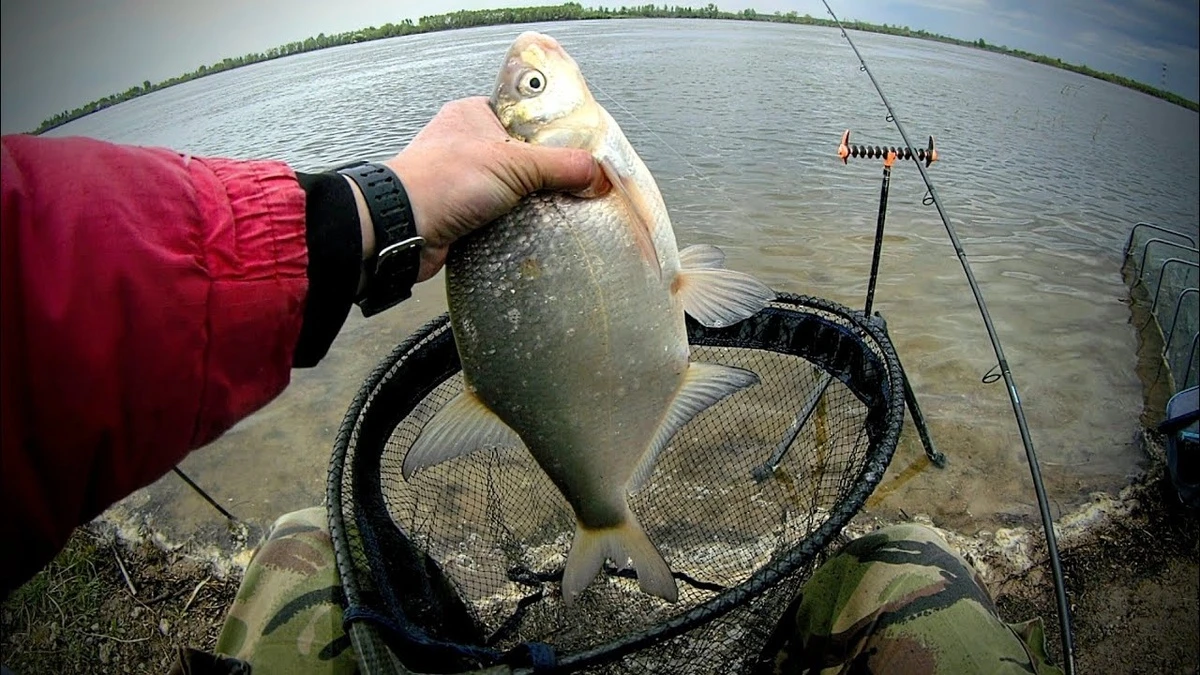
"Tell my wife and roe that I love them..."
Most bony fish have a swim bladder—a gas-filled organ that allows them to remain suspended in the water column effortlessly. When a fish is quickly pulled up from deep water, the sudden drop in pressure causes the gas inside the bladder to expand. At shallow depths, the fish's body can handle the change. But if pulled up from depths greater than 30 to 50 feet, the bladder expands so rapidly that the fish physically cannot swim back down, leaving it floating belly-up on the surface. 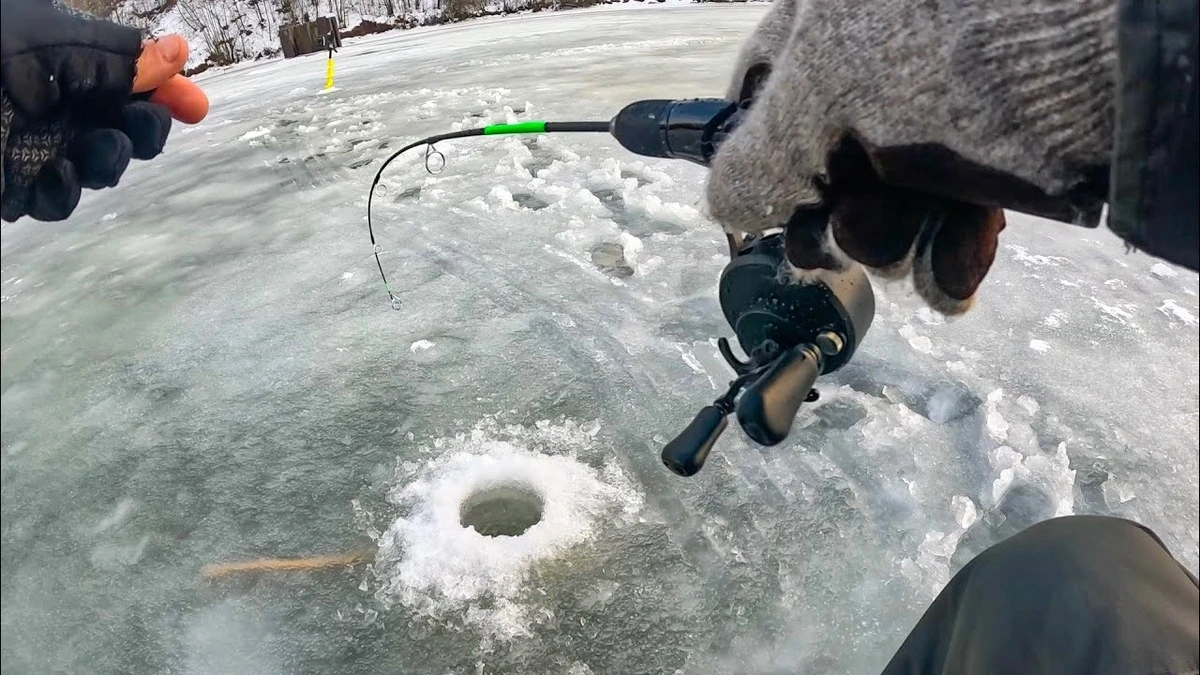
This is especially relevant in winter, when fish retreat to deep wintering holes. 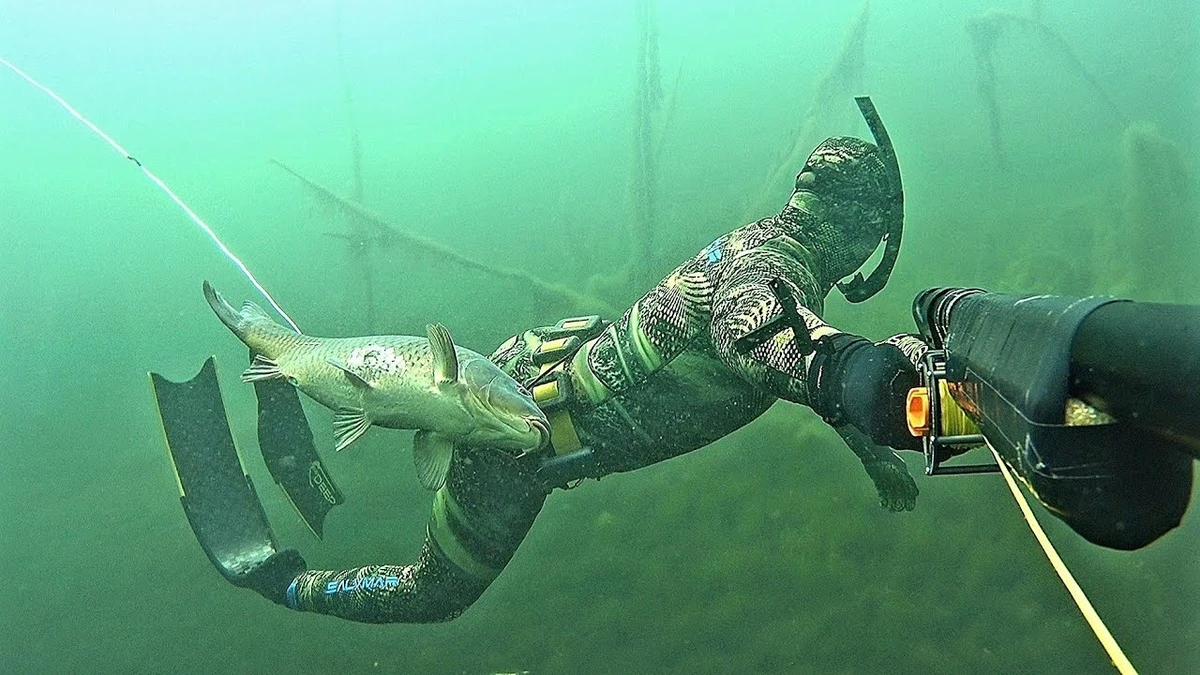
Or for extreme spearfishing enthusiasts.
Not all fish handle human contact equally, and the differences are striking. Pike are among the most resilient: with proper handling, 90% survive. Trout, on the other hand, fare much worse, with survival rates dropping to 75% in warm water—meaning one in four dies. Water temperature plays a huge role. During summer heatwaves, warmer water holds less oxygen, making it much harder for a stressed fish to recover from a fight. That’s why catch-and-release is far less effective on hot July days than in cooler weather, even when done by the book. Salmonids suffer the worst. A study by the University of British Columbia revealed surprisingly high mortality rates among salmon: post-release mortality for Chinook salmon can reach up to 40%, depending on conditions and injuries. Forty percent! AND THAT'S ASSUMING THE ANGLER EVEN KNOWS HOW TO RELEASE A FISH PROPERLY. 
"— Look at you smiling, buddy, while I'm about to play Russian roulette..."
So, what's the right way to release a fish? Never leave it sitting on a dry shore or on the floor of a boat—every second out of the water counts. Keeping the fish submerged until the hook is removed is the best approach. Barbless hooks can be removed much faster, saving precious seconds. When releasing a fish, don't just toss it back; hold it near the surface until it swims off under its own power. If it swims away straight and strong, its chances are good. If it rolls onto its side, that’s a bad sign. Fishing depth matters too: releasing fish from shallow water is almost always fine, but doing so from depths over 30 feet is questionable. Catch-and-release can work, but it isn't a magic cure, nor is it foolproof. A fish you gently slide back into the water might still die an hour later—out of sight on the lakebed—or succumb to an infection days later. I'm not calling for a total ban on catch-and-release; I just don't get the appeal. But it can certainly be done more responsibly. I'm sure the comments section will have plenty to say about this—whether I'm right, wrong, or just plain clueless.