Pioneers: The First Models From World-Famous Automakers (21 Photos)
In everyone's life, that first tentative step is often the most crucial. It's the exact same story with cars. Without that simple, license-built early BMW, there would be no futuristic i8. Had Enzo Ferrari not decided to build the 125S speedster, the F40 and LaFerrari would never have existed. And without the original FIAT, we might still be walking everywhere. Join us as we look back at the first cars from today's biggest automotive brands. 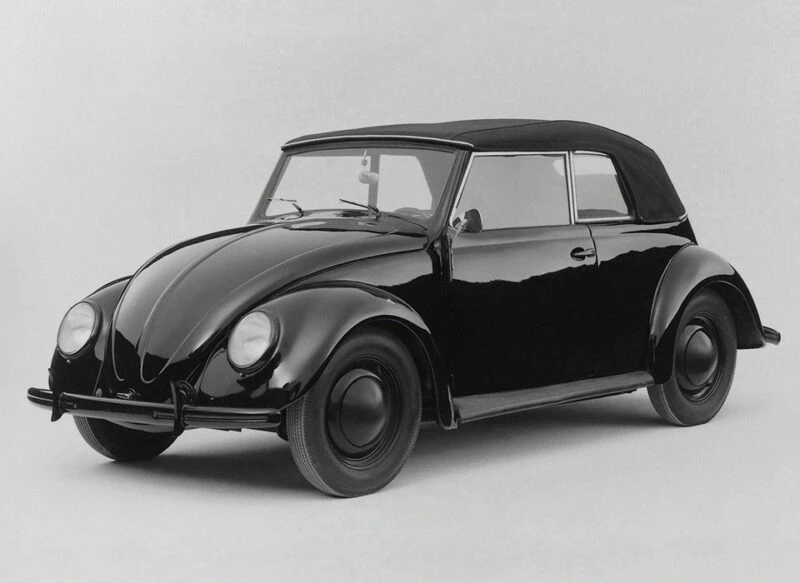
This is the second and final part of our feature on pioneering cars. Just like in part one, we cover 20 models—from Land Rover to Volvo—listed in alphabetical order. 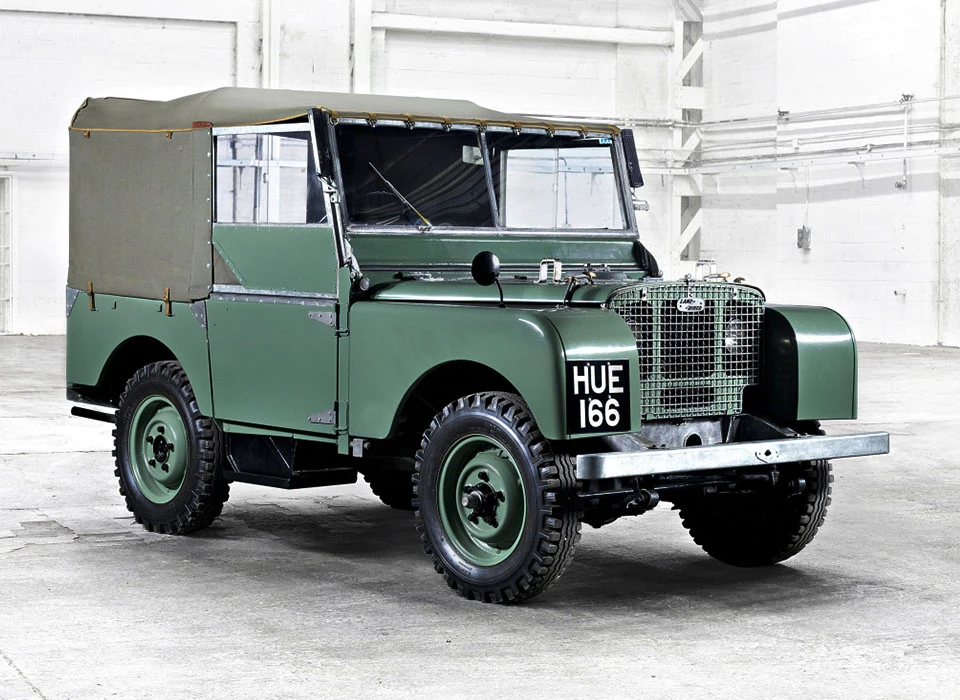
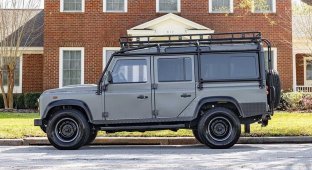
1. Land Rover Mk.1 (1948)
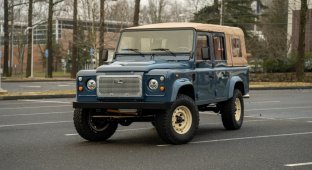
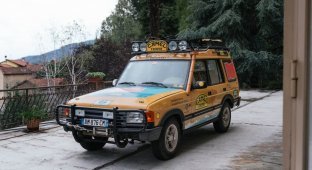
It all started when Rover engineer Maurice Wilks broke down in his trusty army Willys Jeep, which he used around his farm. Replacing it wasn't an option, so Maurice thought: why shouldn't Rover build an off-roader of its own?
The first prototype was built on a Willys chassis, mated to the engine and gearbox from a pre-war Rover P3. That vehicle was best known for its center-mounted steering column. The "center-steer" concept eventually evolved into the production Land Rover Series 1—the ancestor of the iconic Defender. 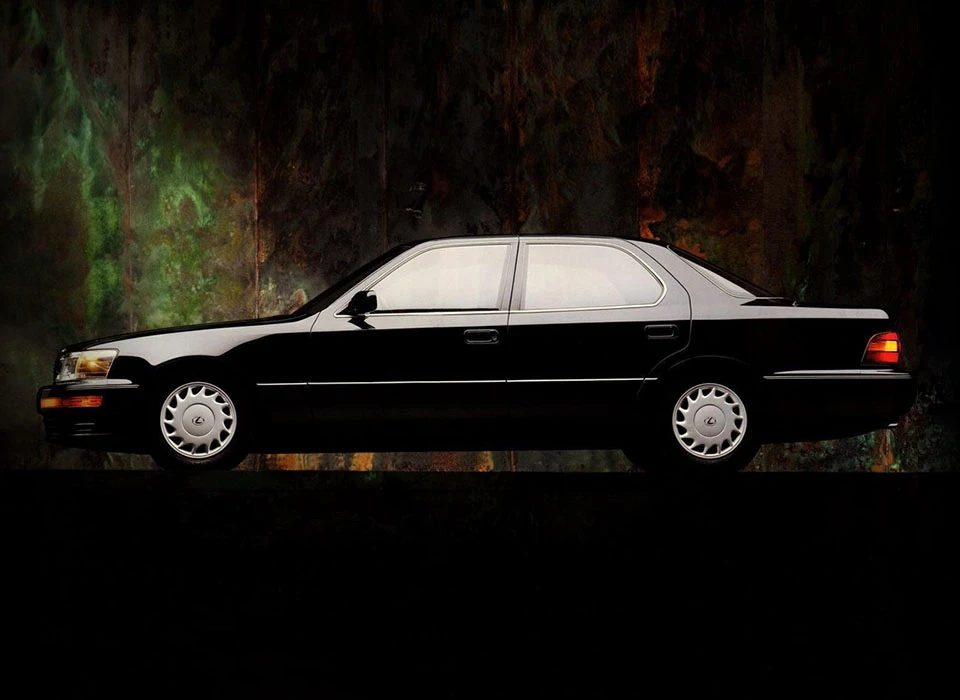
2. Lexus LS400 (1989)
Realizing they couldn't sell Toyotas in the U.S. for much more than the price of a Camry, the Japanese automaker launched a dedicated luxury brand for the American market. The first production Lexus was essentially a rebadged Toyota Celsior. But since that luxury cruiser had never been sold in the States, buyers were none the wiser. In fact, the brand's debut model was met with overwhelming acclaim and wild popularity. 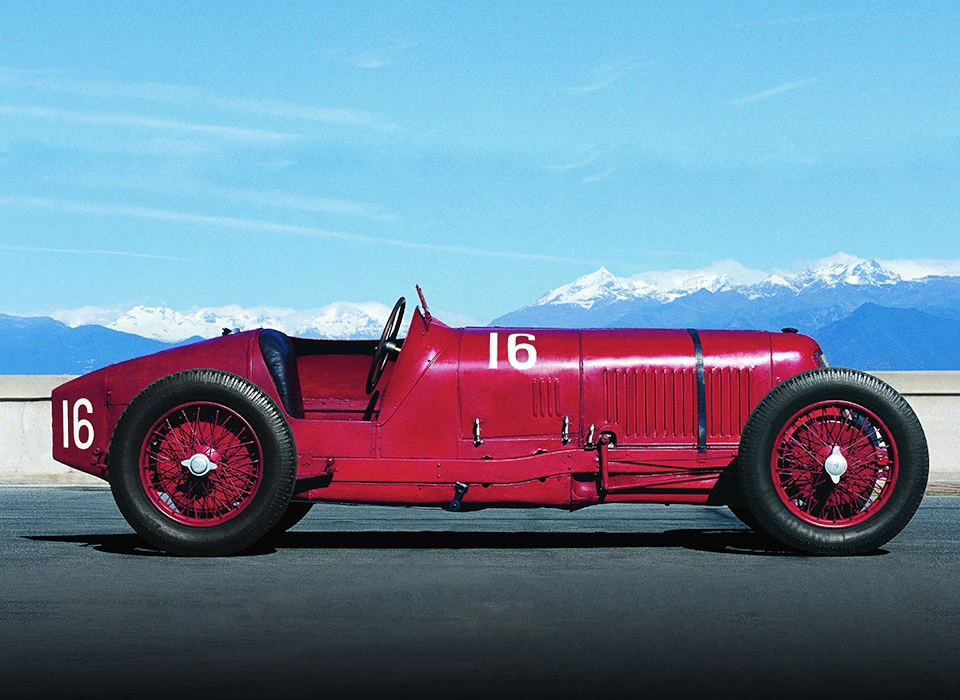
3. Maserati Tipo 26 (1926)
Unlike most modern automakers, Maserati can boast that its very first car was a purpose-built racer. A typical two-seater of the 1920s with a ladder frame, aluminum bodywork, a 1.5-liter inline-eight, and a three-speed manual transmission, the Maserati Tipo 26 debuted at the 1926 Targa Florio. With Alfieri Maserati himself at the wheel, the car took first in class and ninth overall. Not a bad start at all. 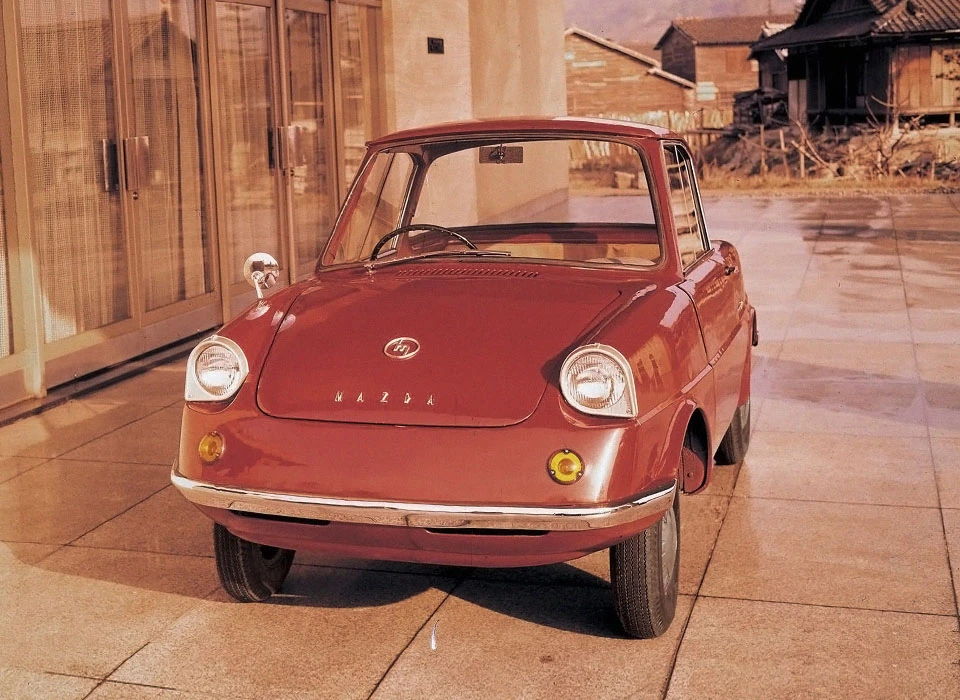
4. Mazda R360 (1960)
Strictly speaking, Mazda's first motor vehicle was a three-wheeled auto-rickshaw. But if you define a car as something with four wheels, doors, a roof, and a windshield, then this kei car takes the title. Beyond its charming looks and two-seat interior, the Mazda R360 featured a rear-engine layout and a 356 cc V-twin pushing out 16 horsepower. Safe to say, it wasn't an MX-5—no drifting here... 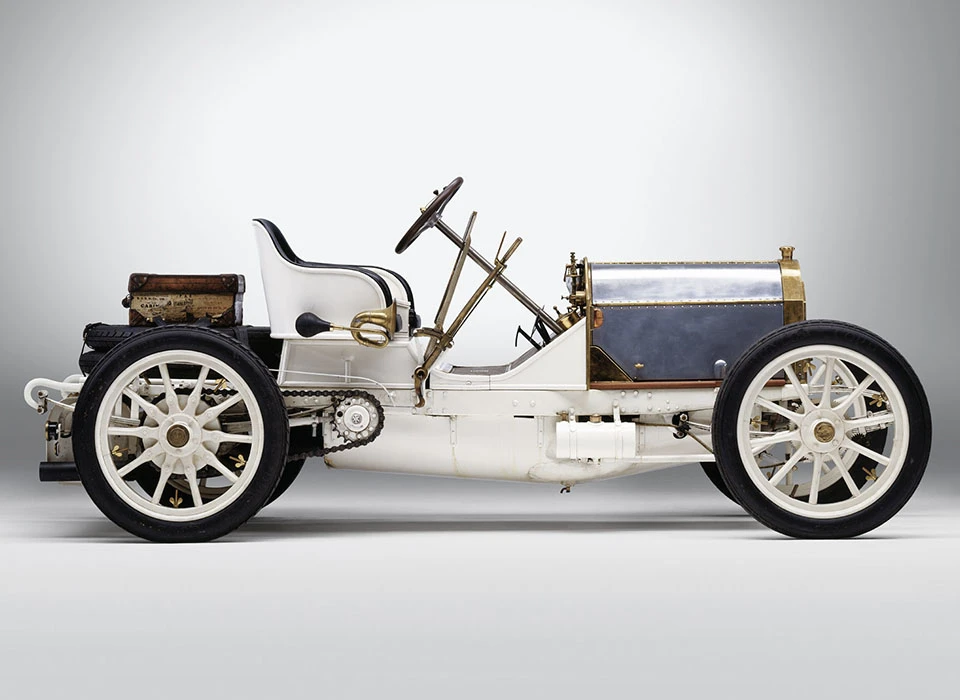
5. Mercedes 35 h.p. (1901)
Designed by Wilhelm Maybach and Paul Daimler at the request of Austrian businessman Emil Jellinek, the car was named "Mercedes" after Jellinek's daughter. The remarkable racing and commercial success of the 35-horsepower automobile prompted Daimler Motoren Gesellschaft to adopt the Mercedes name for all its subsequent models. 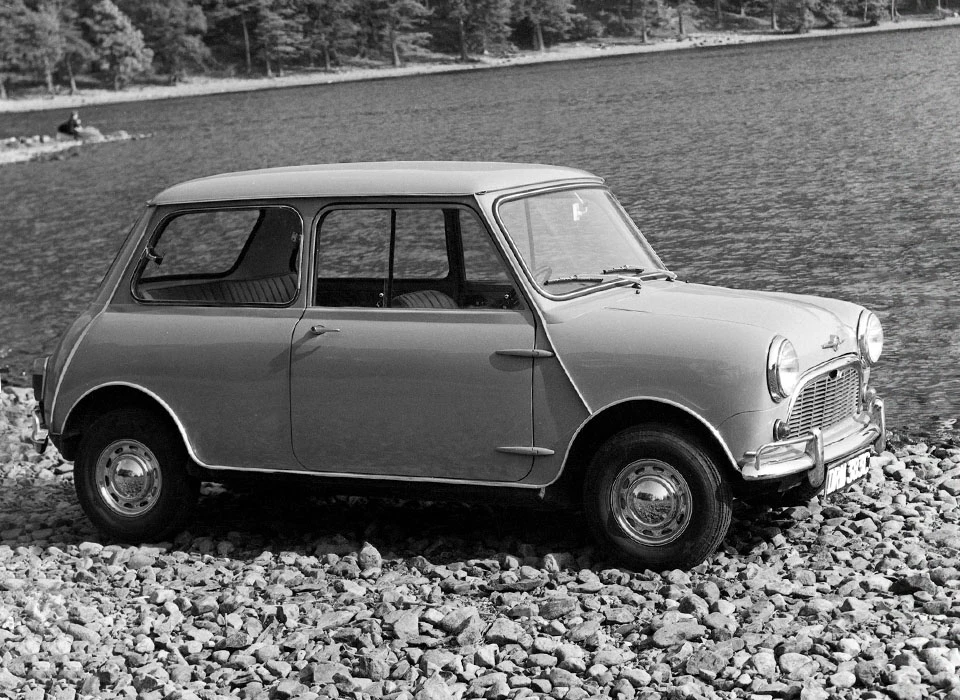
6. Mini — Austin Mini (1959)
MINI only emerged as an independent brand in 2000—four decades after the original economy car designed by Greek-British engineer Alec Issigonis. Conceived as an answer to the European bubble cars of the mid-1950s, the MINI became a true icon of British motoring. Built on a blend of brilliant engineering and quirky compromises, it became a legend in its own time, remaining in production for over forty years with minimal changes. 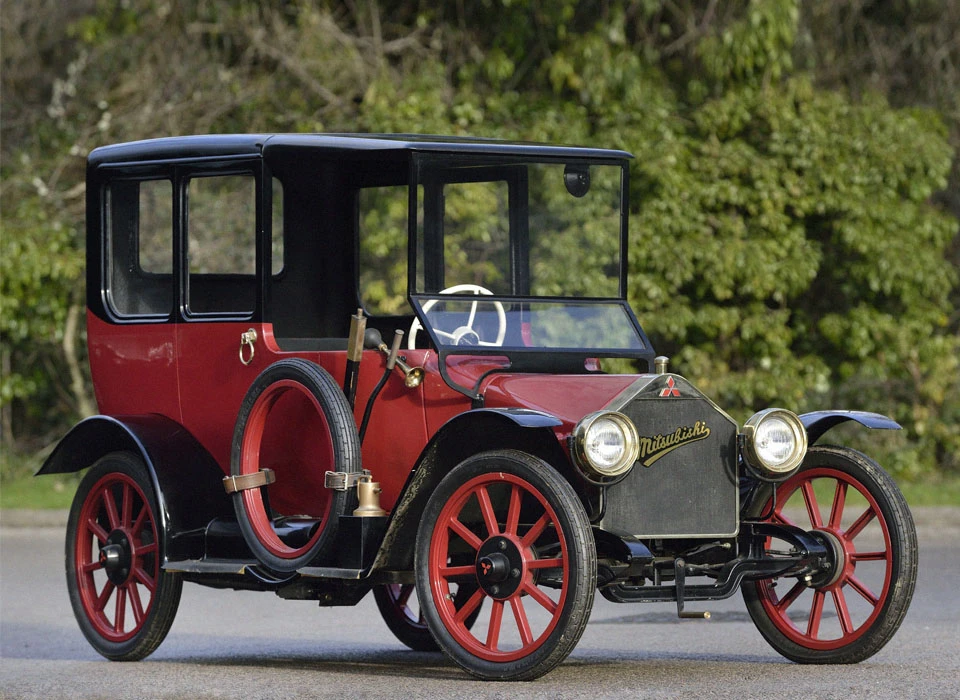
7. Mitsubishi Model A (1917)
For the massive industrial conglomerate Mitsubishi, automobiles were long a side business. Back in 1917, the Mitsubishi Kobe Dockyard Works shipbuilding firm built a copy of the FIAT Tipo 3 largely out of curiosity. The venture was hardly a commercial triumph: over the next four years, only about 20 units were assembled, and buyers were scarce—mainly because imported cars from Europe and the U.S. were significantly cheaper. 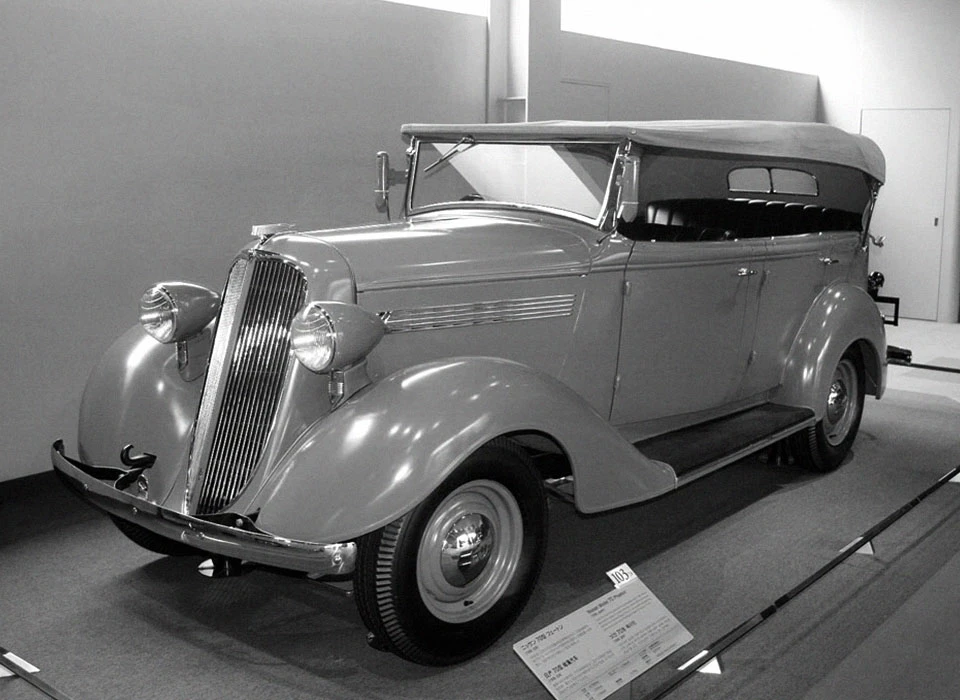
8. Nissan Model 70 (1937)
The first car to wear the Nissan name was a licensed copy of the American Graham-Paige Special Six sedan. Production was launched in 1937 by Jidosha Seizo Co., Ltd., a Datsun affiliate that had just been renamed Nissan Motor. If there's one thing this tangled maze of corporate history proves, it's that few automakers have a more convoluted backstory than Nissan. 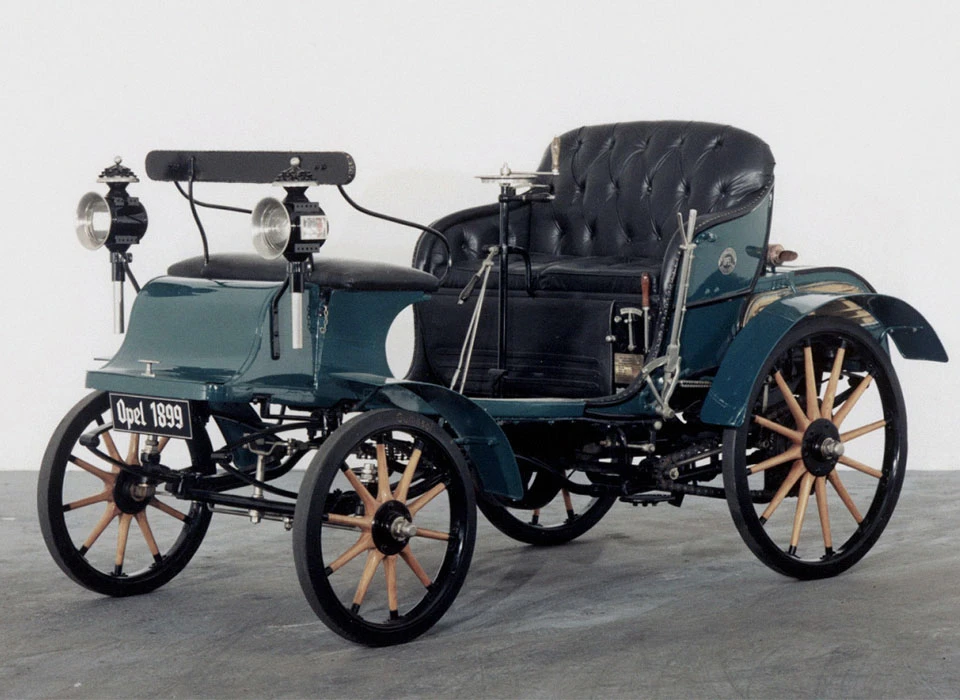
9. Opel Lutzmann (1899)
At the turn of the 20th century, the Opel family decided to expand beyond their bicycle business into automobiles. They hired Friedrich Lutzmann, an engineer and parts supplier for Daimler and Benz, to design their first motor car. However, his 1.5-liter carriage was a commercial flop: just 11 cars were sold in the first year and fewer than 30 the next. The Opels parted ways with Lutzmann and, a few years later, launched a car of their own design—which proved far more successful. 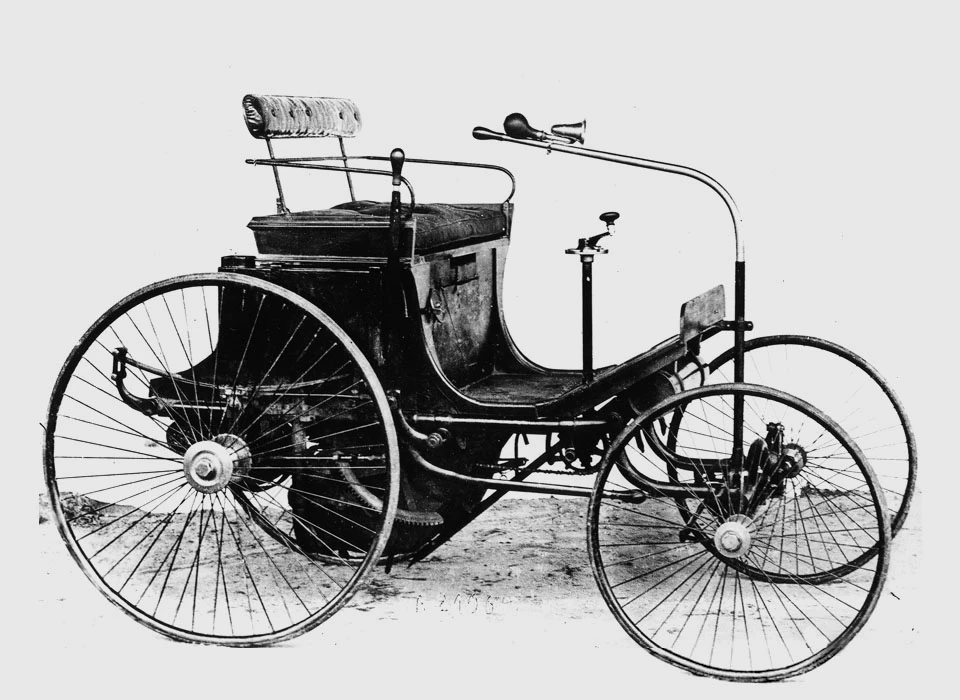
10. Peugeot Type 2 (1890)
Oddly enough, Peugeot's first motor car was named the Type 2. That wasn't down to famous French quirkiness, though: the Peugeot Type 1 was actually a steam-powered tricycle designed by Léon Serpollet. The first gas-powered Peugeot, the Type 2, arrived four years later as a license-built version of a German Daimler, driven by a licensed Panhard & Levassor engine. 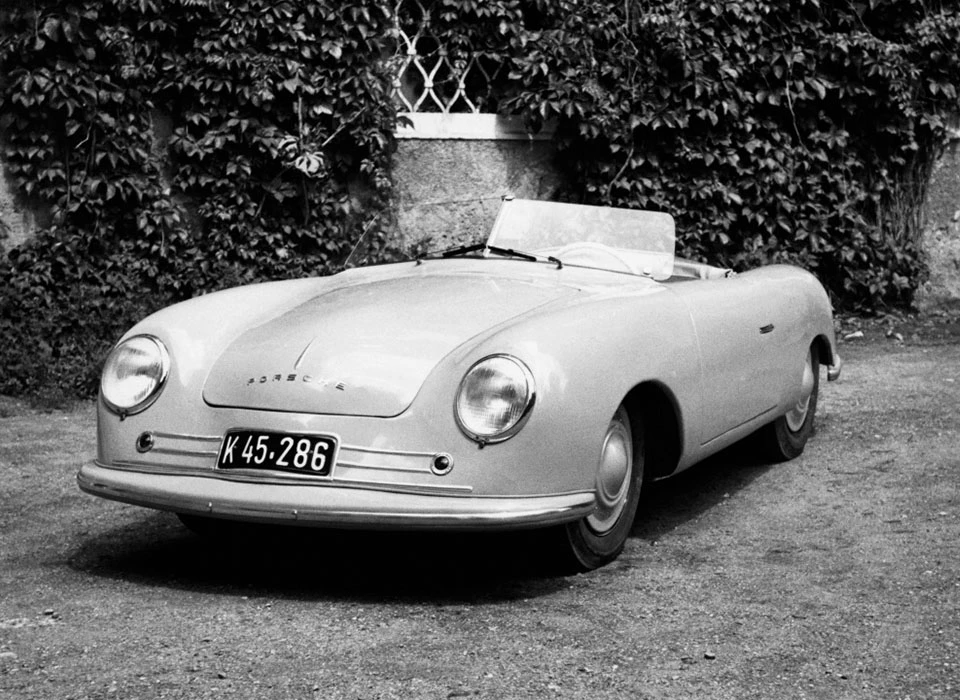
11. Porsche 356/1 (1948)
In the hardship of post-war Europe, Ferdinand Porsche's engineering firm—having relocated from Germany to Austria—did whatever it took to survive, with skilled engineers even repairing old farm machinery. But the team yearned to build sports cars again. Ferdinand's son, Ferry Porsche, was particularly driven: through sheer passion, he realized his father's pre-war dream by building a lightweight sports car based on the production Volkswagen Beetle.
The one and only prototype Porsche 356/1 featured an aluminum roadster body, a spaceframe chassis, and a mid-engine layout. For mass production, Porsche simplified the design: the production 356/2 switched to a rear-engine layout much closer to the VW Type 1. 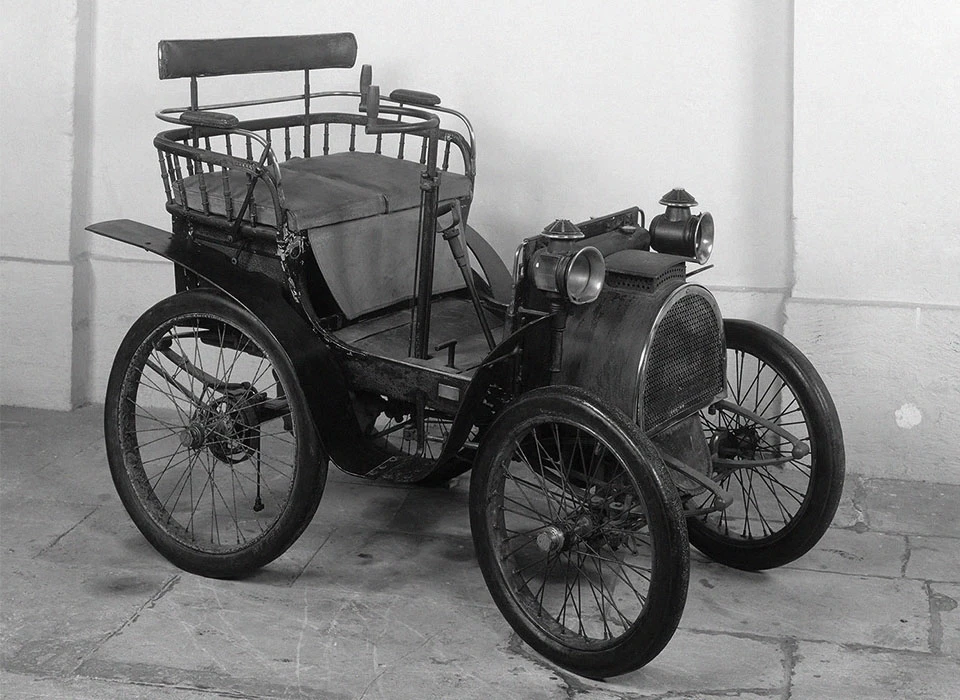
12. Renault Voiturette Type A (1898)
Louis Renault had zero interest in his family's button-making business—his heart belonged to automobiles. Working in a small workshop, he built a tiny vehicle by himself. Given its modest 1.1-meter wheelbase, the name
Voiturette
("little car" or "buggy") was spot on. Powered by a single-cylinder De Dion engine, Louis's little runabout performed surprisingly well. After showcasing it at the Paris Motor Show in June 1899, Renault walked away with 60 paid orders. 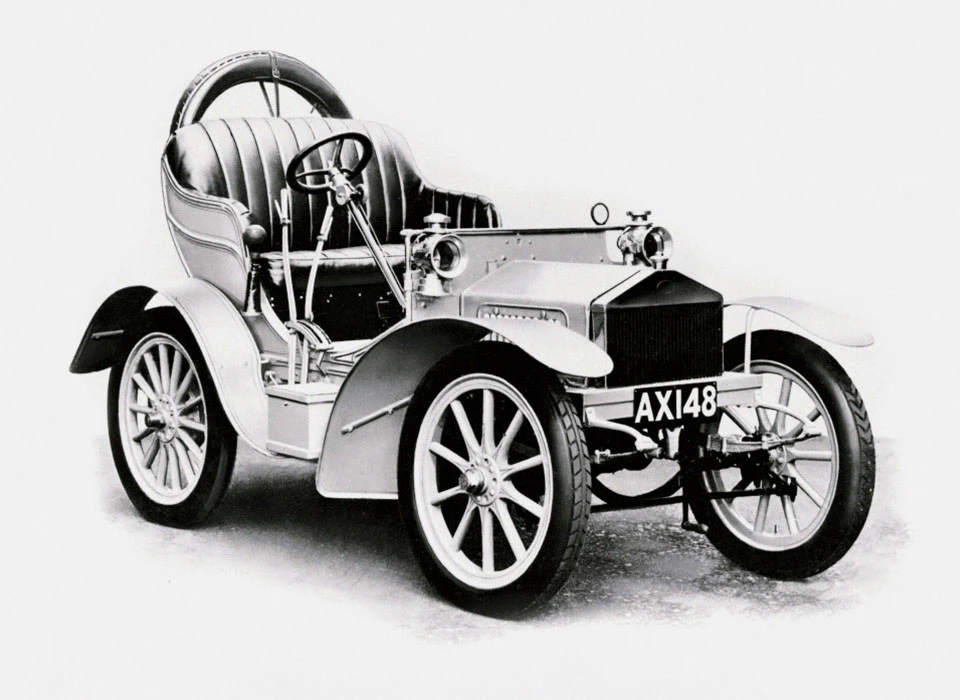
13. Rolls-Royce 10 hp (1904)
When Henry Royce—a wealthy Manchester industrialist who made his fortune manufacturing dock cranes—grew fed up with the constant breakdowns of his French Decauville car, he took matters into his own hands. Surely a horseless carriage couldn't be more complicated than a heavy crane?
The resourceful engineer set out to build his own improved version of the Decauville. It was similar in shape and concept, but a hundred times more reliable. It was this twin-cylinder, 10-horsepower car that wealthy Londoner Charles Rolls took for a spin in May 1904. The rest, as they say, is history. 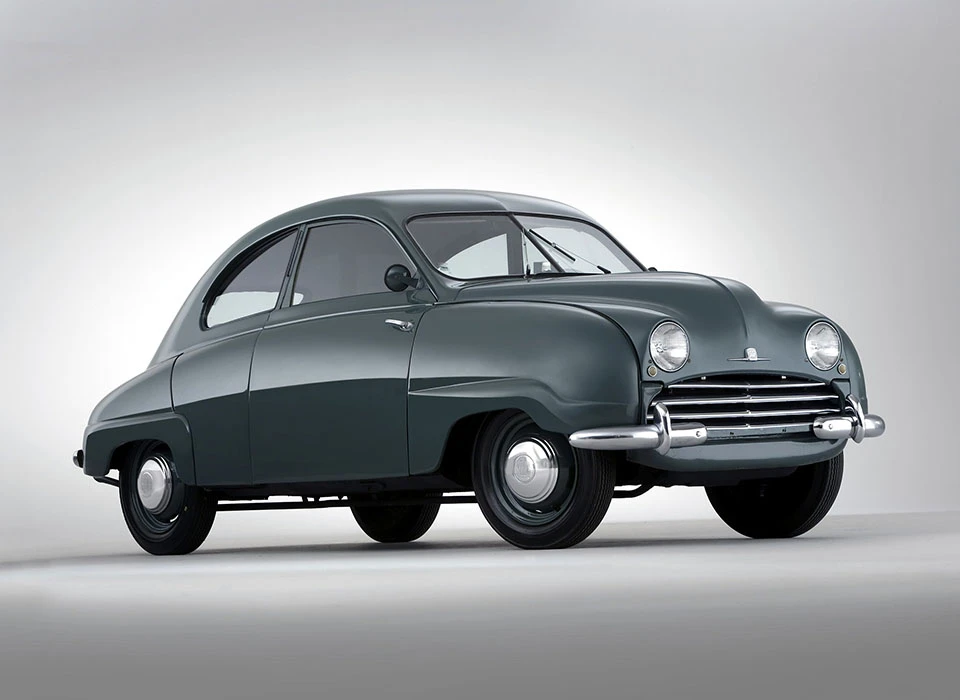
14. SAAB 92 (1949)
The famed aircraft manufacturer didn't enter the auto business out of choice. As military plane orders dried up after World War II, the Trollhättan-based firm pivoted to down-to-earth transportation. It took time, but the result was spectacular. Using a pre-war DKW as a starting point, the Swedes paired a revamped front-wheel-drive chassis with a masterfully aerodynamic body designed by Sixten Sason. The result was the sleek and progressive SAAB 92. 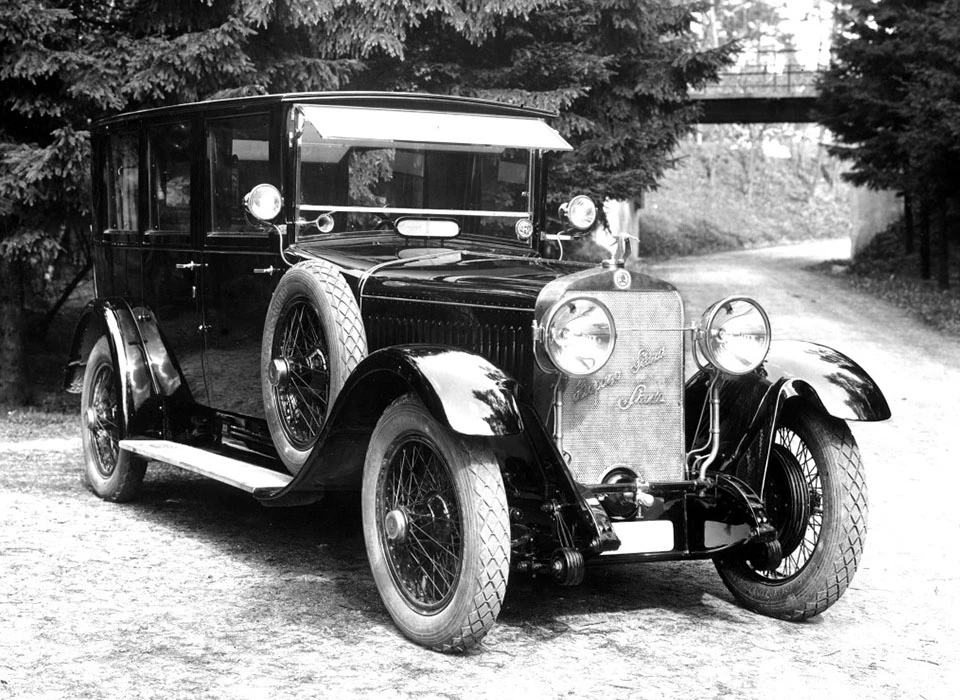
15. Škoda 25/100 (1925)
Few automakers can boast that their very first car ended up in the presidential garage, but that's exactly what happened with Škoda. The company's first passenger car was a license-built copy of the grand, costly Hispano-Suiza H6B. Czechoslovak President Tomáš Masaryk, who insisted on riding only in locally assembled vehicles, immediately ordered a 100-horsepower Škoda 25/100 capable of reaching 140 km/h (87 mph). He never regretted his choice. 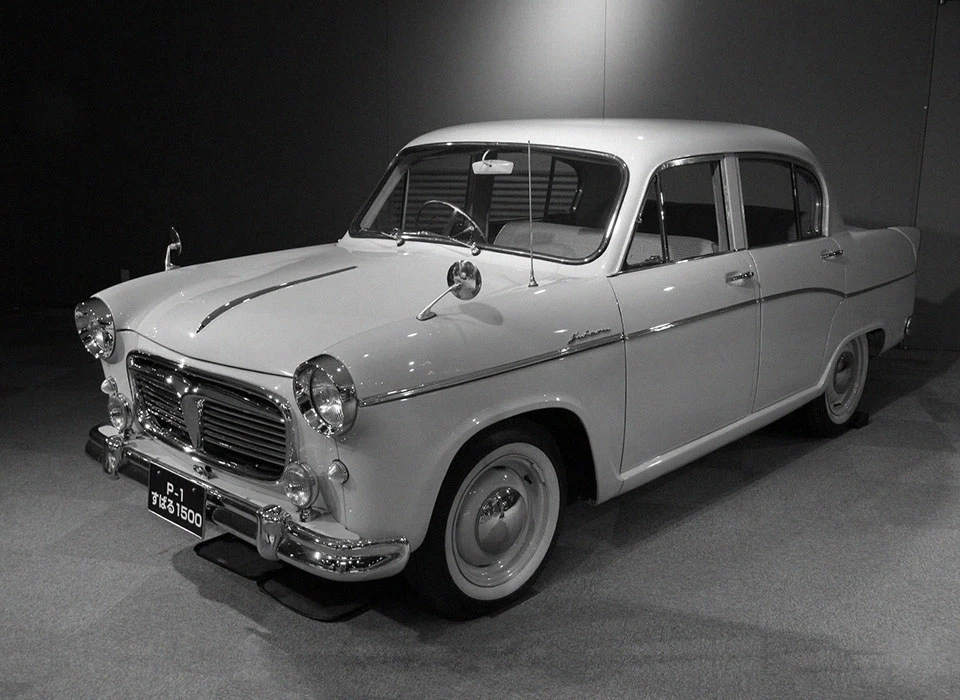
16. Subaru 1500 (1954)
It's widely believed that Subaru's first car was the 360 kei car, which debuted in 1958. For mass-produced models, that's true. But a few years earlier, the company made its first foray into car manufacturing. The rear-wheel-drive Subaru 1500 sedan, codenamed P-1, used an engine from the Peugeot 202 and bore a striking resemblance to another French model, the Peugeot 403. Only about twenty P-1s were built, several of which were supplied to Japanese taxi fleets for real-world testing. 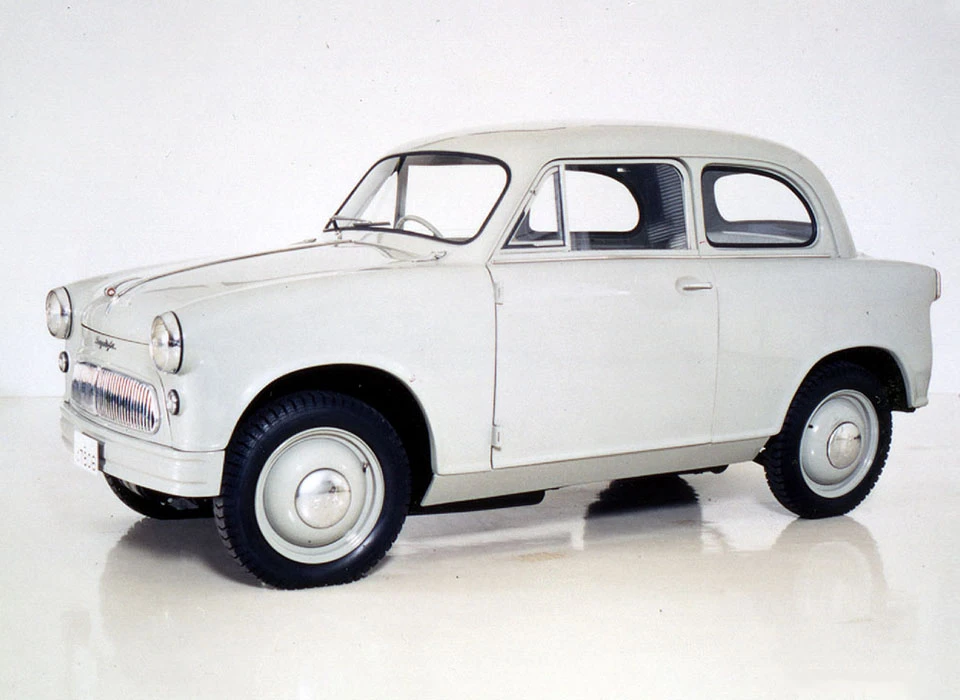
17. Suzuki — Suzulight (1955)
Weaving looms, motorcycles, cars—that was Suzuki's evolution. The company's first passenger car, the Suzulight, was modeled after the German Lloyd LP400. The resemblance ran deeper than styling: it shared the front-wheel-drive layout, transversely mounted engine, and backbone frame. Today, an original Suzulight is a unicorn, as only 43 units were ever produced. 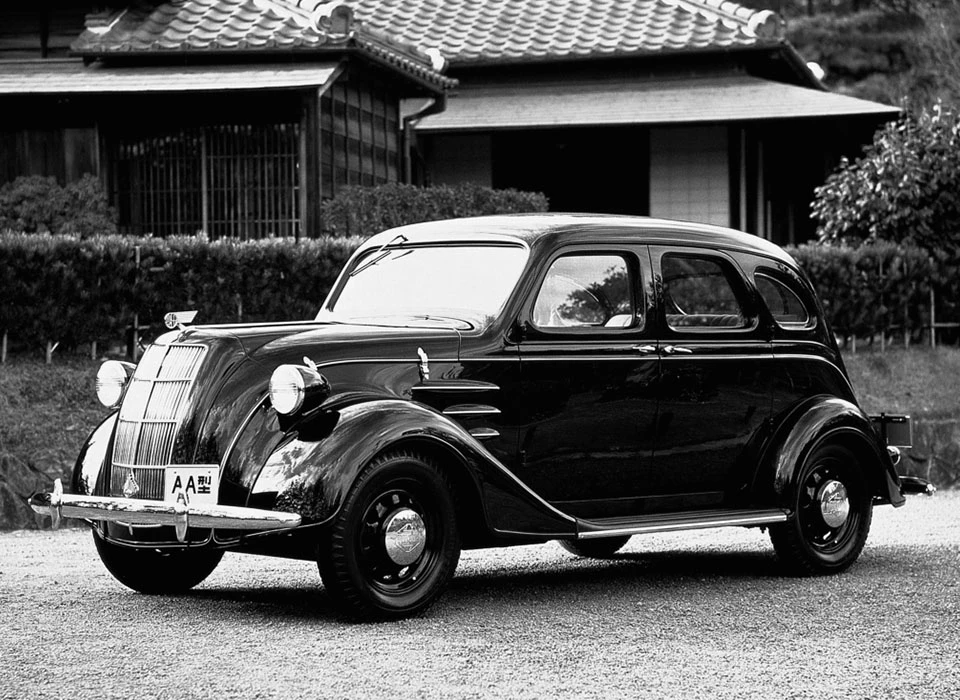
18. Toyota A1 (1935)
Toyota also got its start in automatic looms before developing its first passenger car—the A1 four-door sedan—in 1935. Unsurprisingly, there was nothing revolutionary about its engineering. The design drew heavy inspiration from the Chrysler Airflow, while the chassis and powertrain were painstakingly copied from Chevrolet. Everyone has to start somewhere. 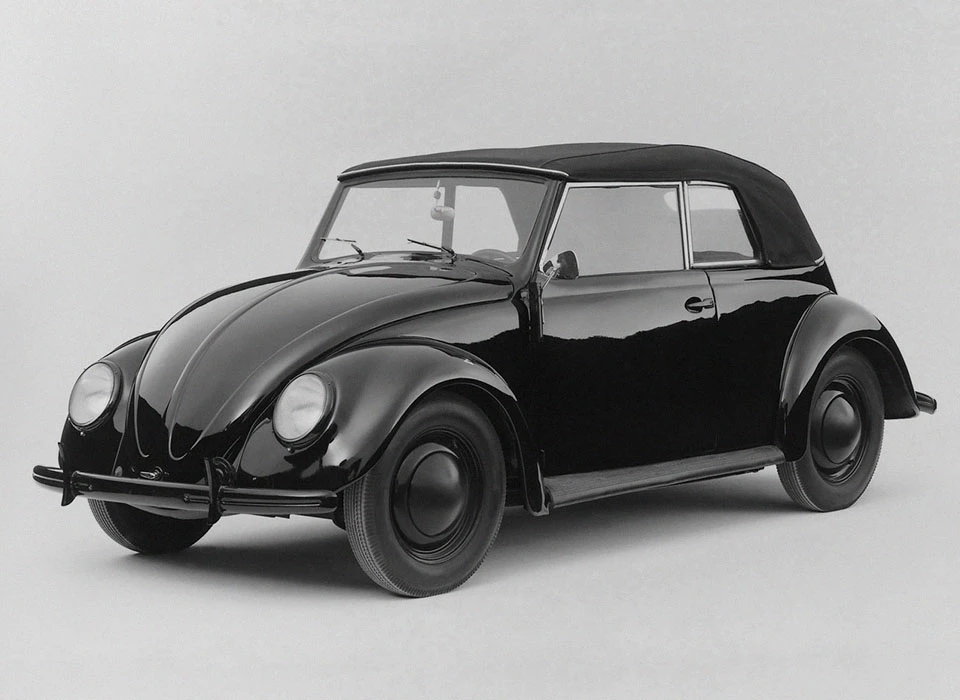
19. Volkswagen Type 1 (1938)
Ferdinand Porsche's dream of building an affordable car for the masses was realized with the backing of the German government, which greenlit the development of a "people's car" and the construction of a factory. Dr. Porsche delivered brilliantly. Featuring an ingeniously simple backbone frame, a rear-mounted flat-four engine, and an iconic silhouette, the car became the ultimate symbol of motoring for everyone. 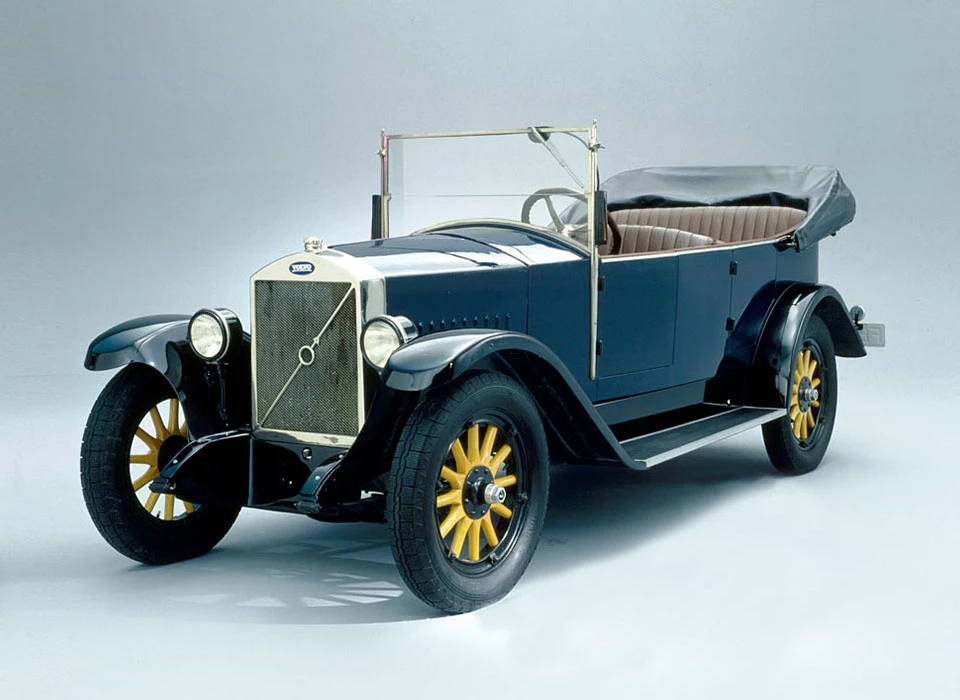
20. Volvo OV4 (1927)
In the early 1920s, Assar Gabrielsson, a senior executive at the Swedish bearing manufacturer SKF, was working in France. While the French auto industry was booming, Sweden had no major carmakers to speak of. Deciding it was time for a change, Gabrielsson set out to fix that.
Teaming up with engineer Gustaf Larson and securing bank loans backed by personal guarantees, the pair built 10 pre-production prototypes that laid the groundwork for the first series-production Volvo, the OV4. The name OV4 stood for
Öppen Vagn 4-cylindrar
("Open Carriage 4-cylinder")—a bit of a misnomer, considering at least one of the ten prototypes featured a fully enclosed body. A minor oversight...