10 Mind-Boggling Things That Can Happen While You Sleep (11 photos)
We tend to view sleep as a period of rest—a precious window of time to escape the daily hustle and recharge our batteries. Ideally, we wake up each morning feeling refreshed and in high spirits. But for some, a night's sleep can turn into tragedy, crime, or even death... 
During sleepwalking episodes, people exist in a semi-conscious state—half their brain is awake while the other half sleeps. They feel no pain and are generally unable to grasp the consequences of their actions, yet they remain capable of performing surprisingly complex tasks.
Here are 10 of the most unbelievable things people have done in their sleep—from getting behind the wheel to jumping out of windows.
1. Sending Emails 
Researchers at the University of Toledo reported the case of a young woman who woke up in the middle of the night, turned on her computer, and emailed party invitations to her friends. Though only one such incident has been formally documented, the phenomenon already has a nickname: "Zzz-mailing." The woman fell asleep around 10 p.m., only to write and send three emails a couple of hours later. One read: "Come over tomorrow and fix this place up. Dinner and drinks at 4 PM. Bring wine and caviar only." Another simply exclaimed: "What the..."
She had no prior history of sleepwalking and was understandably stunned the next morning when a friend called to accept the invitation. Sleepwalkers rarely remember what they do while asleep. Although operating in an altered state of consciousness, they remain capable of intricate behaviors. Researchers suggested that prescription medication she was taking might have triggered the episode.
2. Jumping Out of Windows 
People suffering from REM sleep behavior disorder often physically act out their dreams. "Living the dream" usually implies something wonderful, but not in their case. In 2007, a sleeping teenager stepped out of a fourth-story window. After falling nearly 30 feet, he landed on the sidewalk and simply kept sleeping, completely oblivious to what had happened.
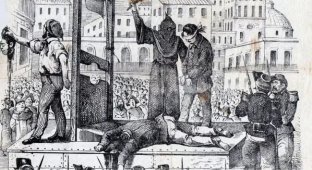
The teen was completely sober—no alcohol or drugs were involved.
Comedian Mike Birbiglia (pictured) once jumped through a second-story hotel window while asleep, landing in the lobby area. He woke up covered in lacerations that required 33 stitches. Birbiglia, who was later diagnosed with REM sleep disorder, admits he had been sleepwalking for years before the incident. "I remember thinking, 'This seems dangerous. I should probably see a doctor...'" he recalled. "And then I'd think, 'Well, maybe I just need to eat dinner.'"
3. Real-Life "Sleeping Beauties" 
Sufferers of Kleine–Levin syndrome are often dubbed real-life Sleeping Beauties. They can quite literally sleep their lives away. Episodes of extreme hypersomnia, like those experienced by Alanna Wong (pictured), can last anywhere from a few days to eight whole months!
During brief waking intervals, their behavior becomes erratic—they may cry uncontrollably, overeat compulsively, or regress to a childlike state. Returning to normal after an episode is a slow, difficult process. While patients can go weeks or months between episodes with full cognitive function, treatments offer limited relief, and the condition may never fully go away.
4. Sleep-Driving 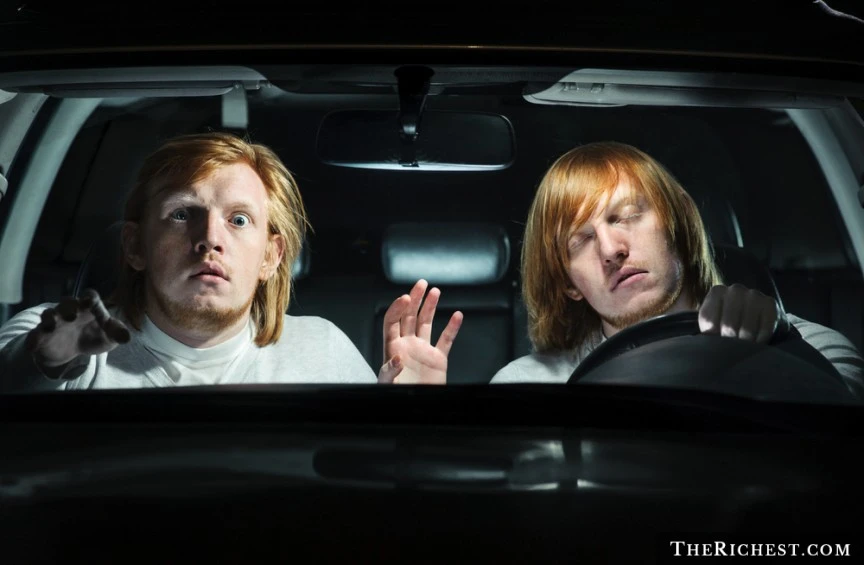
Ambien (zolpidem) is a popular sleep aid frequently cited in traffic arrests. Those under its influence—especially when exceeding the prescribed dose—exhibit bizarre behavior distinct from typical drunk or impaired drivers. They have been caught driving the wrong way down highways, crashing into light poles, and completely ignoring police sirens.
Over the past decade, two separate incidents were recorded of sleep-drivers crashing straight into supermarkets. In another wild case, a nurse dressed only in a thin nightgown crashed into another vehicle during freezing weather, then proceeded to urinate in the middle of an intersection. When officers arrived, she brawled with them.
Sleep-drivers often have a vacant, zombie-like stare. They almost never remember getting behind the wheel after taking their medication.
5. Ondine's Curse 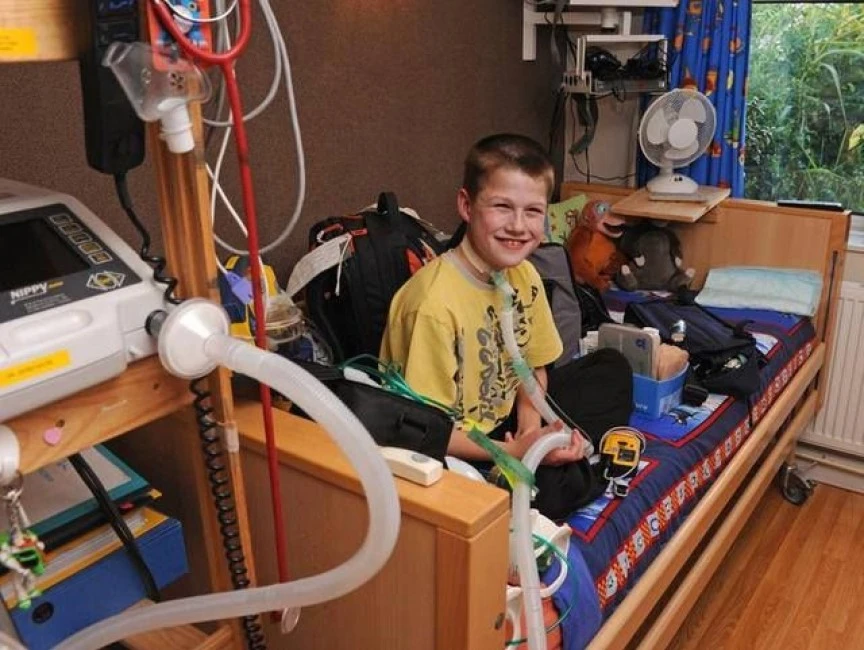
Liam Derbyshire (pictured) suffers from Ondine's Curse, an extremely rare condition affecting roughly one in 30 million people. The disorder causes automatic breathing to stop as soon as the patient falls asleep. Without medical intervention, going to sleep can be fatal within an hour.
By 2006, only about 200 cases had been documented worldwide. Patients require a tracheostomy—a breathing tube inserted in the neck—and must spend every night hooked up to a mechanical ventilator to stay alive.
Liam's parents must constantly ensure he doesn't become overly fatigued and nod off, especially during car rides. Ondine's Curse is so rare that many physicians never encounter it, making timely diagnosis difficult.
6. Sexsomnia 
Sexsomnia is a sleep disorder where individuals initiate or engage in sexual acts while asleep. It is most common among those with other sleepwalking conditions, though it remains relatively rare—affecting about 8% of patients seeking help for sleep disorders.
Roughly 1.5% of the general population experiences sexsomnia, predominantly men. Like other forms of parasomnia, sufferers usually have no memory of their nocturnal encounters. Because waking inhibitions and taboos are absent, their behavior can be strikingly uncharacteristic. This can create distress for partners who never consented, leaving them to wonder who the sleeping partner thinks they are with—or simply causing anger and confusion.
7. Scaling Heights 
When passersby spotted a silhouette atop a construction crane at 2 a.m., they assumed someone was trying to end their life. It turned out to be a sleepwalking teenage girl who had slipped out of her home, bypassed security at the construction site, and scaled a 130-foot crane in her sleep—completely unaware she was hovering inches from death.
A firefighter climbed up to reach her but decided not to wake her, fearing a sudden shock might cause her to panic and fall. The delicate rescue operation took two hours, with firefighters safely lowering her to the ground using an aerial platform. Her parents later confirmed she had a long history of sleepwalking.
8. Night Terrors 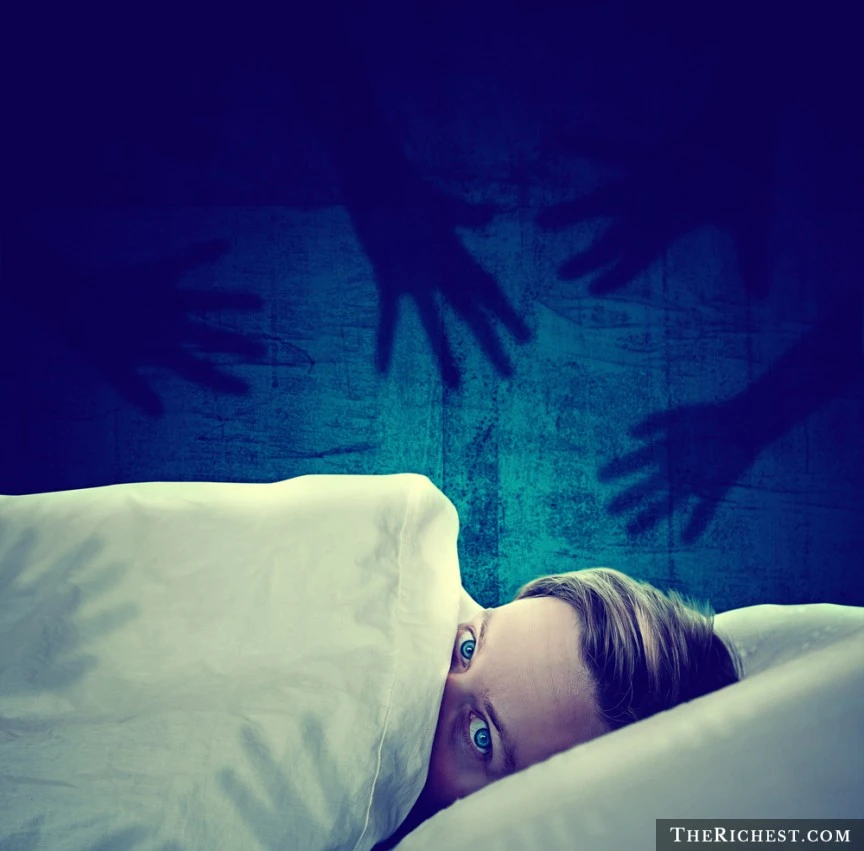
Clinical night terrors are far more intense than ordinary nightmares, which almost everyone experiences on occasion. Night terrors affect 1 to 6% of children and less than 1% of adults. Occurring during non-REM deep sleep, they usually begin in early childhood and fade by adolescence. Episodes can strike every few days or weeks, happen several nights in a row, or recur multiple times in a single night.
Sufferers sit up with their eyes wide open, wearing expressions of sheer terror while sweating heavily with a racing pulse. They often scream—at loved ones or into the void—thrash around, or desperately try to escape an unseen threat. Consolability is impossible during an episode because, despite appearances, they are still sound asleep.
9. Homicide 
By 2005, there were 68 documented cases of sleepwalking-related homicides. On the early morning of May 23, 1987, 23-year-old Canadian Kenneth Parks got out of bed, drove over 14 miles while asleep, and broke into his in-laws' home. He choked his father-in-law unconscious and beat his mother-in-law with a tire iron before stabbing her to death with a kitchen knife.
Remarkably, still asleep, Parks then drove straight to a police station, covered in blood and hysterical. Severed tendons in his hands caused him no apparent pain. His EEG readings, which were impossible to fake, showed abnormal patterns even for a severe parasomniac. A jury ultimately concluded he was sleepwalking throughout the entire ordeal and acquitted him of all charges.
10. Creating Artistic Masterpieces 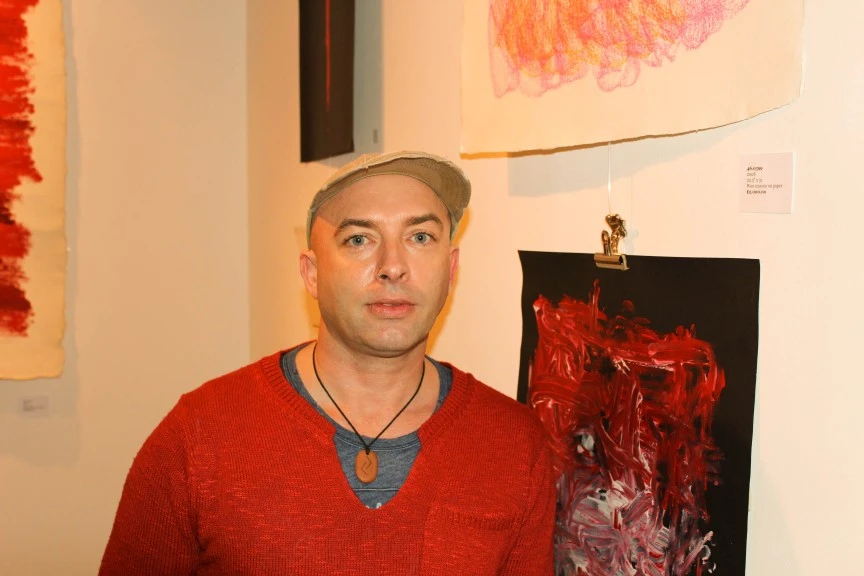
Lee Hadwin has been a sleepwalker since childhood, so it is fitting that he now lives a double life in his sleep. He began sleep-drawing at age four, and by his teens, his simple childhood doodles had evolved into intricate artwork. Dubbed "Sleepasso," Hadwin finds his talent perplexing because he has zero interest in art or painting when awake—and zero memory of creating his pieces.
By day, Hadwin works as a nurse. He has also played in a country band, maintaining that music interests him far more than art. "I can't explain where the drawings come from. It's like a different part of my brain turns on when I sleep," Hadwin says. And like other parasomniacs, he won't respond if you call his name while he's painting in his sleep.