The Making of "Forrest Gump": Behind the Scenes, 23 Fun Facts, and 7 Movie Goofs (30 Photos)
1994 is widely considered the greatest year in cinema history, giving us a wave of legendary classics. Standing tall among them is the heartwarming masterpiece "Forrest Gump," starring Tom Hanks in his iconic role. 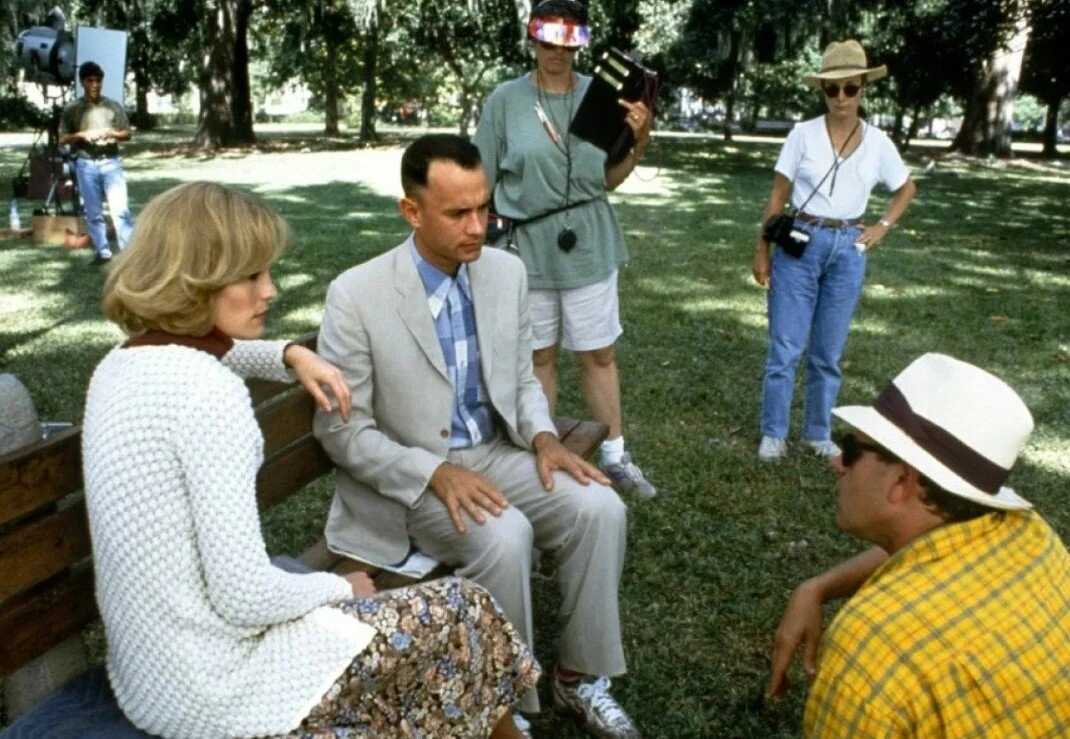
1. The screenplay for "Forrest Gump" wasn't written from scratch. It was based on Winston Groom’s 1986 novel of the same name. Following the movie's runaway success, publisher editions of the book featured Tom Hanks on the cover. 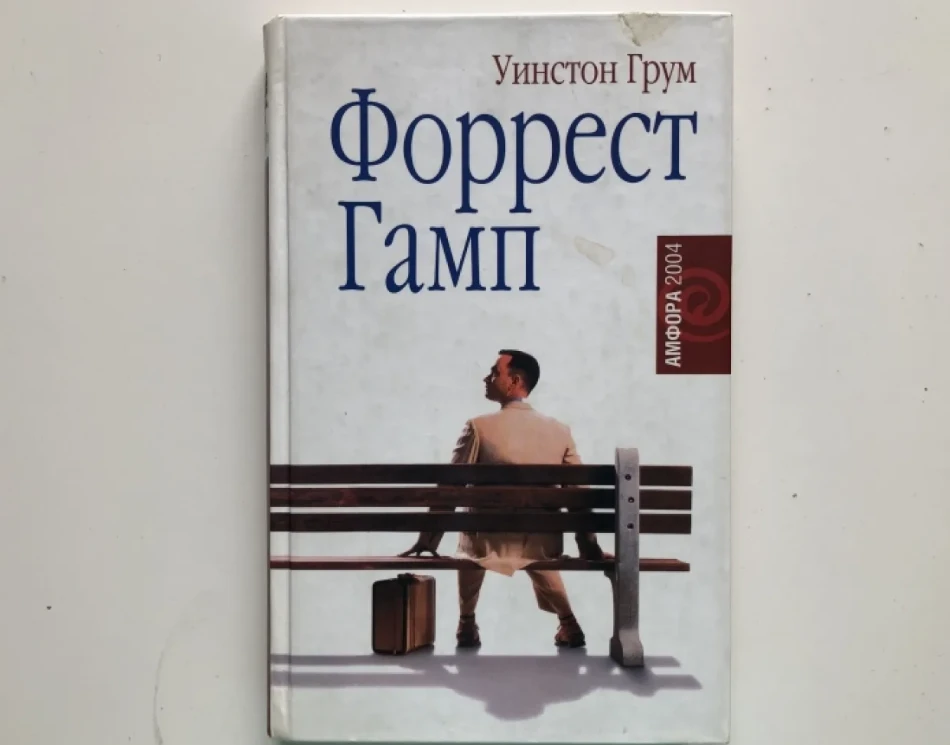
Producer Wendy Finerman fell in love with the novel and pitched an adaptation to Warner Bros. However, executives passed on it, predicting it would flop at the box office, choosing instead to make the action movie "Executive Decision." Paramount Pictures, on the other hand, saw promise in the project and bought the rights—though even Paramount's studio heads remained skeptical about its blockbuster potential. 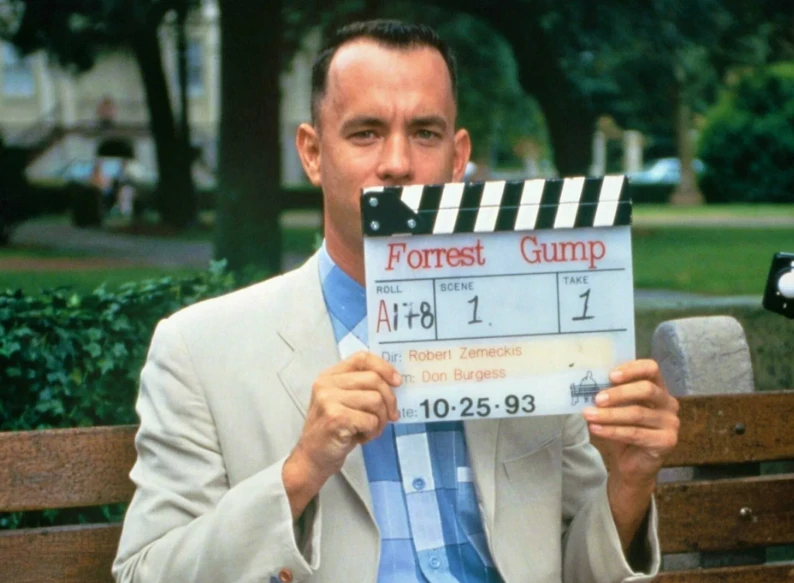
Nevertheless, they gave the project the green light. All that was left was finding a screenwriter to adapt the book, a job that ultimately went to Eric Roth.
2. Terry Gilliam and Barry Sonnenfeld were initially offered the director's chair, but both declined. The job was then offered to Robert Zemeckis, famous for the "Back to the Future" trilogy and several other classic films. 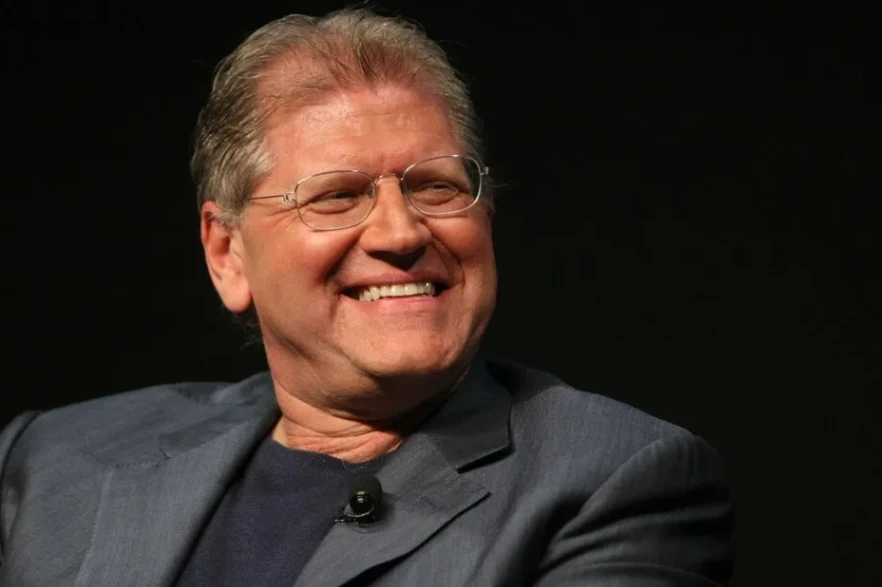
Robert Zemeckis
Zemeckis was initially hesitant, but as soon as he learned Eric Roth was writing the script, he signed on without hesitation—despite having never actually read the original novel.
3. Heavyweights like Chevy Chase, Bill Murray, and John Travolta were considered for the title role. It ultimately went to Tom Hanks, who was suggested by none other than Barry Sonnenfeld—the very director who had turned down the gig. So, good old Barry made a lasting contribution after all! 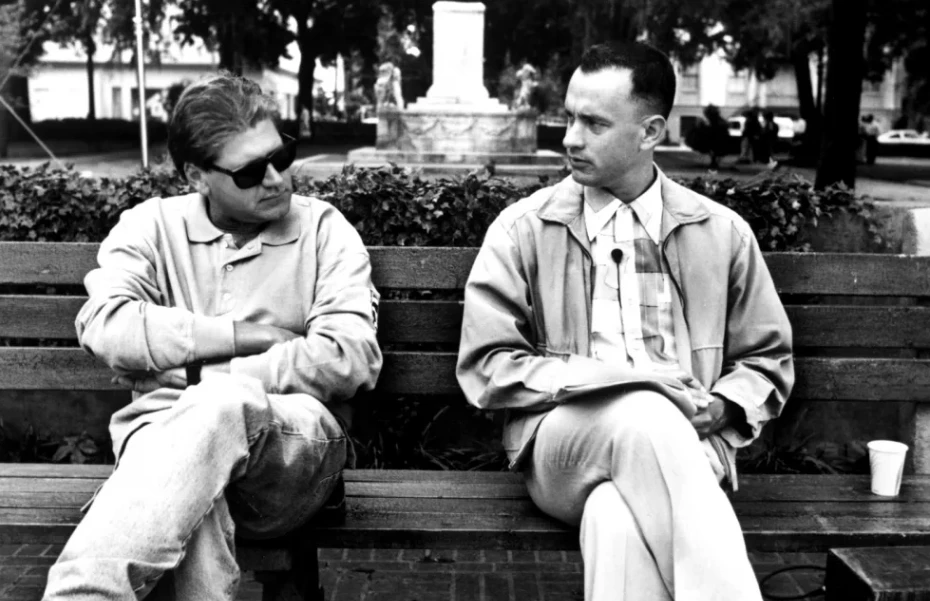
4. The role of Jenny went to Robin Wright, best known at the time for playing Kelly Capwell on the hit soap opera "Santa Barbara." Jenny would turn out to be the defining role of her career. 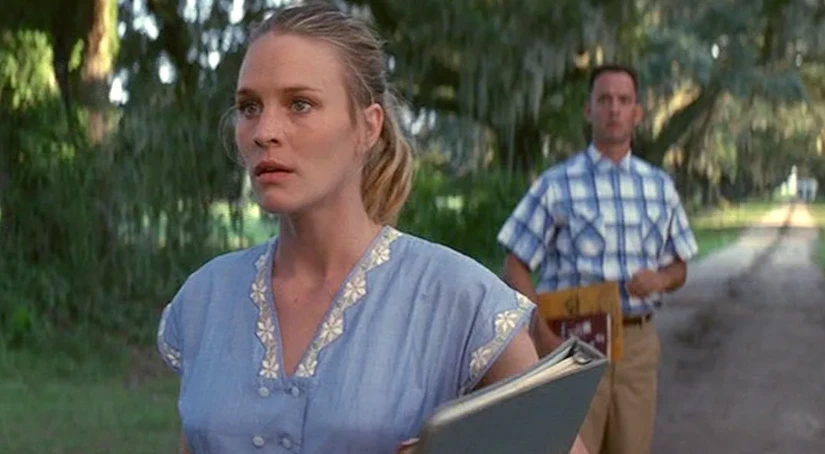
5. Sally Field was cast as Forrest’s mother, despite being only 10 years older than Tom Hanks in real life. 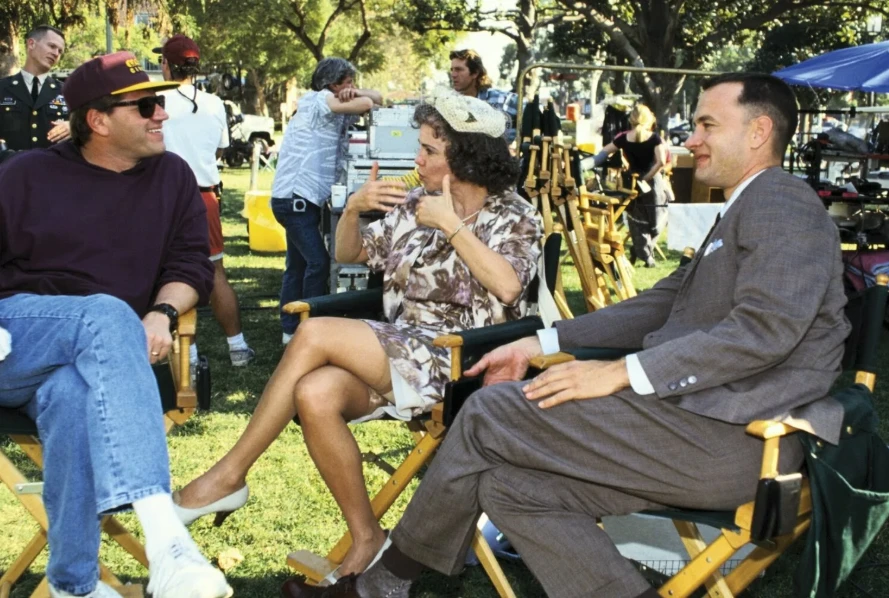
Interestingly, just a few years earlier, they had played romantic leads of roughly the same age in the movie "Punchline."
6. Actors David Alan Grier and Ice Cube were in the running for the role of Bubba, but Mykelti Williamson landed the part. In reality, Williamson doesn't have a protruding lower lip; he wore a prosthetic attachment that became Bubba's signature look. 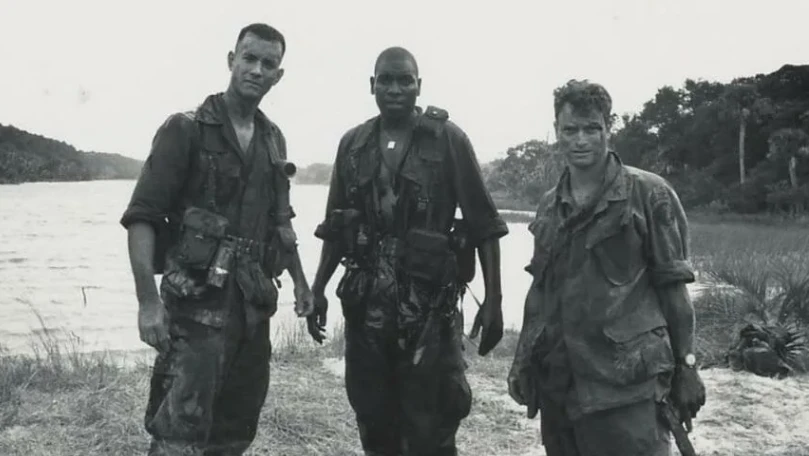
7. A young Elvis Presley staying at the Gump house was physically portrayed by Peter Dobson. However, Robert Zemeckis wasn't satisfied with Dobson's voice, so he uncreditedly brought in Kurt Russell to provide Elvis's voiceover.
8. For Robert Zemeckis and Tom Hanks, "Forrest Gump" became a bit of a family affair. The girl on the school bus who refuses to let young Forrest sit next to her is Tom Hanks' daughter, Elizabeth. And in several running scenes, Hanks was doubled by his brother, Jim Hanks. 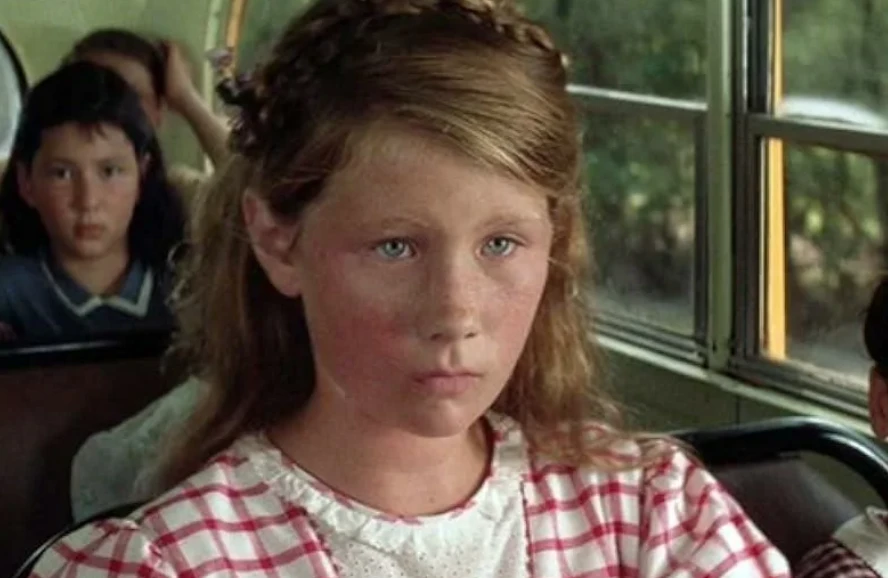
Even the first boy on the bus who refuses to give young Forrest a seat was played by Robert Zemeckis's son, Alexander.
9. To insert Forrest into historical archival footage, Tom Hanks was filmed in front of a blue screen. That's how he ended up shaking hands with JFK and chatting with John Lennon. 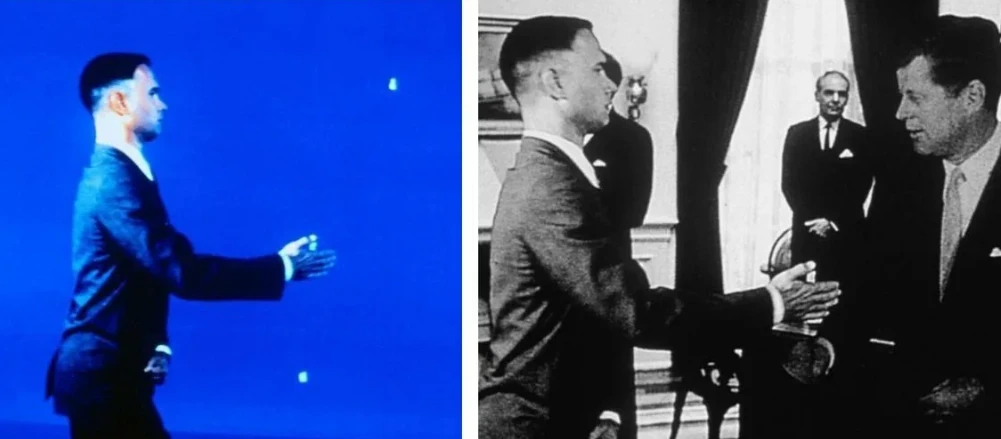
These weren't lookalike actors in makeup—they were real historical figures, with Forrest digitally composited into the footage.
10. During Forrest's speech at the Washington Monument rally, his microphone gets unplugged, muffling his words. Only when the audio cuts back in do we hear him say: "That's all I have to say about that." 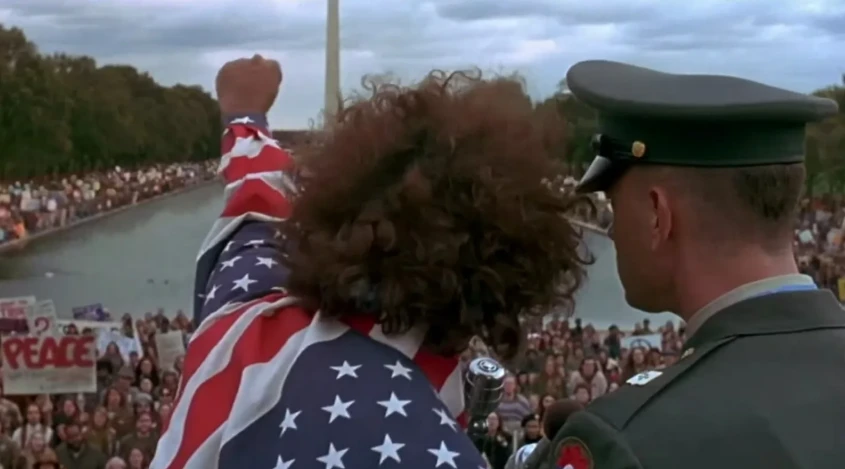
Filmmakers later revealed what Forrest actually said while muted:
"Sometimes when people go to Vietnam, they go home to their mommas without any legs. Sometimes they don't go home at all."
As you can tell, this speech was a nod to Lieutenant Dan, who lost his legs, and Bubba, who lost his life.
11. In the movie, Tom Hanks appears to be a ping-pong prodigy, hitting every single ball with lightning speed and perfect precision. 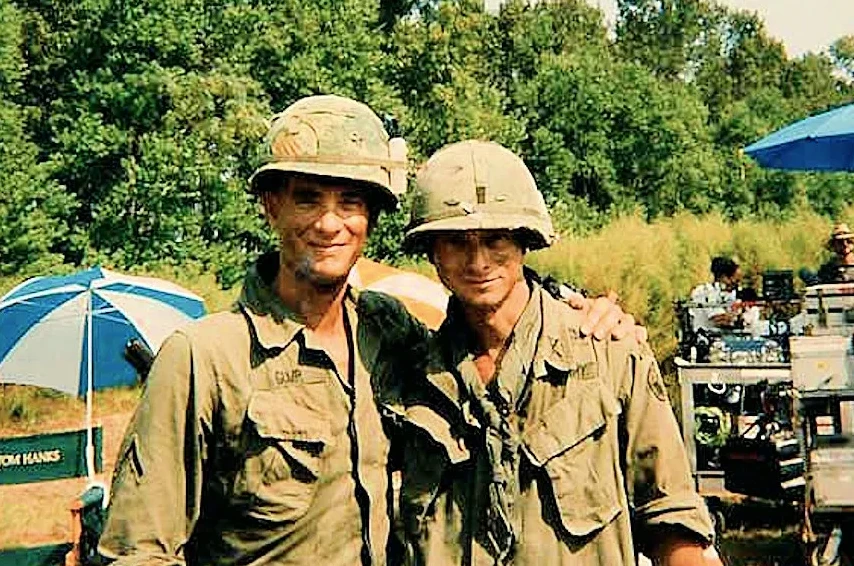
In reality, Hanks was just swinging his paddle at thin air. The ping-pong ball was added digitally in post-production. The CGI is so seamless that it's hard to believe there was no ball there at all.
12. What about Lieutenant Dan's missing legs? Gary Sinise wore blue socks, which were digitally edited out during post-production. However, if you look closely in a few scenes, you can catch him accidentally leaning on his "missing" limbs. 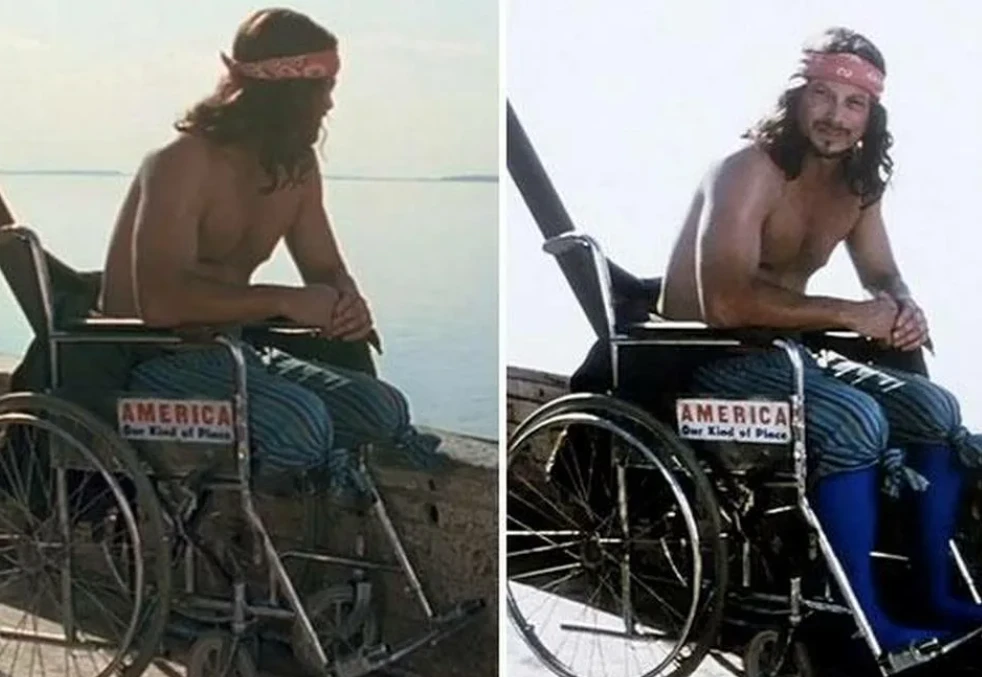
13. Remember the line, "My name's Forrest Gump. People call me Forrest Gump"? Hanks improvised that famous line on the spot. Zemeckis loved it so much he kept it in the final cut.
14. Though never addressed in the film, observant viewers noticed a funny detail: Forrest Gump blinks in every single photograph taken of him throughout the movie. 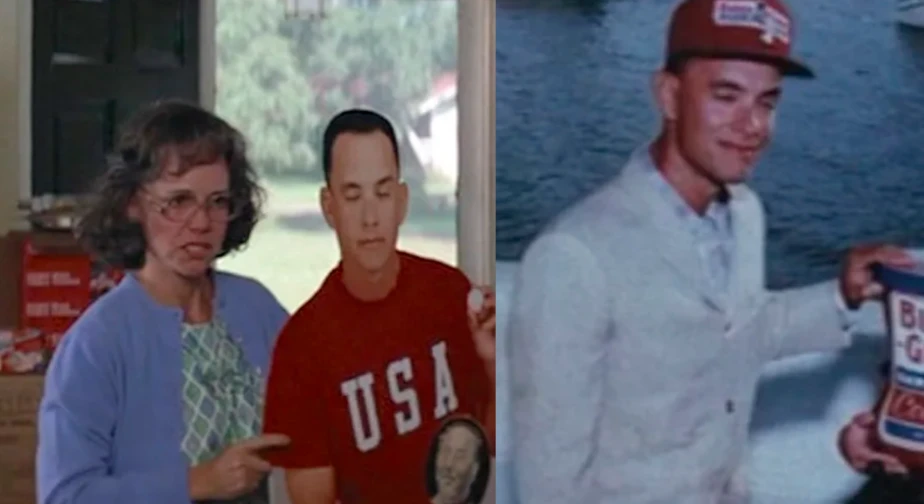
15. To simulate a realistic hurricane for the shrimping boat scene, the crew used giant jet engines to blow wind. The gusts were so intense that the actors had to physically cling to the deck for dear life.
16. Playing Lieutenant Dan Taylor left such a profound mark on Gary Sinise that he formed the "Lt. Dan Band" and spent decades touring military bases to entertain and support troops. 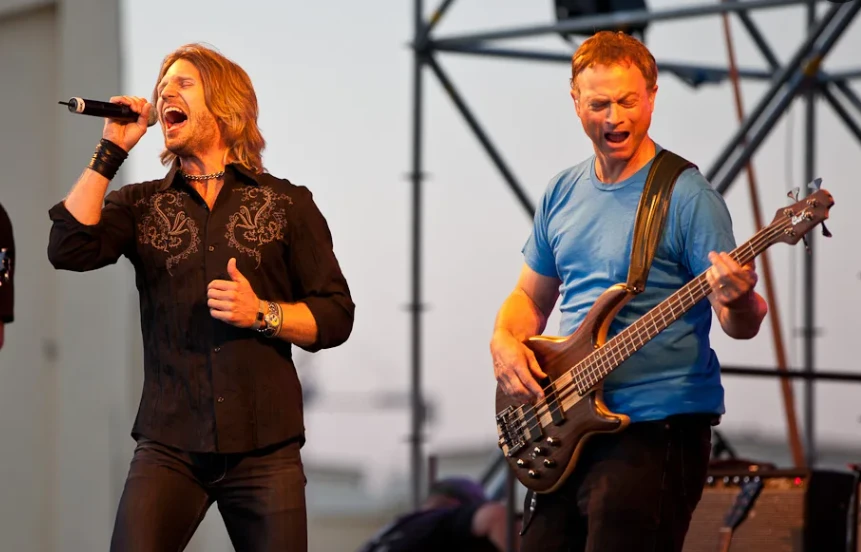
17. When Forrest carries the injured Bubba (Mykelti Williamson) out of the jungle, Williamson was actually suspended by hidden wires—Hanks couldn't physically carry him through the terrain unaided. On screen, however, Forrest remains the superhumanly loyal friend who leaves no man behind. 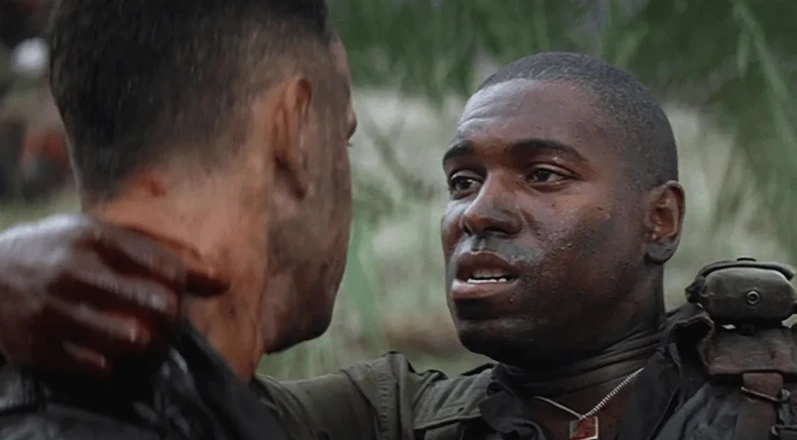
18. The football stadium scenes were shot with a surprisingly small crowd of extras. To create the illusion of packed stands, the same group was moved to different sections and filmed from various angles, then composited together digitally. 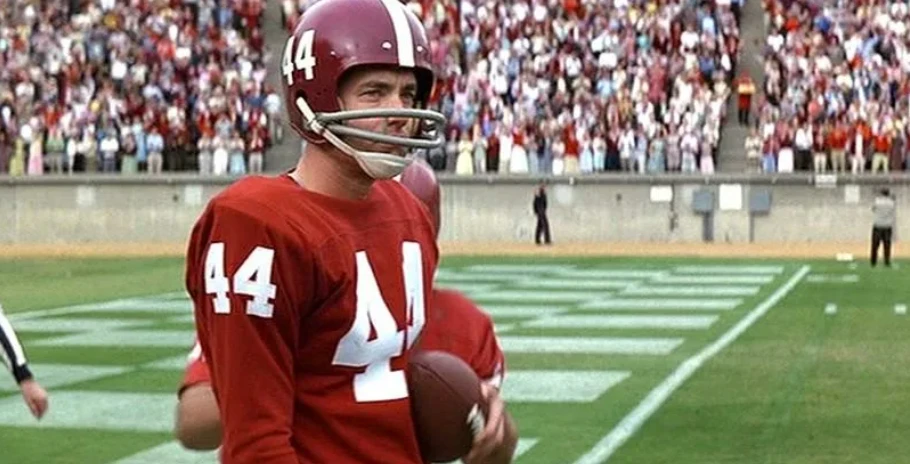
The exact same technique was used for the anti-war rally in Washington, D.C. Gathering that many physical extras in one place simply wasn't feasible.
19. The iconic feather at the beginning and end of the film was a triumph of visual effects. VFX artists used monofilament wire and fans to float a feather in front of a blue screen, carefully directing its graceful descent before layering it onto real footage. 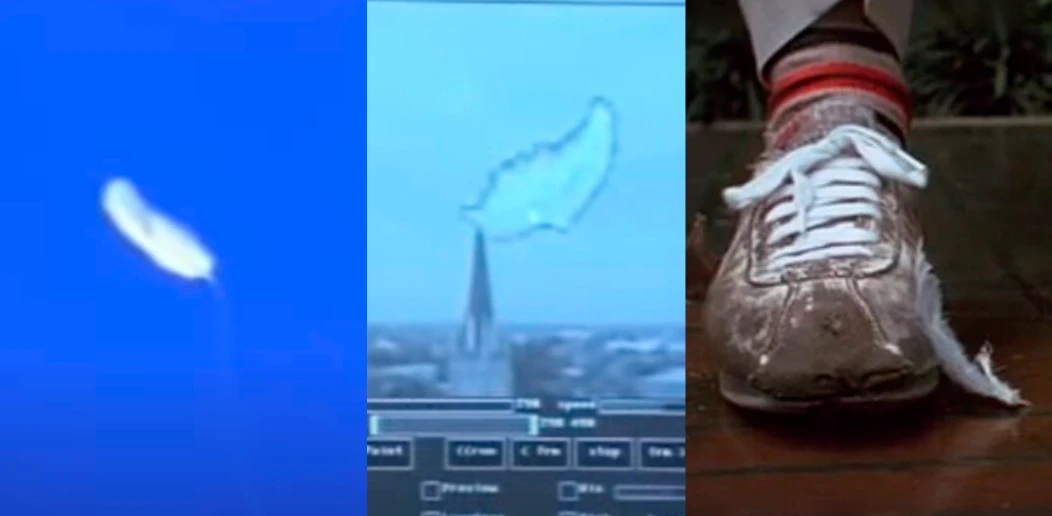
The most impressive trick is the seamless transition from CGI to reality: the moment the feather touches Forrest's sneaker, a real physical feather takes over for the digital model.
20. The scene where Jenny (Robin Wright) performs nude while playing the guitar was a brutal ordeal for the actress. She shot it while running a high fever during a grueling 24-hour shoot. 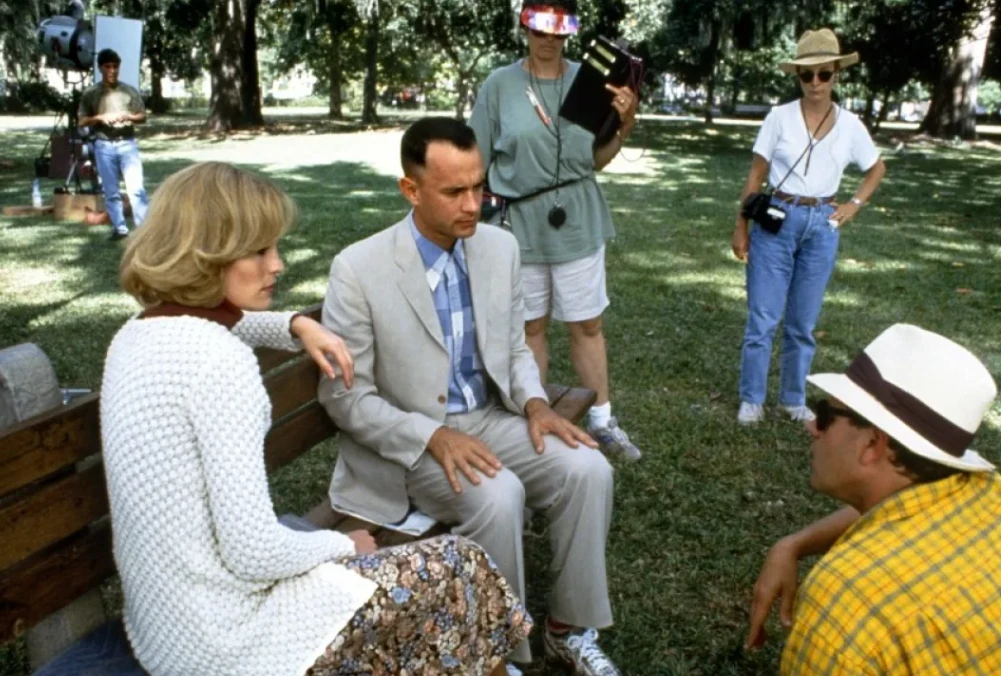
21. Forrest's memorable appearance on "The Dick Cavett Show" alongside John Lennon was created using real footage from an actual episode, where Lennon had originally been sitting next to Yoko Ono. 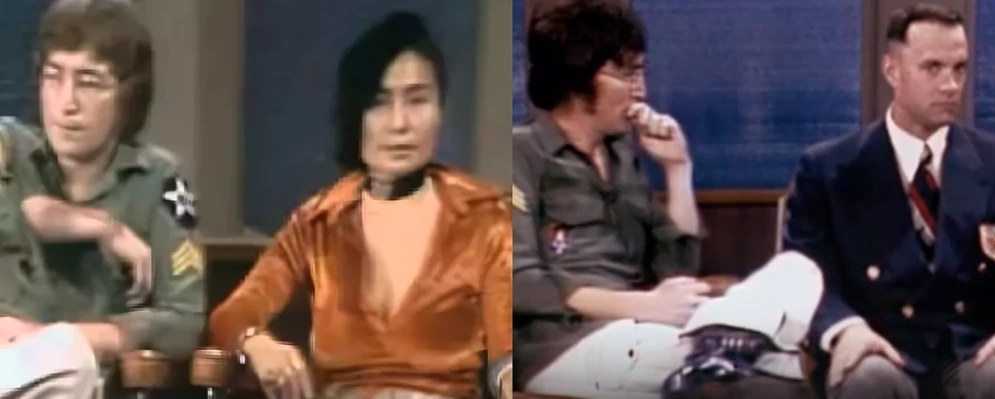
Visual effects artists digitally replaced Yoko Ono with Hanks. Dick Cavett actually returned to shoot new footage playing his younger self, aided by makeup and CGI.
22. In 1995, Winston Groom wrote a sequel novel titled "Gump & Co.", in which Forrest copes with real-life fame from the movie and even meets Tom Hanks. Thankfully, Hollywood decided to leave that story on the page. 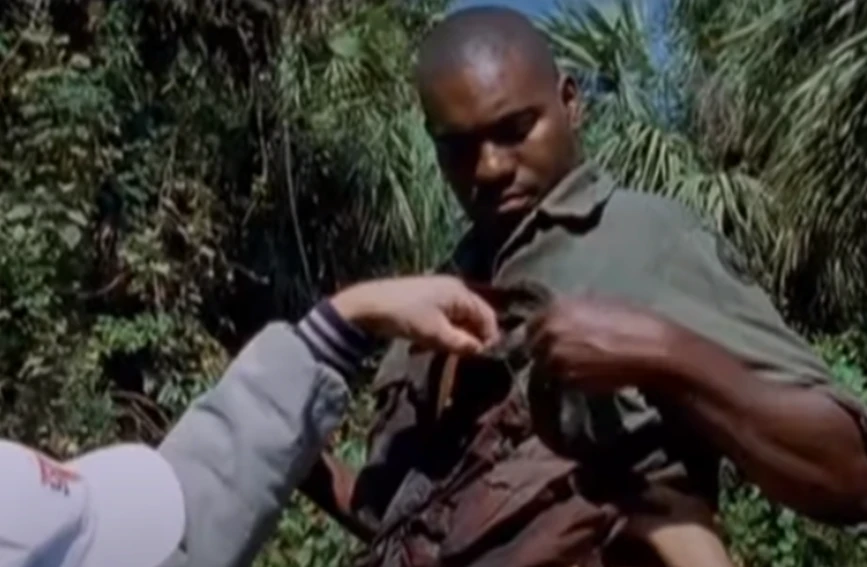
23. Produced on a $55 million budget, "Forrest Gump" became a colossal box-office hit, grossing over $677.3 million worldwide. On top of that, it swept the Academy Awards, taking home six Oscars: Best Picture, Best Director, Best Actor, Best Adapted Screenplay, Best Film Editing, and Best Visual Effects.
24. The movie departs drastically from the novel. In Groom's book, Forrest is not a sweet, simple-minded naive man, but a cynical savant who excels at chess and advanced math. He's also far from pure, engaging in drug use and casual hookups—flaws that the filmmakers transferred to Jenny's character instead.
Now let's take a look at a few movie goofs and bloopers spotted in the film. While some viewers get annoyed by movie mistakes, they're best viewed as fun movie trivia! 1. As Forrest's mother tries to pull his foot free from a storm drain, a black car drives past. Once she finally frees him, the exact same black car drives past again. Did the driver get lost? 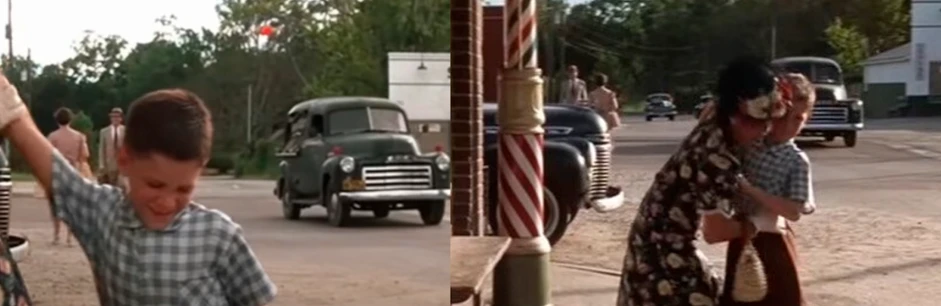
2. When Forrest sprints across the football field and crashes into the marching band's trumpet section, the sound effect used for their fall is distinctly that of crashing cymbals. 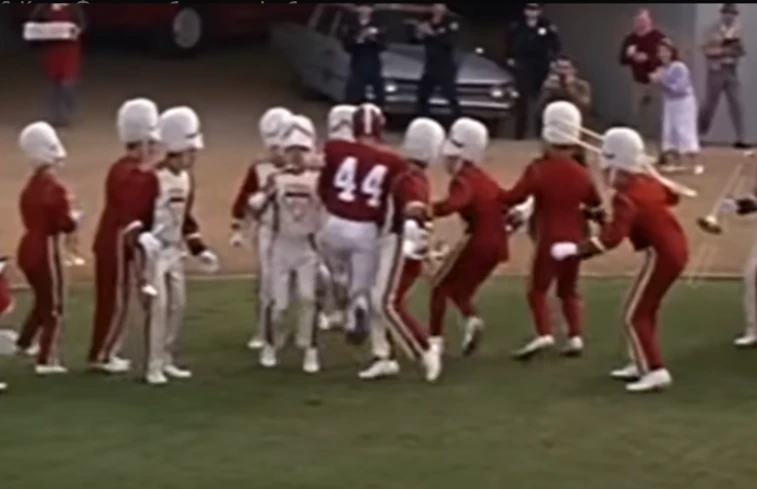
3. A dropped notebook clearly lands on a plain concrete surface, yet when Forrest runs over to pick it up, it's lying on brick pavers. 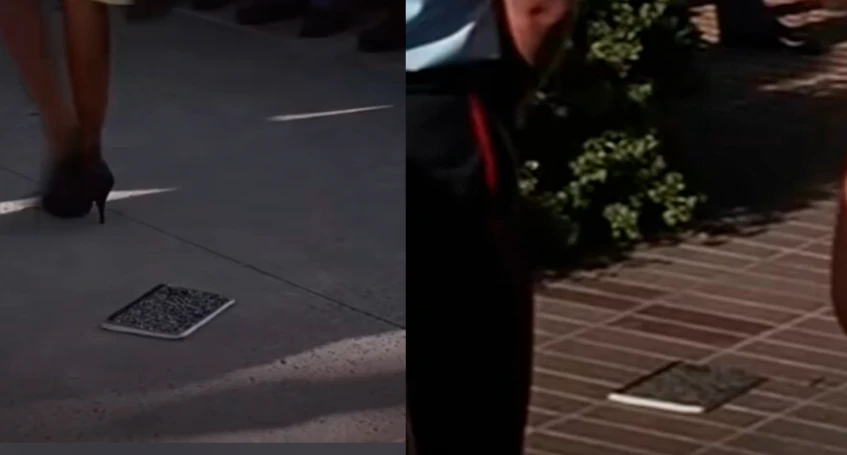
4. Bubba is known for his protruding lower lip, but in one scene, Mykelti Williamson forgot to wear his lip prosthetic—and nobody on set noticed. 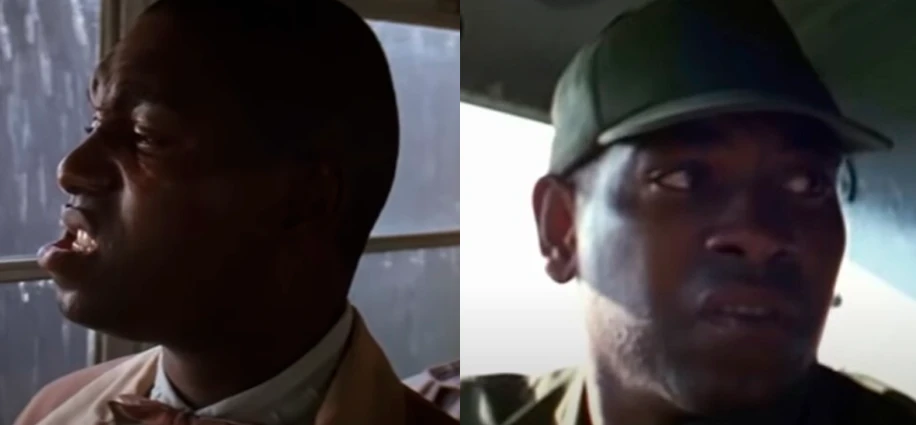
5. When Forrest reunites with Lieutenant Dan in New York, the wheelchair ramp behind Forrest is completely clear of snow. But when Lieutenant Dan rolls down it a moment later, the ramp is suddenly covered in snow. 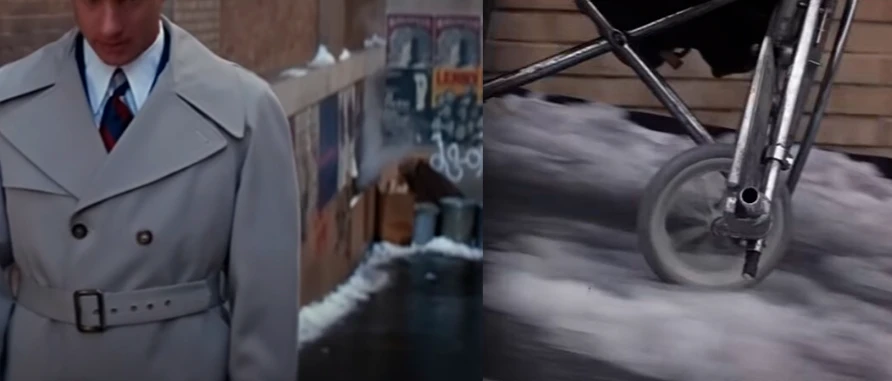
6. The film contains several timeline errors. For instance, Lieutenant Dan buys stock in "some fruit company" (Apple Computer), but Apple didn't go public until 1980—well after the scene's setting of 1975. Another error happens when Forrest says Jenny "died on a Saturday morning," but her gravestone clearly indicates she passed away on a Monday. 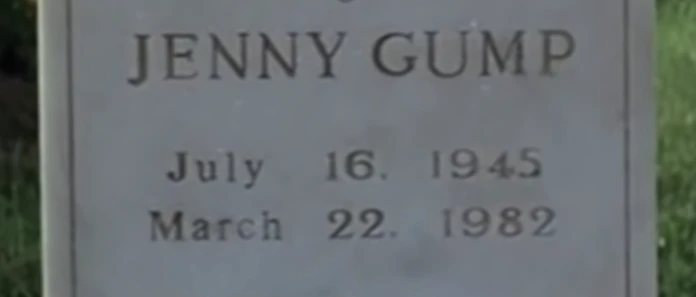
7. When Forrest visits Jenny at her apartment, an iron on an ironing board behind her is lying flat. In the very next shot, the iron is standing upright—even though no one went near it. 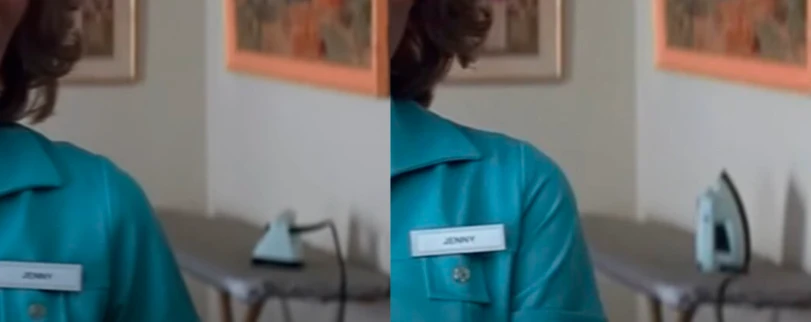
Plot Holes and Odd Details
1. In the school bus scene near the beginning, the mean kids tell young Forrest "seat's taken." But in one shot, someone is already sitting in that seat! Why bother telling him it's reserved when it's visibly occupied? 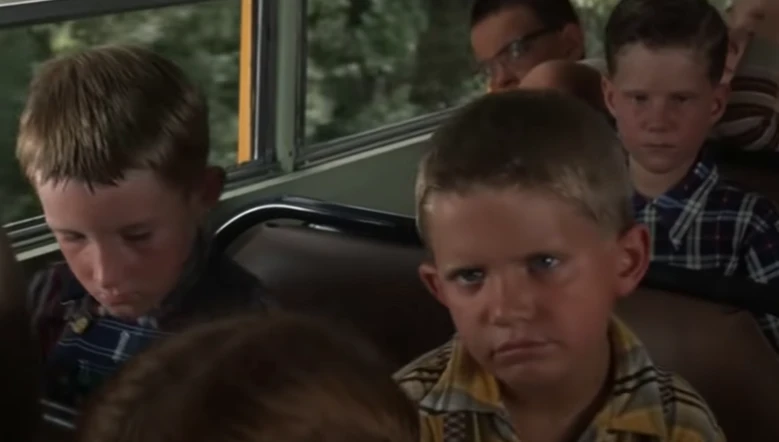
2. Forrest tells Jenny that he survived the war because he listened to her advice: "Run." But Jenny told him to run away whenever he was in danger, whereas Forrest repeatedly ran *into* danger to rescue his fellow soldiers. 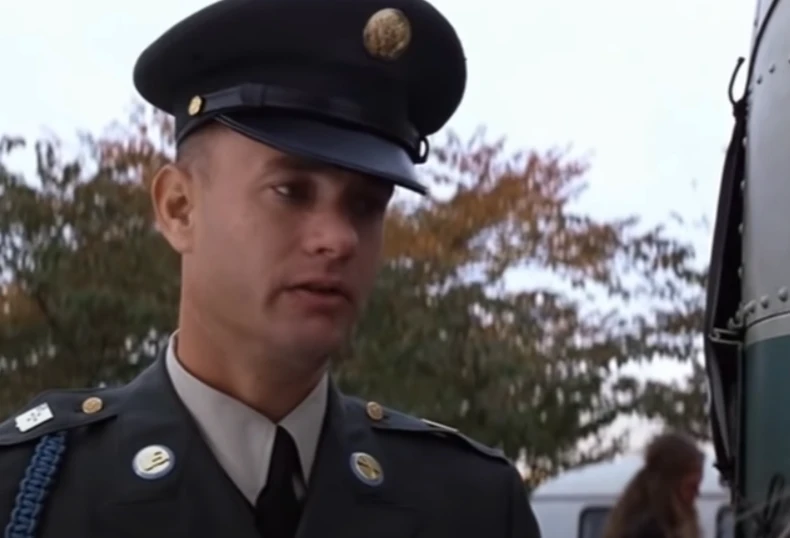
3. A news segment introduces Forrest simply as a gardener from Alabama—completely ignoring that he was the wealthy owner of the Bubba Gump Shrimp Company and an international ping-pong star.