German insurers advocate for repairable headlights (1 photo)
This will reduce insurance costs for customers, but first, manufacturers need to simplify the design of modern automotive optics.
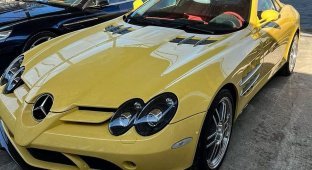
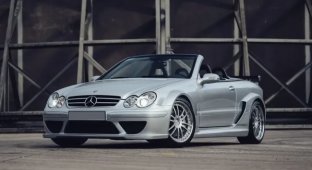
Mercedes-Benz is developing a modular, disassemblable, and repairable headlight. 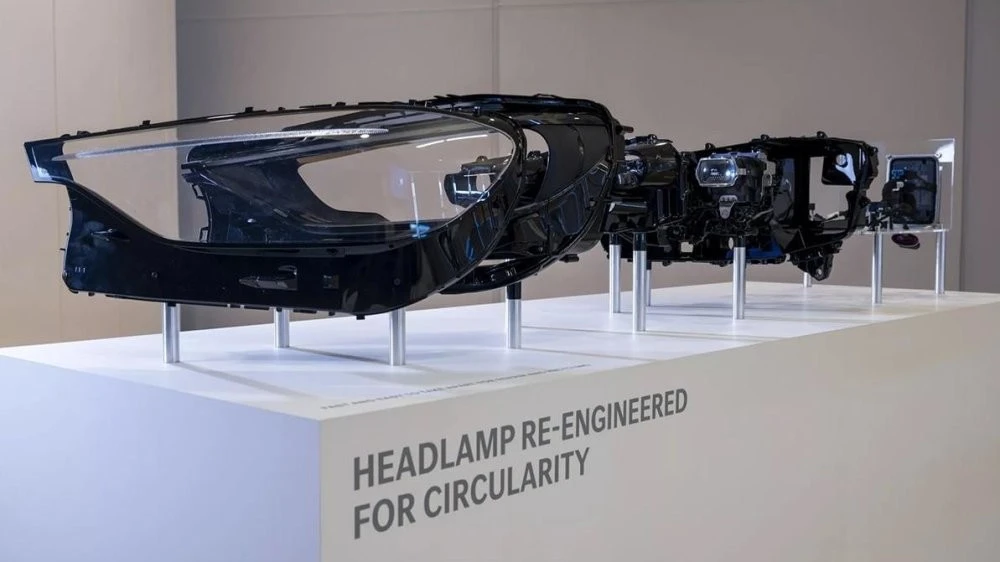
German insurance giant Allianz has openly stated that the current situation with payments for repairs to vehicles damaged in accidents is damaging business margins, forcing higher insurance costs for car owners, and is contrary to environmental policies.
This primarily concerns high-tech matrix and laser-phosphor optics. According to the Allianz Technology Center (AZT), the average cost of replacing a single headlight has risen from €708 in 2015 to €1,251 in 2025, while the cost of headlights on premium models can reach €6,700 per unit.
The scale of these losses is illustrated by the fact that approximately 870,000 headlights are discarded annually in Germany, most of which could be refurbished. In an interview with Handelsblatt, AZT CEO Christian Zahr compared the situation to throwing away an expensive suit because of a missing button.
However, company experts point out that the problem lies not only in the complexity of the lighting technology but also in the absurdity of some German regulations. For example, polishing out minor scratches or repairing chips on plastic headlight lenses is prohibited by law in Germany for safety reasons, forcing replacement of the entire assembly.
They cite foreign brands, particularly Toyota, as a positive example. The headlights of several Japanese manufacturer models are designed modularly—repair shops can officially purchase and replace both the outer lens and individual components separately.
To improve the situation, Allianz has been promoting and expanding the practice of repairing failed vehicle components rather than completely replacing them in various European countries for several years now. They also allow the use of certified used parts (doors, hoods, mirrors, and headlights) from dismantled and scrapped vehicles to repair vehicles older than 3–5 years.