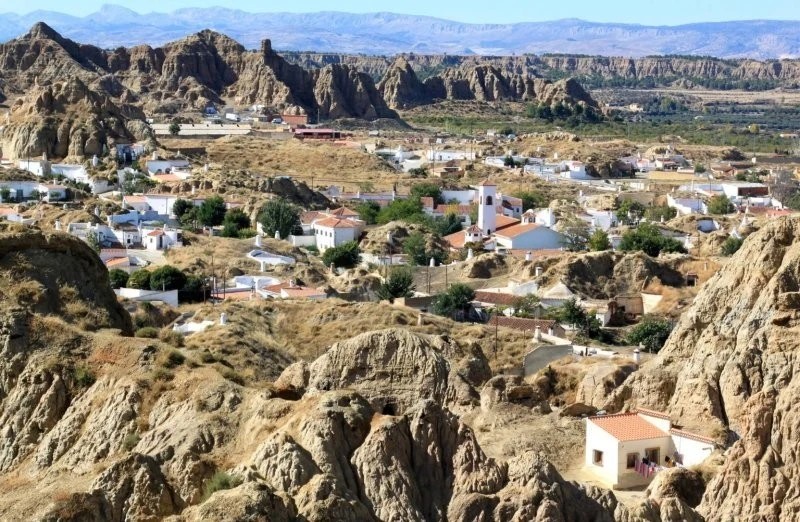
Guadix: The Town of Cave Houses (18 Photos)
An hour's drive from Granada, white chimneys sprout unexpectedly from the ochre earth. Move a little closer, and you realize they aren't chimneys at all—they are ventilation shafts for subterranean homes. 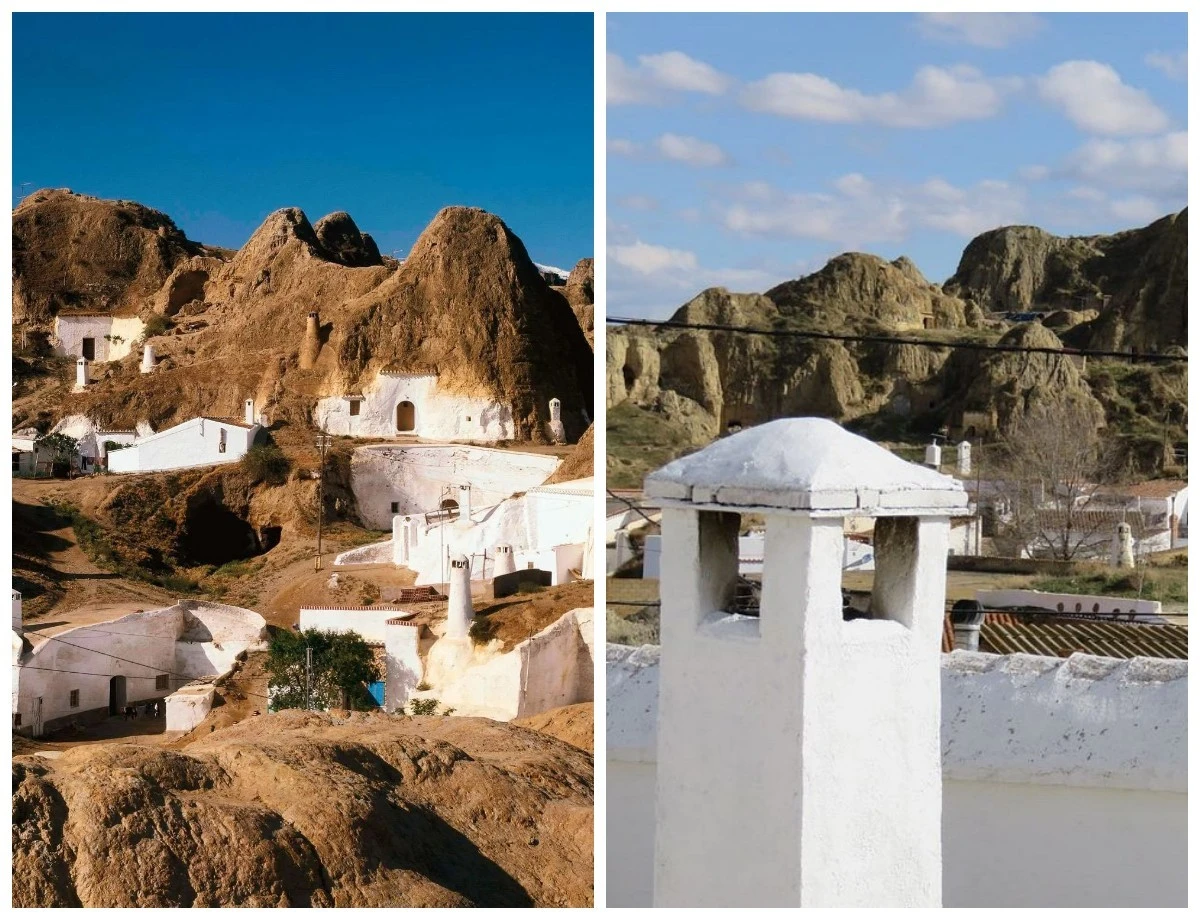
Heading forty minutes northeast out of Granada, the landscape abruptly loses its classic European feel. Barren, rolling ochre hills stretch toward the horizon, bristling with sharp white spires. From a distance, it looks uncannily like a forgotten cemetery. 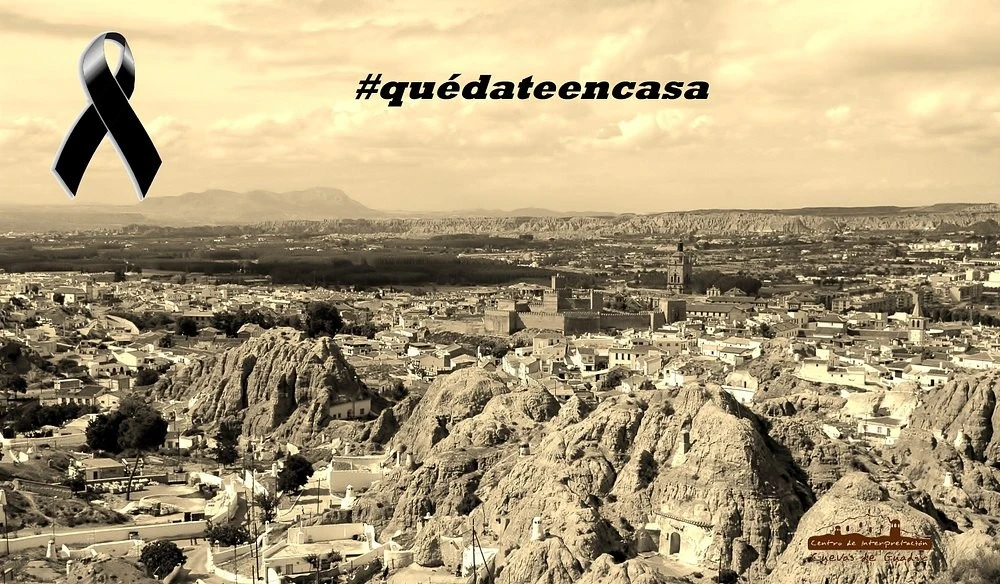
Yet beneath these white pinnacles lie fully furnished living rooms, bedrooms, and kitchens. Welcome to Guadix, one of Andalusia's most extraordinary towns and home to Europe's largest cave-dwelling district. 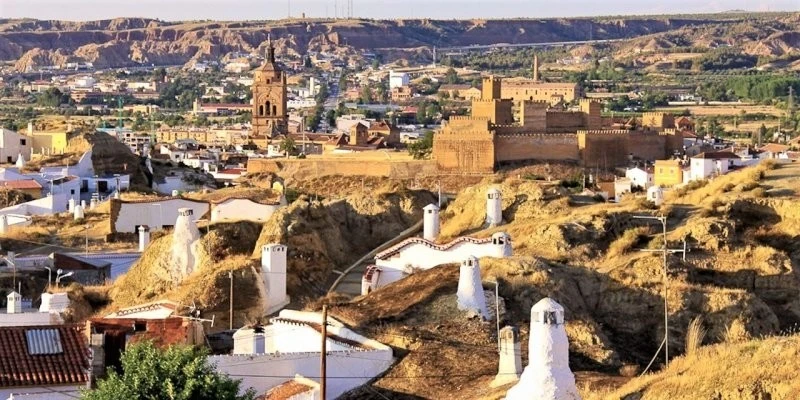
Its story began more than five centuries ago. In 1492, Granada fell, bringing an end to Moorish rule on the Iberian Peninsula. Those who couldn't flee retreated into the surrounding mountains, carving out shelters in the soft clay hillsides. 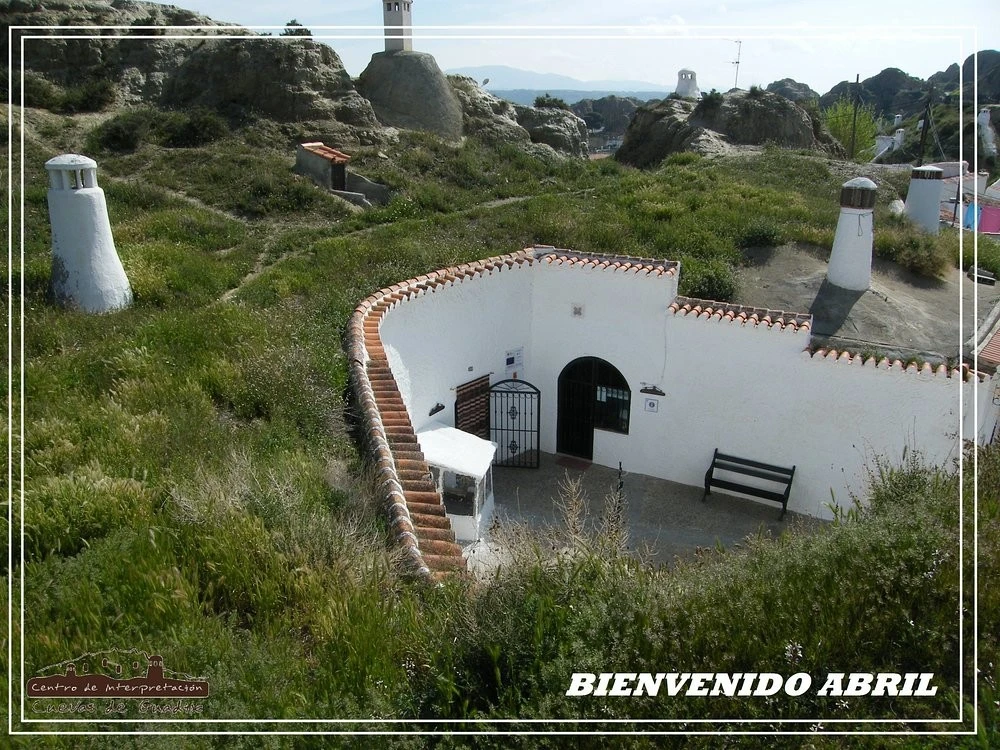
What started as emergency hideouts gradually turned into permanent homes. Generation after generation dug deeper and wider, hand-carving rooms until they evolved into the troglodyte town seen today. 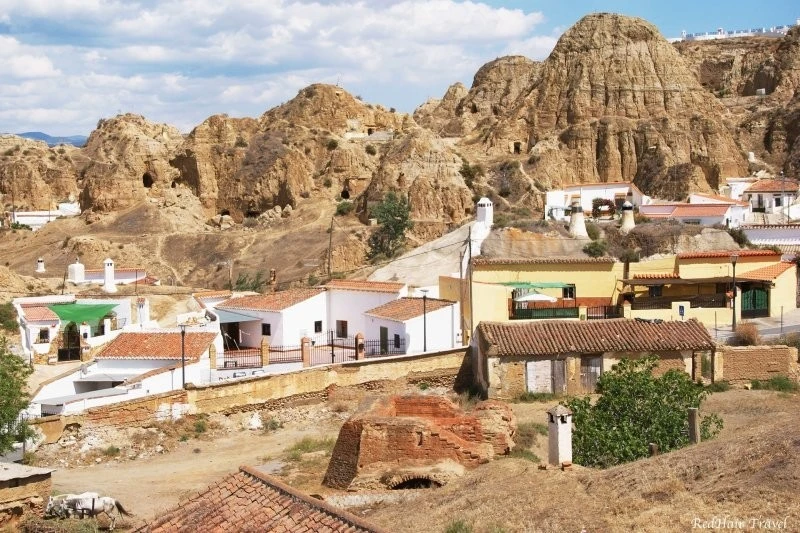
Today, the Barrio de las Cuevas (Cave Quarter) boasts around 2,000 underground dwellings housing roughly 4,000 residents. Out of Guadix's total population of just over 20,000, that means one in five residents emerges from underground every morning to go to work, run errands, or catch up with neighbors. 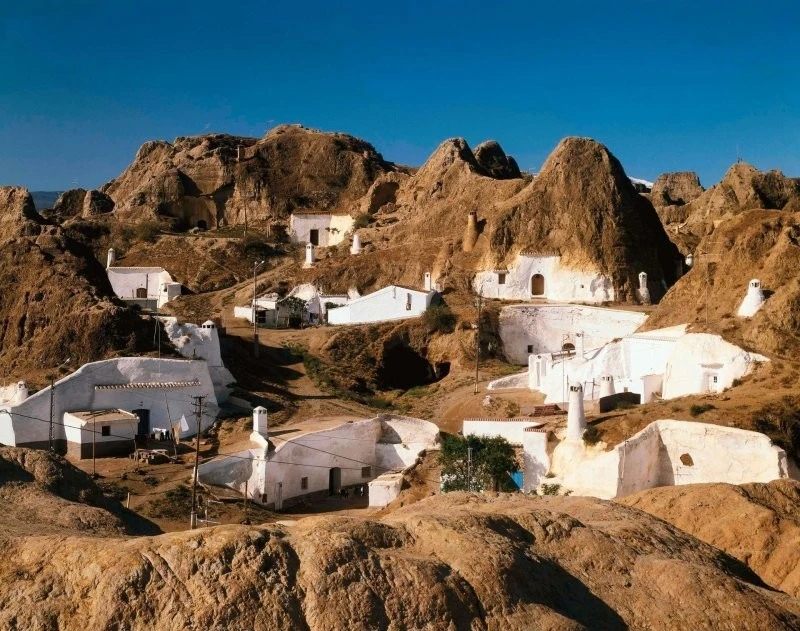
These are far from primitive burrows. Modern cave homes are equipped with running water, electricity, heating, and in some cases, even private swimming pools excavated right out of the rock. But their single greatest perk is the temperature: subterranean spaces stay at a steady 18 to 20°C (64 to 68°F) year-round. 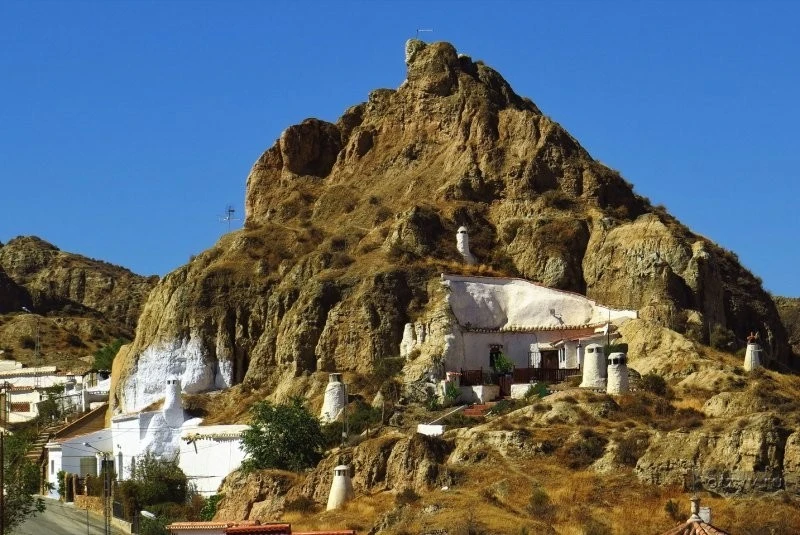
When the blistering Andalusian sun bakes the terrain outside, inside remains refreshingly cool; when winter winds howl, it stays comfortably warm. Air conditioners and space heaters are virtually non-existent here. 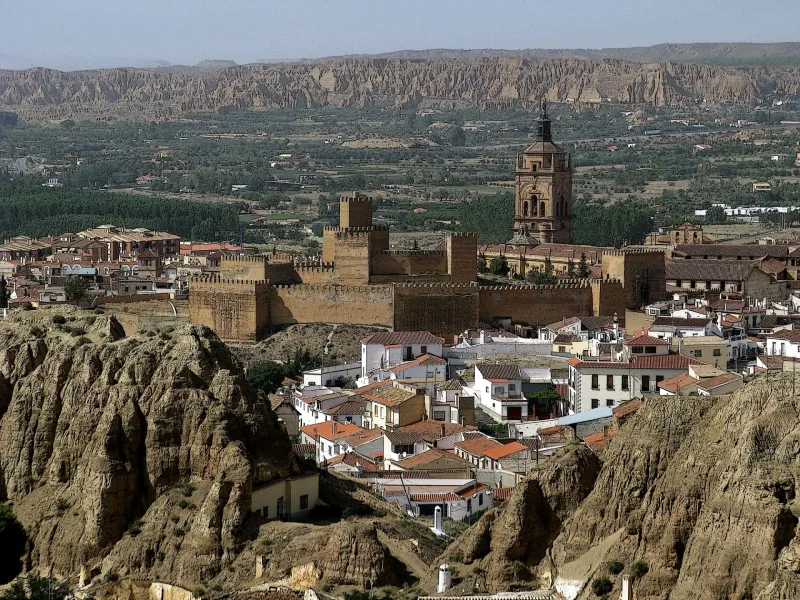
Visitors can explore the Cave Interpretation Center, which displays vintage furniture, traditional garments, and artisan tools, while detailing how these homes were originally dug out of the soft rock. Travelers can even book a cave home for an overnight stay. 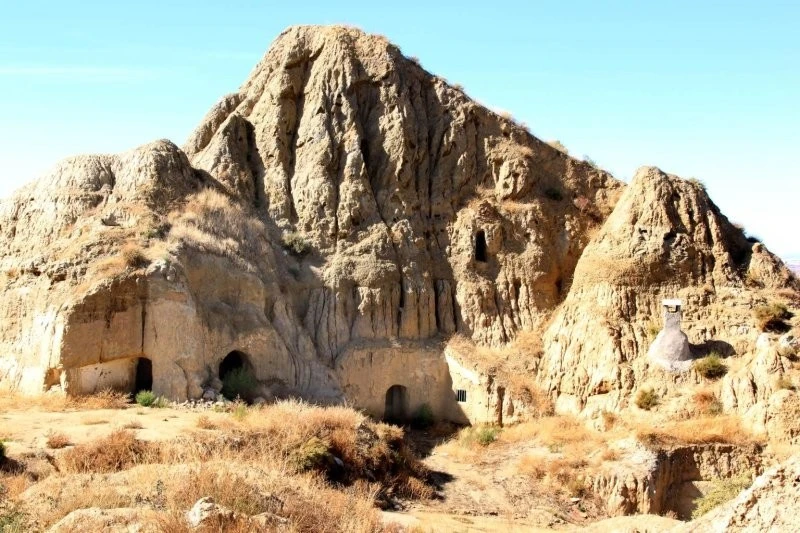
Just don't expect windows. Those who have spent the night describe the experience as being cocooned by the earth itself—a natural form of sensory deprivation that leads to remarkably deep sleep. The locals are also famous for their hospitality; strike up a friendly chat, and you might well be invited inside for a personal tour. 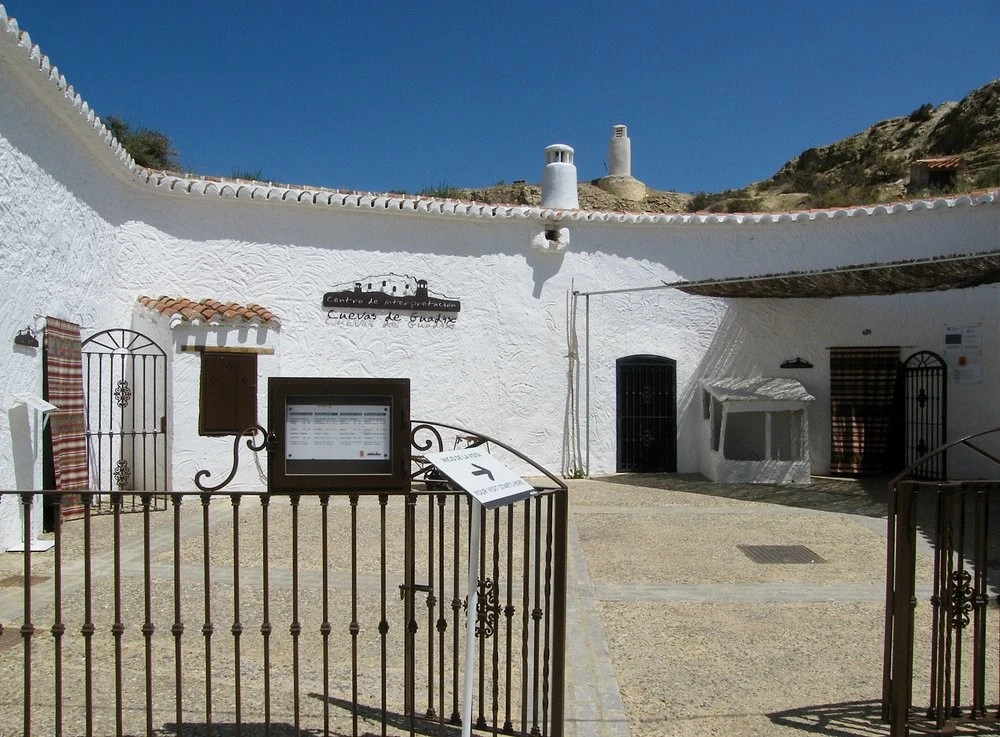
Cave Interpretation Center
The neighborhood even boasts its own cave church—La Virgen de las Cuevas (Church of Our Lady of the Caves). What began as a modest 17th-century hermitage was expanded and modernized in 1962. Inside, a small but striking altar features a 400-year-old mural of the Virgin Mary. 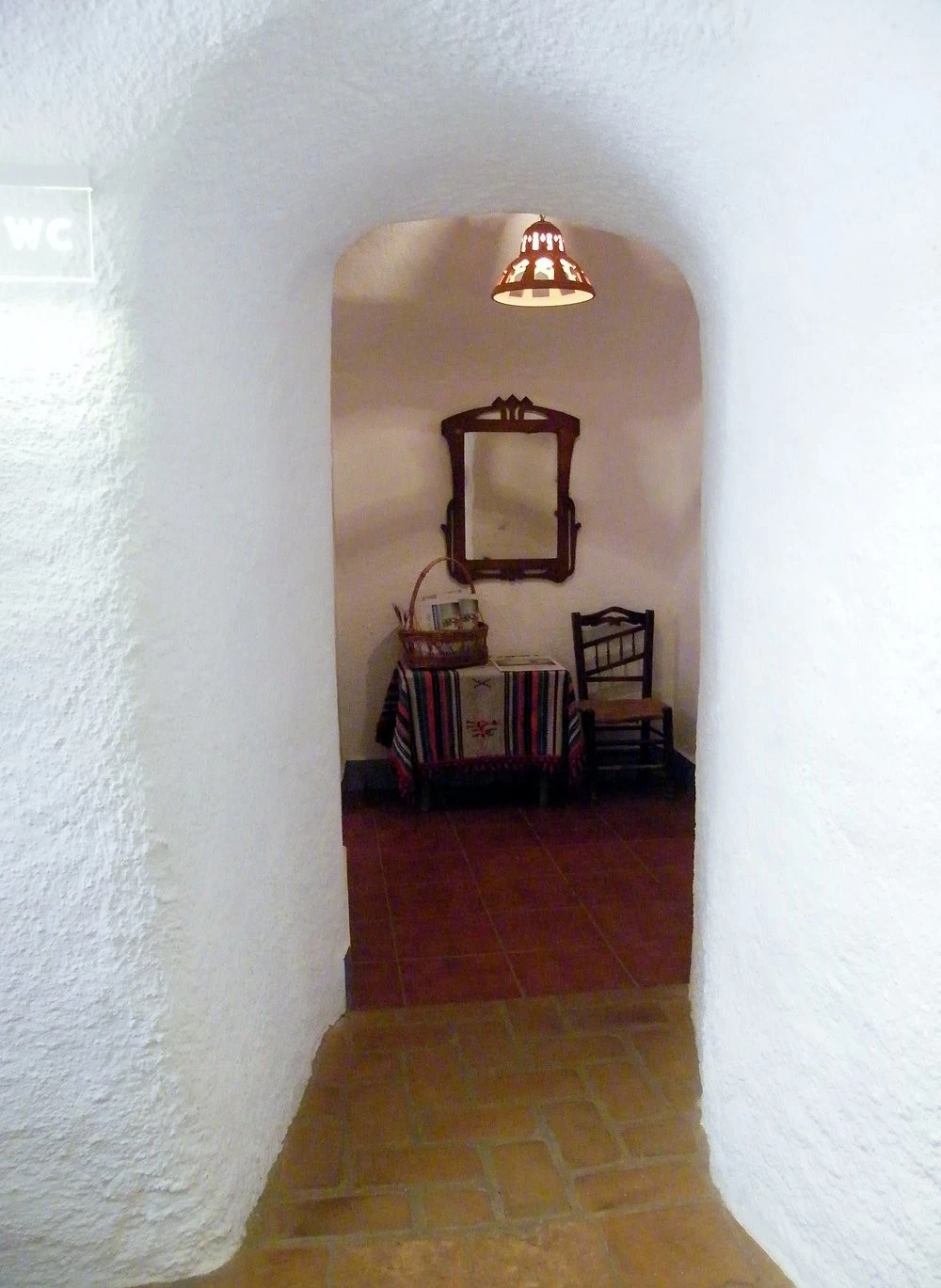
By contrast, the main Cathedral of Guadix presents a completely different architectural scale. Construction began in the 16th century, layering Gothic, Renaissance, and Baroque styles; set against yellow hills and open skies, it looks both surprisingly grand and imposingly serious. Behind it lie the ruins of a Roman theater. 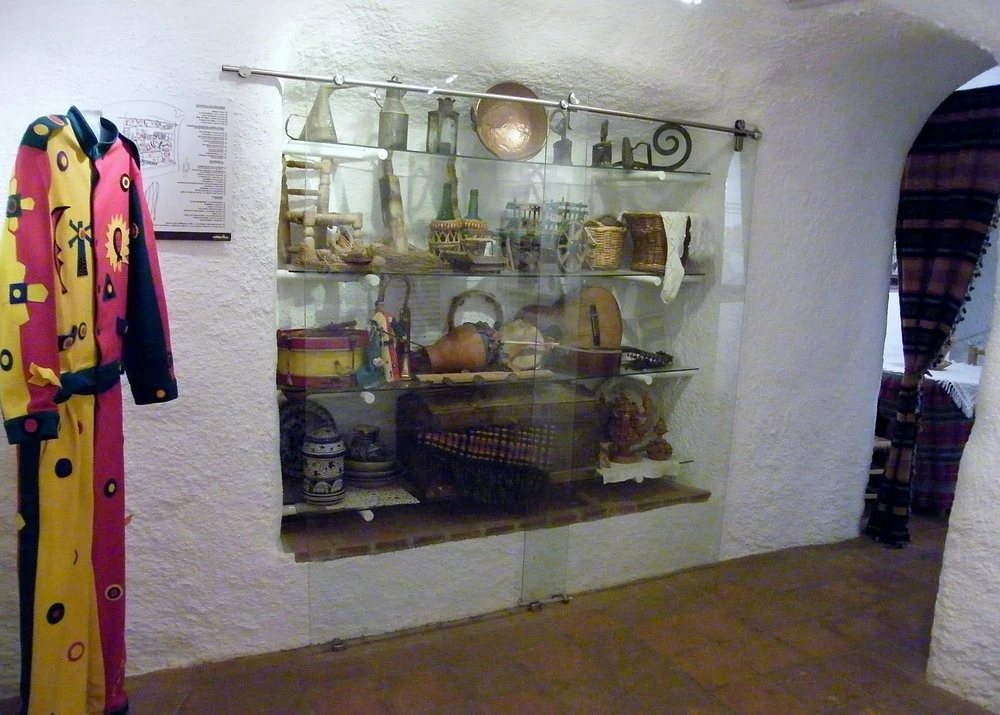
Only the foundations of the theater remain today, as much of its stone was repurposed to build the Moorish fortress of the Alcazaba. 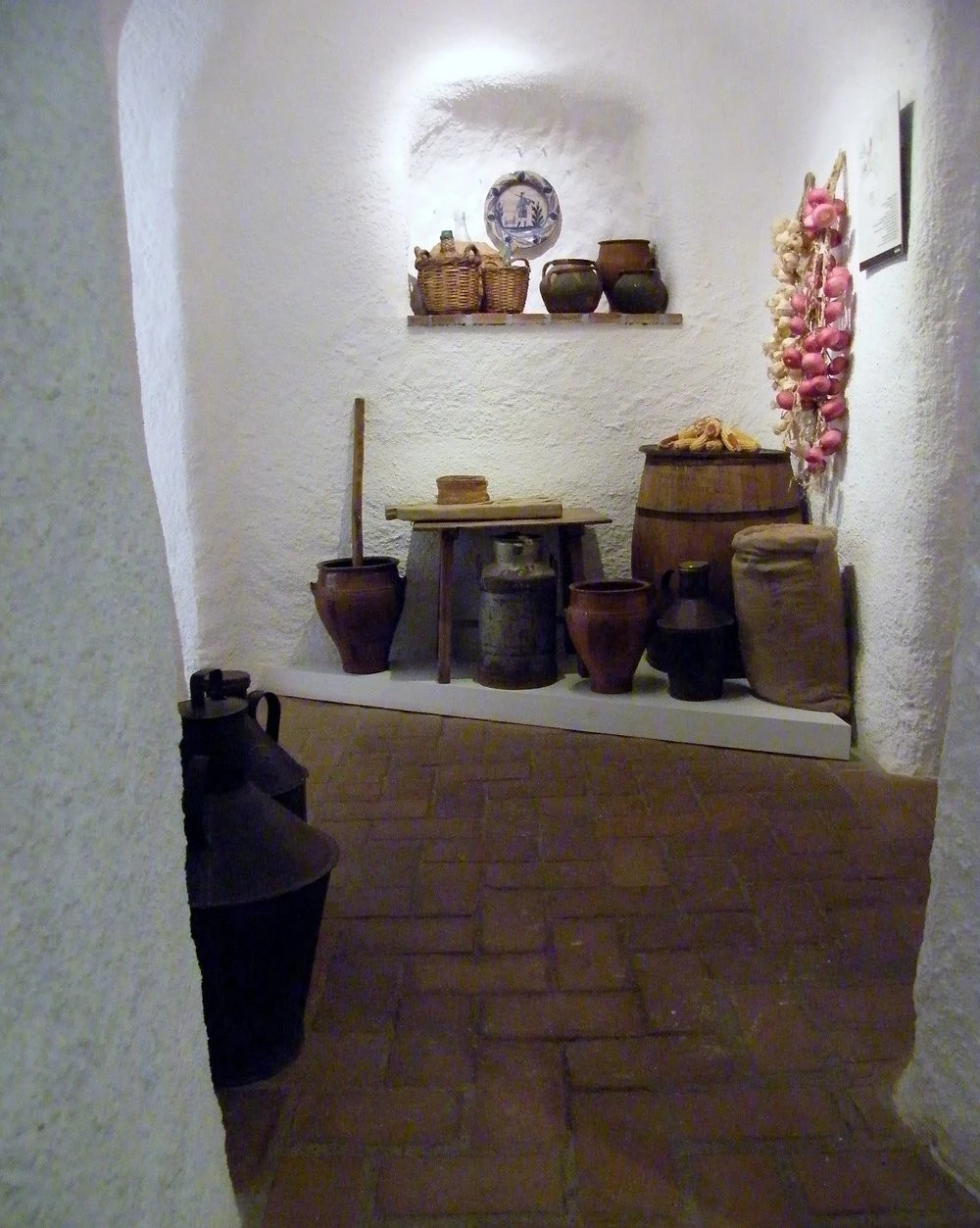
The Alcazaba of Guadix is a massive above-ground citadel built by the Moors in the 10th century to withstand sieges. Its reddish-orange stonework blends effortlessly into the surrounding mountains. Visitors can step inside for a nominal fee, though the real attraction is the sweeping panoramic view of the Cave Quarter from its battlements. 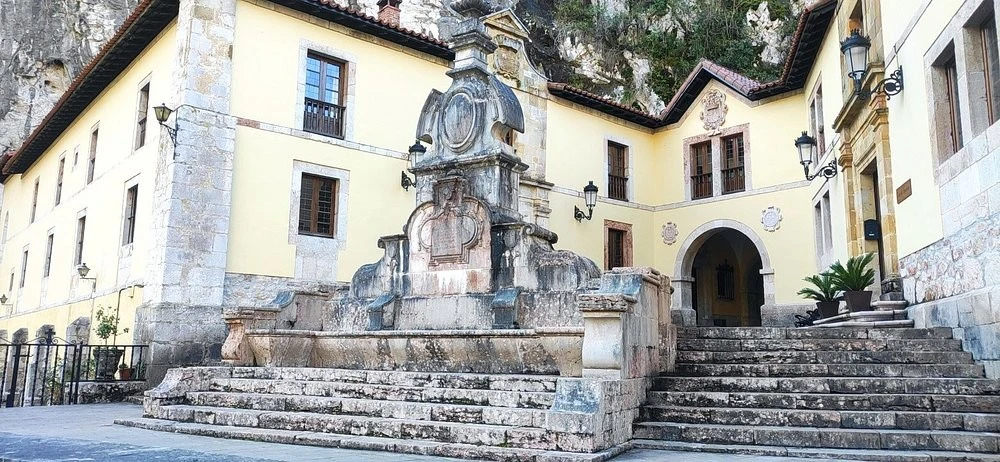
Cave Church — La Virgen de las Cuevas
For a breathtaking perspective of the region, hike up to the Mirador del Fin del Mundo ("End of the World Viewpoint"). The climb is steep, so sturdy footwear, water, and snacks are essential. For a closer look at the neighborhood itself, head to the Mirador de las Cuevas—the best spot to capture those distinctive white chimneys that have made cameo appearances on screen, including in film adaptations of *Don Quixote*. 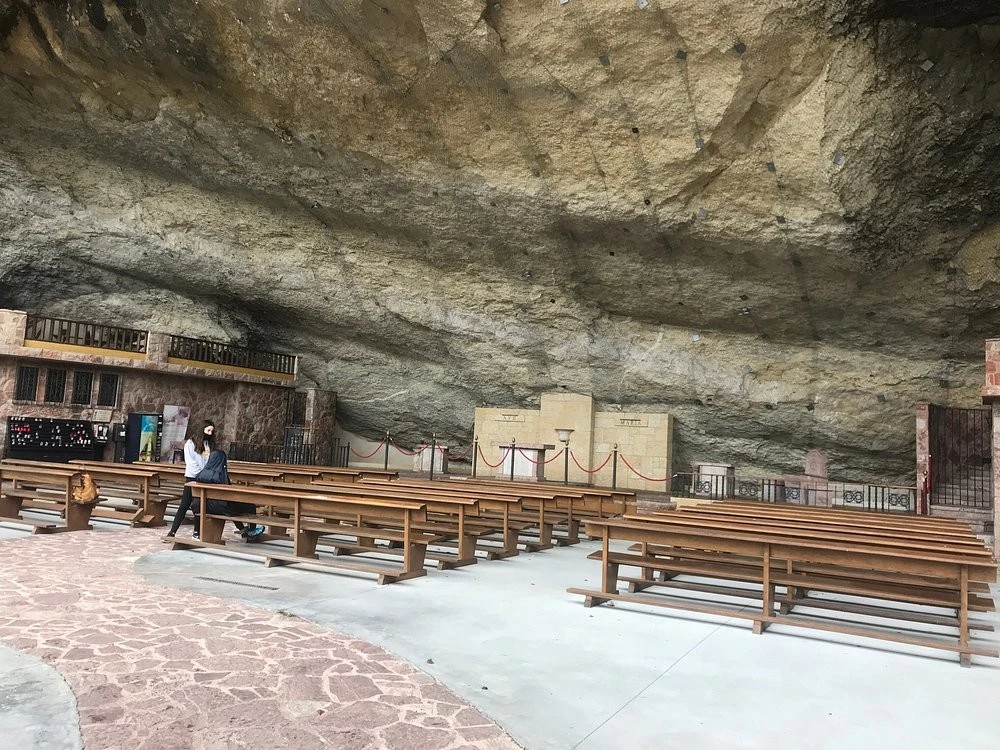
Guadix is one of Spain's oldest settlements and home to one of Europe's most captivating subterranean communities. Many of these dwellings are meticulously maintained and stylishly modernized. Spend a day or two here, and living in a cave stops feeling like a primitive relic of the past—you might even start dreaming of finding a climate-controlled cave sanctuary of your own. 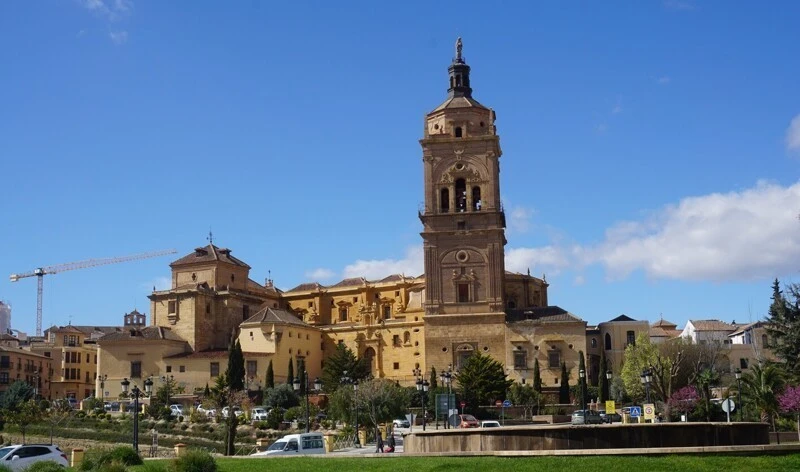
Guadix Cathedral
The Cave Quarter of Guadix remains a vibrant, working community rather than a staged museum exhibit. Most of its 2,000-plus caves are active family homes, while others have been repurposed as cozy guesthouses and restaurants. Tourism is growing steadily, yet it remains refreshingly uncrowded. 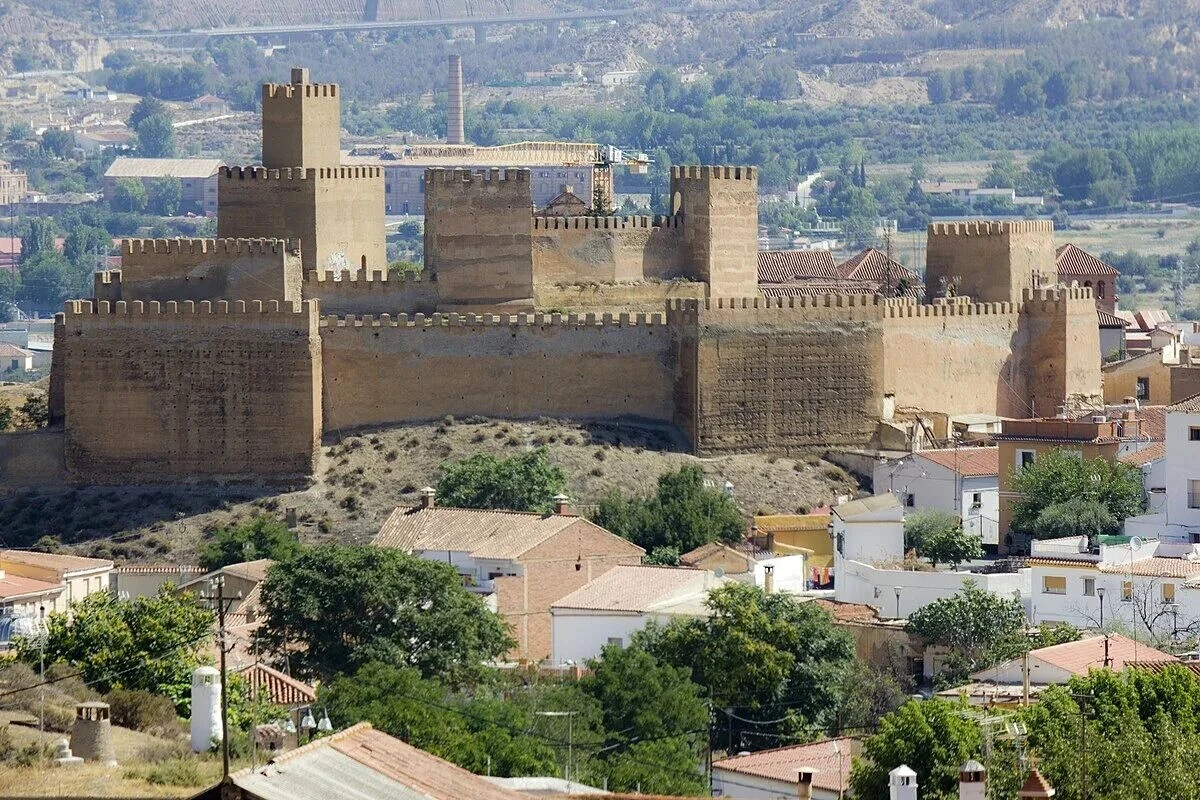
The Alcazaba of Guadix
While local authorities market the city as the "Cave Capital of Europe," those who actually live underground are simply enjoying another summer comfortably free of high electricity bills.