The 25 Most Amazing Archaeological Finds in History (26 photos)
Archaeology may not be the most exciting profession, but it certainly has its thrills. While it's not every day that archaeologists discover valuable mummies, every now and then they stumble upon something truly astonishing, whether it's ancient computers, vast underground armies, or mysterious remains. We present to you 25 of the most astonishing archaeological discoveries in human history. 
1. The Venetian Vampire
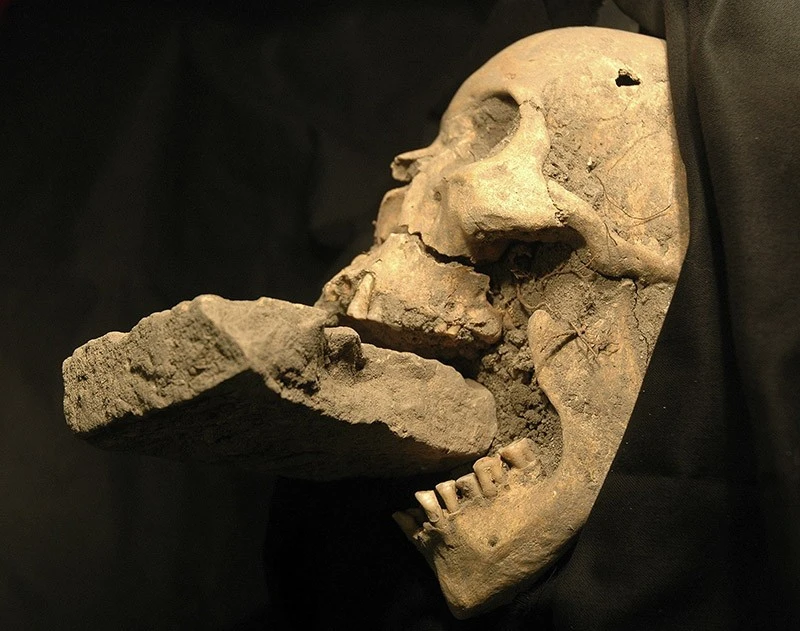
Today, every schoolchild knows that to kill a vampire, you need to drive a wooden stake through its heart, but hundreds of years ago, this wasn't considered the only method. Allow me to introduce you to an ancient alternative: a brick in the mouth. Think about it. What's the best way to stop a vampire from drinking blood? Fill its mouth full of cement, of course. The skull you're looking at in this photo was found by archaeologists in a mass grave on the outskirts of Venice. 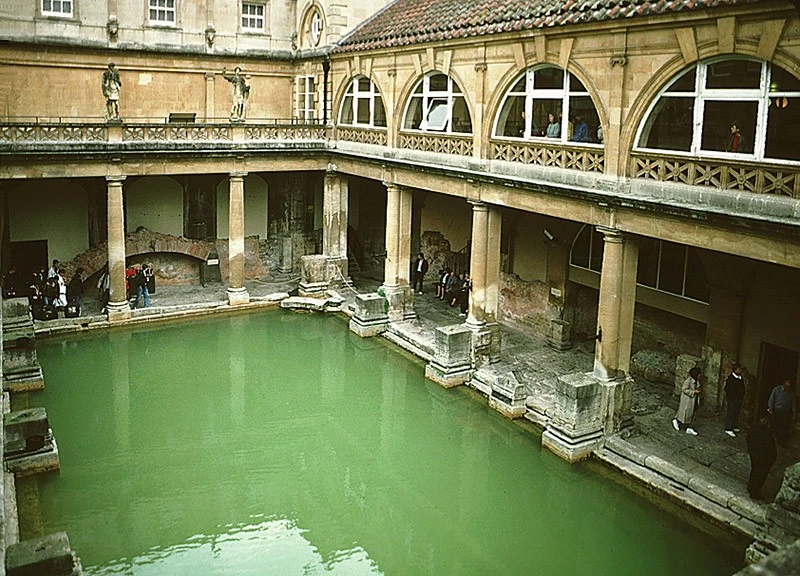
2. Child Dump
By the end of this post, you'll probably understand that throughout history (at least in the past), humans have been proponents of cannibalism, sacrifice, and torture. For example, not long ago, several archaeologists were excavating sewer canals beneath a Roman/Byzantine bathhouse in Israel and stumbled upon something truly horrifying… the bones of children. And there were a lot of them. For some reason, someone up there decided to dispose of the masses of children's remains by simply dumping them down the drain. 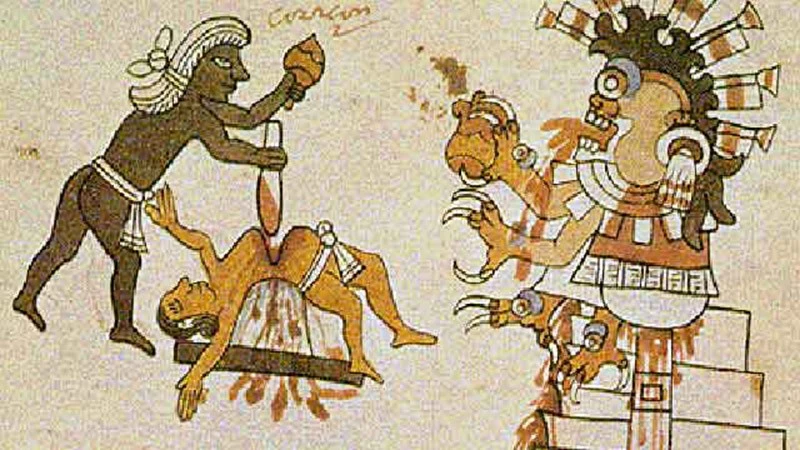
3. Aztec Sacrifices
While historians have long known that the Aztecs held numerous bloody festivals with sacrifices, in 2004, near modern-day Mexico City, a horrific discovery was made – numerous dismembered and mutilated bodies of both humans and animals, shedding light on the horrific rituals practiced there several hundred years ago. 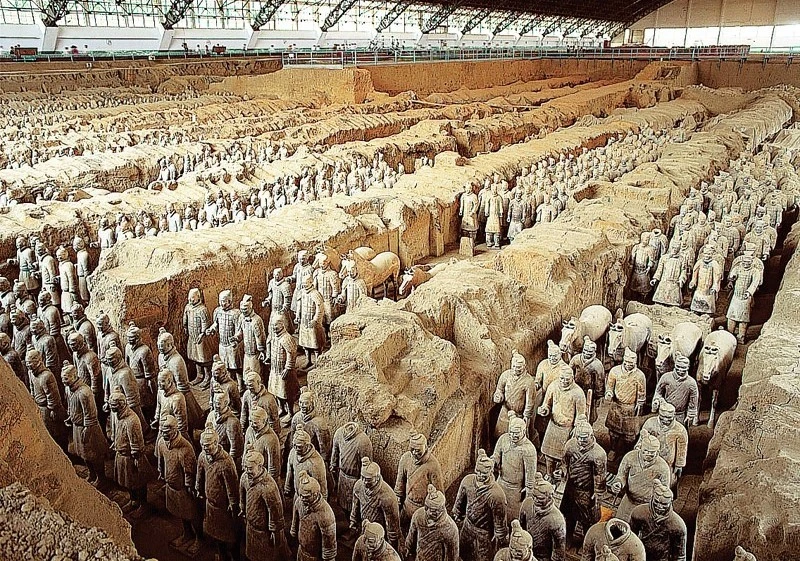
4. The Terracotta Army
This enormous terracotta army was buried with the body of Qin Shi Huang, the first emperor of China. Apparently, the soldiers were supposed to guard their earthly ruler in the afterlife. 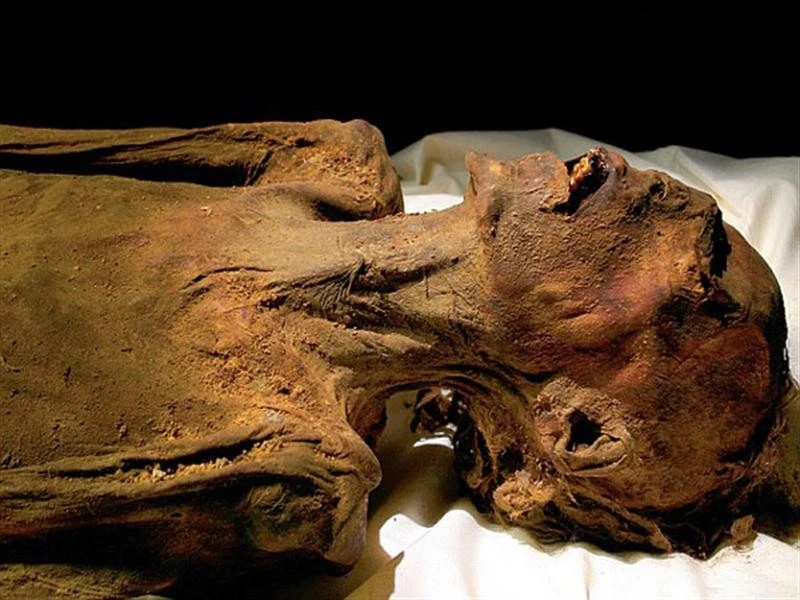
5. Screaming Mummies
Sometimes the Egyptians ignored the fact that if the jaw is not tied to the skull, it will eventually open as if the person were screaming before death. Although this phenomenon is observed in many mummies, it doesn't make it any less eerie. Occasionally, archaeologists find mummies that seem to have actually screamed before death for some (likely unpleasant) reason. Pictured is a mummy nicknamed "Unknown Man E." It was discovered by Gaston Masparo in 1886. 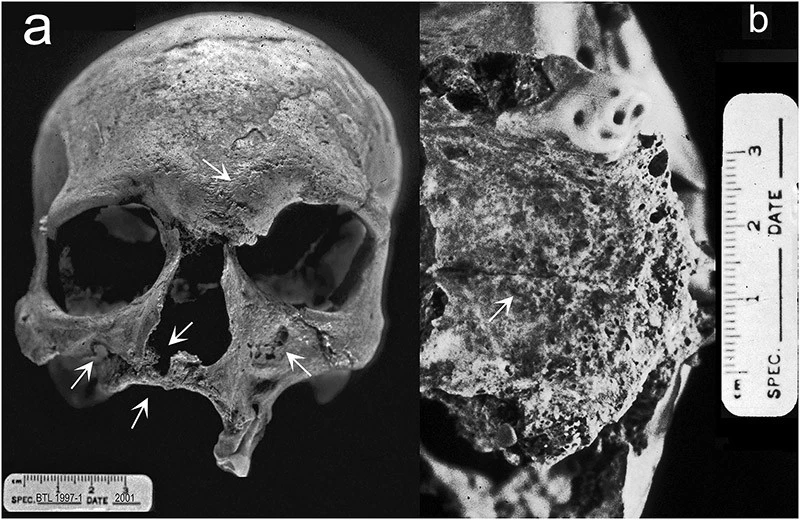
6. The First Leper
Leprosy, also known as Hansen's disease, is not contagious, but those afflicted often lived on the fringes of society due to their deformities. Since Hindu tradition requires cremation, the skeleton in the photo, referred to as the first leper, was buried outside the city. 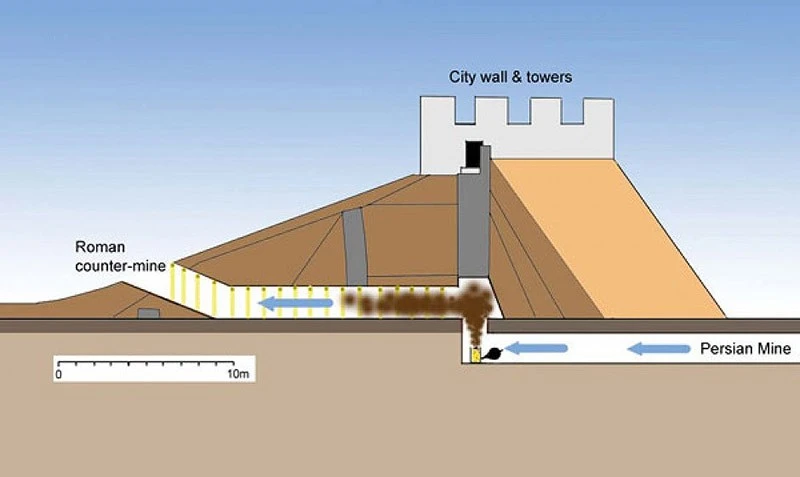
7. Ancient Chemical Weapons
In 1933, archaeologist Robert do Mesnil do Buisson was excavating beneath the remains of an ancient Roman-Persian battlefield when he stumbled upon some siege tunnels dug beneath the city. In the tunnels, he found the bodies of 19 Roman soldiers who had died desperately trying to escape something, as well as one Persian soldier clutching his chest. Most likely, when the Romans heard the Persians were digging a tunnel beneath their city, they decided to dig their own to counterattack. The problem was, the Persians learned of this and set a trap. As soon as the Roman soldiers descended into the tunnel, they were met with burning sulfur and bitumen, a hellish mixture known to turn into poison in the human lungs. 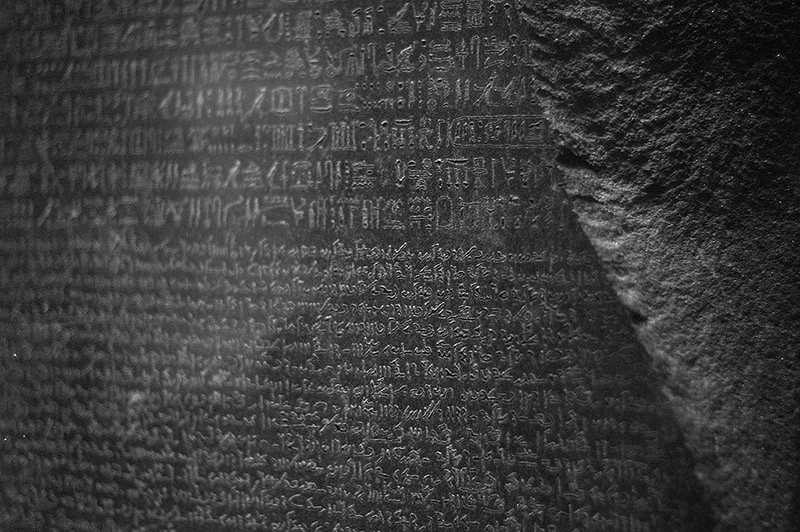
8. The Rosetta Stone
Discovered in 1799 by a French soldier digging in Egyptian sand, the Rosetta Stone became one of the greatest archaeological finds to date and the primary source for our modern understanding of Egyptian hieroglyphs. The stone is a fragment of a larger stone inscribed with a decree of King Ptolemy V (c. 200 BC), translated into three languages—Egyptian hieroglyphs, demotic script, and ancient Greek. 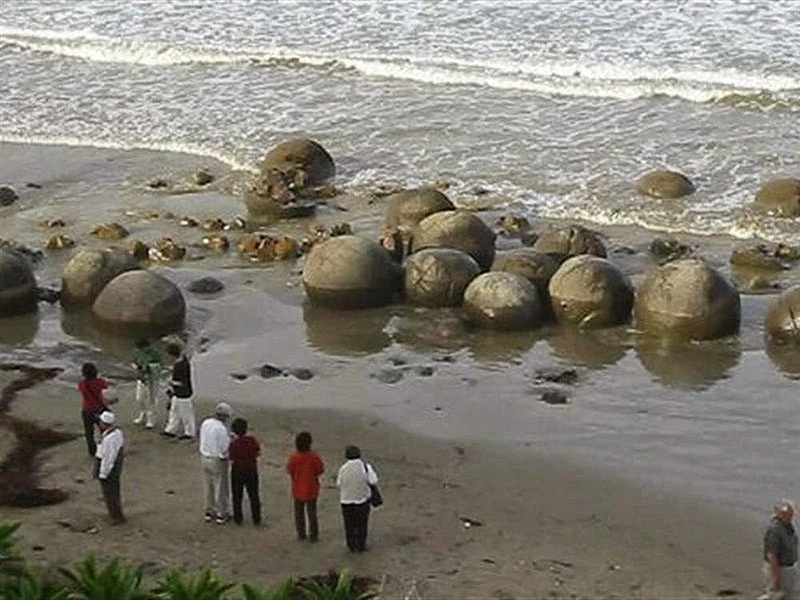
9. The Diquis Spheres
Also known as the Costa Rican stone spheres, scientists believe these petrospheres, nearly perfect spheres now located at the mouth of the Diquis River, were carved around the turn of the millennium. But no one can say for sure what they were used for or what purpose they were created. It can be speculated that they symbolized celestial bodies or marked the boundaries between the lands of different tribes. Parascientists often claim that these "perfect" spheres could not have been made by ancient humans and attribute them to the work of extraterrestrial beings. 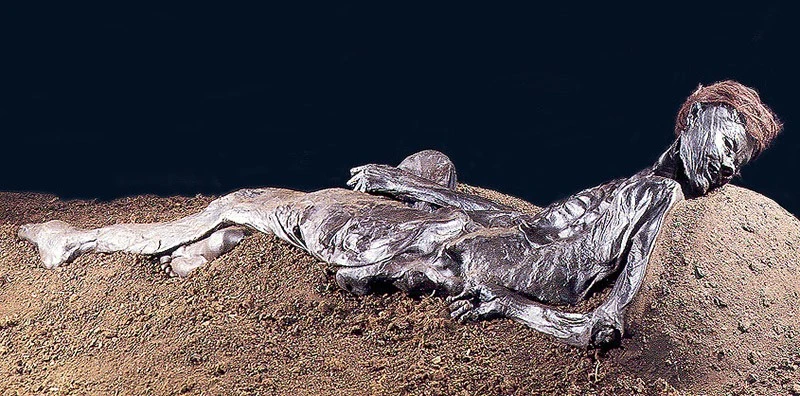
10. Grauballe Man
Mummified bodies found in swamps are not uncommon in archaeology, but this body, dubbed Grauballe Man, is unique. Not only was he perfectly preserved, with his hair and nails intact, but scientists were also able to determine his cause of death from artifacts collected on and around the body. Judging by the large wound across his neck from ear to ear, it appears he was sacrificed to ask the gods for a good harvest. 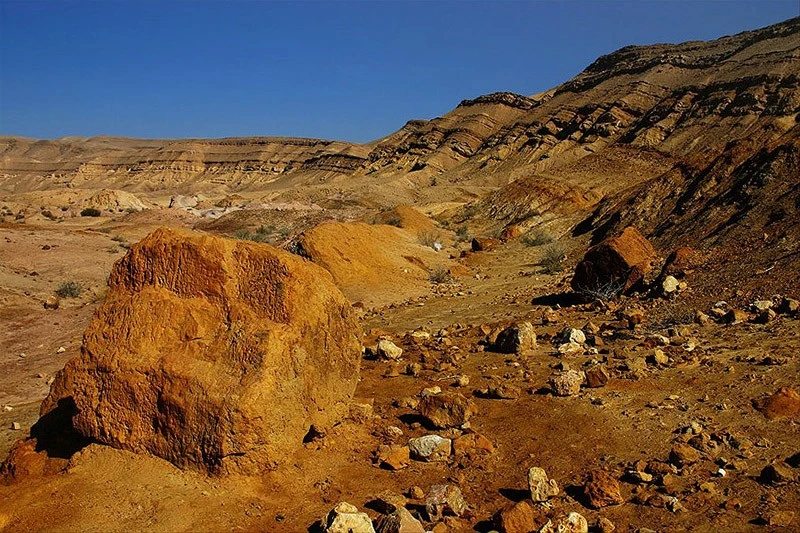
11. Desert Snakes
At the turn of the 20th century, pilots discovered a series of low stone walls in Israel's Negev Desert, and they have baffled scientists ever since. The walls could be over 40 miles long, and they were nicknamed "kites" because they look so reptilian from the air. But recently, scientists have concluded that the walls were used by hunters to corral large animals into enclosures or toss them off cliffs, where they could easily be killed several at a time. 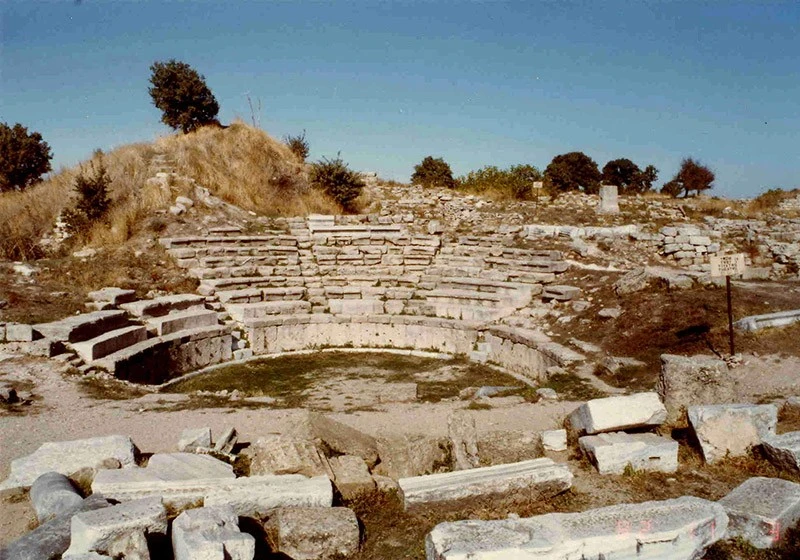
12. Ancient Troy
Troy is a city well known for its history and legends (as well as valuable archaeological finds). It was located in northwestern Anatolia in what is now Turkey. In 1865, English archaeologist Frank Calvert discovered a trench in a field he purchased from a local farmer in Hisarlik. In 1868, wealthy German businessman and archaeologist Heinrich Schliemann also began excavating the area after meeting Calvert in Çanakkale. They eventually discovered the ruins of this ancient city, whose existence had been considered a legend for centuries. 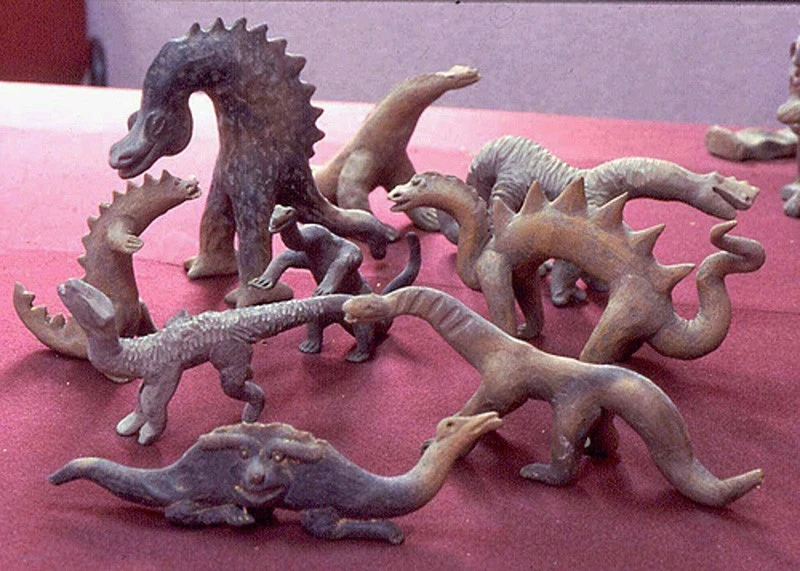
13. Acambaro Figurines
This collection of over 33,000 miniature clay figurines was discovered in 1945 near Acambaro, Mexico. The find includes numerous small figures resembling both humans and dinosaurs. Although most of the scientific community now agrees that these figurines were part of an elaborate hoax, their discovery initially caused a sensation. 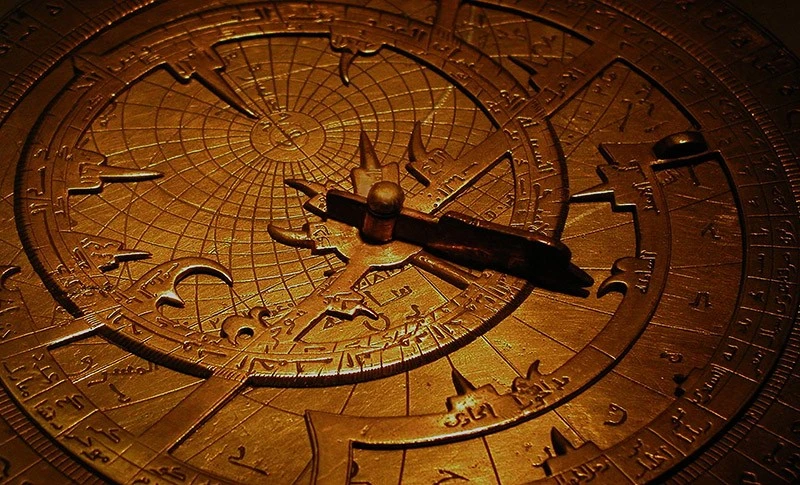
14. The Antikythera Mechanism
Found on a shipwreck off the Greek island of Antikythera at the turn of the 20th century, this 2,000-year-old device is considered the world's first scientific calculator. Using dozens of gears, it can accurately determine the positions of the sun, moon, and planets by simply entering data. While debate continues over its precise application, it certainly proves that even 2,000 years ago, civilization was already making great strides toward mechanical engineering. 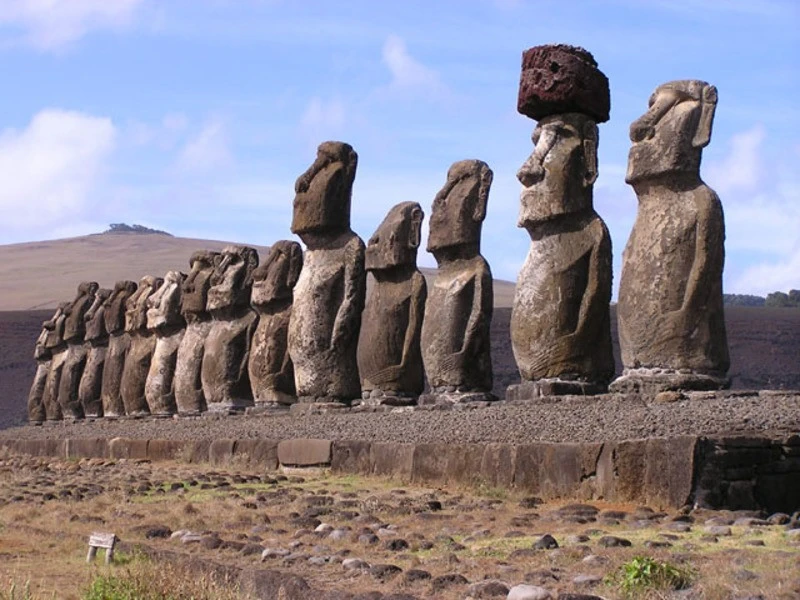
15. Rapa Nui
Known as Easter Island, this place is one of the most isolated places in the world. It lies thousands of kilometers off the Chilean coast. But the most amazing thing about this place isn't that people managed to reach it and settle there at all, but that they managed to erect enormous stone heads all over the island. 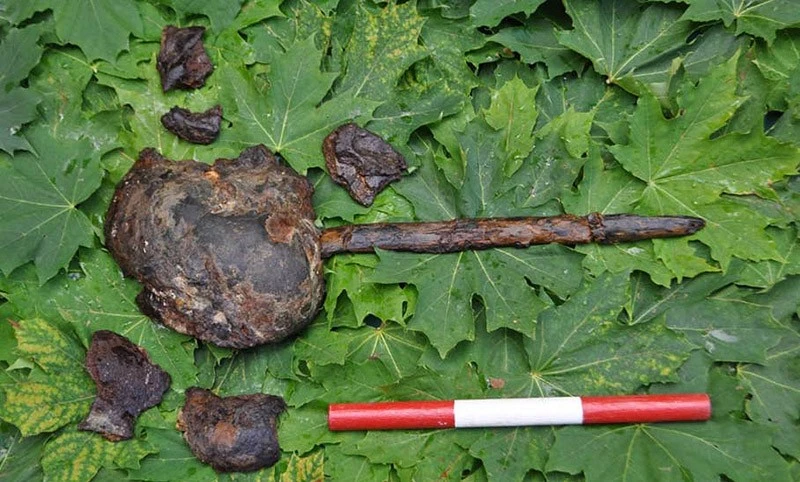
16. Tomb of the Sunken Skulls
While excavating a dry lakebed in Motala, Swedish archaeologists stumbled upon several skulls with sticks sticking out of them. But that apparently wasn't enough: in one skull, the scientists found fragments of other skulls. Whatever happened to these people 8,000 years ago, it was terrifying. 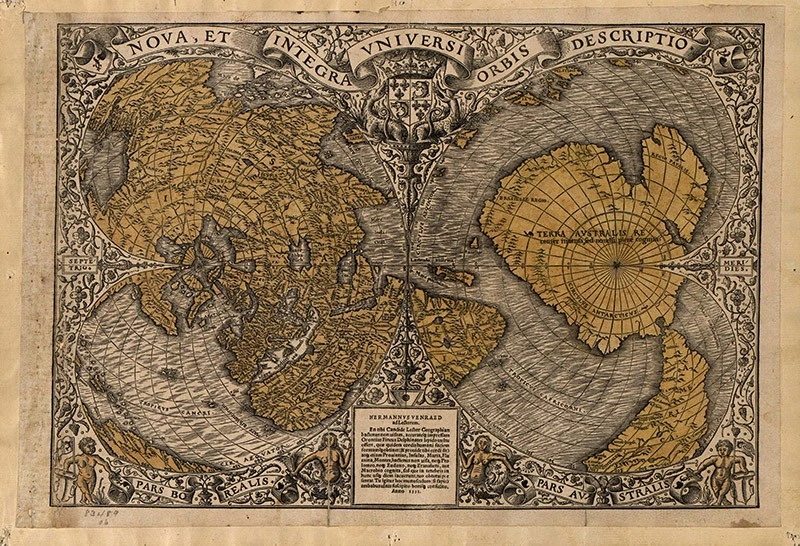
17. Piri Reis Map
This map dates back to the early 1500s. It depicts the outlines of South America, Europe, and Africa with astonishing accuracy. It was apparently compiled by General and cartographer Piri Reis (hence the map's name) from fragments of dozens of other maps. 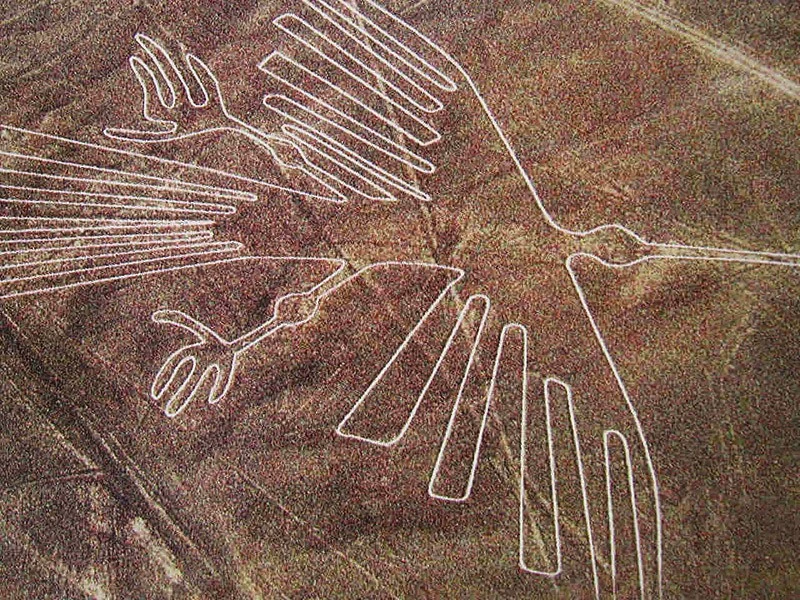
18. Nazca Geoglyphs
For hundreds of years, these lines lay practically beneath the feet of archaeologists, but they weren't discovered until the early 1900s for the simple reason that they were impossible to see without a bird's eye view. Explanations abound, ranging from UFOs to a technologically advanced civilization. The most plausible explanation is that the Nazca were incredible surveyors, although the reason they drew such enormous geoglyphs remains unknown. 
19. The Dead Sea Scrolls
Like the Rosetta Stone, the Dead Sea Scrolls are among the most important archaeological finds of the last century. They contain the earliest copies of biblical texts (150 BCE). 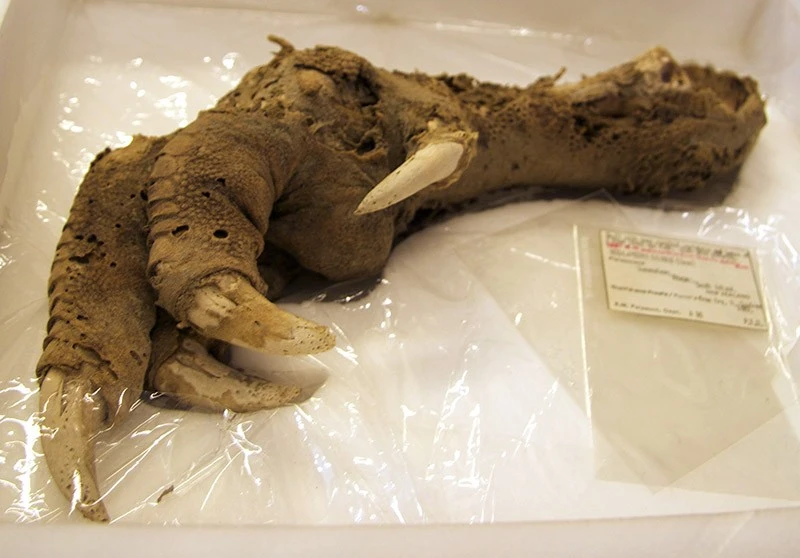
20. Mount Owen Moa
In 1986, an expedition was delving deeper into the Mount Owen cave system in New Zealand when they suddenly stumbled upon the enormous fragment of a paw you're looking at now. It was so well preserved that it seemed as if its owner had died only recently. But it was later discovered that the paw belonged to a moa—an enormous prehistoric bird with a terrifying set of sharp claws. 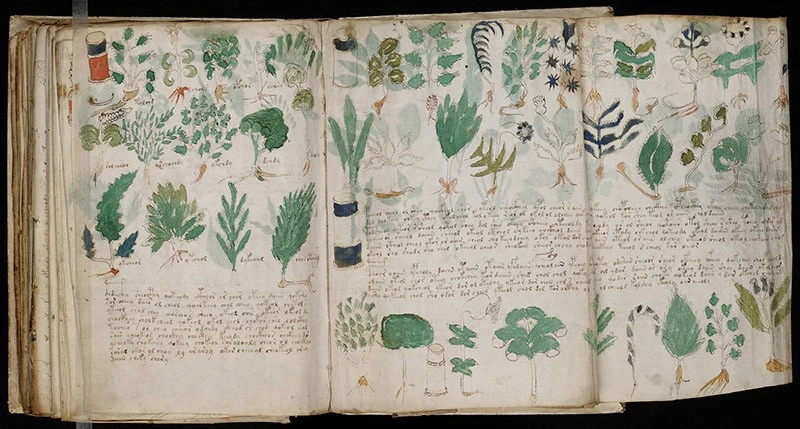
21. The Voynich Manuscript
It is called the most mysterious manuscript in the world. The manuscript was created in the early 15th century in Italy. Most of the pages are filled with recipes for herbal infusions, but none of the plants listed match any known ones, and the language in which the manuscript is written is completely undecipherable. 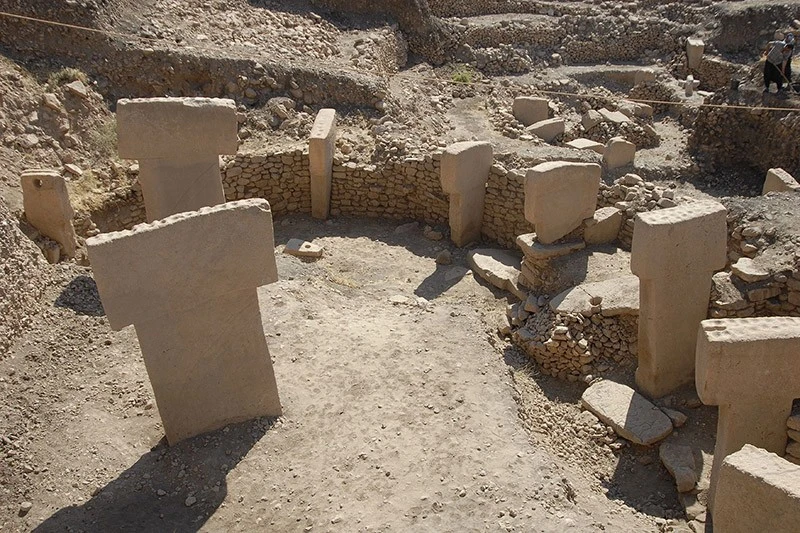
22. Göbekli Tepe
At first glance, these appear to be just stones, but in fact, they are an ancient settlement discovered in 1994. Built approximately 9,000 years ago, it is one of the oldest examples of complex and monumental architecture in the world, dating back far beyond the pyramids. 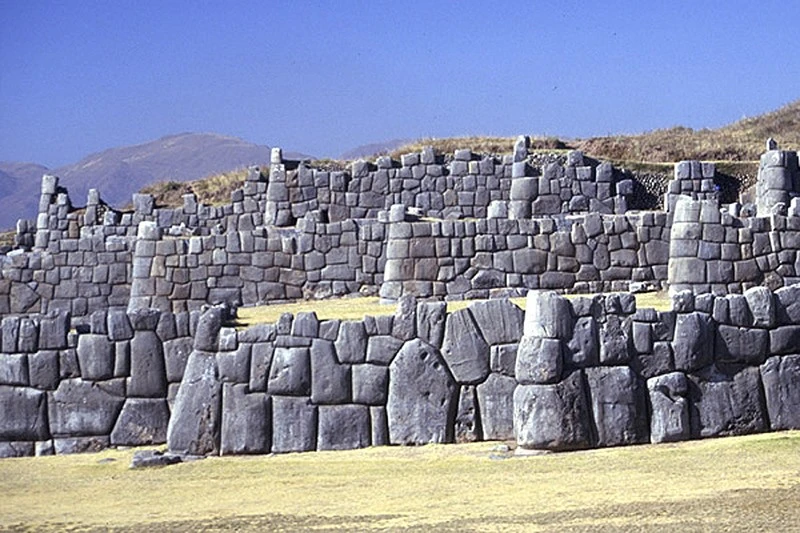
23. Sacsayhuaman
This walled complex near the city of Cusco, Peru, is part of the so-called capital of the Inca Empire. The most incredible thing about this wall is the detail of its construction. The stone slabs are laid so tightly together that it's impossible to slip a hair between them. This speaks volumes about the precision of ancient Inca architecture. 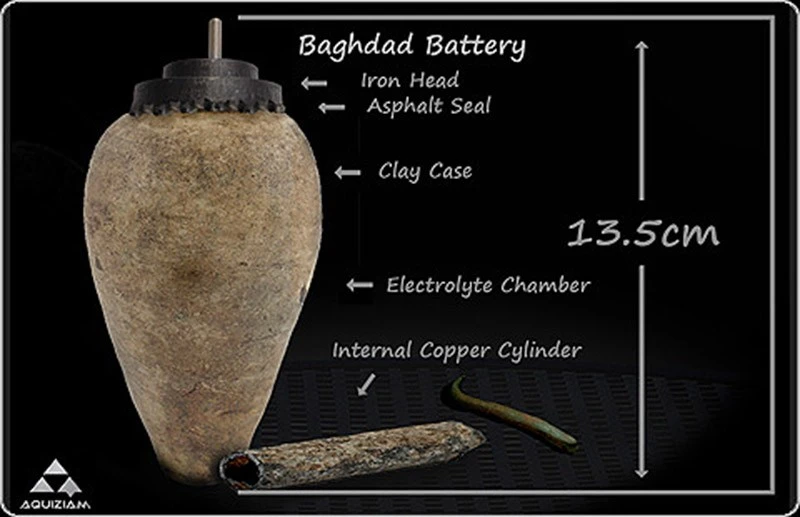
24. The Baghdad Battery
In the mid-1930s, several simple-looking jars were found near Baghdad, Iraq. No one paid much attention to them until a German museum curator published a document claiming that the jars were used as galvanic cells, or, in simpler terms, batteries. Although this notion was criticized, even the MythBusters got involved and soon concluded that such a possibility existed. 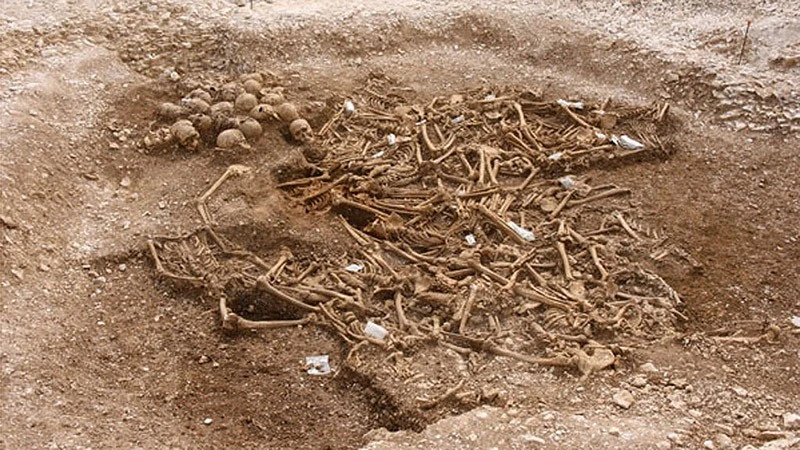
25. The Headless Vikings of Dorset
While laying a railway to the English town of Dorset, workers came across a small group of Vikings buried in the ground. All of them were headless. At first, archaeologists thought that perhaps one of the villagers had survived the Viking raids and decided to take revenge, but after careful analysis, everything became even more murky and confusing. The beheadings appeared too precise and precise, indicating that they were carried out only from behind. But scientists still can't say with certainty what actually happened.