Why is circumcision so popular in the US? And it's not about hygiene or religion (6 photos)
Many people know that circumcision is widespread in the United States, but the reason remains a mystery to most. It's clear that this procedure isn't linked to religious beliefs, as only 1.7% of the country's population is Jewish and less than 1% Muslim. Meanwhile, 75% of all boys and men are circumcised.
There's also a common belief that circumcision is performed for hygiene purposes, but this isn't entirely true. Let's find out the origins of this custom and what World War I has to do with it. 
It all began during the British Empire, during the reign of Queen Victoria (1837–1901). Back then, circumcision was recommended for all boys for two reasons. The first was to prevent the spread of venereal diseases. The second was fear of self-gratification. 
In the Victorian era, masturbation was considered dangerous to one's health. Doctors believed it led to exhaustion, heart disease, and even paralysis. It was widely believed that men who frequently indulged in masturbation were prone to suicide and mental deterioration. The best way to avoid these dire consequences was to remove the foreskin from boys immediately after birth.
After the surgical wounds healed, the skin would adhere tightly to the penis... which would significantly limit masturbation or even eliminate it altogether, Dr. Spratling wrote in his report.
Notably, the surgery was performed without anesthesia so that "the pain associated with the procedure would have an effect on the psyche." 
The procedure became popular in the British Dominions—Canada, New Zealand, and Australia. Similarities in cultural traditions and language soon led to circumcision being practiced in the United States.
World War I contributed to the widespread spread of this trend. Before soldiers were sent to the front, they were required to be circumcised to prevent the spread of venereal diseases. When the soldiers returned home, they themselves asked doctors to circumcise their sons while they were still young, as they remembered the pain associated with this procedure in adulthood. 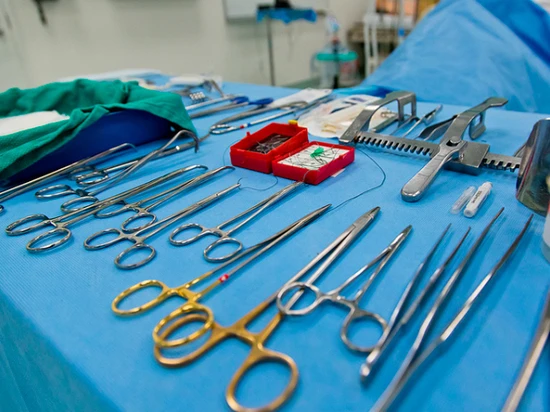
Soon, circumcision became a kind of vaccination and was even included in health insurance. Nowadays, in the US, parents are asked for permission to have the surgery. In the 1950s and 1960s, circumcision was the default procedure for all infants. 
There are also other reasons why circumcision remains so popular in the US. One is the incredibly hot climate in some states, such as Texas. Circumcision is often performed here for hygiene purposes.
Another reason is disease prevention. Statistics show that men who have had their foreskin removed are twice as likely to become infected with HIV, as this area contains cells most susceptible to the virus.
It is also believed that the partners of such men are much less likely to develop cervical cancer and are less susceptible to inflammatory processes. Furthermore, circumcision almost doubles the duration of sexual intercourse, as does the ability to give more pleasure to a partner. 
Currently, the debate over the necessity of infant circumcision continues in the United States. Activists insist that the decision to perform the operation should be made by parents, while doctors point to the WHO recommendation that circumcision is one of the factors in HIV prevention.