Why Commercial Flights Avoid Flying Over the Himalayas (6 photos)
Many people assume there isn't a corner of the world today without flight paths crisscrossing above it. Airplanes seem to be everywhere, visible in the skies above the dense Siberian taiga and the most remote Pacific islands. Yet, a few places on Earth remain strictly off-limits to commercial aviation. Most people immediately think of icy Antarctica, but it's not the only region closed to passenger jets. There is another, far less isolated area: the Himalayas. 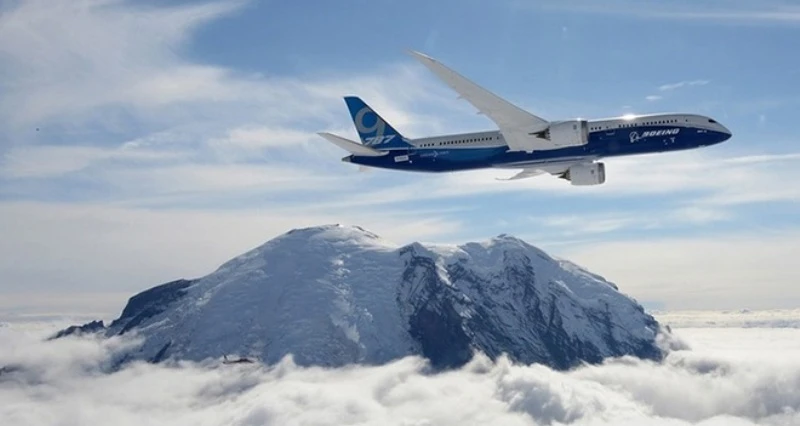
Technically, flying over the Himalayan range is permitted—you just need approval from the Chinese authorities. But that is easier said than done, as Chinese regulators are notoriously reluctant to issue permits. For airlines, it is far simpler to skip the bureaucratic red tape and bypass the world's highest mountains by flying around them to the north or south. And that is exactly what commercial carriers do. 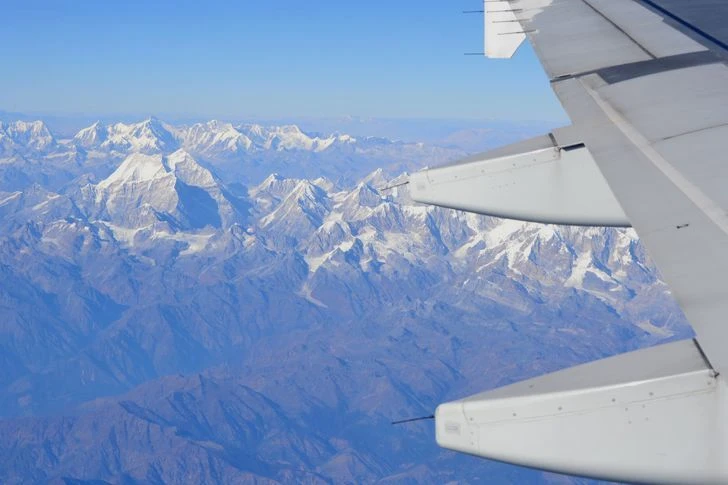
Oxygen Issues
Sometimes, however, flying over these peaks is unavoidable—a situation researchers often face. In these cases, the aircraft must undergo special modifications. Approvals are granted exclusively to planes retrofitted with expanded oxygen supplies. On most standard passenger aircraft, the emergency mask oxygen system lasts for about 20 minutes in the event of cabin depressurization. That is generally enough time for pilots to descend to a safe breathing altitude.
But over the highest mountains on Earth, 20 minutes isn't nearly enough. Mount Everest, the world's highest peak, stands at 8,848 meters (29,029 feet) above sea level. On paper, a modern airliner cruising at 10,000 meters (roughly 33,000 feet) or higher should have no problem clearing the peaks. And under normal operating conditions, it doesn't. 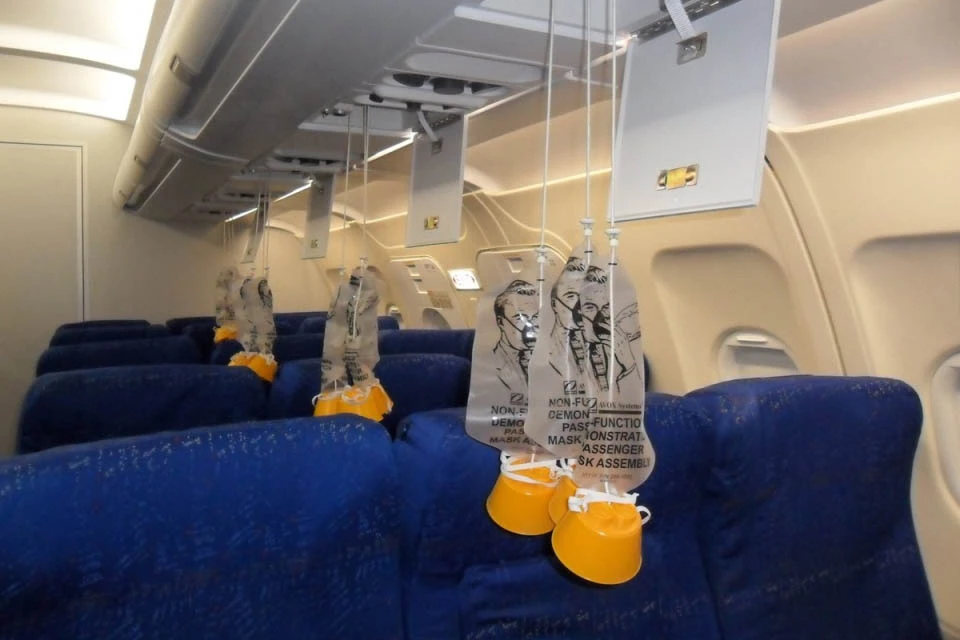
To keep passengers safe during a depressurization event, pilots must drop to 3,000 meters (about 10,000 feet) within those 20 minutes. In the Himalayas, that is practically impossible. The average height of the range is 6,000 meters, while the Tibetan Plateau averages 4,400 meters. Escaping the area quickly isn't an option either: this massive mountain system stretches 2,500 km from west to east and over 1,000 km from north to south.
If cabin pressure drops over the middle of the plateau, an aircraft would have to cover roughly 500 km before it could safely descend. Cruising at a typical speed of around 850 km/h, the plane would need roughly 35 minutes to clear the zone. Clearly, a standard 20-minute oxygen supply would leave passengers stranded in thin air.
Engine Failure
Depressurization isn't the only hazard lurking at high altitudes. Engine failure poses another serious challenge. While alarming, losing an engine is a scenario modern twin-engine airliners are engineered to handle, allowing them to continue flying safely on one engine. The catch is that they can no longer maintain a cruising altitude of 10,000 meters. 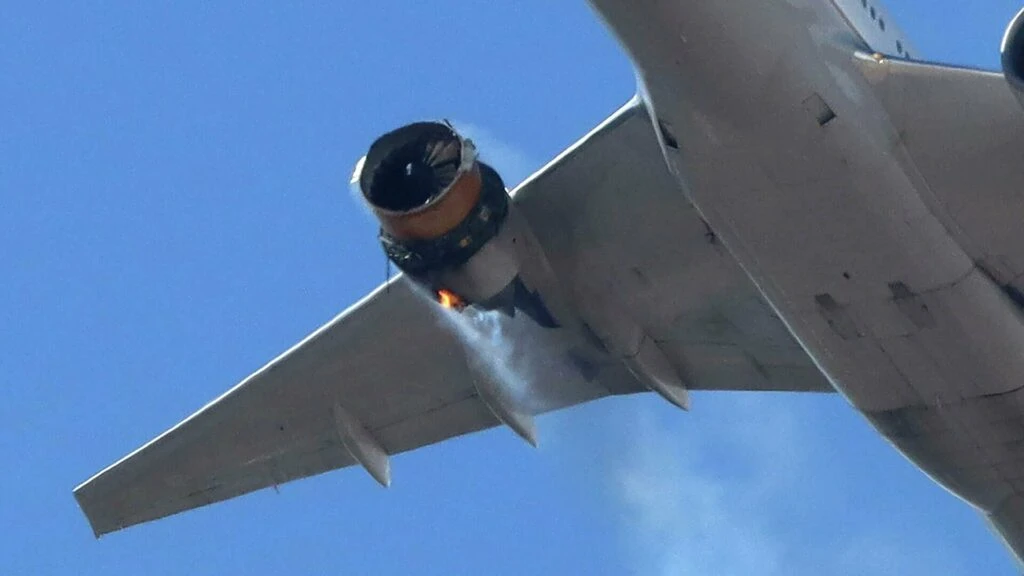
When an engine fails, the jet enters OEI mode—One Engine Inoperative. While it can limp along to the nearest airport, its performance ceiling drops dramatically to between 6,000 and 7,500 meters. That is nowhere near high enough to clear the Himalayas safely. The range boasts 14 peaks above 8,000 meters and more than a hundred exceeding 7,000 meters.
In an emergency, pilots would be forced to navigate a high-stakes obstacle course through the mountain passes. To mitigate this risk, Chinese aviation authorities and the International Air Transport Association (IATA) mapped out specific emergency corridors. Any airline authorized to fly over the region must strictly follow these designated routes. 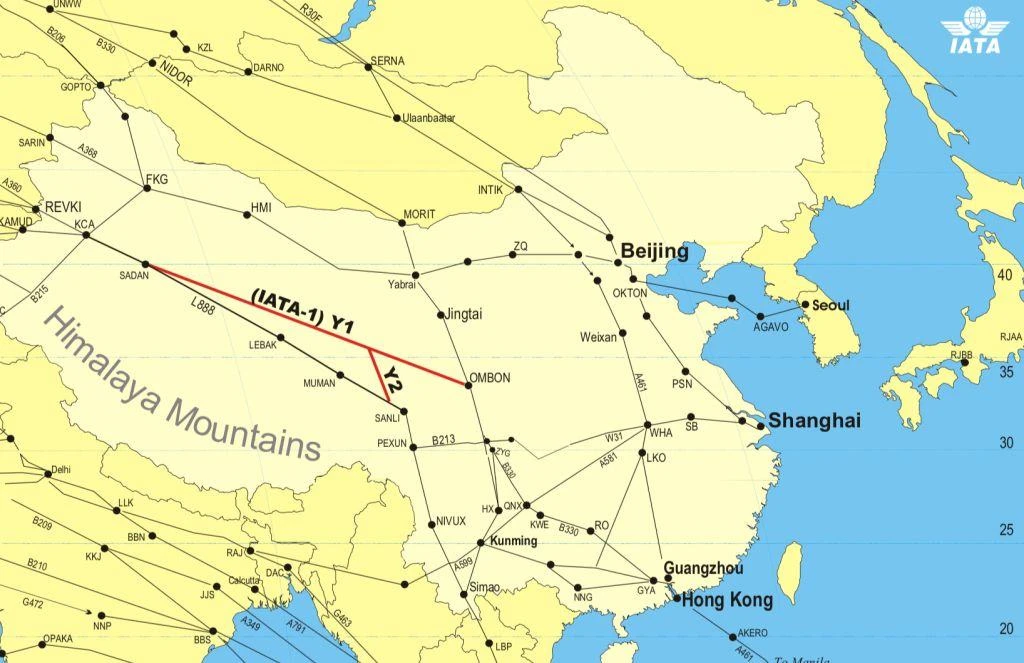
The primary flight route across the Himalayas and the Tibetan Plateau is designated as L888, poetically named the "Silk Road." Secondary routes, labeled Y1, Y2, and Y3, run parallel. These escape corridors give pilots a pre-planned way out if an engine failure forces the aircraft down to a perilous altitude.
Why Airlines Avoid the Himalayas
Despite these routes, very few airlines actually fly over the region. At first glance, taking the direct route seems like a great way to cut fuel costs, making the cost of upgrading oxygen systems worthwhile. But the challenges go far beyond extra oxygen tanks. Any retrofitted aircraft must be certified by aviation authorities in the US and Europe—a process that is lengthy, complex, and expensive. On top of that, carriers must deal with strict Chinese regulators, who hold ultimate veto power. 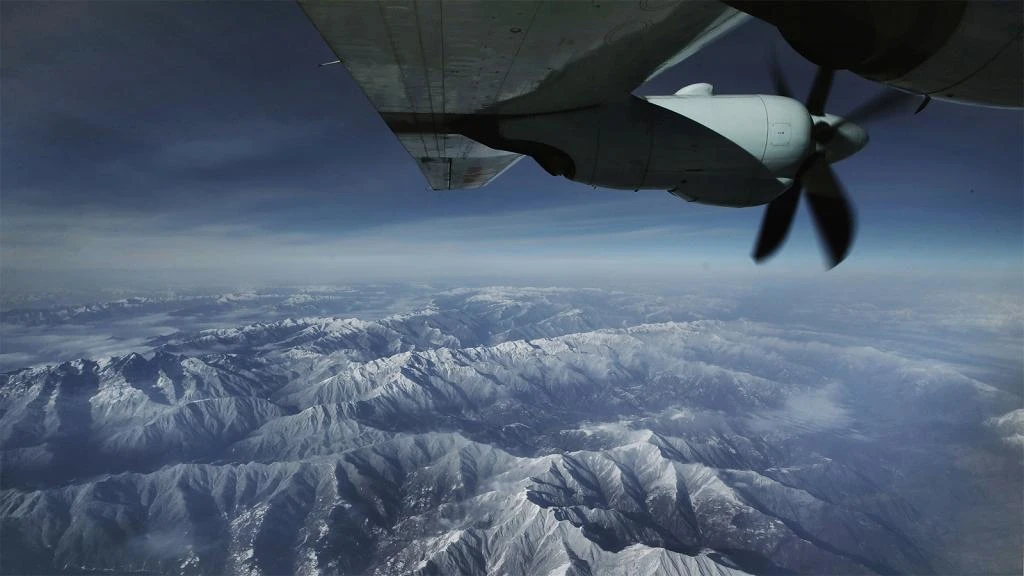
Even carriers that modify their planes, secure certifications, and gain Chinese approval can't just fly whenever they choose. They must give official notice to Chinese authorities 60 days before every single flight over the Himalayas and Tibet. Taken together, these hurdles act as a de facto ban. Most airlines decide it simply isn't worth the trouble, opting instead to burn a few extra tons of fuel to detour around the mountains.