People are divided into two groups: some love watermelons, while others prefer melons. Although these foods have a lot in common, if you look closely, they have many differences in terms of health benefits. The debate about which is better for the body—watermelon or melon—is endless. Therefore, it's worth paying attention to this issue and finally learning the truth. 
It's worth noting right away that watermelon contains fewer calories than melon. 100 grams of melon contains 35 kcal, while the same amount of watermelon contains 25 kcal. Melon also contains more fiber, which cleanses the body, normalizes blood cholesterol levels, and stabilizes intestinal function. 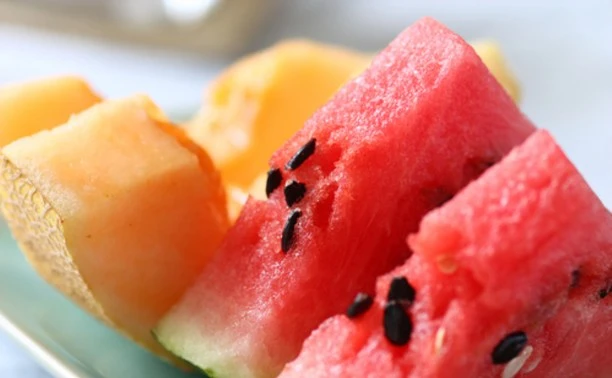
Melon contains a lot of vitamin C. To meet your daily requirement, you only need to eat 200 grams of melon. Vitamin C helps strengthen the immune system, promotes iron absorption, and promotes healthy skin. Watermelon also contains ascorbic acid, but green melons contain three times less. However, they contain more carbohydrates—94 percent versus 89 percent.
Melon is a good source of beta-carotene, niacin, and folate. It contains five times more vitamin A than watermelon. But watermelon also has some beneficial properties. It contains the antioxidant lycopene, which reduces the risk of cardiovascular disease and alleviates anxiety. Melon is rich in potassium—about 12 percent of the recommended daily intake. This is essential for the heart, muscles, and normal blood pressure.
So which is better?
Comparing the nutrients in these two foods, melon undoubtedly wins. But nutritionists recommend eating both—these melons complement each other well. However, we're eating watermelons and melons incorrectly. Doctors recommend no more than 200 grams of each daily intake. 
By eating in moderation, you're less likely to experience unpleasant consequences. Watermelon has a strong diuretic effect, and cantaloupe, in large quantities, acts as a laxative. Also, it's not recommended to eat cantaloupe with other foods. It isn't fermented in the stomach, but rather processed in the small intestine. Therefore, if you eat a large amount of cantaloupe immediately after lunch, other foods won't linger in your stomach along with it.
Add your comment
You might be interested in:













Persistence in achieving a goal

A biker prevented a hit-and-run driver from escaping

Not everyone is having fun on the amusement ride

Absolute perfection

17 Photos That Will Stop You in Your Tracks (18 Photos)

The cutest lunch delivery ever

What Would Happen to a Human on Every Planet in the Solar

Toyota Celica ST165 on a rally track

Young women, Dancing and George Michael: nothing superfluous
