The Secret of Inis Beag, the Island Where Sex Was Despised for Centuries (6 photos)
Sex has always played a major role in human history. Many cultures throughout the ages embraced a veritable cult of physical love, with expressions that might shock even a modern audience. But there are exceptions to every rule—none more striking than the attitude toward sex found on Inis Beag, a small island off the Atlantic coast of Ireland. For centuries, the inhabitants of this tiny patch of land despised carnal pleasures and went to extreme lengths to avoid them. 
Dr. Messenger's Bizarre Discovery
The islanders' deep aversion to sex was uncovered in 1958 by anthropologist John Cowan Messenger. He spent considerable time living on this scenic yet rugged island, studying its inhabitants. Having encountered many unusual communities around the globe, Messenger was fascinated by the islanders' way of life and customs. Between 1958 and 1966, he made repeated visits to Inis Beag, living among its people for months at a time. 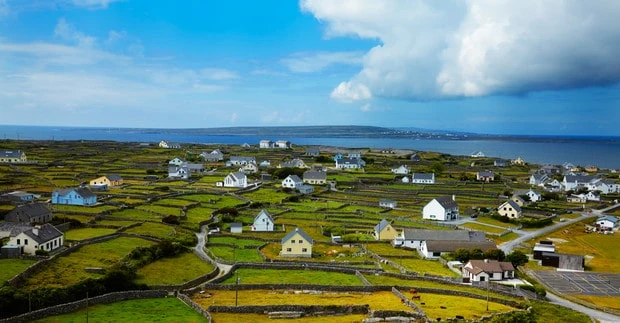
The island's way of life remained unchanged for centuries
Today, Inis Beag has a population of just 350. While the island once supported a larger community, few today possess the physical and mental fortitude required to settle here permanently. Fishing and livestock raising have long been the main livelihoods. The islanders are devout Catholics who strictly adhere to religious dogma.
Messenger discovered that the islanders were adamantly opposed to physical intimacy of any kind. Anything related to sex was strictly taboo. Sex education was non-existent both at home and in school, and simply bringing up an intimate topic could earn someone a beating from the rugged island fishermen.
A widespread dread of nudity gripped the island. To simply bathe, residents would hide meticulously even from family members. In the presence of others, washing was limited to hands, feet, and face. Depictions of even partially unclothed people were impossible to find; the islanders consumed only Christian literature and news publications. 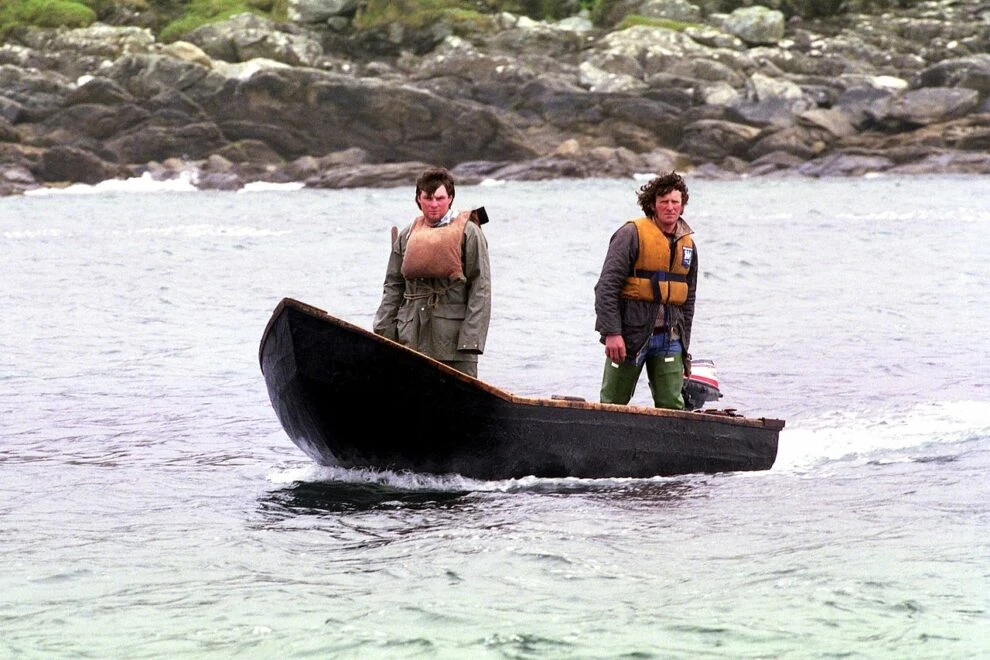
Fishing is the main occupation for the island's men
An Island of Misfortune
Messenger established that the islanders' lifestyle had remained essentially unchanged since the Middle Ages. But how did the population of Inis Beag avoid extinction with such a conservative view of intimacy? Naturally, sex did occur, but strictly within marriage. Furthermore, the only recognized unions were arranged by parents and solemnized by the church.
Islanders maintained that lovemaking was strictly for procreation. Contraception was rejected outright, and abortion was completely out of the question. The missionary position was the only acceptable option. Even then, husbands and wives never undressed completely and engaged in intercourse exclusively in total darkness. 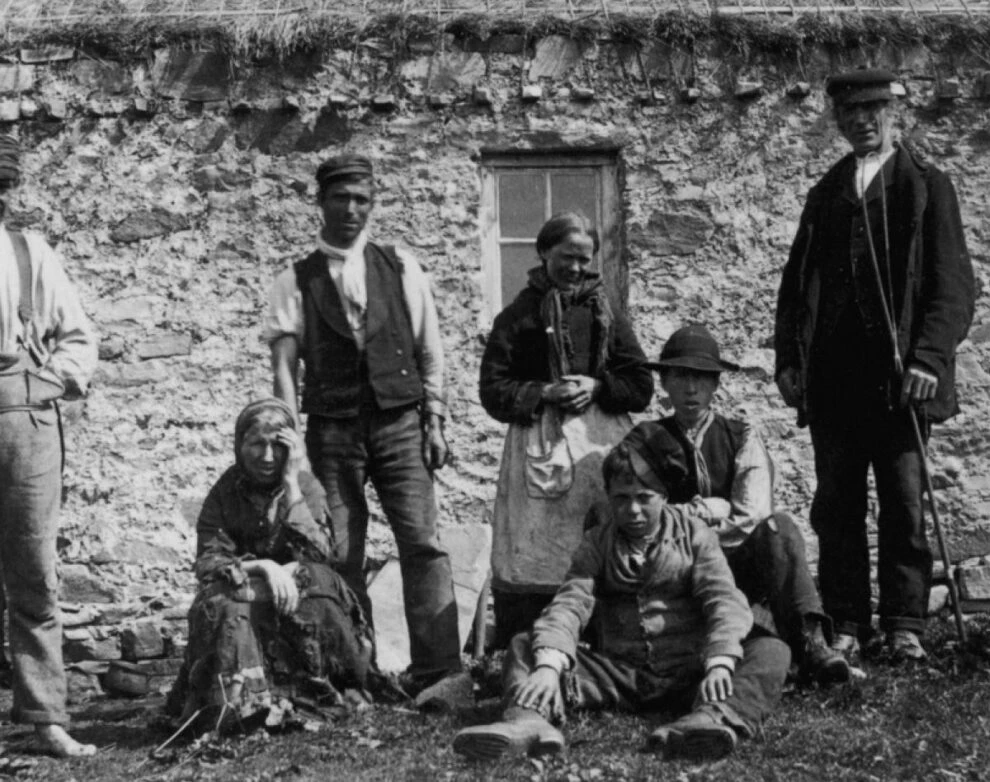
Needless to say, oral and anal sex were strictly forbidden, while masturbation was regarded as a perversion. To illustrate just how extreme things were, public mating was forbidden even for animals! Dogs caught mating in public were beaten with sticks, and even a cat licking its groin might get cuffed. Only livestock enjoyed any semblance of "sexual freedom."
Young women were never taught about menstruation. As late as the mid-20th century, the island's women viewed periods not as a natural biological process, but as divine punishment for the original sin of Adam and Eve. Girls had to navigate these changes in their bodies entirely on their own, as discussing the matter with their mothers was unthinkable. 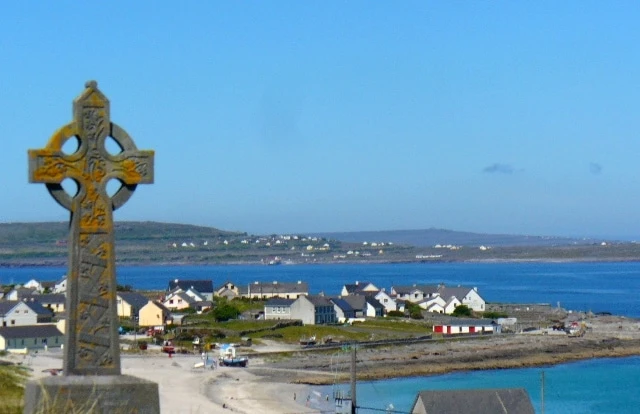
Religion permeated every aspect of island life
Menopause was viewed with equal confusion. Hot flashes, irritability, and other symptoms were interpreted as early signs of madness. Treating these fell to the local priest, armed with holy water and a prayer book. The women's faith was so intense that many actually felt relief after such "treatments."
"I'd Rather Die Than Undress"
This lifestyle may have aligned with rigid Christian morality, but the abundance of taboos took a severe toll. Messenger interviewed the sole nurse serving Inis Beag, who revealed that her services were rarely sought. Most islanders preferred praying and risking death over visiting her clinic and undressing in front of another person.
After studying island life, Messenger concluded that extreme isolation was to blame. For centuries, authority rested entirely with the church and village elders. No one questioned the absolute control of the Catholic clergy because the inhabitants simply knew no alternative. This dynamic allowed moral strictures to be tightened progressively, resulting in a total rejection of all things sexual. 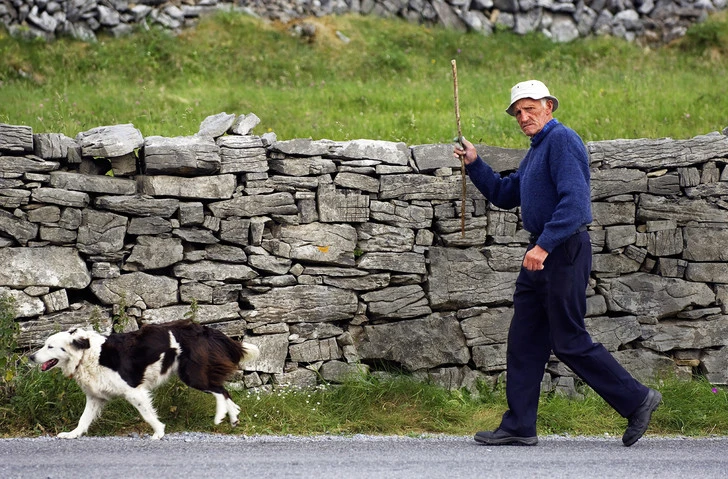
Unsurprisingly, the consequences were grim. Messenger determined that boredom was the least of the evils resulting from this repressed existence. Life on an isolated island in the middle of the harsh Atlantic offered little entertainment. Physical intimacy might have brought joy to their lives, but the fear of sin was overwhelming. Many residents of Inis Beag suffered from mental disorders and chronic depression.
Has anything changed since the 1960s when Messenger lived among them? Absolutely. While Inis Beag still maintains a conservative view of nudity and public displays of sexuality, attitudes within families have softened. Television and the internet have connected the island's fishermen and herdsmen to the wider world. Today, they can see for themselves that sex thrives across the globe—and that no one gets dragged down to hell for engaging in oral sex.