History abhors the subjunctive mood. But we're all human, and sometimes we just want to fantasize about "what if..." Especially since the consequences of these "what ifs..." are often quite serious, with millions of human lives at stake. Here are 10 cases in world history when several sides were on the brink of conflict, but luckily avoided it at the last moment. 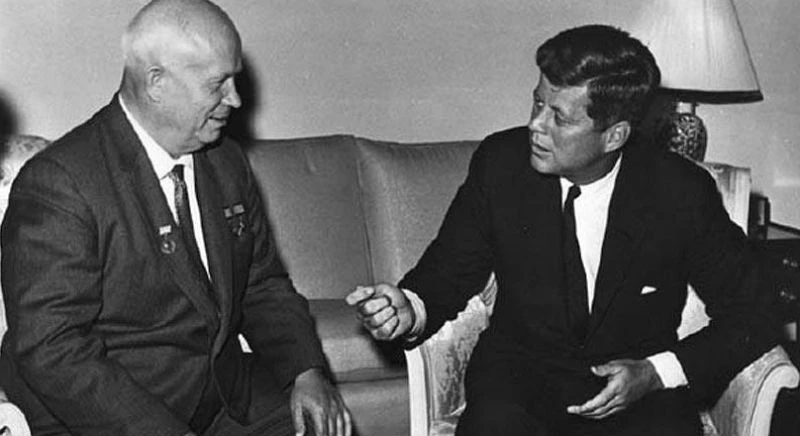
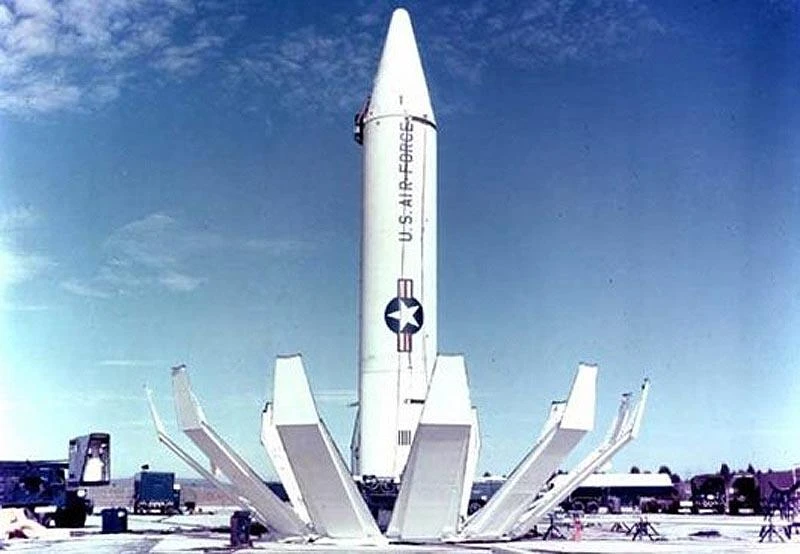
1. The Cuban Missile Crisis
The Cuban Missile Crisis is undoubtedly the most famous case in modern history when two superpowers—the United States and the USSR—stood on the brink of nuclear war. It was provoked by the United States, which deployed missiles in Turkey capable of delivering nuclear warheads to the western USSR. In response, the USSR deployed missiles in Cuba, the United States imposed a blockade, reconnaissance aircraft were shot down, and the chaos continued.
As a result, a crisis erupted that could well have resulted in a US invasion of Cuba and, possibly, a Soviet attack on the Americans. The situation was saved by the efforts of Soviet diplomats in Washington and the cool head of then-US President John F. Kennedy, who did not follow the lead of the Pentagon hawks. 
2. France Almost Seized Australia
Not all countries accepted the fact that Great Britain used the entire continent as one vast prison. American researchers recently discovered that France had a plan to capture Sydney. It was drawn up in 1802 by the leaders of a French expedition to the shores of Australia. The "scouts" believed that only 1,800 troops would be enough to capture the city, and that once the prisoners were freed, they would help deal with the remaining British soldiers and subjugate the surrounding settlements.
The plan was never carried out, and it is not known for certain why. Historians believe the defeat at the Battle of Trafalgar was to blame—having lost a significant portion of its fleet, France lost the ability to fight far from its home shores for a long time. 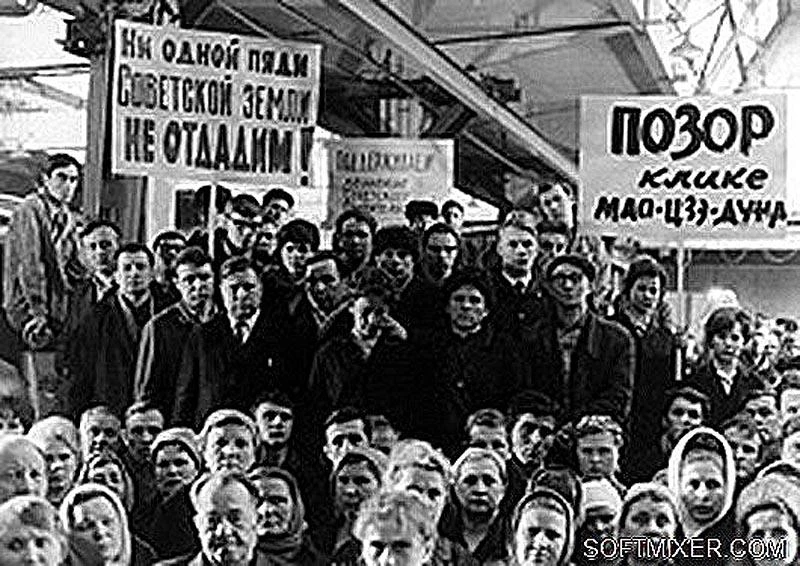
3. Border Conflict on Damansky Island
In March 1969, the USSR and China escalated their dispute over Damansky Island, located on the Ussuri River border between the two countries, from a diplomatic standpoint to a military one. At first, border guards simply fought, but 10 days later, a full-scale battle erupted, which the USSR won only because Soviet troops violated orders not to interfere in the border outpost conflict and opened fire on the Chinese with multiple launch rocket systems.
The ensuing crisis was quickly resolved, and the island was ceded to China. Until recently, this conflict was not considered anything more serious than a simple border incident. However, in 2010, Le Figaro published a series of articles claiming that the USSR was prepared to launch a nuclear strike in response to Chinese aggression on the island, and was only stopped by the intervention of American diplomats, who threatened a "retaliatory strike" on Soviet cities. 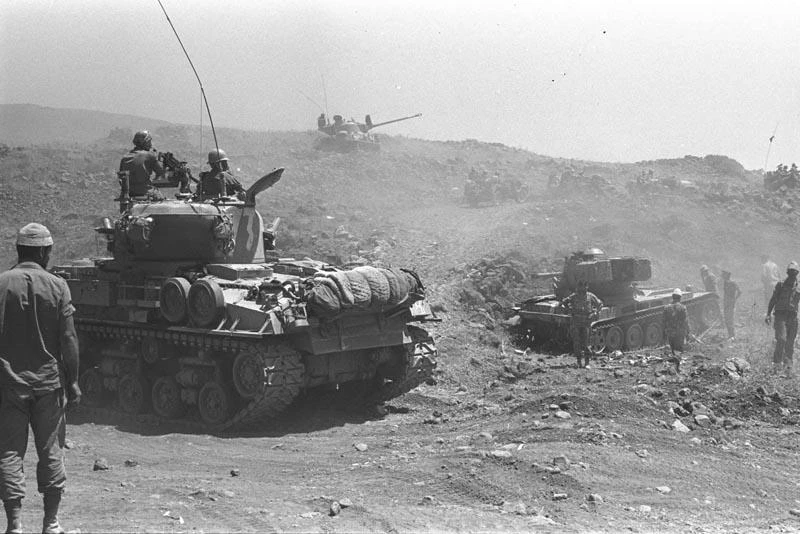
4. The USSR Almost Invaded Israel (Twice)
The USSR has always had interests in the Middle East, and this was manifested in various ways, including intentions to invade... Israel. A number of historians claim that during the Six-Day War, which took place from June 5 to 10, 1967, the USSR was preparing a full-scale invasion of Israel with the goal of seizing or destroying its nuclear arsenals.
Furthermore, it is believed that the USSR orchestrated the conflict, hoping that Israel would be unable to fight on two fronts. The plans were thwarted by the swift victory of the Israeli forces—no one believed the war would last only a few days.
The USSR threatened to invade Israel for the second time in 1973 during the Yom Kippur War and even officially placed seven airborne divisions on high alert. The United States, Israel's main ally, responded by raising its nuclear alert, but Israel didn't tempt fate and halted its by then victorious offensive against Arab positions. 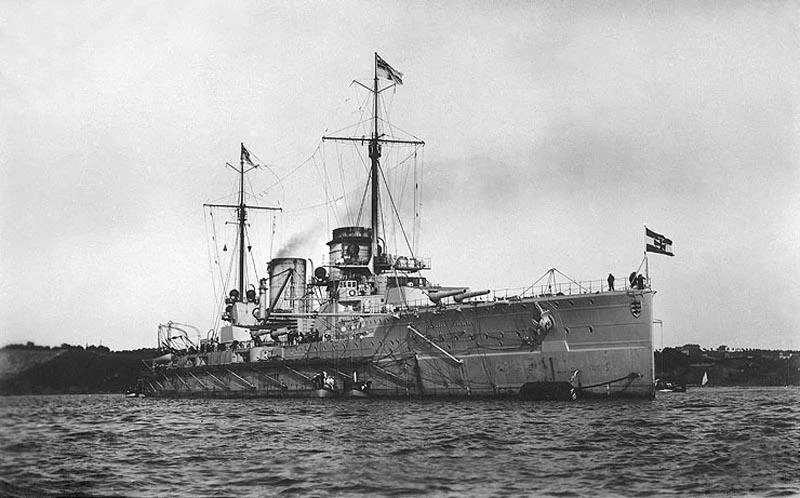
5. The Fashoda Crisis
The First World War might not have begun, or might have begun much earlier and with a different balance of power, if the Fashoda Crisis had not ended in diplomatic victory. It occurred in 1898 amidst the struggle between France and Great Britain for the division of Africa. It all happened in the small town of Fashoda (today Kodok in South Sudan). The town was captured by a small force (120 soldiers) under Major Marchand, which outraged Great Britain, which considered the upper Nile to be its fiefdom.
This was followed by a series of "dances with tambourines" around this territory, culminating in the arrival of Anglo-Egyptian troops at the town. However, things never came to a military conflict. Great Britain, which essentially had no need for a war with France, tried to intimidate its rival by declaring that it would consider the capture of Fashoda a casus belli (a pretext for declaring war), but would give the French a chance to leave the city. France, at that point, needed war even less, and complied. 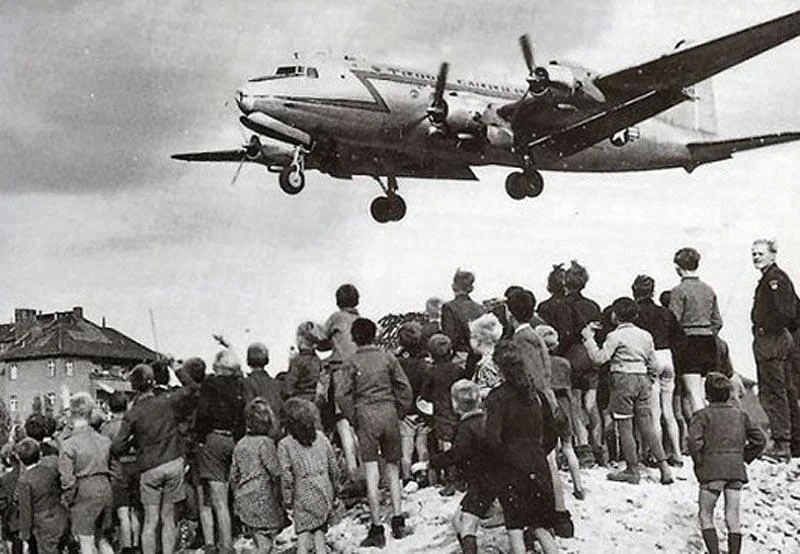
6. The West Berlin Blockade
The very first incident of the Cold War occurred in Germany, specifically Berlin, when in 1948 the USSR began a total blockade of West Berlin, attempting to subjugate the entire city. The US and its allies considered various solutions, including military ones, but common sense prevailed, and instead of attempting to break the blockade by force, the US began airlifting goods and food supplies to "besieged" West Berlin.
In just 15 months, while the blockade lasted, over 275,000 transport flights were made to the city, delivering over 2.3 million tons of cargo. Eventually, the USSR, realizing the futility of the blockade, lifted it. 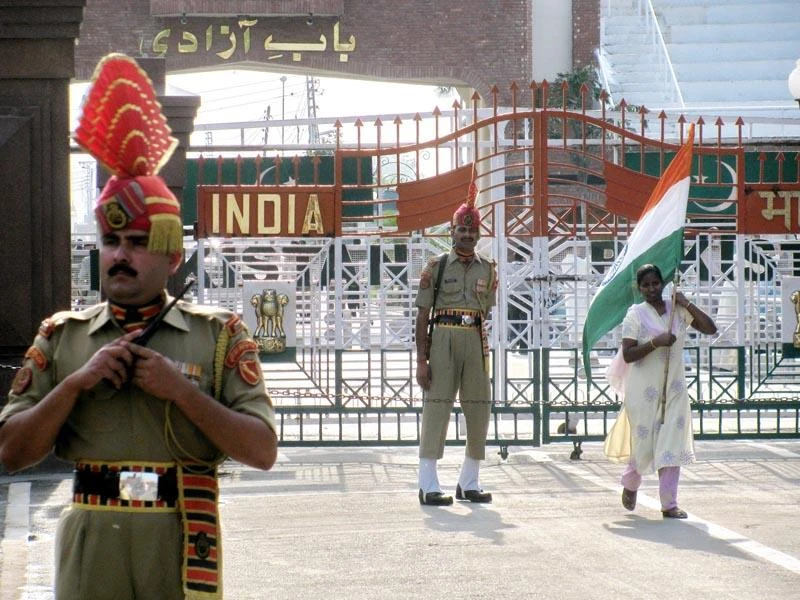
7. The India-Pakistan Confrontation
India and Pakistan have been in a protracted conflict since the 1940s and regularly clash on the border, but only once have they come close to a full-scale war, including the use of nuclear weapons. This occurred after Pakistani terrorists attacked the Indian parliament on October 1, 2001, killing dozens and wounding many more. Considering that another border war had ended just two years earlier, the Indian government quickly mobilized a million soldiers.
In response, Pakistan also carried out a general mobilization. Forces were amassed at the border, but a full-scale war never erupted—both sides were well aware that it could begin with a rifle shot and end with nuclear strikes. As a result, after 10 months of border clashes, the two sides parted ways peacefully. However, overall, nothing changed in relations between the two countries. 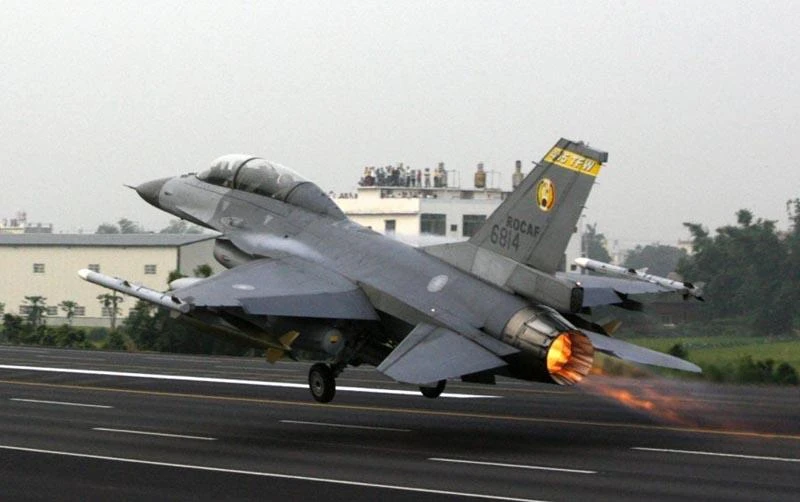
8. Crises in the Taiwan Strait
Taiwan has always been a thorn in Beijing's side, and over the past 50 years, China has repeatedly committed acts of aggression against the rebellious island. Taiwan's ally was the United States, and each time, without directly intervening in the armed conflict, the United States made it clear that it was prepared to do anything, including launch a nuclear strike on Chinese territory. As we see today, none of these crises led to war between the United States and China, but Beijing now has nuclear weapons, making it much more difficult to threaten. 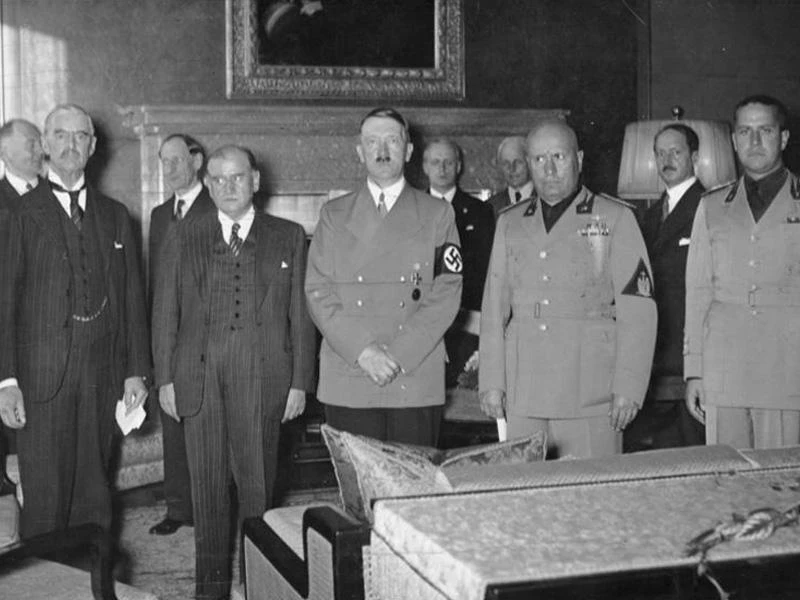
9. Operation Fall Grün
World War II could have begun a year earlier—and ended the same way—if Hitler had insisted on implementing his plan to invade Czechoslovakia, known as Fall Grün. The operation was scheduled to begin on September 28, 1938, but many in Germany were opposed, as Czechoslovakia's then allies—France and Great Britain—made it clear they would immediately enter the war. Berlin even seriously considered arresting Hitler if he single-handedly ordered the operation.
The Munich Conference finally put an end to the operation, and France and Great Britain suddenly lost interest in Czechoslovakia, which, having ceded the Sudetenland to Germany, lost all its fortifications overnight. As a result, the invasion of Czechoslovakia took place on March 15, 1939, was virtually bloodless, and went "unnoticed" by the world, which undoubtedly gave Hitler confidence. The rest is history. True history. 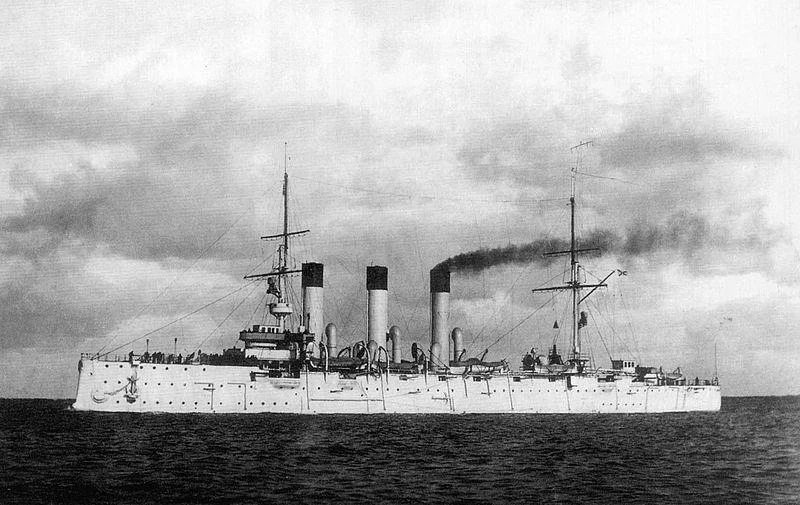
Add your comment
You might be interested in:













Persistence in achieving a goal

Not everyone is having fun on the amusement ride

A biker prevented a hit-and-run driver from escaping

17 Photos That Will Stop You in Your Tracks (18 Photos)

The cutest lunch delivery ever

Absolute perfection

Young women, Dancing and George Michael: nothing superfluous

An apology delivered with a running start

A steam locomotive for "big boys"
