20 Mysterious Historical Photos That Make No Sense Without Context (21 photos)
Ever look at an old photograph and wonder,
"What on earth is going on here?"
Once someone explains the strange historical backstory, everything suddenly clicks into place. 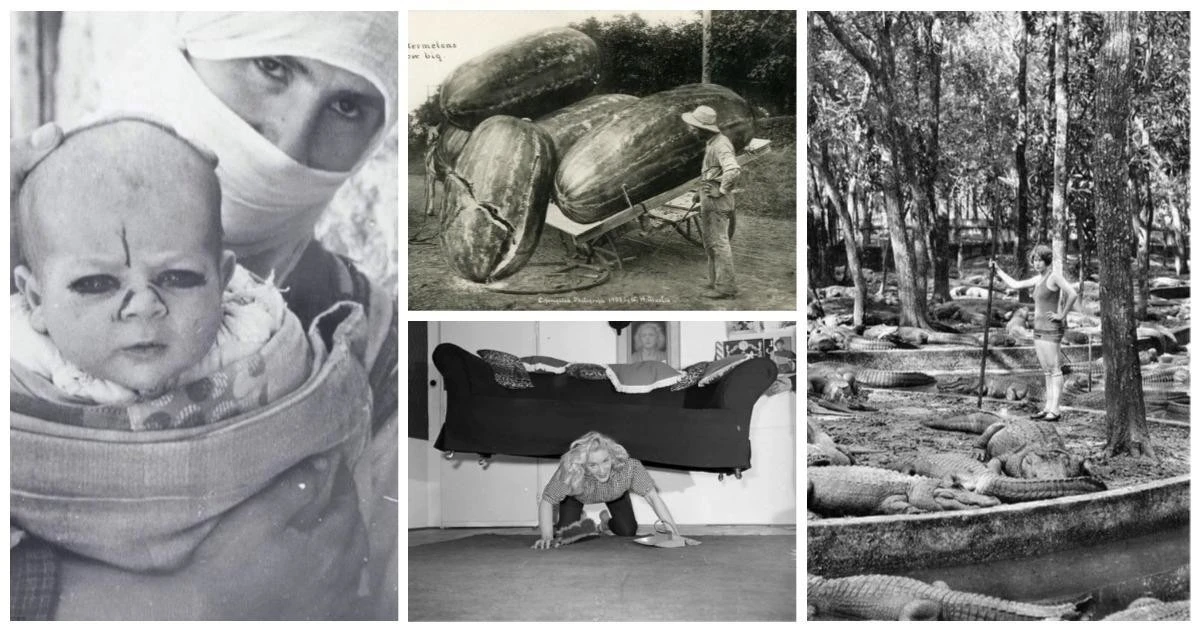
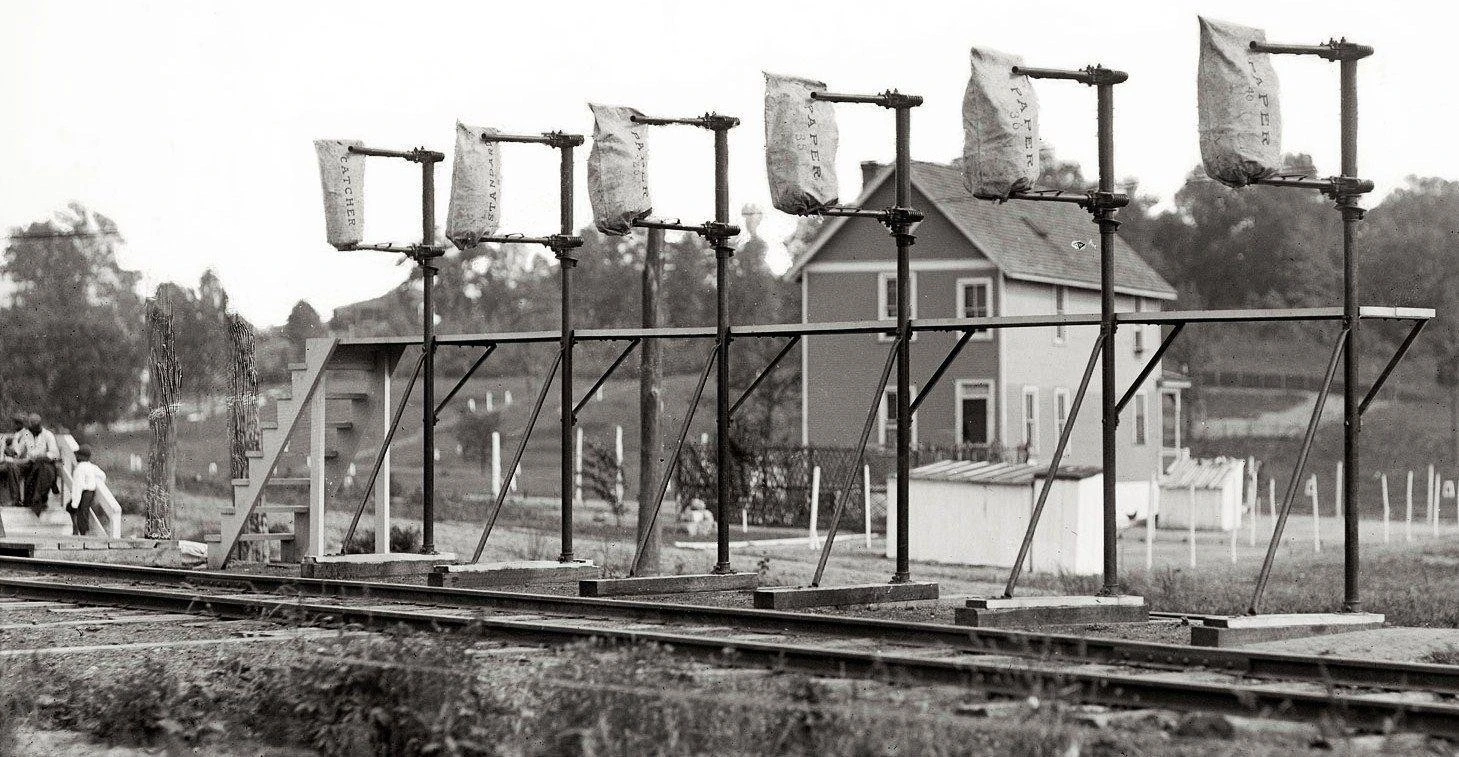
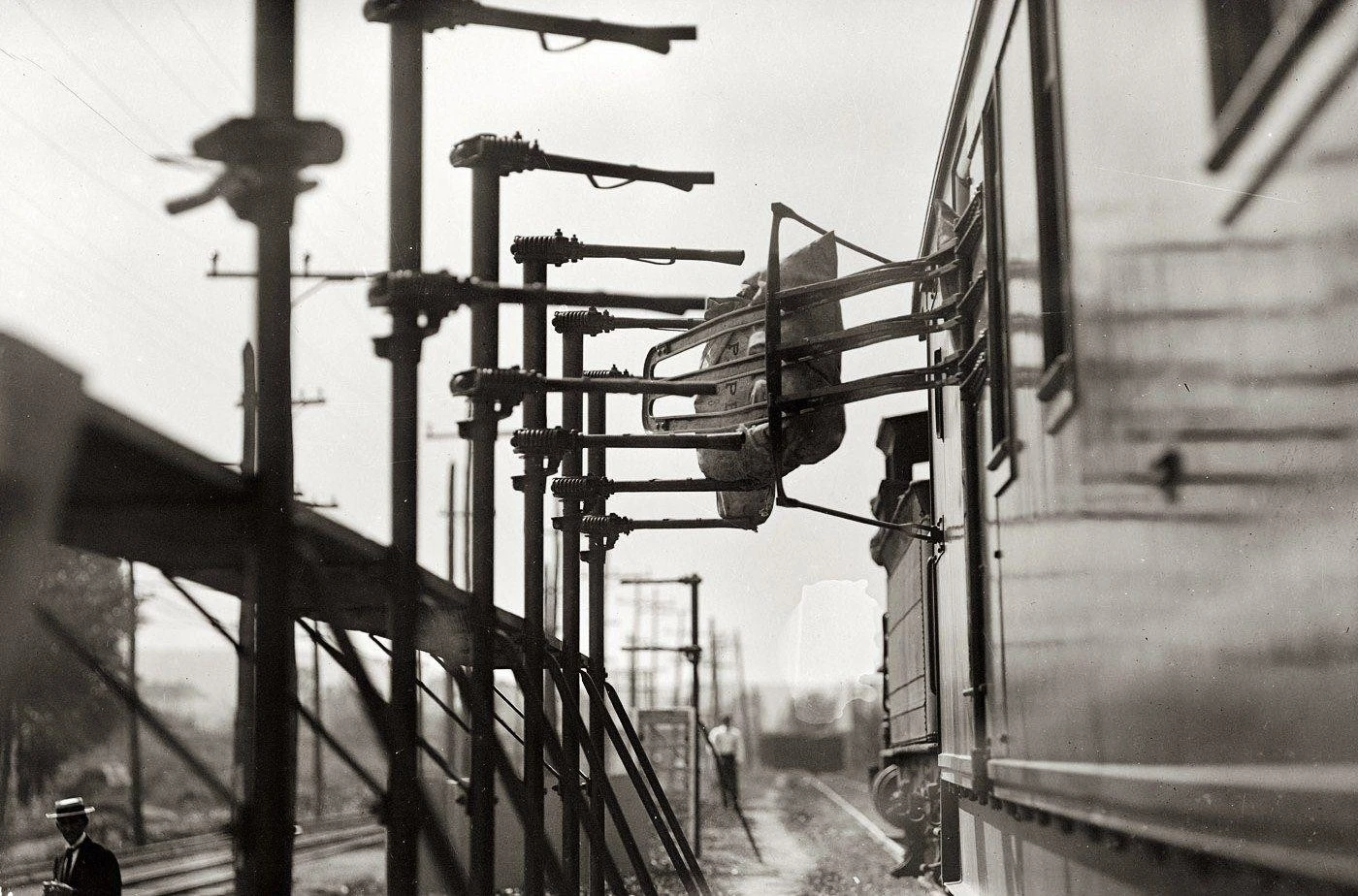
U.S. Mail in 1912: Mechanical catchers like this allowed moving mail trains to snatch mailbags on the fly. 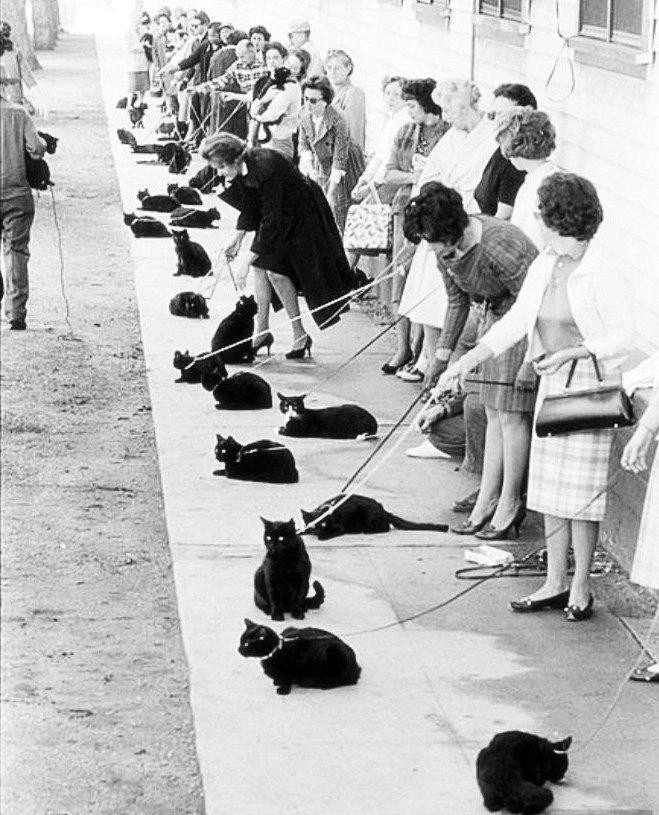
Auditions for black cats competing for a starring role in a horror movie. Hollywood, 1961. 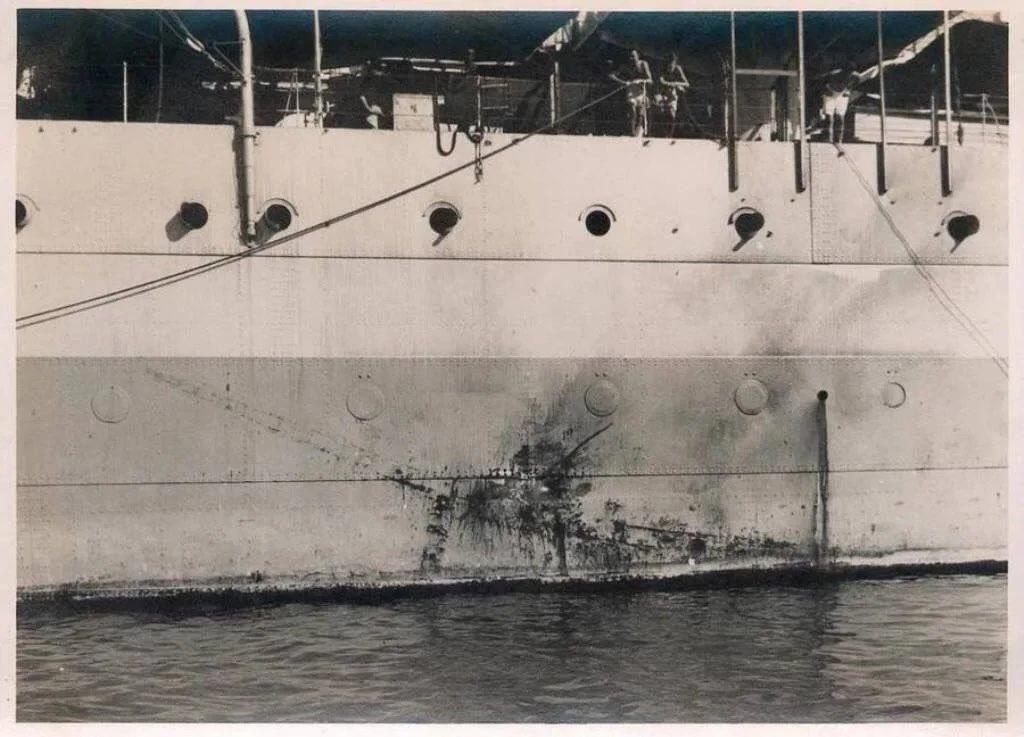
The scorch mark and dent left by a kamikaze attack (a Japanese Ki-51 "Sonia" assault plane) on the armor belt of the British heavy cruiser HMS Sussex. 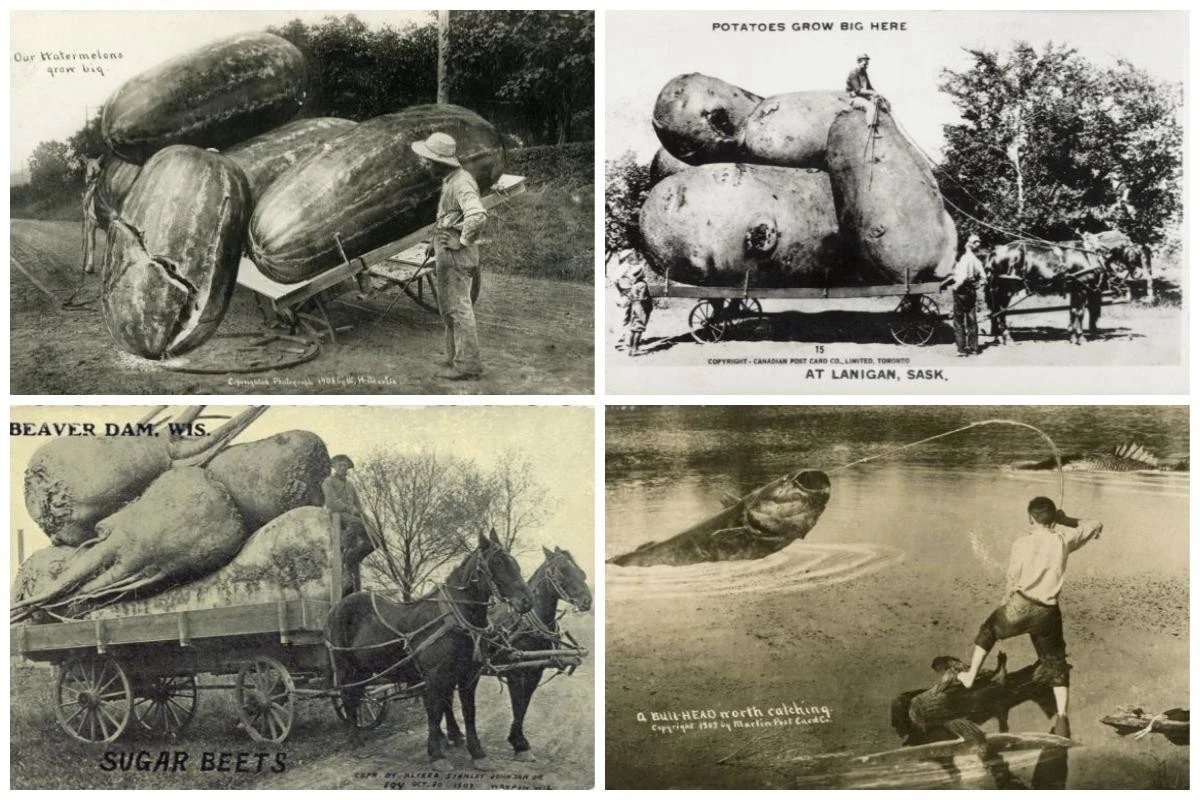
In the late 19th and early 20th centuries, humorous exaggeration postcards depicting a life of extreme abundance were wildly popular in the U.S. 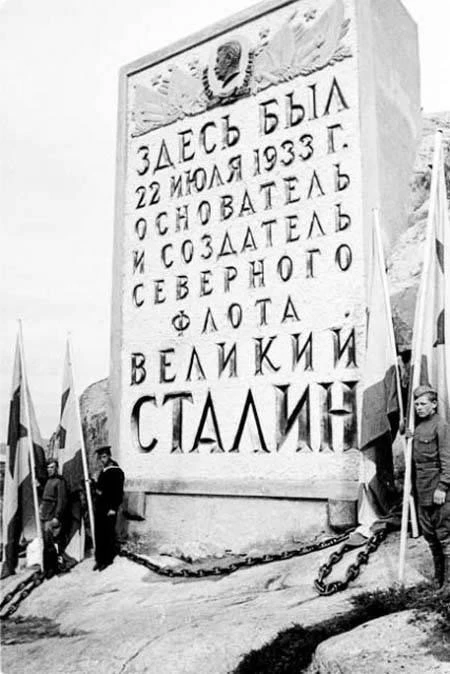
A massive memorial slab erected in Polyarny in 1953. It was dismantled in the early 1960s. 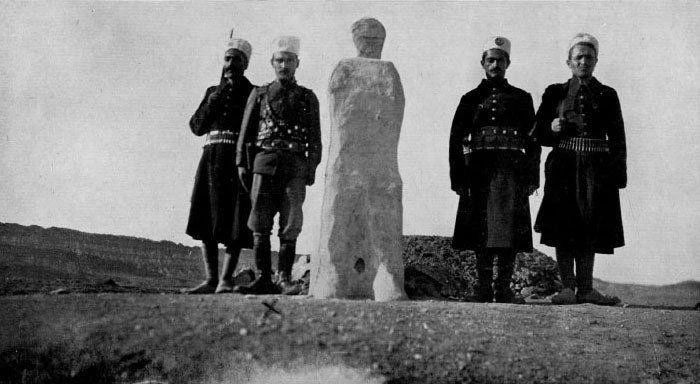
Persia, near the holy city of Qom, early 20th century: An execution. The figure in the center isn't a statue, but a bound man enclosed in mud-brick walls and filled around with lime mortar. The original caption notes he was executed for stealing two cucumbers. 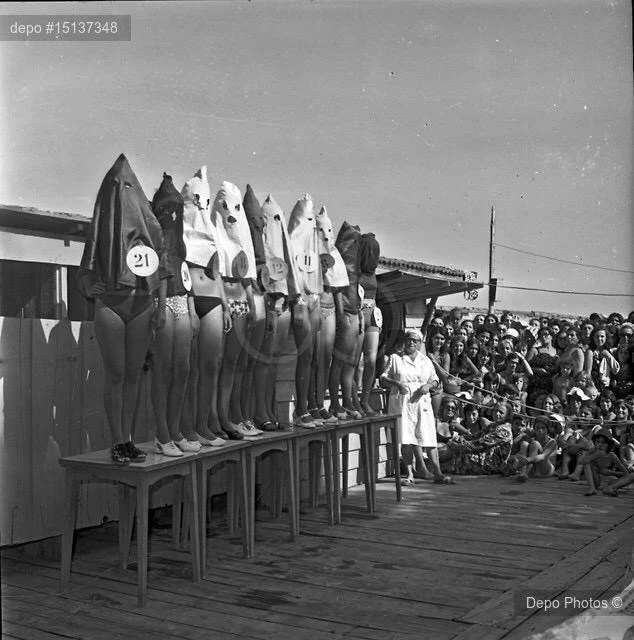
A leg beauty contest in Istanbul, 1971. 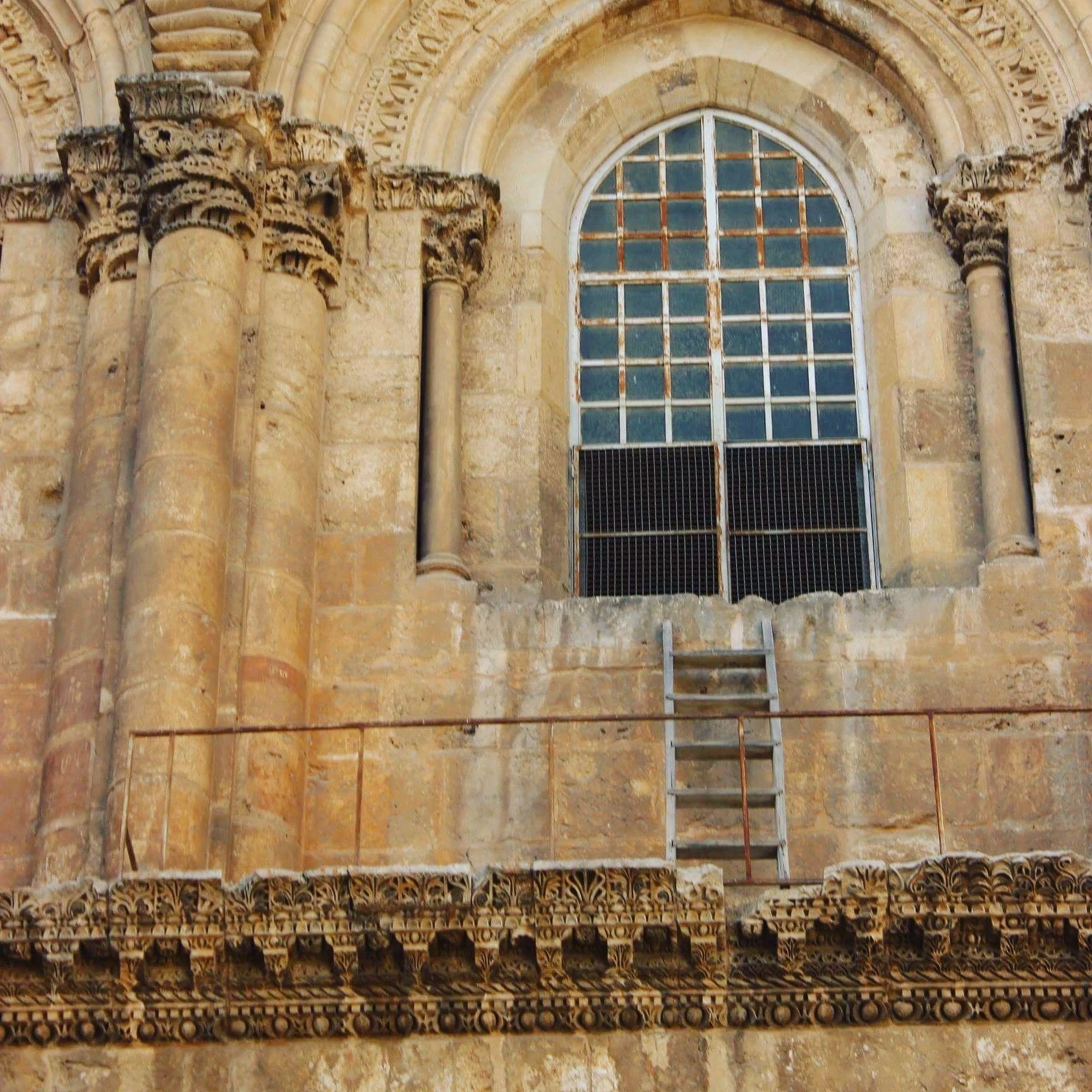
The Immovable Ladder: placed centuries ago by a stonemason, it remains untouched to this day. This simple wooden ladder rests against a second-story window on the façade of the Church of the Holy Sepulchre in the Old City of Jerusalem.
Leaning on a cornice beneath a window controlled by the Armenian Apostolic Church, the ladder has become a famous symbol of interconfessional divides within Christianity.
Leaving the ladder in place signifies adherence to the "Status Quo" agreement among the six Christian denominations sharing the church: nothing may be moved, repaired, or altered without unanimous consent. 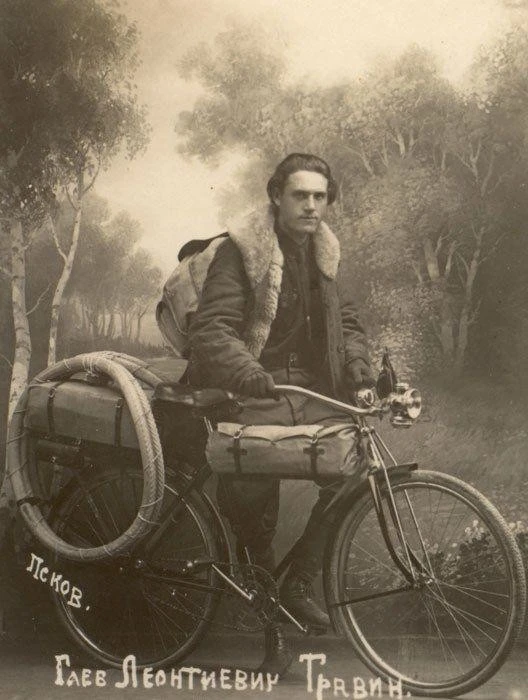
The legendary Gleb Travin, after whom cycling clubs around the world are named. What made him so famous? 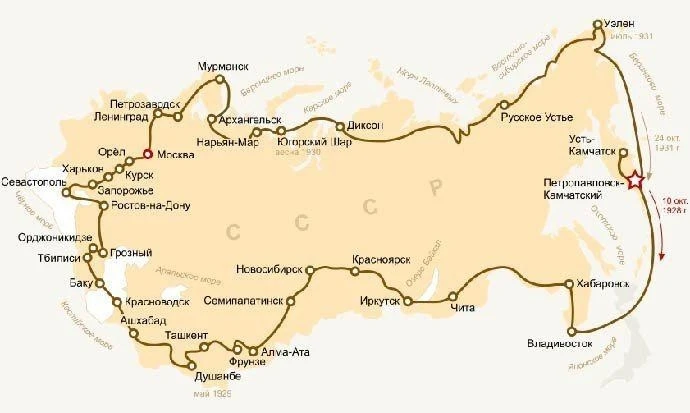
Between 1928 and 1931, he rode his bicycle completely solo and unsupported around the entire perimeter of the Soviet Union—including its brutal Arctic coastline! 
An elaborate perm machine used for curling hair, 1938. 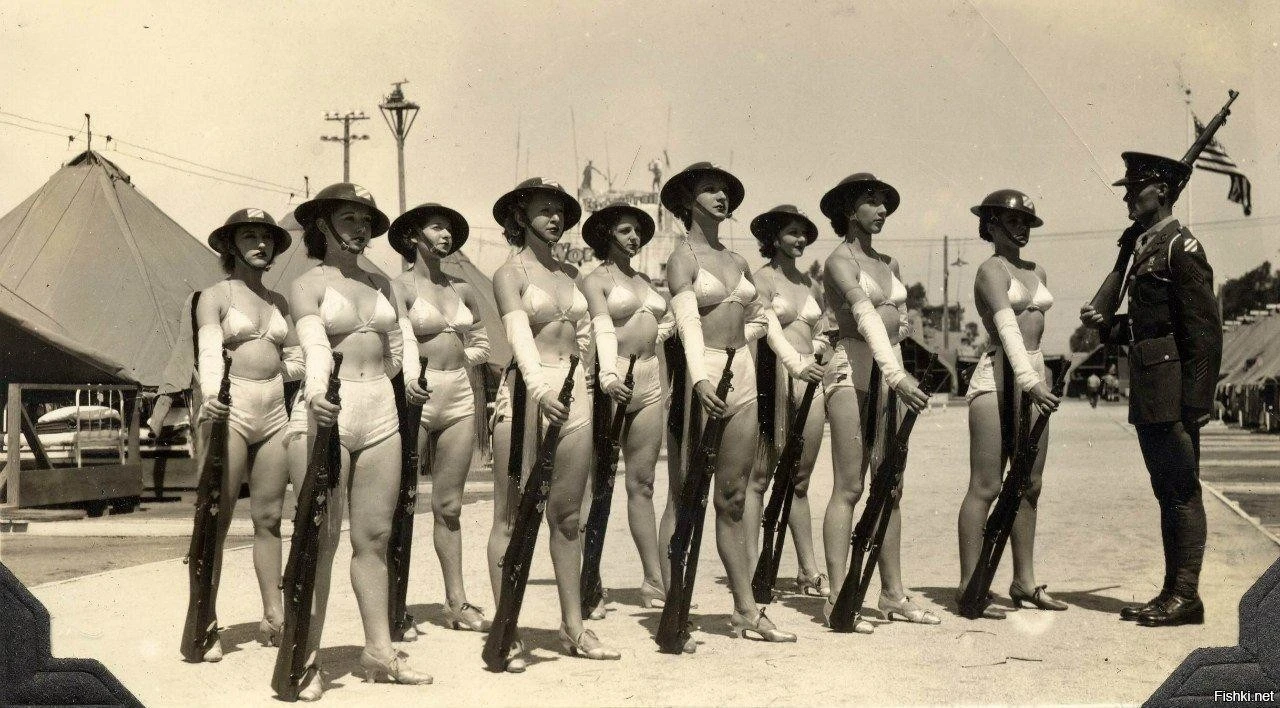
A pre-war military cheer squad for the U.S. 3rd Infantry Division. Hawaii, 1933–1938. 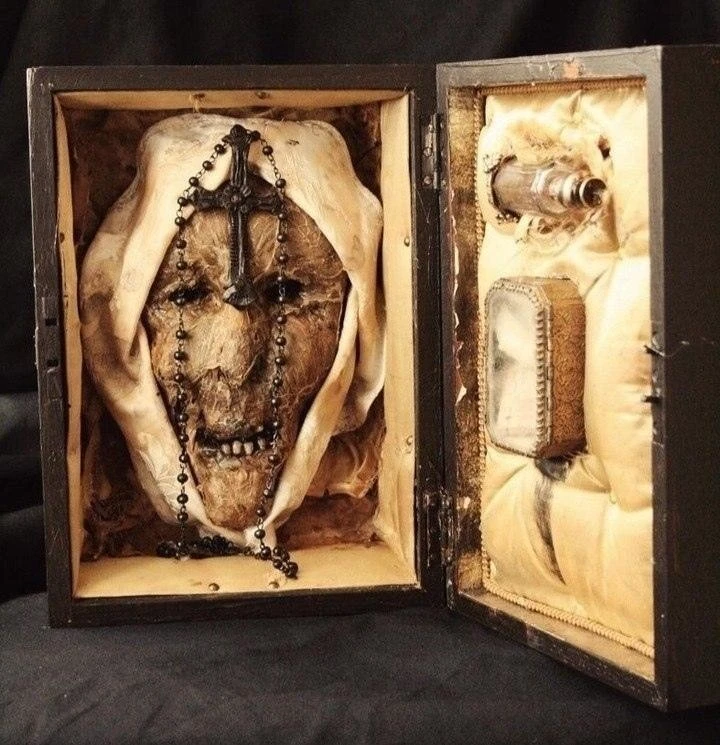
The mummified head of German nun Maria Rosenthal, 18th century. According to local legend, her mother, Sister Josephine, conceived her without a man—a supposed virgin birth. The mother died during childbirth, and Maria was revered as a holy figure at the convent. Later examinations allegedly revealed both mother and daughter were intersex individuals capable of self-fertilization. Whether this legend is fact or fiction has never been fully resolved. 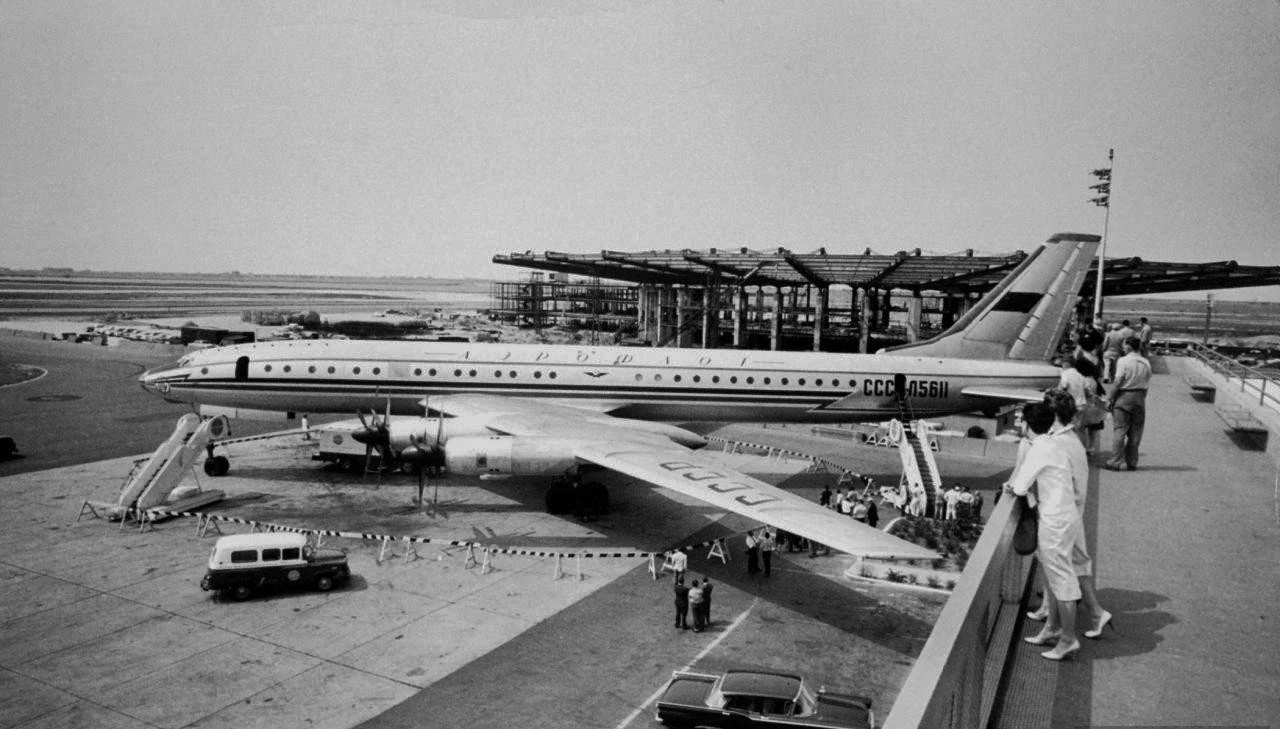
The Tu-114, the world's largest passenger airliner in 1959. It was so tall that standard mobile stairs at New York's airport couldn't reach the door to let passengers disembark. 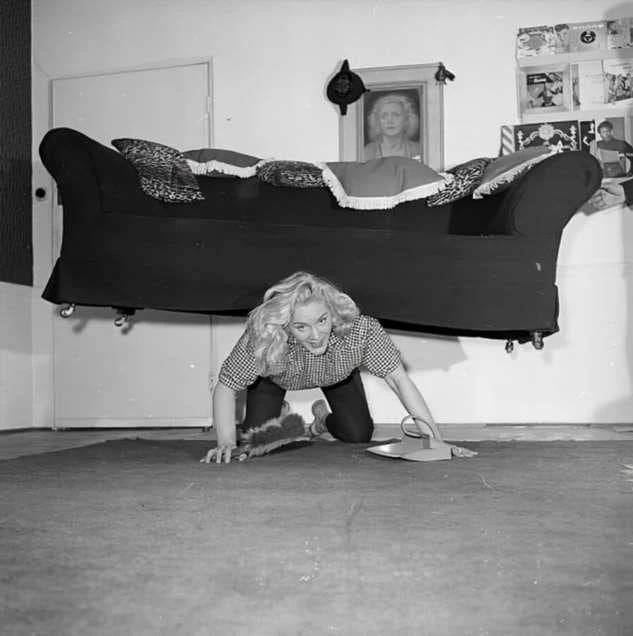
British circus strongwoman Joan Rhodes keeping in shape while tidying up her apartment, 1958. 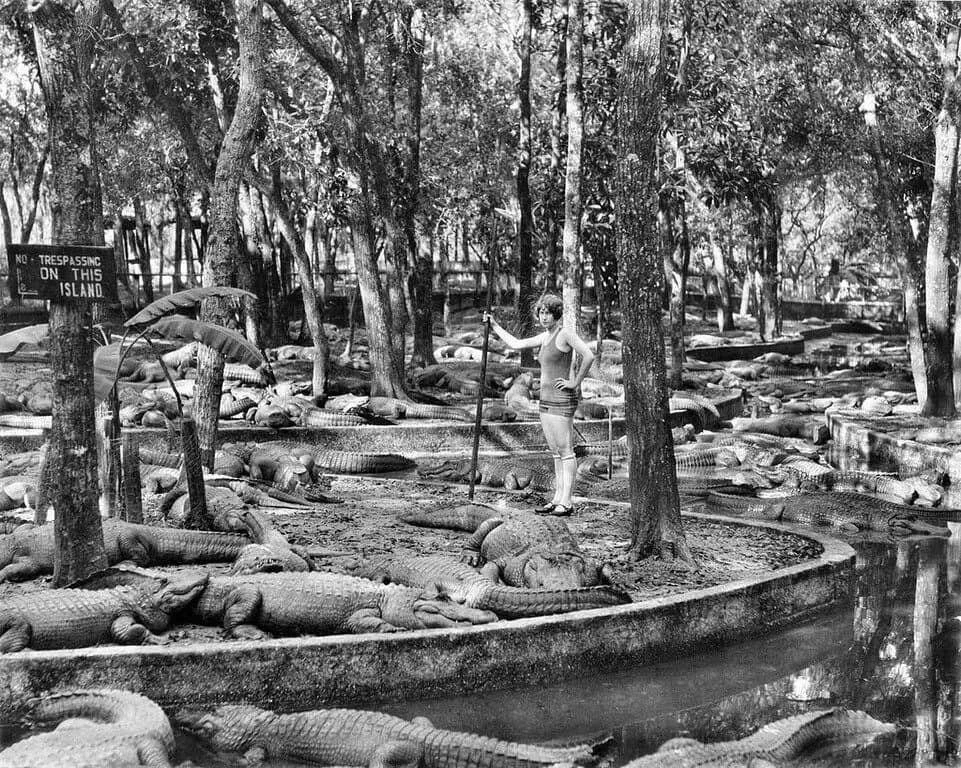
Nerves of steel: a female worker at an alligator farm, US, 1926. 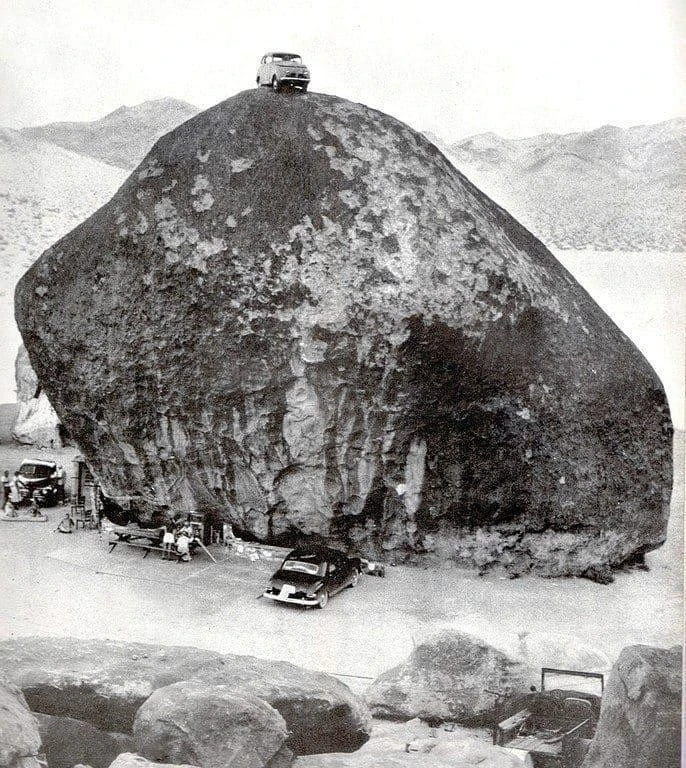
Giant Rock in the Mojave Desert between Los Angeles and Las Vegas, long considered the world's largest freestanding boulder. October 15, 1951. 
Russian schoolteachers receiving their wages in vodka before a staff meeting during the post-Soviet economic crisis, 1997. 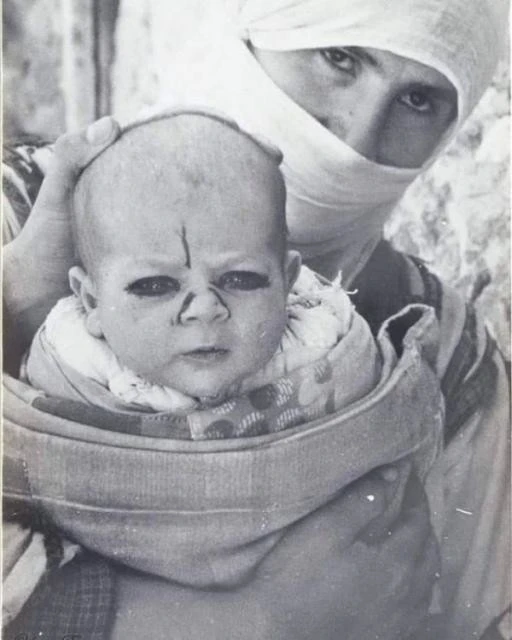
A ritual to protect an infant from evil spirits, Turkey, 1937.