Duplessis Orphans: a horrific business exploiting children's suffering (9 photos)
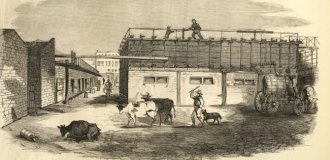
The horrific story of the "Duplessis orphans" became known to the world in the 1990s, 50 years after the events. Today, it's hard to believe that actual concentration camps for children, especially under the wing of the government, could have existed in progressive Canada in the 1930s and 1940s. But what we're about to tell you is absolutely true, as is the fact that the author of this madness was Maurice Duplessis, the Premier of Quebec. 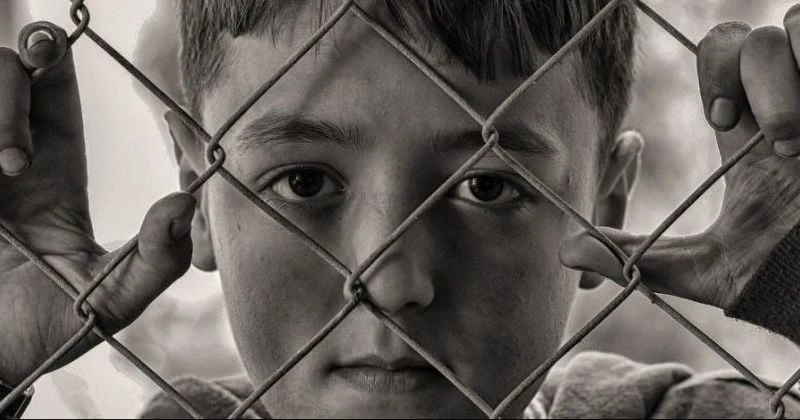
Maurice Duplessis was first elected Premier of Quebec in 1936. After this, the politician was re-elected in 1944 and held office until 1959. A lawyer by training and a staunch nationalist by conviction, Duplessis was a fanatical Catholic and Conservative. Residents of the province refer to his years in office as "The Big Dark," and this is no exaggeration. 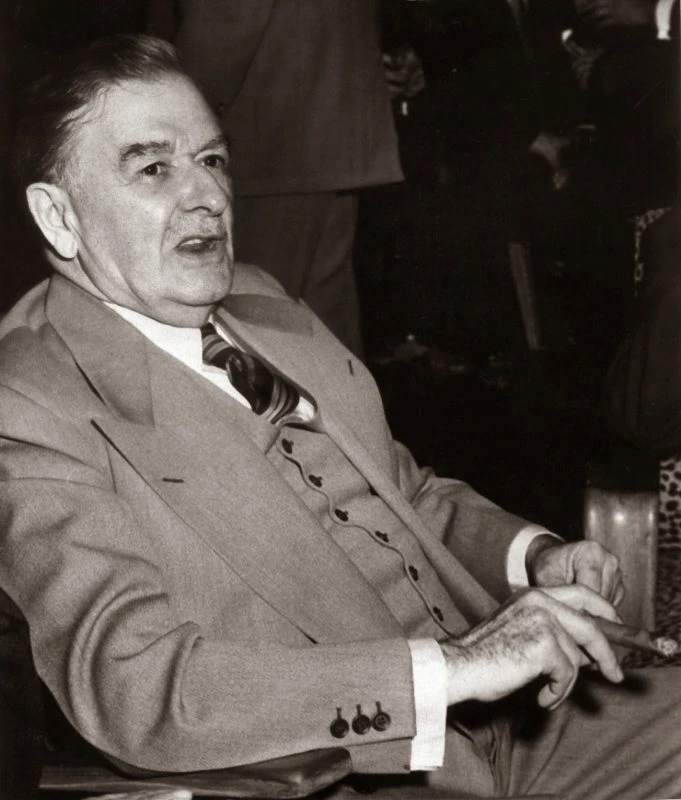
Maurice Duplessis
Duplessis earned his political capital through well-worn populist methods. He championed Quebec autonomy, supported the persecution of communists, and was not shy about his racist views. A special point in the prime minister's platform was caring for orphans and children from disadvantaged families, which particularly touched his supporters.
Duplessis entrusted the care of children deprived of parental love to the Catholic Church, handing over to it the management of orphanages, hospitals, and schools. The budget allocated for this noble cause was also spent at the discretion of the clergy. Needless to say, the initiative of the Prime Minister, nicknamed "The Chief," was enthusiastically received by the clergy.
It's worth explaining right away which categories of children fell under the care of the Church. Inevitably, orphans and those whose fathers and mothers had been deprived of parental rights ended up in orphanages. But the category of "unfortunate orphans" also included children from normal, low-income families, those born to unmarried couples, and those born to single mothers. 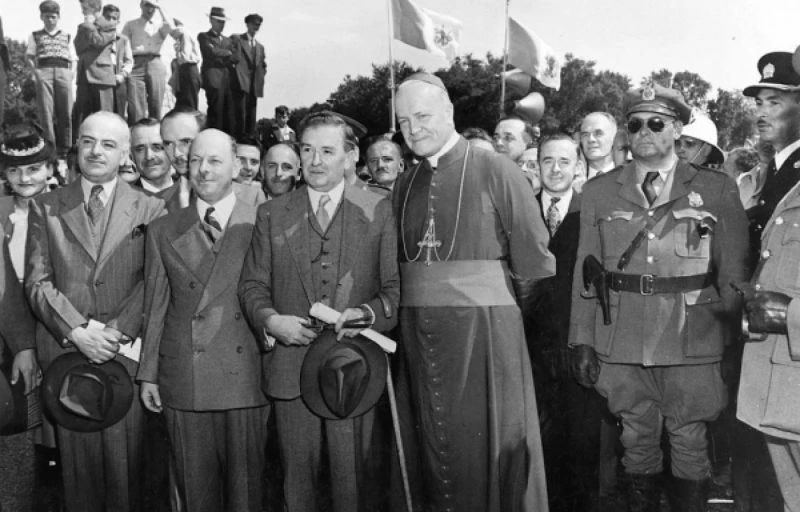
Maurice Duplessis (center) with the Cardinal, at a ceremony
If parents were living together, their offspring were placed in the lowest category of orphanages, considered "fruits of sin." They were treated worse than others, almost as if they were the dregs of society or criminals. It was very easy to fall under the protection of the Church—children could be removed from their families simply on the recommendation of a priest, teacher, or doctor.
Sometimes parents were convinced that their child would be better off in an orphanage, that excellent conditions and prospects for an excellent education awaited them. But most often, children were taken by force, actively enlisting the help of police and religious activists. There were so many children, and existing shelters were insufficient, so Duplessis facilitated the opening of new ones.
Needless to say, this system was thoroughly corrupt, and state funds allocated for children were embezzled on a massive scale. At one point, Maurice Duplessis realized the financial flow was drying up and took a monstrous step: he converted all of Quebec's shelters into psychiatric clinics. 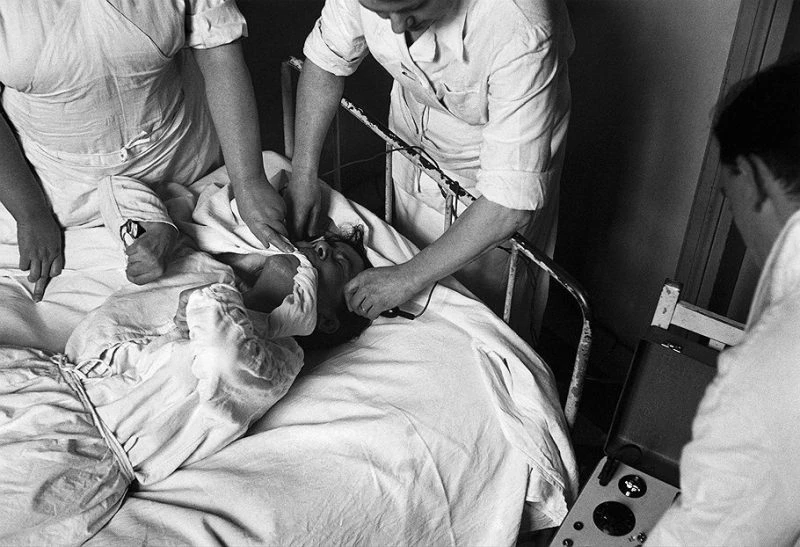
After the orphanages were reclassified, all orphans could legally be subjected to forced treatment.
The profit from the enterprise was obvious: while the Canadian government allocated only $1.25 per orphan, a patient in a psychiatric hospital received $2.75. Children and adolescents were quickly and easily transformed into mentally ill patients. An order was given "from above," and the priests and nuns working in the orphanages concocted a psychiatric diagnosis for each inmate.
To make everything look official, medical records were also created for each, which the clergy filled with fictitious entries. Children were sorted by age, and the older teenagers were the worst off—they were simply sent to actual mental hospitals and placed with real patients.
But those children who remained in the orphanages suffered no less than those transferred to psychiatric hospitals. Those who survived this hell on earth later reported being beaten, starved and dehydrated, raped, and tortured. Children were dressed in straitjackets, tied to beds, locked in punishment cells for long periods, and forced to work hard on farms. 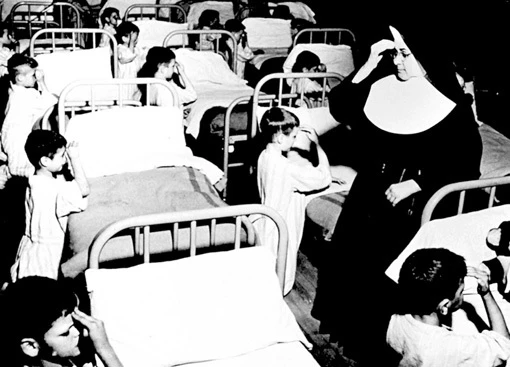
Clergymen ran the hospitals.
The institutions where the "Duplessis orphans" were kept engaged in barbaric medical procedures and unnecessary surgical interventions. Children were subjected to lobotomies, after which they became mindless zombies, and sometimes even died. Death was a frequent guest in the reformed orphanages – children perished not only from inhumane conditions and torture but also committed suicide, unable to withstand the "educational measures."
A dead child was no longer profitable, but a corpse could still fetch a small profit. The bodies of the deceased inmates were sold to dissection theaters and research institutes for $10. Children also became experimental subjects while still alive – new drugs and medical procedures were widely tested on them, although these were far from always successful.
Slightly later, the "Duplessis orphans" began to be placed up for adoption, both in Canada and in the United States. This was done on a paid basis, with prices ranging from 40,000 to 25,000 dollars per child. Needless to say, the adoptive parents were never vetted, and the children often fell into the clutches of molesters, perverts, and violent psychopaths. Their fate no longer interested the Duplessis government. 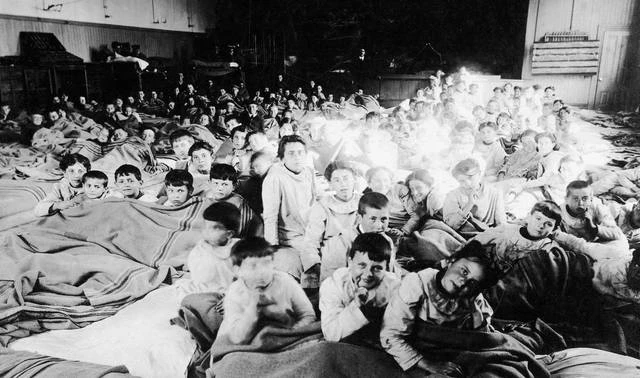
Living conditions in the institutions were appalling.
One of the inmates of such a "rehabilitation camp," Clarina Dugway, recounted in detail her life after the state and the church took over. She was taken from her family and placed in the Saint Julien Asylum, located 1,000 km from her home.
At the institution, the children who became Duplessis' patients were abused by nuns and medical staff. The primary punishments for misbehavior and disobedience were immersion of the offender's head in ice water and flogging. Dugway recalled being shackled to her bed by her hands and neck, fed scraps of food, and forced to sleep on a wire mesh bed without a mattress.
As occupational therapy, the children constantly scrubbed the floors, and to discourage mischief or protest, they were pumped full of neuroleptics. Chlorpromazine, a drug that suppresses a person's will and turns them into an indifferent automaton, was especially favored at the institution. This drug was banned in most countries as dangerous by the mid-20th century, but the "Duplessis orphans" were given it without restriction. 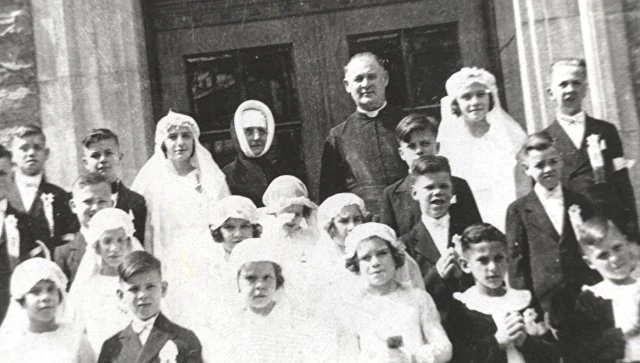
In press photos, the children appeared well-groomed, but their expressions betrayed the truth.
Despite the declassification of the Quebec "orphanages" and "clinics," many dark spots remain. All participants in this hellish kitchen were interested in keeping the truth from being revealed, and so they carefully covered their tracks. The number of children who suffered as a result of Duplessis's "educational program" remains unknown. Experts estimate that up to 300,000 children may have been patients over the years.
As for the financial side of the matter, in 1999, two analysts, Leo-Paul Lazon and Martin Poirier, published the results of their investigation, which included the figure of $70 million. This is how much money the Quebec provincial government, led by Duplessis, and the Catholic Church received from the Canadian government in the 1940s and 1950s.
The "Duplessis orphans," who survived the orphanages and clinics, felt the consequences of their "education" throughout their lives. They were denied not only an education but also any useful life skills. Their medical records contained a psychiatric diagnosis that deprived them of any hope of getting a good job or attending school. 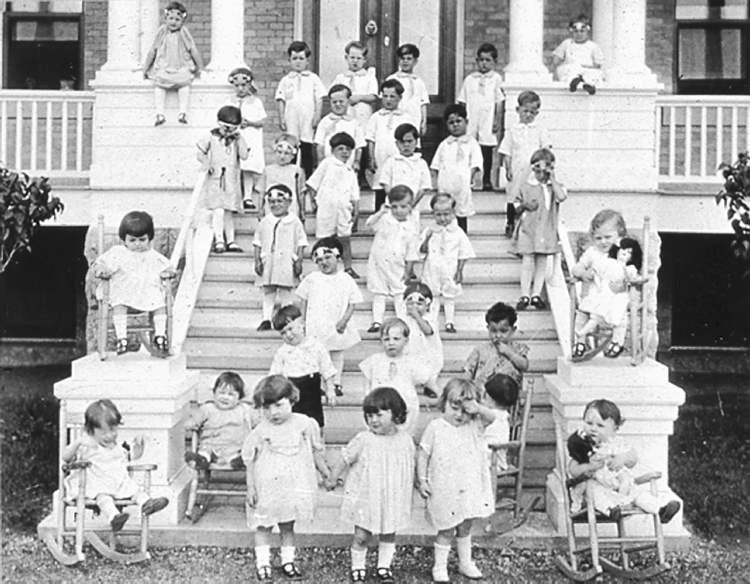
Even such young children found themselves at the mercy of their tormentors. Photo from 1948
To help each other, the former foster children joined forces, trying to secure a future for themselves, find family and loved ones, and simply adapt to everyday life outside the hospital wards. They also had the goal of exposing the crimes of the Quebec government and the church, which were not subject to the statute of limitations.
In the late 1990s, when the events of half a century ago were declassified, the Canadian government promised to pay the victims $15,000 in compensation. This offer was indignantly rejected due to the ridiculous amount. In 2001, a new compensation plan was proposed, which provided for $10,000 plus an additional $1,000 for each year spent in institutions.
In this case, the amount was also too paltry, and furthermore, it was not available to those who had been in shelters and suffered abuse but did not have a psychiatric diagnosis. Those responsible for the crimes of half a century ago were also never found – the church refused to admit its guilt and did not even apologize. 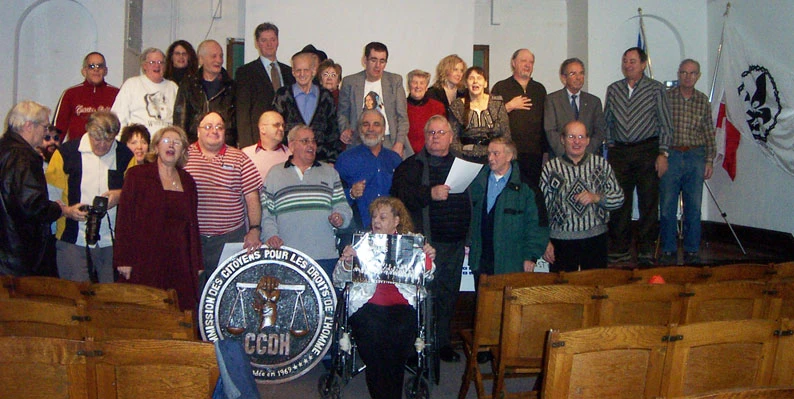
Duplessis Orphans Society
Meanwhile, evidence of the crimes remains hidden in various corners of Quebec. The most horrific discovery was made in 1999 at a pig farm near which a hospital once stood. There, underground boxes containing the remains of approximately 2,000 children who died as a result of the "educational program" were discovered.
In 2004, an organization of former "Duplessis Orphans" petitioned Quebec authorities to excavate an abandoned cemetery near Montreal. They believed another large mass grave containing the bodies of the dead children could be located there.