The Story of Hetty Green, the Witch of Wall Street and the World's Most Miserly Woman (11 photos)
If you think your mother-in-law is a stingy viper, think again. History offers far worse examples. Meet the woman officially recognized by the Guinness Book of World Records as the "World's Greatest Miser." 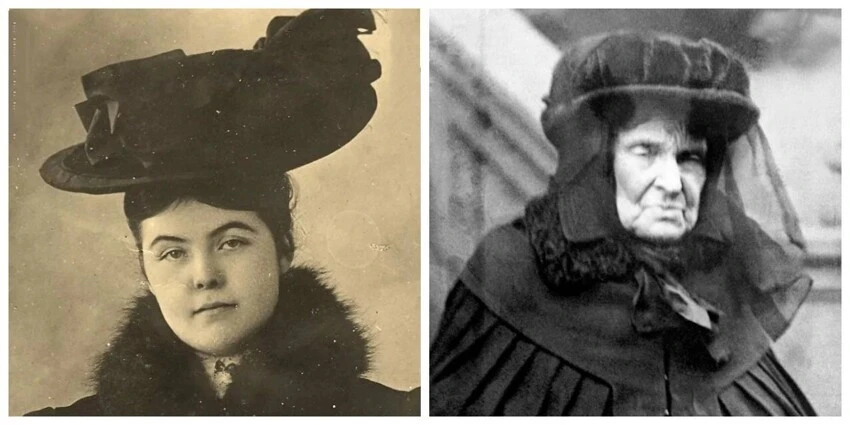
On July 3, 1916, the world’s greediest woman passed away. Henrietta Howland "Hetty" Green, notoriously dubbed the "Witch of Wall Street," was not undone by her avarice—she died of a heart attack at the age of 81. Listed in the Guinness Book of World Records as the "World's Greatest Miser," Hetty was the richest woman of her era at the time of her death, with a net worth equivalent to $4 billion today. She owned more than 8,000 parcels of land, was a formidable money lender, and bought up railroad stocks en masse.
The Whaling Heiress
Henrietta was born in 1834 into a family of substantial wealth for the era. The Howland fortune was built on whale oil. Her grandfather, Gideon Howland, took full charge of her upbringing. Henrietta was raised as a Quaker, a Protestant denomination widely spread across New England at the time. The Quakers' core values included strict self-restraint and utter simplicity in food and dress. 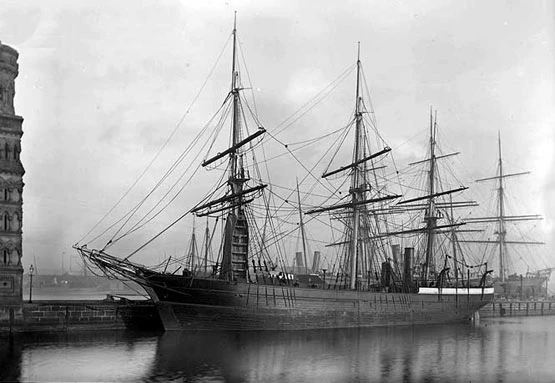
Henrietta Howland Robinson grew up in New Bedford, a major whaling hub
As old Gideon's eyesight began to fail, seven-year-old Hetty would climb onto his lap and read him financial news from the papers with genuine interest, already grasping the basic difference between stocks and bonds. 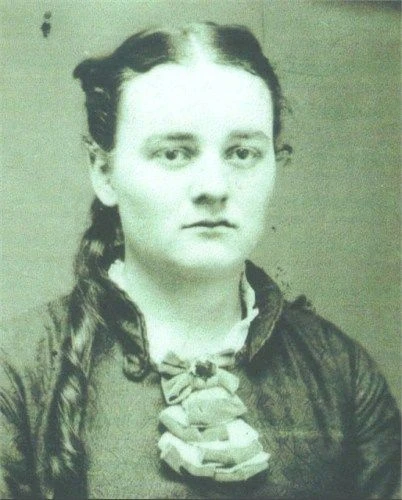
Henrietta as a teenager
By her teenage years, the girl was well-versed in bookkeeping, helping her father manage his business—for a fee, naturally—and delighting in any legitimate trick to cut costs. She practiced that same frugality on herself. Deciding it was foolish to spend good money on a graduation dress she would wear only once, Hetty deposited the funds in a bank and attended the ceremony in an old gown. After school, she completed bookkeeping courses and threw herself into the world of finance.
The High-Stakes World of Finance
Her extraordinary frugality—which eventually curdled into obsession—became legendary. Henrietta was an attractive young woman, but suitors were taken aback by her habit of wearing the same worn-out dress and scuffed shoes day after day. After her mother died, Hetty rarely hosted parties. Even "hosted" is a stretch: rumor had it the young heiress would blow out expensive candles before her guests left so she could sell the stubs the next morning. Instead of throwing away napkins, she would sprinkle them with water and iron them to use again. 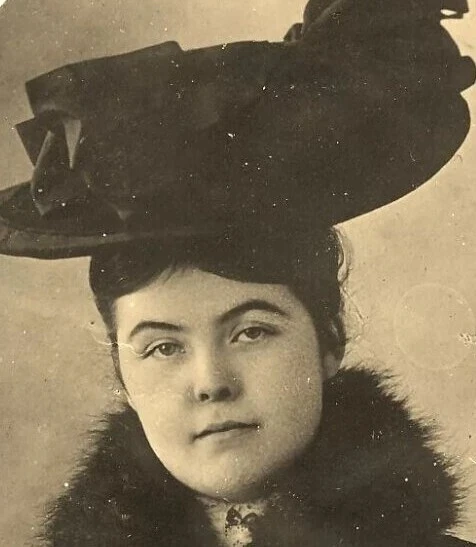
Henrietta in her youth
Hetty and her father moved to New York. A few years later, her father passed away, but not before warning her on his deathbed that he might have been poisoned. From that moment on, the young woman became deeply paranoid. She ate only food she prepared herself. Later, convinced of the miraculous powers of homeopathy, she consumed massive amounts of raw onions and garlic daily, much to the dismay of those around her.
Following her father's death in 1865, Henrietta inherited a massive fortune of $7.5 million. Rather than squandering it on fine clothes and jewelry, she set about saving, investing, and multiplying her wealth. A multi-year legal battle ensued over her late aunt's will. The aunt had originally left two-thirds of her substantial estate to Hetty, but later revised the document to leave the money to charity. Fighting like a wounded tiger, Hetty waged war in court for the inheritance. She unearthed an older will and forged a clause that allegedly invalidated any subsequent codicils.
Hello, Love?
After her father died, Henrietta met her future husband, Edward Green. The Green family tree included congressmen and judges, and Edward's uncle had served as mayor of Boston. Edward himself was a polyglot who spoke several languages, including Chinese, and had traveled the globe. He had spent eighteen years in the Philippines, where he built a sizeable fortune trading silk, tea, tobacco, and hashish. 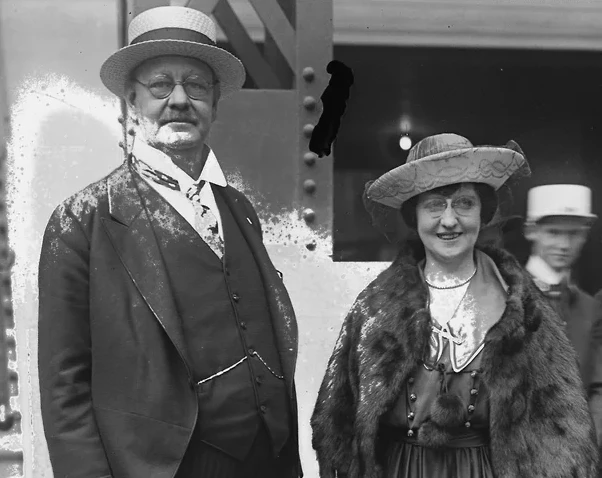
Hetty with her husband, Edward Green
Edward stood by Henrietta through the deaths of her father and aunt. Two years later, at age 32, Henrietta agreed to marry him. The groom was well into his 40s and hardly fit the picture of a romantic prince: short, balding, and carrying a bit of a belly. But Hetty was drawn to their shared outlook—Edward was equally frugal and loathed spending money on trifles. They tied the knot after signing a prenuptial agreement stating that her husband was not entitled to a single cent of Hetty's wealth. Business was business, marriage or not. When her husband eventually went bankrupt and sank into debt, Hetty refused to bail him out. She simply threw him out. 
In a cartoon depicting a fictional cabinet composed of America's wealthiest titans, Hetty Green is the sole woman.
By then, everyone on Wall Street knew Hetty Green. She owned sprawling tracts of land and real estate. In money lending and stock trading, she had no equal. Brokers knew that if Hetty Green bought shares in a company, their price would skyrocket the very next day. Before purchasing securities, Hetty researched every detail of a business, often knowing more about its operations than the owners themselves.
A Life Bound by Greed
Henrietta had two children from her marriage, Ned and Sylvia, both of whom suffered from their mother’s extreme parsimony. Green never owned a home of her own; she lodged in cheap boarding houses and skimped on food and medicine. She almost never spent money on clothes or shoes, replacing her underwear only when it literally fell apart. She refused to hire maids or laundresses. After reading the daily paper, she would send Ned to resell it. In shops, she would haggle for hours over a single cent—most shopkeepers despised her. 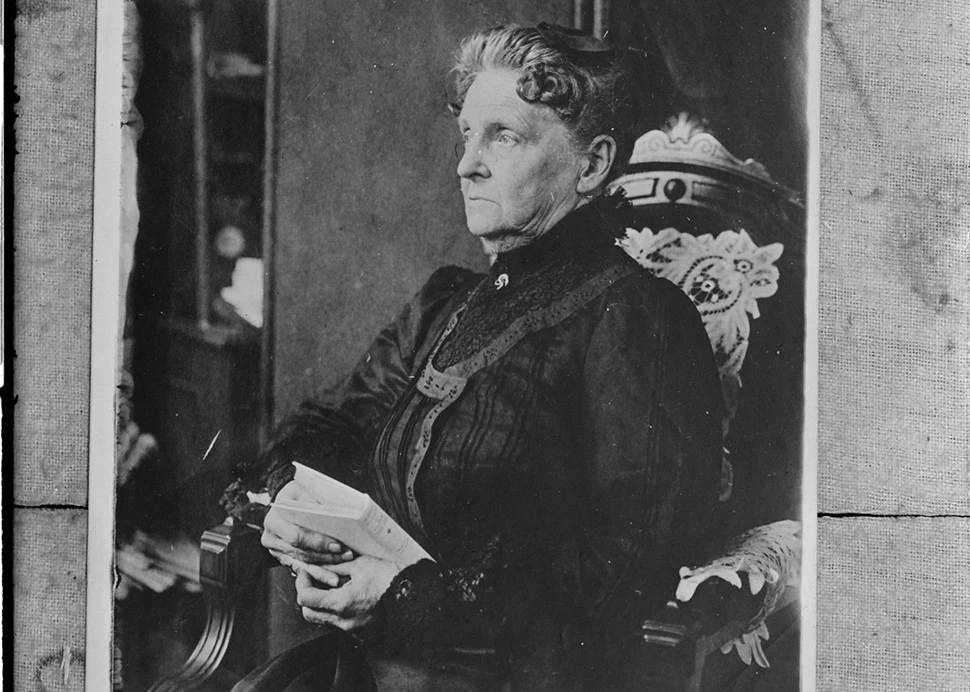
Hetty's miserliness cost her son Ned his leg. One freezing winter, Ned was bought a sled. Overjoyed, the boy headed straight for the steepest, most dangerous hill. On one run, the sled flipped, severely injuring his leg. To save money, Henrietta sought treatment at free clinics for the poor. Unfortunately, the notorious miser was recognized instantly, and doctors refused to treat her son for free. Hetty then opted to treat the boy at home. For years, Ned endured agonizing pain until his leg eventually had to be amputated above the knee.
As she aged, Hetty grew increasingly terrified of assassination. On the rare occasions she visited acquaintances, she brought her own food and even a small alcohol burner to boil her own eggs. After obtaining a gun permit, she was never seen without a pistol. She rejected the newly invented automobile, like all luxury items, declaring, "A donkey was good enough for Jesus Christ." 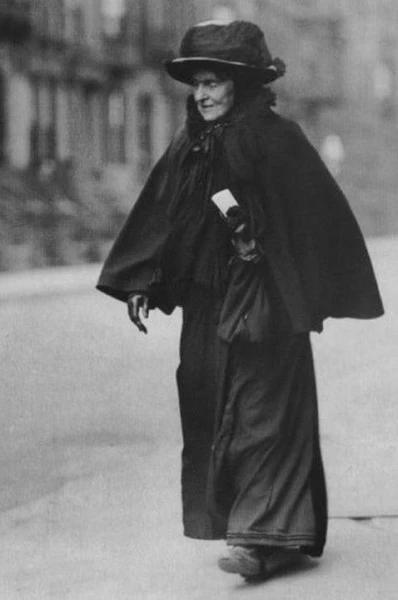
It was during her morning commute to "work" that a photographer captured her striking appearance: a heavy black cloak, a hat with a widow's veil, a stern face, and a sharp, surprisingly brisk stride. Whether because of her forbidding look or the endless rumors surrounding her eccentricities, the press dubbed her the "Witch of Wall Street."
The End of a Dynasty
Her ex-husband Edward died in penniless obscurity in 1902. He had begged his former wife for help, but she ignored his pleas. Hetty outlived him by 14 years, dying of a heart attack at her son's home at the age of 81—during yet another argument with a maid over half a cent.
Quiet Sylvia never crossed her mother and lived as a spinster under her roof for years. Eventually, Hetty approved a marriage for her—to Matthew Astor Wilks, an elderly millionaire. Hetty framed it as maternal care so her daughter wouldn't end up alone, but pragmatic calculation was undeniably at play: the suitor was nearly 20 years Sylvia's senior, meaning he was unlikely to outlive her and inherit her fortune. 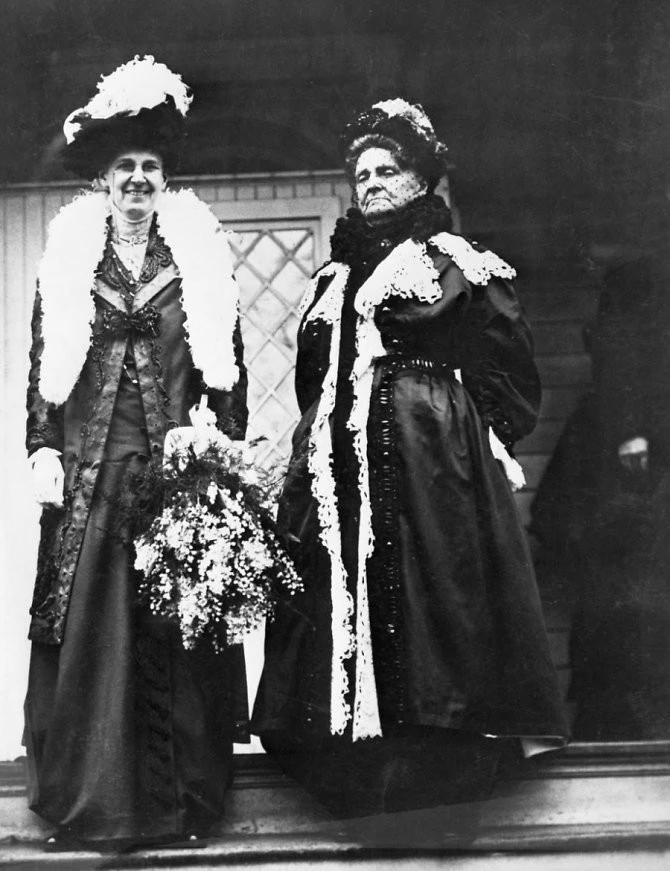
Hetty Green and her daughter, Sylvia
Upon Hetty's death, she left behind an estate of around $200 million (roughly $4 billion today). She willed her entire fortune to her son, Ned. He shared the money with his sister and spent the rest with astounding speed on hobbies, luxuries, and wild, alcohol-fueled benders. 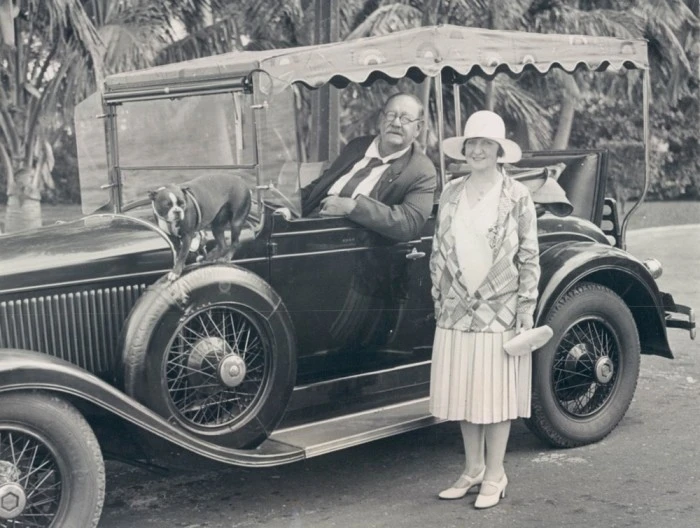
Shortly after his mother's death, Ned got married and bought a car.
Sylvia outlived her husband by a quarter of a century and bequeathed her entire estate to charity. The fortune amassed by the "Witch of Wall Street" gradually dispersed into schools, libraries, and hospitals. Yet the great miser left behind a simple formula for wealth:
"There is no secret in fortune making. All you have to do is buy cheap and sell dear, act with thrift and shrewdness, and then be persistent." 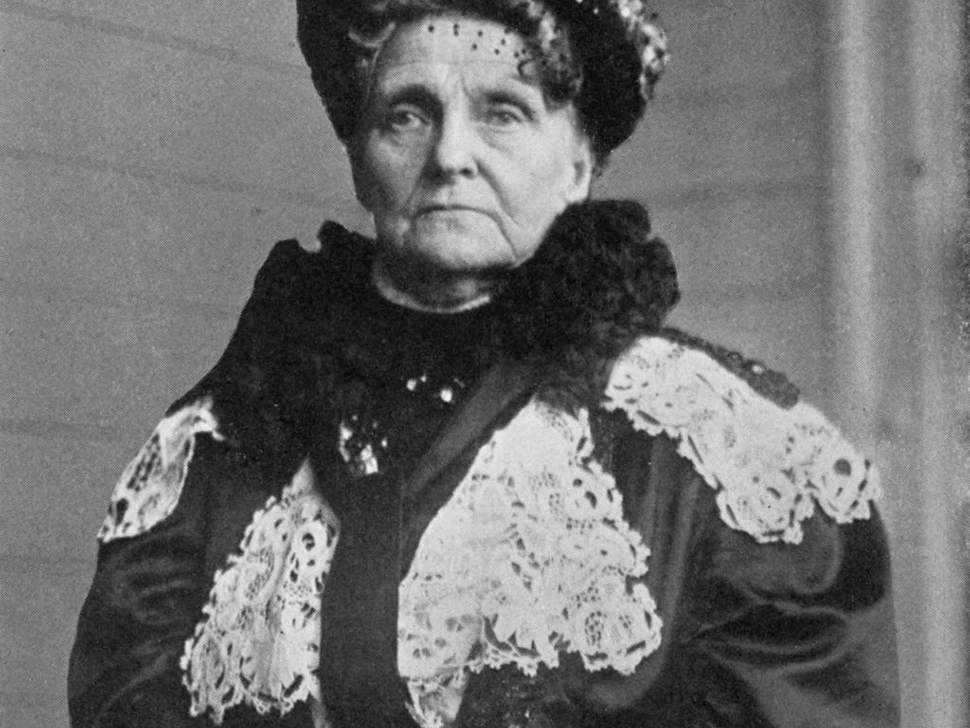
Hetty Green is remembered for her razor-sharp analytical mind, her ability to forecast economic booms and busts, her austere lifestyle, and her legendary avarice. By the 1920s, the name Hetty Green had become a household word in America. In 1934, Hollywood director Charles Reisner released a film inspired by her titled *You Can't Buy Everything*. Several fictionalized biographies followed, along with a museum dedicated to her legacy. Ultimately, she earned a place among the wealthiest figures in American history.