The Captain of Köpenick: How a Cobbler Robbed Town Hall and Made Kaiser Wilhelm Laugh (8 photos)
When Kaiser Wilhelm heard the story of the Captain of Köpenick, he laughed until he cried. He personally pardoned the man behind what he considered the most hilarious heist in living memory, jotting down a note in the criminal dossier praising the rogue as a "brilliant fellow." The exploits of this bogus captain left a lasting mark on German history and European culture, inspiring numerous books and films. Yet it all began in the most unglamorous way imaginable. 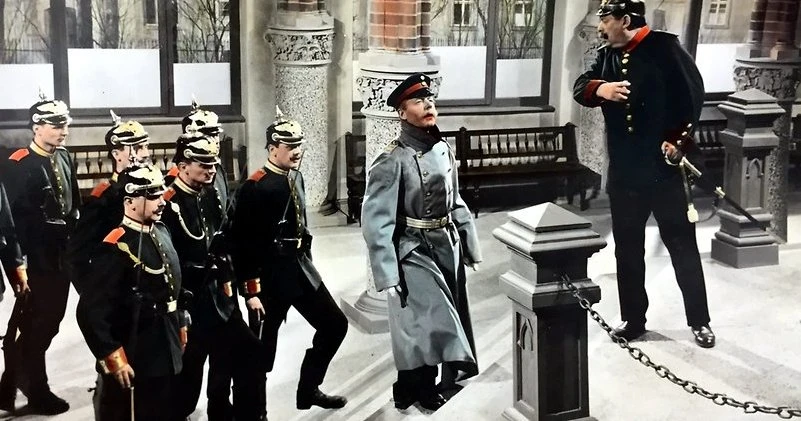
Wilhelm Voigt, the future celebrity trickster, was born in Tilsit to an ordinary shoemaker. Willy’s father was a hardworking craftsman, while his mother was a devoted homemaker raising three children. But young Wilhelm inherited neither his father’s work ethic nor his mother’s virtues. 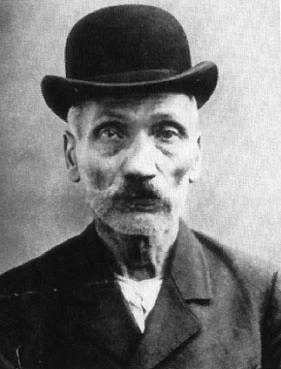
Wilhelm Voigt
From an early age, Voigt roamed the streets and markets, falling in with shady crowds and pocketing anything left unattended. At just 14, he earned his first conviction for theft, spending 14 days in the local jail. It taught him nothing: between 1864 and 1890, he did four more stints behind bars on charges ranging from theft and fraud to document forgery.
In 1891, the shoemaker’s wayward son aimed for a bigger score, plotting to rob the court treasury in the town of Wongrowitz (now Wągrowiec). The burglar was caught red-handed in the courthouse in the dead of night, trying to crack the safe with a crowbar. Showing no leniency to a repeat offender, the court handed him a hefty 15-year prison sentence.
Voigt was released in 1906 after serving his full sentence. The con artist had little interest in turning over a new leaf; instead, an audacious and rather unconventional scheme was taking shape in his mind. But pulling it off required preparation, so he found work with a shoemaker in the town of Wismar. 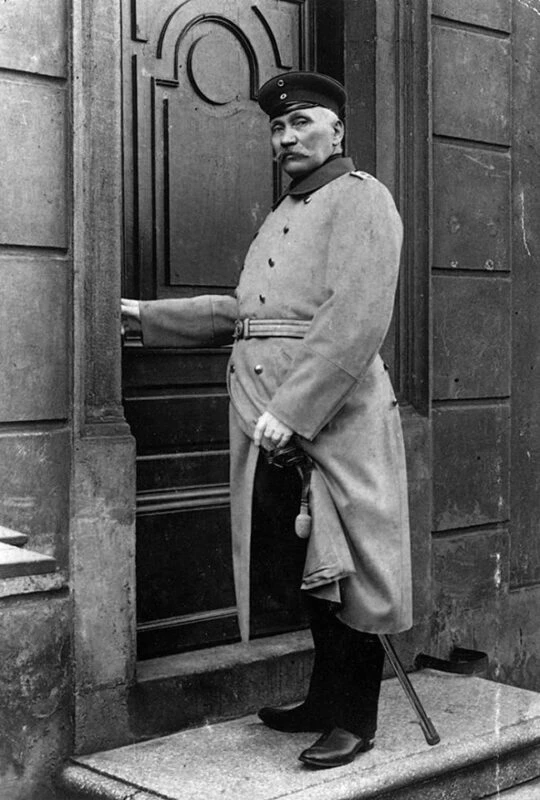
The Captain of Köpenick, portrayed by the man himself
Before long, his employer discovered that the new hire was an ex-convict and threw him out. Misfortune didn't stop there: the police revoked Voigt's passport, issued him a temporary certificate, and ordered him to leave the Grand Duchy of Mecklenburg-Schwerin within 24 hours.
Voigt realized he needed to act fast before he was reduced to picking pockets and snatching food at markets like in his youth. He headed to Berlin and moved in with his sister, Bertha. Days were spent scouring second-hand shops and junk dealers for pieces of an officer’s uniform. To pull off the heist, he needed a Prussian captain’s (Hauptmann) uniform in pristine condition.
Soon, everything was in place, and a trim infantry captain stepped out onto the streets of Berlin, complete with a saber, officer's belt, and sidearm holster. In his pocket rested a stamped "War Ministry directive" ordering all military and civilian authorities to render the bearer full assistance. Voigt had forged the document in his sister's kitchen, relying on makeshift materials and his formidable criminal talent. 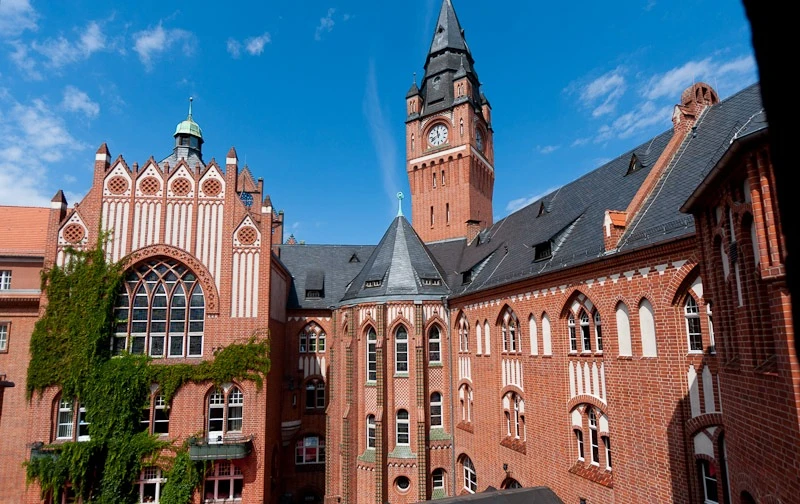
Köpenick Town Hall
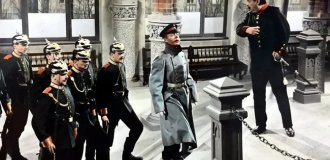
Near the city center, Voigt intercepted two squads of guardsmen returning to their barracks after guard duty. In a tone that brooked no argument, the captain ordered the riflemen to follow him, waving the stamped bogus directive in front of them to dispel any doubts.
The detachment marched to the railway station, where the "captain" played the benevolent commander and bought each of his new subordinates a round of beer. Reinvigorated and chatting about home, the soldiers boarded a suburban train headed for Köpenick—a small town that was not yet part of greater Berlin.
Upon arriving at Köpenick station, the captain ordered his men to fix bayonets and tighten their belts, marching the unit toward the local gendarmerie station. After spending less than fifteen minutes inside, Voigt emerged accompanied by a plainclothes gendarme, and the entourage set off for the town hall. 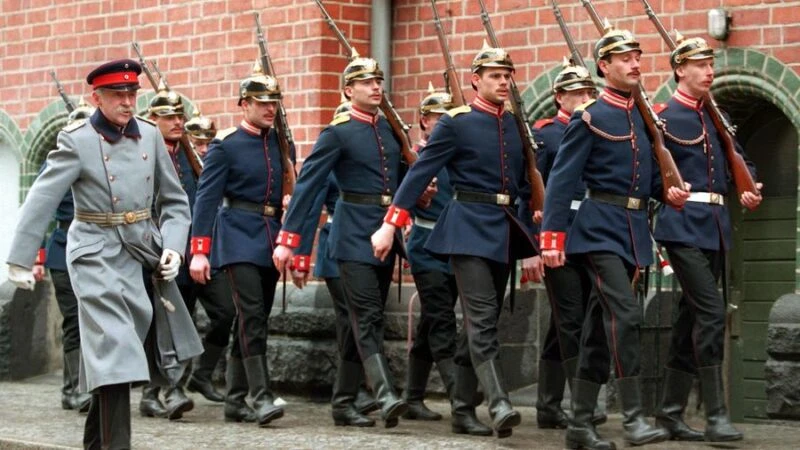
Outside the council building, Voigt ordered the soldiers to seal off all entrances and exits, then entered with the police official. Time was running short, so the impostor moved swiftly and ruthlessly. Striding into the office of Mayor Georg Langerhans, he bellowed for both the mayor and the town treasurer, von Wiltberg.
With the two bewildered officials seated before him, Voigt pulled several stamped papers from his pocket and, raising his voice to an irate bark, demanded an explanation regarding the alleged embezzlement of treasury funds earmarked for "underground works."
The mayor and treasurer pleaded that no such work had ever taken place and that they had never seen any such funds, but Voigt brushed their protests aside. Calling upon the gendarme as a witness, the blustering captain demanded that the town safe be opened. The municipal vault held a clutter of promissory notes, stock certificates, official records, dust, mouse droppings—and a mere 3,000 to 4,000 marks in cash.
Scarcely concealing his disappointment, the captain had the cash packed into a bag, signed a receipt under the alias "Captain von Malzahn," and headed for the door. He coldly advised the mayor and the treasurer to pack a change of underwear, soap, and a mug, and await their formal arrest. 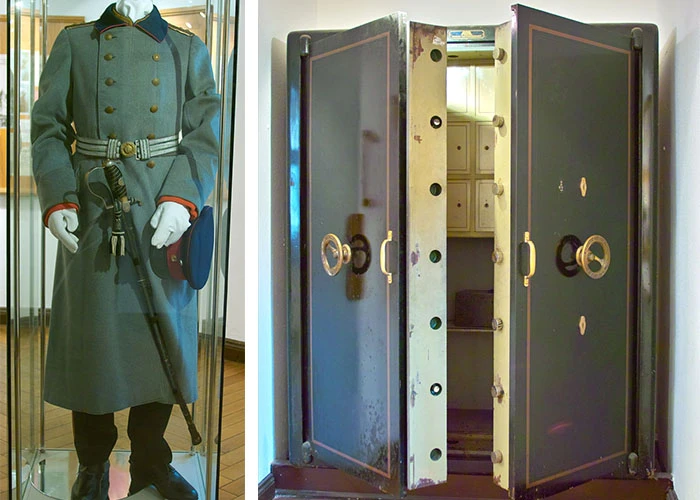
The captain’s uniform and the town hall safe
To the troops cordoning off the building, Voigt barked orders to let no one in or out for another hour. Weaving through the gathering crowd of onlookers in the square, the rogue hopped into a cab and headed straight back to the station. Arriving in Berlin as cool as could be, he grabbed a beer at the station tavern and headed home.
Voigt was arrested exactly ten days after his daring raid, caught over breakfast while reading a newspaper report on the brazen crime. He had been betrayed by a former cellmate with whom he had shared his grand scheme years earlier behind bars.
During initial interrogations, Voigt denied any monetary motive, claiming he merely wanted to secure a passport. When pressed on why his passport would be locked in the Köpenick mayor's safe, he had no coherent answer. He eventually confessed that, while in prison, he had heard a rumor that one million marks had been allocated to Köpenick for contracted utility work. His entire masquerade had been designed to seize that fortune.
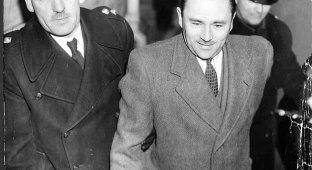
The investigation and subsequent trial of the "Captain of Köpenick" were met with roars of laughter. Outside the district court where the hearings took place, massive crowds of Berliners gathered just to catch a glimpse of the man who had hoodwinked soldiers, gendarmes, and city officials alike. 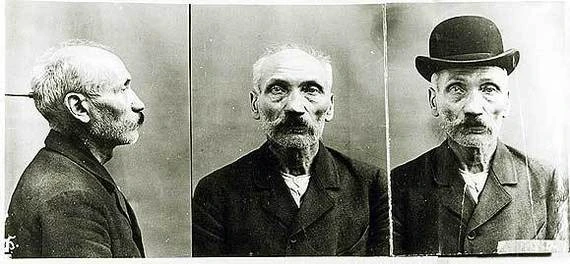
The trial itself lasted a mere 15 minutes. Voigt was sentenced to four years in prison for unlawfully wearing a military uniform, forgery, unlawful imprisonment, and fraud. Yet the con man served only two years: once Kaiser Wilhelm learned of the caper, he granted an immediate pardon. The monarch was thoroughly amused by an incident that laid bare German society's blind reverence for the military uniform.
Voigt was released and finally issued a legitimate passport. Having become an overnight sensation, he could no longer practice his criminal trade—nor did he need to. The infamous "Captain of Köpenick" was in high demand across Germany, Austria, Poland, France, and even the United States.
Enlisting a couple of the very soldiers he had commandeered, Voigt toured the world recounting his adventure and even published a memoir. Later in life, he achieved prosperity, obtained Luxembourgish citizenship, and purchased a house in the Grand Duchy. The Captain of Köpenick died in 1922 at the age of 72. 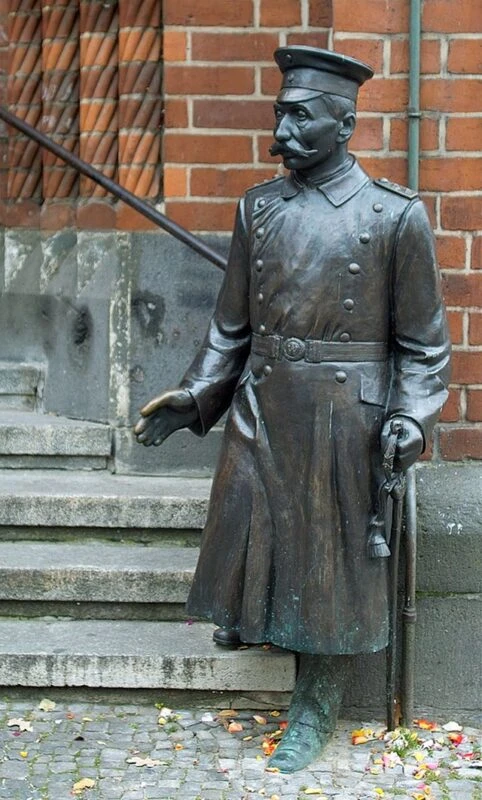
Today, the captain's uniform Voigt wore for his daring heist is preserved in Köpenick Town Hall, and a statue commemorating the impostor was erected near the entrance in 1996. The resourceful swindler's story has been adapted for the screen multiple times, cementing his place in popular folklore. History has seen far more brazen impostors, though few could ever claim such fond notoriety.