What Progress Has Come: A Robot Preacher Works in a Japanese Temple (8 photos)
Robotics and artificial intelligence technologies are advancing rapidly. It's hard to find a field of human activity that hasn't yet embraced modern technology. Religion remained the last bastion, but it too has succumbed to progress. In 2019, the ancient Kodai-ji Temple in Kyoto acquired an unusual preacher—an android named Mindar. This robot reads Buddhist sutras and helps draw attention to religion in the digital age. 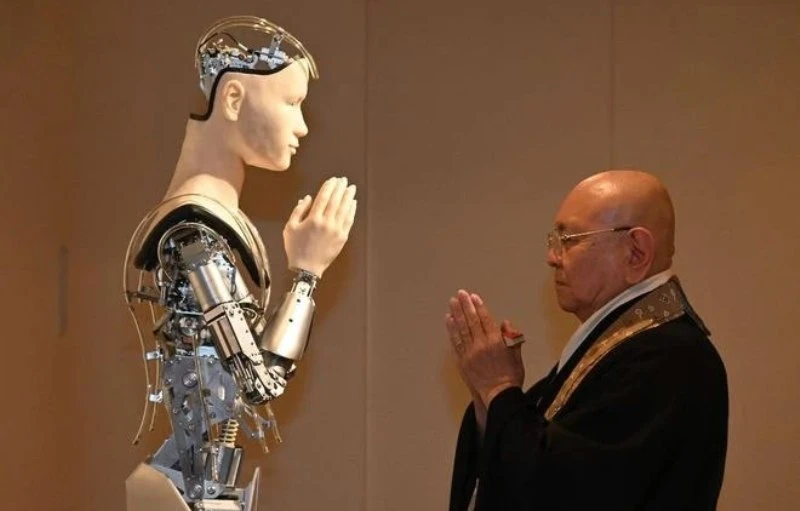
Who is Mindar?
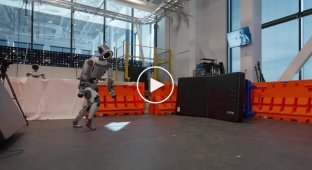
Android Mindar is a humanoid robot created by Professor Hiroshi Ishiguro of Osaka University. During his work on the project, the scientist was assisted by monks from the 400-year-old Kodai-ji Temple, located in the historic district of Kyoto. The robot's appearance was inspired by the Bodhisattva Kannon, the personification of compassion in Buddhism. 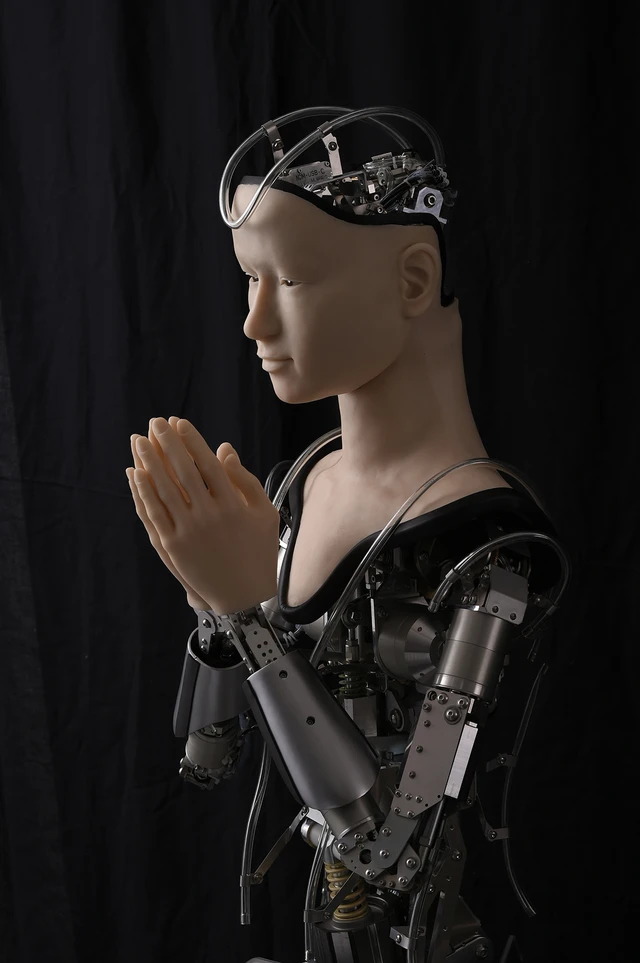
The robot has an aluminum body with silicone inserts on its face, arms, and shoulders. The creators believe these details make it appear more human. It can move its head, arms, and torso, and can even fold its hands in a traditional prayer gesture. The robot's left eye has a camera built into it that locks its gaze on the audience. This creates the effect of eye contact with the believers. 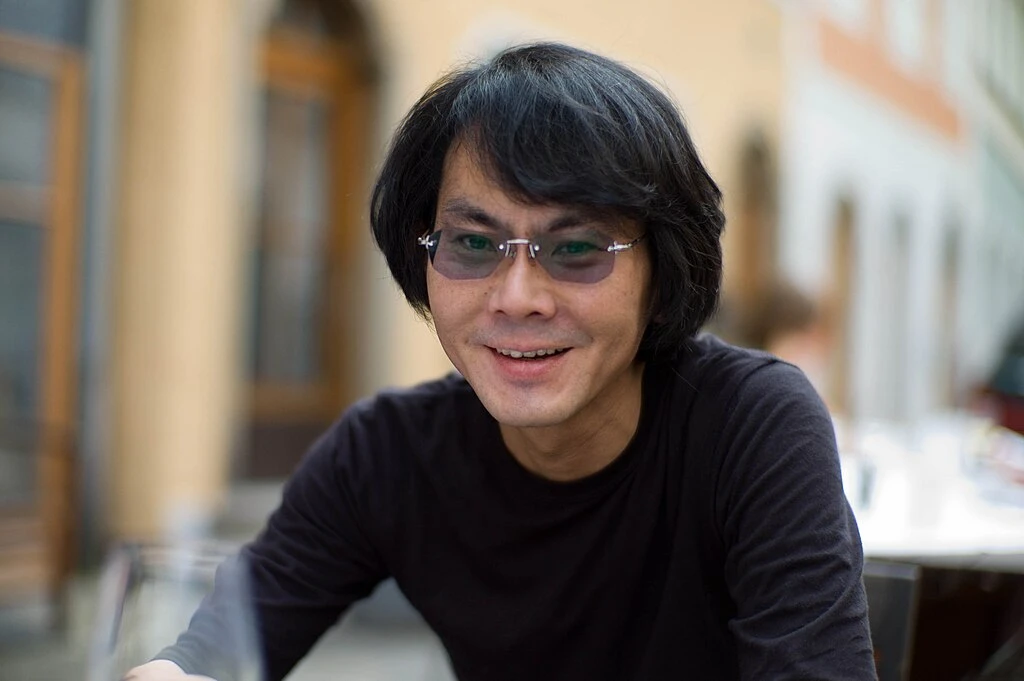
"Father" Mindara Hiroshi Ishigura
Minara delivers 25-minute sermons in Japanese based on the "Heart Sutra," one of the key texts of Buddhism. Multimedia is used during the sermons: images are projected onto the walls of the hall, and subtitles are displayed in English and Chinese. 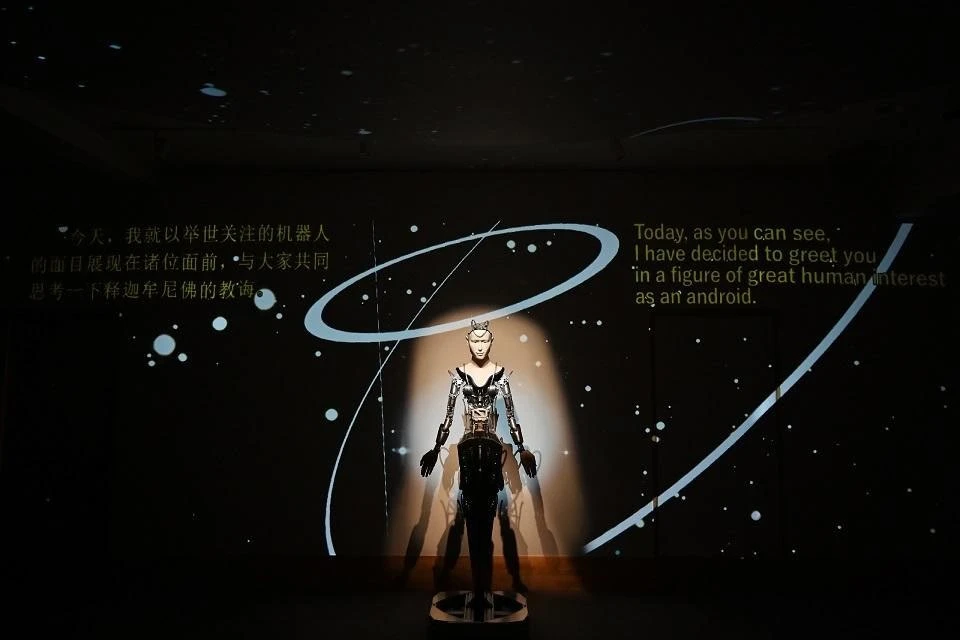
The robot speaks in a soft, slightly feminine voice. The main themes of its sermons are compassion, emptiness, and overcoming egoism. In an interview with journalists, monk Tensho Goto explained why the temple needs an android. According to him, Mindar was created not to replace humans, but to attract young people and those who have distanced themselves from religion. 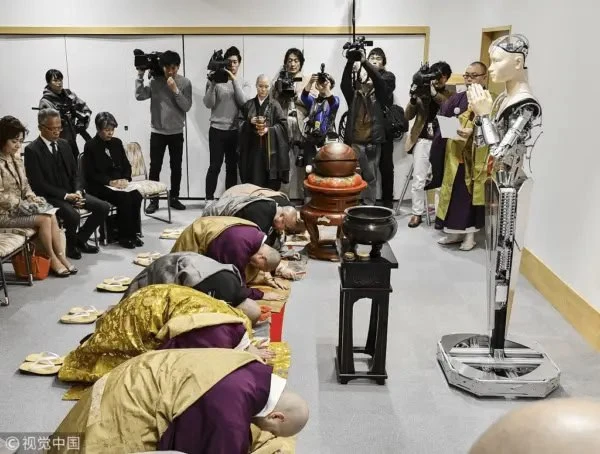
Construction of the 1.95-meter-tall, 60-kg android began in 2017. Development was carried out at the Osaka University Robotics Lab. The total project budget was $909,090. Mindar was publicly unveiled at a ceremony in March 2019.
Why does the temple need a robot?
Amid declining interest in Buddhism in Japan, the temple hopes the use of technology will help bring Buddha's teachings to new audiences. Furthermore, the robot is capable of storing and updating information, making it an "immortal" preacher. Mindar's creator believes that his abilities as a storyteller are difficult to overestimate. 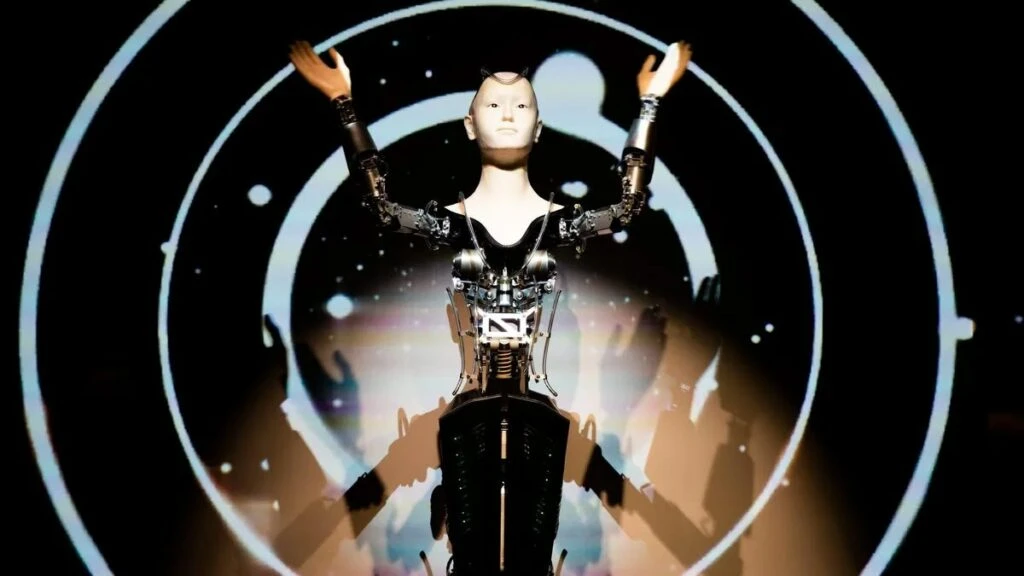
Receptions of Mindar are mixed. Some visitors note that his sermons provoke deep thought, and his appearance and movements seem surprisingly human. Others consider him "too mechanical" and feel uncomfortable communicating with a machine in a spiritual context. 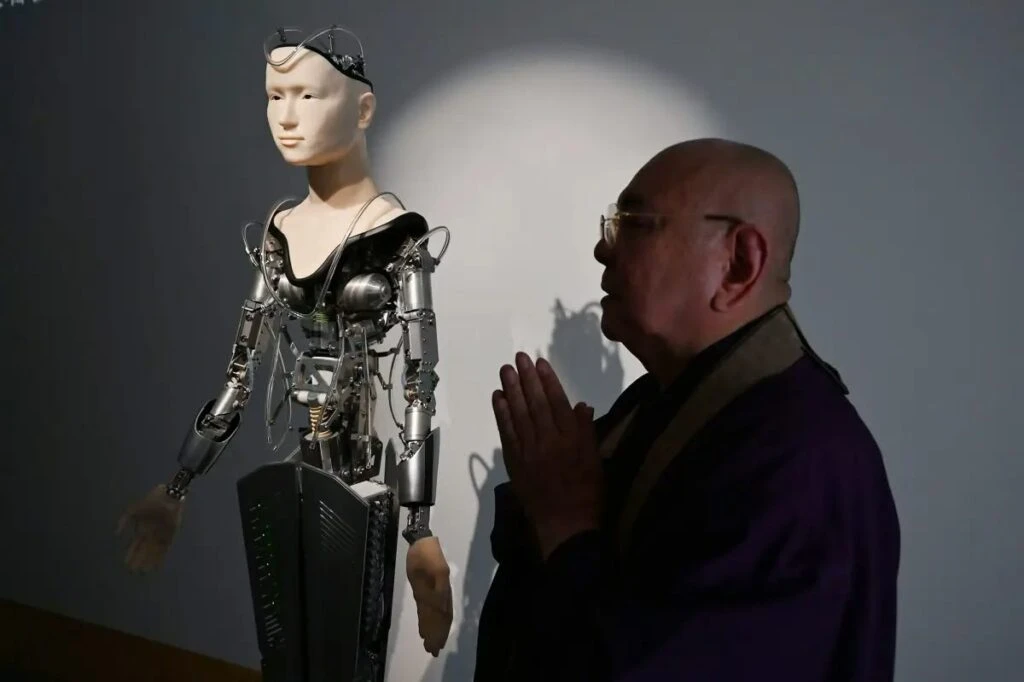
Western visitors are particularly critical of the robot preacher. They constantly come up with nicknames for Mindar, including offensive ones. The intelligent machine has been called everything from a "talking coffee maker" to a "chatty Frankenstein." Some consider this approach almost sacrilegious and believe that androids that preach should be banned. 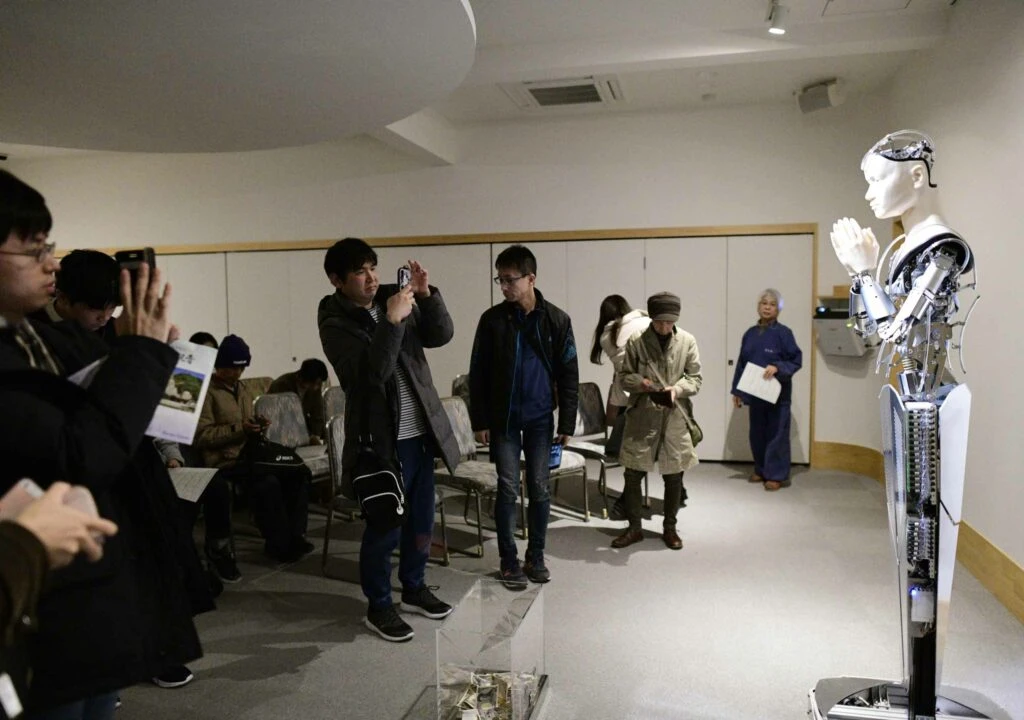
Mindar's project prompts reflection on the role of technology in spiritual life. Are machines capable of conveying spiritual truths as effectively as humans? Or are human experience and empathy still indispensable in religious practice?