The Brahadisvara Phenomenon: An Ancient Indian Temple That Has No Analogues (7 photos)
Many ancient structures hold mysteries that still baffle scholars. The Egyptian pyramids of Giza are known throughout the world, but their secrets remain unsolved. Much less well-known is another marvel of ancient architecture: the Brahadeesvara Temple, located in the city of Thanjavur in the Indian state of Tamil Nadu. This grand, thousand-year-old structure amazes not only with its majestic beauty but also with construction techniques that seem incredible even today. 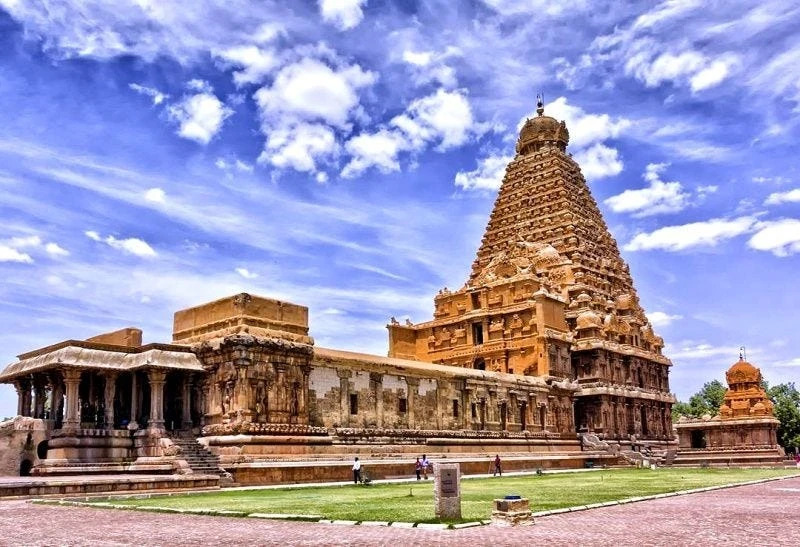
Temple dedicated to the god Shiva
The Brahadeesvara Temple was built in 1010 by King Rajaraja I, ruler of the powerful Chola Empire. This was the heyday of the state, when its influence extended from Bengal to northern Sri Lanka. The majestic temples built during this time were intended to be symbols of the ruler's glory. However, Brahadeesvara exceeded all expectations, becoming one of the most grandiose Hindu temples. 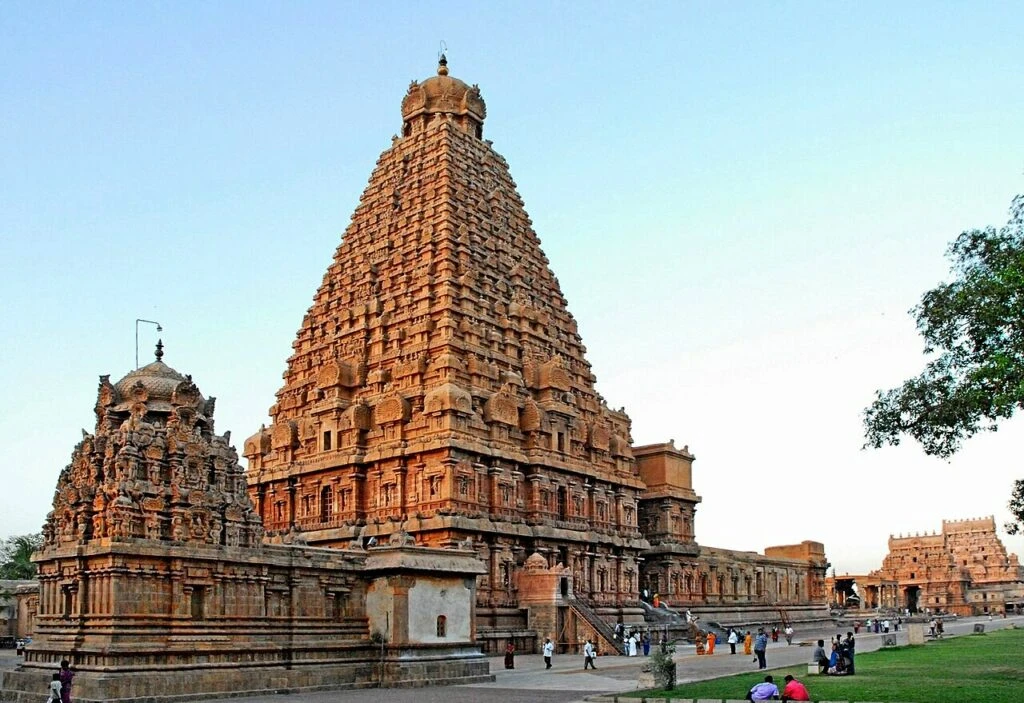
The sanctuary is dedicated to the god Shiva. It is crowned by a vimana, a 65-meter-tall tower, topped by a monolithic stone dome, or kumbam, weighing up to 85 tons. At the entrance to the temple, visitors are greeted by a massive statue of the sacred bull Nandi, Shiva's faithful companion. Weighing approximately 25 tons, it is one of the largest Nandi statues in India. 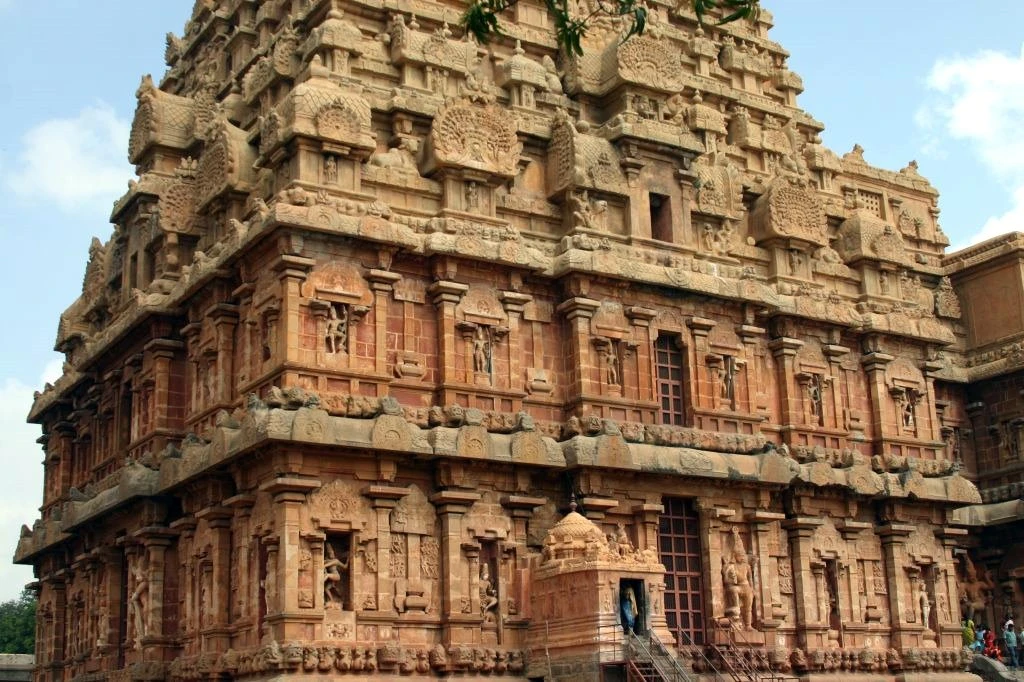
Temple Mysteries: An 85-Ton Pivot and the Lack of Shadows
One of the main mysteries of the Brahadeesvara Temple remains its gigantic dome. The stone for its construction was brought from quarries located 65 kilometers from the temple. How the ancient craftsmen transported and installed such massive blocks remains a mystery. According to one hypothesis, to raise the dome, the builders erected a special earthen embankment approximately 6 kilometers long, along which, using rollers and ropes, hundreds of workers and animals dragged the multi-ton piece to the top of the temple. 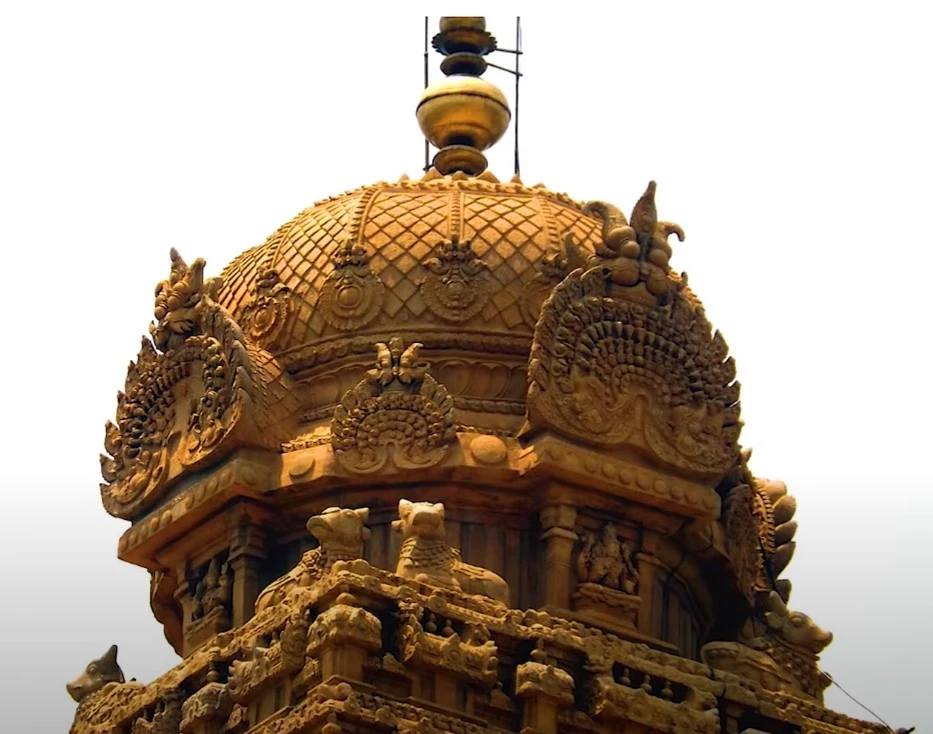
The 85-ton tower cap
But the most astonishing feature of Brahadeesvara is its tower, which casts no shadow. This is not a hoax, but an engineering feat. The temple's architects calculated the angles and placement of the terraces so precisely that the shadows of the upper levels are absorbed by the lower ones. Creating this effect required the utmost precision in calculations and a profound understanding of astronomy. How they achieved this result without modern technology remains a question with no definitive answer.
Ancient Temple City
Brahadeesvara was not just a temple, but a veritable city. It was served by about a thousand priests and assistants, as well as hundreds of dancers performing ritual dances. Inside the temple are 250 lingams—symbols of Shiva—the largest of which is the central sacred stone. It symbolizes the eternal power of life and fertility. 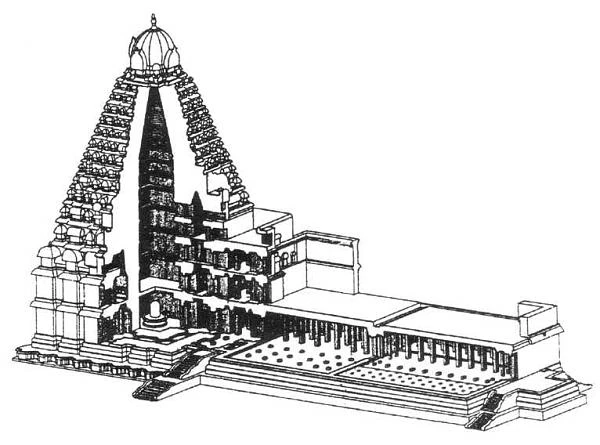
Furthermore, the temple was built as a powerful defensive structure. It was surrounded by high walls and a deep moat, and the earth excavated from the moat was used to create an additional line of defense—a massive earthen rampart. These fortifications made the temple virtually impregnable. 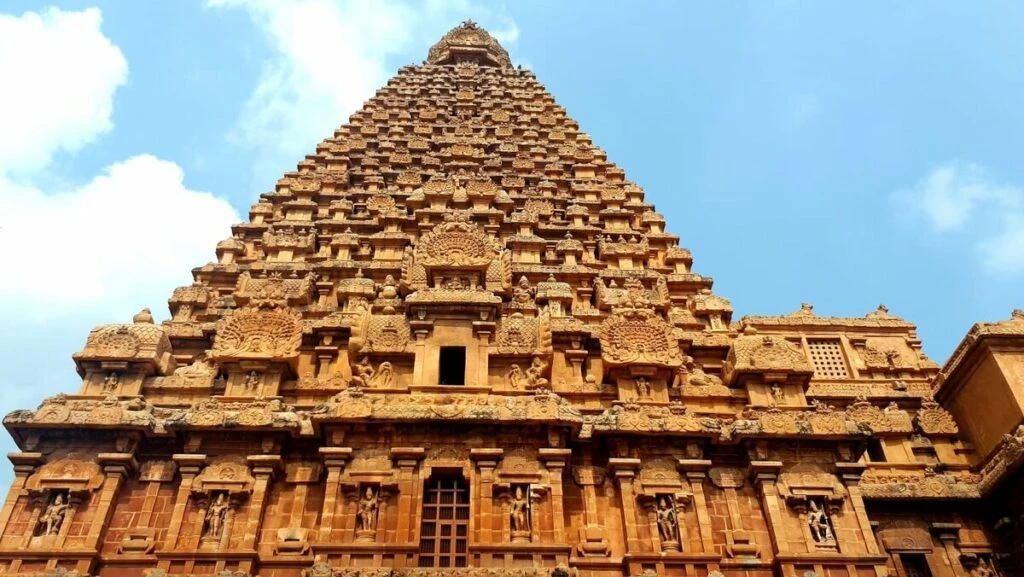
UNESCO Cultural Heritage
Brahadeeswara is one of India's most significant cultural heritage sites. Its unique architecture, engineering achievements, and historical significance have been recognized internationally, and the temple has been designated a UNESCO World Heritage Site. Today, it remains not only a place of pilgrimage but also a popular tourist attraction, attracting thousands of travelers from around the world. 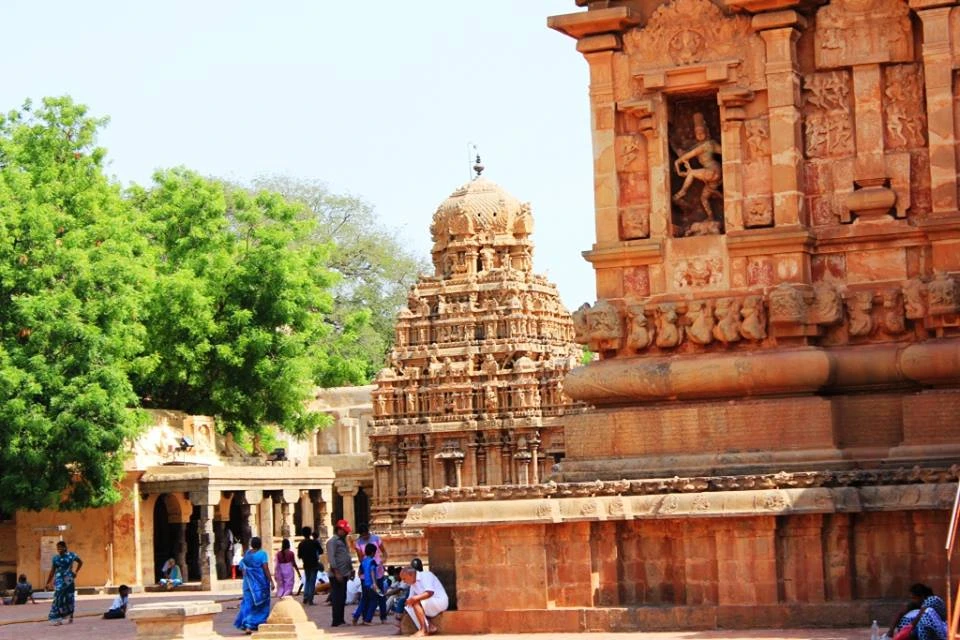
The Brahadeesvara Temple raises many unanswered questions, leaving us in awe of the ancient builders' skill. What technologies do you think the architects of that time might have used, and can modern science ever unravel their secrets? Share your thoughts in the comments.