Robot monk unveiled in Japan (3 photos + 1 video)
A humanoid robot monk was unveiled in Kyoto, Japan. It can imitate Buddhist rituals, hold a conversation, and more. 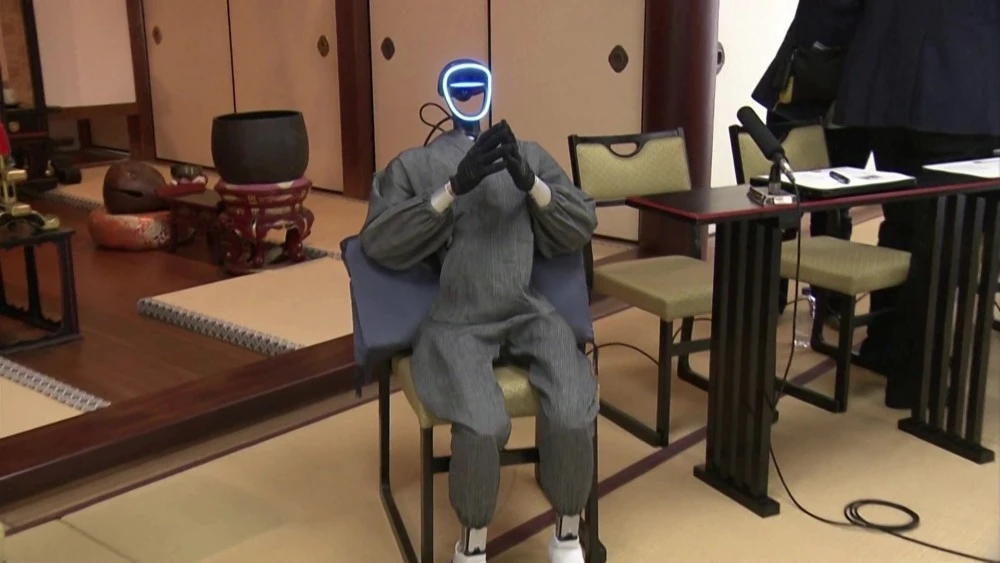
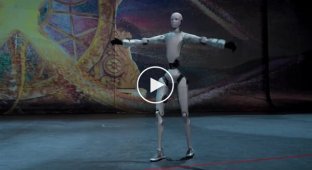
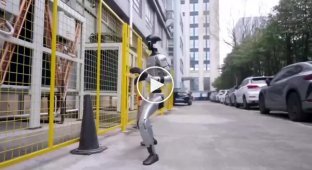
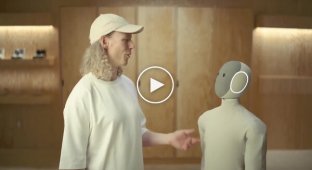
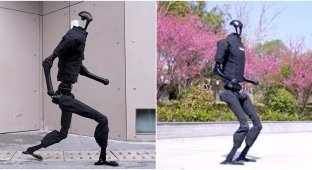
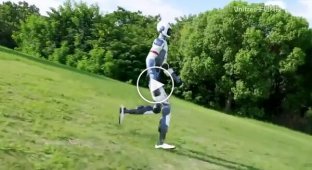
Japanese scientists from Kyoto University unveiled Buddharoid, a humanoid robot trained in Buddhist scriptures. Standing almost 130 centimeters tall, the device, dressed in gray robes and temporarily faceless, can walk, make the gassho gesture (pressing one's palms in prayer), and answer questions about life, suffering, and liberation. 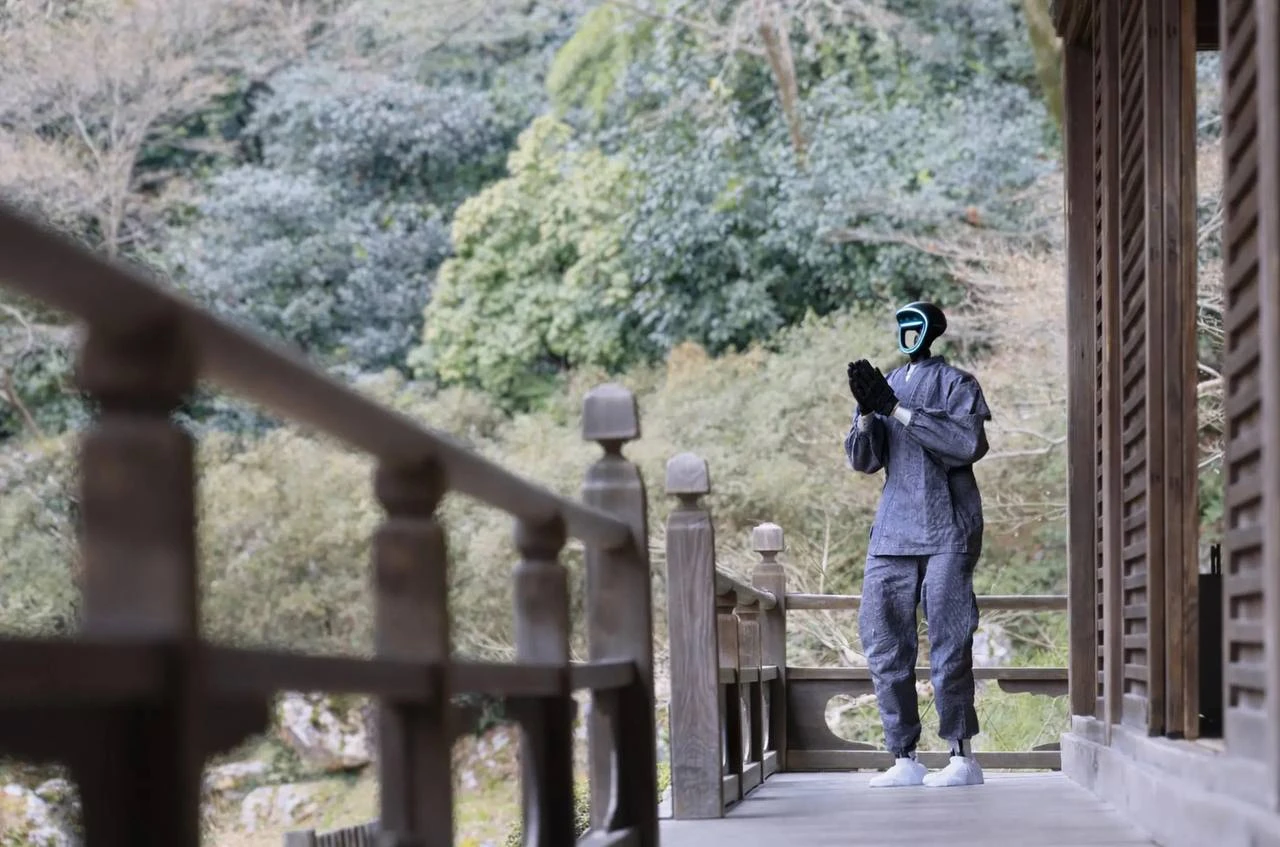
— BuddhaBot-Plus, a chatbot based on ChatGPT, further trained on early Buddhist texts. The robotic monk's body is from the Chinese company Unitree Robotics (model G1). At a press conference at the Shoren-in Temple, researcher and practicing monk Professor Kumagai confirmed that the humanoid possesses all the necessary competencies on matters of faith.
"Don't blindly follow thoughts and don't rush headlong into actions. Try to calm your mind and let go of the thought itself," Buddharoid advised a journalist who complained about constant thoughts in her head, then immediately folded his hands in prayer.
Robots in religion are nothing new. Mindar, an android that delivers sermons, has been operating in Kyoto for several years, but it has no AI, just a pre-programmed algorithm. There have been attempts to create simulations of Jesus and catechism bots. But Buddharoid is the first to combine a full-fledged language model, a humanoid body, and a religious context.
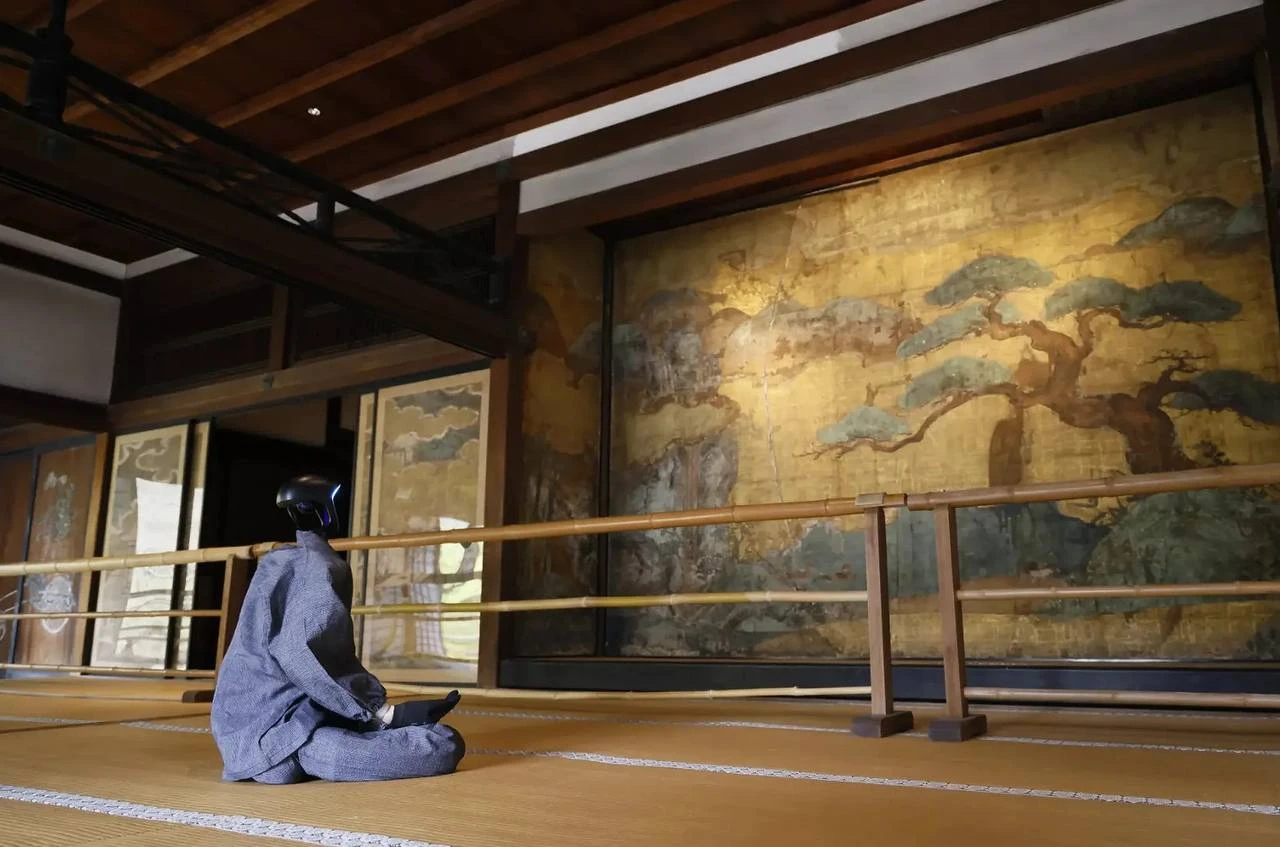
The university states bluntly: "In the future, such robots will be used to assist in religious rituals and to replace priests themselves." Japan is aging, villages are emptying, churches are left without abbots and parishioners. Young people are not becoming monks, and older priests are unable to keep up with the care of their flocks. A robot is a temporary solution: it doesn't eat, doesn't sleep, doesn't require a salary, and can work 24/7.
From a Buddhist perspective, there's a particular problem: can a machine possess enlightenment? But for now, the question isn't so pressing. For now, the discussion is about the iron monk at least filling the gaps in the service schedule.
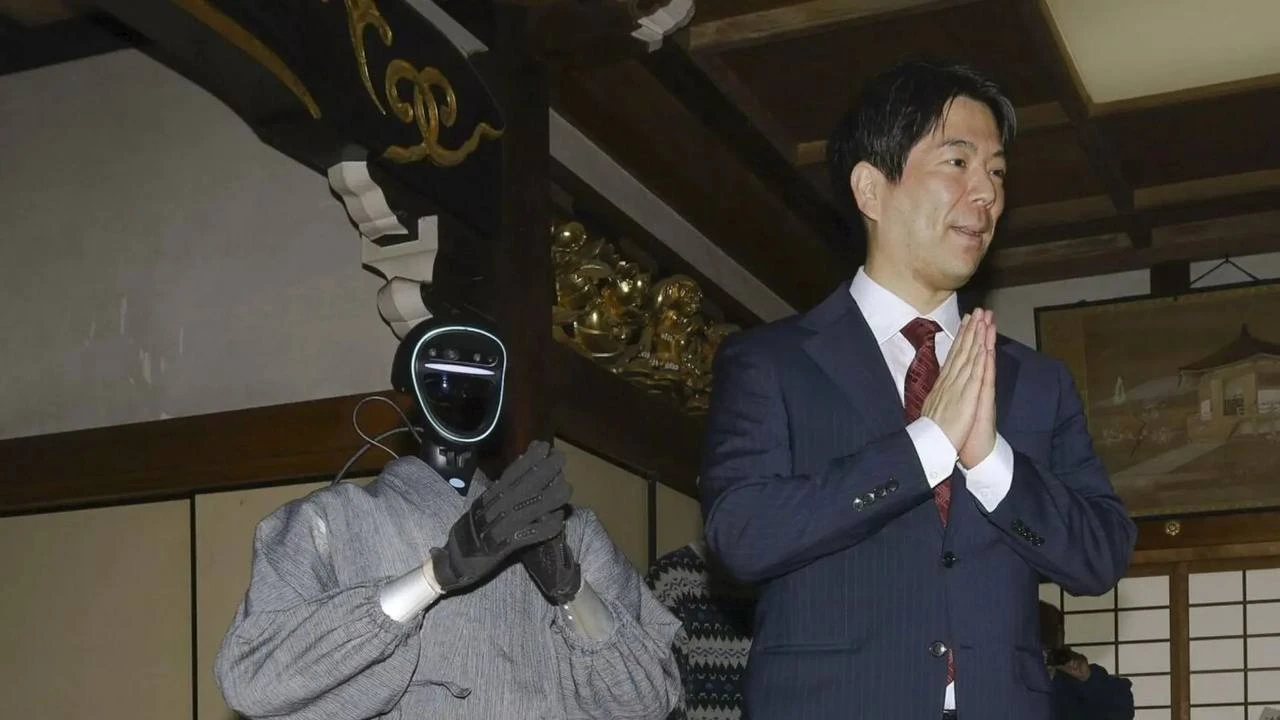
Researchers promise that the robot can be customized—choosing gender, age, and voice timbre. You can choose a wise elder, or a young novice. The university insists that ethical discussions are necessary, but given the shortage of arms and legs in temples, the emergence of "digital assistants" seems inevitable.