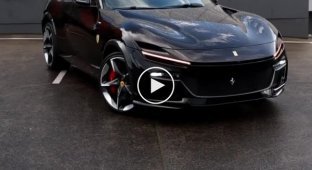
Ferrari, BMW, and Tesla switching from copper wiring to more affordable aluminum (1 photo)
Automakers Switch to Aluminum Wiring to Cut Costs 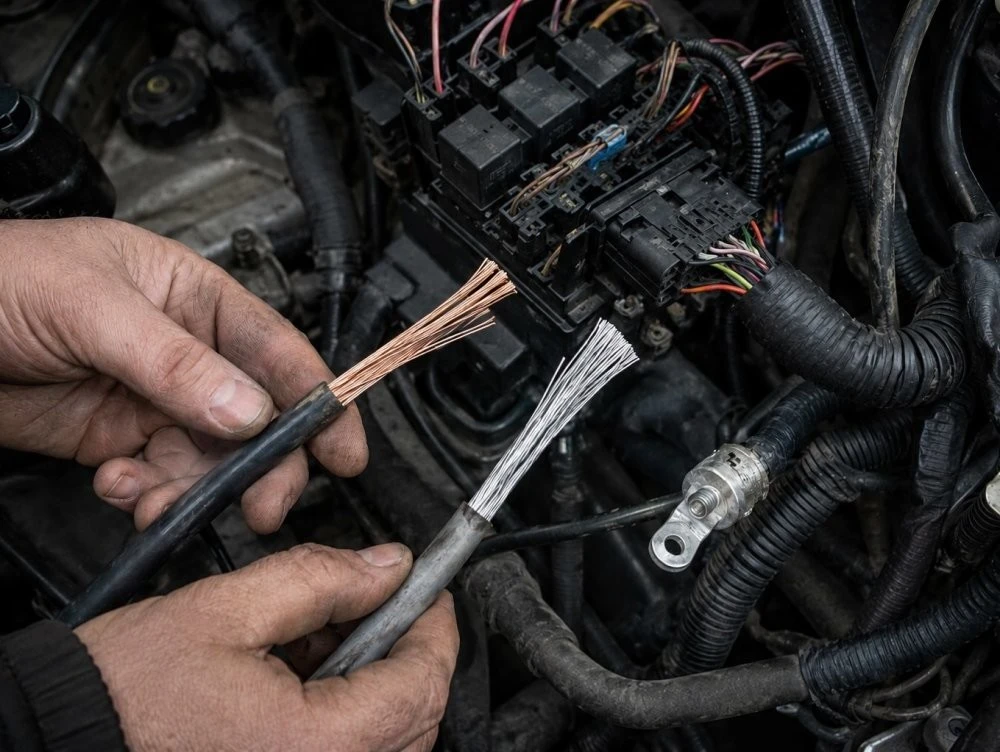
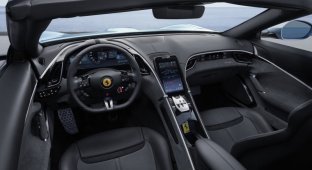
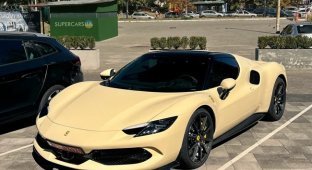
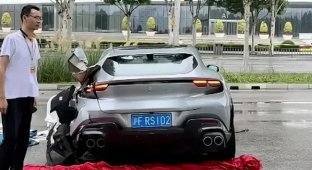
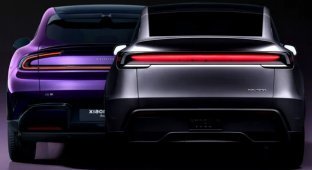
Ferrari and BMW have begun a large-scale shift to aluminum wiring in their new hybrid and electric models, joining a global trend of replacing copper. Tesla, Stellantis, and leading Chinese EV manufacturers—including Avatr, XPeng, and Xiaomi—have previously adopted similar technological solutions, Reuters reports.
The move to aluminum is driven by the desire to reduce overall vehicle weight and optimize production costs. Specifically, Ferrari announced the use of aluminum power cables in its 296 GTB hybrid sports car and its first all-electric model, the Luce, resulting in a 20% reduction in wiring weight. BMW, meanwhile, is expanding the use of aluminum conductors in both high- and low-voltage systems. Chinese component and vehicle manufacturers have also begun actively replacing copper, following guidelines from a Chinese government program issued in March 2025.
A sharp rise in copper prices served as an additional incentive; earlier this year, the global market price approached $15,000 per ton due to a long-term supply deficit and growing demand from the green energy sector and data centers. By comparison, aluminum costs around $3,100 per ton, making it a more cost-effective alternative—despite its lower electrical conductivity, which necessitates a larger physical cable volume.
According to JPMorgan analysts, the automotive industry's large-scale shift to aluminum cables will affect approximately 2% of global copper demand this year, a figure that could rise to 6% by 2030. Consulting firms forecast that by the end of the decade, up to 25–30% of components traditionally made of copper in the automotive, energy, and home appliance sectors could be switched to aluminum.