Britain in Color: This collection of rare colorized photographs spans several decades, capturing everything from the gritty elegance of Victorian outskirts to the industrial pulse of mill towns and the easygoing charm of seaside resorts. 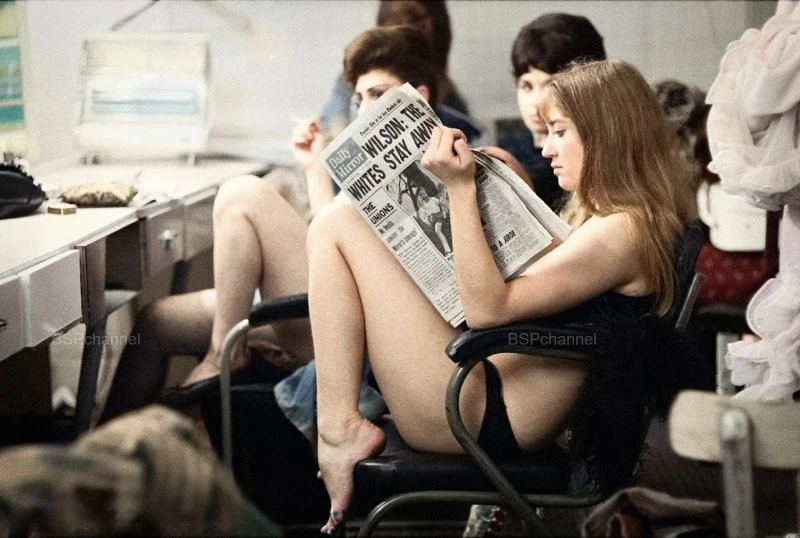
Leeds, 1954. 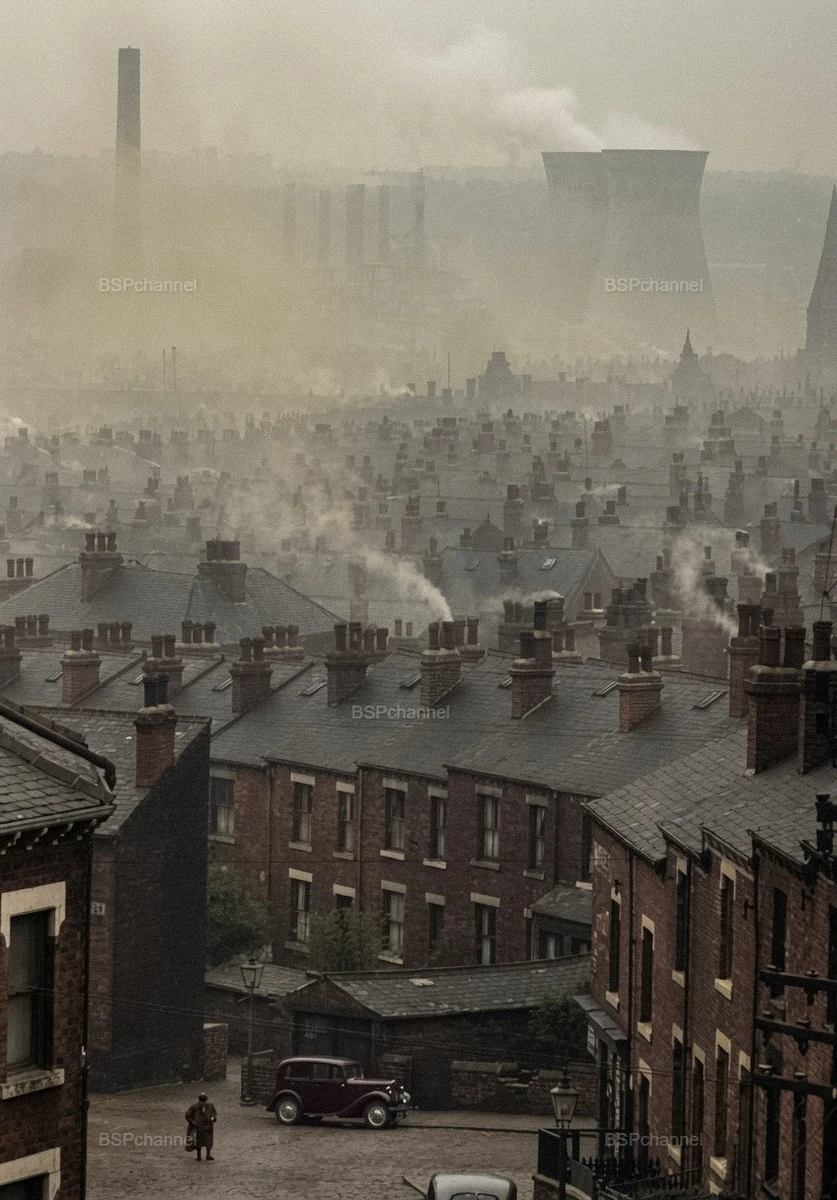
Photo by Marc Riboud
Clergy and hippies at the Glastonbury Festival. England, 1971. 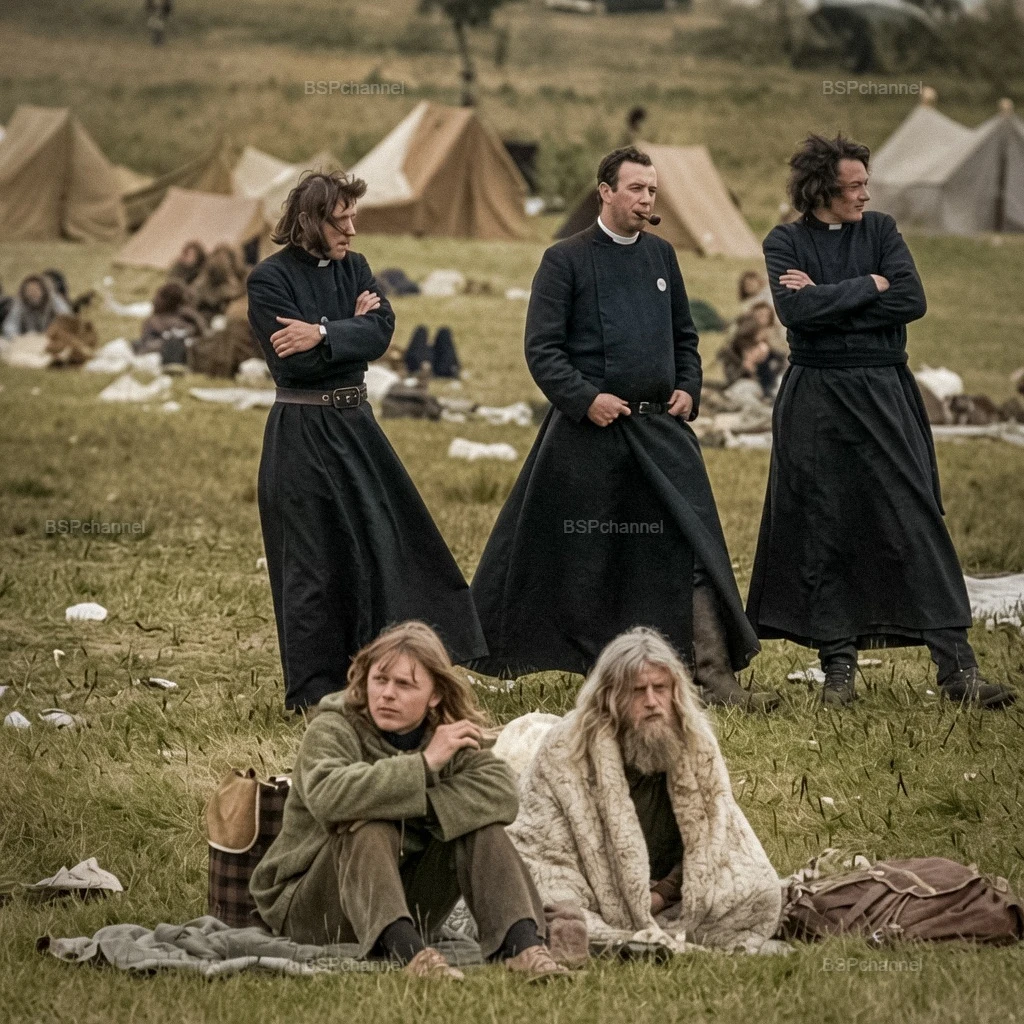
Glastonbury is the world’s largest open-air music festival, held annually at Worthy Farm in Somerset. Founded in 1970 by farmer Michael Eavis—inspired by hippie culture—it was originally called the Pilton Pop, Folk & Blues Festival. The very first ticket cost just £1, which included free milk fresh from the farm's cows. Thanks to unpredictable British weather, the fields of Worthy Farm often turn into massive mud baths, making Wellington boots the unofficial dress code and a true symbol of the festival spirit.
Demolition work at Manvers Main Colliery, Wath-upon-Dearne, South Yorkshire, September 1956. 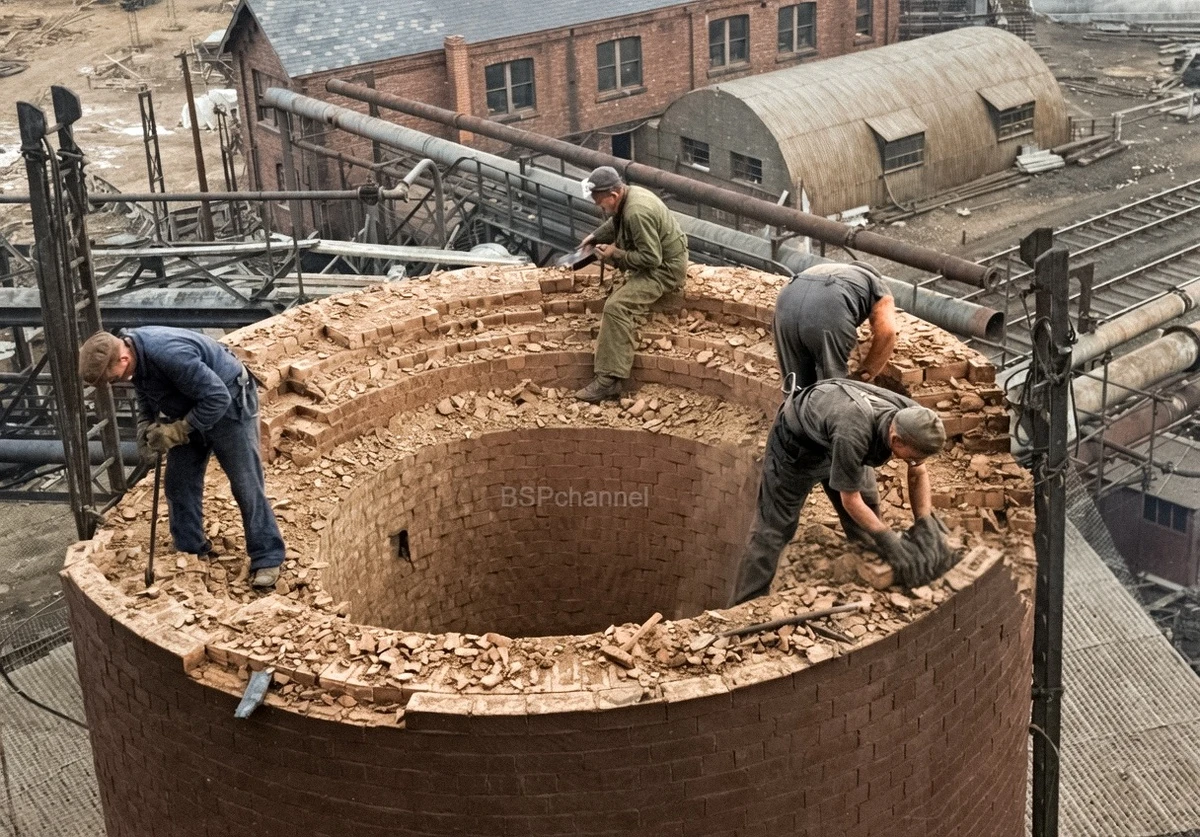
Photo by Michael Walters.
Demolition of the chimney stack at the iconic Manvers Main Colliery near Rotherham. The site’s history began in the late 1800s on land owned by Earl Manvers, eventually growing into a massive industrial complex featuring three pit heads, a regional headquarters, and its own research facilities. It even boasted an adjacent coking plant that was once the largest industrial site in Europe. But as the industrial era wound down, the coking plant was shuttered in 1981, and the colliery gates closed for good in March 1988.
Near the Serpentine viewpoint in Hyde Park. London, 1936. 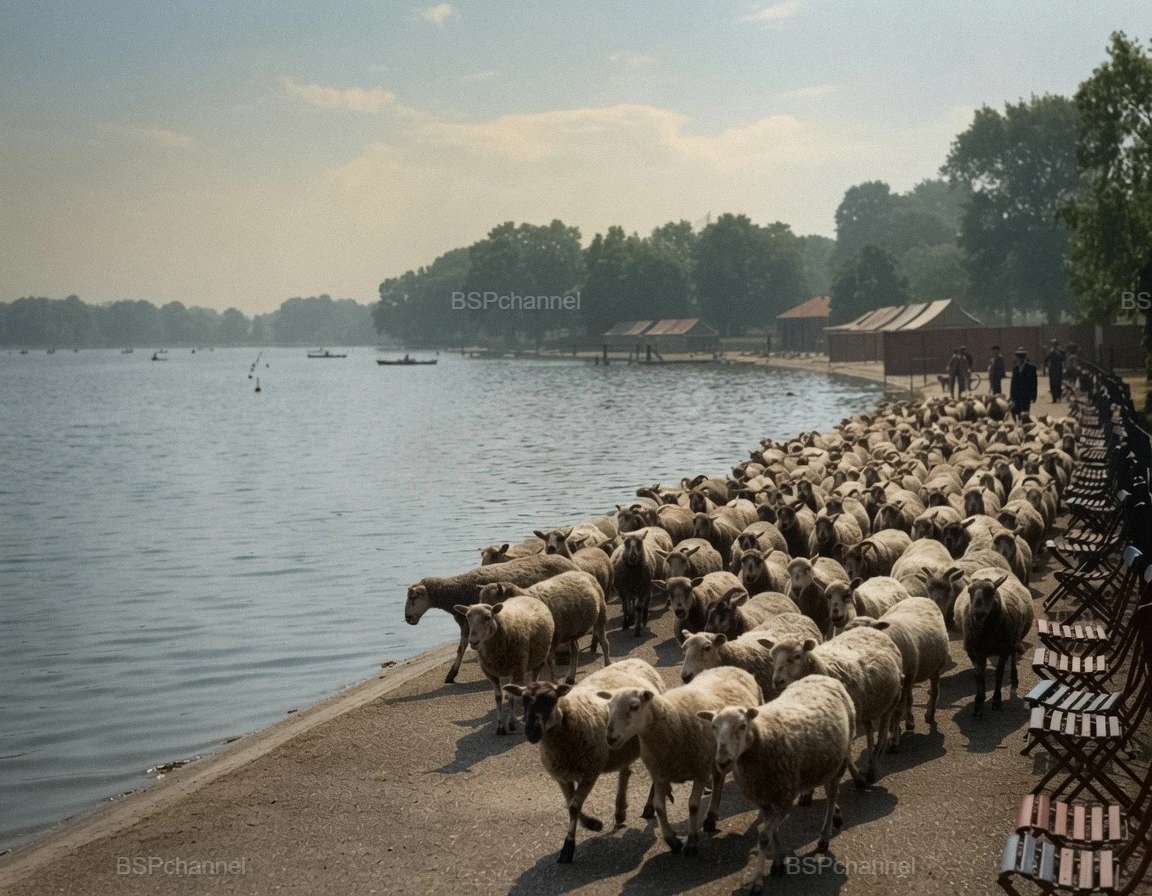
Up until the 1930s, flocks of sheep were a common sight in central London, grazing regularly in Hyde Park, Green Park, and Regent's Park. The animals kept the grass neatly trimmed, saving the city the cost of manual mowing while naturally fertilizing the soil and maintaining the health of the Royal Parks' lawns. In the 1940s, sheep briefly returned to London's green spaces as part of the "Dig for Victory" campaign to free up manpower for the war effort.
A porter balancing twenty baskets on his head near Covent Garden Market. London, 1925. 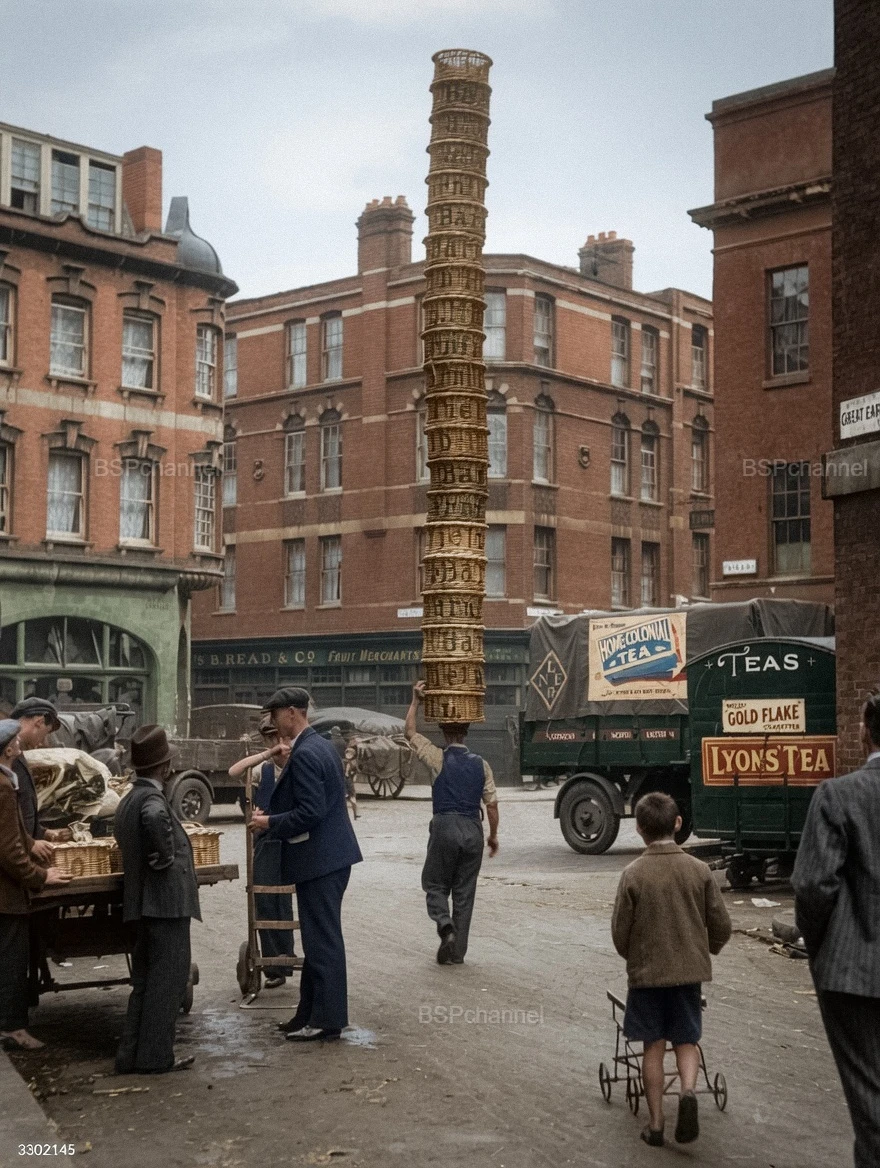
Pan American flying boat, April 4, 1939. 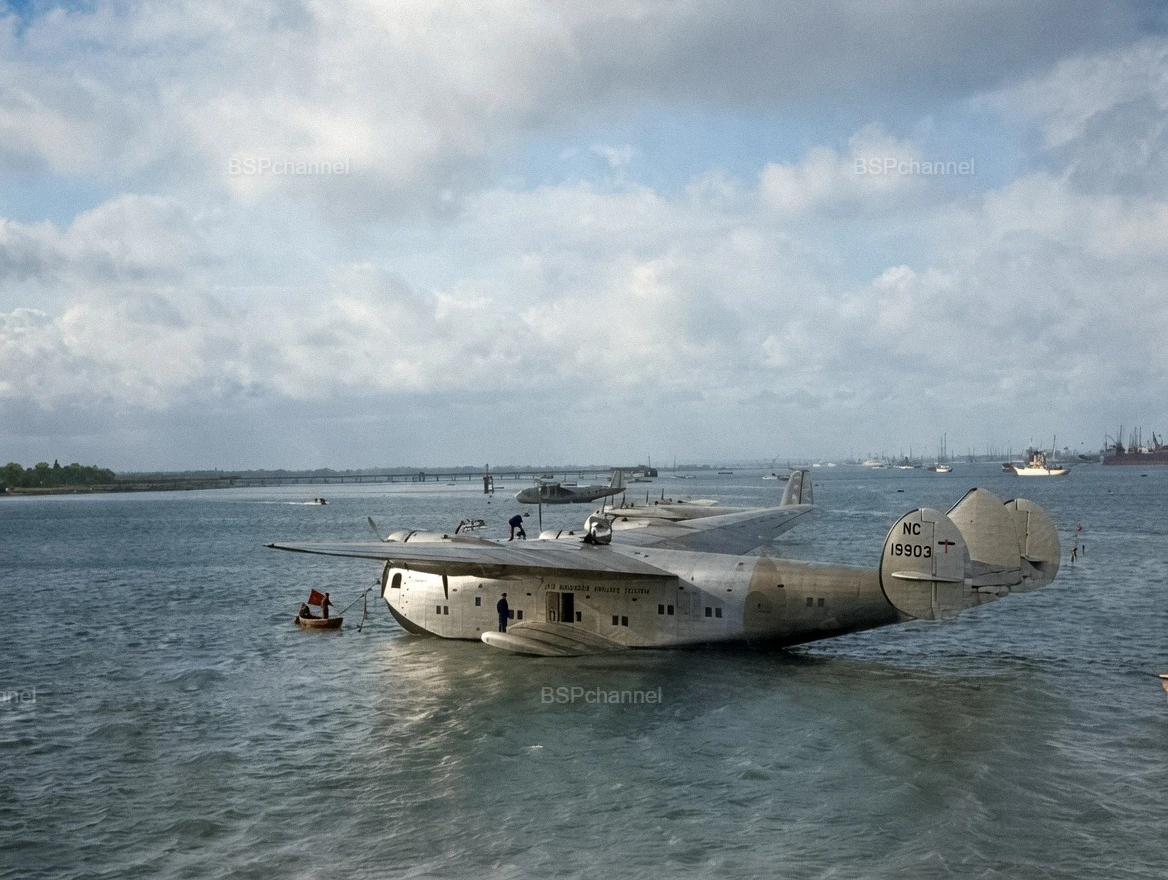
Photo by John F. Stevenson
The Pan American flying boat "Yankee Clipper" moored at Calshot, Southampton, after crossing the Atlantic with 21 passengers—the largest number of people ever carried on a commercial transatlantic flight at the time.
The Windmill pub. Liverpool, 1986. 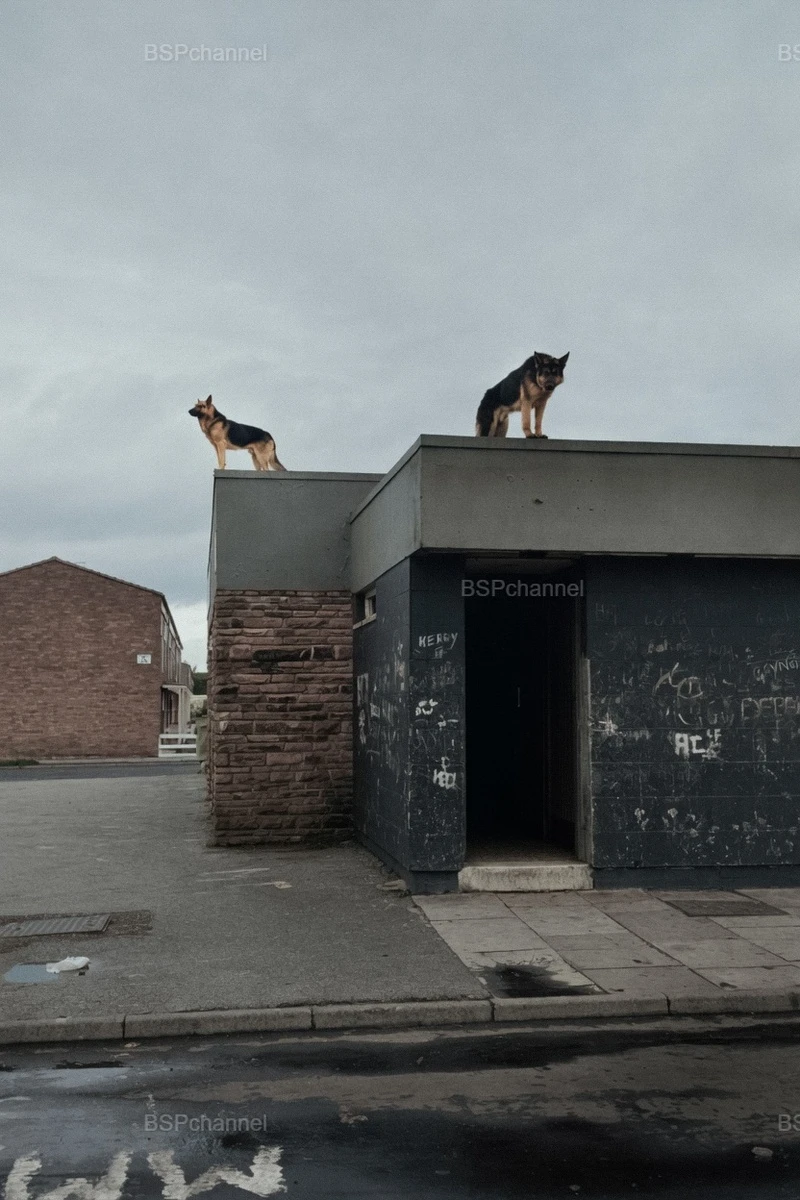
Photo by Peter Marlow
The 1980s were a period of severe economic downturn for Liverpool, marked by high unemployment and the closure of the docks under Margaret Thatcher’s government. Pubs like this were more than just drinking spots—they served as vital community hubs where working-class people came together for support and camaraderie.
Children playing on a bomb site in Stepney, East London, March 9, 1946. 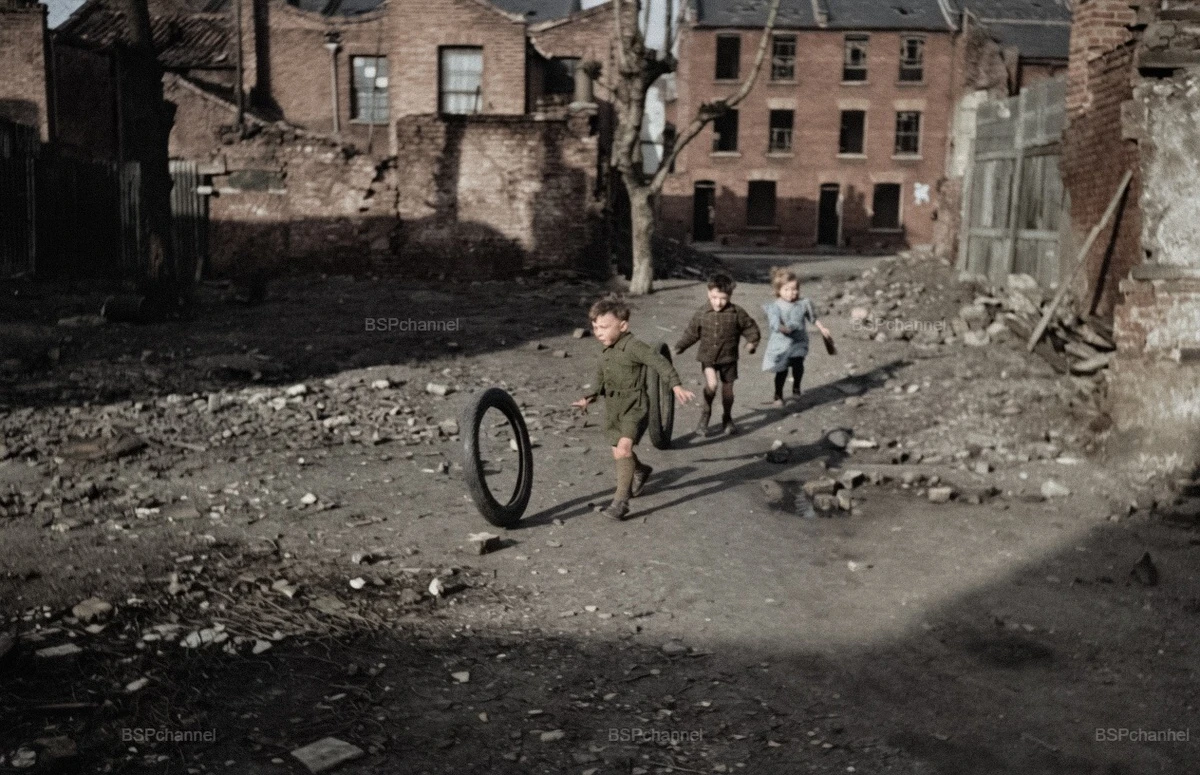
Photo by Charles Hewitt
A model posing in a vibrant mini-dress in London’s Piccadilly Circus, with the famous Shaftesbury Memorial Fountain in the background, 1960s. 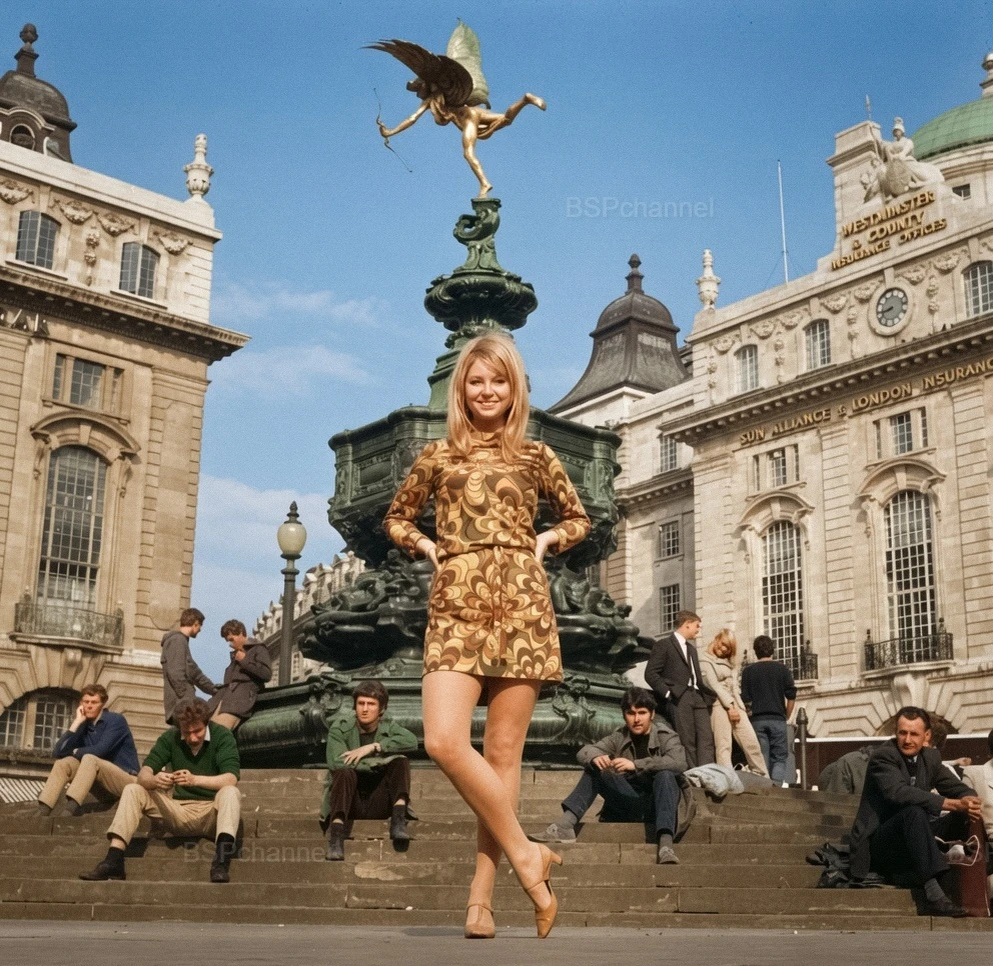
Unveiled in 1893, the fountain was erected to commemorate Lord Shaftesbury, a prominent philanthropist and reformer who fought for working-class rights and child labor reform. The statue was the world’s first public monument cast entirely in aluminum, a metal considered rare and cutting-edge in the late 19th century.
A model of the "Futuro House," designed by Finnish architect Matti Suuronen, installed on Tower Pier with Tower Bridge in the background along the River Thames in London, October 8, 1968. 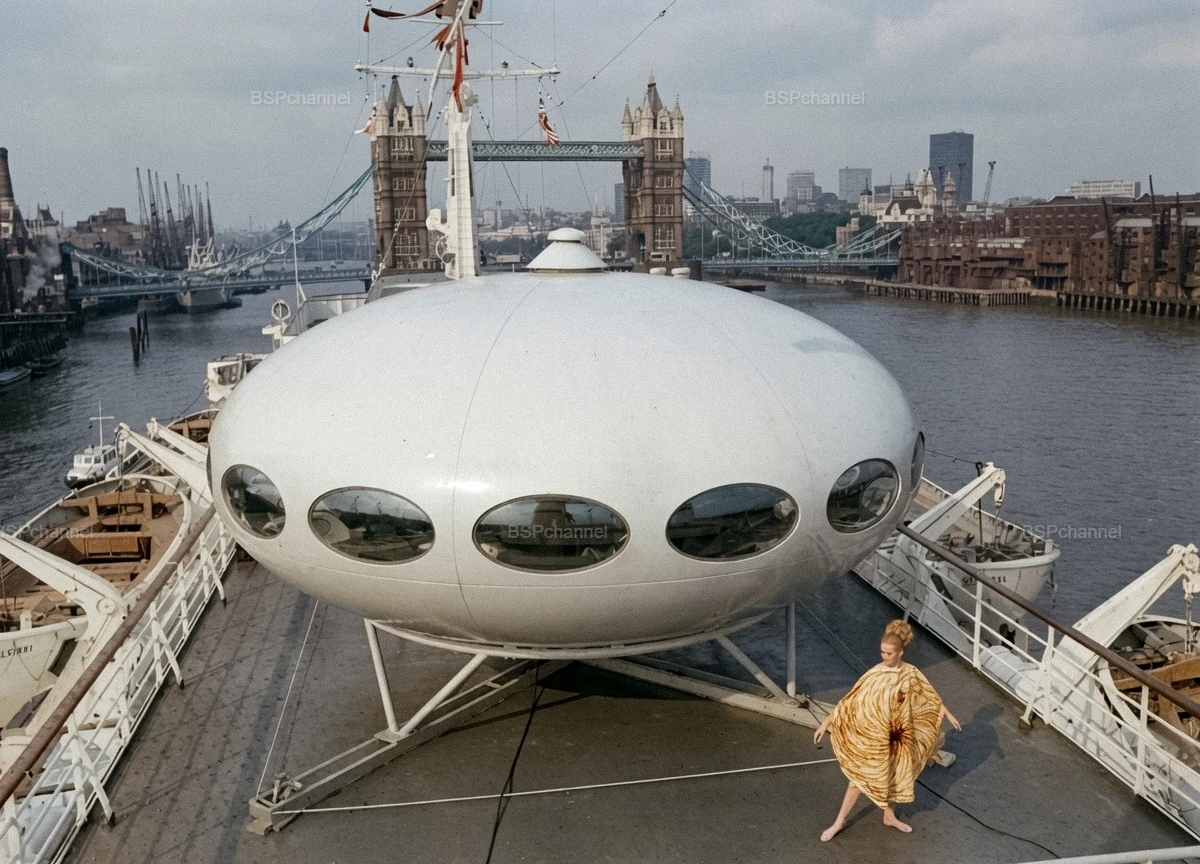
The Futuro House is an iconic, saucer-shaped portable home designed by Finnish architect Matti Suuronen in 1968. The structure became one of the most recognizable symbols of the Space Age in 20th-century architecture. Suuronen originally conceived it as a ski cabin—a friend had asked for a home that could be constructed quickly on steep slopes and easily heated in harsh Finnish winters. The shell is made of fiberglass-reinforced polyester plastic insulated with polyurethane. Composed of 16 prefabricated panels, the house could be assembled on-site in just a few days. It rests on a four-legged steel frame, eliminating the need for a traditional foundation. Measuring 8 meters in diameter and 4 meters in height, the inside featured a single open-plan living space. This included a living room centered around a fireplace, a sleeping area, a small kitchenette, and a compact bathroom. Elliptical, porthole-style windows lined the exterior, and the entrance door flipped down into an airplane-style staircase, adding to its spacecraft aesthetic. The design was intended as mass-produced futuristic housing that could be transported anywhere, even by helicopter, and dozens of countries purchased licenses for its production. However, the 1973 global oil crisis hit, sending plastic prices soaring. Production became economically unfeasible, and the project was scrapped. Fewer than 100 Futuro homes were ever built, with around 60 to 80 surviving today. Now celebrated as retro-futuristic masterpieces, they are preserved in private collections and design museums worldwide (including in Finland, Germany, and the Netherlands). One original surviving model can even be found high in the Dombay mountains.
Leeds, 1954. 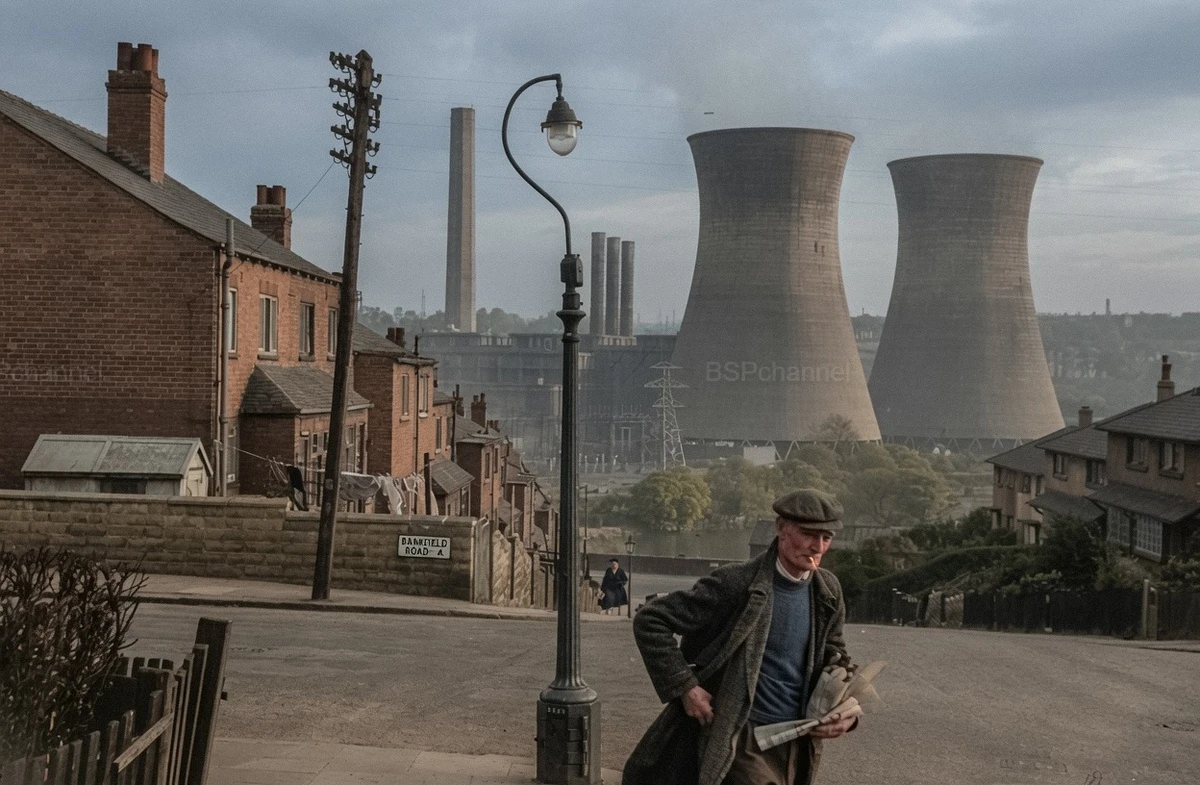
Photo by Marc Riboud
Arts Club Ball. London, 1913. 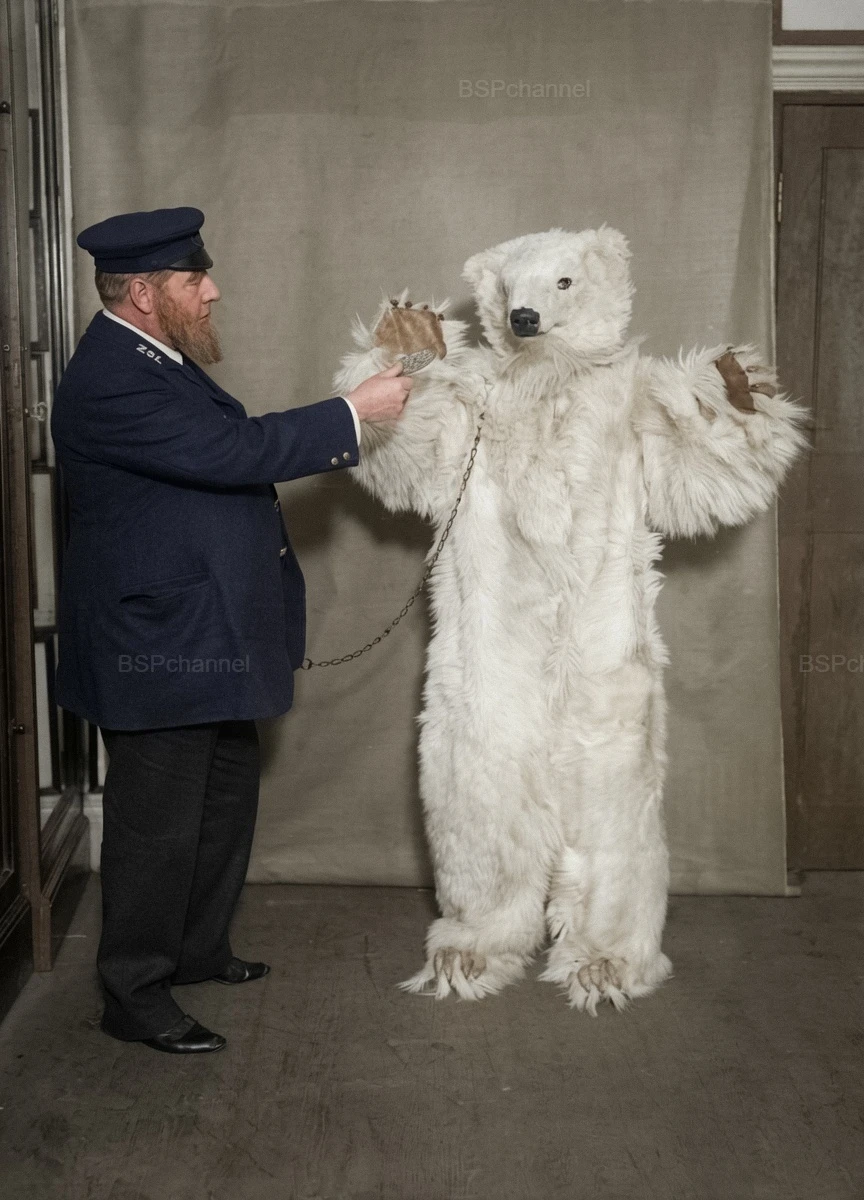
Mrs. Cole dressed as a polar bear, with Mr. Cole acting as her keeper at the Chelsea Arts Club Ball held at the Royal Albert Hall.
Strip club dancers waiting to go on stage. Soho, London, 1968. 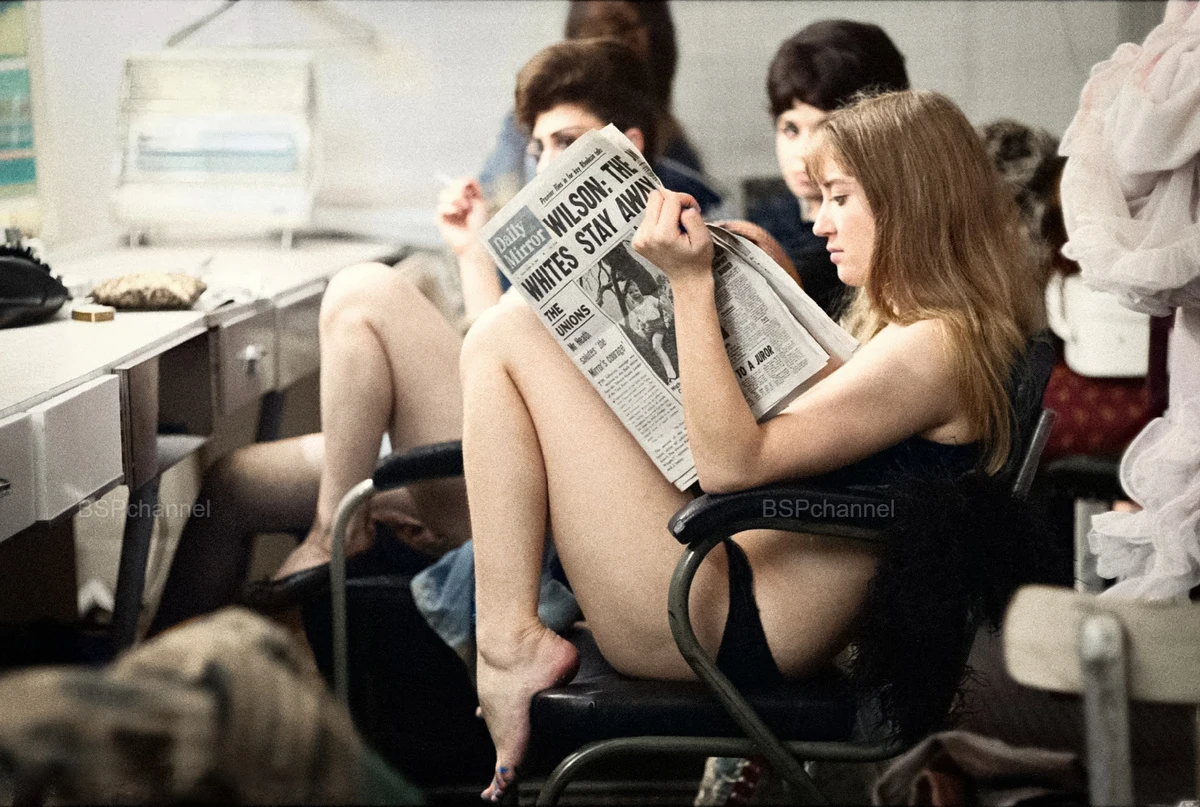
Photo by John Goldblatt
Today, Soho is a bustling entertainment district in the heart of London’s West End, famous for its vibrant nightlife, multicultural atmosphere, rich heritage, and trendy venues. But back in the 1950s and 1960s, Soho was notorious for its strip clubs, early sex shops, and underground gambling dens.
A new chapter in Soho. London, 1968. 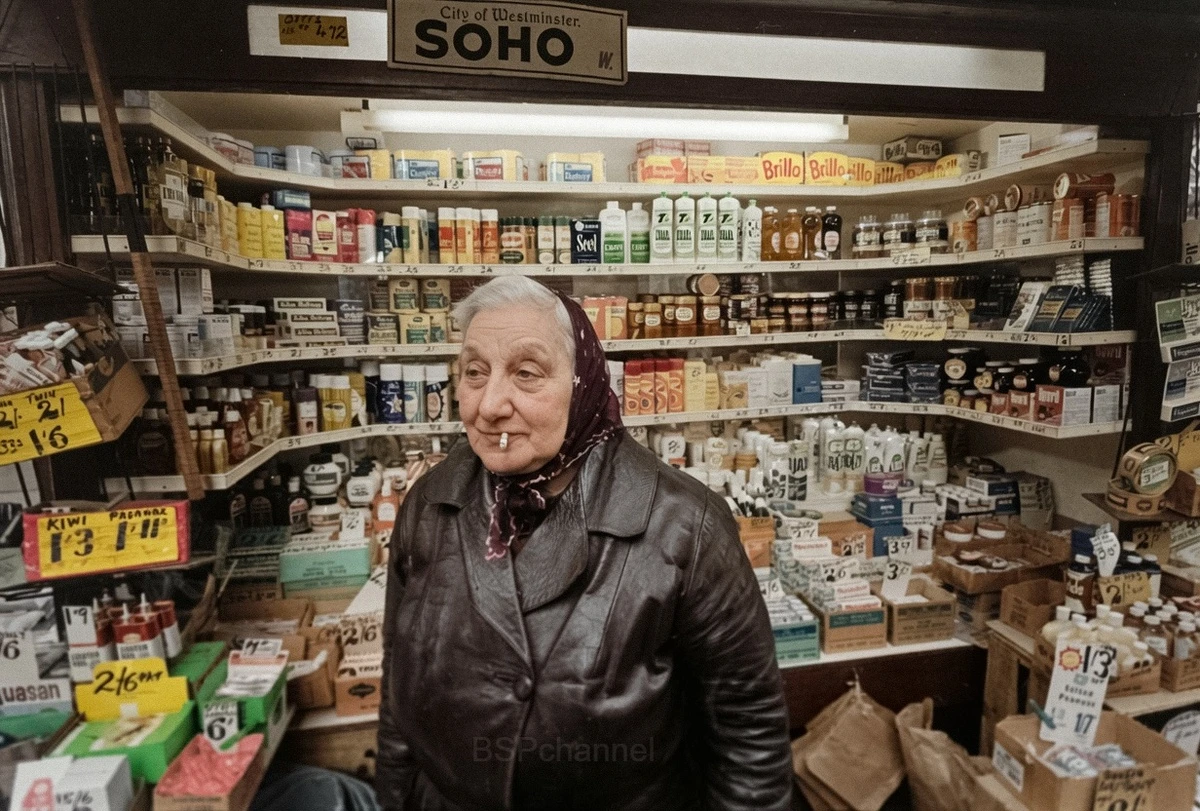
Photo by Kelvin Brodie
People riding "flying cars" at the Festival Gardens in Battersea Park, South London, 1951. 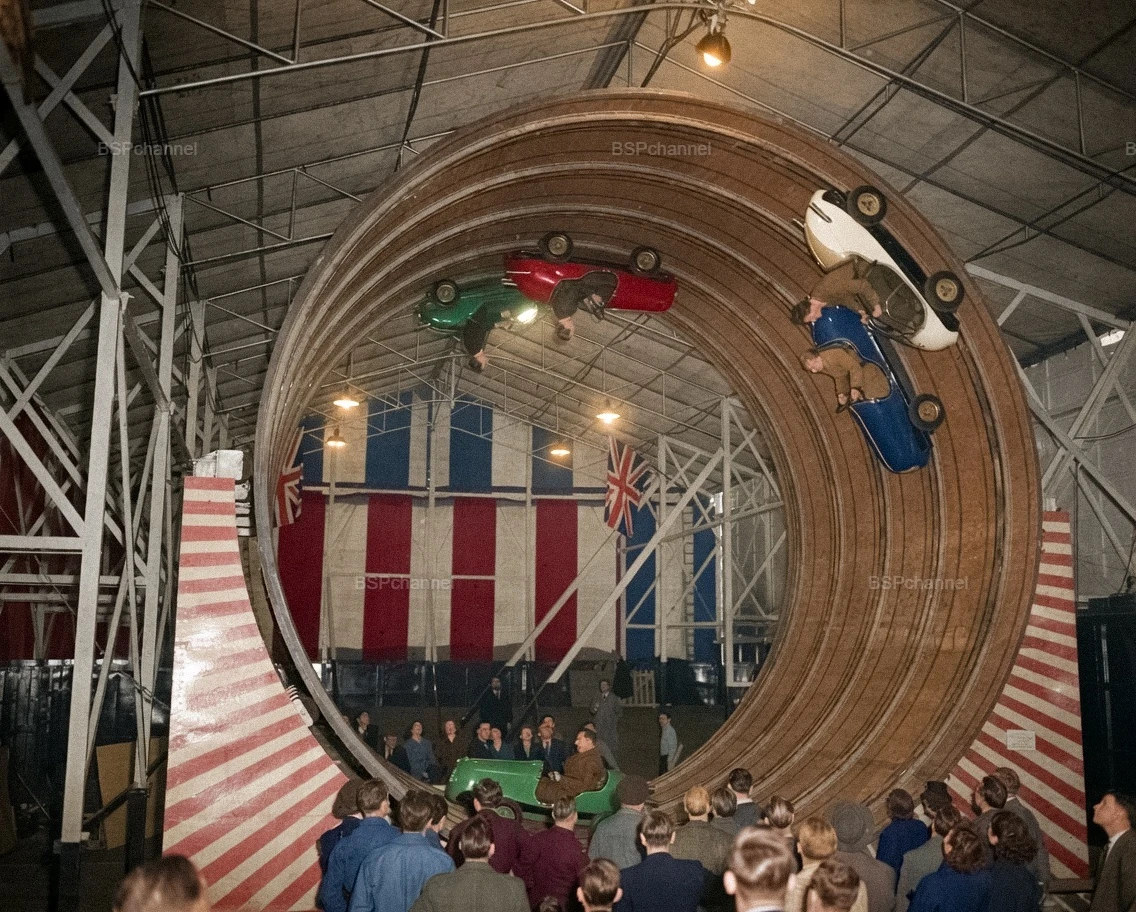
An Englishman hauls a coal barge along a canal at Kellingley Colliery. Yorkshire, England, 1969. 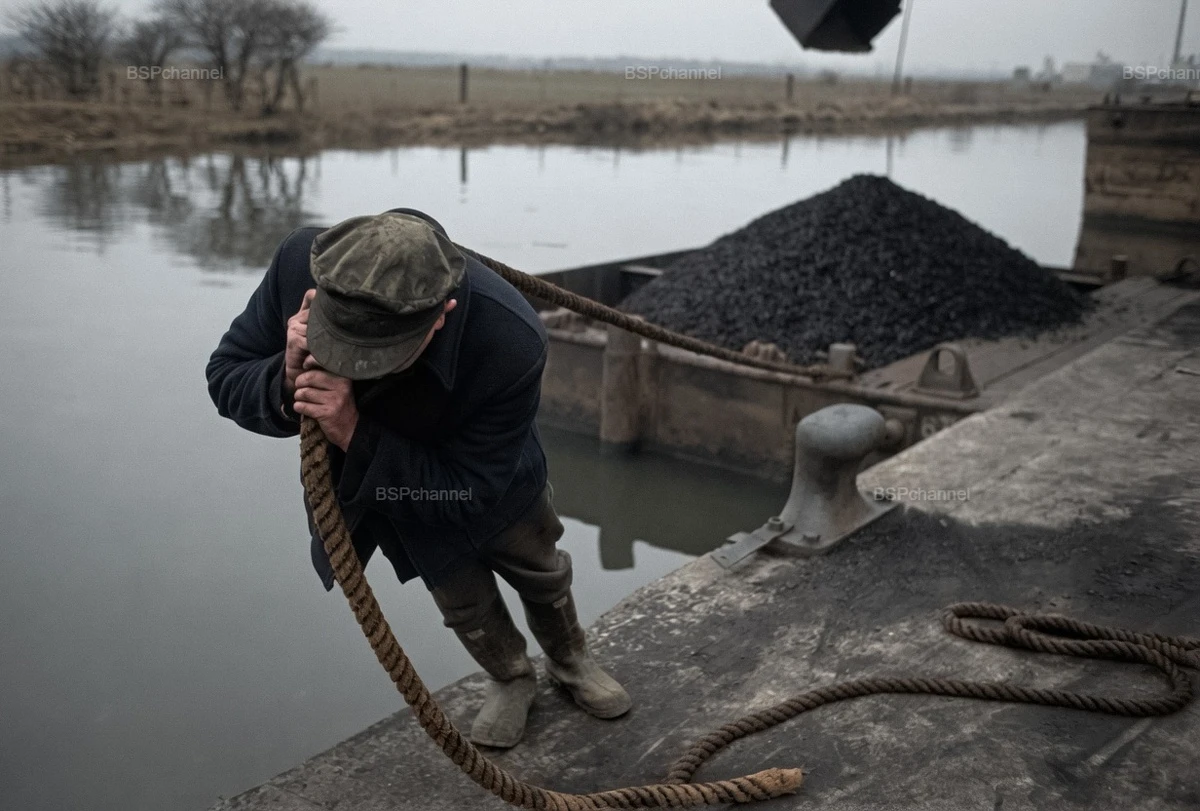
Photo by Ian Berry
A passenger boarding a cab outside the Savoy Theatre in London, 1906. 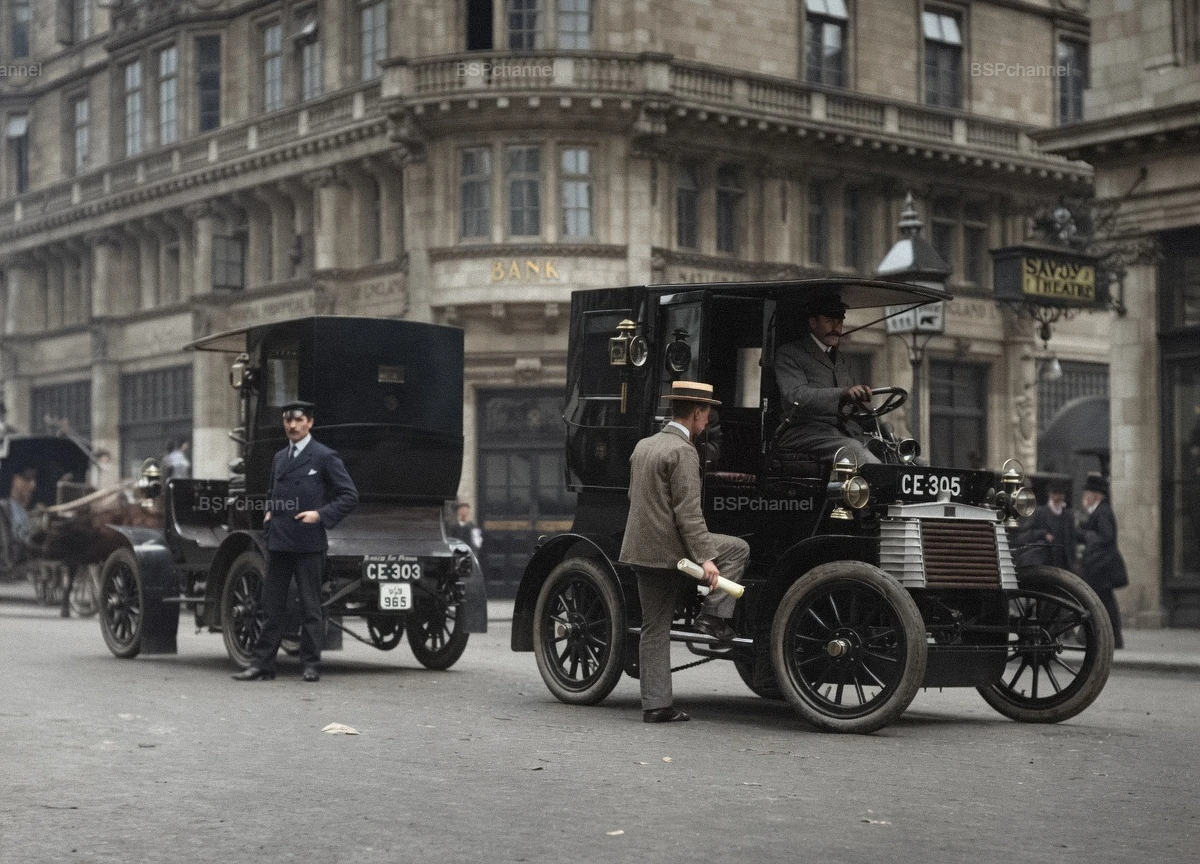
Oxford, England, early 20th century. 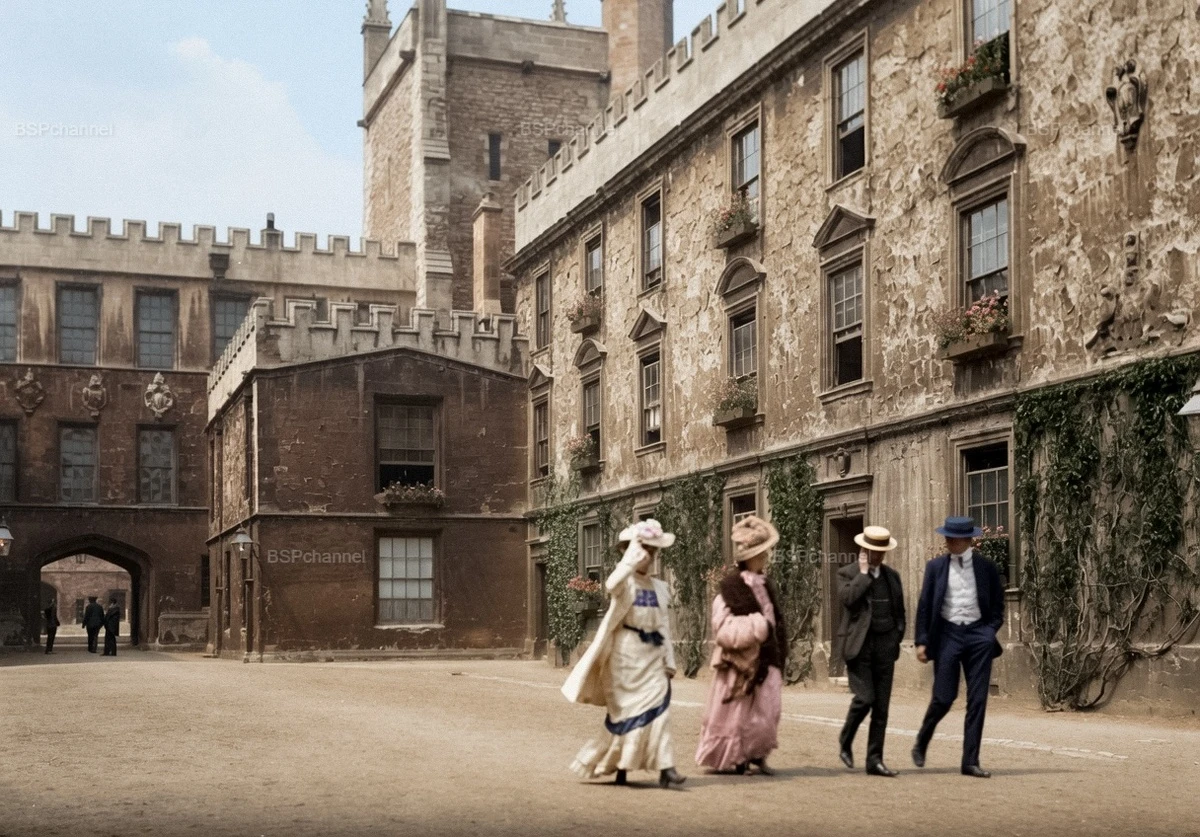
London cab drivers taking a group of girls from the Royal Sailors' Daughters' Home for an outing to Burnham Beeches in Buckinghamshire, 1937. 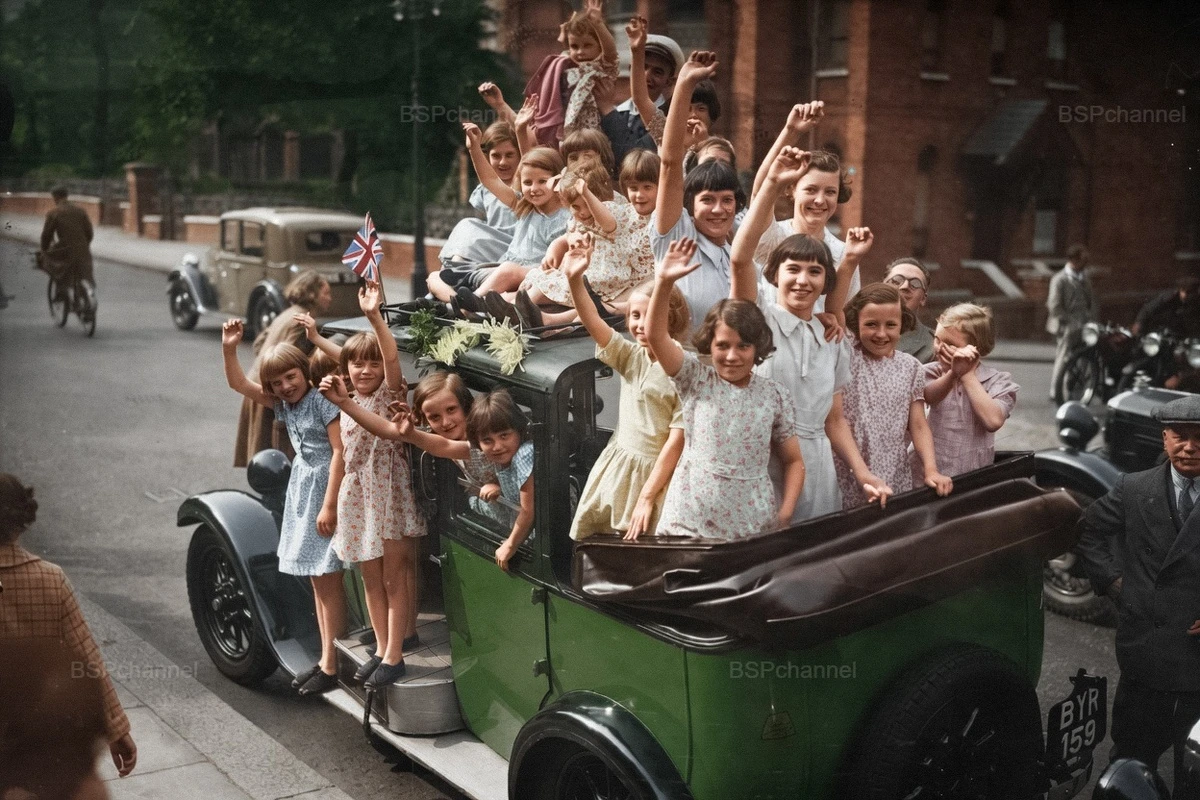
British impresario Ian Hunter, Director General of the Commonwealth Arts Festival, auditioning goats for the festival play "Song of the Goat" outside the Scala Theatre in London, September 14, 1965. 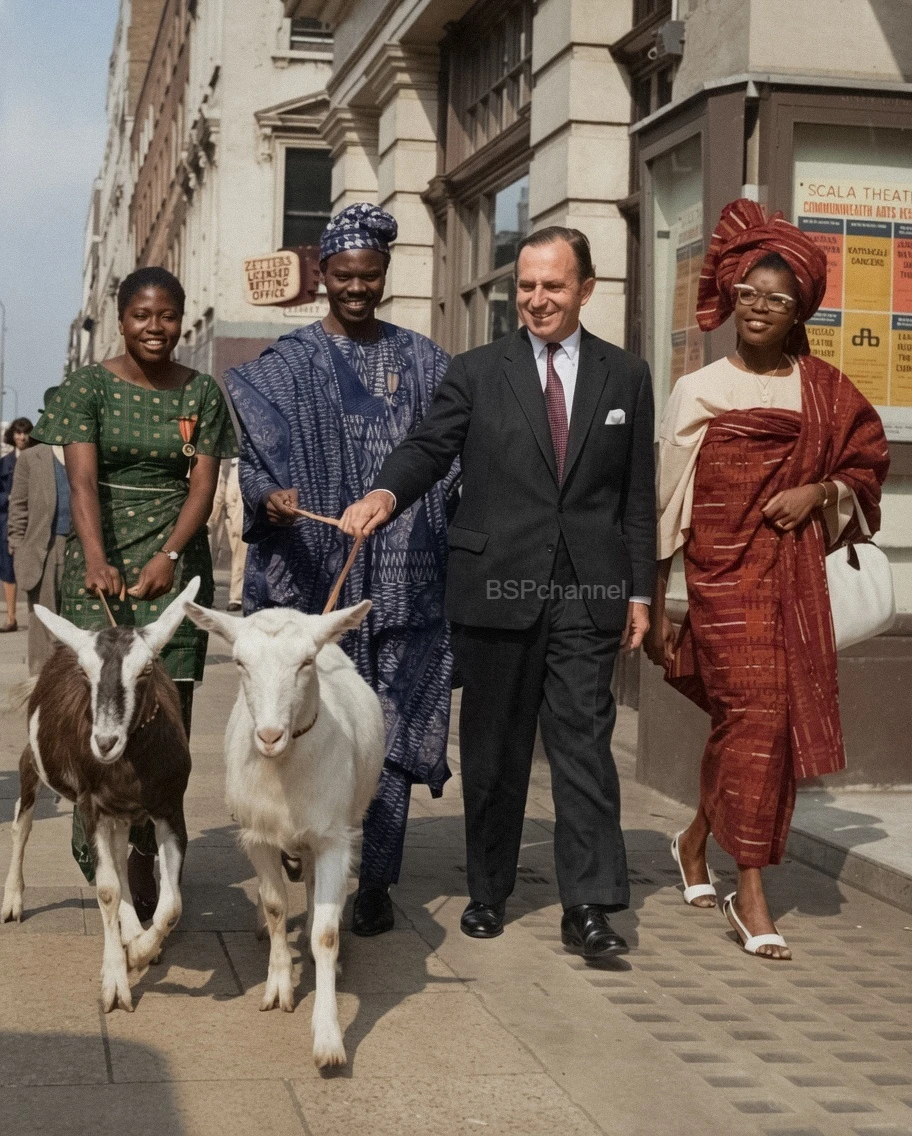
Beside him are actors (left to right) Grace Nwosu, Francis Akeru, and Bisi Begun of the Eastern Nigeria Theatre Group, who staged the production.
Add your comment
You might be interested in:












Protective film Removing it with a power screwdriver

How to start a 102-liter engine

When a child plays hide-and-seek at a professional level

Man sets up bedroom camera and discovers the reason for his

Super dads who swoop in to save the day

Precision carpentry

Looks like it's time to buy WinRAR

How to hang wallpaper neatly

Athlete in Bavarian dress flies over a lake on a hydrofoil
