Interesting and sometimes amusing automotive-themed shots (21 photos)
From the bold early experiments of the early 20th century to later, instantly recognizable models—what we see here is not merely a mode of transport, but a reflection of the times. These images capture daring design choices, engineering breakthroughs, and even the quirky vehicles that were part of our ancestors' everyday lives. 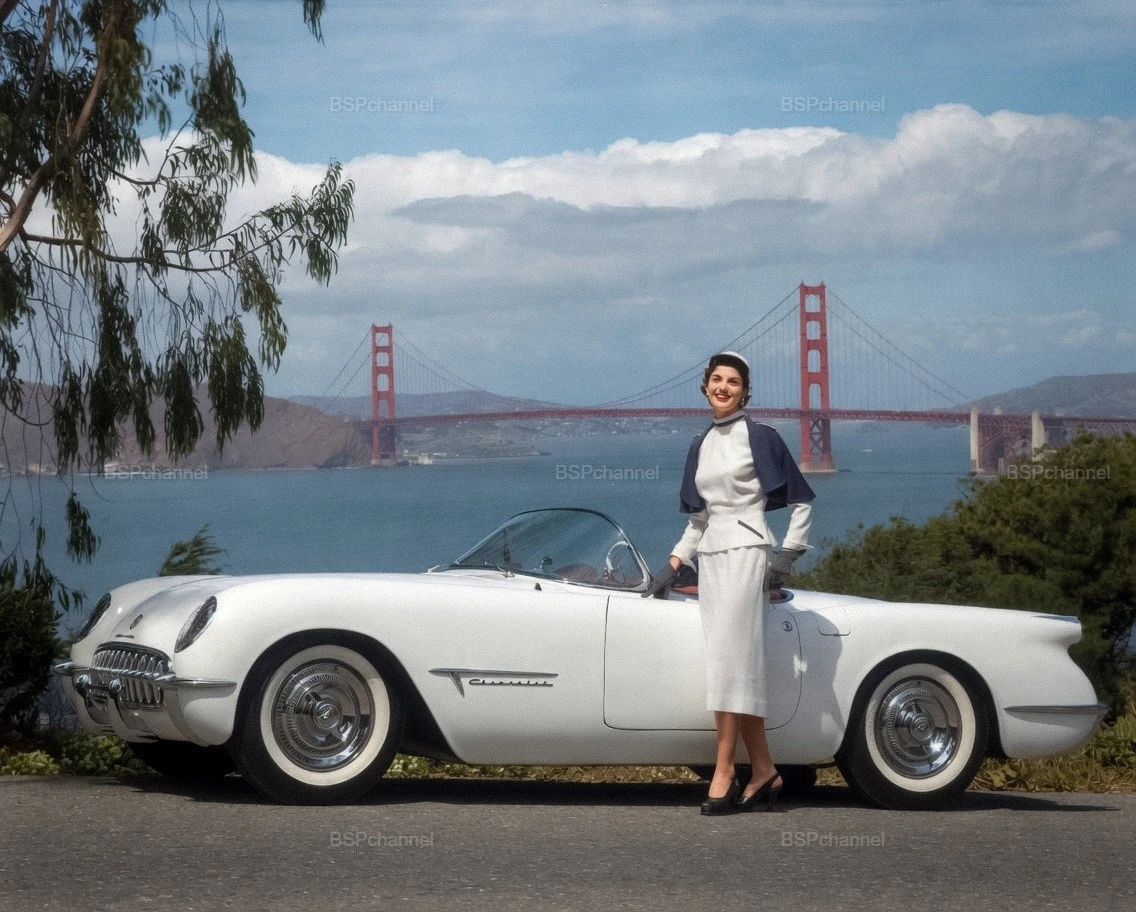
GDR, 1960s. 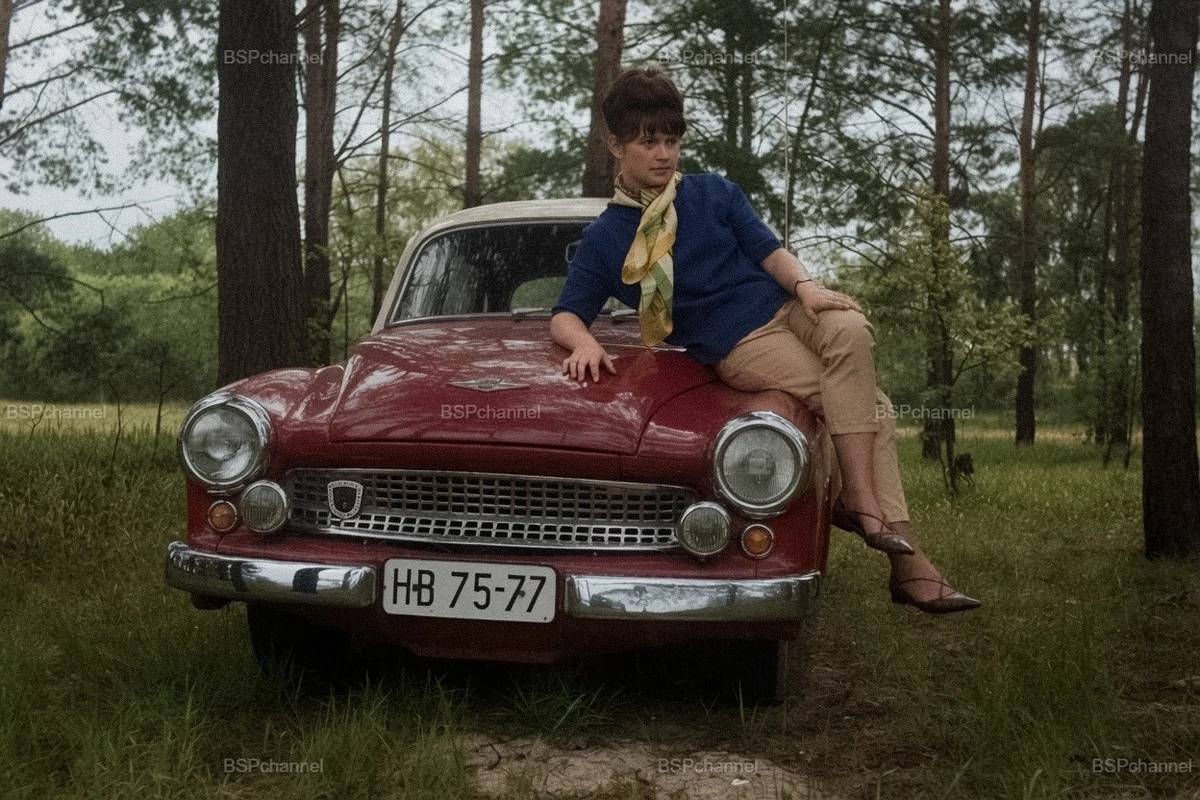
The Wartburg 311 was an East German mid-sized passenger car manufactured by the state-owned *Automobilwerk Eisenach* in Eisenach (GDR) between 1956 and 1965. The model became an iconic symbol of the GDR automotive industry, combining elegant 1950s European styling with a highly distinctive technical setup: front-wheel drive, a separate chassis frame, and a two-stroke engine. It was widely exported—not only to Eastern Bloc nations but also to Western Europe and even the United States. In 1965, it was succeeded by the transitional Model 312, followed by the famous Wartburg 353.
Near the Upper Park. Lomonosov, 1968. 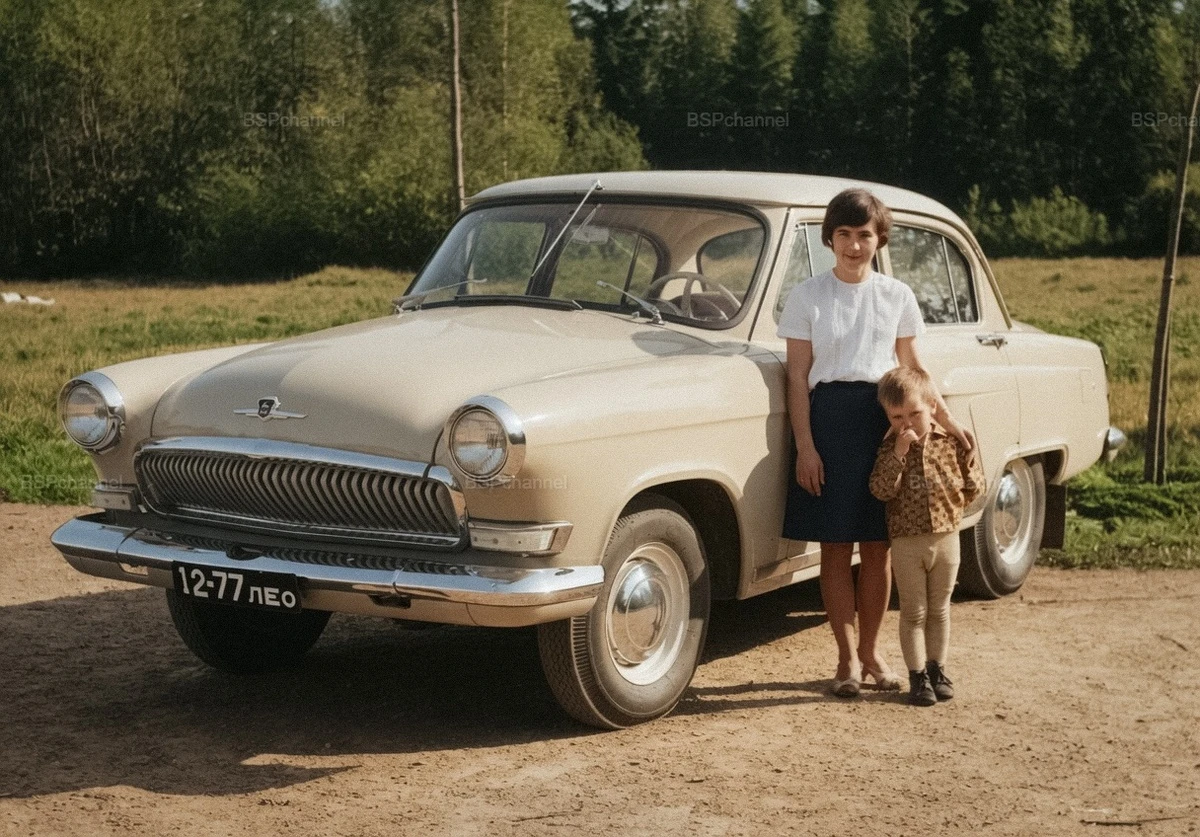
The GAZ-21 "Volga" was a mid-sized car mass-produced at the Gorky Automobile Plant from 1956 to 1970. The model became a key symbol of the Khrushchev "Thaw," an iconic element of Soviet cinema, and the first mass-produced Soviet car to gain widespread recognition abroad.
An American sports car model: the Chevrolet Corvette. This promotional photo was taken in San Francisco against the backdrop of the famous Golden Gate Bridge during the GM Motorama exhibition tour of 1953–1954. 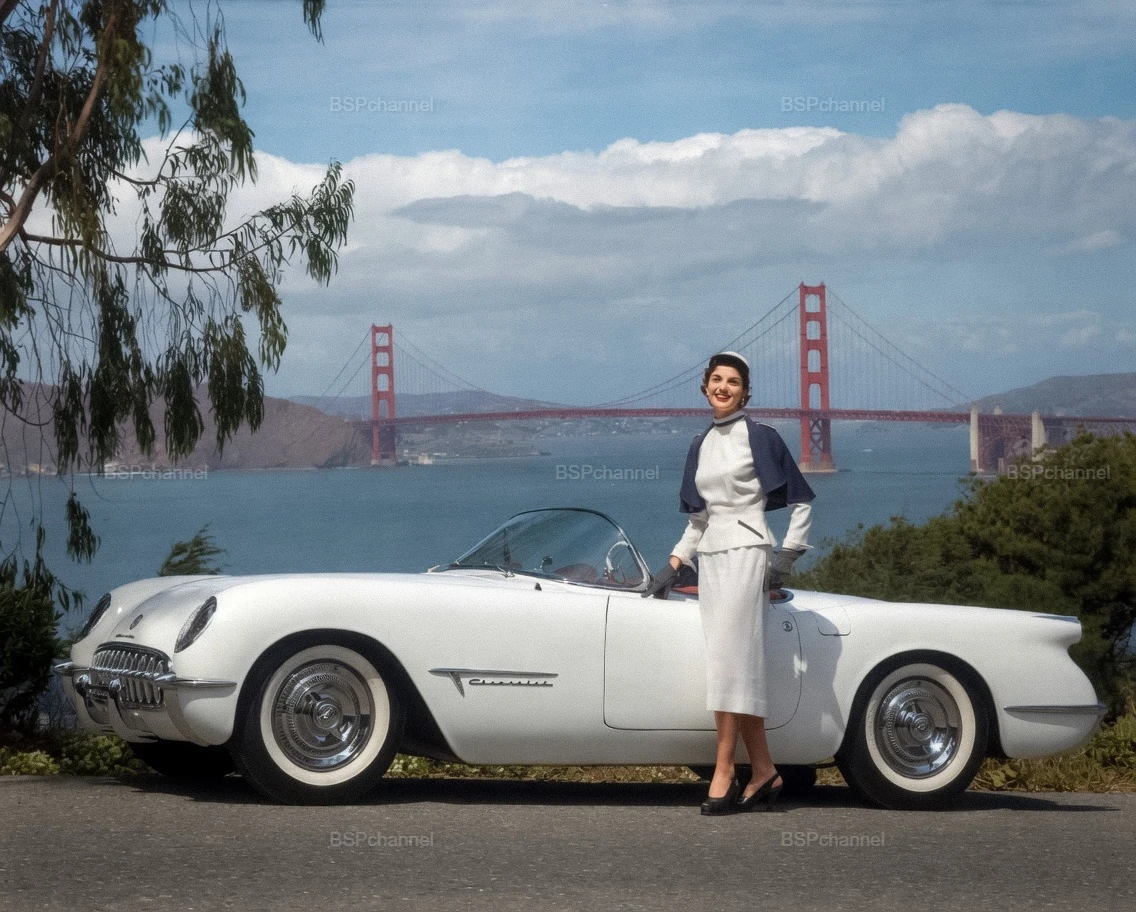
The Chevrolet Corvette is an iconic American two-seater sports car manufactured by General Motors under the Chevrolet brand from 1953 to the present day. The Corvette is officially recognized as "America's Sports Car" and is one of the longest-running, continuously produced automotive model lines in the world.
An electric car on the streets of Baku. Azerbaijan SSR, 1973. 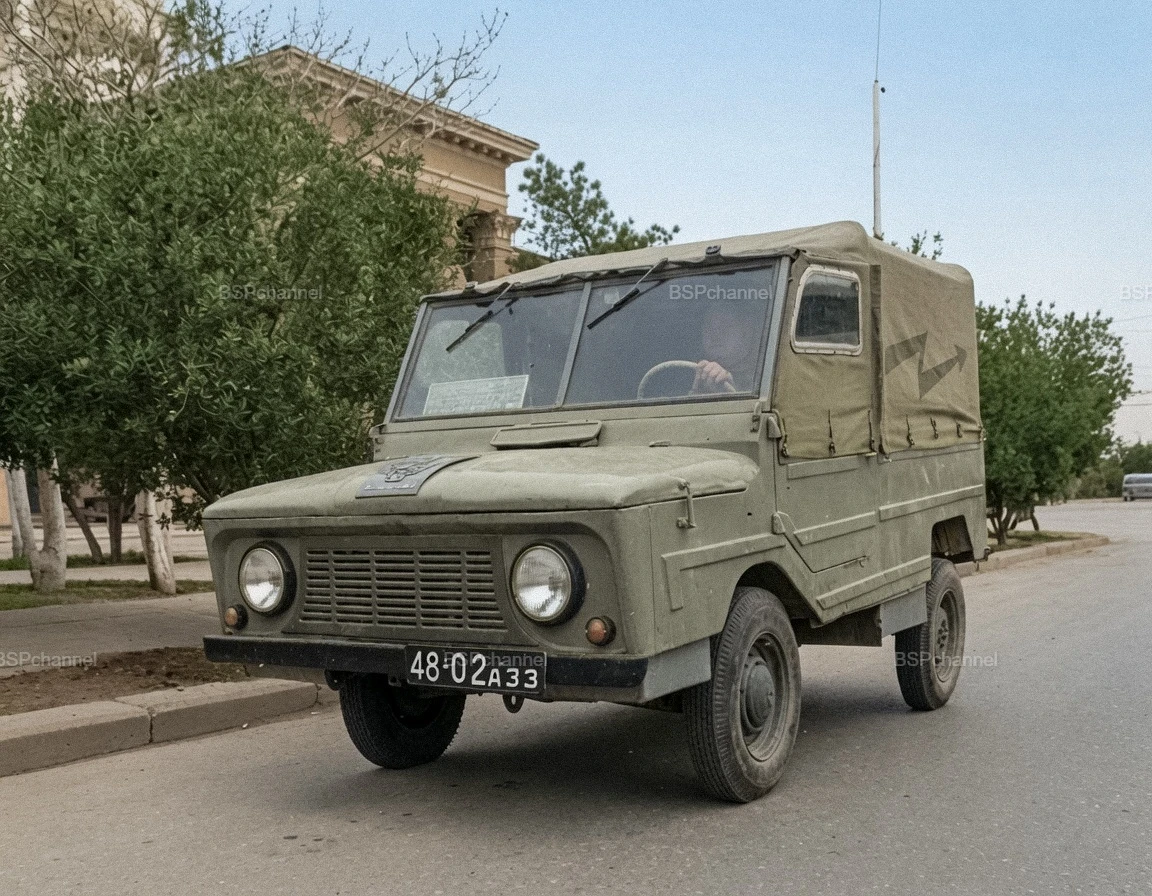
Photographer: V. Kalinin.
In 1973, the Novator design and engineering organization created a new electric vehicle model: the "Elektromobil-73." Engineers achieved specifications that were impressive for the time: the vehicle could accelerate to 60 kilometers per hour and cover up to 220 kilometers on a single charge, while carrying a payload of 600 kilograms or three passengers. Although the body of the "Volyn" vehicle served as the basis, the new design offered superior performance characteristics compared to its predecessors. The spark-free motor was a particularly notable feature; this design choice made the electric vehicle indispensable in oil and gas extraction zones, where even a single spark could ignite a fire.
Miss Maud Odell, one of New York's first female taxi drivers, 1923. 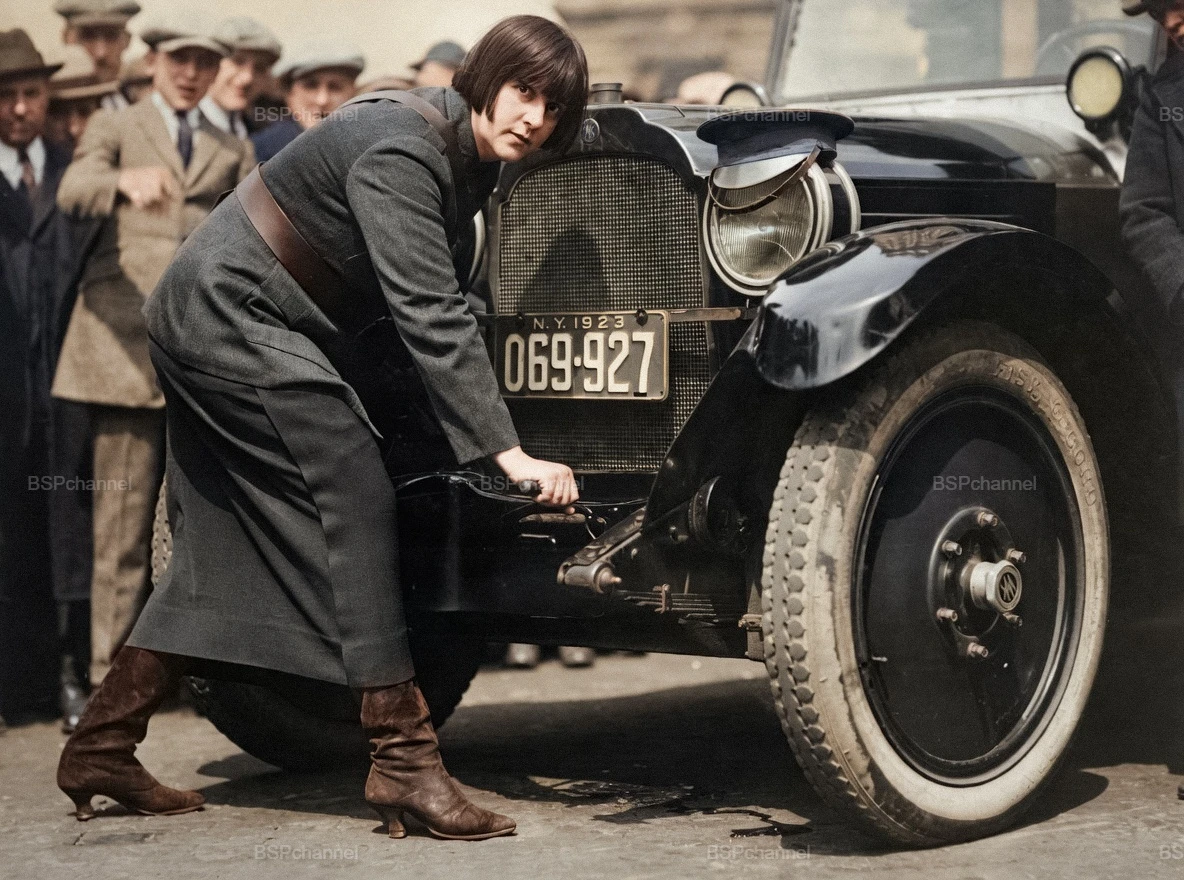
Maud Odell was one of the first female taxi drivers of the "Roaring Twenties." She became famous for wearing a smart, elegant uniform, demonstrating a professional attitude and shattering stereotypes that commercial transport was a job exclusively for men.
A specialized ambulance vehicle in Manezhnaya Square. Leningrad, 1968–1970. 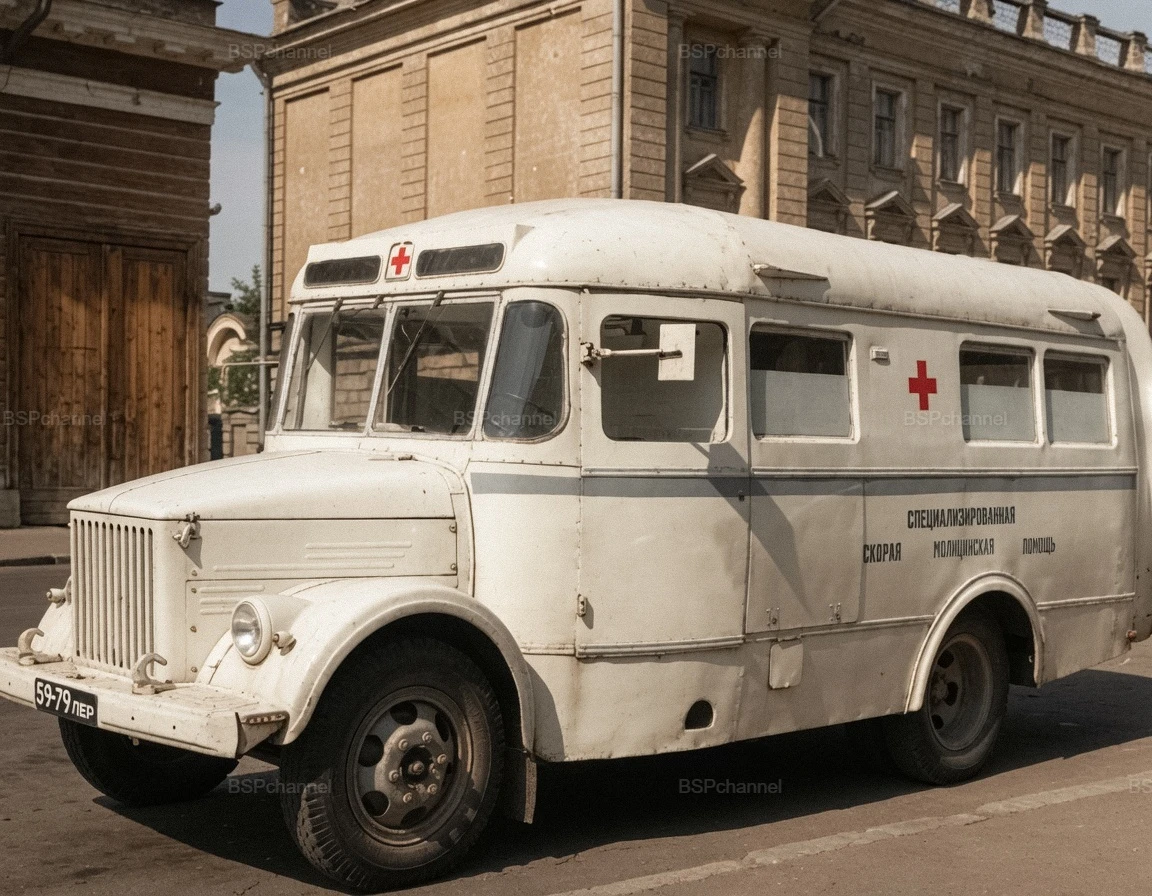
Actor Roland Young sits in the back seat of the armored limousine Hitler used during a parade in Berlin in 1941. It is on display at the Museum of Science and Industry in New York, 1948. 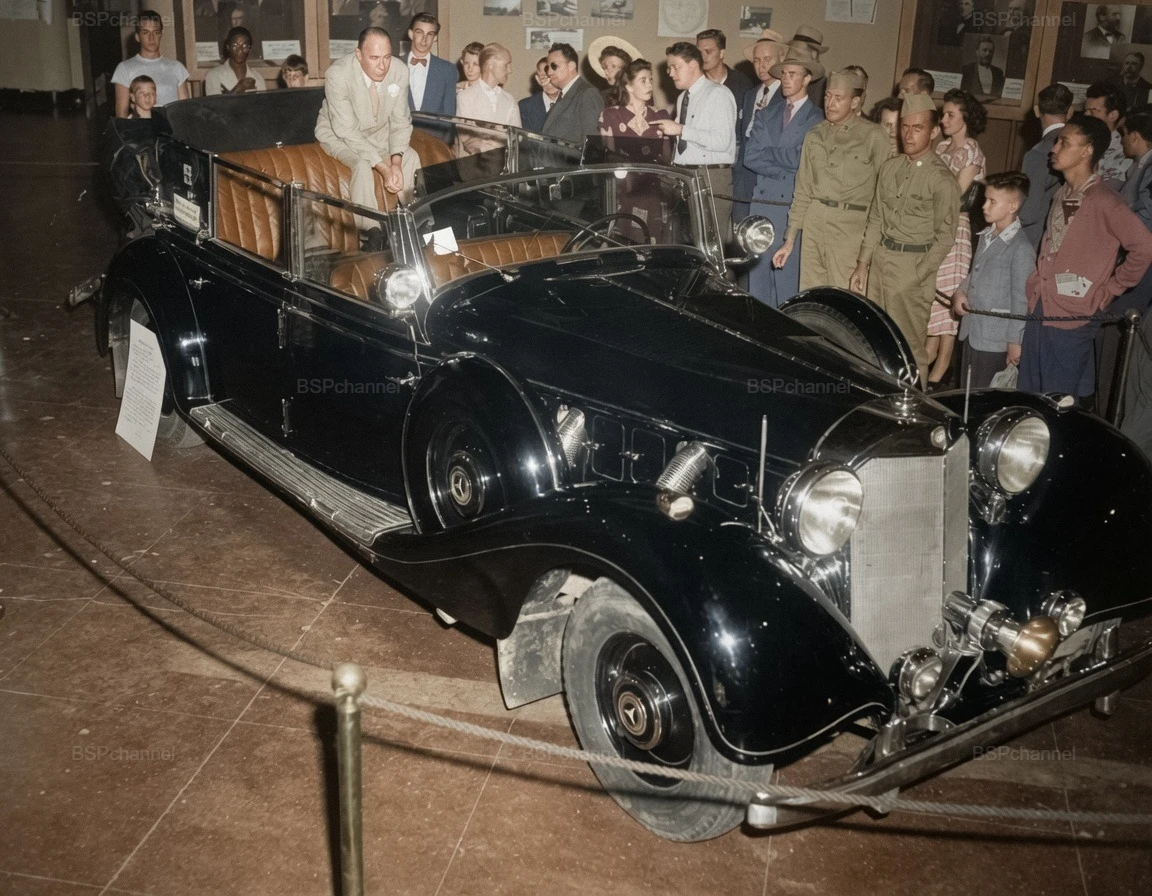
This specific vehicle was actively used by the Nazi leadership between October 1939 and May 1941. Hitler reviewed the victory parade following the defeat of France from this car in Berlin in 1940, and it made its final appearance at an official parade on May 4, 1941. After the outbreak of war with the USSR, Hitler largely ceased holding public parades in Berlin, and the vehicle was relegated to the reserve fleet of his garage. In 1945, the car was captured by American troops and transported to the United States; there, it passed through the hands of several private owners—including a Las Vegas magnate—and became a highly prized and exceptionally valuable historical piece in private collections. Although it appeared to be an open-top convertible, the vehicle featured extensive concealed armor protection. A retractable steel armor plate was installed behind the rear seats; it could be raised while the vehicle was in motion to shield passengers from the rear. The body panels and doors were fully reinforced with high-strength steel plating. The windshield and retractable side windows were made of 30mm-thick laminated safety glass. The wheel rims were protected by metal covers, and the tires featured a multi-chamber design that allowed the vehicle to continue moving even after sustaining a puncture.
The Moskvich-2145 (3-5-3U) was an experimental station wagon developed at the MZMA/AZLK plant during the first half of the 1970s. It remained a unique prototype, and the model never entered mass production. 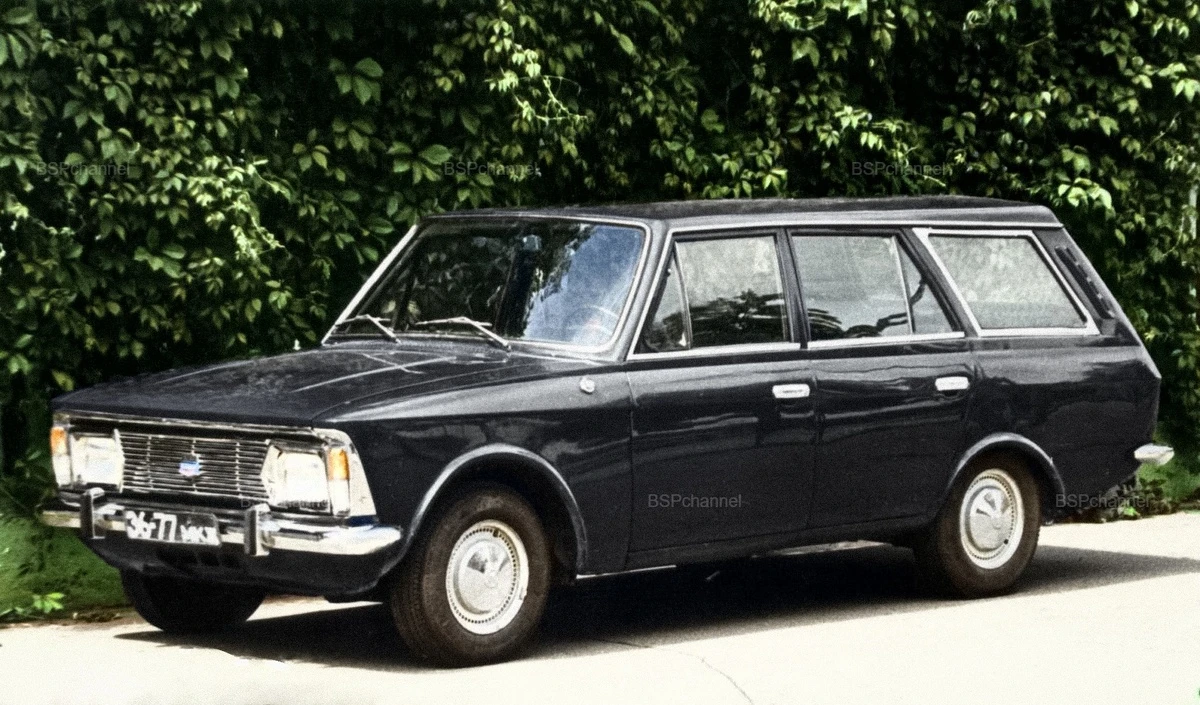
The Moskvich-2145 (3-5-3U) was an experimental mid-sized five-door station wagon developed at the Leninsky Komsomol Automobile Plant (AZLK) and built between November 1970 and January 1971. The vehicle was created as part of the prospective "3-5" family (the designation referred to the planned years for entering mass production: 1973–1975). The model was intended to replace the mass-produced Moskvich-426/427 station wagons but ultimately remained a one-off functional prototype.
A Plymouth Savoy automobile. North Carolina, USA, 1971. 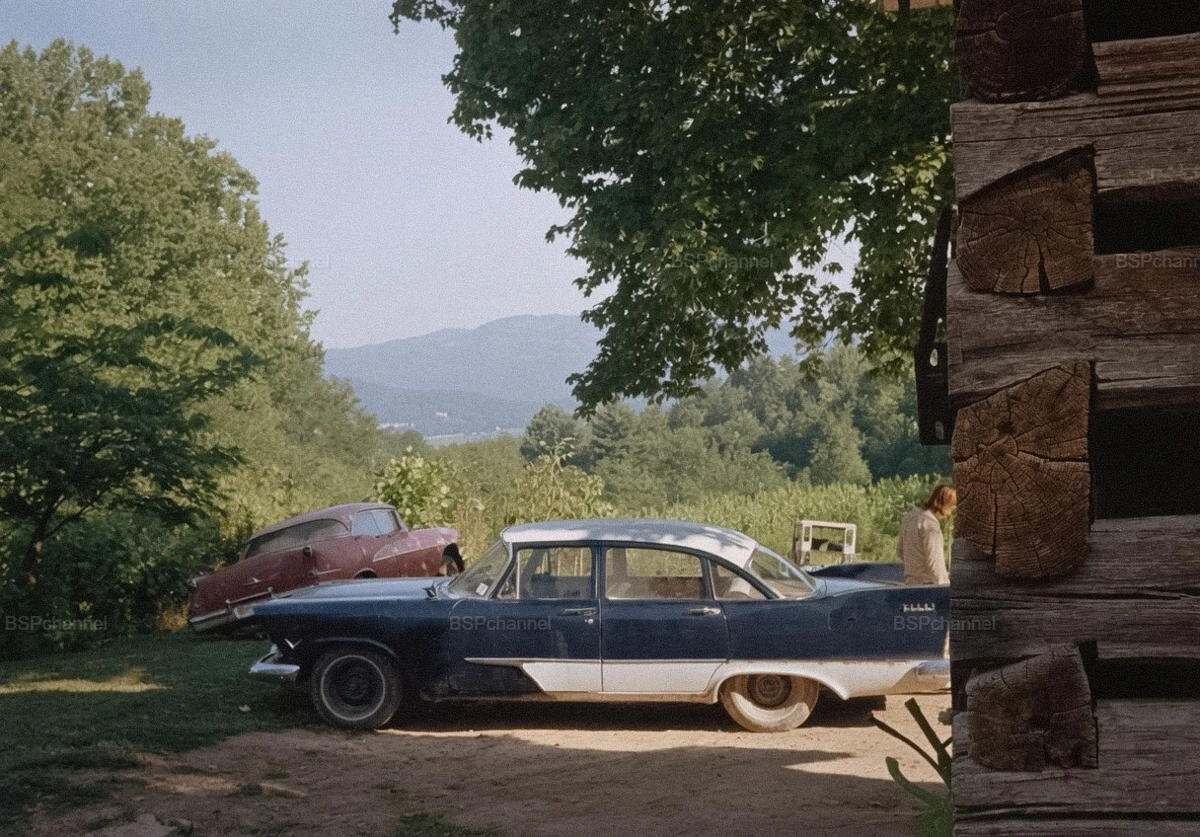
Photographer: Alex Harris
Testing of the Ural-375-DI-1 truck, designed for operation in the conditions of the Far North. Chelyabinsk Region, 1969. 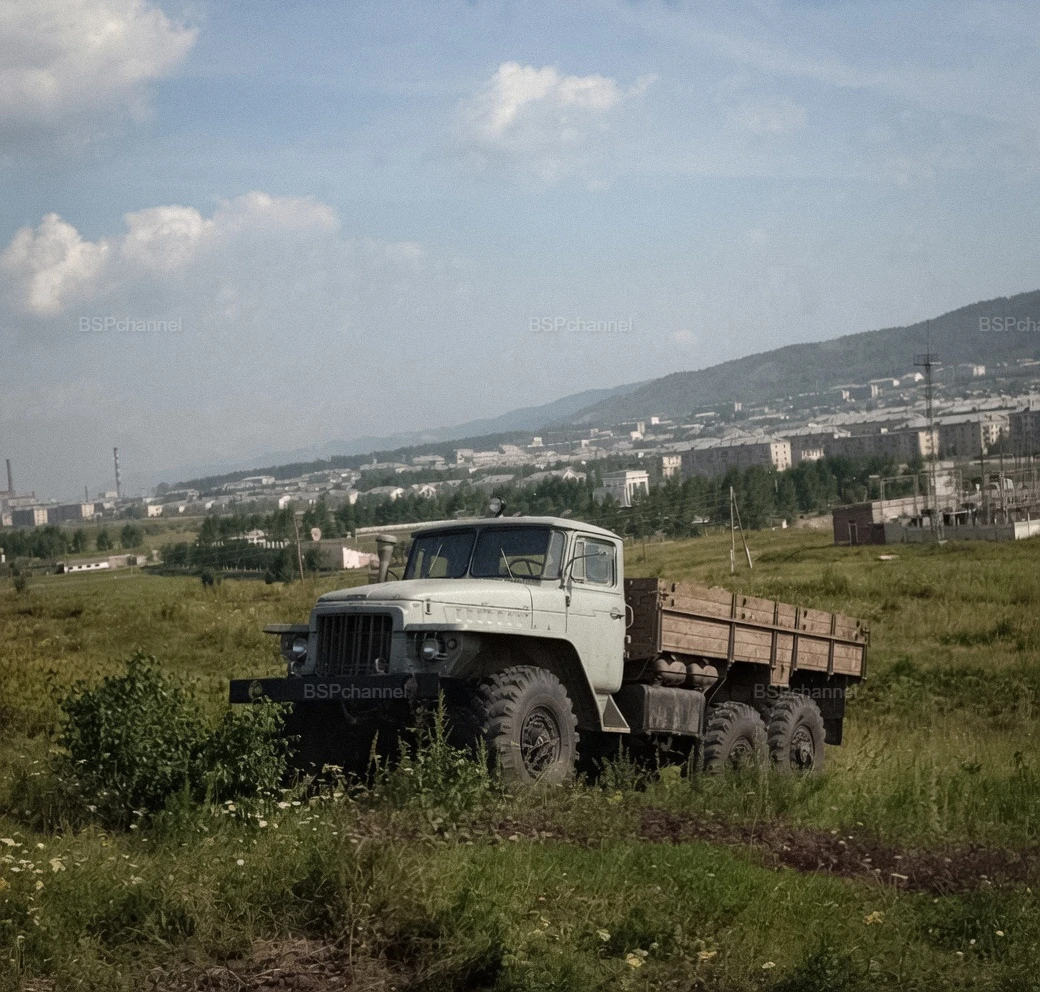
Photographer: V. Kaushanov
This extremely rare running prototype was created as part of secret factory R&D aimed at finding a replacement for the fuel-hungry ZIL-375 gasoline engine; it served as a crucial technological bridge to the creation of the future legendary Ural-4320 family. Production Ural-375s were nicknamed "gluttonous monsters" by both military and civilian users due to their colossal consumption of A-92 gasoline (which could reach 70–100 liters per 100 km in harsh conditions). The primary goal of building the 375-DI-1 prototype was to adapt and comprehensively test a new diesel engine within the existing Ural chassis. The "DI-1" unit was built to a special "Northern" specification. It was developed in parallel with the production Ural-375K Northern variant. The vehicle featured additional cab thermal insulation, double-glazed windows, an insulated battery housing, and components made from special cold-resistant rubber capable of withstanding temperatures as low as –60°C.
ACF Grand Prix: the great racer Nazzaro signals Wagner to speed up, 1912. 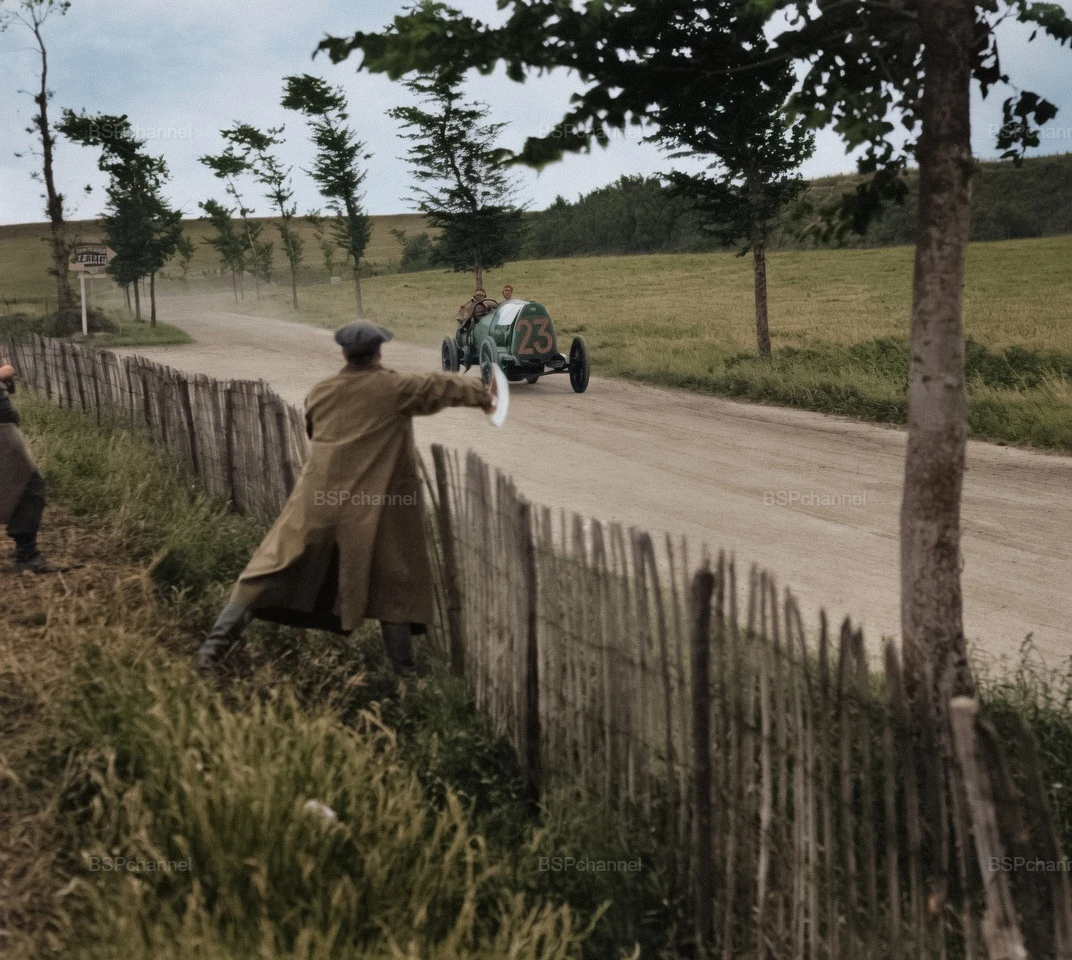
Photographer: Jacques Henri Lartigue
Outside a "Beriozka" store. 16 Bolshaya Dorogomilovskaya Street. Moscow, 1965–1970. 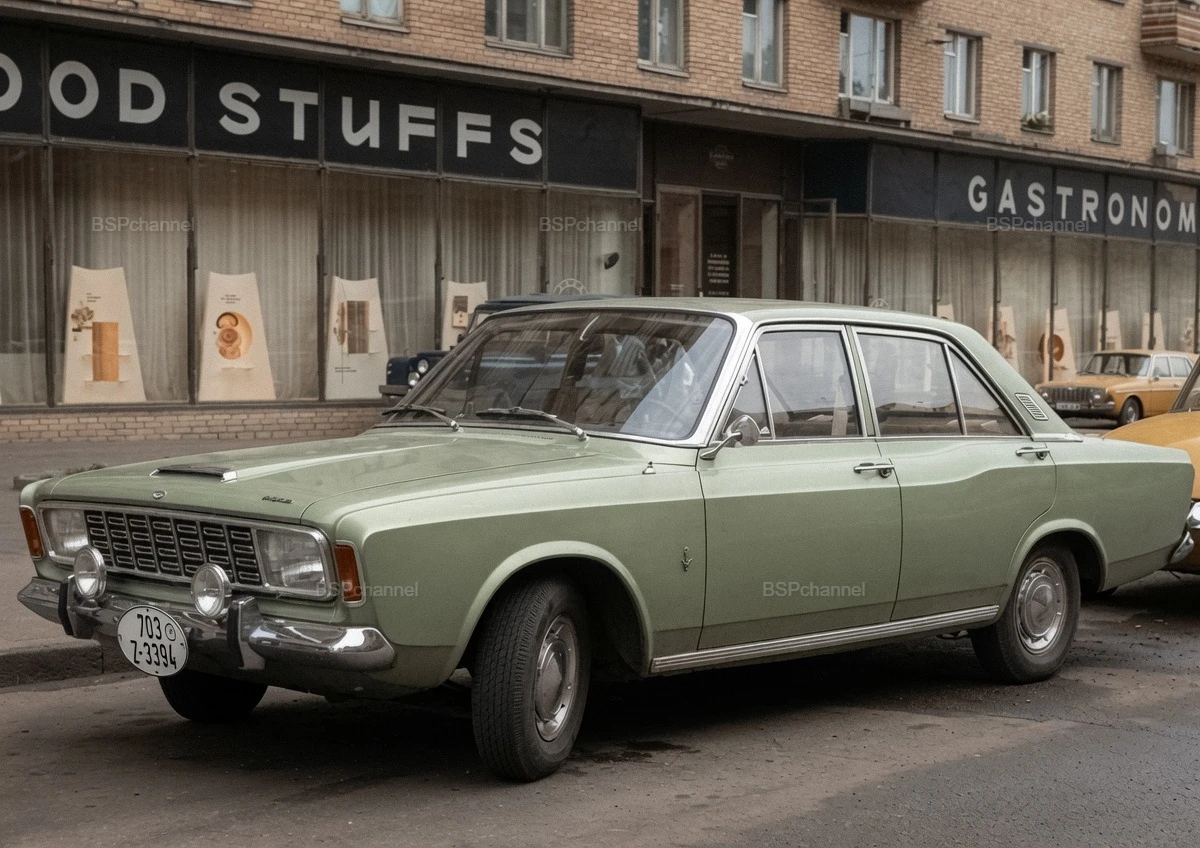
Photographer: Alexander Novikov.
A Ford 20M automobile. Many interesting photos have survived online showing cars parked outside this shop—vehicles that were rare in the Soviet Union.
An American Dodge Dart on decorated Gai-machi Lane, Tokyo, Honshu, Japan, 1960s. 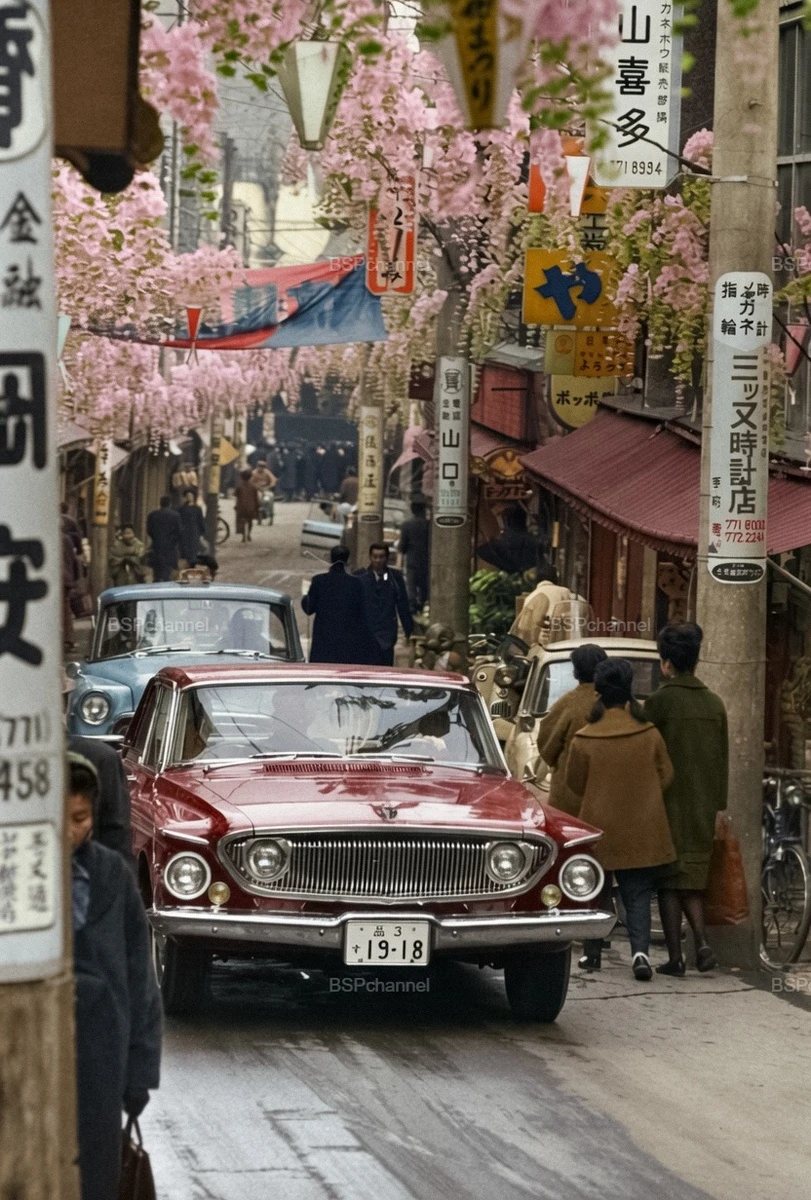
The Dodge Dart is a famous family of cars from the American corporation Chrysler; the model evolved from a luxurious full-size sedan into an economical compact car. It was produced in the USA from 1960 to 1976 (and later briefly revived from 2012 to 2016). During the classic era of the American auto industry, the Dart earned a reputation as an incredibly reliable, durable, and practical vehicle, becoming a true bestseller for the brand.
A Cadillac Series 62 Convertible parked in a residential driveway. USA, 1950s. 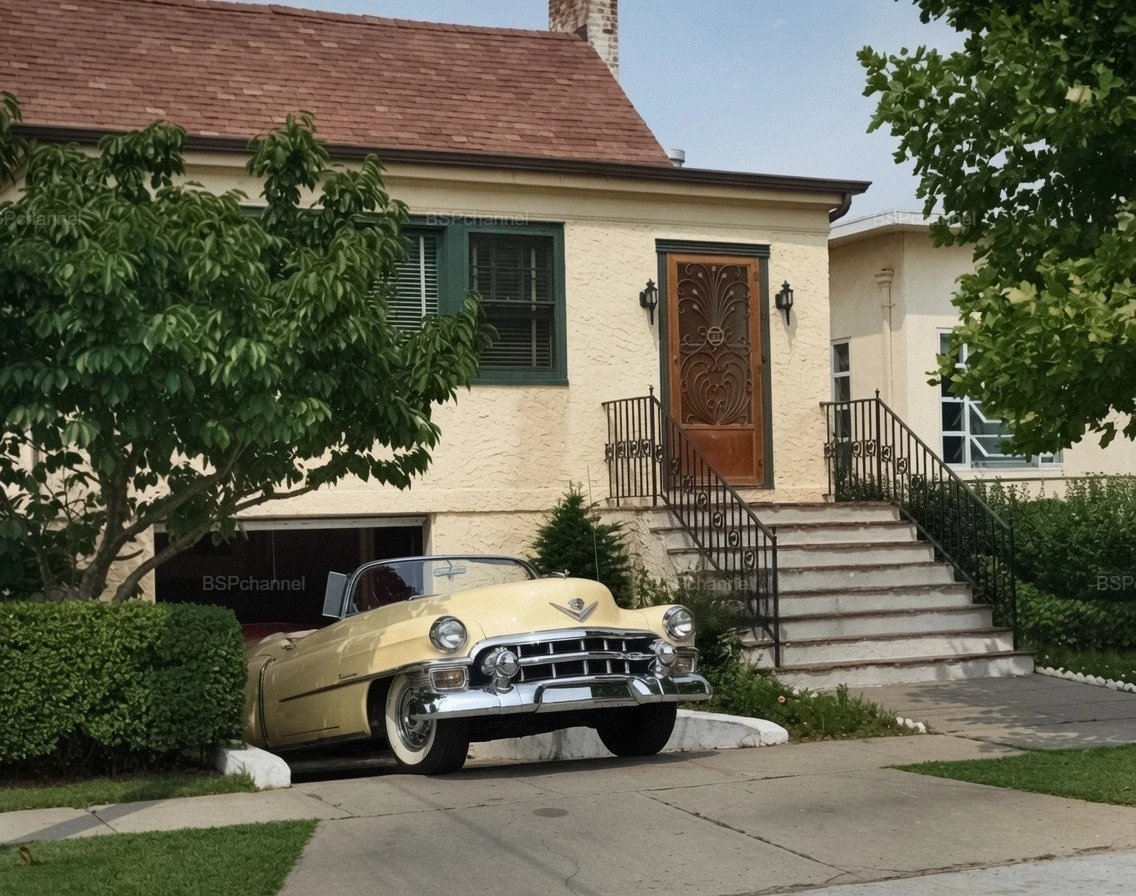
Moskvich 412, 1968. 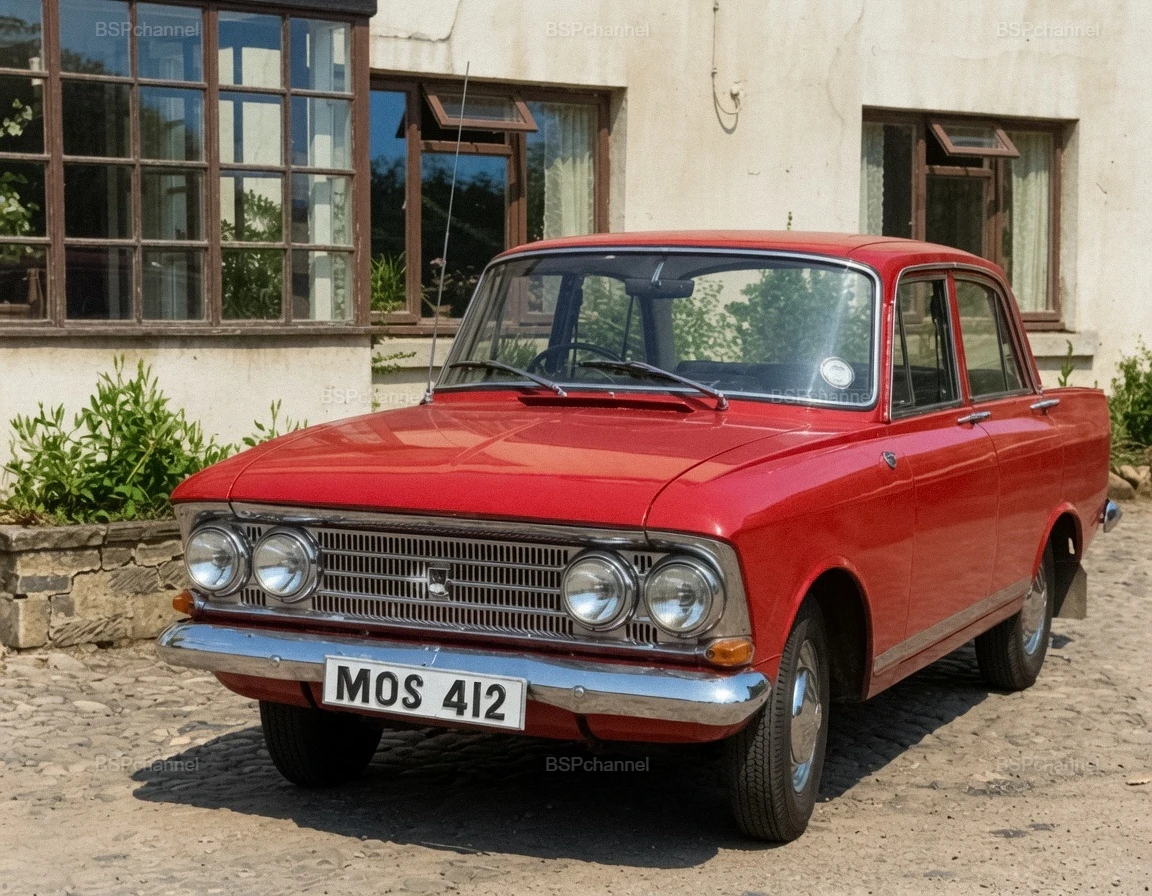
The export-model Moskvich-412 (often sold in Western markets under the brand names Moskvich 412, Elite 1500, or Scaldia 1500) represents a unique phenomenon in the history of the Soviet automotive industry. In the late 1960s and early 1970s, more than half of all Moskvich cars produced were destined for foreign markets. The vehicle was exported to over 20 countries, including France, the UK, West Germany, Finland, Norway, and Kuwait. Export variants (such as the Moskvich-412E or the right-hand-drive 412P) were assembled at the AZLK plant on a dedicated "export line" subject to stricter quality control.
Reliant Regal, 1960s. 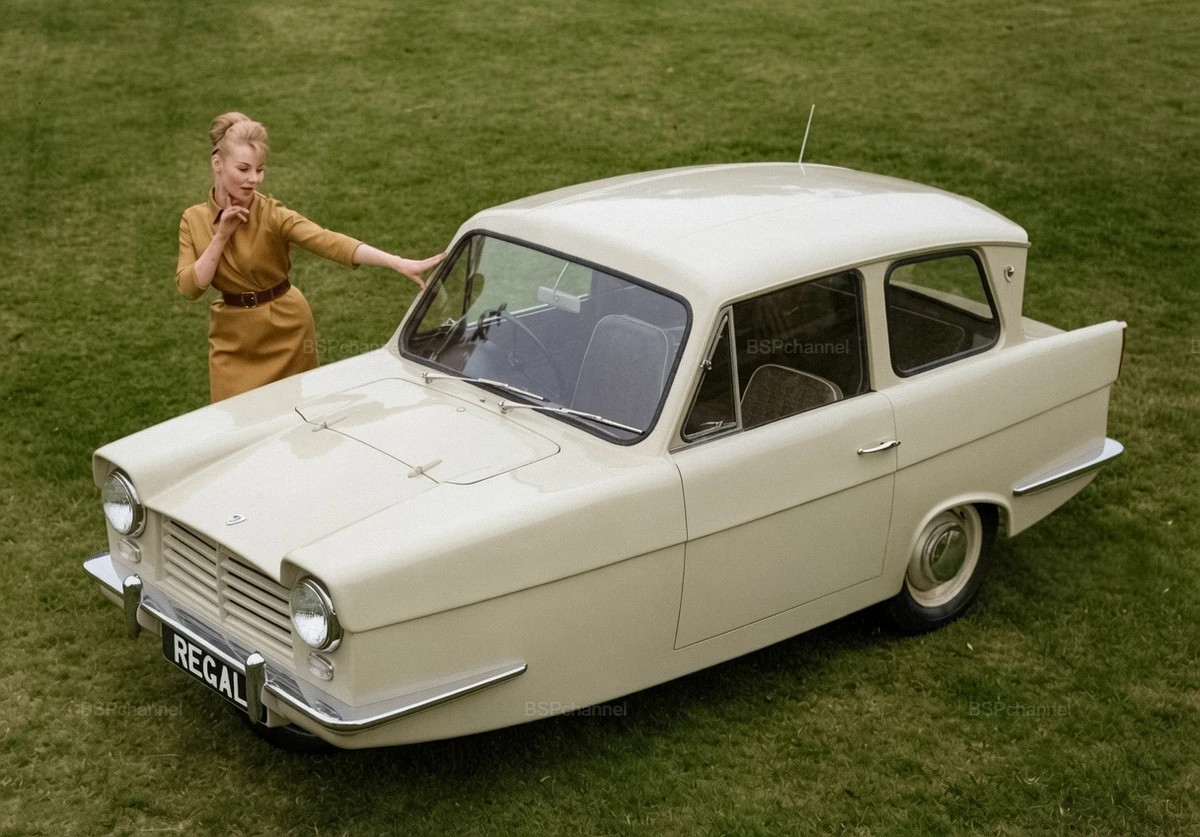
The Reliant Regal is a famous British three-wheeled vehicle (tricycle) produced in limited numbers by the Reliant Motor Company in Tamworth between 1953 and 1973. In the UK, the model became a cult symbol of the British working class, eccentricity, and frugality, while also achieving global fame through pop culture. Due to its three-wheel configuration and low weight, the Reliant Regal was legally classified as a motorcycle with a sidecar. Driving it required only a standard motorcycle license. Owners paid an annual road tax at the minimum "motorcycle" rate, making the vehicle incredibly inexpensive to operate.
Ural Automotive Plant (now the URAL Automotive Plant). Shipment of finished products. Chelyabinsk Region, 1969. 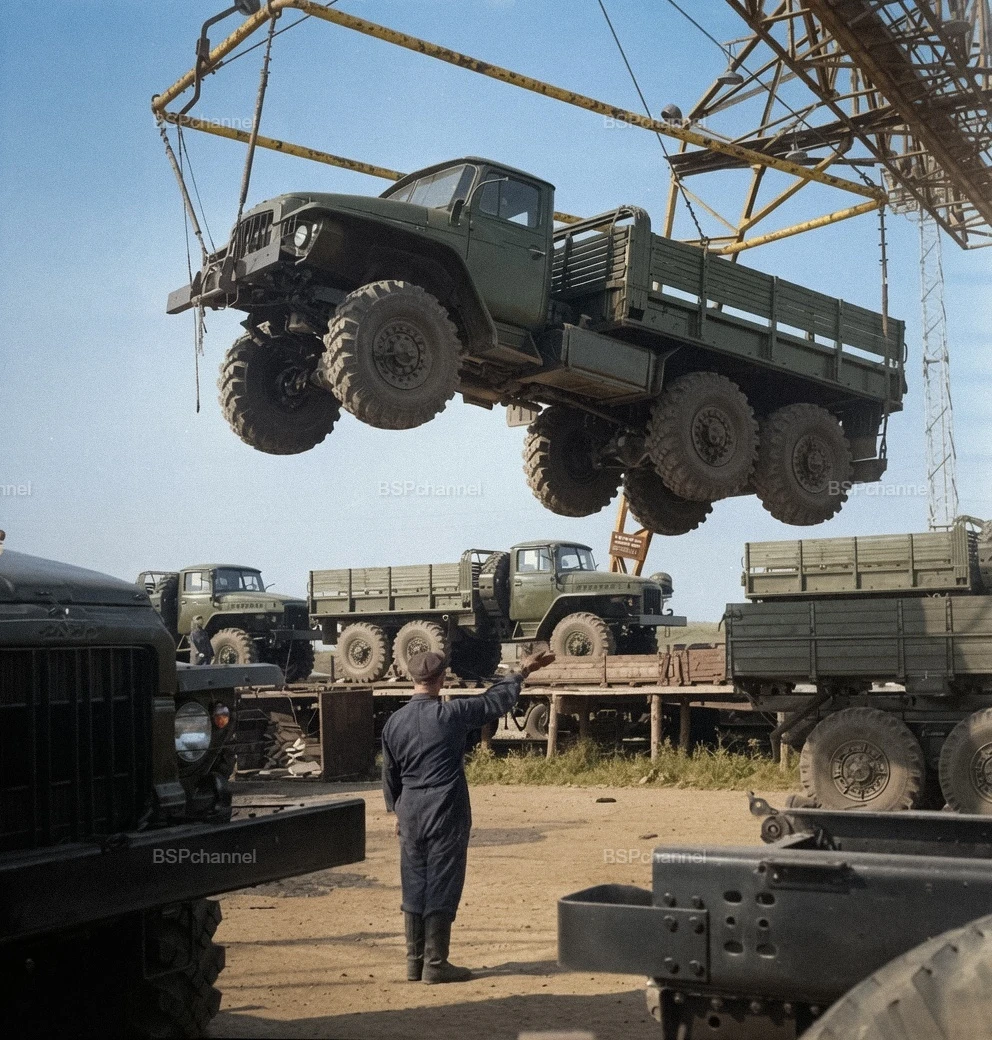
Photographer: V. Kaushanov
A man stands next to his new Ford car—a 1951 Ford Custom V-8 sedan. 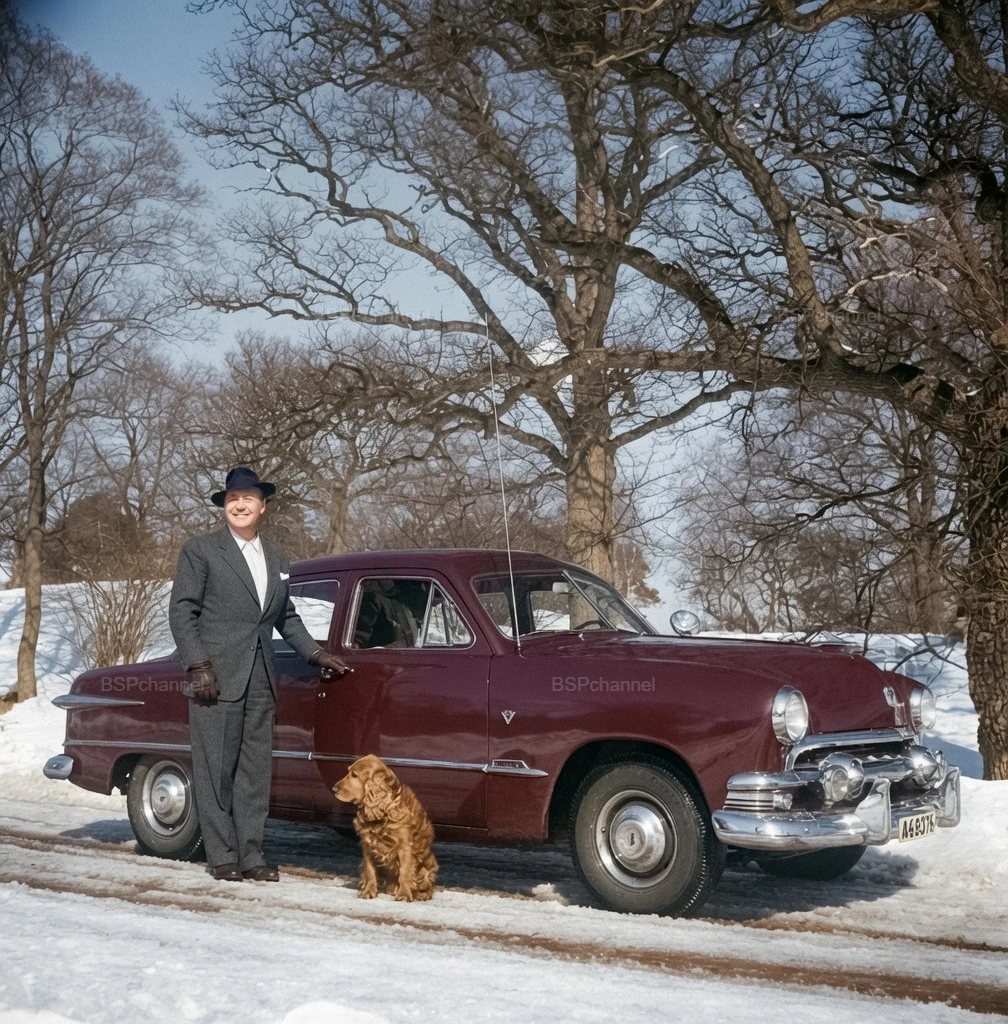
Triumph TR3A, 1960s. 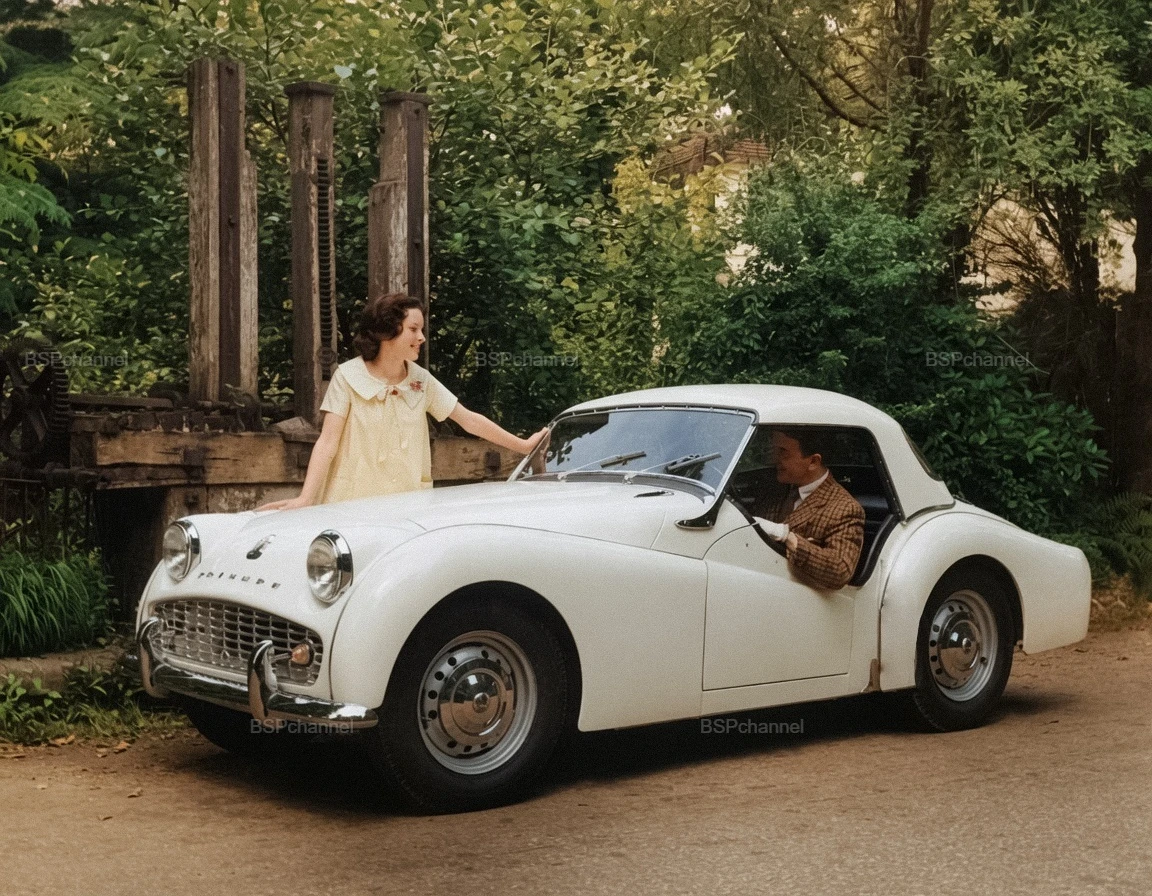
The Triumph TR3A is a famous British two-seater sports roadster manufactured by Standard-Triumph between 1957 and 1961. In reality, the "TR3A" designation is unofficial but widely accepted; it was the name given to the car by enthusiasts and the press, whereas it left the factory under the original TR3 model code. The model was the result of a major update (facelift) of the original TR3 roadster and achieved tremendous success, particularly in the US market.
Wuppertal Suspension Railway. Germany, 1960s. 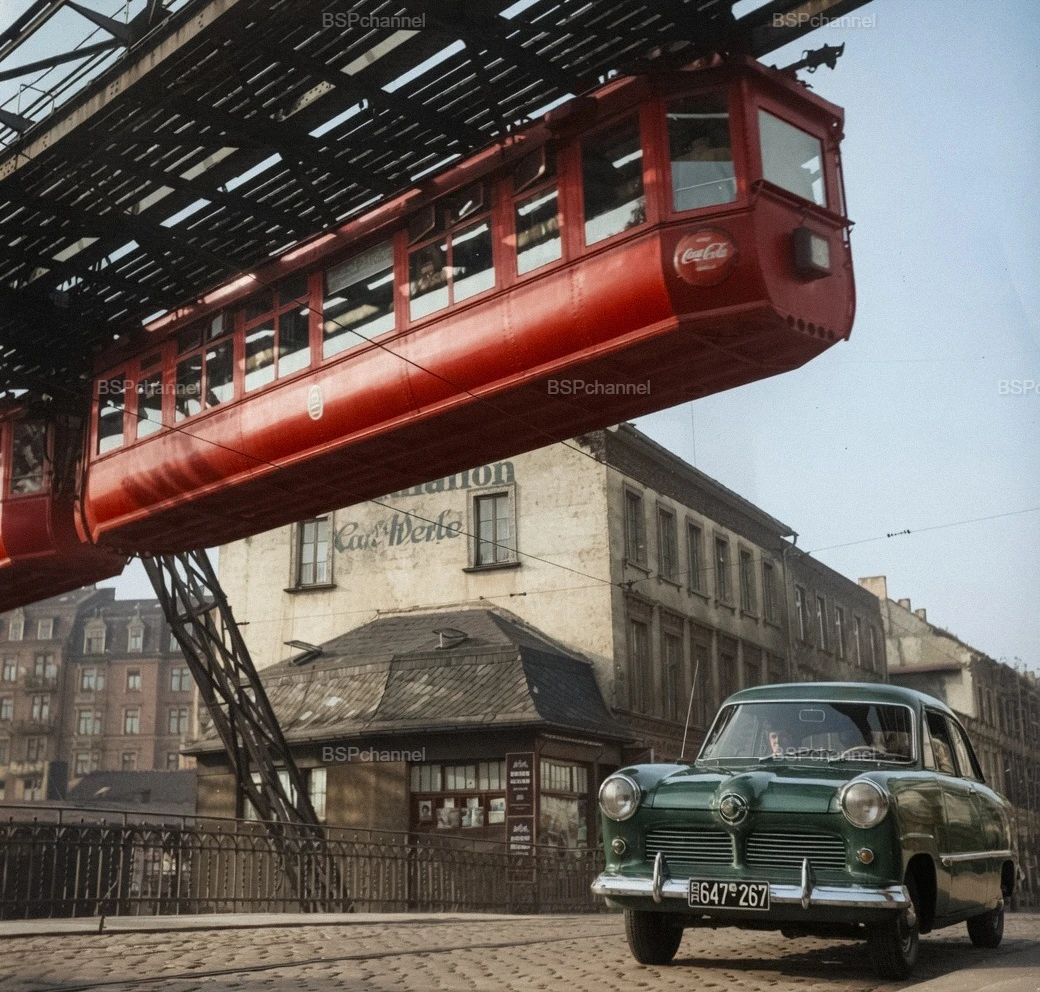
The 1953 Ford Taunus 12M was a West German compact family car produced by the Ford-Werke AG subsidiary in Cologne. It was the first all-new civilian passenger car model from the German Ford division following World War II and a key symbol of the German "economic miracle."