Bastards on the Throne: Illegitimate Children Who Conquered, Inherited, or Stole Power from Legitimate Monarchs of Europe (10 photos)
Medieval Europe was obsessed with blood purity, and being born out of wedlock was considered a stigma, condemning one to powerlessness. But history is full of paradoxes. For some strong-willed individuals, the nickname "bastard" became not a death sentence, but a powerful incentive to fight. Possessing an iron will and charisma, illegitimate heirs broke the rules of the game. They led armies, staged coups, and overthrew legitimate monarchs. They proved that the right to the throne is won by sword and wit, not by a line in a church register. 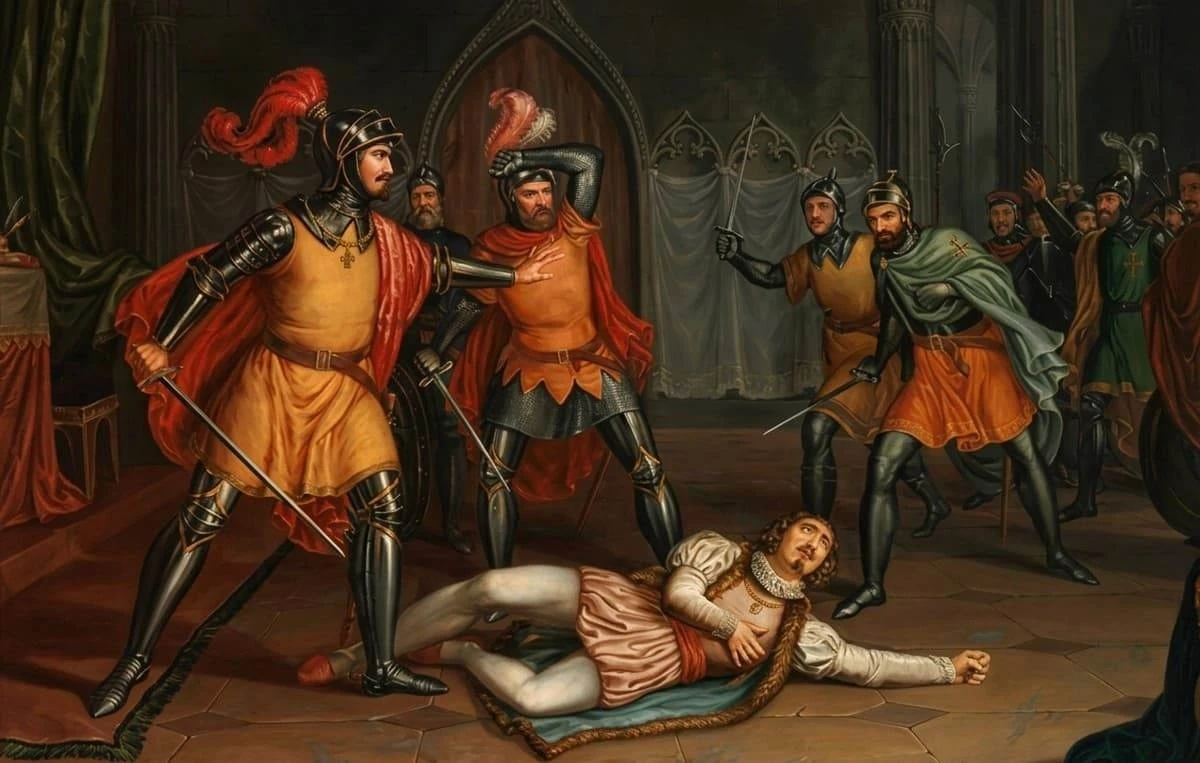
William the Conqueror: A Childhood on the Run
The gallery of great bastards opens with the most famous of them all – William the Conqueror (1027–1087). The son of the Norman Duke Robert the Magnificent and Herleva, the daughter of a tanner from Falaise, he was nicknamed "the Bastard" at birth. In the 11th century, this meant mortal danger. 
William the Conqueror. Unknown artist. Circa 1620
William's father died in 1035, returning from a pilgrimage to Jerusalem, when the boy was about seven years old. From that moment on, the little duke's life became a struggle for survival. The Norman barons fought for control of the duchy. William's guardians were killed one after another. His maternal uncle, Gautier, hid his nephew in commoners' huts. These years of wandering and fear forged his character. In 1042, at the age of 15, William was knighted by King Henry I of France and was finally able to assume power.
William the Conqueror: From Duke to King
In 1066, William launched a daring invasion of England—and was victorious. In October, his army routed King Harold II's forces at the Battle of Hastings. On Christmas Day 1066, the former bastard was crowned king in Westminster Abbey. 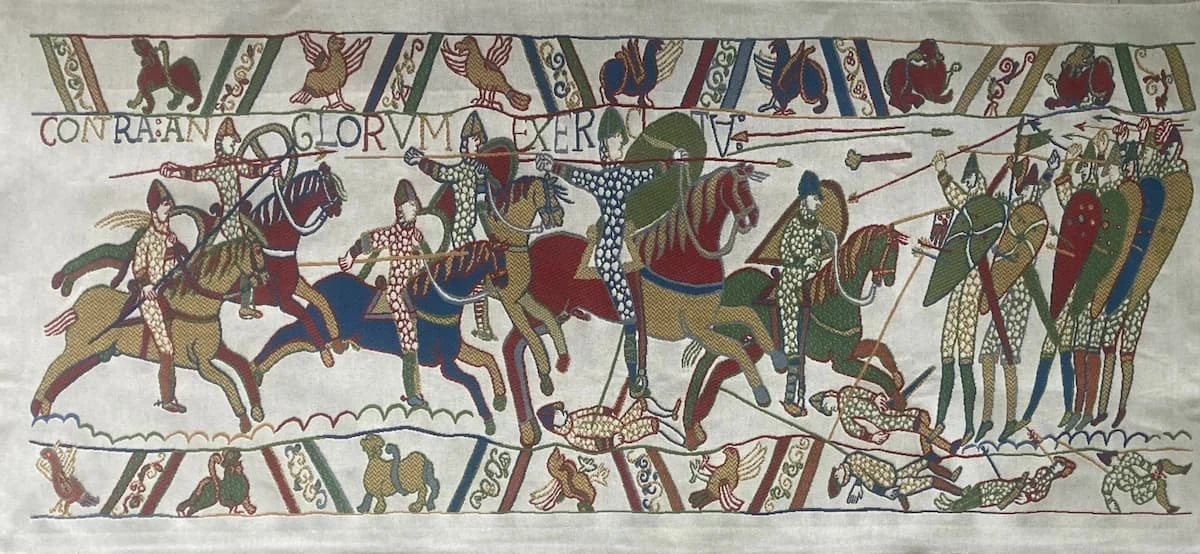
Battle of Hastings Fragment of the Bayeux Tapestry. 11th century
The former bastard completely reshaped the country. He replaced the Anglo-Saxon aristocracy with a Norman one, introduced the French language into officialdom and the court. He ordered the Domesday Book compiled in 1086—the first census of all lands and property in English history. From a despised child, he became a great monarch, whose blood flows in the veins of modern British kings. 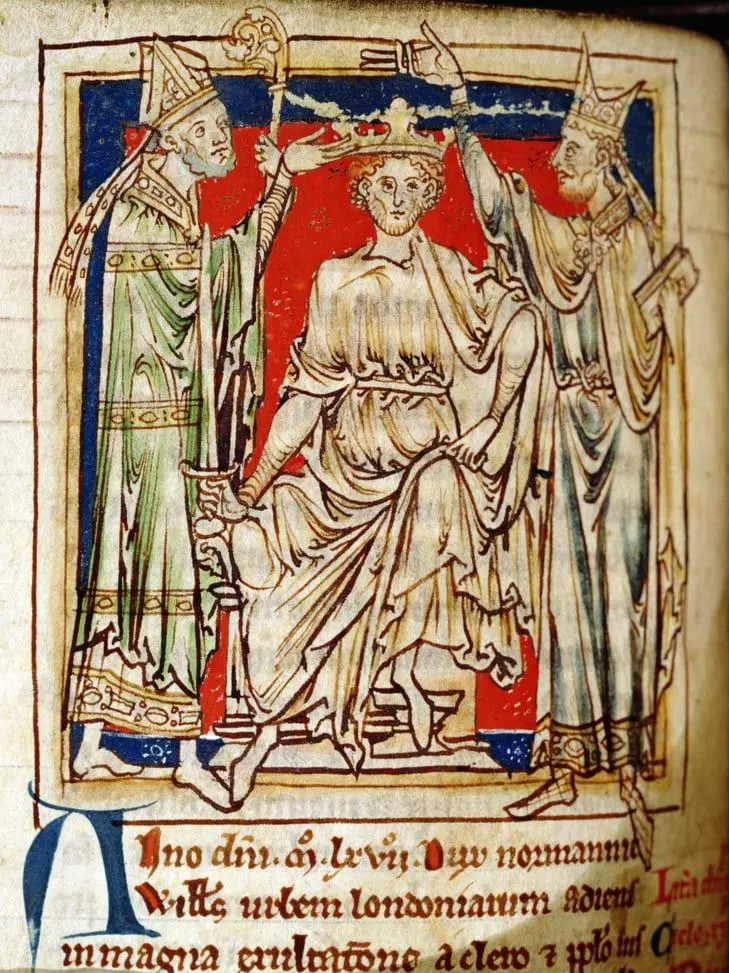
Coronation of William I in Westminster Abbey. Miniature from Matthew Paris's manuscript "Flowers of History." Circa 1250–1252
Enrique of Trastámara: Fratricide in the Name of the Crown
While William conquered a foreign country, Enrique of Trastámara wrested power from his own brother. He was born on January 13, 1334, in Seville, the eldest illegitimate son of King Alfonso XI of Castile and his mistress, Leonora de Guzmán. Enrique grew up in the shadow of his legitimate brother, Pedro, known to history as the Cruel. 
Enrique II of Castile. Artist: José María Rodríguez de Lozada. 19th Century
Upon ascending the throne in 1350, Pedro ordered the execution of Enrique's mother, Leonora de Guzmán. Thus began a conflict that would last nearly 20 years. Enrique suffered several defeats. In 1367, at Nájera, his army was defeated by the English Black Prince, and the bastard fled to France. But he did not surrender.
Enrique of Trastámara: Death in a Tent
Returning with an army of mercenaries under the command of the French commander Bertrand du Guesclin, Enrique took revenge. In March 1369, Pedro's army was defeated at the castle of Montiel. The loser took refuge in the fortress and then fell into a trap: du Guesclin, under the pretext of negotiations, lured him into the tent where Enrique was waiting. 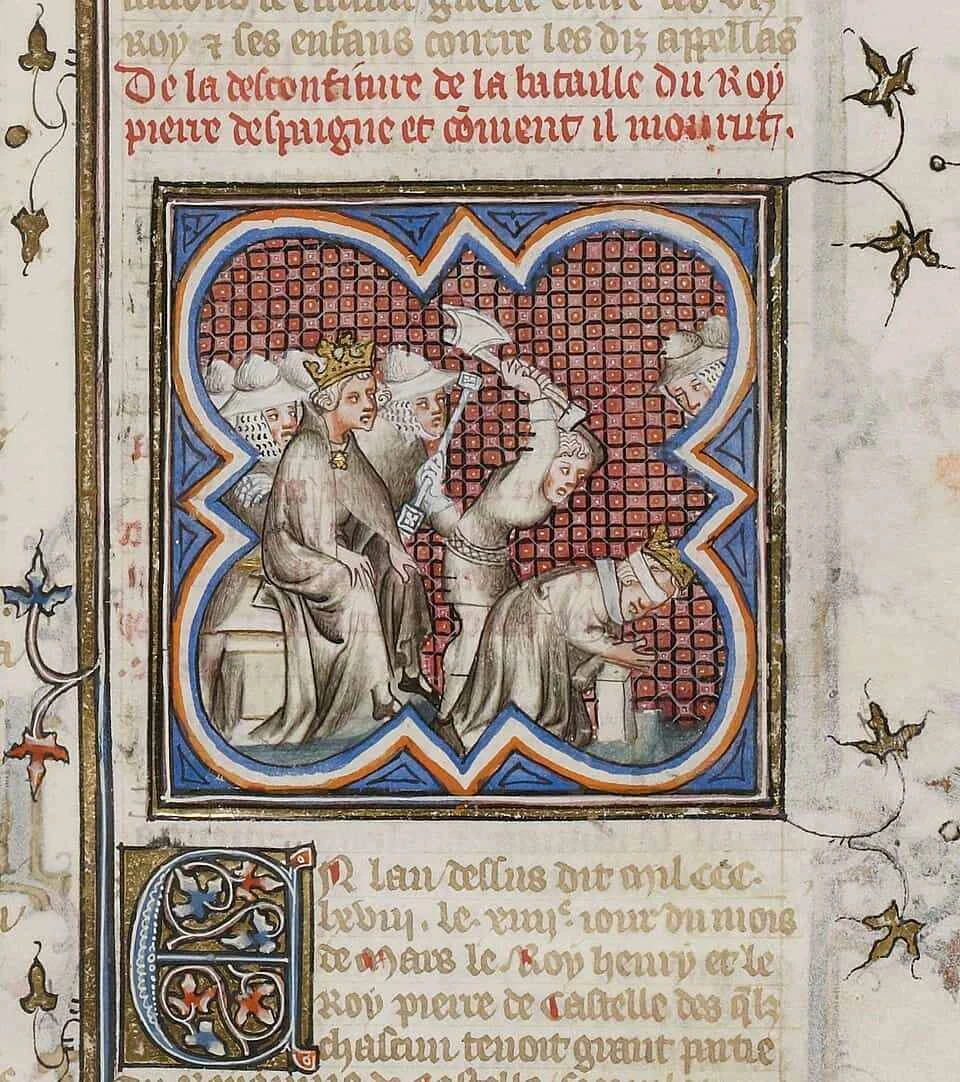
Allegory of Henry II's victory over Pedro I. Miniature from a 15th-century book
The brothers fought hand-to-hand. The bastard struck the fatal blow with a dagger. Pedro's body was left unburied for three days. On March 23, 1369, Henry ascended the throne as Henry II. He founded the great House of Trastámara, which ruled Castile until the reign of Isabella the Catholic—the same one who unified Spain and financed Columbus's voyage.
John I of Portugal: The Master Who Became King
Another great bastard who changed the map of the Iberian Peninsula was João of Aviz, known in history as John I of Portugal (1357–1433). He was the illegitimate son of King Pedro I and the Galician queen Teresa Lorenzo. Since he was ineligible for the throne, João became Master of the Order of Aviz. 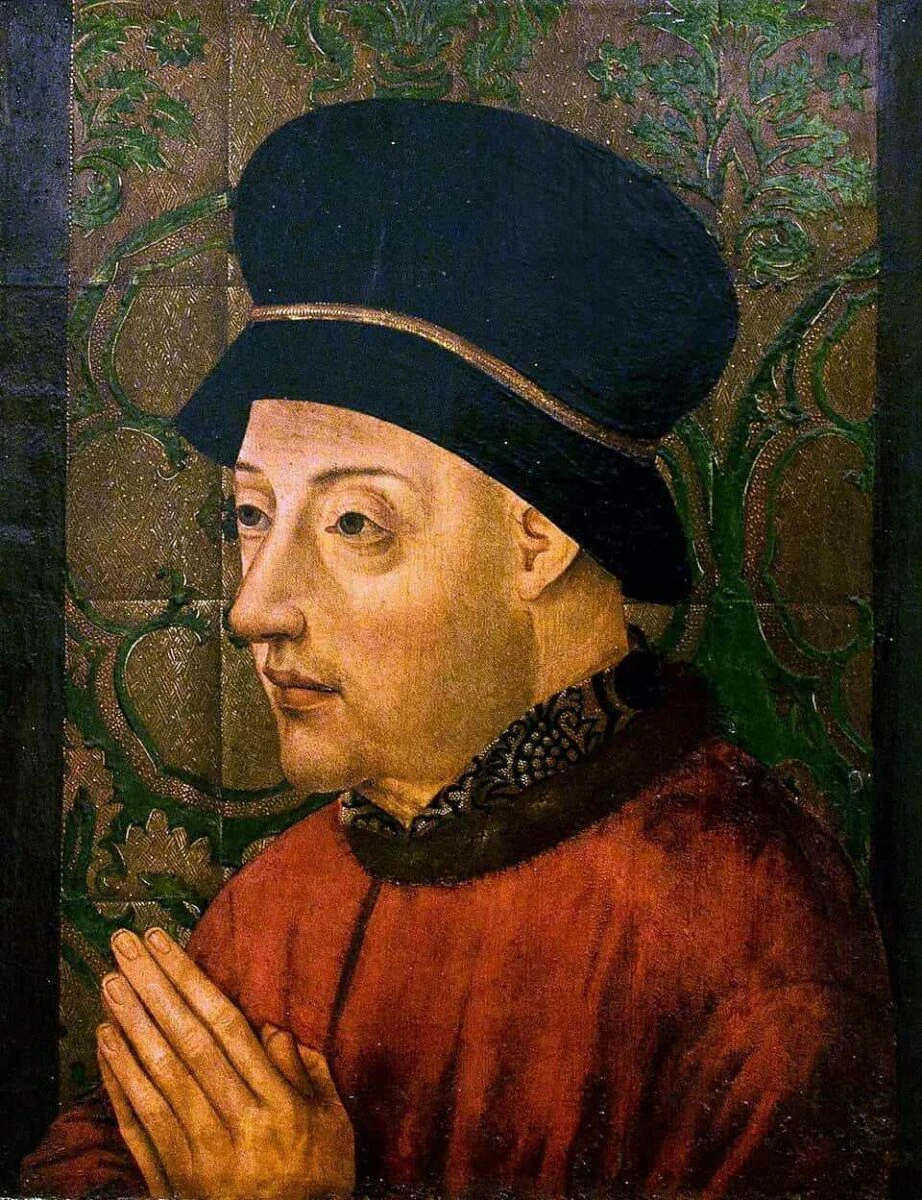
John I of Portugal. Unknown artist. 15th century
In 1383, Portugal plunged into a dynastic crisis. The legitimate king, Ferdinand I, died without male heirs. His daughter, Beatrice, was married to the Castilian king, Juan I, who immediately laid claim to Portuguese lands. The country was threatened with the loss of its independence. At this point, the Portuguese turned to the charismatic bastard master.
John I of Portugal: Victory at Aljubarrota
João led a popular uprising. In 1385, the Portuguese Cortes proclaimed him king. The decisive battle took place on August 14 of that year at Aljubarrota. The Portuguese army—along with six hundred English archers—utterly routed the superior Castilian-French army. 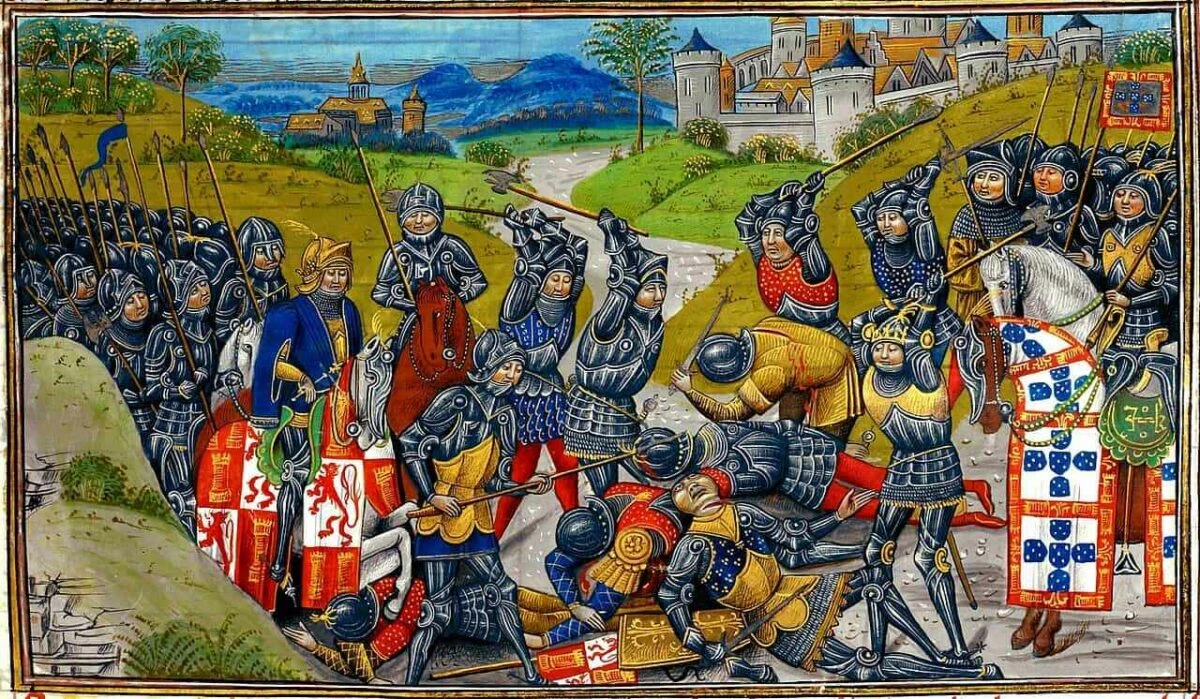
Battle of Aljubarrota. Miniature from the Chronicles of Jean de Wavrin. Burgundy, 1479–1480
This victory secured Portugal's independence. João ruled for 48 years and founded the House of Aviz. Among his sons was Henry the Navigator, the man who launched the Age of Discovery. In 1387, João married Philippa of Lancaster, daughter of the English Duke John of Gaunt. This union cemented the Portuguese-English alliance, which lasted until the 20th century. The date of the Battle of Aljubarrota remains a source of national pride for Portugal.
How the Law and the Church Stigmatized Bastards
The success of these rulers seems phenomenal when one considers how society's attitude toward illegitimacy changed. Until the 12th century, bastard status was not an insurmountable obstacle. If the father acknowledged the child, the child could claim a title and lands. Illegitimate birth was perceived as a social fact, not a legal catastrophe. 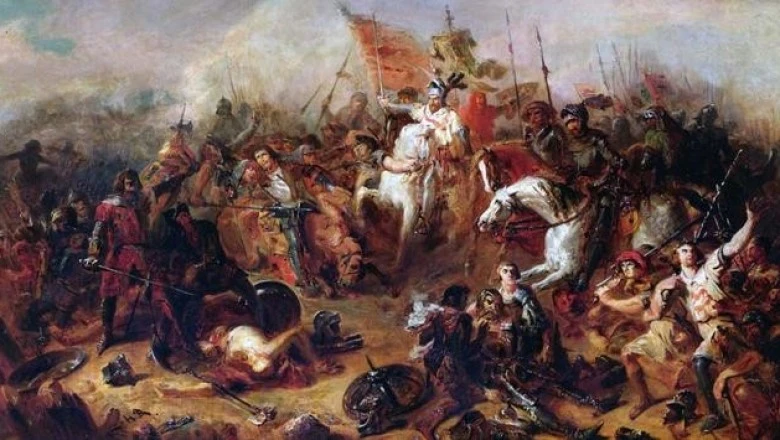
William the Conqueror. Artist: François-Hippolyte Debon. 19th century
Everything changed with the growing influence of the Catholic Church in the 12th and 13th centuries. Seeking to strengthen the institution of marriage and establish control over family law, canonists established strict boundaries. It is noteworthy that it was precisely at this time that the rise in inheritance disputes among the nobility demanded clear rules. The Church and the aristocracy found common ground. As a result, bastards were deprived of the right to inherit property and hold church office. They were officially branded as children of sin. In heraldry, a special symbol was introduced for them—a baldric crossing the coat of arms diagonally.
Greatness Born in Defiance of Rules
The historical paradox is this. It was thanks to bastards that some of Europe's most enduring ruling dynasties were formed. The House of Trastamara united Spain, the House of Aviz made Portugal a great maritime power, and the Norman barons formed the foundation of the British aristocracy. 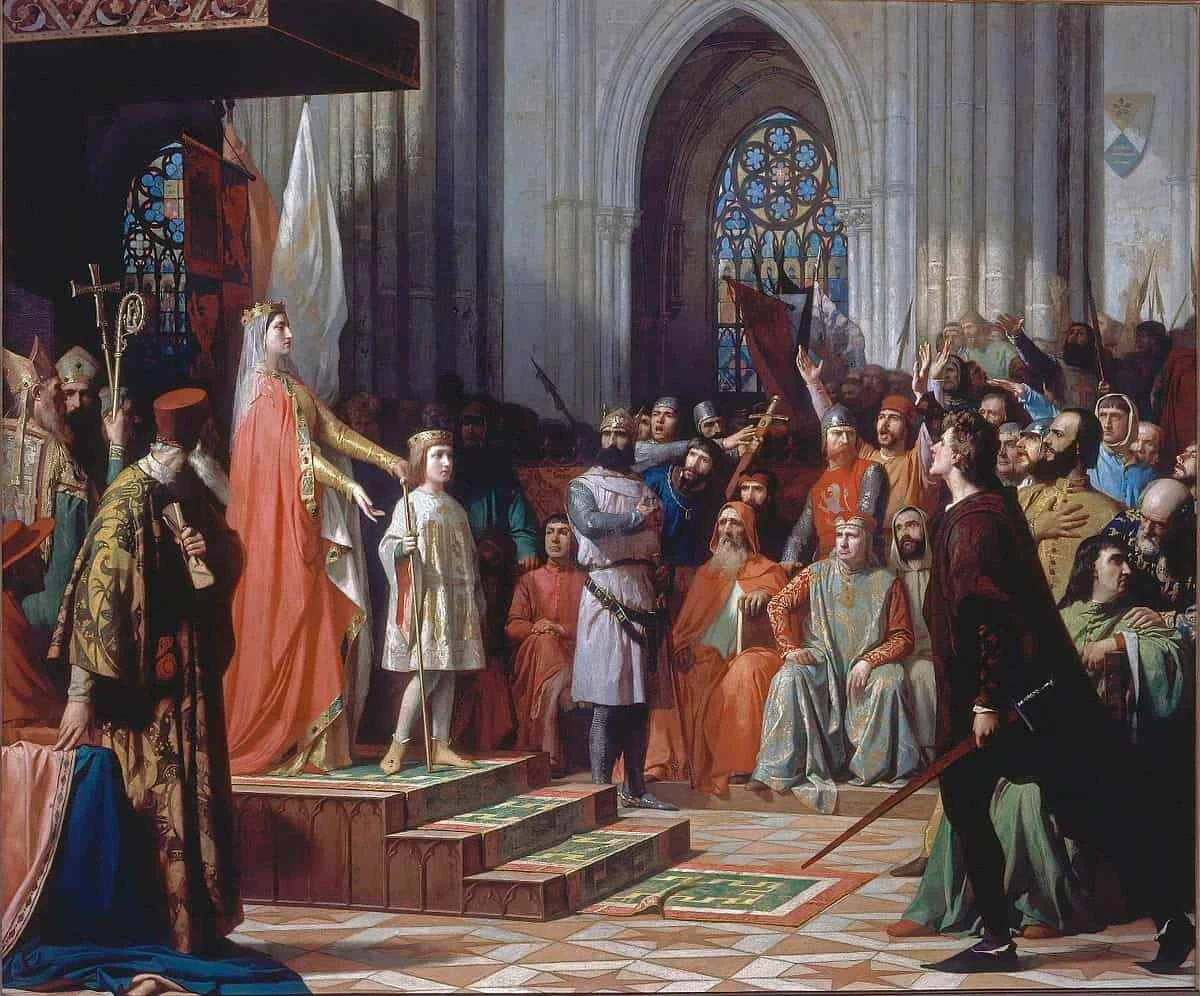
Maria de Molina presents her son Ferdinand IV at the Cortes in Valladolid in 1295. Artist: Antonio Gisbert Pérez. 1863
The stigma of shame, intended to destroy their future, turned into a double-edged sword in the hands of these people, cutting a path to eternal glory. Why do you think bastards sometimes proved more effective rulers than those who inherited power by birthright? Was it an internal drive to prove their worth to the world at any cost? We look forward to your opinions in the comments!