Old Sarum: a city built twice (21 photos + 1 video)
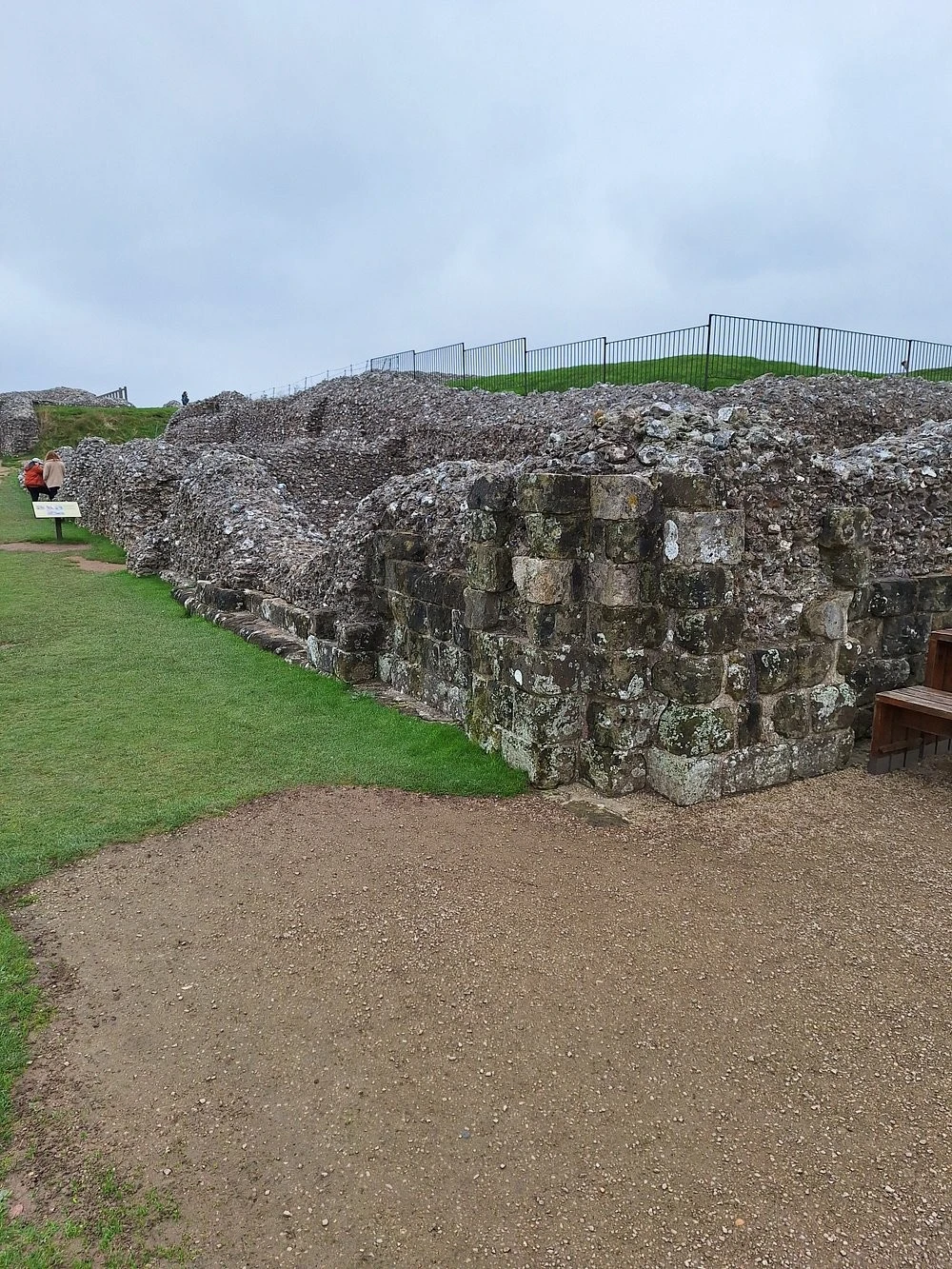
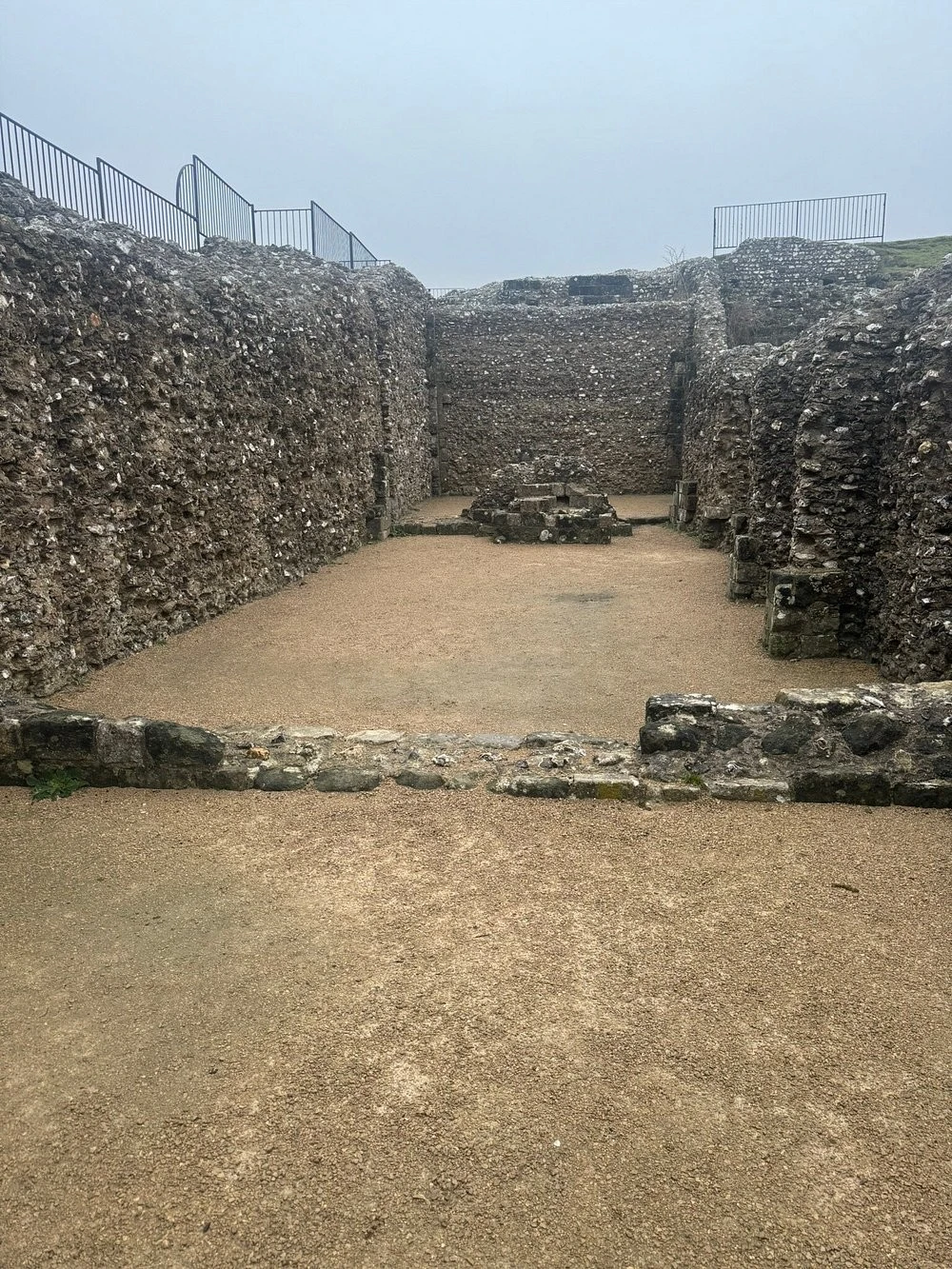
About three kilometers from Salisbury, England, there's a hill. Today, the wind blows there, the grass is green, and the remains of walls, almost level with the ground, can be discerned. 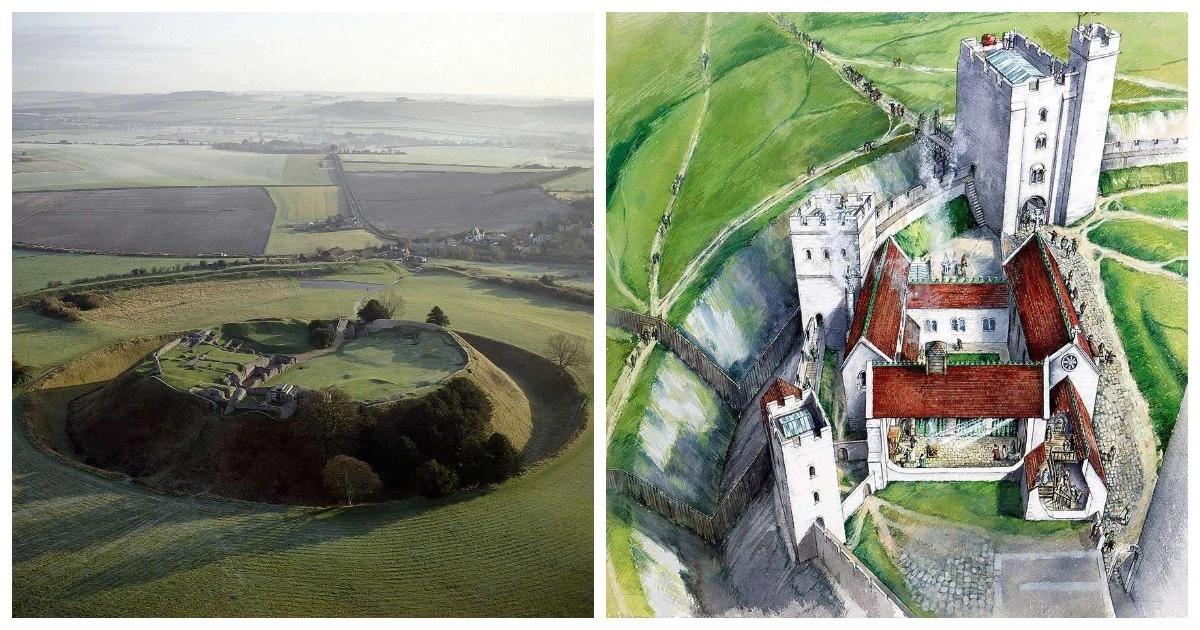
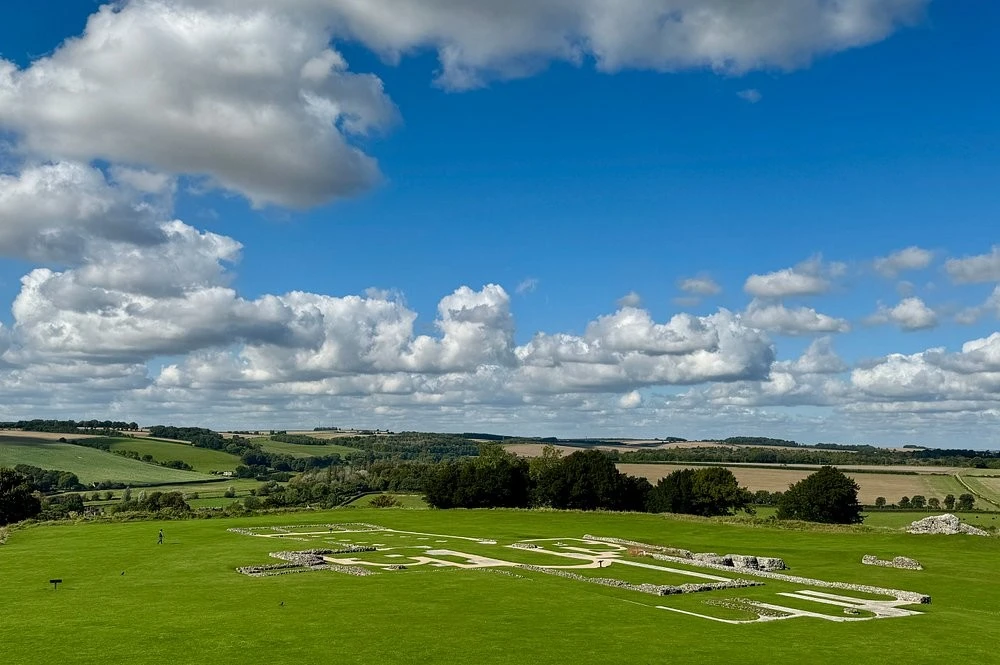
But if you look closely, you can discern the outlines of an entire city beneath your feet, once an administrative center, the residence of kings and bishops. A place where history was made. 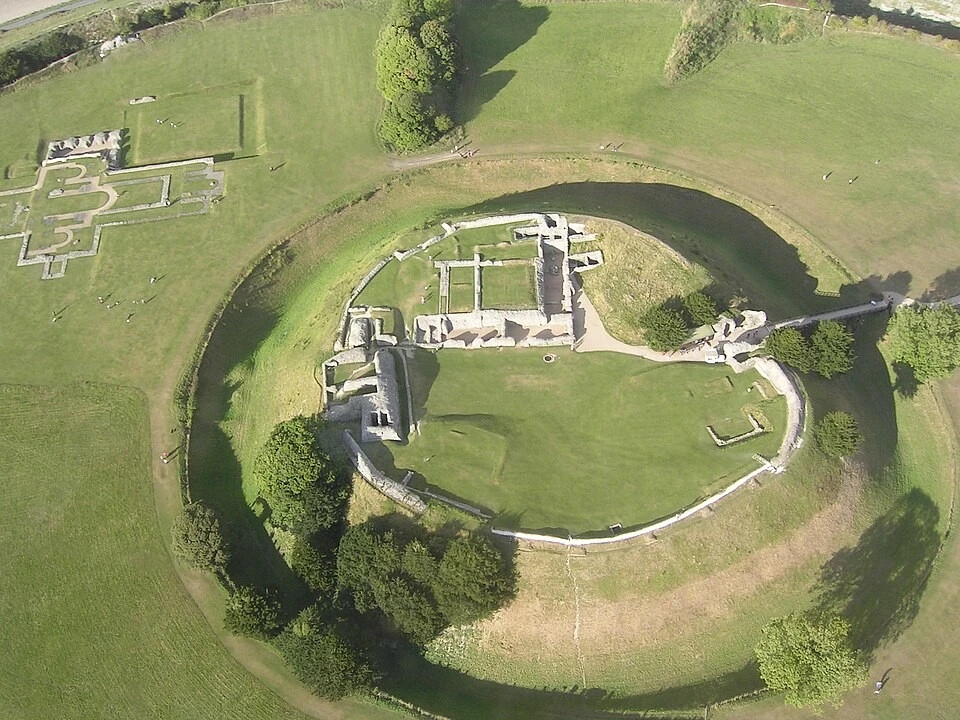
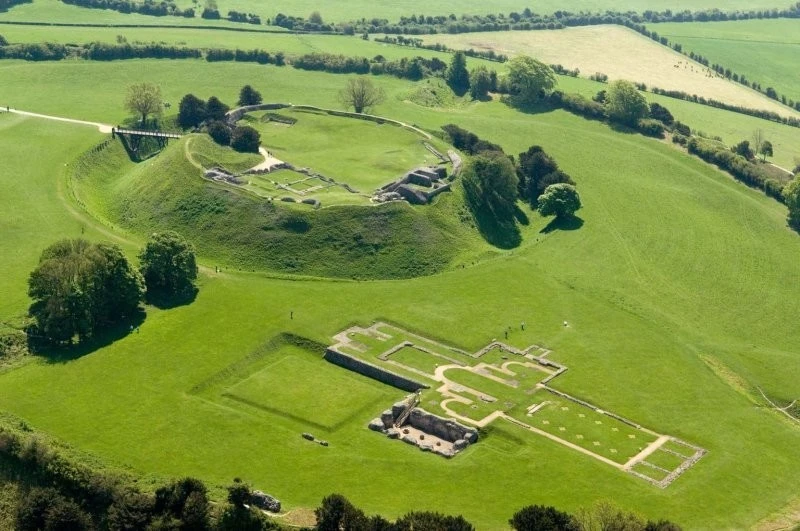
Partial aerial photograph of Old Sarum
It all began around 400 BC, when local tribes built an impressive fort on this hill. The oval hill, approximately 400 meters in diameter, was surrounded by powerful ramparts and ditches, which protected the inhabitants long before the arrival of the Romans. 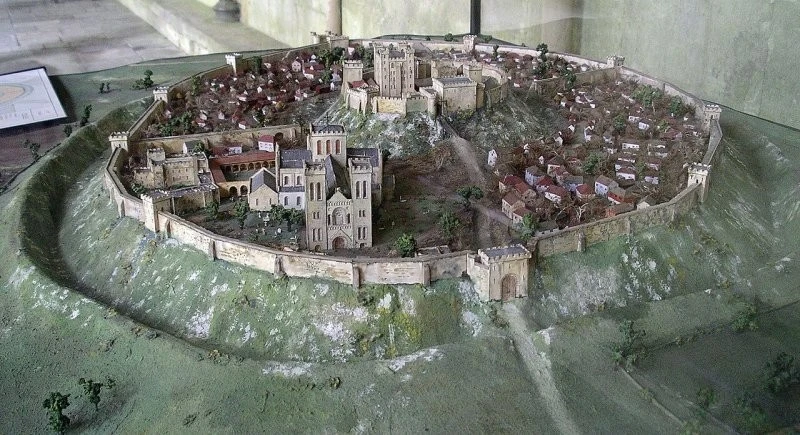
A 12th-century reconstruction of Old Sarum, housed in Salisbury Cathedral.
They, by the way, also appreciated the strategic location and settled here, calling it Sorviodunum. After the Romans came the Saxons, then the Vikings, then the Saxons again. King Alfred the Great fortified the hill to escape Danish raids. But its real heyday came after the Norman Conquest. 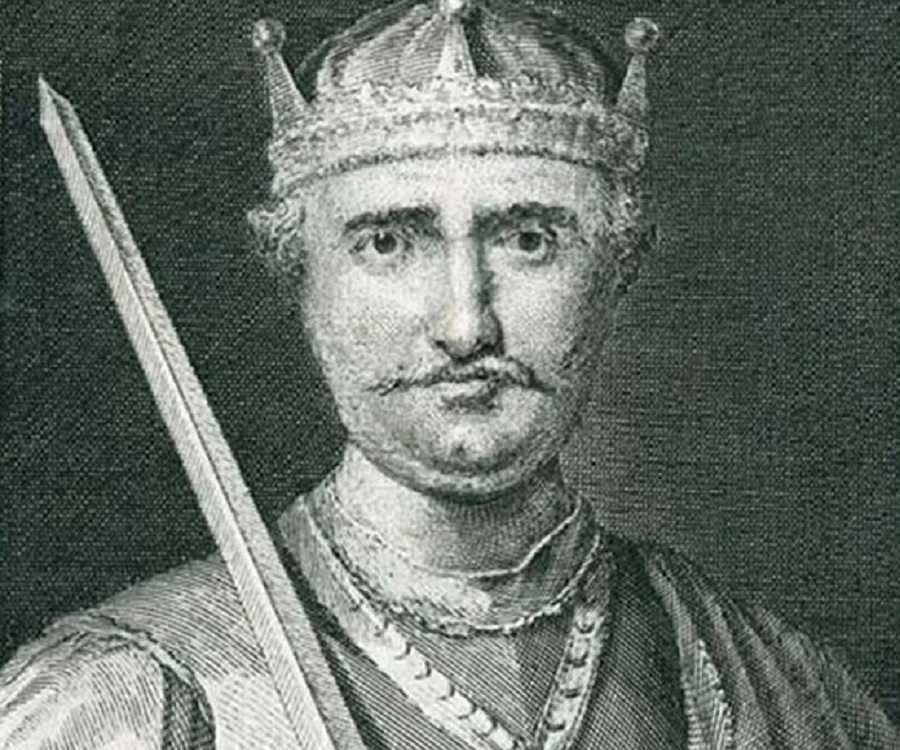
William I the Conqueror – Duke of Normandy from 1035 under the name William II, King of England from 1066, organizer and leader of the Norman Conquest of England, one of the most important political figures of 11th-century Europe.
In 1070, a royal castle was built here, and soon a majestic cathedral. It was in Old Sarum that William the Conqueror received the Domesday Book – the famous census of his new possessions. 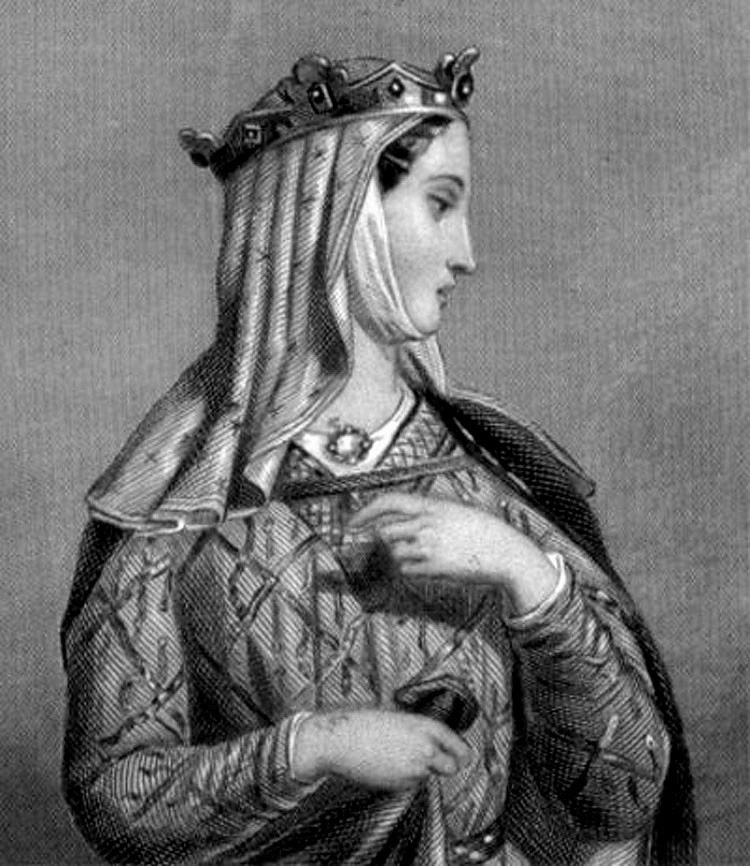
Aliénor of Aquitaine – Duchess of Aquitaine and Gascony, Countess of Poitiers from 1137, Queen of France from 1137–1152, Queen of England from 1154–1189, one of the richest and most influential women in Europe during the High Middle Ages.
Nobility flocked here, and prisoners like Queen Eleanor of Aquitaine were held here. It seemed destined for the city on the hill to prosper for centuries. 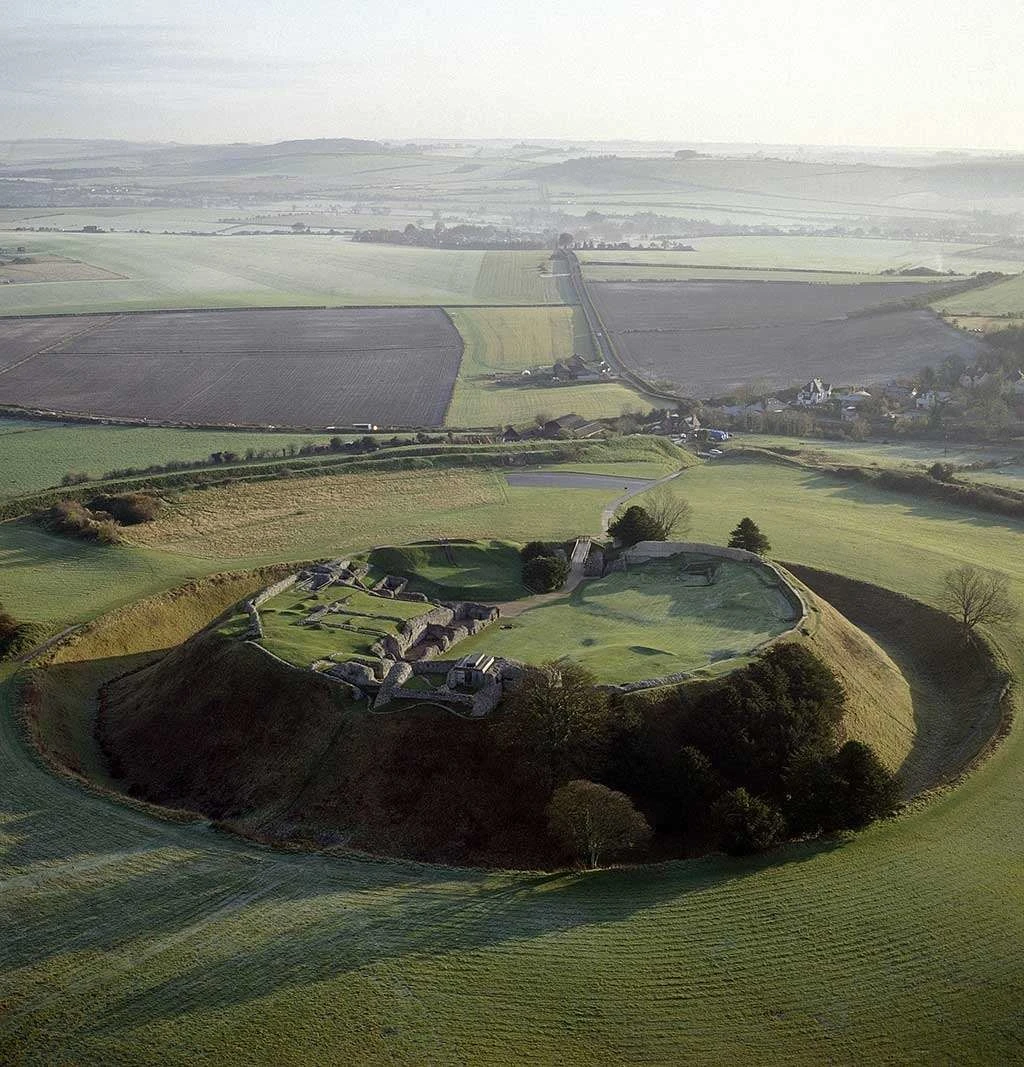
But there was one problem that neither kings nor bishops could solve. Water. Delivering it to the summit was so arduous that local canons complained: the cathedral stood on a hill, like a prisoner in the house of a pagan god, and life there was barren, dry, and exposed to all winds. Conflicts between the priests and the castle garrison only added fuel to the fire. 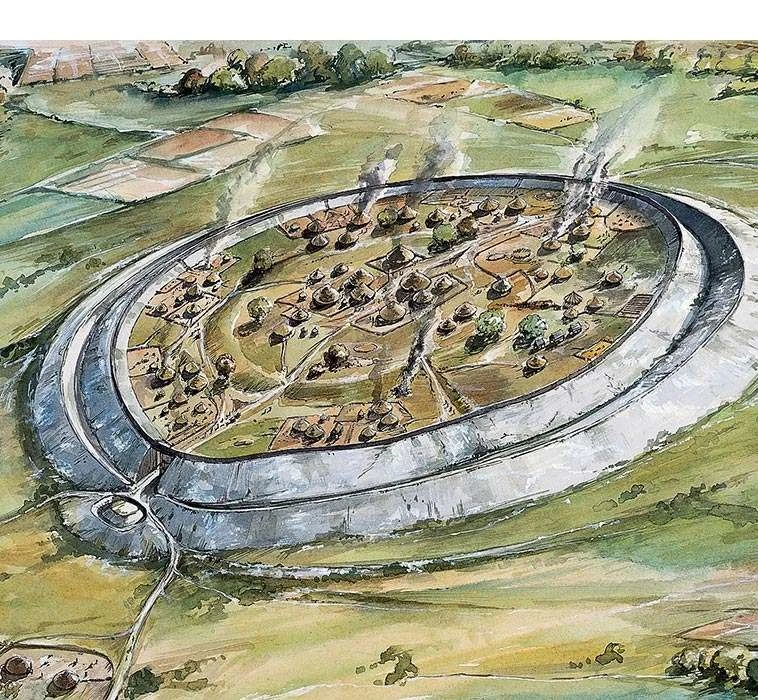
At the beginning of the 13th century, the cup of patience ran out. The bishops were granted permission to move the cathedral to a new site in the Avon Valley. People followed, dismantling the old buildings to make stone for the new town. By 1322, the castle was completely abandoned. But the most astonishing thing happened next. 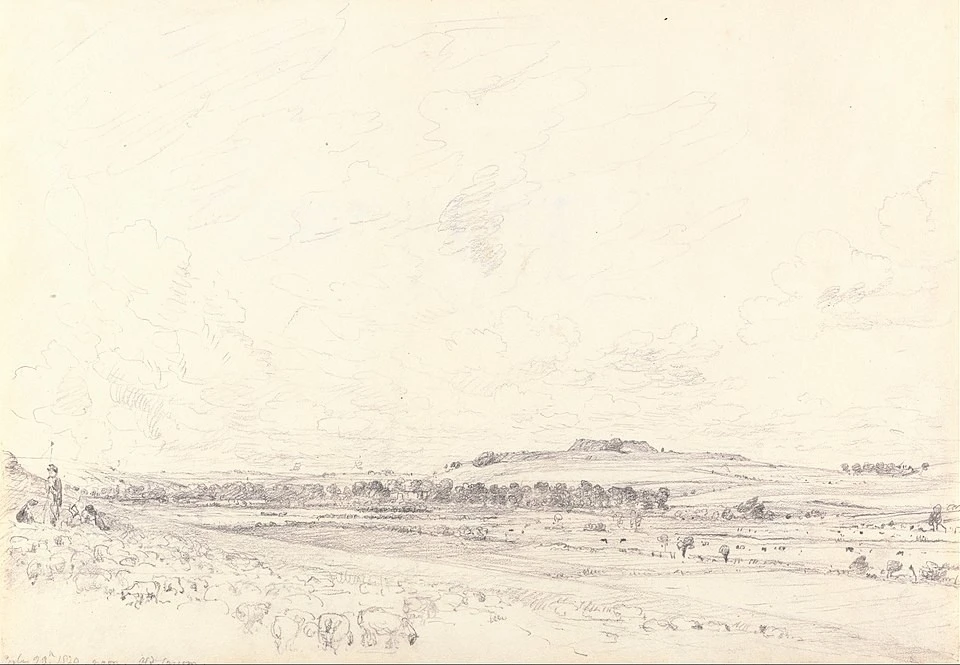
Sketch by John Constable from 1829, depicting Old Sarum and the site of the abandoned fort
The deserted Old Sarum, with virtually no residents left, continued to send two members to the English Parliament until 1832. It was one of the most notorious "rotten boroughs," where a few surrogate voters decided the fate of an entire constituency. 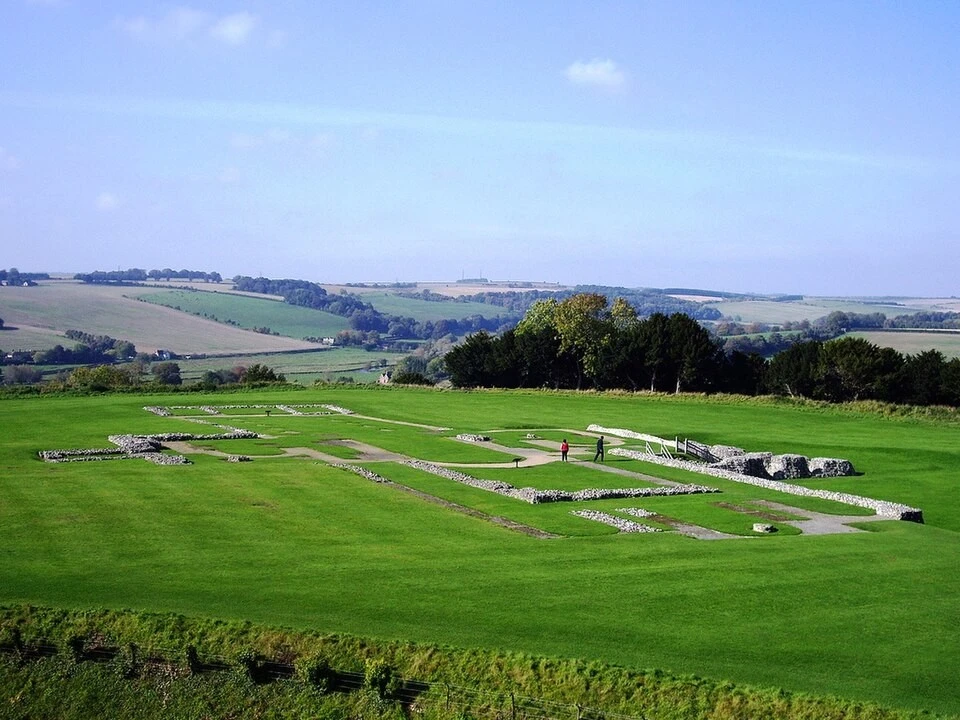
The exposed foundations of the cathedral
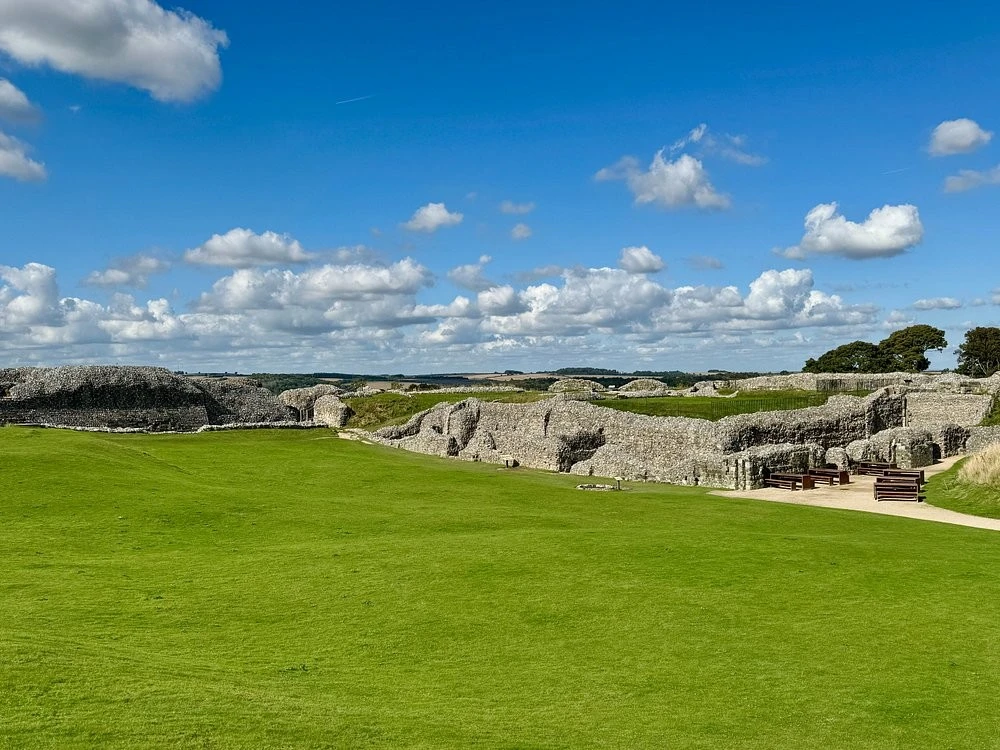
Today, Old Sarum is a quiet place with perfectly preserved earthen ramparts and the remains of walls, behind which one can glimpse a glorious past. A place where history literally lies layered like a pie: the Iron Age, the Romans, the Saxons, the Normans, and the ghosts of parliamentary democracy. 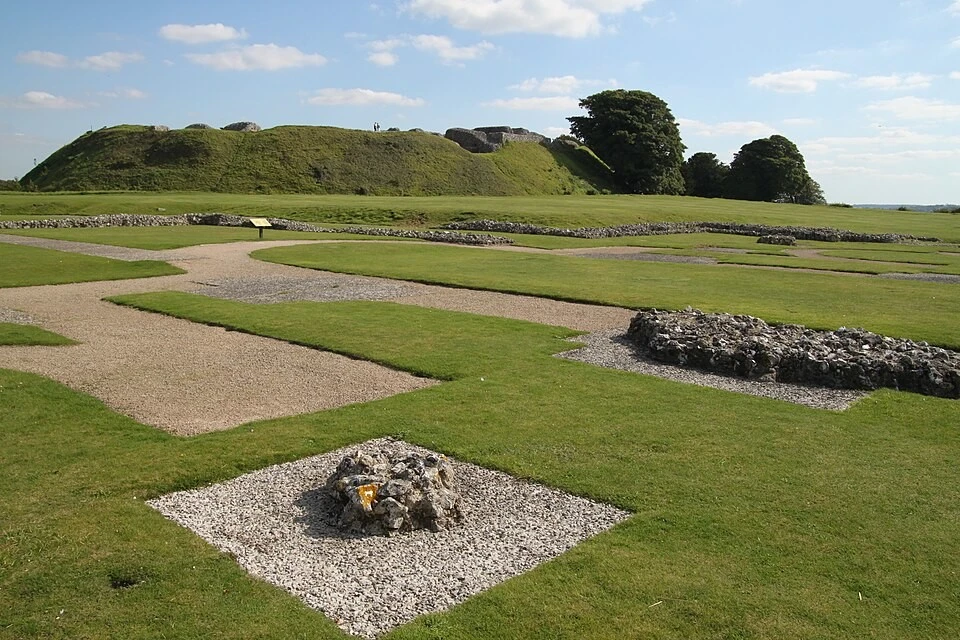
Modern ruins: the exposed foundations of the cathedral in the foreground, and the Norman central hill behind. 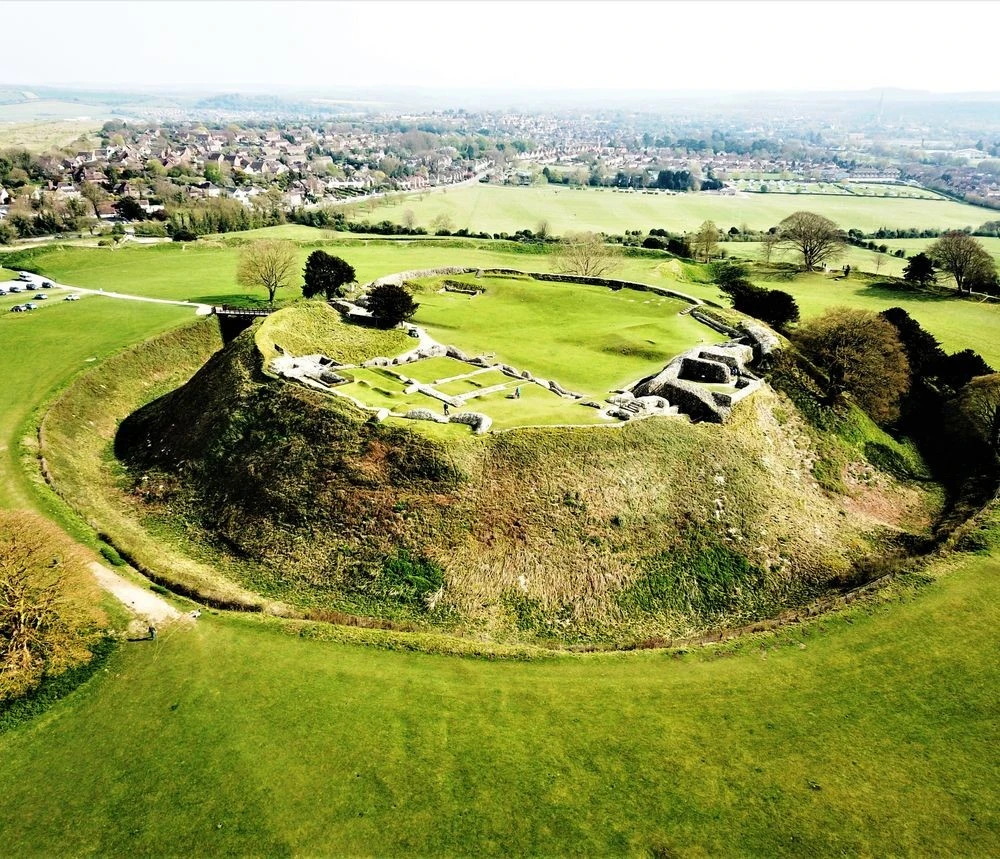
[thumb ]137_files/999c313d9073ca8c506fc913b8439c32.webp[/thumb] 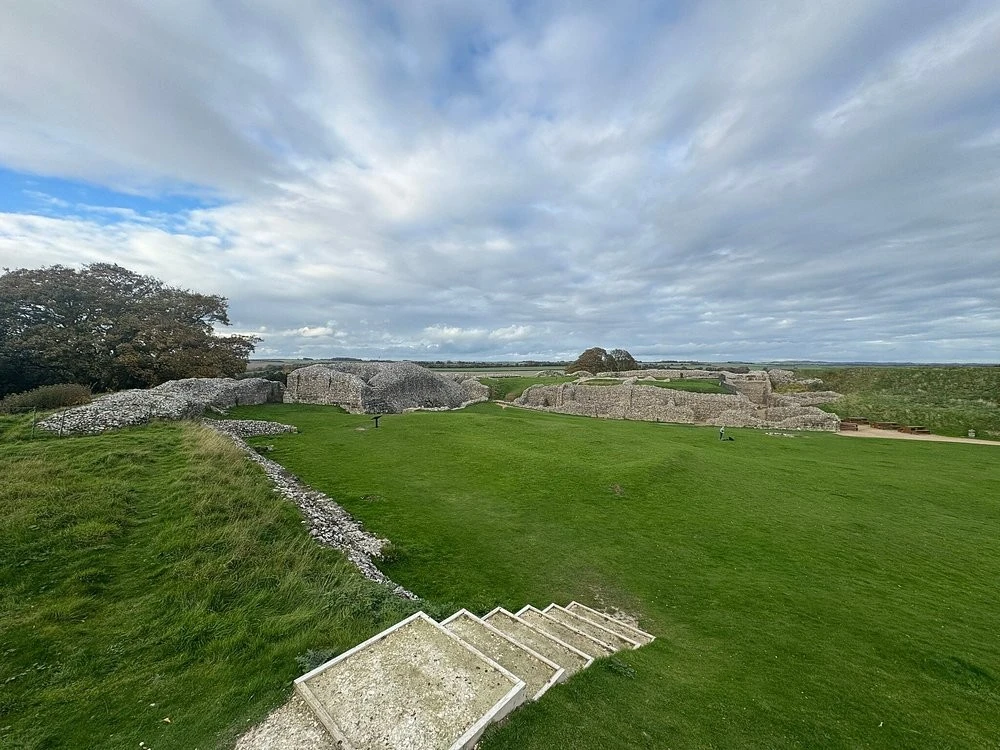
[thumb]https://cn22.nevsedoma.com.ua/p/29/2938/137_files/9e75fdb7482 e21f34b51152adcadcfa1.webp[/thumb] 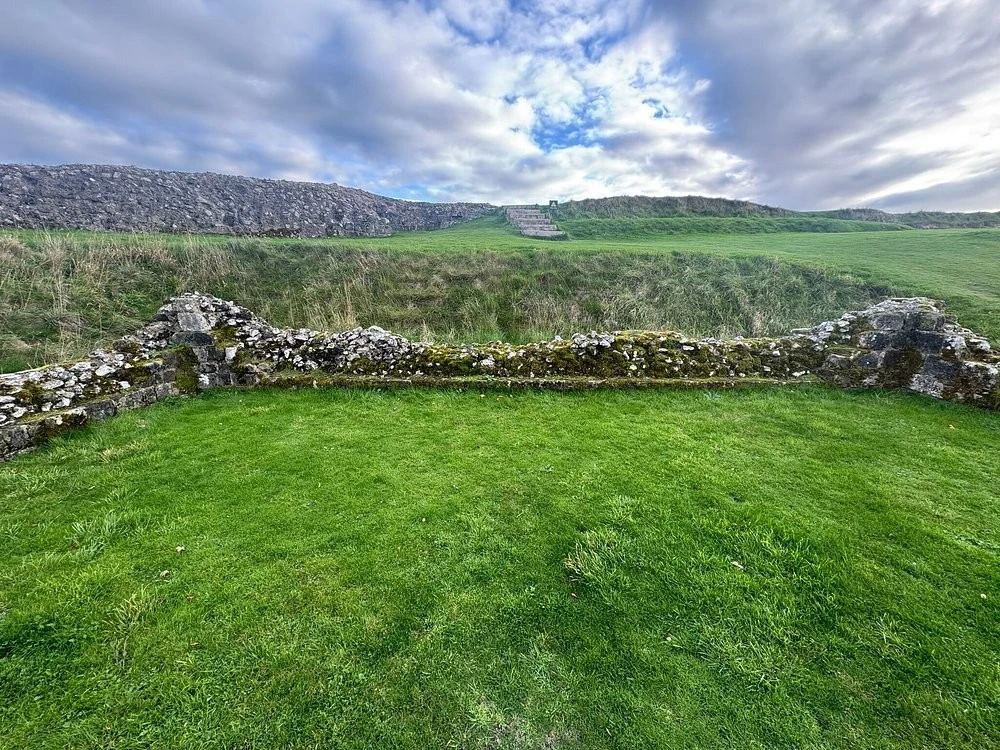
[thumb]https://cn22.nevsedoma.com.ua/p/29/2938/137_files/cfa1dd56a60a58ad3ea8880785e781c5. webp[/thumb]