Why Mountaineers Lose Fingers Without Realizing It — and Other Horrors of the Death Zone (10 photos)
On August 8, the world celebrates International Mountaineering Day. The date is no coincidence: on this day in 1786, Swiss doctor Michel-Gabriel Paccard and mountain guide Jacques Balmat became the first people to reach the summit of Mont Blanc, the highest peak in the Alps at 4,810 meters (15,781 ft). Since then, mountaineering has come a long way—from the Alps to the Himalayas, from Mont Blanc to Mount Everest. But the higher the goal, the steeper the toll. Above 8,000 meters, the human body doesn't just suffer—it literally begins to die. Here is a look at what happens to the body inside the infamous "death zone." 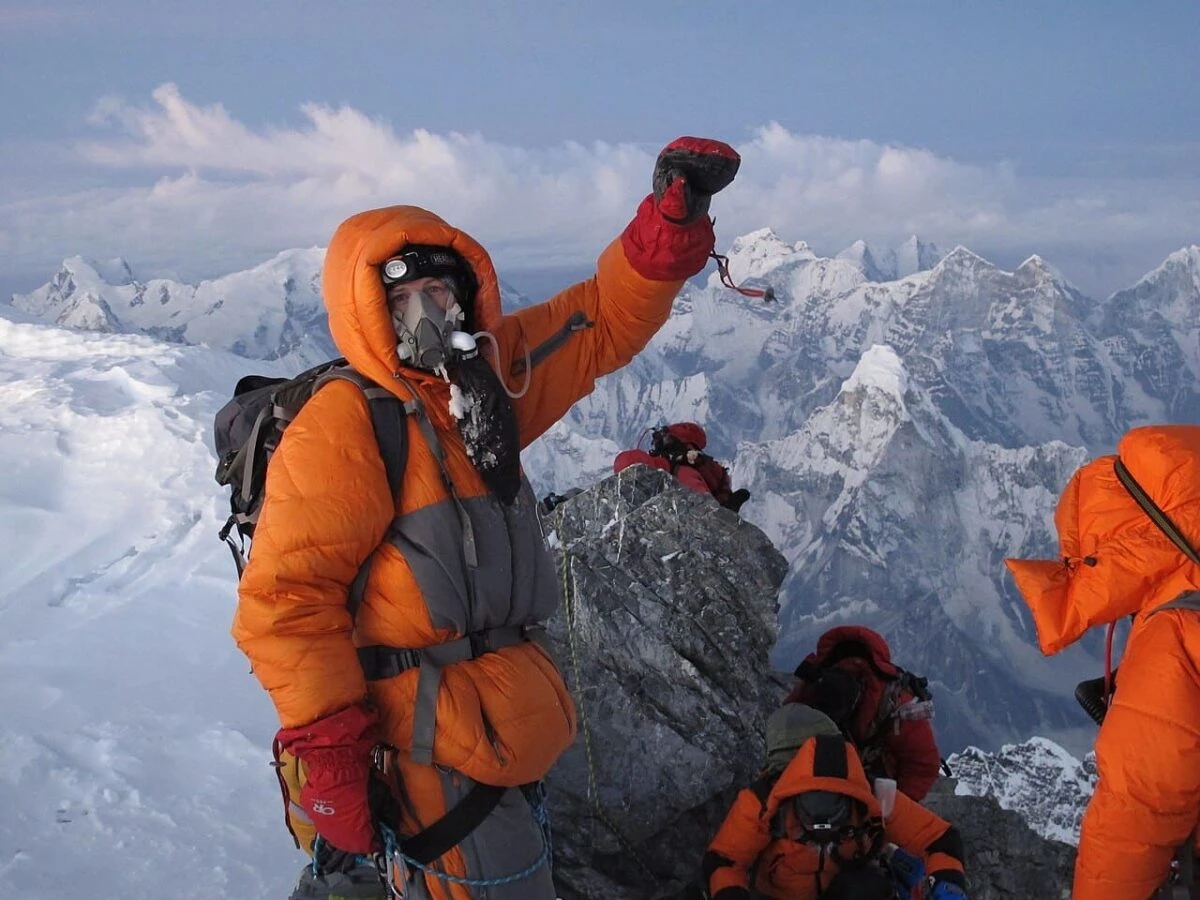
What Is the Death Zone?
The term "death zone" was coined by Swiss physician Edouard Wyss-Dunant, who led a 1952 Everest expedition. He used it to describe altitudes where human survival becomes impossible over time. The boundary sits at roughly 8,000 meters (26,247 feet). Above this threshold, the human body consumes oxygen faster than it can absorb it, triggering rapid physical degradation.
There are 14 mountains on Earth higher than 8,000 meters, all located in the Himalayas and the Karakoram ranges. Everest, K2, Kangchenjunga, Lhotse—every one of these summits pierces the death zone. The vast majority of high-altitude climbing fatalities occur here. Climbers die from oxygen starvation or from fatal stumbles when their bodies become too weak to stay upright on steep slopes. 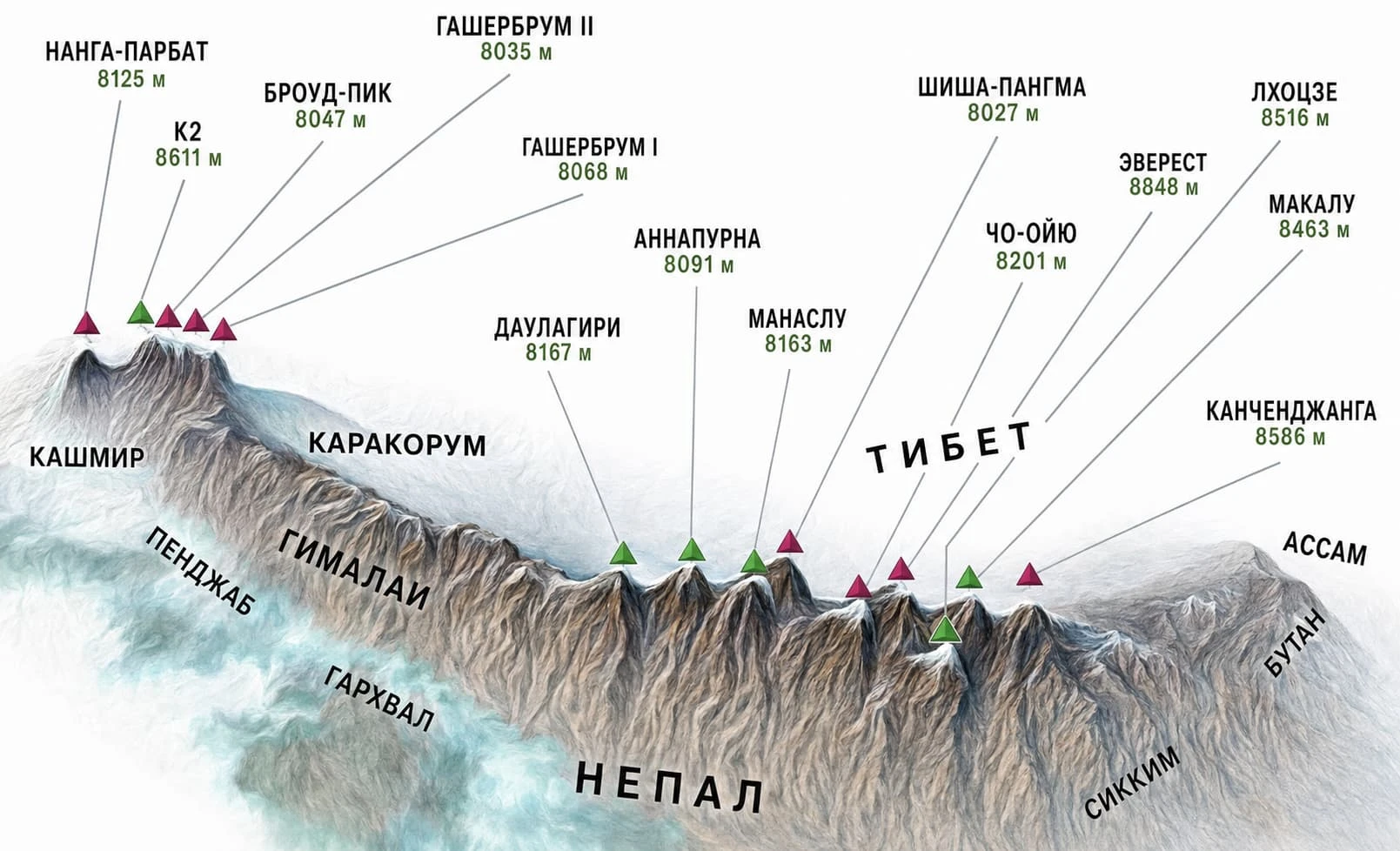
All 14 of the world's 8,000-meter peaks are located in Asia, within the Himalayan and Karakoram ranges.
A common misconception is that the air runs out of oxygen at high altitude. In reality, oxygen still makes up about 21% of the atmosphere. The real culprit is barometric pressure. At 8,000 meters, atmospheric pressure drops to roughly 356 millibars—just one-third of sea-level pressure. With every breath, the bloodstream receives only a fraction of the oxygen it needs. Normal blood oxygen saturation ranges between 95% and 100%; in the death zone, it plummets to 50–60%. In a clinical setting, those numbers would warrant immediate intensive care.
Hypoxia: The Brain Shuts Down First
Though accounting for only 2% of body weight, the human brain consumes 20% of the body's oxygen supply. When oxygen levels drop, the brain is the first organ to suffer. Thinking slows to a crawl, and decision-making becomes severely compromised. Seasoned climbers often compare the sensation to severe intoxication: you feel as though everything is fine, even as your cognitive faculties collapse.
This phenomenon is known as "summit fever" or summit stupor. Even veteran mountaineers have made fatal miscalculations in this state—pushing upward past the point of no return, removing thick gloves in freezing weather, or sitting down to sleep on exposed ledges. Oxygen deprivation doesn't feel like suffocation; it masquerades as deep exhaustion and a bizarre sense of calm. That quiet insidious nature makes it so lethal. 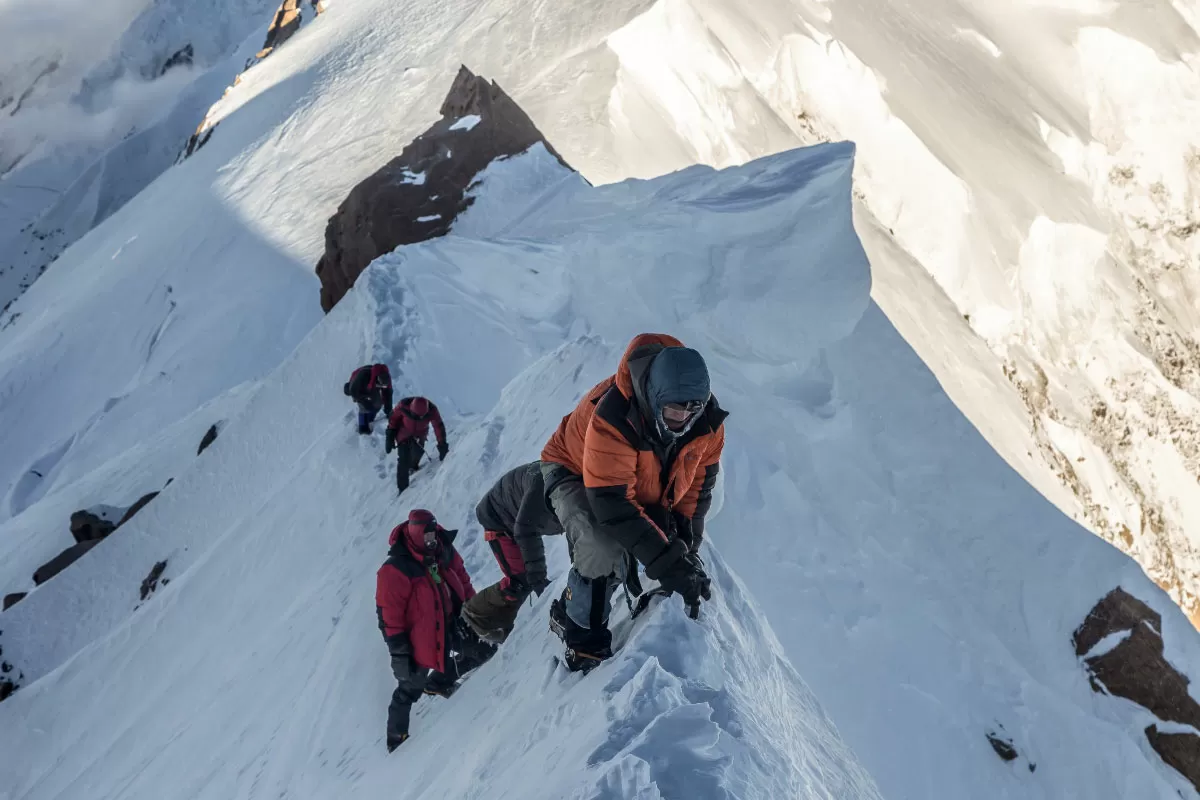
Without supplemental oxygen, safe survival time above 8,000 meters is measured in mere hours.
Acclimatization helps, but only up to a point. Above 6,000 meters, the human body can no longer fully adapt. Above 8,000 meters, acclimatization becomes physiologically impossible. Dr. Peter Hackett, an expert in high-altitude medicine, puts it bluntly: in the death zone, the body is actively dying every second it spends there. It is simply a race against time.
Brain and Lung Edema: The Two Main Killers
High-Altitude Cerebral Edema (HACE) occurs when oxygen starvation causes brain tissue to swell. Enclosed within the rigid skull, the rising intracranial pressure compresses the brain. Early symptoms include loss of coordination, excruciating headaches, and confusion. Without an immediate descent, coma and death quickly follow—often within 24 hours.
High-Altitude Pulmonary Edema (HAPE) involves fluid filling the lungs. Hypoxia causes pulmonary blood vessels to constrict, spiking blood pressure until fluid leaks directly into air sacs. Victims essentially begin drowning from within. Symptoms start with a persistent cough and shortness of breath, progressing to a wet, gurgling rattle. Left untreated, HAPE carries a mortality rate of up to 50%. The only reliable treatment is an immediate descent of at least 1,000 meters. 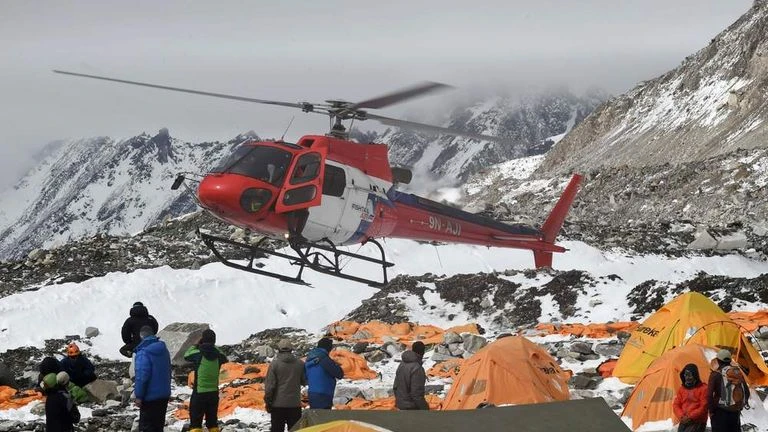
Helicopter rescue above 6,000 meters is extremely rare and dangerous, as thin air drastically reduces rotor lift.
What makes both conditions so dangerous is their subtle onset. Early symptoms are easily brushed off as routine fatigue. A nagging cough? Just the dry air. Stumbling steps? Just heavy legs. By the time a climber realizes what is happening, they are often too weak to walk unassisted. Tellingly, most deaths in the death zone occur during the descent, not the climb up.
The "Third Man" Phenomenon: Hearing Voices in Thin Air
In 1933, British mountaineer Frank Smythe was making a solo push toward the summit of Everest after his climbing partner turned back due to illness. High on the mountain, Smythe felt an unmistakable presence alongside him—so distinctly that he reached into his pocket, broke off a piece of food, and turned to hand it to his invisible companion, only then remembering he was entirely alone.
In 1970, legendary climber Reinhold Messner was descending Nanga Parbat alone after his brother Günther perished. Severely frostbitten and disoriented at 8,000 meters, Messner heard a voice urging him forward: "You must keep going. You can't give up." The voice kept him alive. During his solo Everest climb in 1980, Messner experienced the invisible companion once again, even attempting to share his rations. 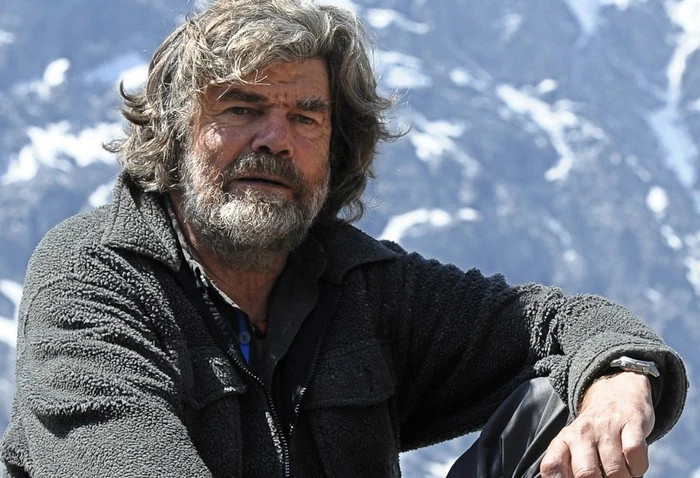
Reinhold Messner described sensing an invisible companion during several of his climbs in the death zone.
Psychologists refer to this as the "Third Man syndrome." According to a study published in *Frontiers in Psychiatry*, hallucinations occur in up to 83% of documented cases of high-altitude psychosis. The most common hallucination—sensing a phantom presence—appears in 54% of cases. Climbers report hearing voices, seeing strange lights, or spotting figures at the edge of their vision. Oxygen deprivation, extreme physical exhaustion, dehydration, and sleep deprivation turn the brain into a vision generator. Once the climber descends, these symptoms vanish without a trace.
Frostbite: Losing Your Body Piece by Piece
In the death zone, temperatures never rise above freezing, hovering routinely between -30°C and -40°C (-22°F to -40°F). Combined with fierce ridge winds that frequently reach hurricane force, wind chill can plummet to -60°C (-76°F). Under these extreme conditions, exposed skin freezes solid in a matter of minutes.
Frostbite claims extremities first: toes, fingers, nose, ears, and cheeks. As blood vessels constrict to conserve core heat, peripheral circulation shuts down entirely. Starved of oxygen, tissues die. The most insidious aspect is the total absence of pain. Extremities go numb, then lose all sensation. Mountaineers often lose fingers and toes without even realizing it until they return to base camp and pull off their boots. 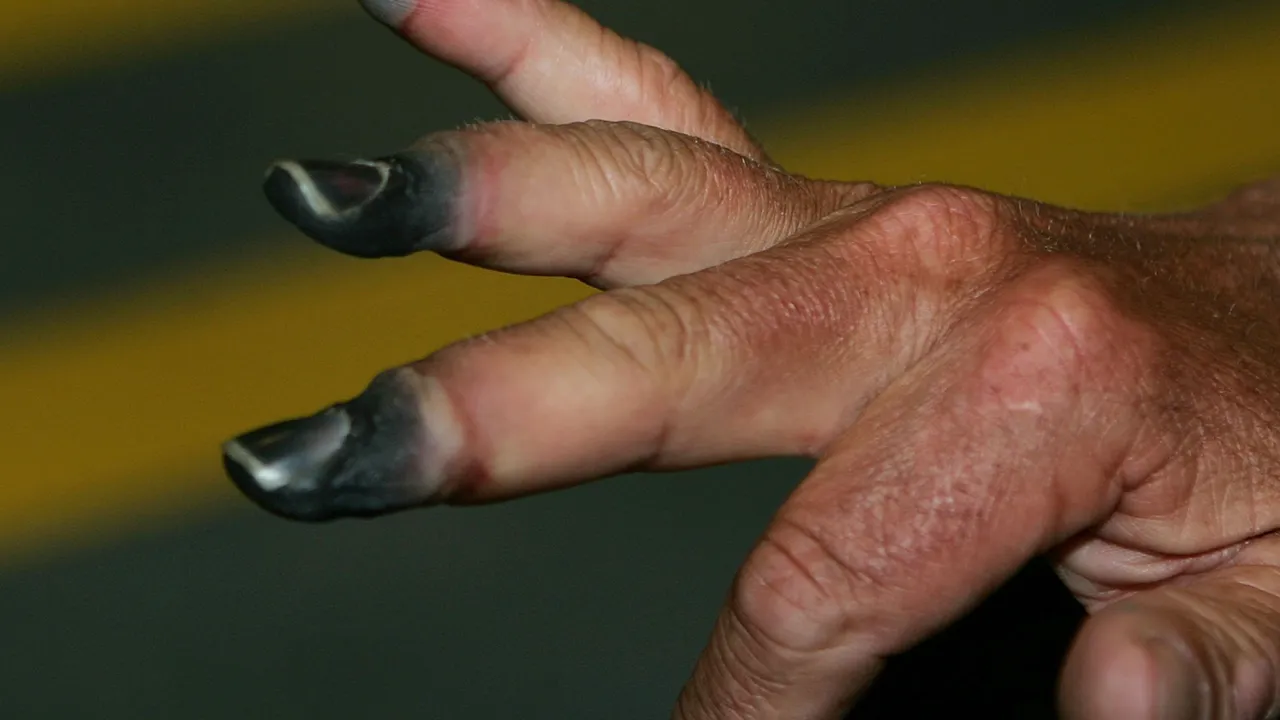
Severe frostbite is a common price paid on 8,000-meter peaks, even with state-of-the-art gear.
Hypoxia amplifies the danger. An oxygen-starved brain often fails to register or process signals from frozen limbs. Climbers continue pushing upward, unaware that their digits are freezing solid. Remarkably, among mountaineers who have conquered 8,000-meter peaks without supplemental oxygen, hardly any have returned with all ten fingers and toes intact.
Starvation from Within: The Body Consumes Itself
Above 8,000 meters, the human body faces a brutal triple deficit: extreme hypoxia, freezing cold, and acute calorie depletion. Appetite vanishes almost completely. Altitude sickness, severe dry mouth, and nausea make eating feel revolting. Yet energy expenditure is staggering—every single step in thin air consumes several times more energy than it would at sea level. 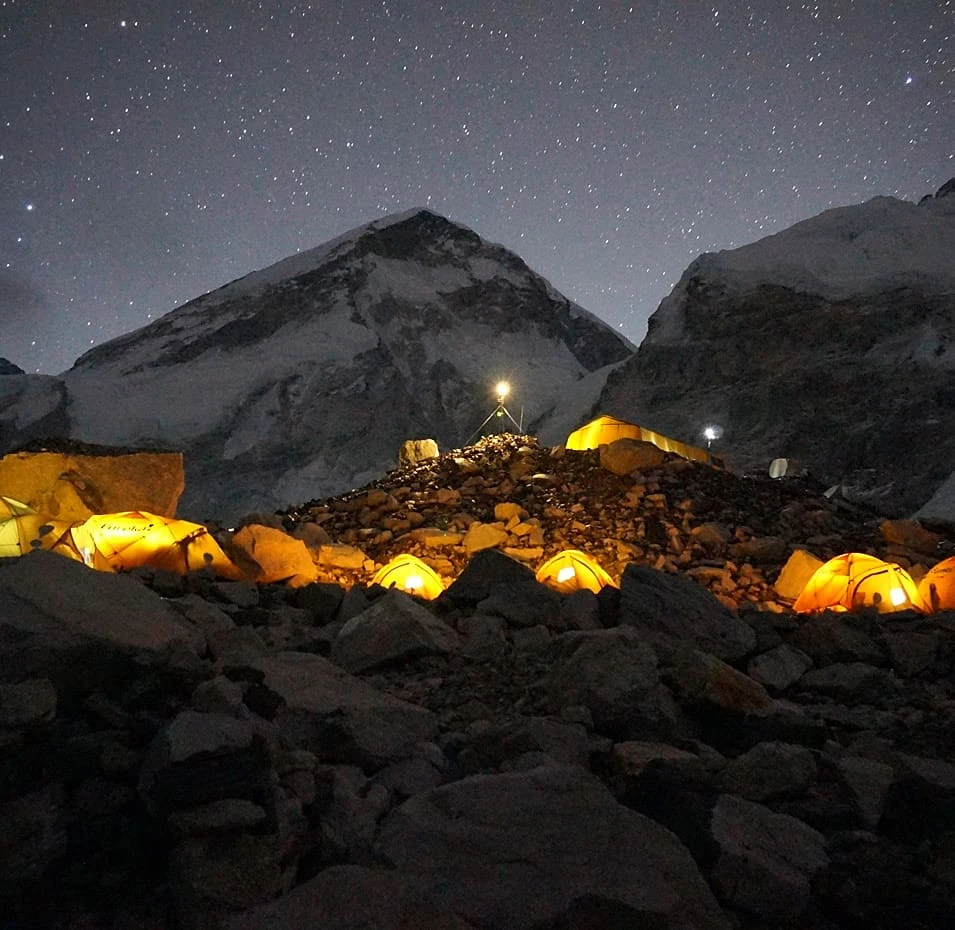
Every night spent above 8,000 meters triggers severe catabolic stress, forcing the body to break down its own muscle tissue.
Deprived of fuel, the body enters extreme survival mode. First, it burns glycogen stores, then fat reserves, and finally begins devouring its own muscle tissue, breaking down protein for energy. This process, known as muscle catabolism, consumes a significant portion of a climber's muscle mass in just a single night above 8,000 meters. The body literally feeds on itself—which is why climbers returning from successful high-altitude expeditions look severely emaciated, even when everything goes according to plan.
Compounding muscle loss is severe dehydration. Frigid, low-density air strips moisture from the lungs with every exhalation. As blood thickens, the risk of blood clots spikes, further impairing oxygen delivery to vital tissues. It creates a vicious cycle: the longer a person remains in the death zone, the faster every physiological system in their body breaks down.
How Much Time Do You Have?
Above 6,000 meters, complete acclimatization is no longer possible; the body merely slows its rate of decline. In the death zone above 8,000 meters, physical breakdown is continuous and unrelenting, regardless of elite fitness levels. Without bottled oxygen, most climbers can endure no more than 16 to 20 hours before falling into a critical state. Supplemental oxygen expands this narrow survival window, but it doesn't eliminate the danger—it only delays it.
This is why timing on 8,000-meter peaks is everything. Climbers push out of camp in the dead of night, aim for a mid-morning summit, and fight to descend before nightfall. Any delay—a sudden storm, technical snags, or assisting an injured peer—becomes a deadly gamble. Most fatalities happen on the way down, when bodily reserves are completely spent, judgment is impaired, and muscles refuse to respond. 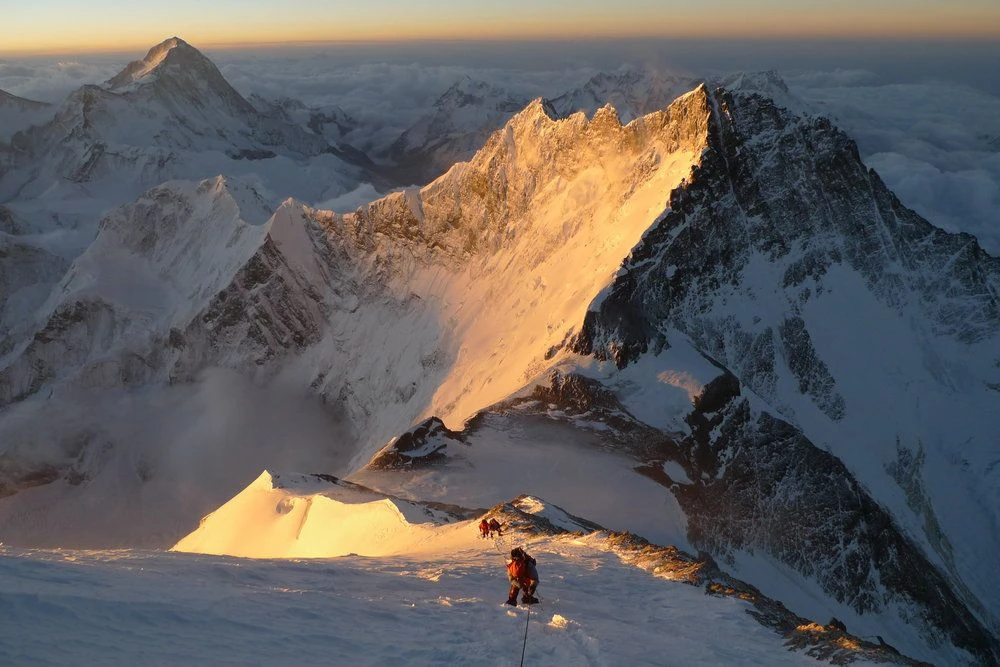
Most high-altitude climbing disasters occur on the descent, after physical reserves have been exhausted.
Dying in the death zone is rarely instant. It is a slow cascade: exhaustion leads to a lapse in focus, followed by a bad decision, and finally, stopping to rest. The body simply refuses to move further and freezes where it sits. Today, the bodies of more than 200 fallen climbers remain on Mount Everest, impossible to retrieve due to the extreme danger.
A Triumph Over Physiology
The human body was never designed to survive above 8,000 meters. That is not a metaphor; it is a cold biological fact. Acclimatization, supplemental oxygen, and high-tech gear merely slow physical deterioration; they cannot halt it. Every successful summit of an 8,000-meter peak is a temporary victory over human physiology, snatched within a fleeting window of opportunity. 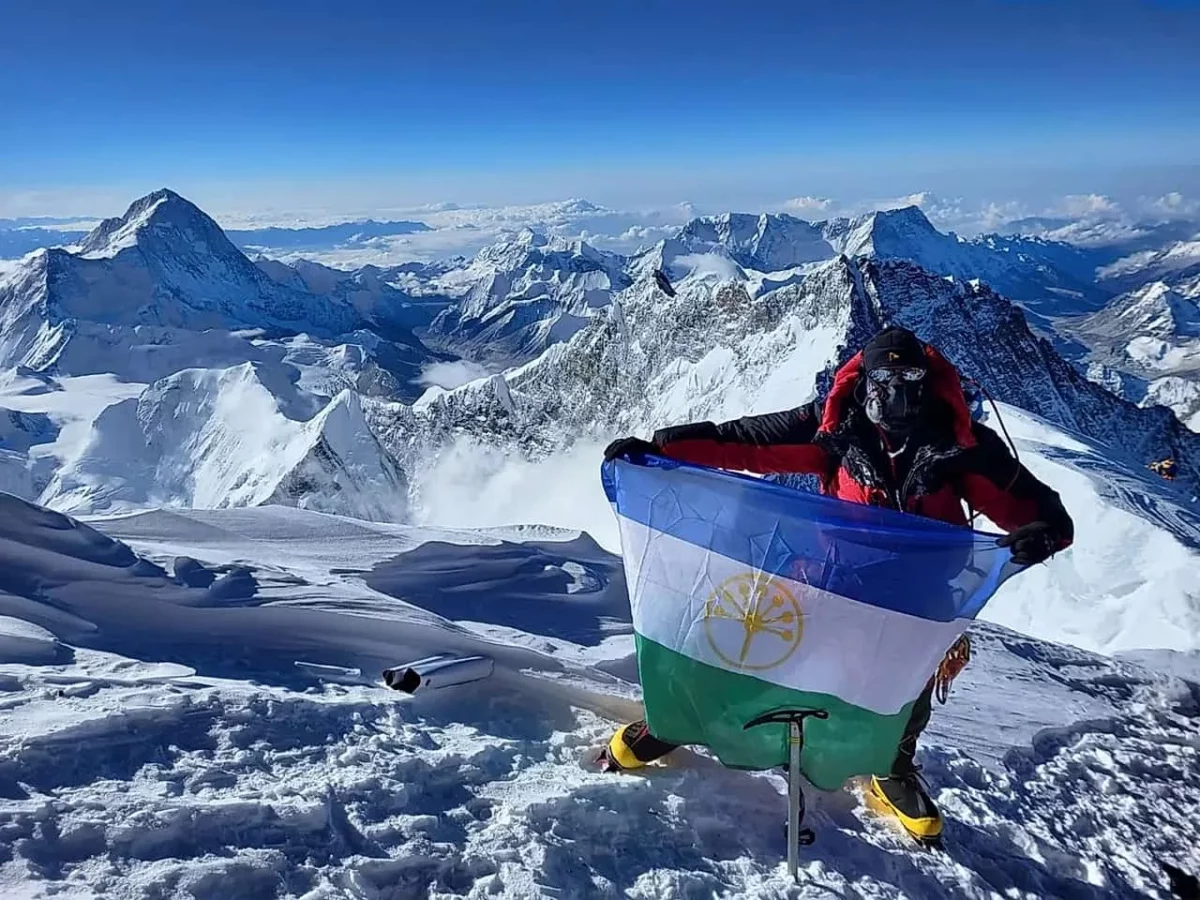
Anyone who returns alive from the death zone hasn't conquered the mountain—they have conquered their own biology.
On International Mountaineering Day, August 8, it is worth looking beyond the majestic mountain vistas. It is a moment to remember that everyone who makes it back alive from these summits has accomplished the physically impossible—and paid for it with a piece of themselves.
Knowing what takes place at these extremes, would you ever consider taking on such a climb? Or does understanding the physical cost make the achievements of these mountaineers all the more extraordinary?