A Million-Dollar Gap Between Teeth: How Lauren Hutton Broke the Modeling Industry Rules for 60 Years (15 photos)
Lauren Hutton's name stands alongside those who didn't just work in the fashion industry, but changed its rules. She was the first to demand a contract—and got one. She was the first to refuse to hide what agents called a defect—and made it her calling card. She was the first to prove that a modeling career doesn't end at thirty, forty, or seventy. Over 60 years in the industry, she has earned a Guinness World Record, spent two weeks in a coma after an accident, lived among African tribes, and had three generations of photographers dreaming of working with her. We tell the whole story. 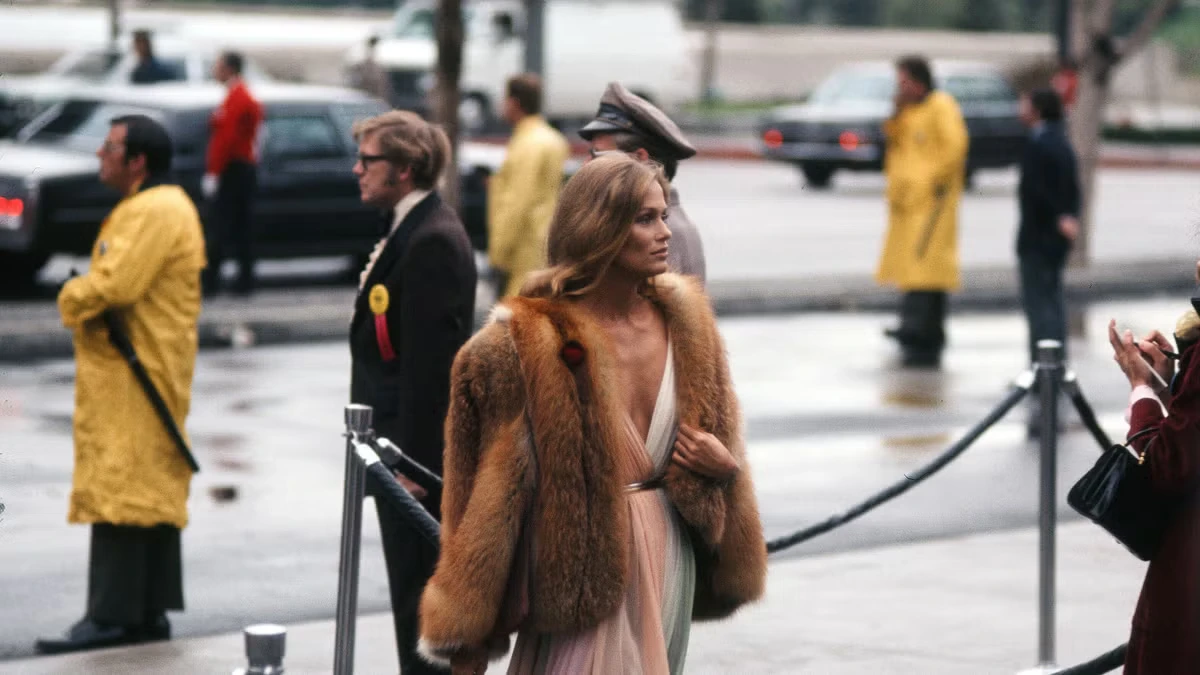
From the swamps of Florida to the catwalks of New York
Mary Lawrence Hutton was born on November 17, 1943, in Charleston, South Carolina, during the height of World War II. Her father, Lawrence Bryan Hutton, served as a pilot and wrote to his daughter daily from the front—but he never returned home in his former capacity. After the war, in 1945, her parents divorced, and Lauren never met her father in person. He died of a heart attack in 1956, when she was 12. "Not meeting my father was the most painful thing that happened in my life," she would say forty years later. All she had left were two albums of his letters and drawings from the front. 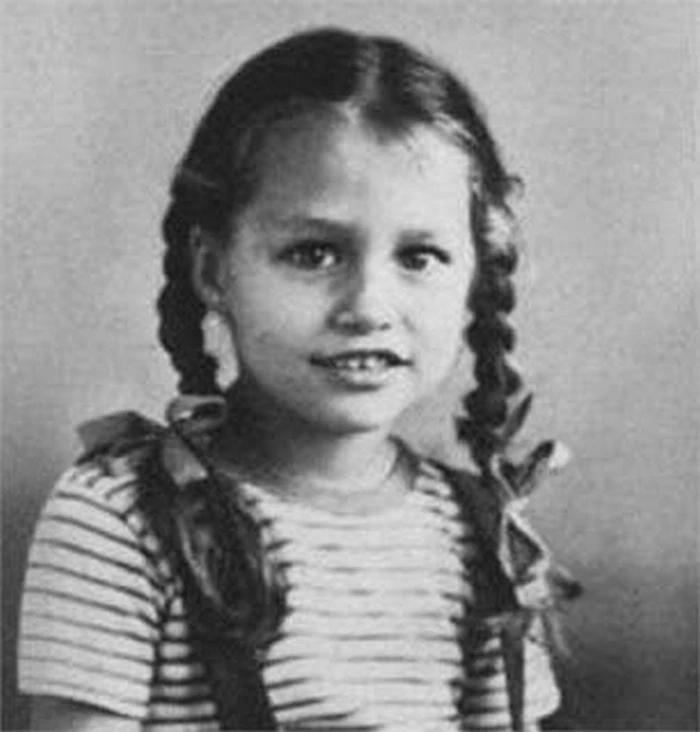
Mary Lawrence Hutton—the name she was born with, and the destiny she was destined to rewrite.
Her mother moved first to Miami, then to Tampa, Florida. There, Lauren grew up among the swamps, close to alligators and snakes—a dubious romantic notion. Her stepfather turned out to be a harsh, alcoholic man, and the home was no haven. Until she was 11, Lauren couldn't read or write properly. It seemed this girl was destined for a life of provincial poverty. But within her lived something that no provincial life could stifle: a thirst for freedom and an adventurous spirit. 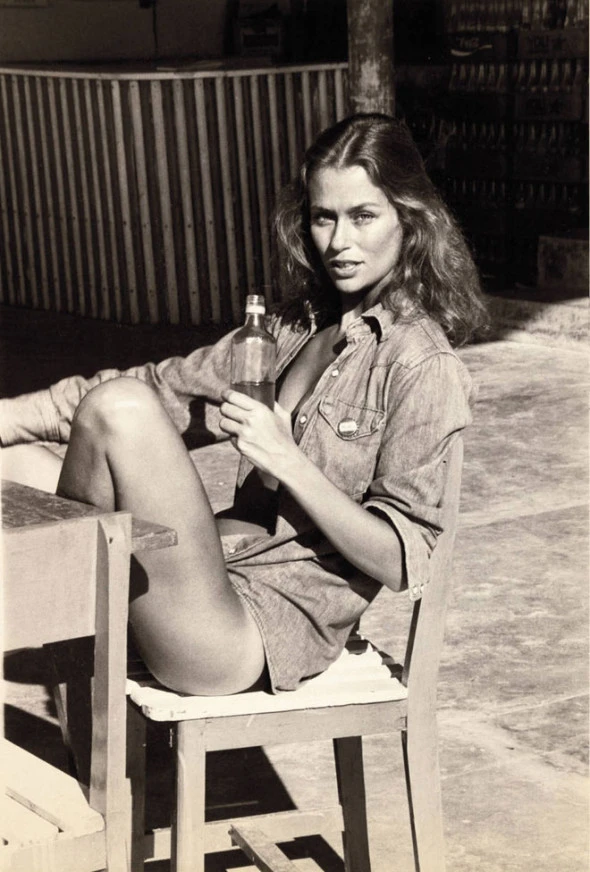
Lauren Hutton in the early 1960s – before New York even knew her name
She graduated from Chamberlain High School in Tampa in 1961, attended the University of South Florida, then transferred to Tulane University in New Orleans, and earned her bachelor's degree in 1964. New York lured her not with its runway shows, but with its potential. In the early 1960s, she moved to the metropolis and got a job as a "bunny" at the legendary Playboy Club. It was there that her first transformation occurred: the club was already full of girls named Mary, and she adopted the stage name Lauren—in honor of Lauren Bacall, the actress whose very name sounded like a promise of a different life.
Six Agencies and One Gap
With her new name, Lauren began applying to modeling agencies. Five of them rejected her—for the same reason. A small gap between her front teeth, which the agents called a "defect," made her unsuitable for filming. They insisted she have the "deformity" corrected by an orthodontist. She couldn't afford the treatment. The sixth agency—the legendary Eileen Ford, whose intuition was worth more than any diploma—took a chance. Ford later admitted, "I still don't know what made me take her." 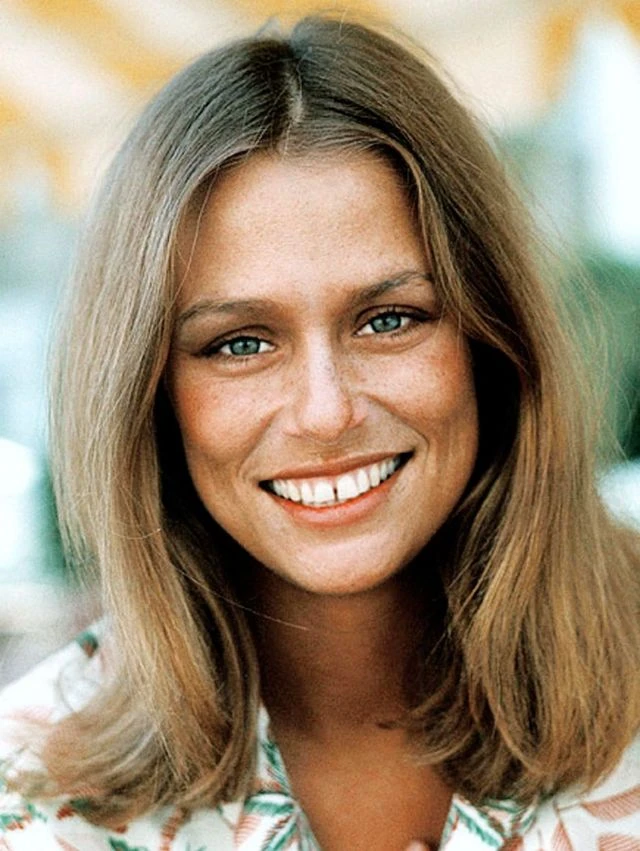
In the 1960s, a small gap between her teeth could ruin a model's career. Hutton made it happen.
At first, Lauren tried to hide the gap. She filled it with burial wax—the same stuff embalmers use to seal stitches. Then she switched to removable veneers. During animated conversations or fits of laughter, she would swallow them, then drop them right in front of the astonished public. Photographers were nervous, agents winced. Finally, Hutton decided: enough is enough. She stopped hiding what made her herself. And the world suddenly fell in love with this vibrant, authentic image—a smile that no stylist could have dreamed up. 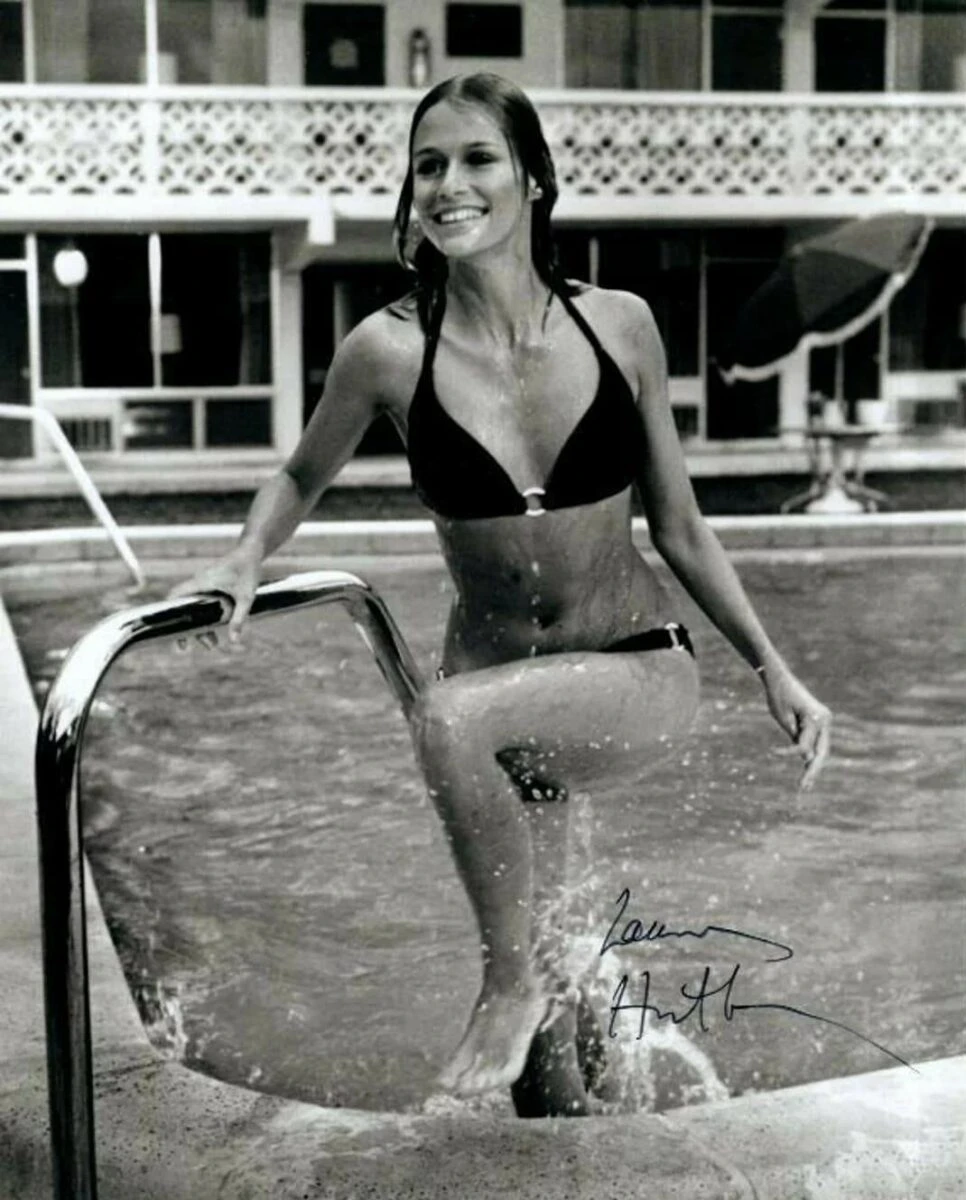
One of Hutton's early photo shoots, before she became the face of an era
Bert Stern, Diana Vreeland, and the Birth of an Icon
The turning point came in November 1966. Photographer Bert Stern shot Lauren for the cover of American Vogue – in a black satin blouse, a coral necklace from Tiffany & Co., and a look that was hard to look away from. Vogue editor Diana Vreeland saw something in her that defied description and immediately brought her together with photographer Richard Avedon. Thus began one of the most fruitful partnerships in fashion history. In 1970, Vreeland wrote in a memo:
"This girl is clearly on her way to becoming a major star. We're not using her seriously enough." 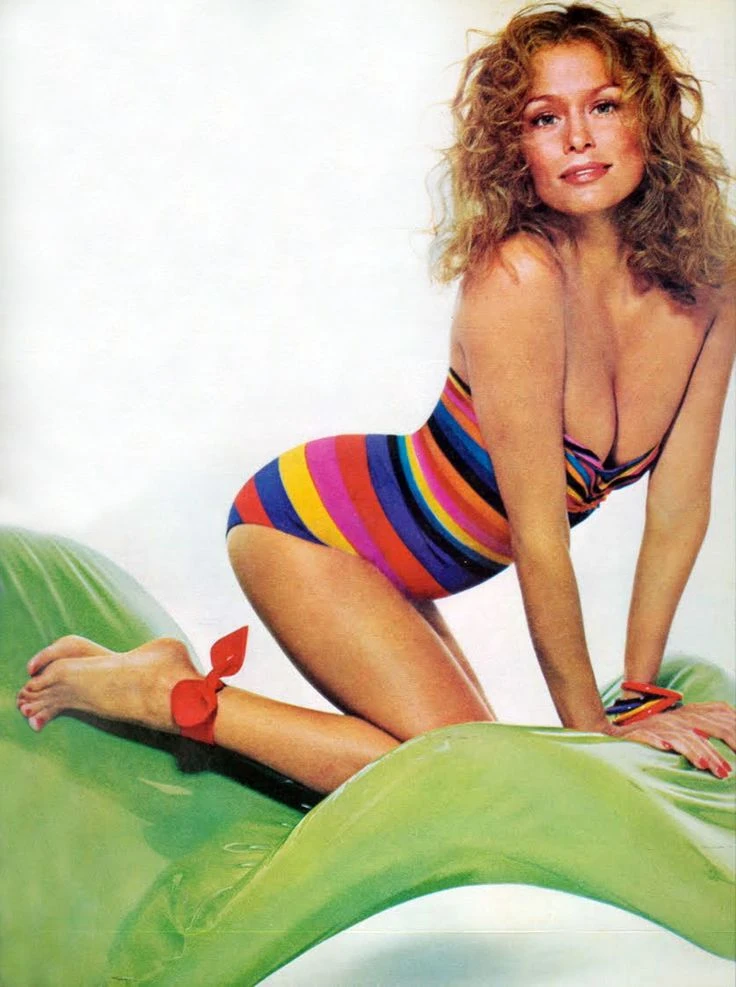
Hutton through Richard Avedon's lens – a partnership that lasted decades
Avedon and Hutton photographed together again and again. She appeared on Vogue covers in 1967, 1968, 1969—and so on, year after year. Artist Robert Rauschenberg, a friend and neighbor, created a collage portrait of her. Lauren became the first supermodel in the modern sense: not just a pretty face, but a media personality whose name everyone knew. During her career, she appeared on the cover of American Vogue 26 times—a record officially recognized by the Guinness Book of World Records. In total, she has appeared on over 40 Vogue covers worldwide.
The Contract That Changed Everything
In 1973, Hutton revolutionized—and not just her career. Before her, models worked by the hour: they showed up, did a shoot, and were paid for an hour. No exclusive contracts, no guarantees. Lauren read in the New York Times about baseball player Catfish Hunter demanding a contract with guaranteed pay. She approached Avedon with an idea: why couldn't a model do the same? Avedon advised making the contract exclusive and raising the stakes. She went to Revlon. 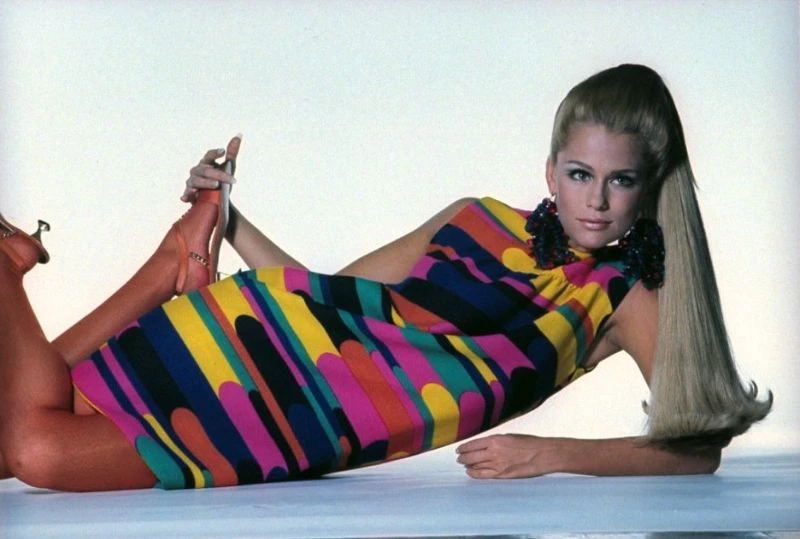
Lauren Hutton became the face of Revlon's Ultima II line—and rewrote the rules of the modeling industry.
The result: $250,000 a year for 20 working days—the largest contract in the history of the modeling industry at the time. In today's dollars, that's approximately $1.8 million a year. Hutton became the face of Revlon's Ultima II line, and the partnership lasted ten years. When she turned 41, the company's vice president announced that women over 41 weren't allowed to use cosmetics. The contract was terminated. This turned out to be a big mistake—but not for Hutton. 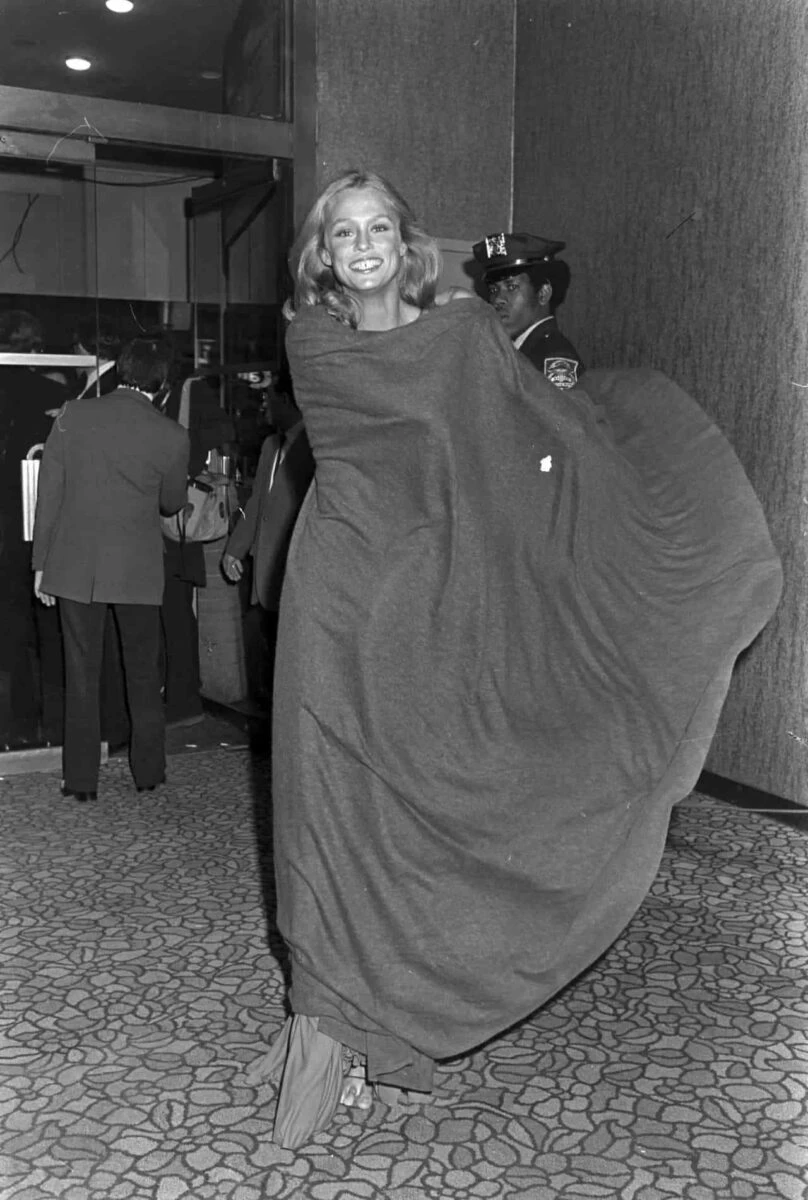
Lauren Hutton at the premiere of "The Great Gatsby" at the Loews State Theatre in New York City, March 27, 1974
Film is another way to earn money for travel
Hollywood noticed Hutton even before her contract with Revlon. In 1968, she made her big-screen debut in the sports comedy "Paper Lion" with Alan Alda. Then came the crime drama "The Player" (1974) with James Caan and the cult classic "American Gigolo" (1980), where her duet with a young Richard Gere became a style icon. Incidentally, the Bottega Veneta handbag from that film went down in fashion history as "The Lauren 1980." 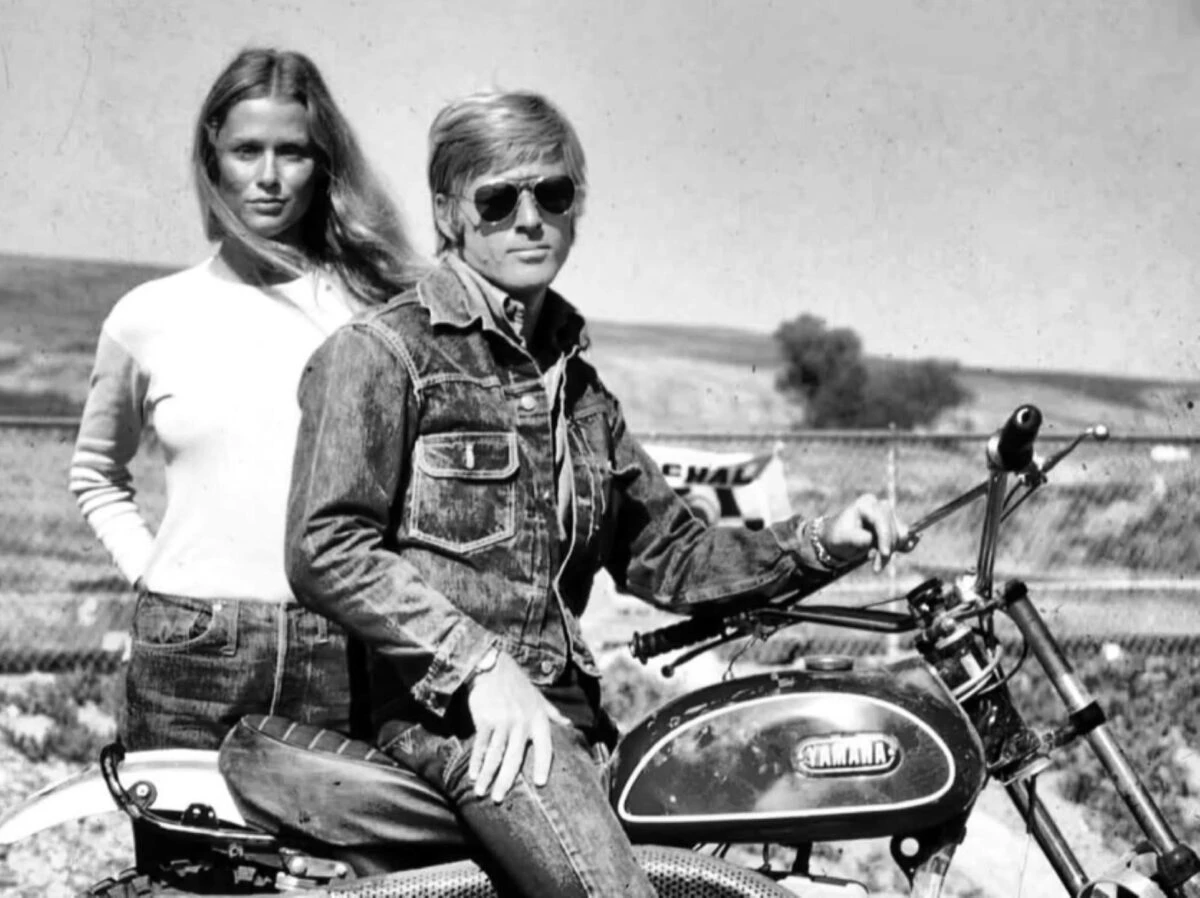
Lauren Hutton and Robert Redford in "Little Fauss and Big Halsy," 1970
Hutton herself was wry about her film career, saying she starred in "four or five really bad films a year." For her, both modeling and film were primarily a source of income for her main purpose. Travel was her main purpose. She lived among pygmy tribes in Africa, sharing her daily life with the Karamojong people and the Kalahari Bushmen. 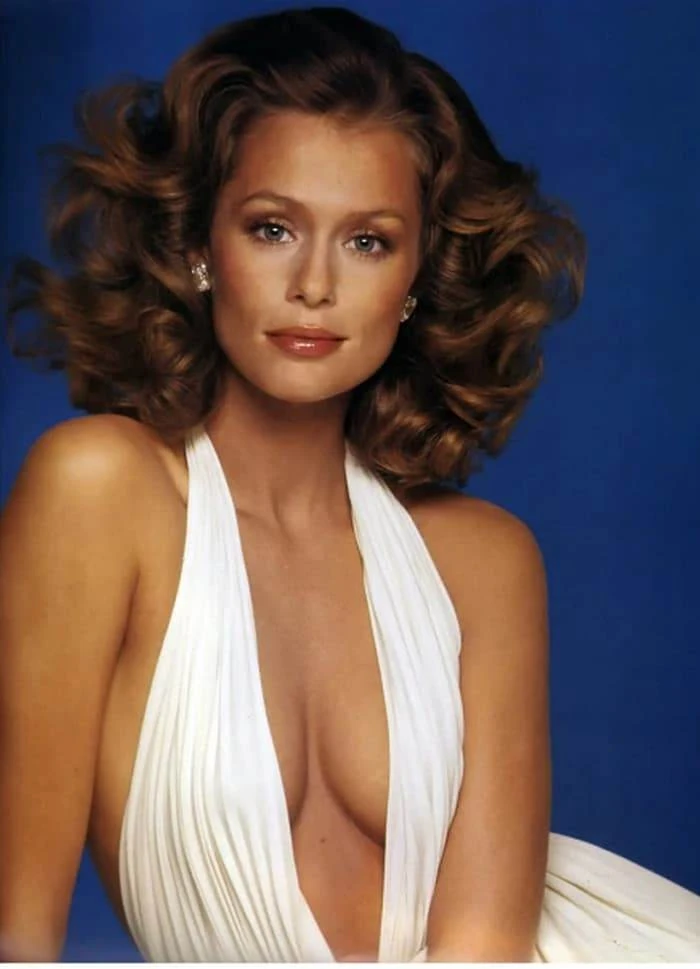
For Vogue—but already with her thoughts on the next expedition
"My life isn't all that," she said, referring to shoots and covers. "My life is travel. That's what I came to New York for."
A Crash, a Coma, and a Comeback
On October 21, 2000, Lauren Hutton was with Dennis Hopper, Jeremy Irons, and Laurence Fishburne—a group of about 50 celebrities, members of the Guggenheim Motorcycle Club, riding through Nevada on a 100-mile route. The occasion was the opening of the "Art of the Motorcycle" exhibition at the new Guggenheim Museum in Las Vegas. Hutton, determined to catch Hopper, accelerated to 110 mph (about 177 km/h) and lost control of the road on a turn near Lake Mead. 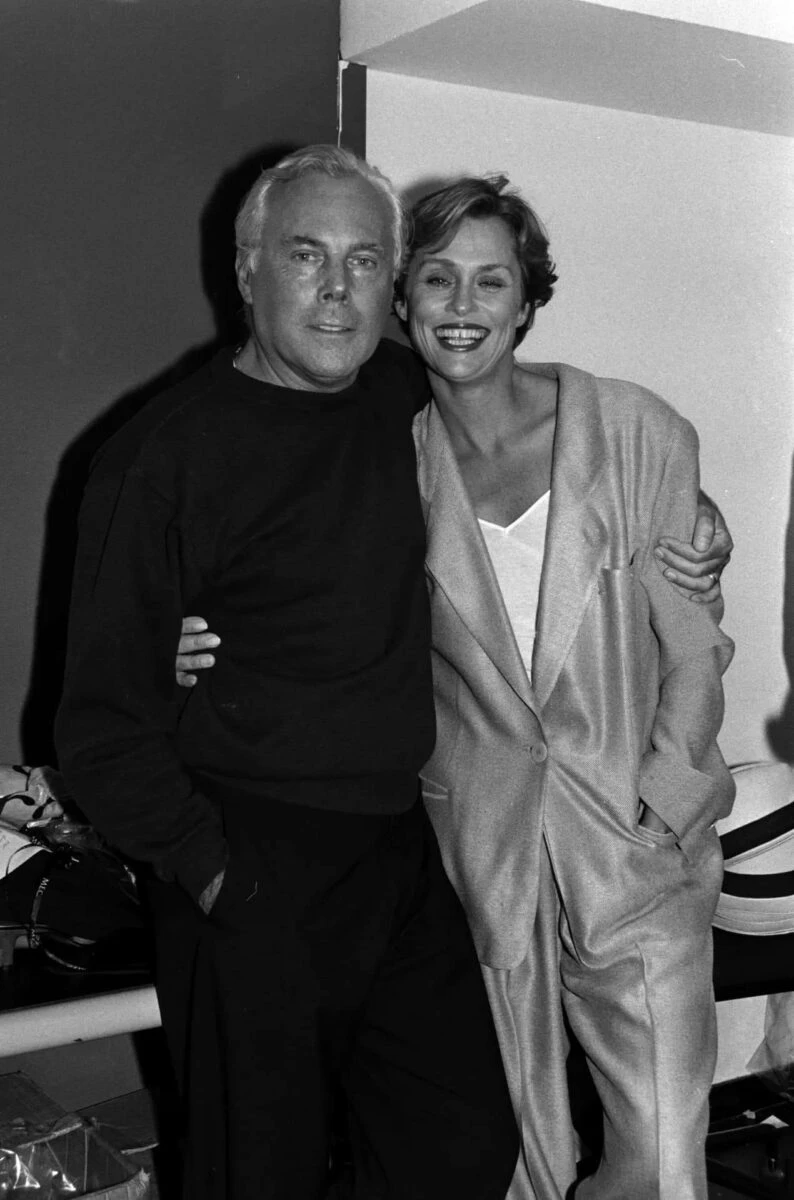
Lauren Hutton and designer Giorgio Armani in the 1990s—a few years before the accident that nearly cost her her life
Shortly before the accident, Jeremy Irons noticed that her helmet was missing a visor and insisted she put on a full-face helmet. Just three minutes later, it was that helmet that saved her life. Hutton still suffered serious injuries: a punctured lung, broken arms, and multiple broken legs. She spent two weeks in a coma in the intensive care unit of a Las Vegas hospital. When she came to and saw her loved ones at her bedside, she thought she was dying: "I thought they were there to say goodbye." Doctors spent seven hours repairing her leg. But Hutton, a woman who grew up in the swamps with a brutal stepfather, didn't give up this time either. And just a year later, she was back on a motorcycle. 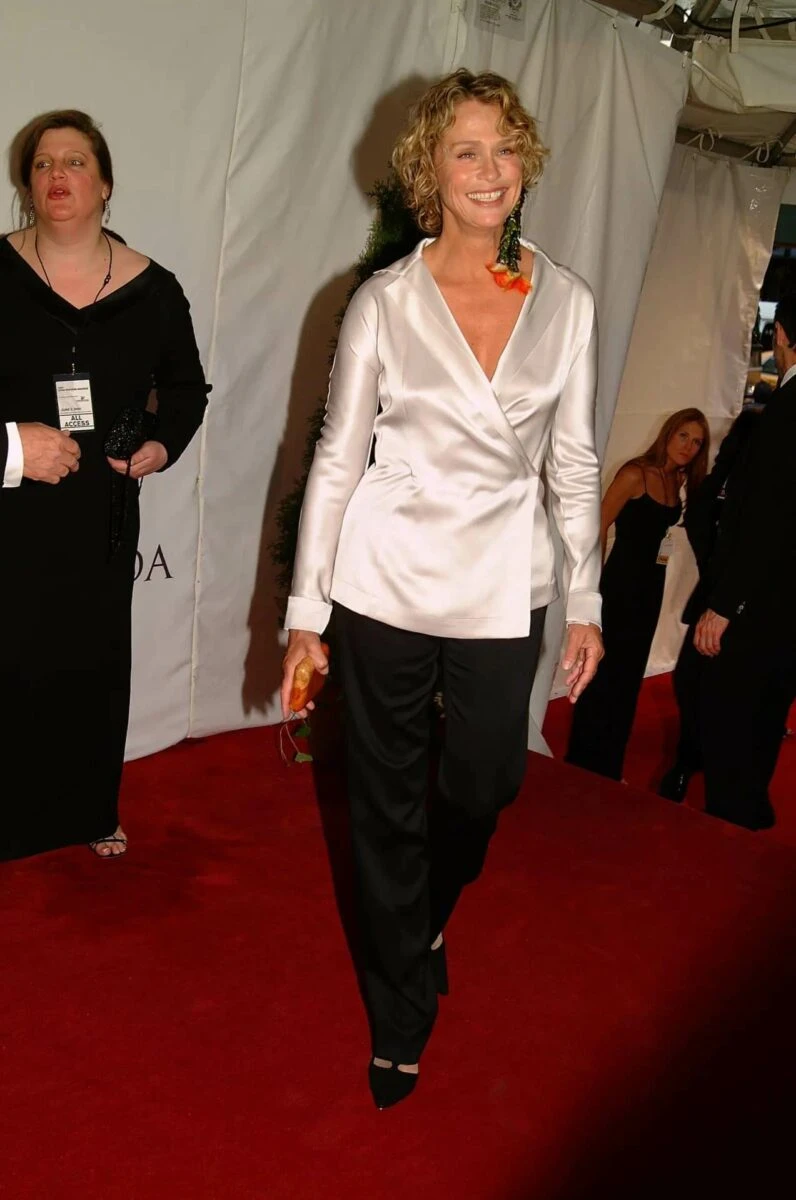
Lauren Hutton in 2002, after she'd returned to action.
The oldest woman on the cover – and showing no signs of stopping.
In October 2017, at the age of 73 years and 11 months, Hutton appeared on three covers of Vogue Italia's special "Eternal Issue," the magazine's first issue dedicated to women over 60. This broke the record set by Tina Turner, who became the face of German Vogue at 73 years and four months.
"This is the most important thing I've ever done," Hutton said. "This is a cover that can change society." 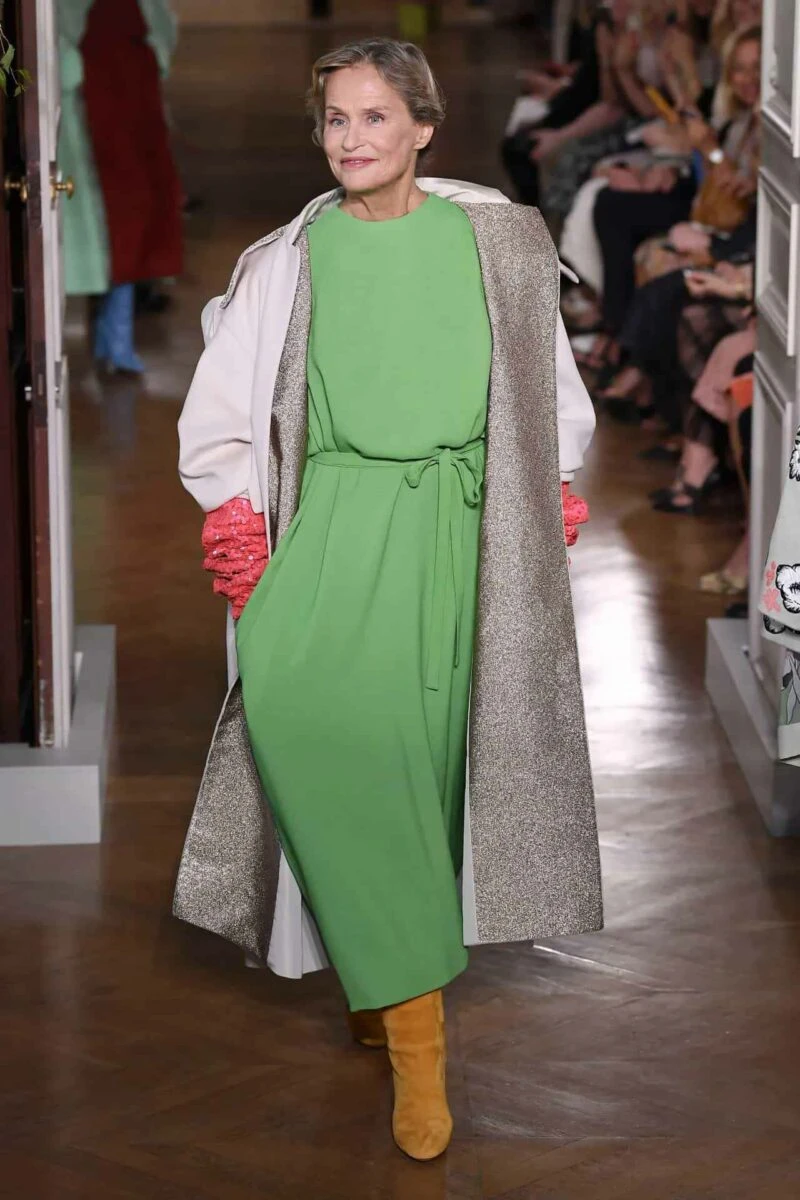
Model Lauren Hutton walks the runway at Valentino's Fall 2019 collection, at age 75
That same year, she starred in a Calvin Klein lingerie ad featuring an open blouse and bra, with the slogan "Calvin Klein, or nothing." In 2016, she walked the Bottega Veneta runway at Milan Fashion Week hand in hand with Gigi Hadid, holding that very same archival red clutch from "American Gigolo." She modeled for H&M, Alexander Wang, and Lord & Taylor. She didn't hide her wrinkles, just as she once refused to hide her gap tooth.
"Try not to be afraid of anyone or anything," she says. "Fear drains your energy." 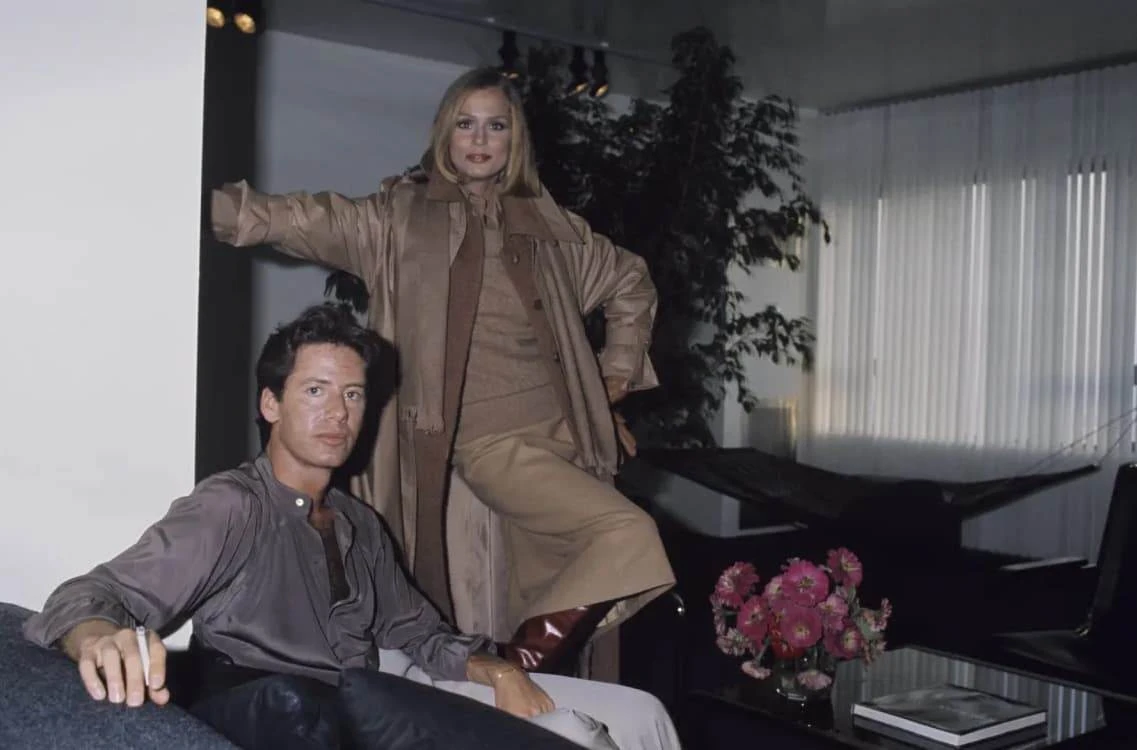
Lauren Hutton and designer Kevin Klein, 1975 – the beginning of a long friendship between two American style icons
The Price of Imperfection
Hutton's story isn't one of luck. It's a story of what happens when a person stops hiding what makes them who they are. Five agencies rejected her for a gap in her tooth, which ultimately earned her a million-dollar contract and a place in the Guinness Book of World Records. Revlon fired her at 41—she returned at 47 and became in demand again. At 55, she nearly died—but then she got up and climbed back into the saddle. 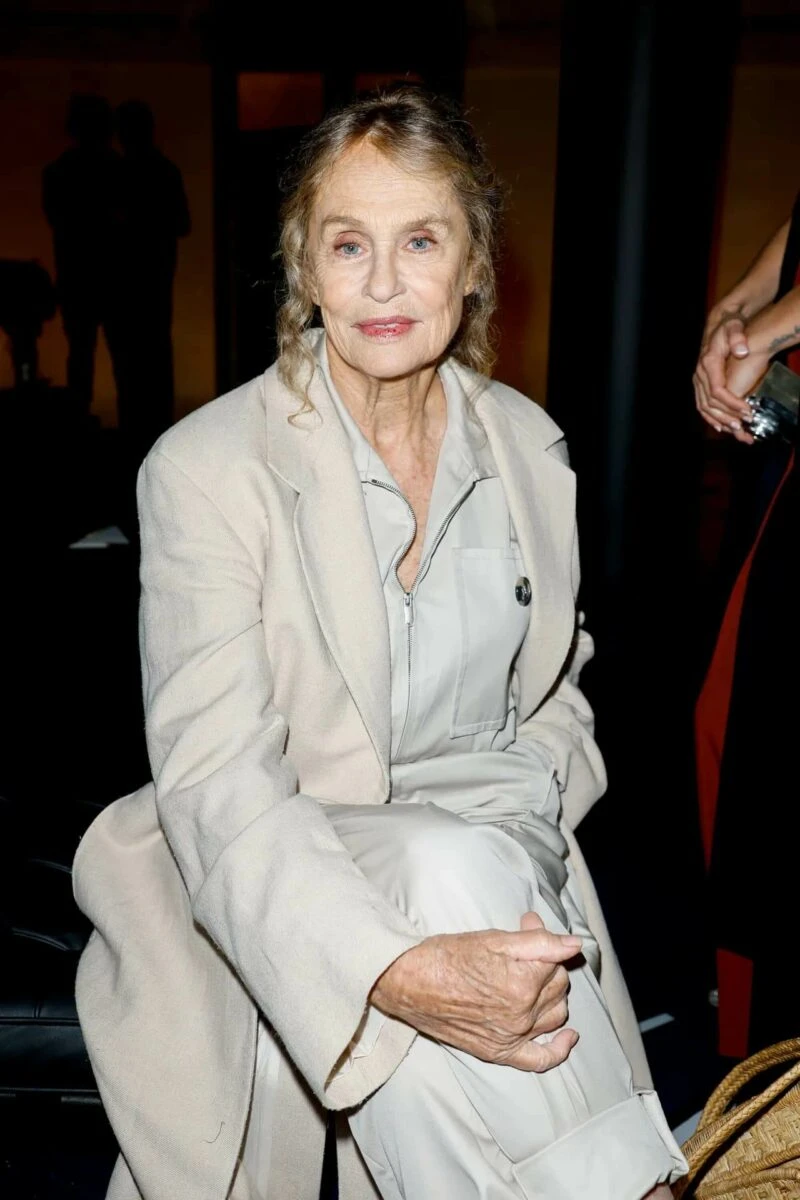
Lauren Hutton in 2025—at 81, still in the spotlight, still with that same smile.
A career that was ended five times by other people's decisions spanned six decades. Her example changed not only the rules of compensation in the modeling industry but also the very idea of who is allowed to be beautiful and sought-after. In the age of filters and perfect images on social media, do you think it's become easier or more difficult to accept your own imperfections?