August 8 marks World Ophthalmology Day—a dedicated time to focus on eye health and the importance of proper vision care. In this article, leading eye care professionals share essential recommendations to help you maintain healthy eyesight for years to come and prevent vision problems. Let’s protect our vision together and keep enjoying the vibrant world around us! 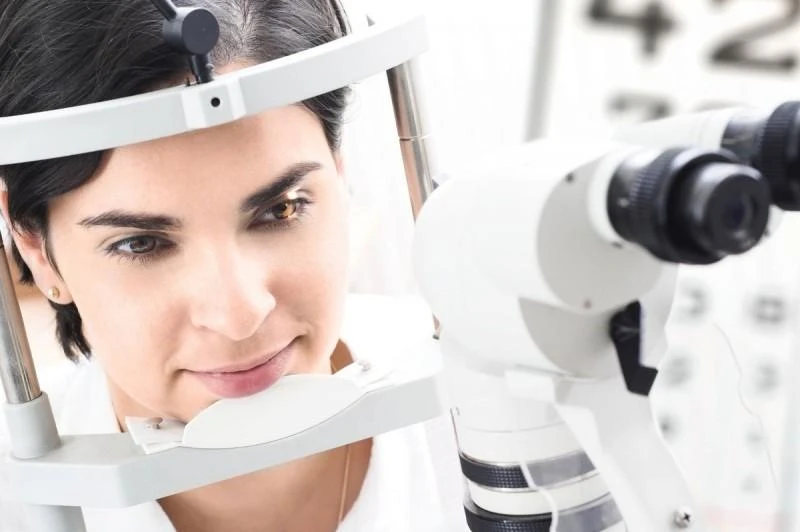
We all know the eyes are the windows to the soul, yet few of us give them the care they truly deserve. Daily life is full of habits and factors that can strain our eyes, making it vital to minimize their impact and break vision-damaging habits as soon as possible. Remember how your mom used to scold you for sitting too close to the TV? Well, she was right... but that is only the beginning. Here are 10 practical tips to safeguard your eyesight. 
1. UV Ray Exposure
On sunny days, always wear sunglasses or a wide-brimmed hat to protect your eyes from ultraviolet radiation. Exposing your eyes to UV light increases the risk of retinal damage and cataracts, as well as skin cancer on the eyelids. Prolonged exposure can also cause photokeratitis—essentially a sunburned cornea—leading to pain, tearing, and temporarily blurred vision. 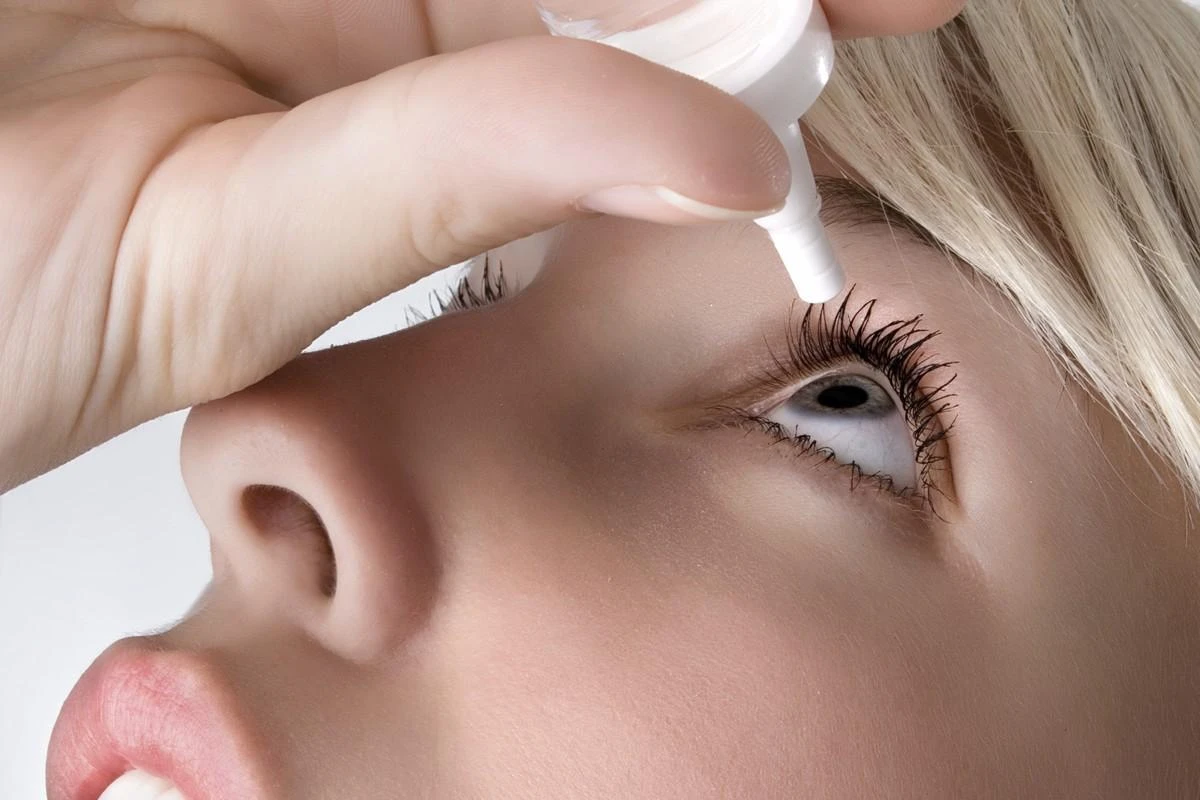
2. Overusing Redness-Relieving Eye Drops
While eye drops that eliminate red eyes may temporarily improve your appearance, the effect is short-lived. These drops typically work by constricting blood vessels without clearing up the underlying inflammation, which can quickly return and become a persistent issue. 
3. Improper Treatment of Dry Eyes
Dry eye syndrome is increasingly common today, largely due to hours spent staring at screens or staying in rooms dried out by central heating. Eye drops can provide relief, but mass-market varieties often contain preservatives that cause irritation when used long-term. A better—though more expensive—alternative is preservative-free artificial tears, particularly for anyone needing to hydrate their eyes more than four times a day. 
4. Excessive Screen Time
Blinking helps evenly distribute moisture across the surface of the eye. However, when you are glued to a screen, your blink rate drops significantly. While an adult normally blinks around 15–20 times per minute, screen use reduces this frequency drastically. As tears evaporate, your eyes feel gritty and tired. The same issue occurs when reading e-books on small screens for extended periods. Make sure to take regular breaks, looking away from screens or books to focus on an object in the distance. 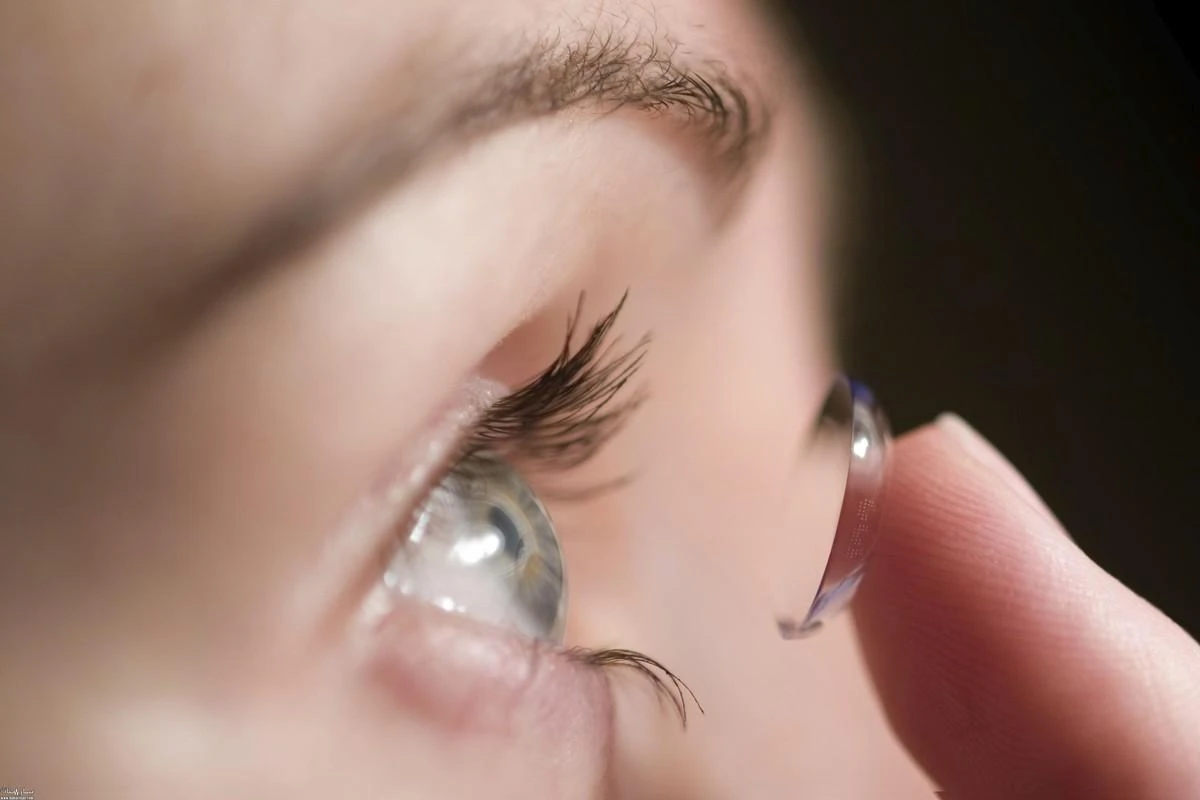
5. Poor Contact Lens Habits
Always use dedicated sterile solutions to clean your contact lenses, and never rinse them with tap water or saliva. Eye care specialists recommend removing daily lenses every evening, and taking them out before entering a shower, hot tub, swimming pool, or the ocean. Sleeping in contact lenses deprives your eyes of oxygen. Finally, always consult an optometrist or ophthalmologist before ordering contact lenses to avoid serious eye infections. 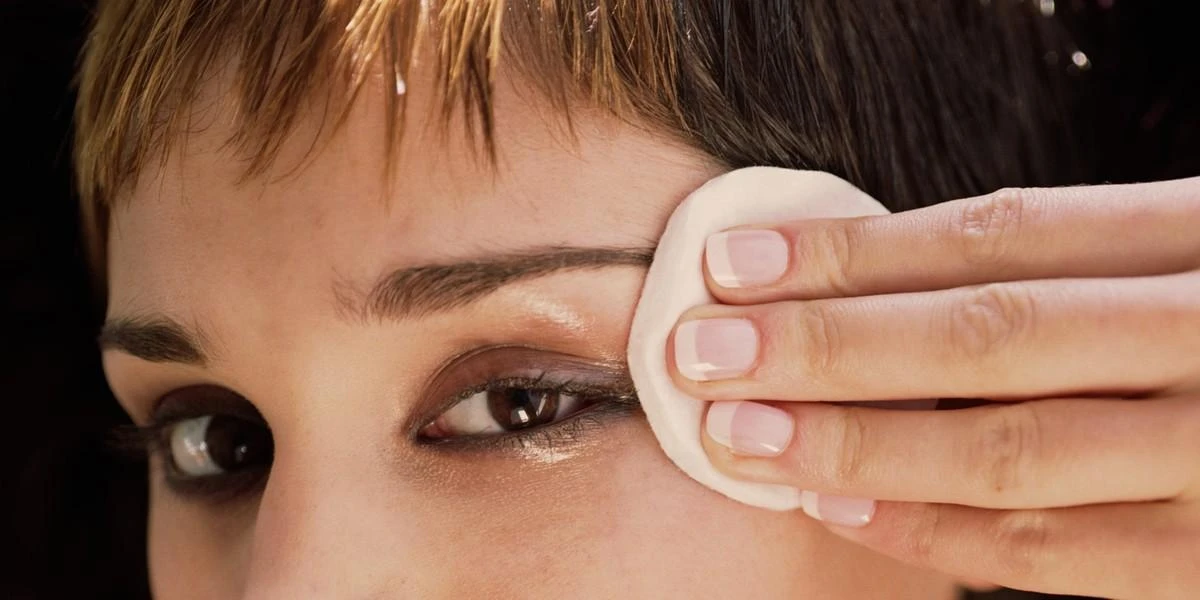
6. Sleeping with Makeup On
Thoroughly removing makeup—especially eye makeup—every single day is essential. Ideally, clean your face as soon as you get home to let your skin breathe, as cosmetics can clog pores regardless of quality. Sleeping in eye makeup not only hurts your skin but also exposes your eyes to bacterial infections and irritation. 
7. Skipping Protective Eyewear
Safety goggles aren't just for swimming in chlorinated pools. Eyes are incredibly delicate, and serious damage can happen in an instant. While protective gear is standard in industrial and machining environments, you should also wear eye protection at home during high-risk tasks such as home repairs, moving furniture, cooking with hot oils, or gardening. Flying debris, dust, steam, dirt, insects, or sharp branches can cause severe injuries and, in worst-case scenarios, permanent vision loss. 
8. Smoking
Smoking poses a direct threat to your eyesight. It significantly increases the risk of developing cataracts by restricting the flow of vital oxygen and nutrients to ocular tissues. 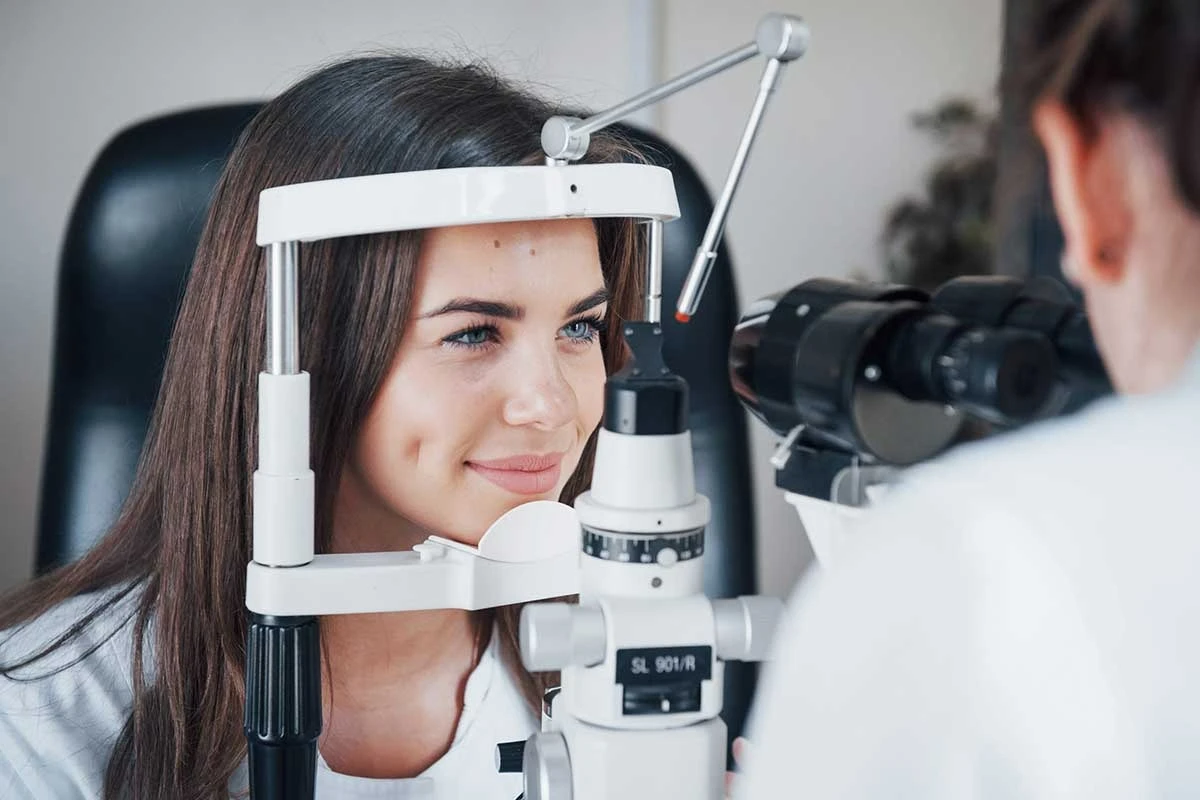
9. Skipping Regular Eye Exams
Routine visits to an eye doctor are essential, particularly if you manage high blood pressure or diabetes. Left unchecked, diabetic eye conditions can lead to permanent blindness. 
10. Ignoring Symptoms
Never assume that eye redness, light sensitivity, pain, or sudden blurriness will just resolve on their own. These symptoms can be warning signs of serious health problems and should never be ignored. Schedule an appointment with an eye specialist promptly to get your vision checked.
Add your comment
You might be interested in:
















20 Personal Photos of Celebrities That Ooze Vintage

Protective film Removing it with a power screwdriver

Global Sex Symbol: Rare Photos of Monica Bellucci (26

Animal Paws and Claws: 50 Photos That Will Surprise Even

Precision carpentry

America's Cheese Caves: How and Why the US Government

Fascinating Facts to Blow Your Mind (10 Photos)

Discover the Truly Unique: 27 One-of-a-Kind Items That

Straight Out of the '80s: Band Posters No One Would Ever
