These Are Not Dolls, They're Children!: How Americans Almost Started a Massacre Over Rag Monsters (12 photos + 1 video)
Every generation goes crazy in its own way. In the 1970s, people punched each other in line to buy Barbie dolls. In 2025, Laboubu fans fought in stores. 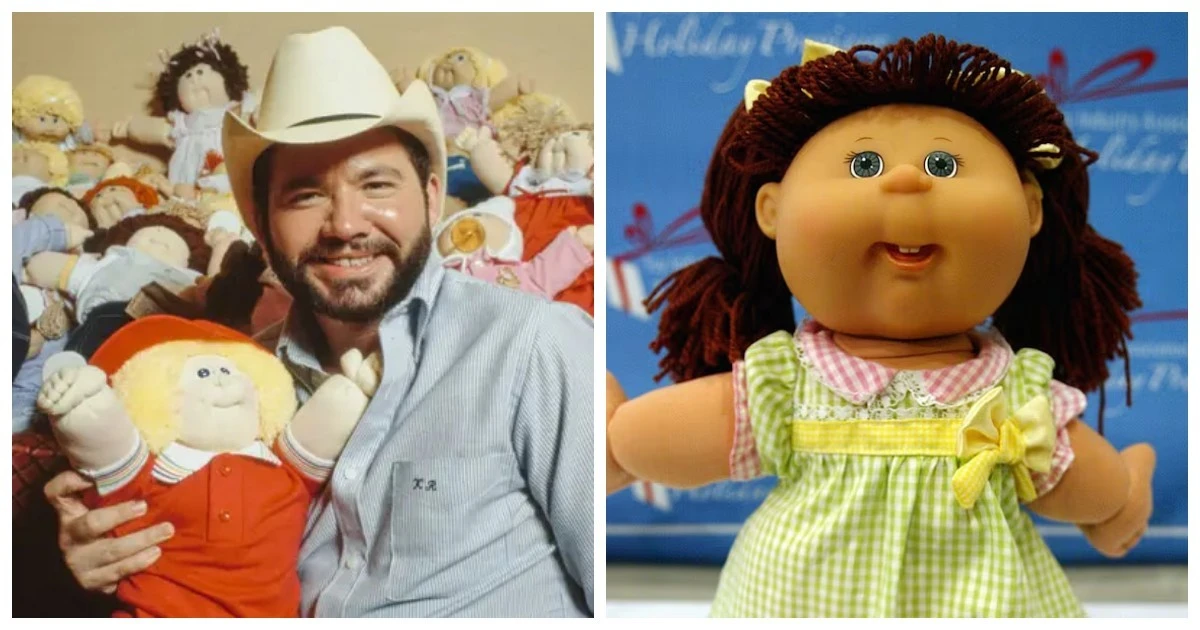
But there's one toy that outshines them all when it comes to absurdity. It didn't eat, it didn't cry, and it didn't even roller skate. It simply demanded your imagination. And people broke legs and grabbed other people's children for the chance to adopt it. 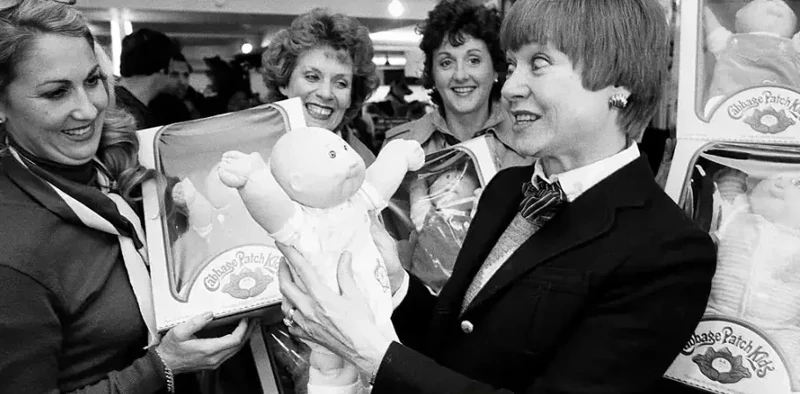
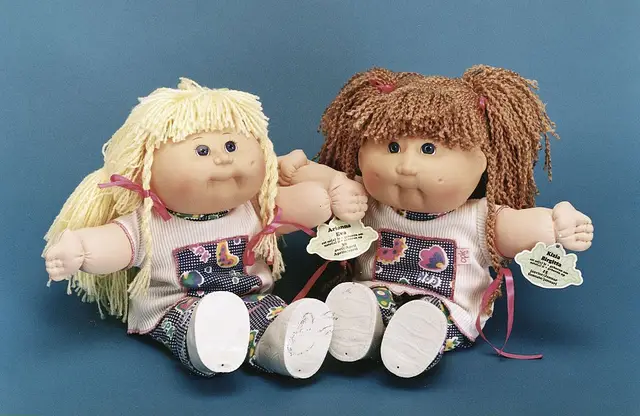
Meet the Cabbage Patch Kids. Their story is a rollercoaster of innocent fairy tales, greed, lawsuits, and perfect marketing gone awry.
The Birth of a Bestseller: From Clay to "Baby Hospital" 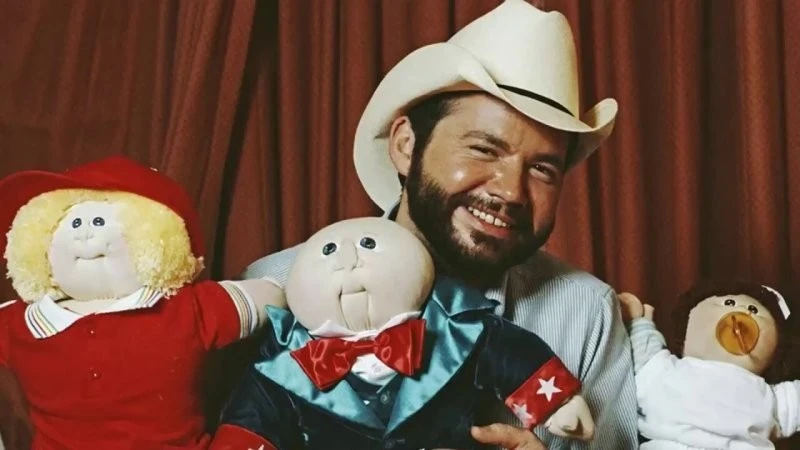
Xavier Roberts with his creations
In the mid-1970s, 21-year-old art student Xavier Roberts from Cleveland, Georgia, sculpted funny faces out of clay. But one day, he transferred them to soft fabric. 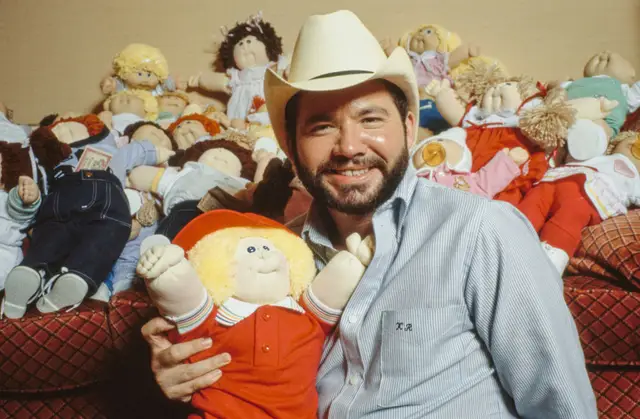
Thus, "Little People" were born—chubby-cheeked, rag-like creatures with naive eyes and the author's signature on their bottoms. 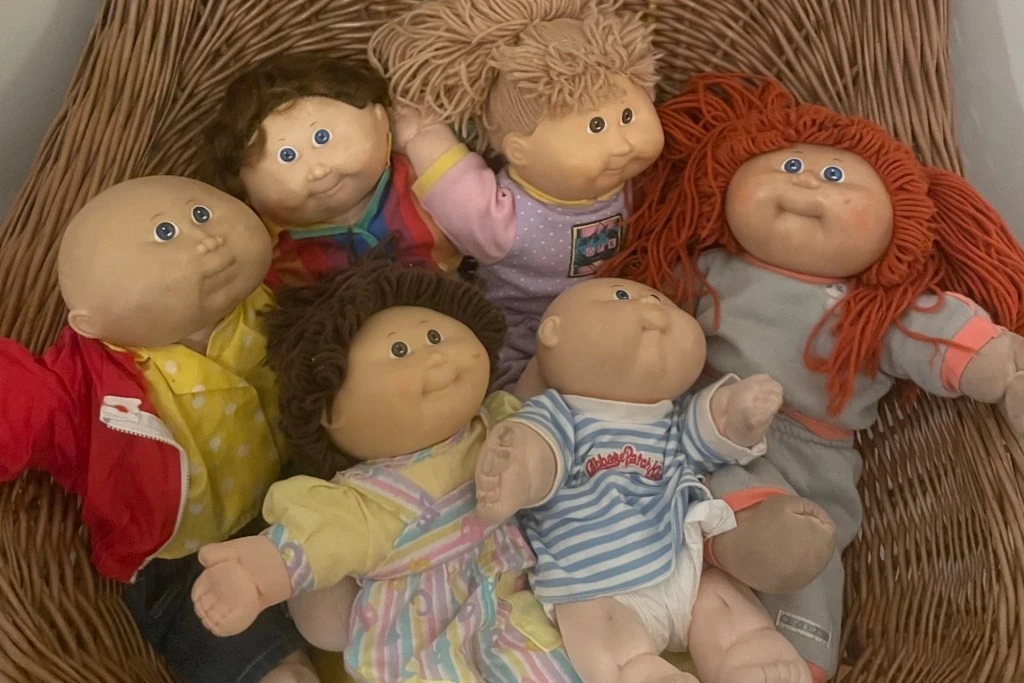
In 1978, Roberts opened "BabyLand General Hospital" in a converted clinic. It wasn't a production, but a theater: "doctors" and "nurses" delivered babies in cabbage patches beneath a sprawling "Magic Crystal Tree." Visitors took an adoption pledge and paid $40, not for a doll, but to join the family. And it worked.
Apocalypse at the Mall in 1983 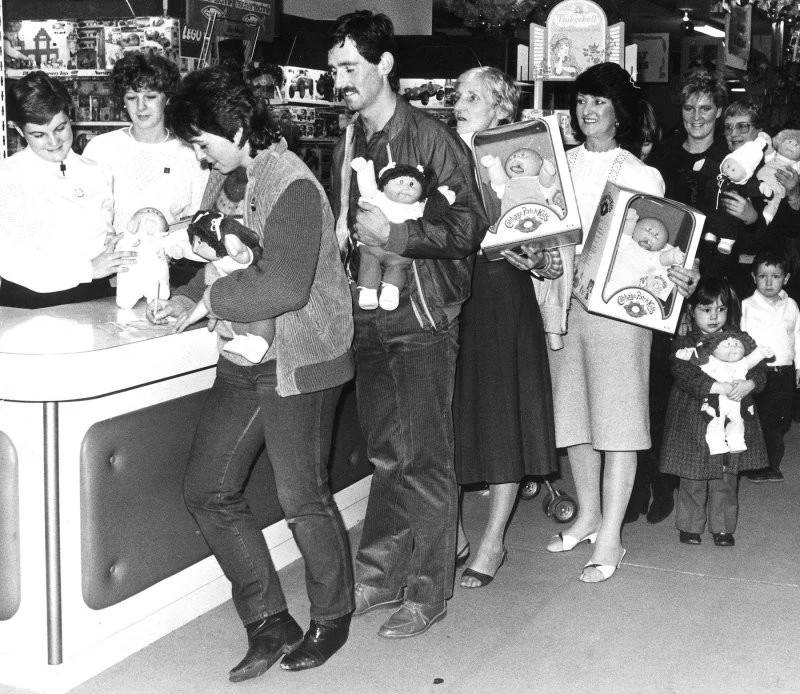
In 1982, Coleco saw potential in the project and licensed it. The "Little People" were renamed "Cabbage Patch Babes." And so it began... 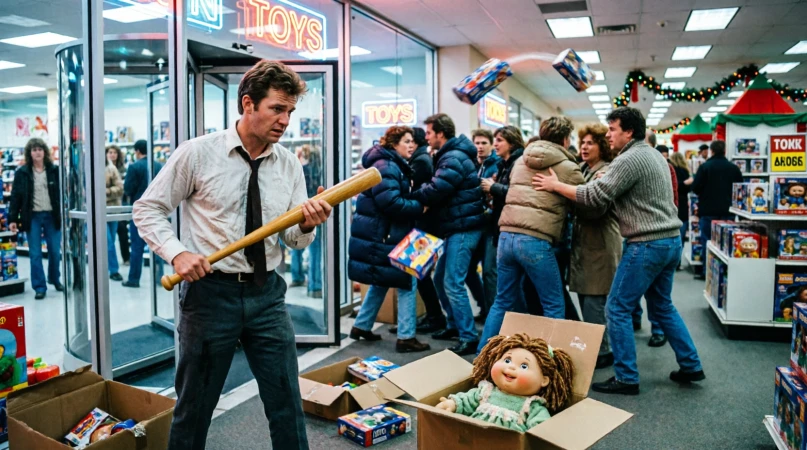
By November 1983, demand had reached a frenzy. The main battle took place at a department store in Pennsylvania. When the toys ran out, one woman broke her leg in the crush. Four others were injured. The store manager grabbed a baseball bat and stood in the doorway to calm the crowd. 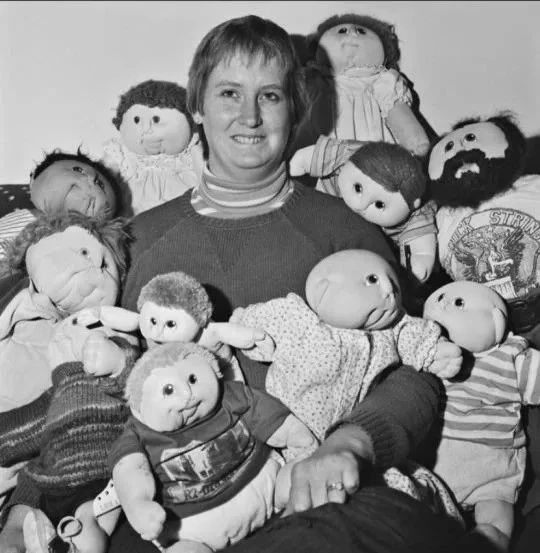
Reports spread across the country. A woman named Patty Calacino made her way to the counter, but the dolls were sold out. Her question to reporters made national news: "What should we tell our little girl on Christmas morning? 'You've been good, but Santa's out of presents?'"
The Modern Market: Where Are They Now? 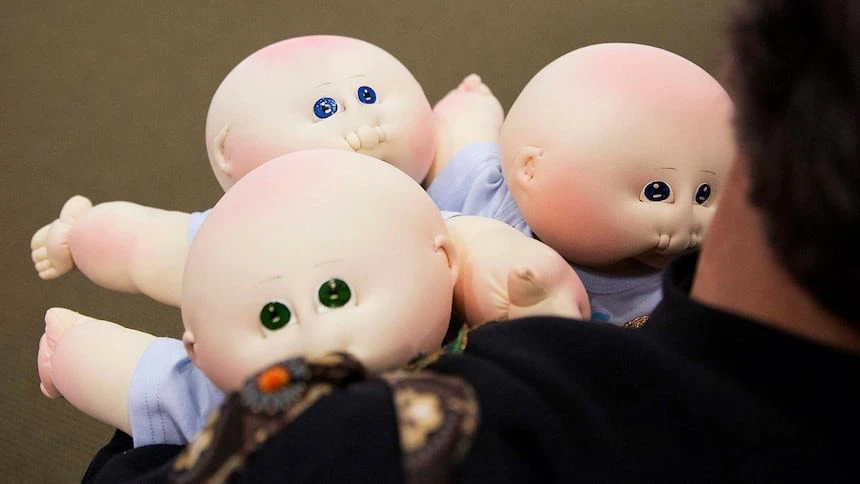
So, it's 2026. And what about the Cabbage Patch Kids? Originals, signed by the artist, are worth a fortune. They fetch between $15,000 and $50,000 at auction. The doll hospital is still alive and kicking. 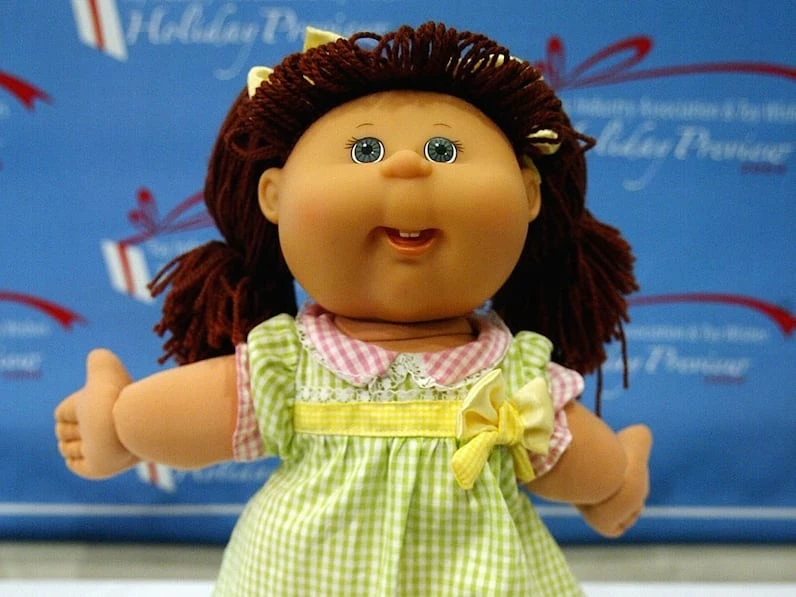
She moved into a gigantic 6,500 square meter mansion. Cabbage dolls still give birth there, and tourists flock there with their entire families. 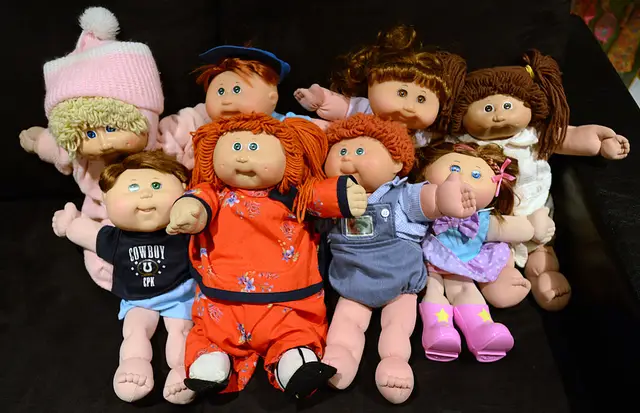
Fights over rag dolls or toothy monsters aren't about toys. They're about scarcity, artificial hype, and the human desire to acquire uniqueness at any cost. Alas, the world doesn't change, only marketing packaging does.