System Error: China Abandoned a Total Social Rating for Citizens (3 photos)
For a long time, the world was frightened by stories about China becoming a digital gulag. Every citizen would be assigned points, and if you crossed the street on a red light or bought too many video games, you'd be banned from flying. Or something like that. 
However, by mid-2026, it became clear that the "Orwellian" scenario had failed. Instead of a single, all-seeing eye, Beijing had chosen the path of legal standardization and corporate control.
Between 2016 and 2019, dozens of regional pilot projects truly flourished in China. Cities like Wenzhou competed to see who could punish citizens more harshly. But the experiment reached a dead end. Local initiatives proved so chaotic and inconsistent that the central government decided to put the brakes on them. 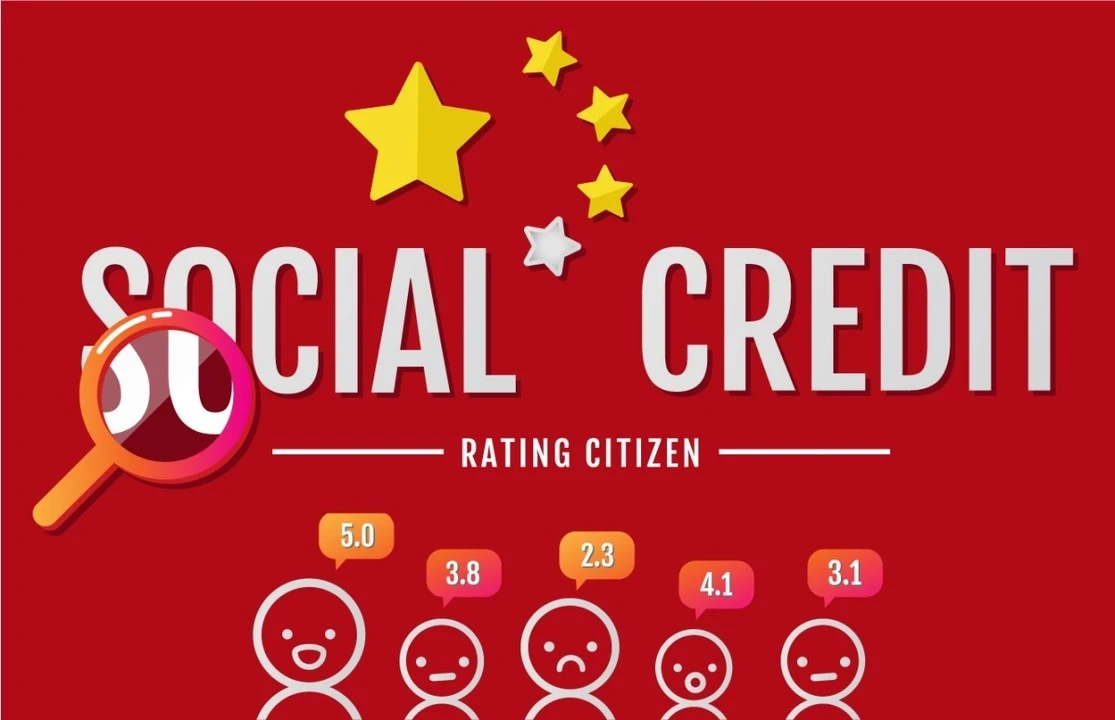
By early 2026, most "color" ratings and point systems for individuals were either closed or converted into innocuous loyalty programs. Beijing officially banned cities from discriminating against people based on local "ratings." It's now illegal to deny someone government services or travel simply because they have a "low score" in a city app.
The major shift occurred in the legal framework. The central government insisted that punishment must be based on the letter of the law, not on arbitrary assessments of officials. Key changes in recent years include:
Focus on business: Now, "social credit" is primarily about corporations. The system monitors tax payments, environmental compliance, and contract integrity. Companies are under control, not the private lives of citizens.
Right to make mistakes: "Credit history restoration" mechanisms have been introduced. If an individual or company corrects a violation, they are removed from blacklists. Previously, the stigma of "unreliable" could be lifelong.
Fighting fragmentation: The 2024-2025 Action Plan has completely stripped local authorities of their right to "independent action." All lists of "bad actors" are now strictly standardized. 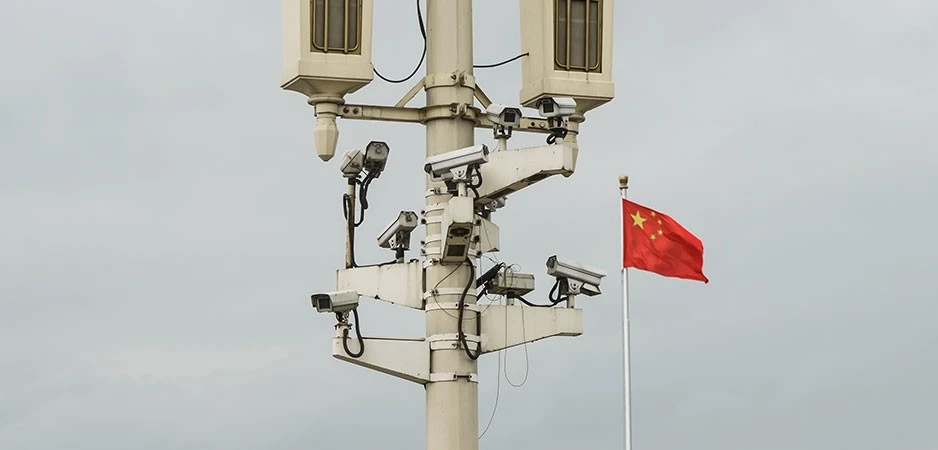
Why didn't the dystopia take off? There are several reasons. First, social discontent. In cities where people were punished for minor offenses, criticism of the government grew, which is a political risk for Beijing. Second, administrative chaos: different systems in different cities couldn't communicate with each other.
As a result, instead of a unified rating system that determines every breath, China ended up with a system of professional blacklists for repeat offenders (such as alimony defaulters or fraudsters) and strict audits for businesses. Managing 1.4 billion people through a mobile app with scores turned out to be not only a technically challenging task but also strategically disadvantageous.