Agloe: How a phantom drawn to catch a thief defeated the system (6 photos)
Imagine looking through an old map and finding a town no one you know has ever heard of. You drive there, and all you see is a dead-end intersection and a couple of barns. 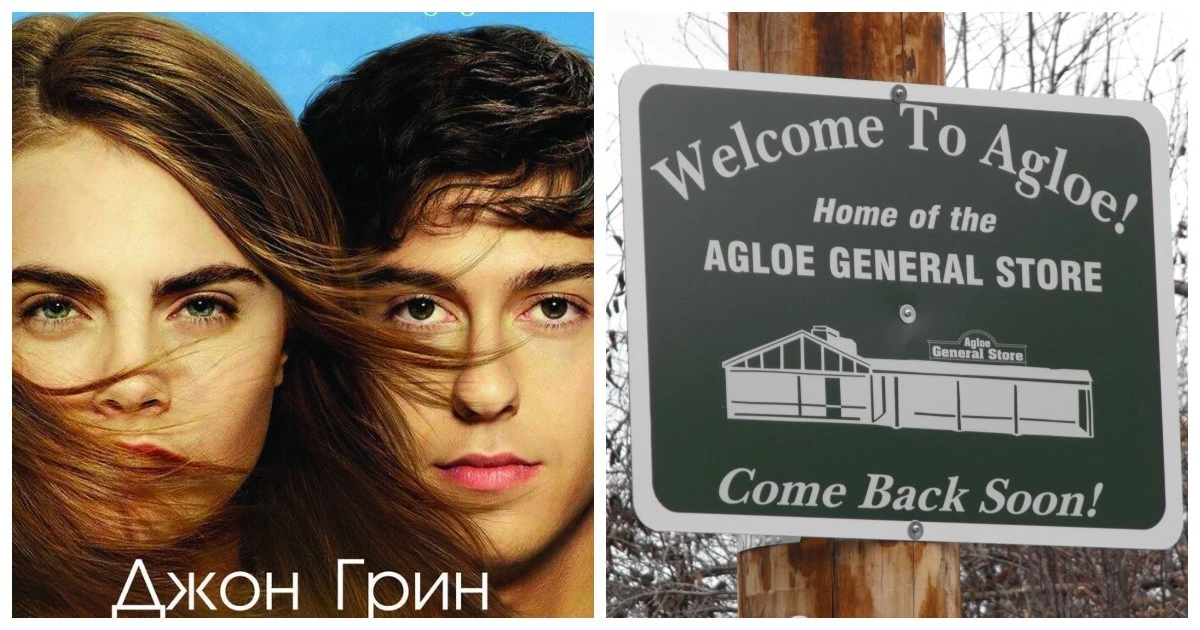
But this nothing has a passport, a name, and even its own legend, one that nearly sparked a lawsuit between cartography giants. It's not a bug or a GPS glitch. It's Agloe—the only fake in the world that nature and people have recognized as genuine. 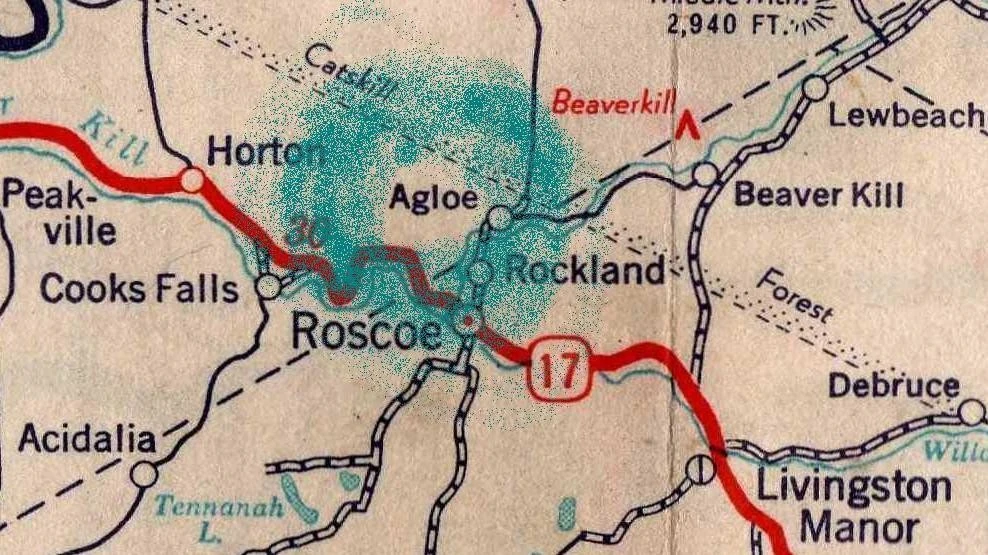
In the 1930s, a small town named Agloe appeared on New York State maps like a mushroom after a rain. It was tucked away along a dirt road leading from Roscoe to Rockland, next to Beaverkill Creek. The only odd thing was that no one knew this road, no one used it. And almost no one outside the mapping office realized that the town of Agloe didn't exist. 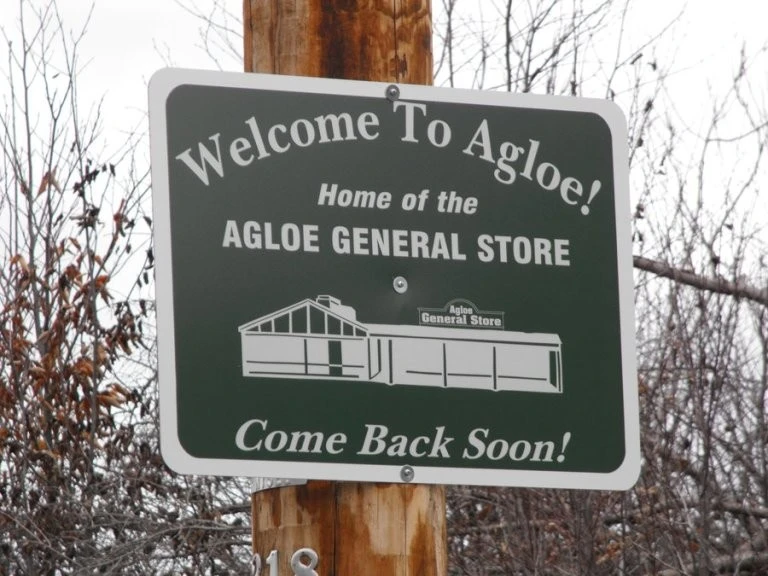
It was a copycat trap—an old trick cartographers have been using for a hundred years. When a company makes a map, they do a Herculean amount of work: checking names, placing cities. To protect their work, they draw fakes on the map: a non-existent street or a phantom town. If a competitor steals the map, the creator goes to court and points the finger: "Look, you even copied this fiction!" 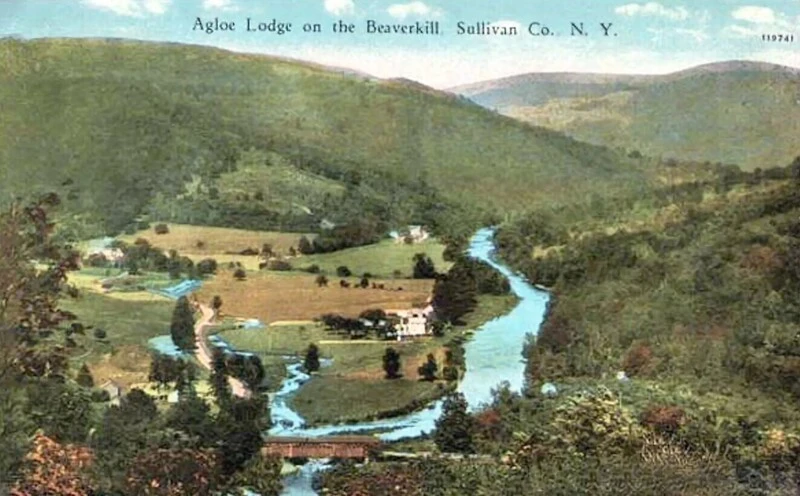
That's exactly what Otto G. Lindbergh and his assistant, Ernst Alpers, did. In the 1930s, they were drawing a road map and invented a fictitious town, calling it Agloe. It's an anagram of the initials of their first and last names (OGL + EA).
And then something incredible happened. A couple of years later, another mapping giant published a map of the same state. And at that very spot, at the intersection of dirt roads, the fictitious Agloe was emblazoned. Lindbergh rubbed his hands: aha, we got you! 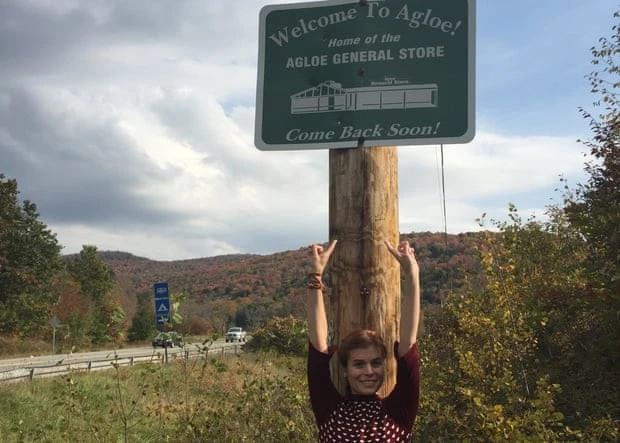
But the competitor's lawyers didn't lose their nerve. In court, they stated: "Our employees personally visited the site! There's a building there with a sign saying 'Agloe Department Store.' The town exists."
Later, the truth came to light. The owner of a small store at that very intersection had purchased a map from the gasoline company that had obtained the data from Lindbergh. Seeing that cartographers believed his store was in Agloe, the enterprising businessman simply hung the same sign on his door. The irony is that the fiction returned to its creators like a boomerang, materializing in the form of boards and nails. 
Today, Agloe has once again become nothing when viewed from a satellite. However, this is the only instance in the history of cartography where a lie born in ink took on a kind of flesh, lived its own short life, and left its mark on history. The town has disappeared from official maps, but lives on in pop culture. It became a key location in John Green's novel "Paper Towns" and in Pang Shepard's novel "The Cartographers." Fans still come to that very intersection of dirt roads to find a town that never existed.