50 years of rock 'n' roll: What the legends looked like in 1976 and what they're like now (51 photos)
1976 was one of the most pivotal and significant years in the history of rock music. It was a time when the genre experienced a colossal commercial explosion, creating new stars and entire musical subgenres. Hard rock and heavy metal filled stadiums, punk rock was just emerging in the basements of New York and London, and singer-songwriters were creating masterpieces that we still listen to today. 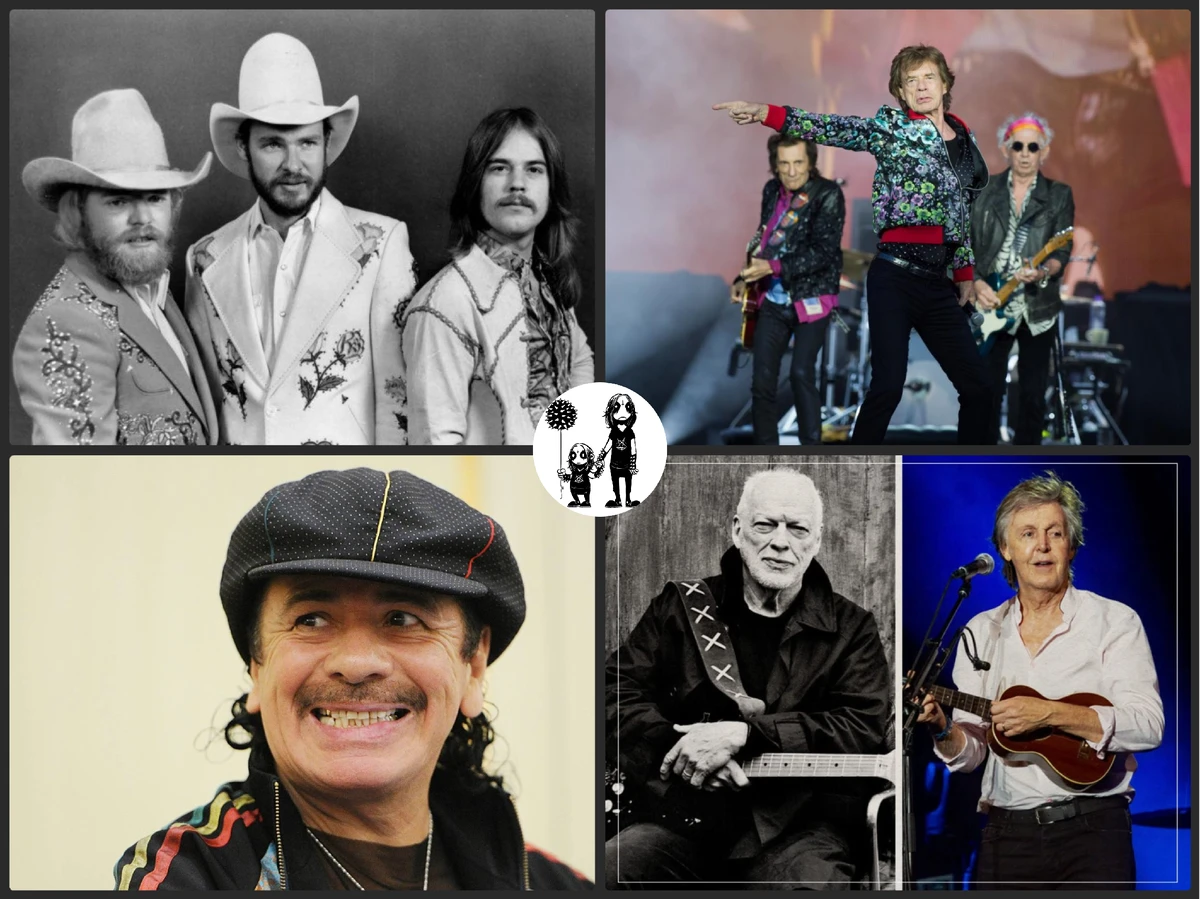
In 1976, Led Zeppelin released Presence, Aerosmith reached their creative peak with Rocks, and Kiss literally took over the world with Destroyer. Meanwhile, the Eagles recorded the monumental Hotel California, and Fleetwood Mac plotted their intrigues while creating their sublime Rumours.
Let's travel back in time and see what 25 of the greatest rock stars looked like in 1976, what they look like today, and recall some amazing facts from their careers. (Note: This list includes musicians who, fortunately, are still around for the most part and continuing their creative journey.)
1. AC/DC
Then (1976): The band (Angus Young, Malcolm Young, Bon Scott, Phil Rudd, Mark Evans) conquered the world with the album Dirty Deeds Done Dirt Cheap. 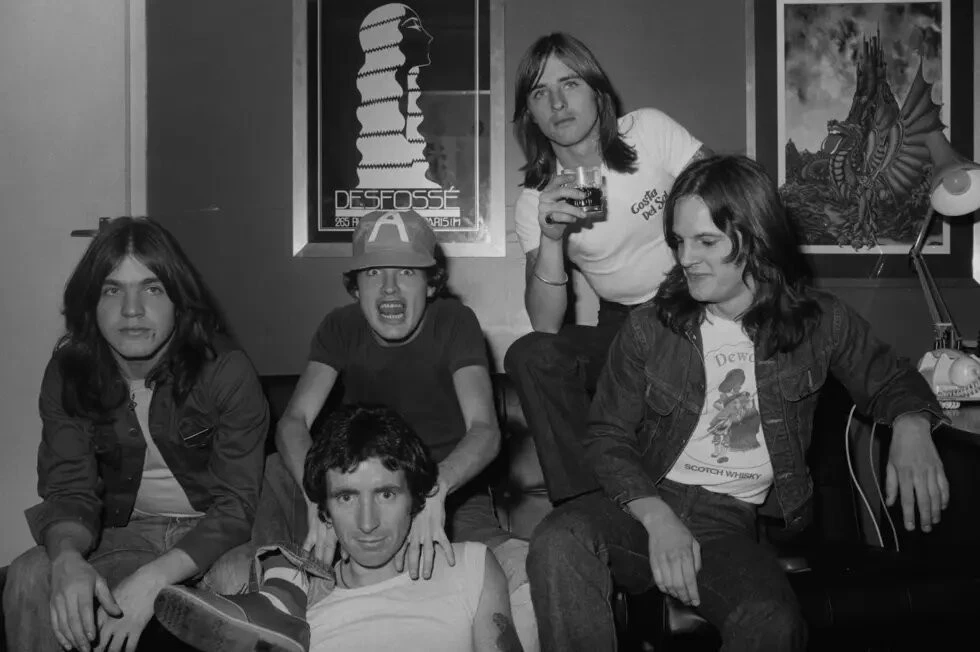
Now: The band, fronted by Brian Johnson, continues to sell out giant stadiums around the world. 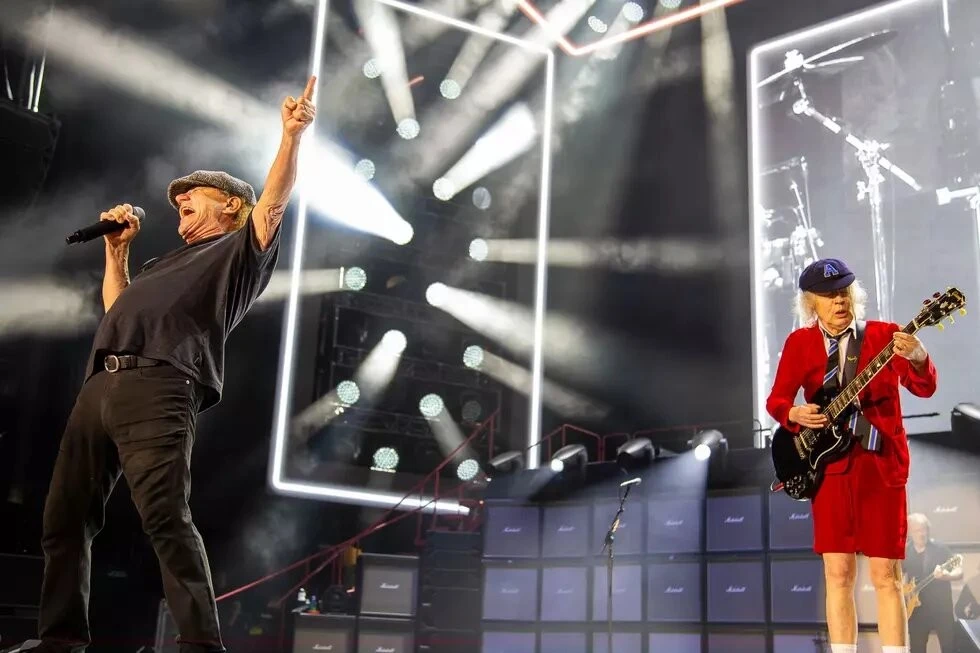
Interesting Facts:
The idea to dress Angus Young in a school uniform was his sister Margaret's. Previously, he had tried performing as Zorro, Superman, and even a gorilla.
1976 was AC/DC's first major UK tour. The local press initially mistakenly labeled them punk rockers due to their wild energy on stage.
2. Aerosmith
Then (1976): Steven Tyler and Joe Perry are at the height of their fame after the release of their album "Rocks." 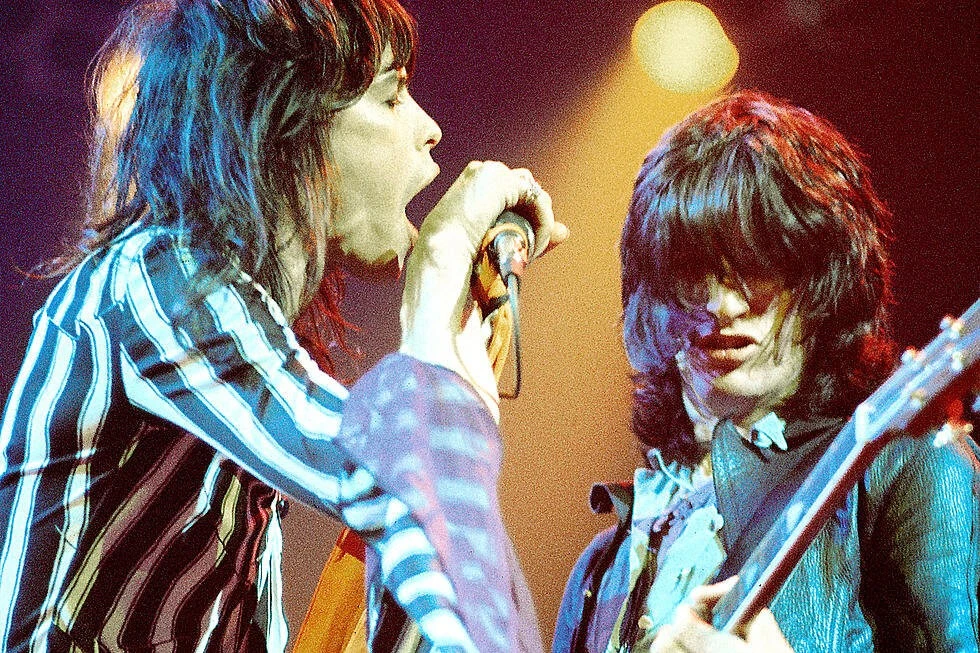
Now: The band recently announced their retirement from touring due to Tyler's vocal problems, but their status as legends remains unshaken. 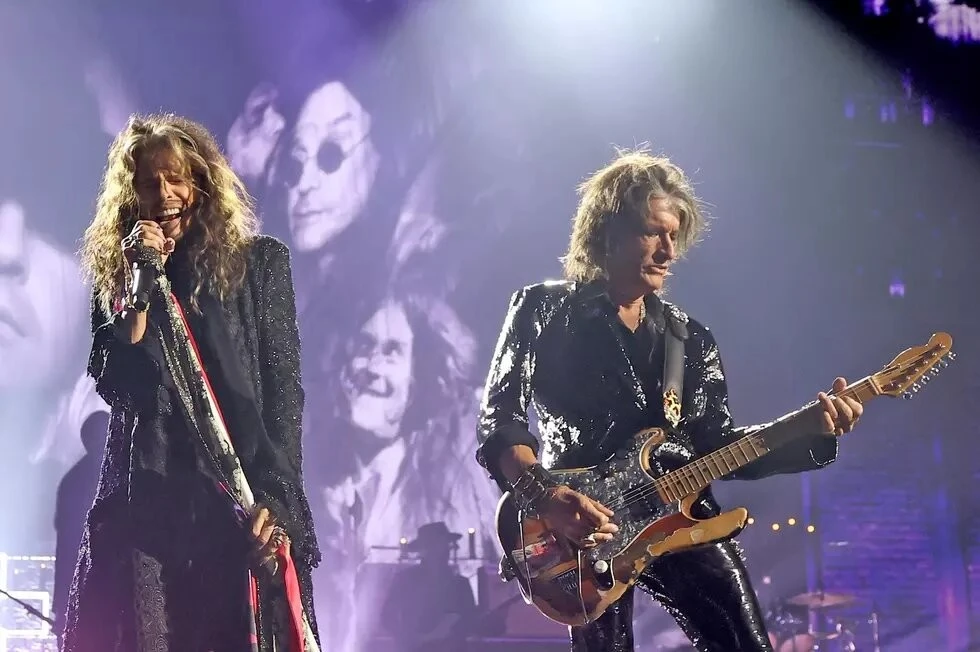
Fun Facts:
The 1976 album Rocks had a colossal influence on the next generation of musicians. Kurt Cobain, Slash (Guns N' Roses), and James Hetfield (Metallica) all cited this record as the reason they picked up guitars.
It was in the mid-70s that Tyler and Perry earned their famous nickname, the "Toxic Twins," for their wild lifestyle.
3. Alice Cooper and Diana Ross
Then (1976): The shock rocker and disco diva unexpectedly co-hosted the Rock Music Awards. 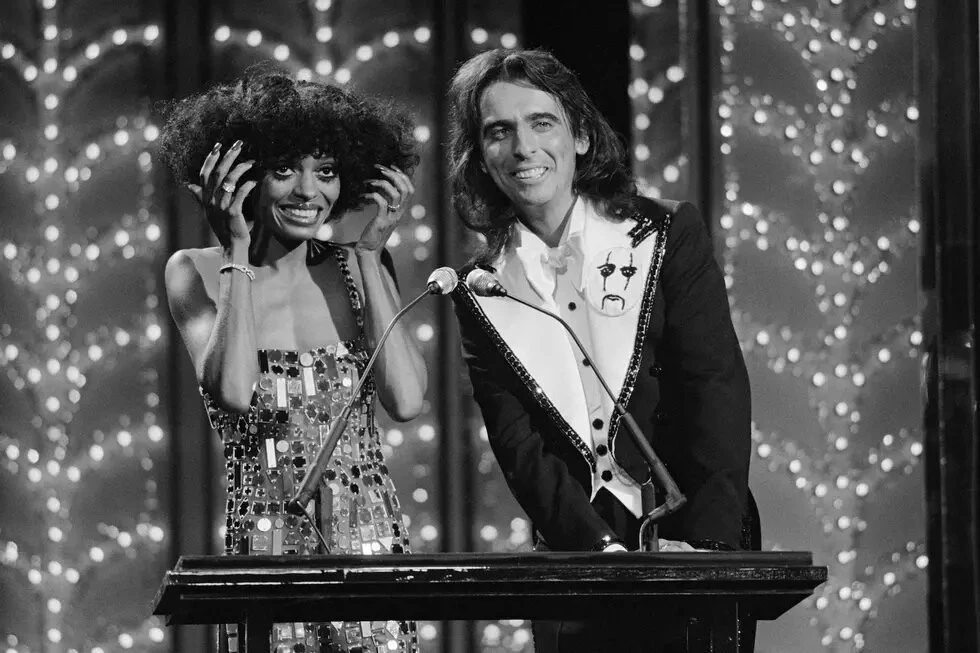
Now: Alice Cooper, in her 70s, continues to stage theatrical horror shows, while Diana Ross remains a style and music icon. 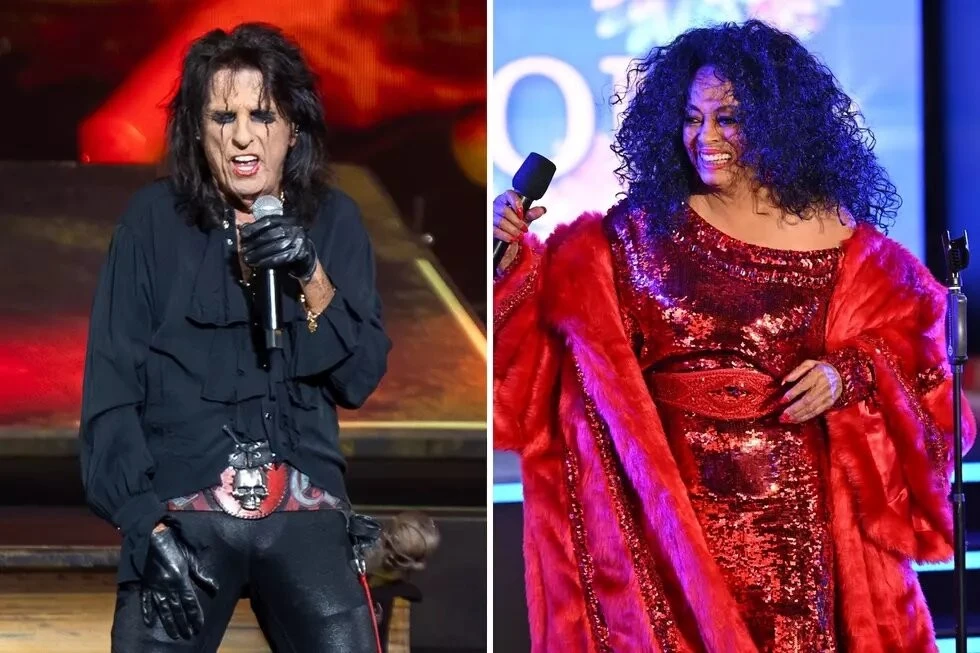
Interesting Facts:
Despite his stage image as a sinister monster, in 1976, Alice Cooper was an avid golfer and friends with Hollywood stars. Golf, he later credited with saving him from alcoholism.
The joint appearance of Cooper and Ross was a brilliant PR stunt, uniting two polar audiences – hard rock fans and soul fans.
4. Bob Dylan
Then (1976): Dylan performs at The Band's legendary farewell concert, The Last Waltz. 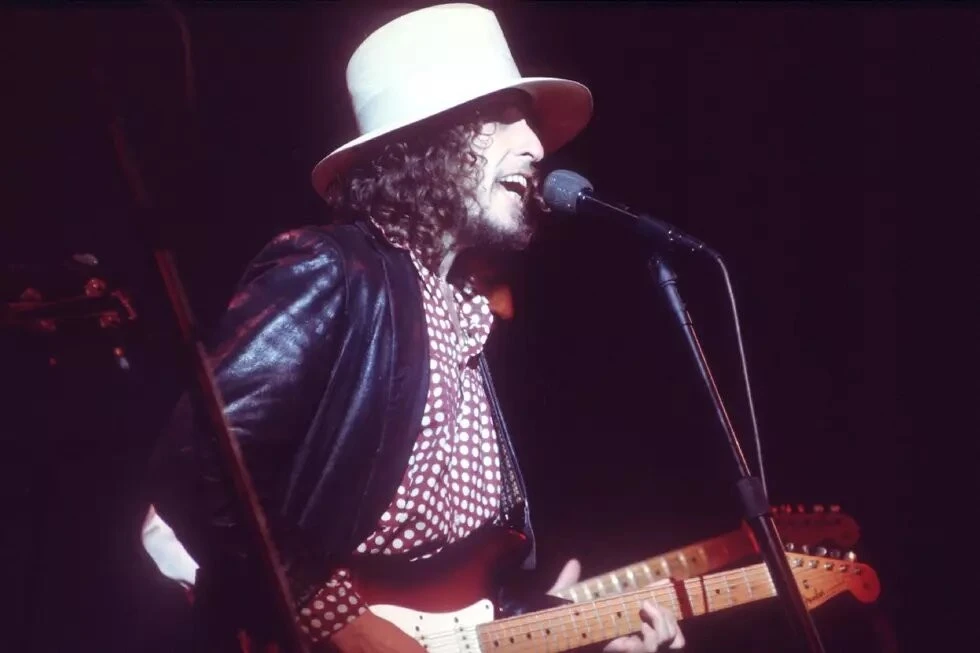
Now: Bob Dylan is a Nobel Prize winner in Literature and is still on his "Never Ending Tour." 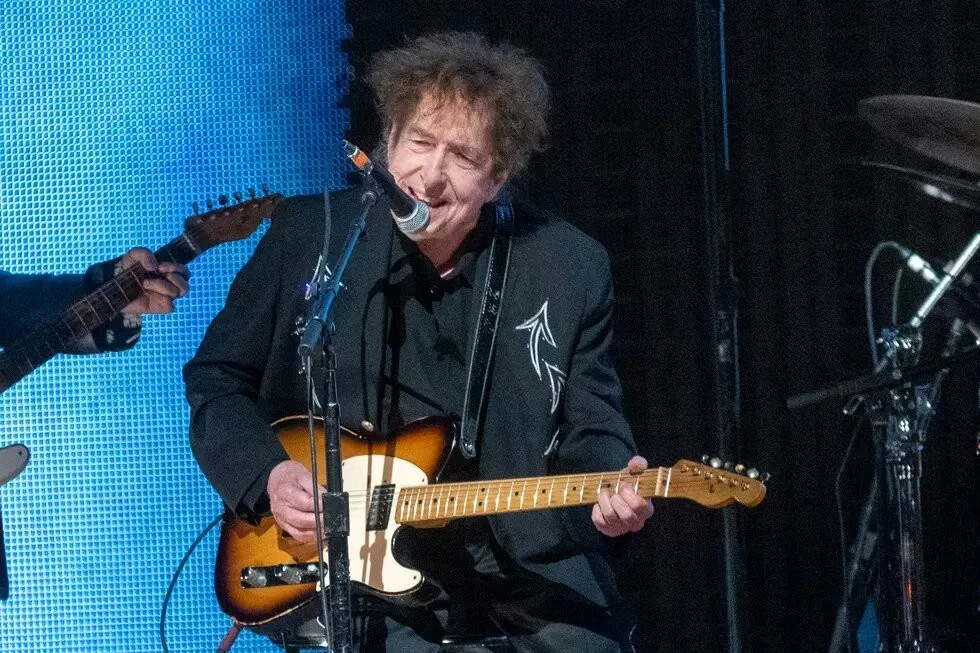
Interesting Facts:
In 1976, Dylan released one of his best albums, Desire, which included the powerful song "Hurricane," written in defense of wrongfully convicted boxer Rubin Carter.
Director Martin Scorsese almost lost footage of Dylan in the film The Last Waltz when the musician refused to allow his filming at the last minute. Only much persuasion saved the historic film.
5. Eagles
Then (1976): Release of the legendary album Hotel California. 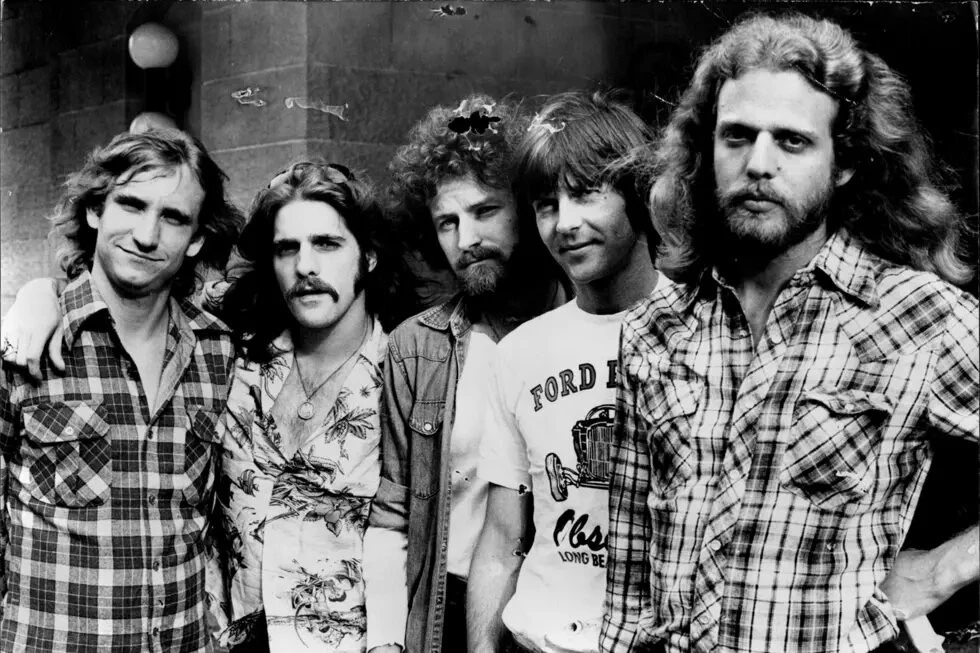
Currently: The band (with Don Henley, Joe Walsh, and Vince Gill) continues to perform despite Glenn Frey's passing. 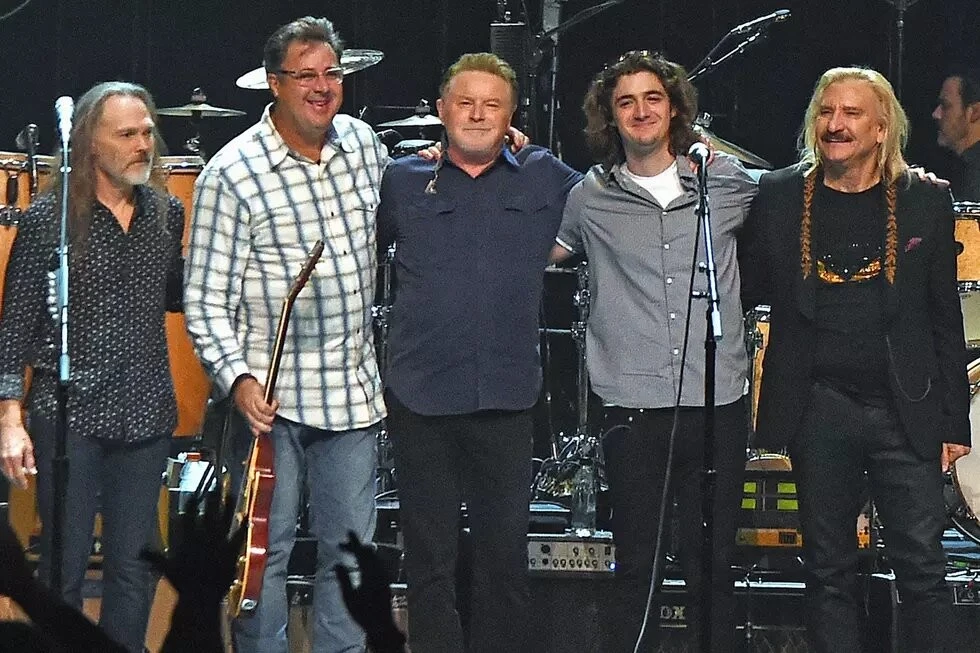
Interesting Facts:
Their 1976 compilation album, Their Greatest Hits (1971–1975), is the best-selling album in US history, surpassing even Michael Jackson's Thriller.
The famous guitar solo at the end of "Hotel California" was assembled in the studio literally piece by piece—note by note, over several days.
6. Fleetwood Mac
Then (1976): The band recorded their magnum opus, Rumours. 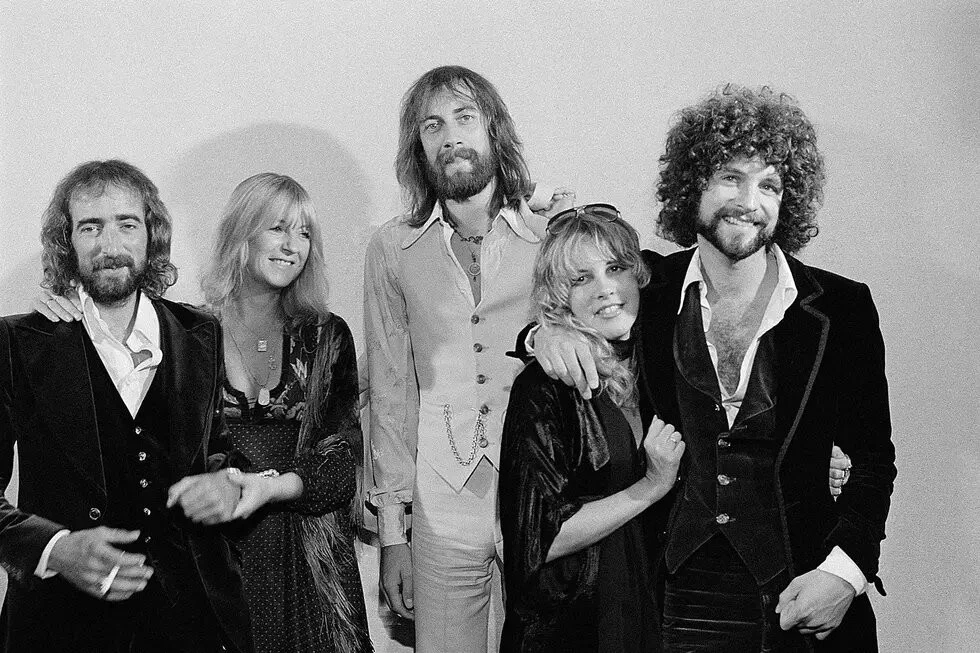
Now: The band is on hiatus following the death of Christine McVie, but Stevie Nicks continues to successfully pursue a solo career. 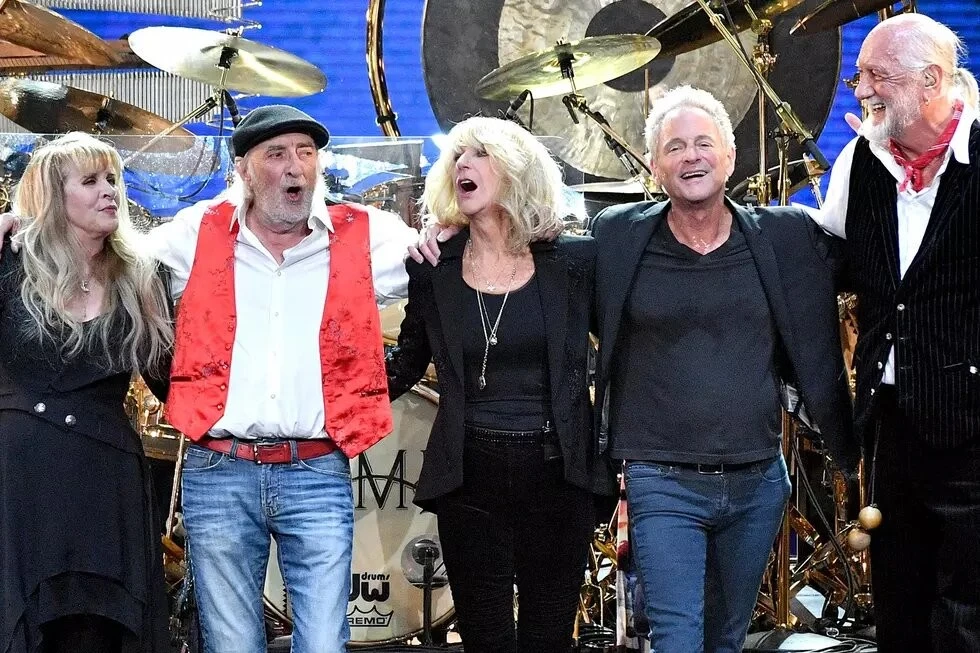
Interesting Facts:
The recording of Rumours in 1976 took place in an atmosphere of total chaos: two couples within the band (Stevie Nicks/Lindsey Buckingham and John/Christine McVie) were acrimoniously breaking up, and Mick Fleetwood was divorcing his wife. All their pain and anger spilled out into the lyrics.
Stevie Nicks wrote her only US #1 hit, "Dreams," in just 10 minutes, sitting on a bed in a nearby studio.
7. Peter Frampton
Then (1976): Release of the best-selling live album in history, Frampton Comes Alive! 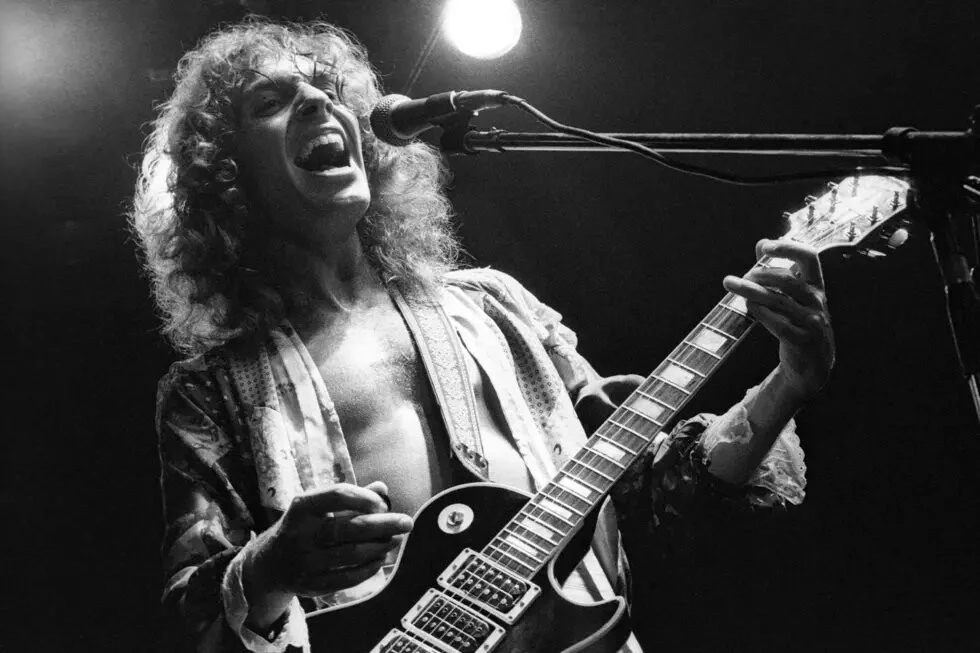
Now: Peter has retired from active touring due to a muscle condition, but continues to perform occasionally and play superbly. 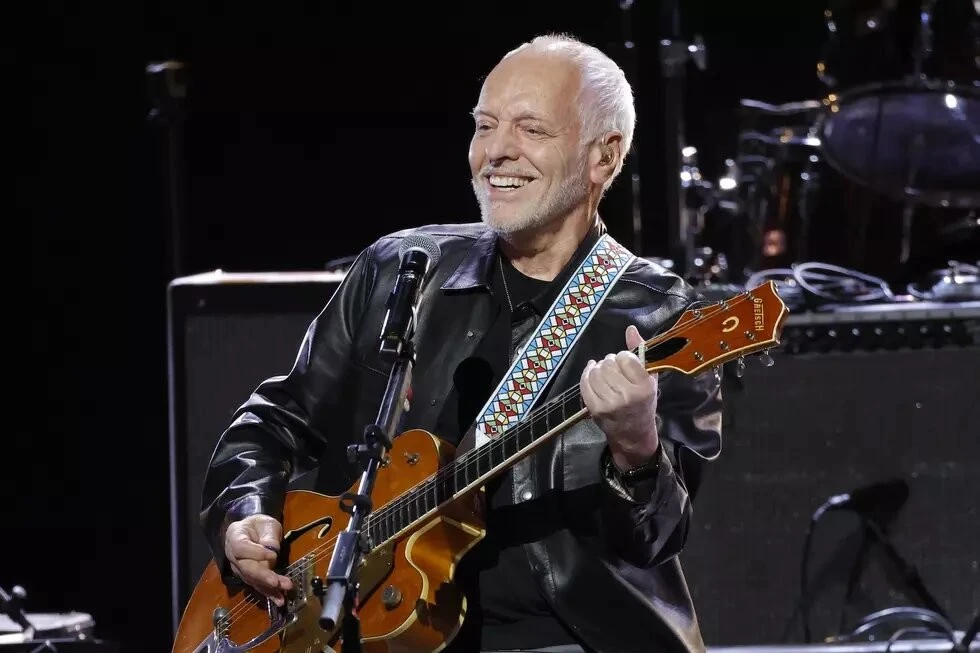
Interesting Facts:
Until 1976, Frampton was known only to a small circle of fans. His live album became a phenomenon, breaking all sales records.
Peter's signature instrument was the "Talk Box" effect—a device that allows the guitar to "talk" (featured in the hits "Show Me the Way" and "Do You Feel Like We Do").
8. David Gilmour and Paul McCartney
Then (1976): Gilmour (Pink Floyd) and McCartney relax backstage at the Knebworth Festival. 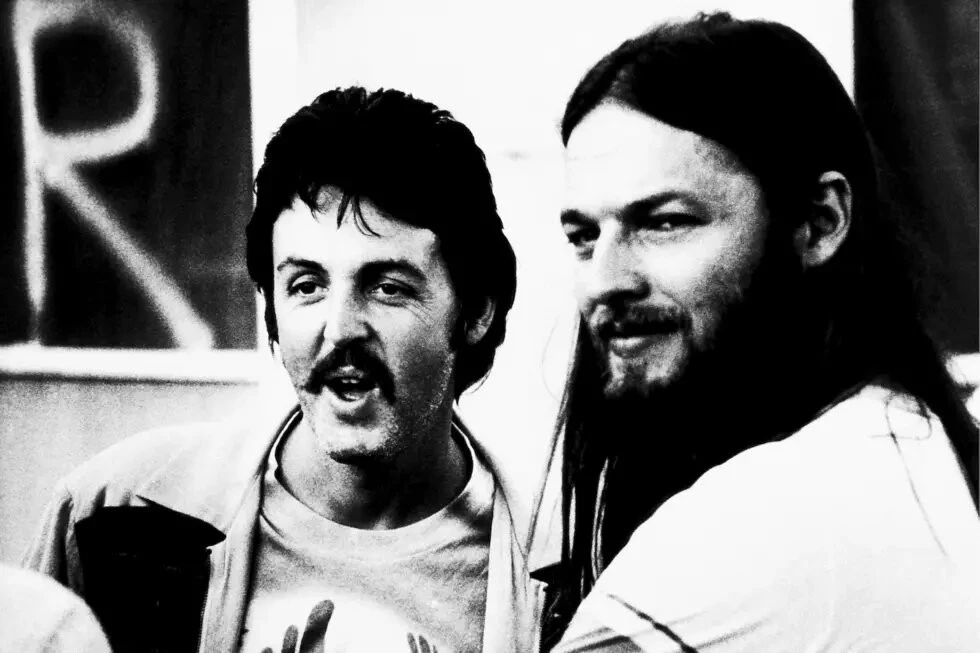
Currently: Both musicians are living classics of British music. Gilmour recently announced a new solo album, and Paul is packing stadiums. 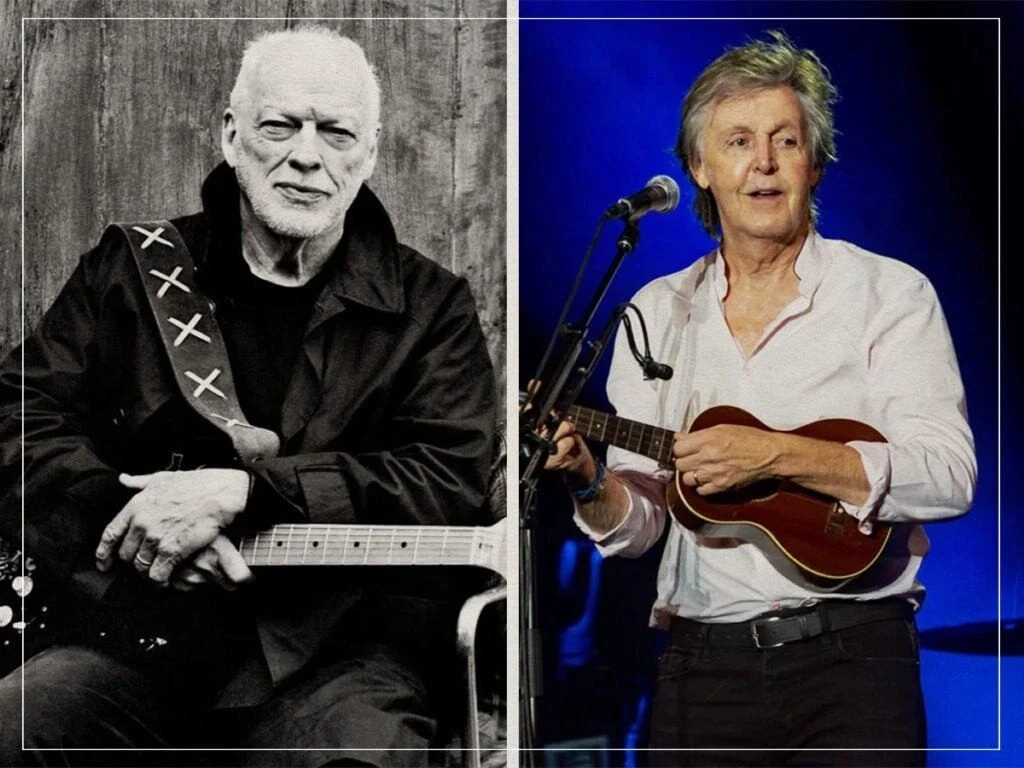
Interesting Facts:
In 1976, Pink Floyd were busy creating their dark masterpiece, Animals, at the new Britannia Row Studios.
Many years later, Gilmour would play a magnificent guitar solo on McCartney's solo hit "No More Lonely Nights" (1984).
9. Billy Joel
Then (1976): Release of the album Turnstiles, where Joel forged his signature sound. 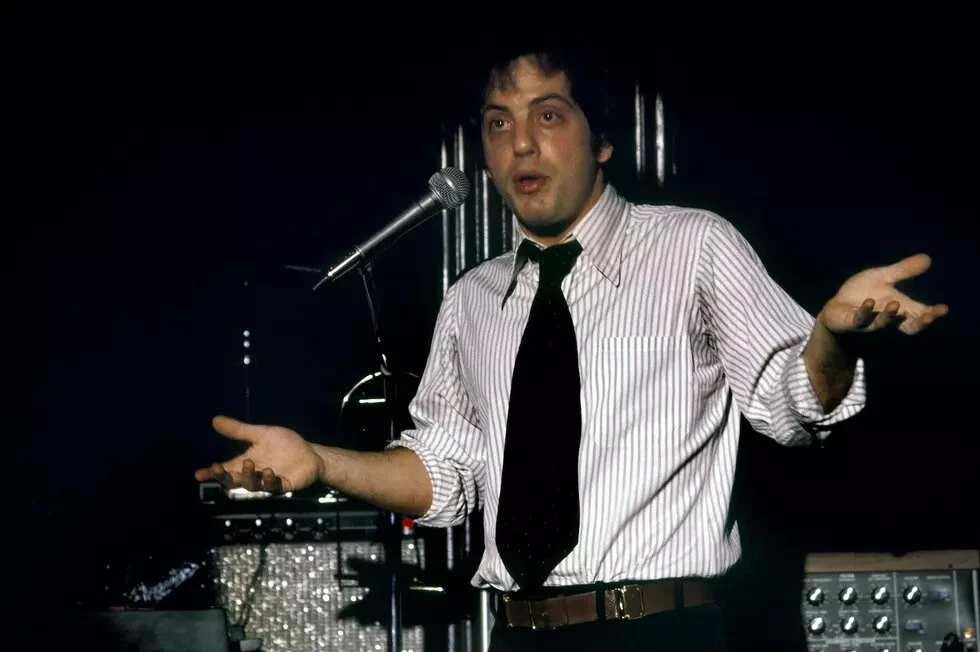
Now: Billy Joel just concluded his historic decade-long residency (a series of monthly concerts) at Madison Square Garden. 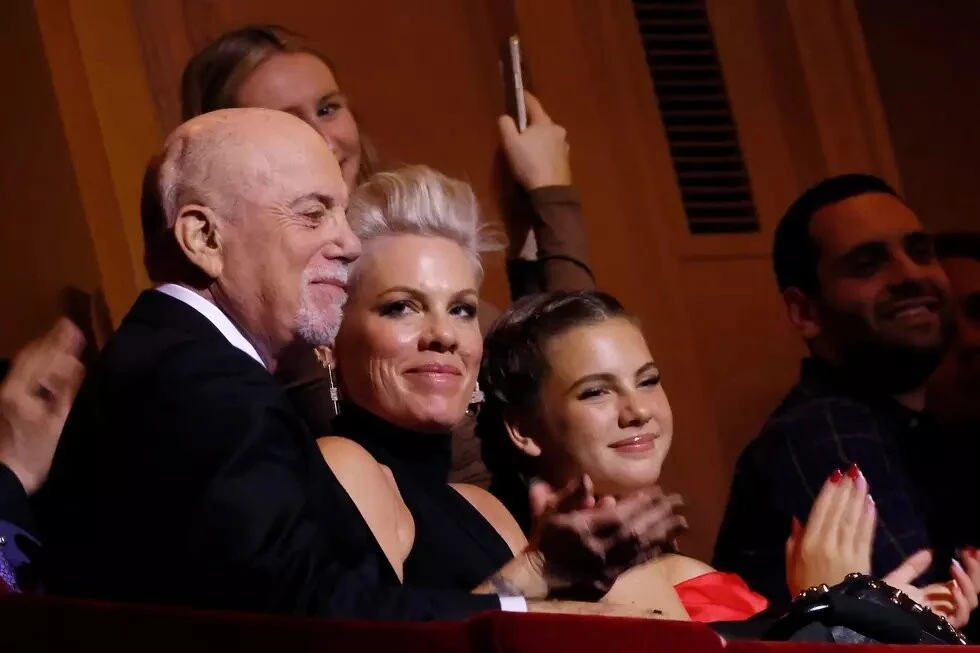
Fun Facts:
In 1976, Billy moved from Los Angeles back to New York, which inspired him to write the classic "New York State of Mind."
He didn't like the way Elton John produced his album, so Joel fired the producer and took control of the mixing boards himself for the first time.
10. Heart (Ann and Nancy Wilson)
Then (1976): The Wilson Sisters Smash the Charts with Their Debut Album, Dreamboat Annie. 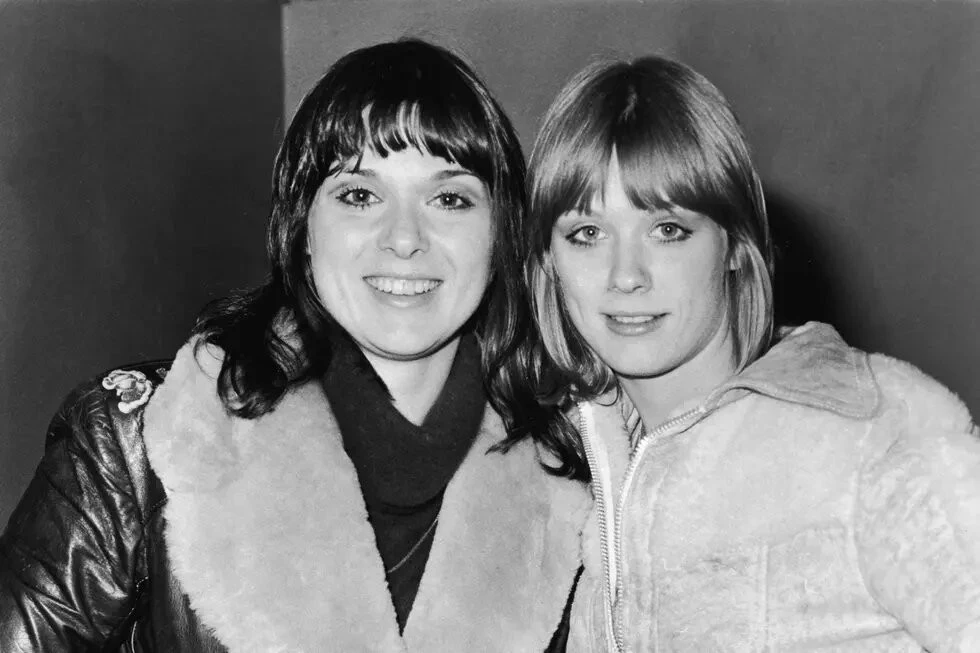
Now: The sisters overcame recent marital discord and made a triumphant return to the stage together. 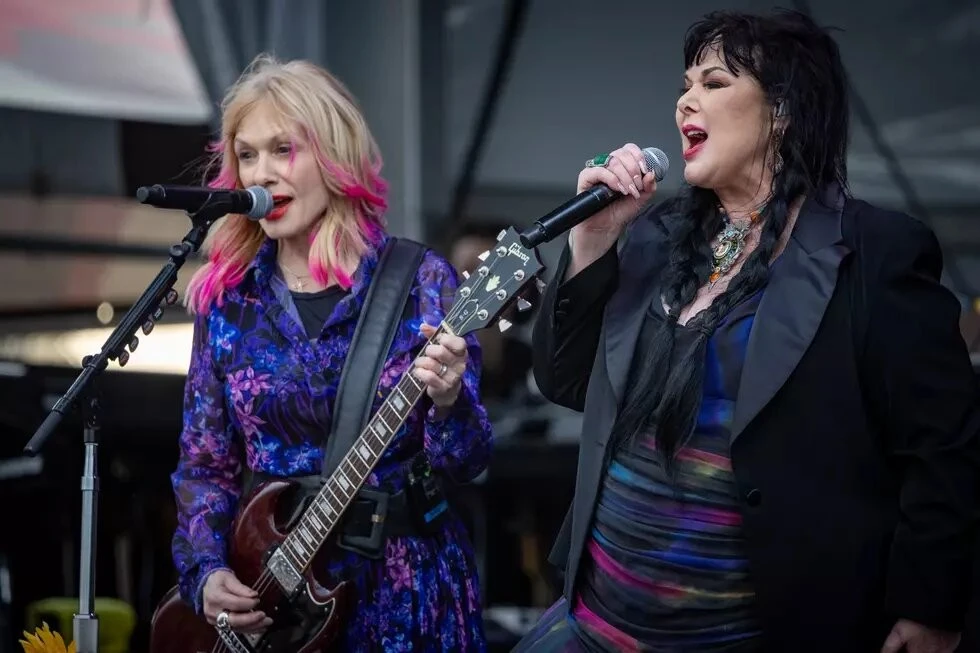
Interesting Facts:
Heart became one of the first female-fronted hard rock bands, shattering the stereotype that heavy music was a strictly male domain.
Nancy Wilson wrote the famous acoustic interlude before "Crazy on You" when she was just over twenty years old.
11. Elton John
Then (1976): Record-breaking concerts and the release of the album Blue Moves. 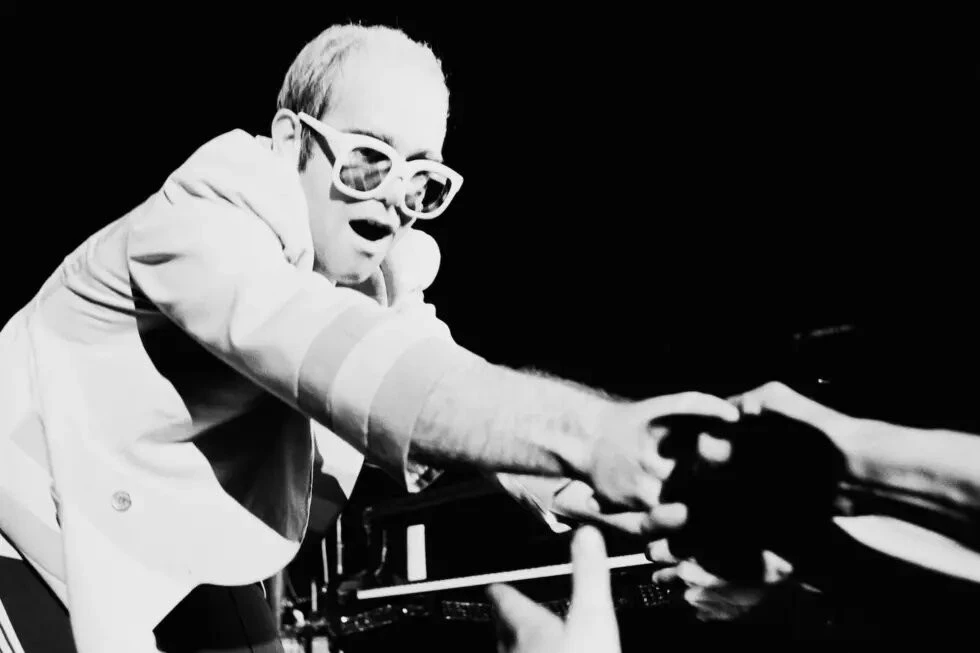
Now: Sir Elton officially ended his touring career with a massive farewell tour, but continues to produce and attend fashion shows. 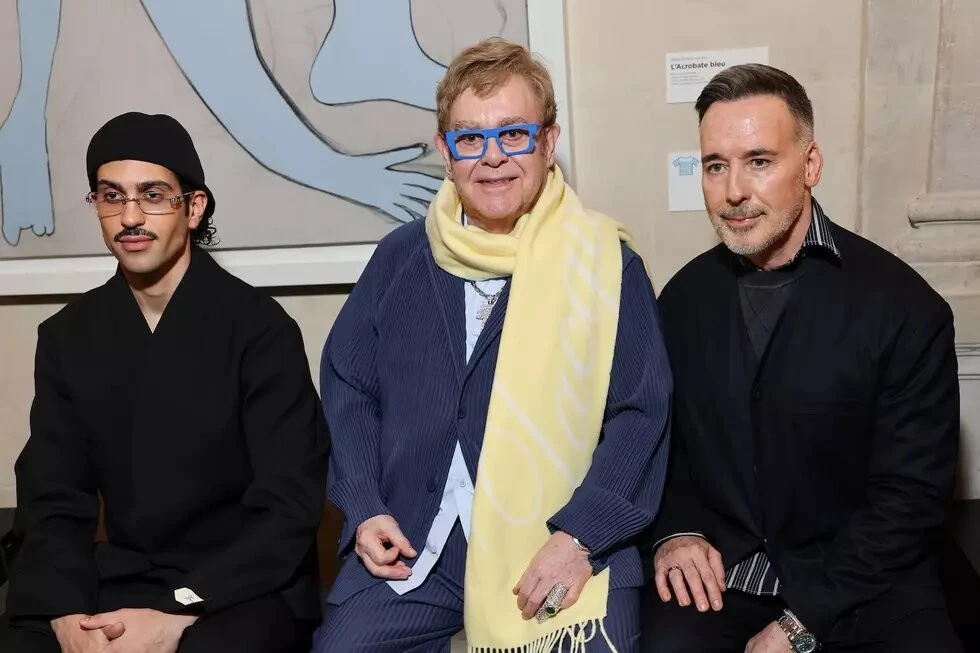
Interesting Facts:
In 1976, Elton John gave his famous interview to Rolling Stone magazine, in which he publicly announced his sexuality for the first time.
In the summer of 1976, Elton set a record by performing seven consecutive concerts at Madison Square Garden in New York City (a record later broken by Billy Joel).
12. Kiss
Then (1976): The band released two platinum albums at once—Destroyer and Rock and Roll Over. 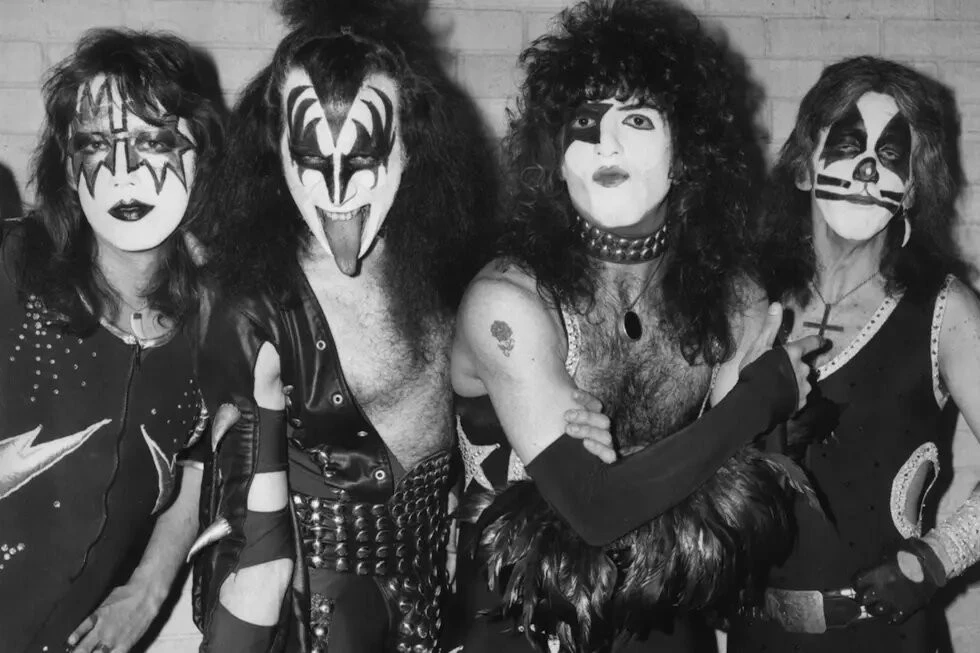
Now: Kiss has officially retired from performing in makeup, signing away their avatar rights, but Gene Simmons and Paul Stanley remain showbiz powerhouses. 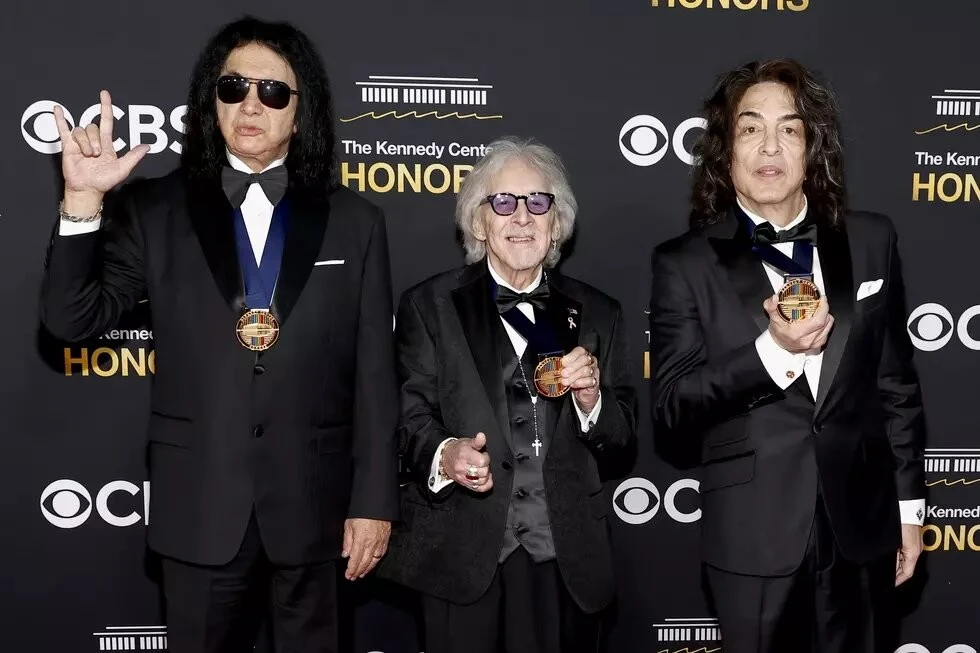
Interesting facts:
The song "Beth," the biggest hit from the album Destroyer, was originally relegated to the B-side of the single "Detroit Rock City," but radio stations began playing it.
This album marked the first time Kiss used children's choirs and a symphony orchestra, moving beyond simple glam metal.
13. Paul and Linda McCartney
Then (1976): The triumphant Wings Over America tour. 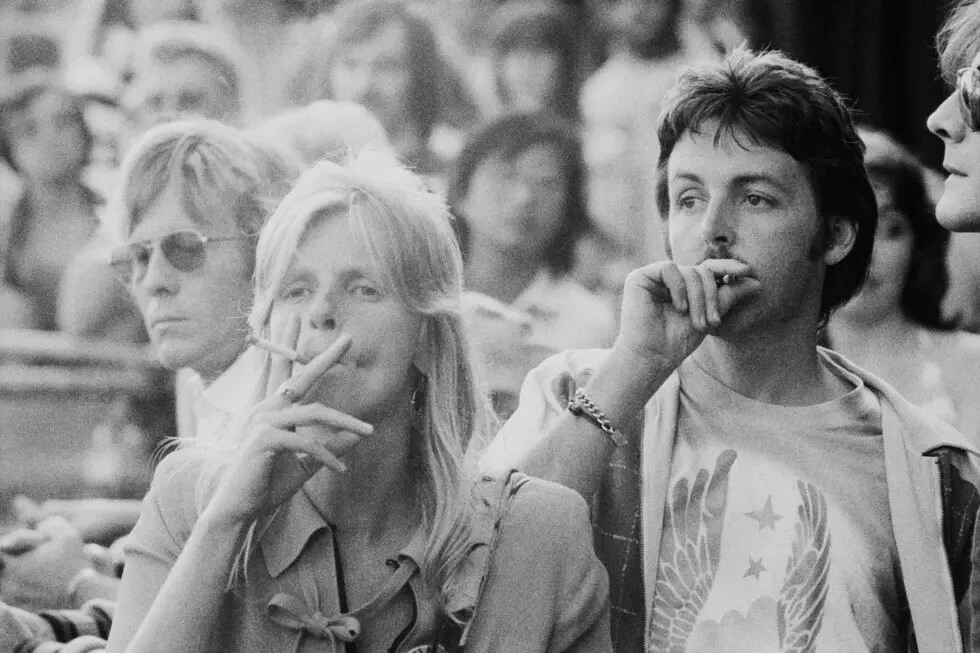
Now: Linda died tragically in 1998, but Paul McCartney remains the world's most influential living musician. 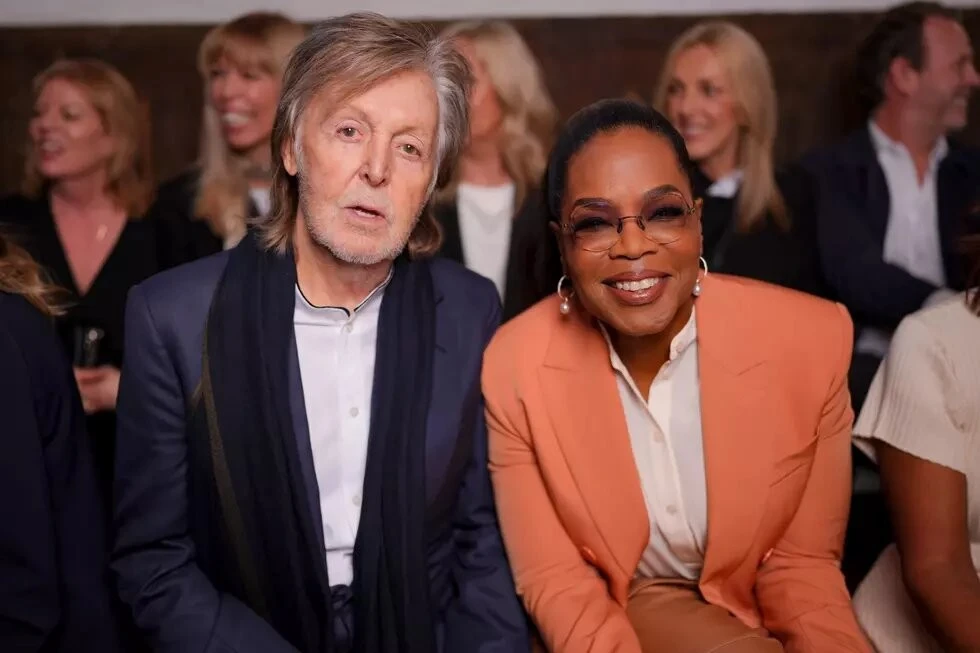
Interesting Facts:
The 1976 tour was McCartney's first visit to North America since the breakup of The Beatles. It proved he was capable of packing stadiums with his new band, Wings.
Linda was constantly criticized for her musical skills, but Paul always called her the heart and soul of the band.
14. Joni Mitchell
Then (1976): Release of the jazz-folk masterpiece Hejira. 
Now: Joni suffered a severe ruptured brain aneurysm (stroke), but achieved a true miracle: she re-learned how to walk, talk, and play guitar. She triumphantly returned to the stage, receiving prestigious Grammy and JUNO awards. 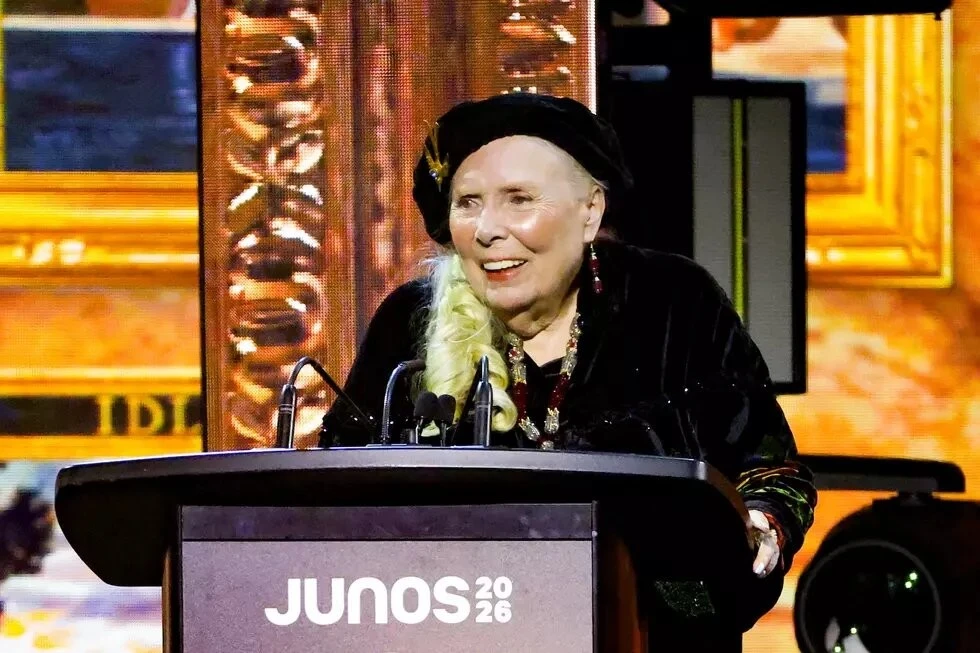
Fun Facts:
Joni wrote almost the entire album Hejira during a long, lonely car trip from Maine to Los Angeles.
The album's unique sound was given a unique feel by legendary bassist Jaco Pastorius, whose playing perfectly blended with Mitchell's voice.
15. Jimmy Page (Led Zeppelin)
Then (1976): Release of the album Presence, recorded under extreme conditions. 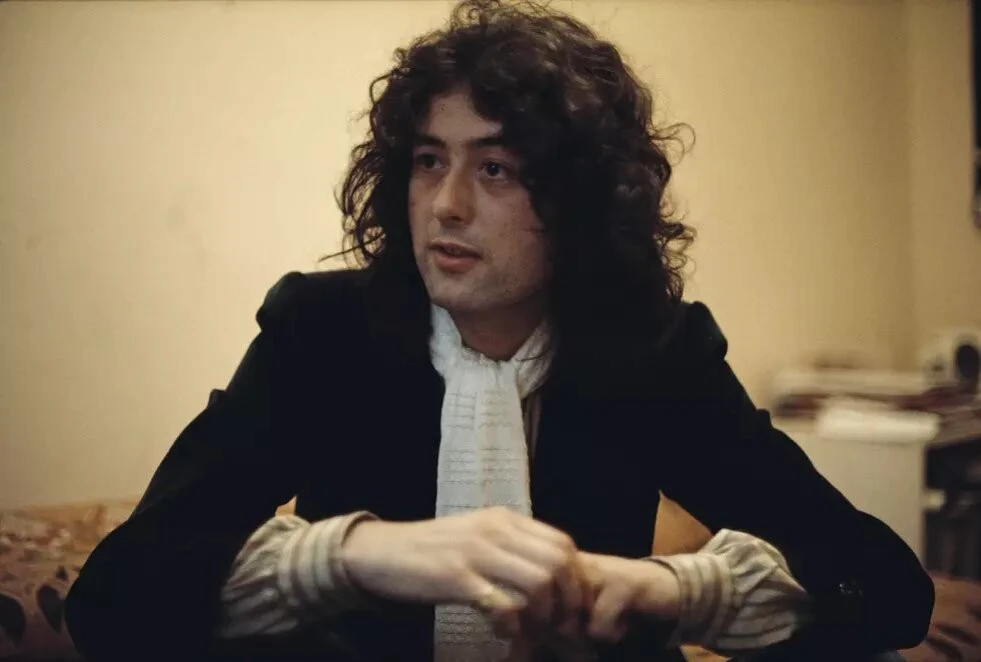
Currently: Page is remastering the Zeppelin archives and occasionally appears on stage, as he did at Link Wray's induction into the Rock and Roll Hall of Fame. 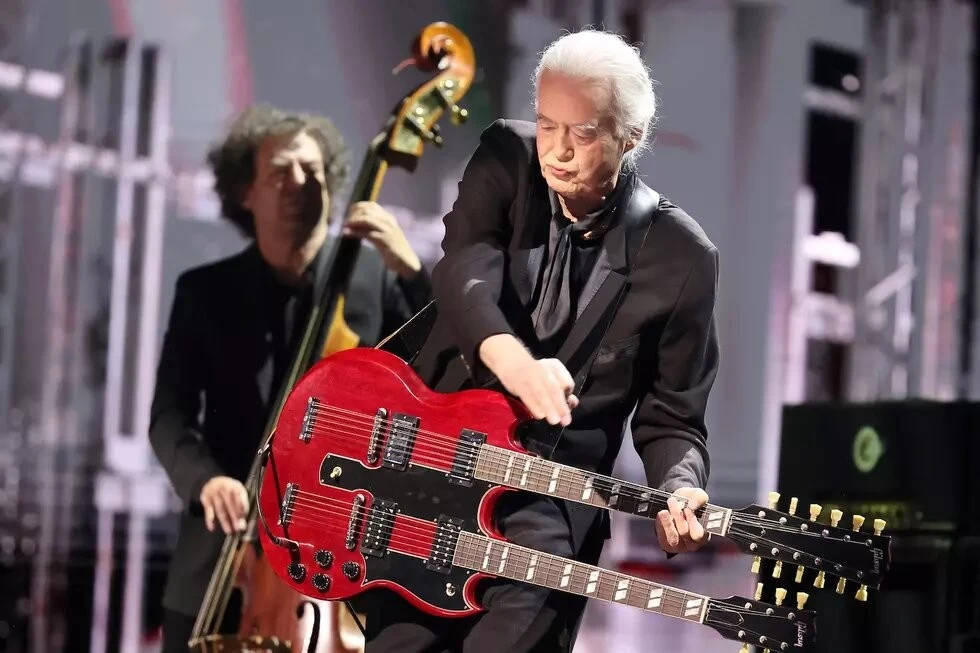
Interesting Facts:
Page recorded and mixed the Presence album in Munich, working 18-20 hours a day. The entire recording session took a record 18 days.
This album features almost no keyboards or acoustic guitars—it's pure, uncompromising guitar-driven hard rock.
16. Robert Plant
Then (1976): The Led Zeppelin singer is recovering from a serious car accident. 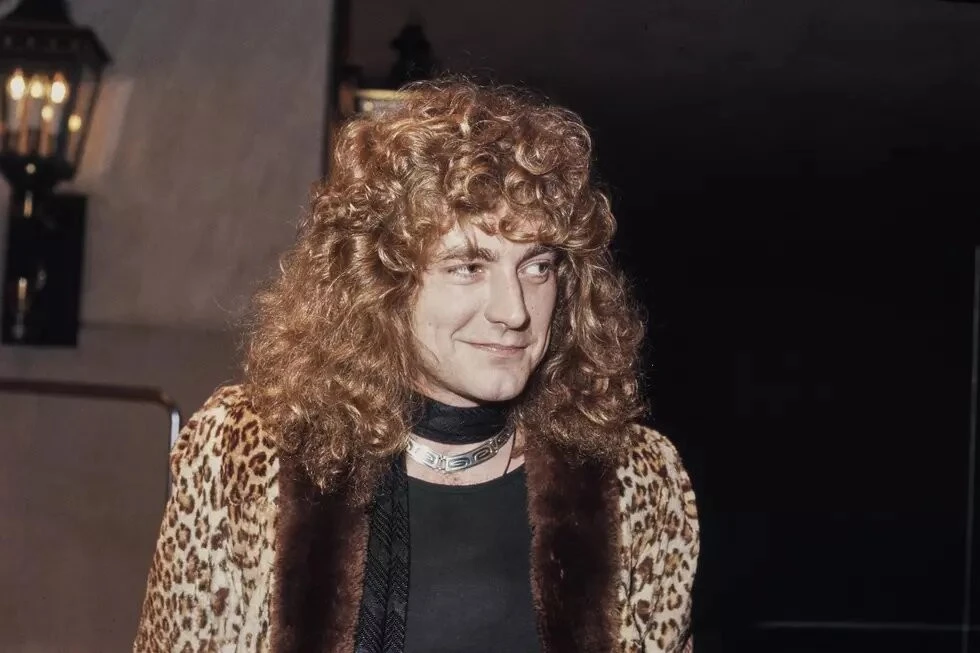
Now: Plant continues a successful career in the folk/Americana genre and regularly performs with singer Alison Krauss and the band Saving Grace. 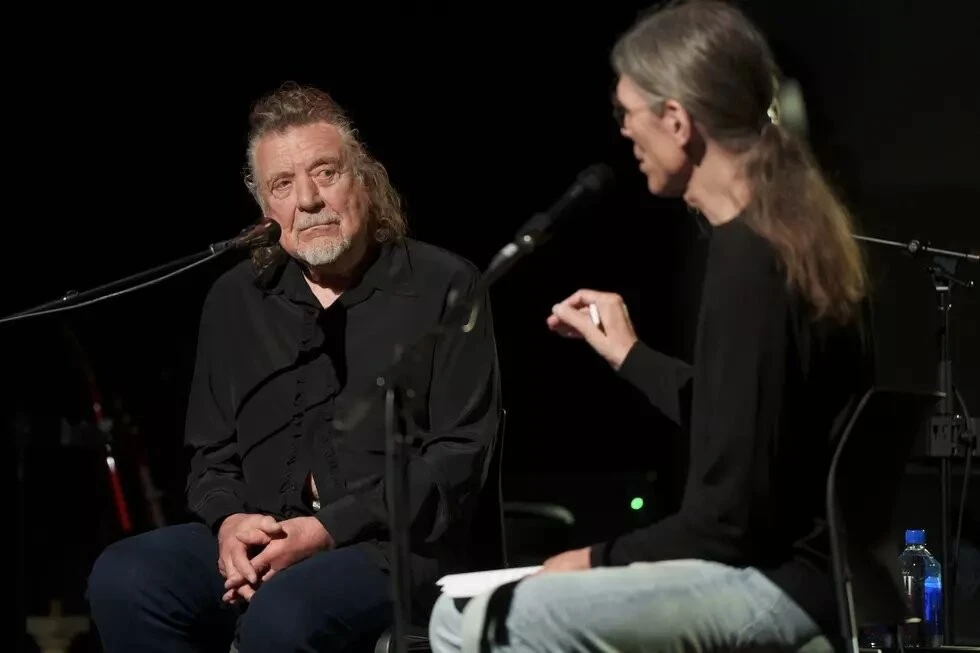
Interesting Facts:
During the recording of Presence, Plant couldn't walk. He recorded all his powerful vocals from a wheelchair.
An accident in Greece prevented Led Zeppelin from touring for several years, changing the course of the band's history.
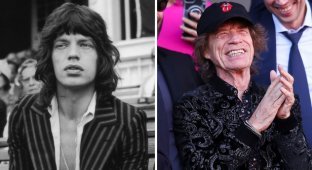
17. The Rolling Stones
Then (1976): The album Black and Blue and a European tour. 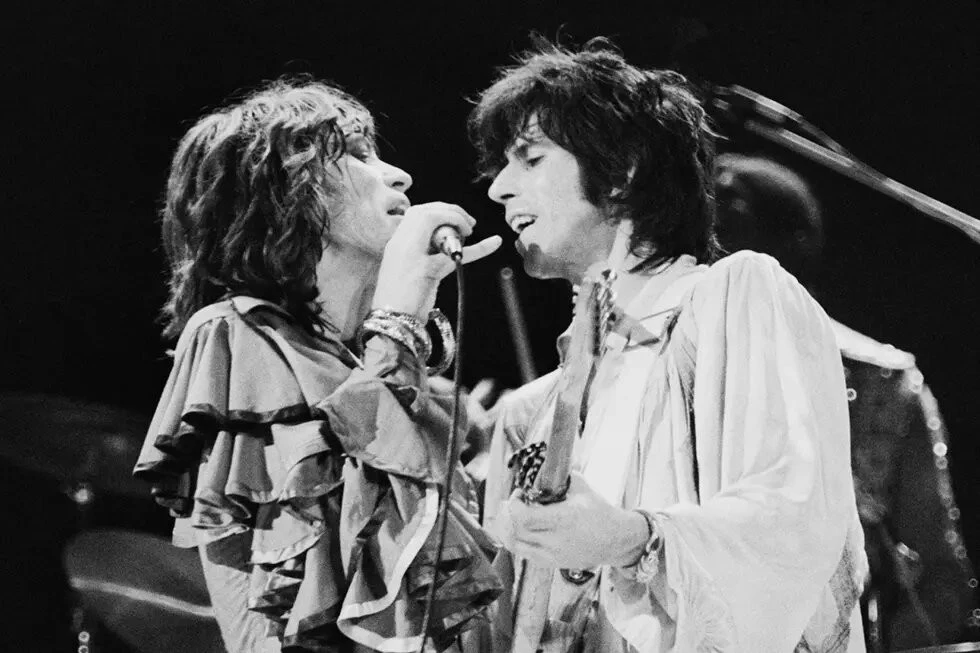
Now: Mick Jagger, Keith Richards, and Ronnie Wood recently released the brilliant album Hackney Diamonds and continue to rock stadiums. 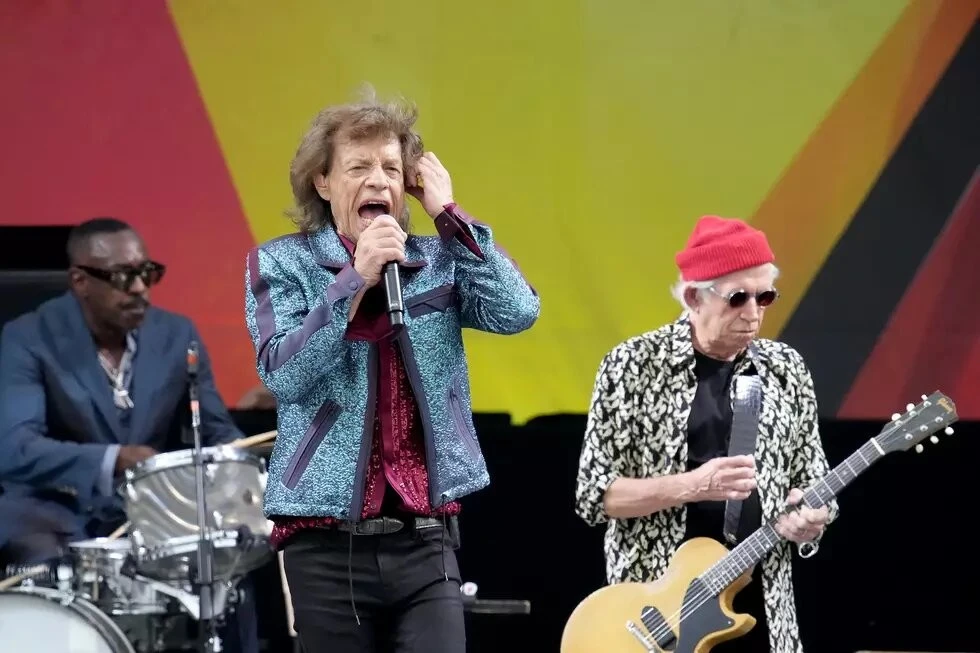
Interesting Facts:
1976 marked the year Ronnie Wood finally joined the Stones, replacing Mick Taylor.
Keith Richards was deeply addicted to heroin at the time, leading to his famous arrest in Toronto in early 1977, when the band was on the verge of breaking up.
18. Rush
Then (1976): The Canadian trio releases their breakthrough album, 2112. 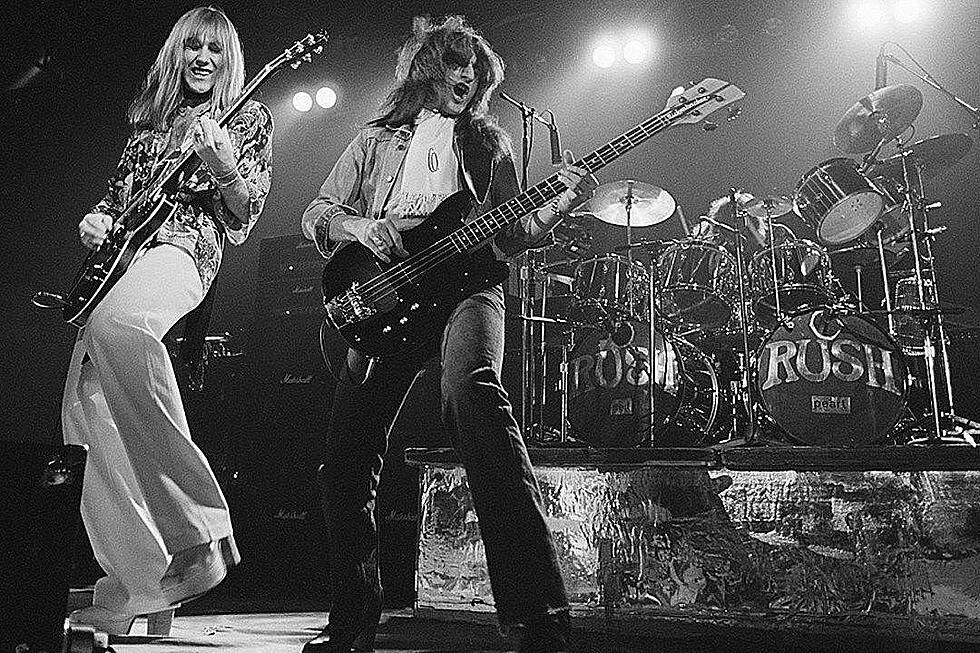
Now: Following the death of drummer Neil Peart in 2020, the band disbanded, but Geddy Lee and Alex Lifeson continue to carry on the band's legacy. 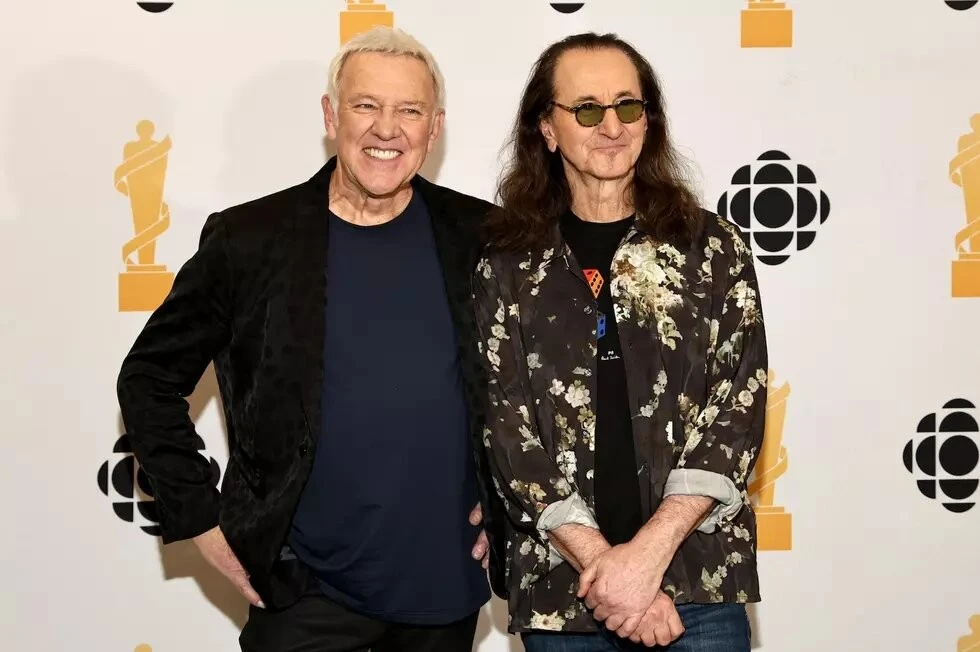
Fun Facts:
The label demanded short radio hits from the band. Instead, Rush recorded the 20-minute concept suite "2112" on the album's first side. It was an all-or-nothing gamble, and it paid off.
The album saved the band from being dropped by Mercury Records and made them legends of progressive rock.
19. Patti Smith
Then (1976): The "Godmother of Punk Rock" explodes onto the New York underground scene after the release of Horses. 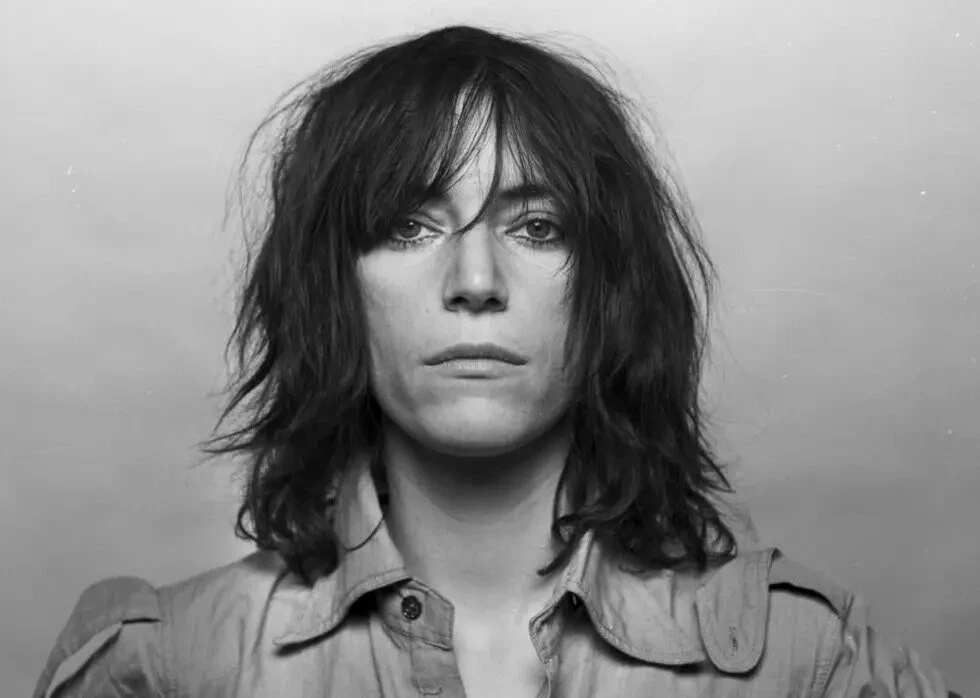
Now: Patti is a respected poet, writer, and icon of the musical avant-garde. 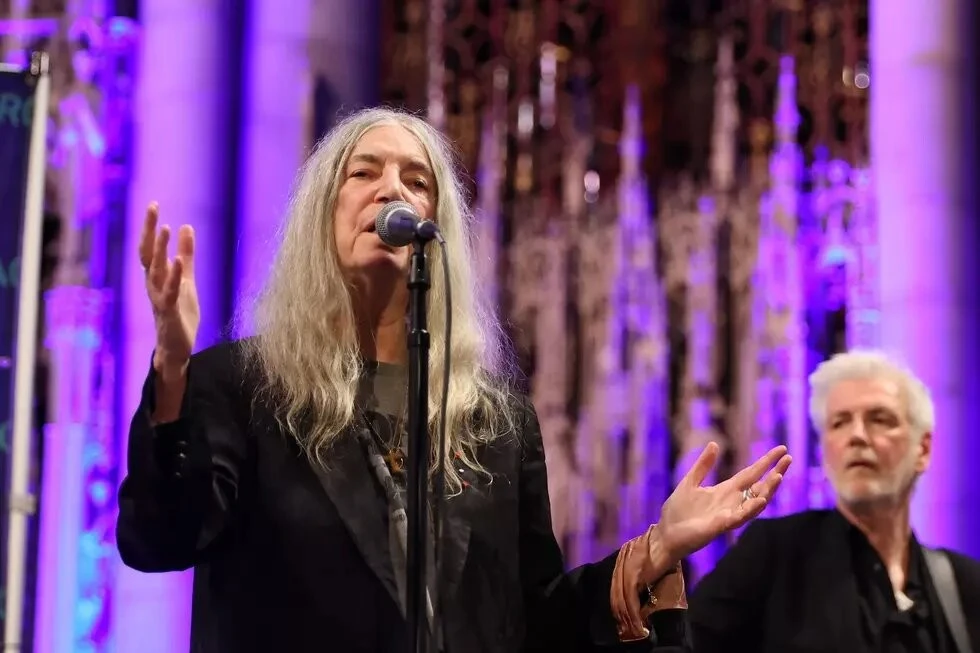
Fun Facts:
Patti Smith was the first to combine 19th-century French poetry (Arthur Rimbaud, Charles Baudelaire) with the grimy, primal spirit of garage punk.
In 1976, she dominated the CBGB scene in New York City, paving the way for bands like the Ramones and Blondie.
20. Talking Heads
Then (1976): The birth of New York new wave. The trio plays at CBGB. 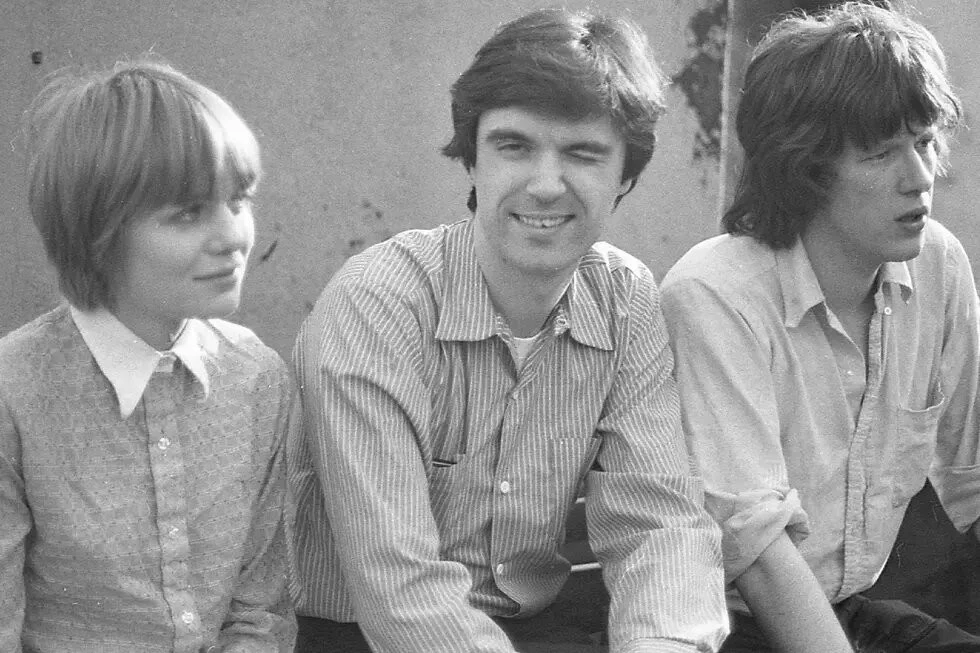
Currently: The band members recently reunited (for the first time in 20 years) to promote the re-release of the film Stop Making Sense. 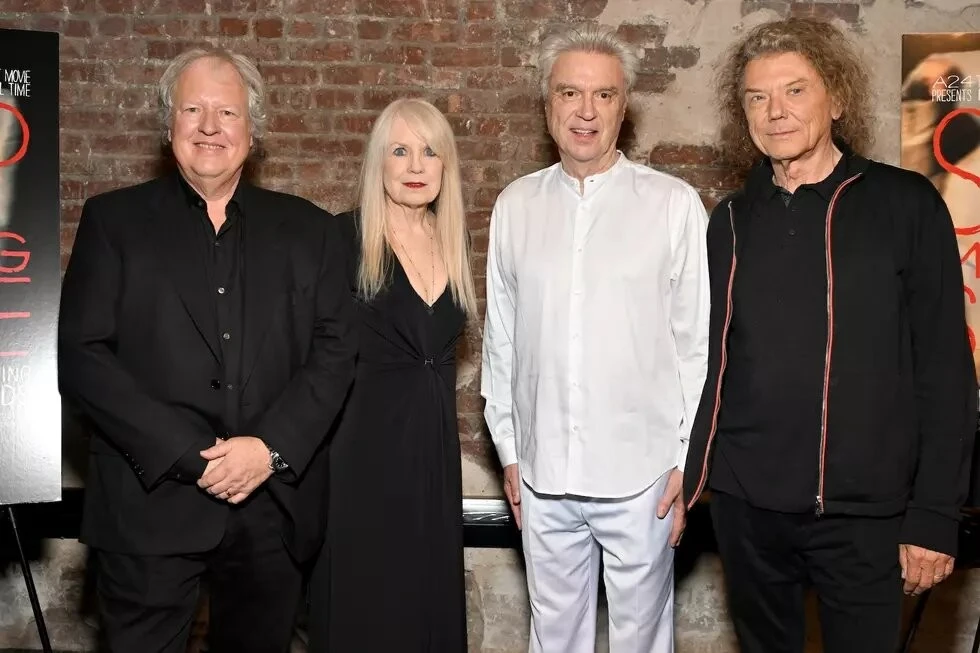
Interesting Facts:
In 1976, the band frequently opened for the Ramones. Unlike the leather-jacketed punks, David Byrne and his crew wore polo shirts, like straight-A students.
Byrne's nervous, twitchy stage presence was a revelation and a new aesthetic for post-punk.
21. Carlos Santana
Then (1976): The album "Amigos" and the fusion of Latin and jazz-rock. 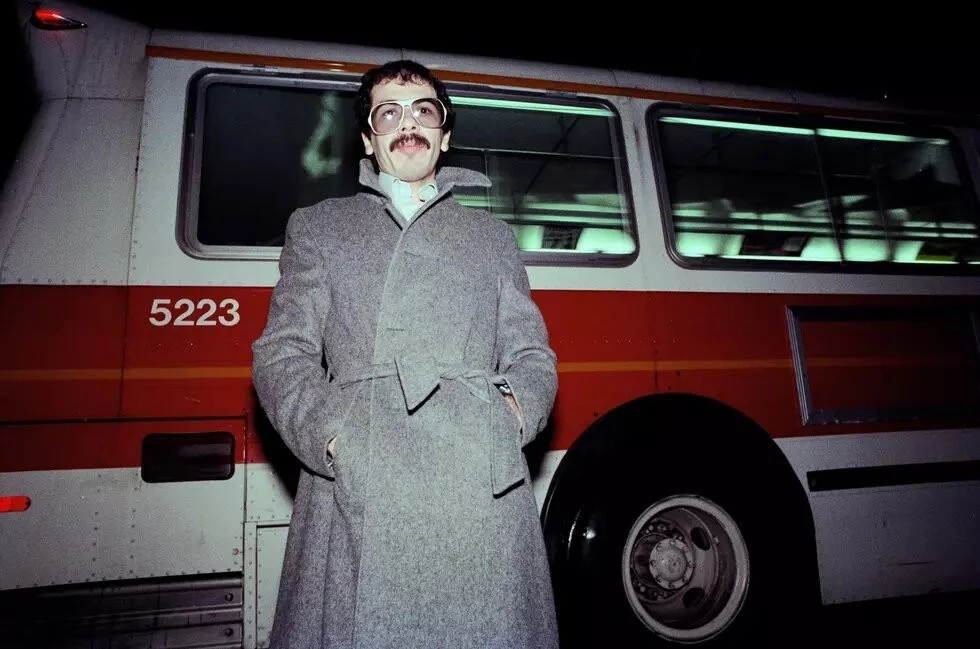
Now: Carlos remains a great guitarist, recently receiving more Latin Grammy awards. 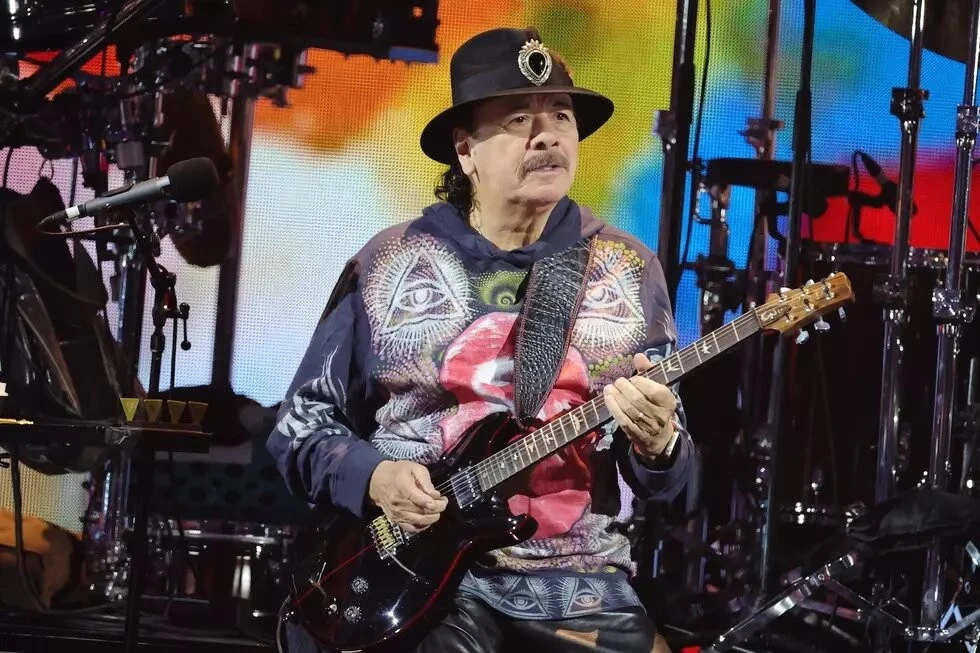
Interesting Facts:
It was on this 1976 album that the instrumental composition "Europa (Earth's Cry Heaven's Smile)" was released—one of the most beautiful guitar melodies of the 20th century.
During this period, Santana was deeply immersed in the spiritual teachings of guru Sri Chinmoy, which greatly influenced the cosmic sound of his guitar.
22. Bruce Springsteen
Then (1976): Triumph after Born to Run and... a legal nightmare. 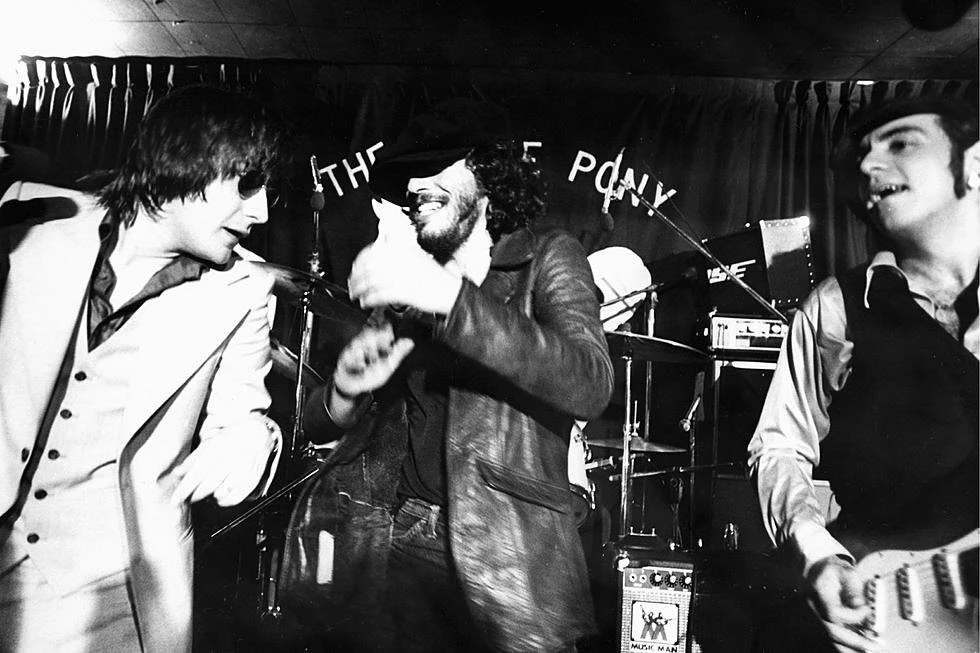
Now: "The Boss" continues to play his grueling three-hour concerts with the E Street Band. 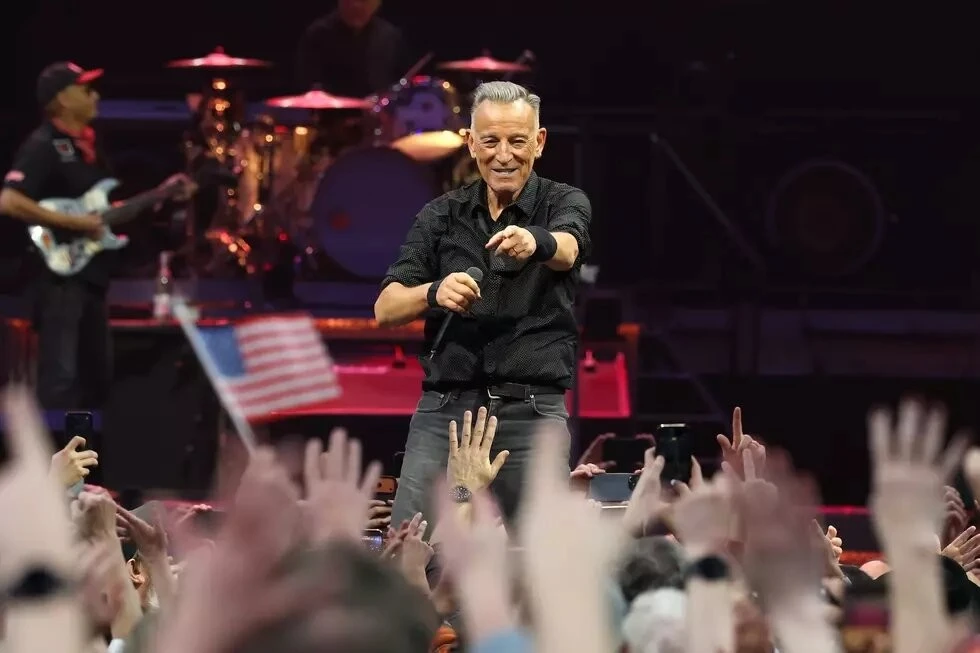
Interesting Facts:
Springsteen spent all of 1976 in court with his former manager, Mike Appel. Because of the injunction, Bruce was barred from recording music for almost three years!
As a result of this hiatus, all the pent-up emotions poured out in the creation of his darkest and most profound album, Darkness on the Edge of Town (1978).
23. Ringo Starr
Then (1976): Ringo's Rotogravure album. 
Now: Ringo, now in his 80s, looks fantastic, preaches the slogan "Peace and Love," and tours with his All-Starr Band. 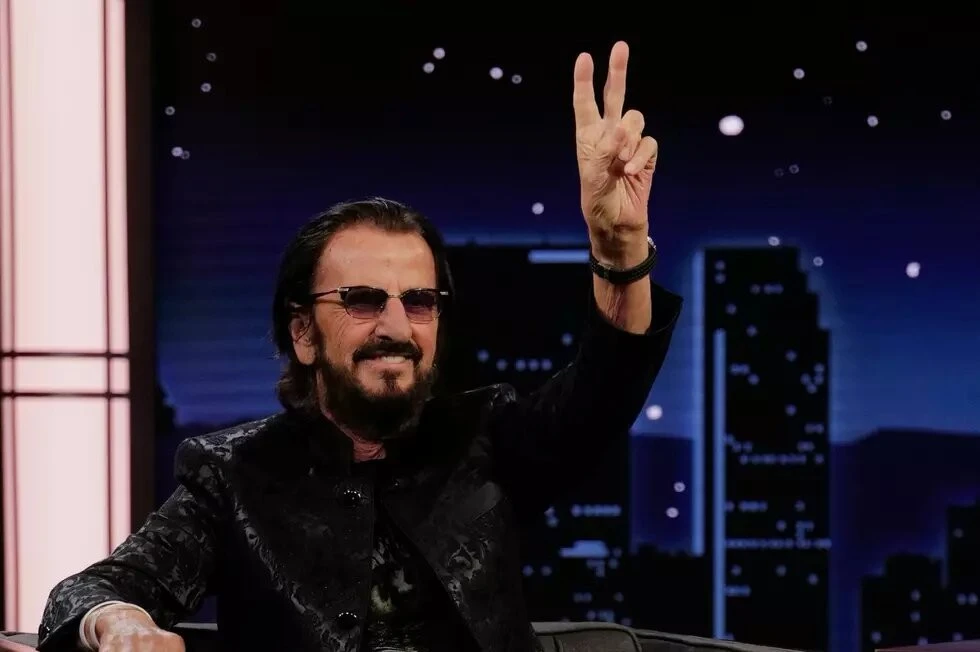
Interesting Facts:
Ringo's Rotogravure was the last album in history to feature all four former Beatles – John, Paul, and George – as writers and musicians, albeit on different tracks.
Paul McCartney wrote the song "Pure Gold" for Ringo, and John Lennon wrote "Cookin' (In the Kitchen of Love)."
24. Rod Stewart
Then (1976): Solo success with the album A Night on the Town. 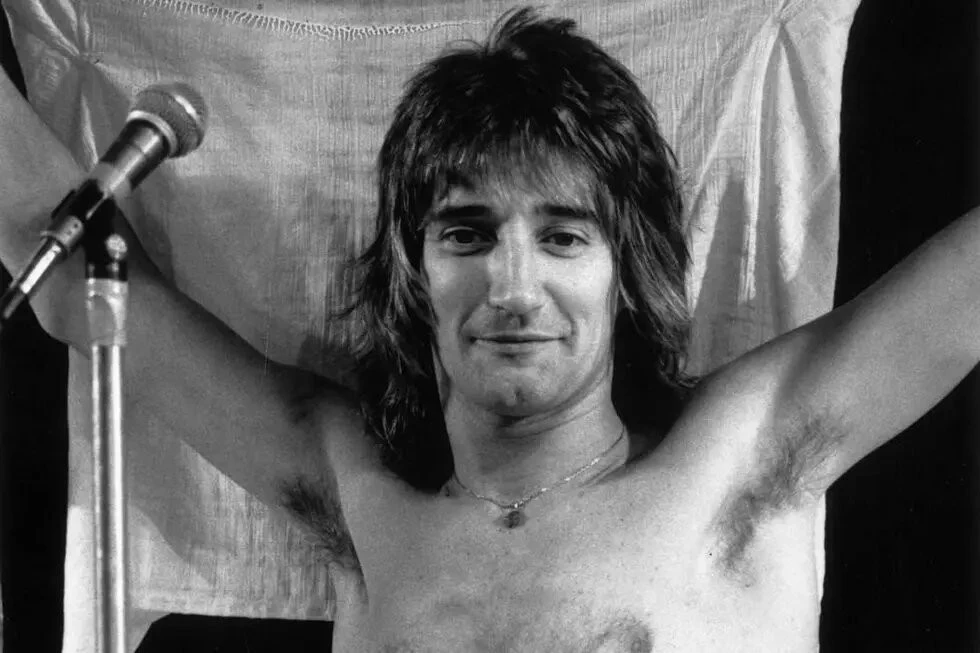
Currently: Rod releases albums of jazz standards, but invariably returns to rock 'n' roll in concert. 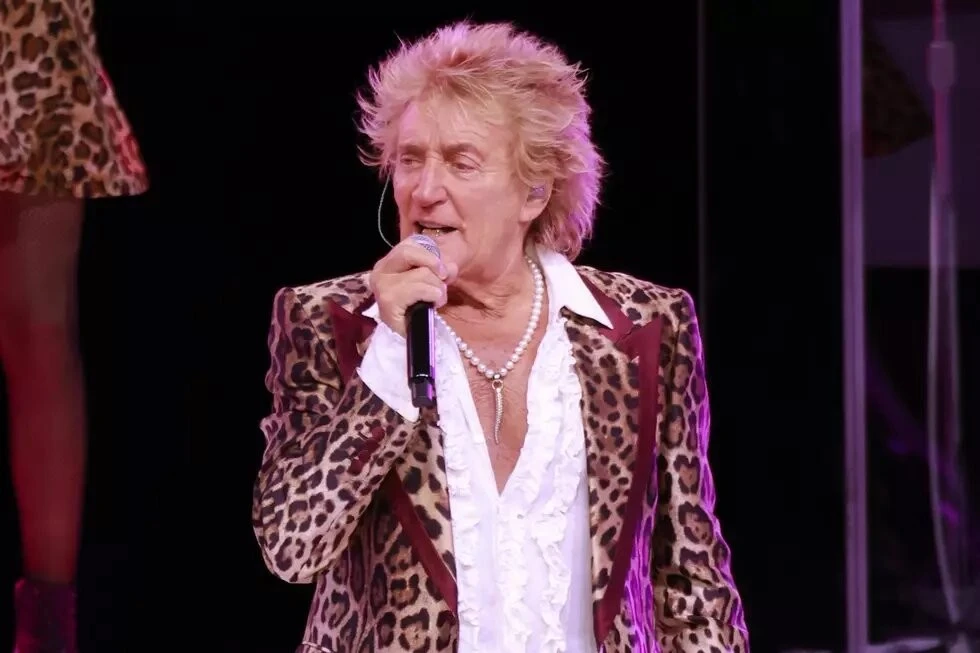
Interesting Facts:
In 1975, Stewart moved from England to Los Angeles to avoid the draconian British tax rate for the wealthy (which reached up to 83%).
Their biggest hit of 1976, "Tonight's the Night," was banned from several British radio stations for its "excessively sexual" lyrics, which only boosted its sales.
25. ZZ Top
Then (1976): The release of the album Tejas and the wildest tour in their history. 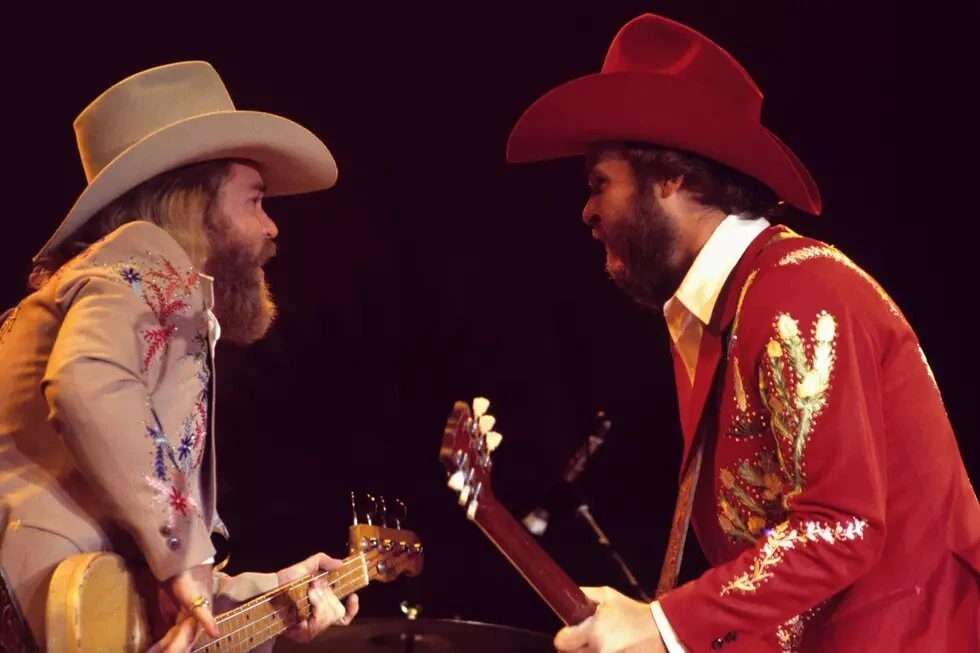
Now: The band suffered the loss of bassist Dusty Hill, but per his wishes, continued to perform (with Elwood Francis on bass). Billy Gibbons is still as cool as ever. 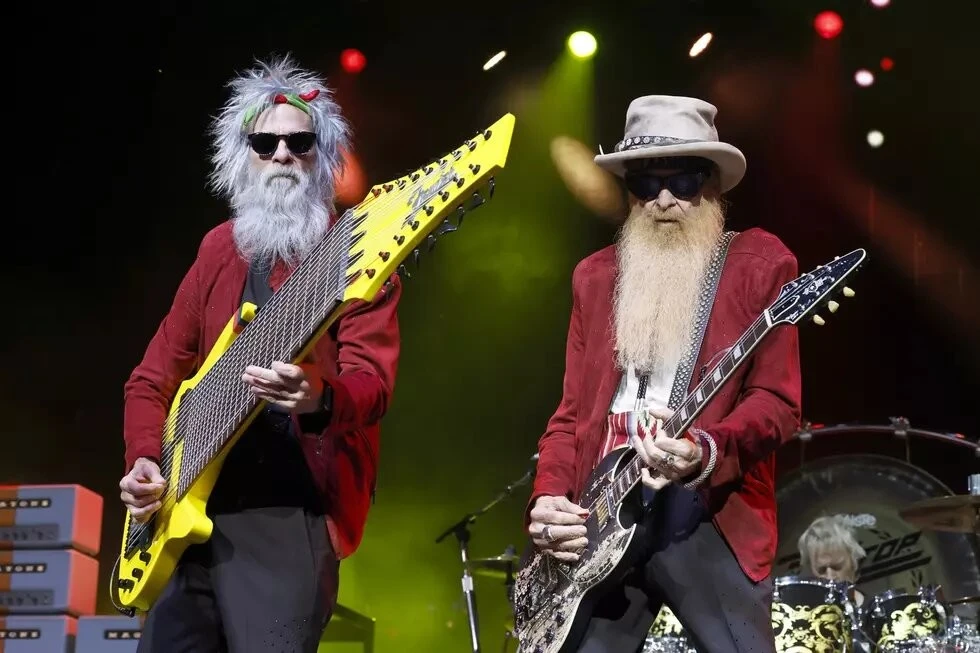
Interesting facts:
In 1976, ZZ Top were in the midst of their epic Worldwide Texas Tour. The band performed on a stage shaped like the state of Texas, surrounded by live bison, longhorns, vultures, and rattlesnakes.
It was after this grueling tour that the band took a long break, during which Billy Gibbons and Dusty Hill (without a prior agreement) grew their iconic beards.
1976 left us with an incredible legacy. These 25 artists proved that true music is timeless.