I don't like Mondays: How Brenda Spencer ushered in the era of school breaks Executions (10 photos)
Mass school shootings have become one of the greatest tragedies in American history. Hundreds of cases, thousands of victims—and almost every attack has a motive: revenge, ideology, psychosis. The first high-profile school shooting in the United States had a different motive. On January 29, 1979, 16-year-old Brenda Spencer opened fire on children at the entrance to a San Diego elementary school, explaining that she "didn't like Mondays." We explain who this girl was, what led her to the window with a rifle, and why criminologists consider her case the starting point of an entire era of school violence. 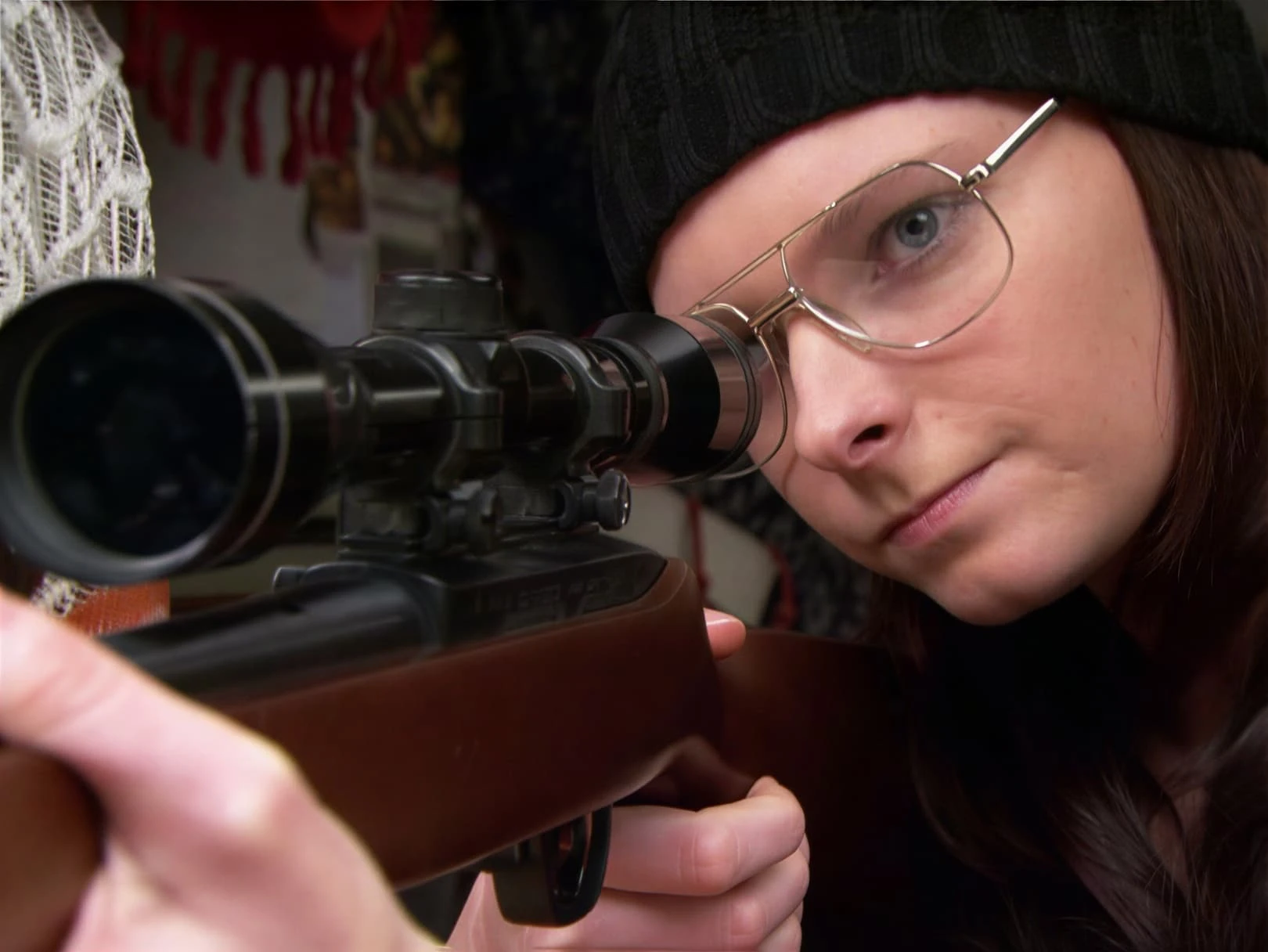
Brenda Spencer's Childhood
Brenda Spencer was born on April 3, 1962, in San Diego, California. The family lived in poverty. Her parents divorced when Brenda was nine, and she remained with her father, Wallace Spencer. He drank, beat, and humiliated his daughter. The house was almost bare: father and daughter slept on a dirty mattress thrown directly on the floor. According to eyewitnesses, the rooms were filthy and empty bottles were scattered throughout. 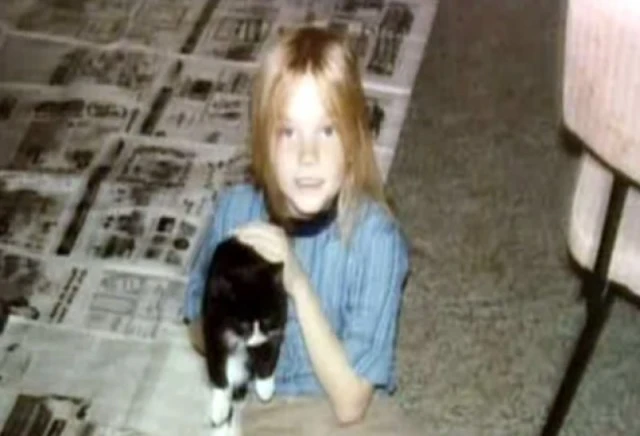
Childhood photo of Brenda Spencer
Despite extreme poverty, Wallace collected firearms. He denied himself and his daughter many things, just so he could buy the next "toy." The house was stocked with rifles, shotguns, and pistols. Her father knew how to shoot and taught Brenda how to do so from an early age. The girl had her own pistol and a .22-caliber semiautomatic rifle—gifts from her father.
Wallace neglected his daughter's upbringing. Brenda began drinking at an early age, then using drugs. She earned money through petty theft. Her school performance was below average: she skipped classes and clashed with teachers. 
The Spencers' house with a window overlooking the schoolyard
Her classmates considered Brenda strange and avoided her. Occasionally, she still interacted with her peers. After the tragedy, one of them recalled: the girl had said she was going to do something extraordinary. She was sure this would make her famous and help her get on television. No one took it seriously.
The Day of the Shooting
The morning of January 29, 1979, began as usual at Grover Cleveland Elementary School. Children stood at the main entrance, waiting for the principal to open the gate. Brenda Spencer watched from the window of her home, which was directly across from the school. When the crowd at the front steps seemed large enough, she picked up her rifle and began shooting. 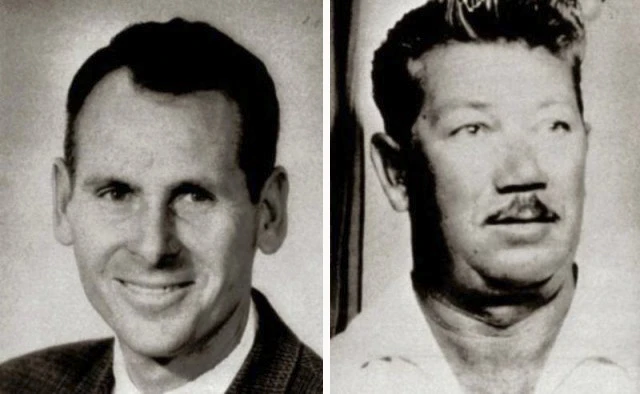
Dead: Principal Burton Wragg and Superintendent Michael Sucher
The first person killed was the school's principal, 53-year-old Burton Wragg. Brenda then shot Superintendent Michael Sucher, who was trying to lead children away from the gunfire. He also did not survive. Eight schoolchildren and one police officer were injured. Fortunately, none of the children were killed. Spencer fired 36 shots for about 20 minutes. 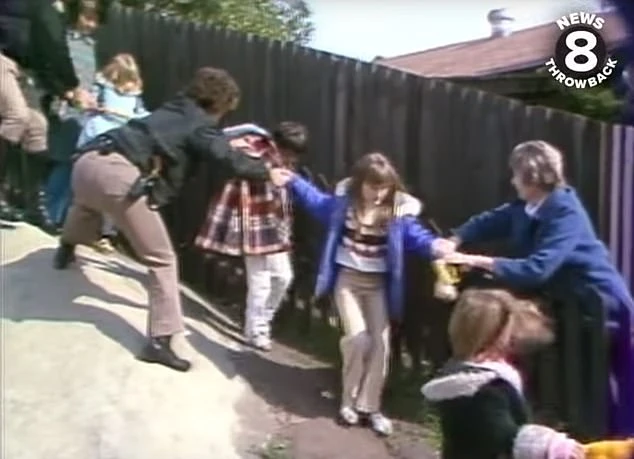
Teachers and police officers escort children out of the school during the shootout. San Diego, January 29, 1979
Afterward, Brenda barricaded the front door and waited for an arrest. Police quickly determined the source of the shooting. Negotiators were sent to the Spencer home. It took six hours of convincing Brenda: she refused to let the police in and reminded them she was armed.
Spencer's Arrest
Ultimately, Spencer agreed to lay down her arms. Before that, she had given a phone interview to reporters from The San Diego Union-Tribune. When asked about the motive for the shooting, Brenda responded with a line that became famous: "I just don't like Mondays—it brightened my day." This response is considered one of the most bizarre explanations for a murder in history. 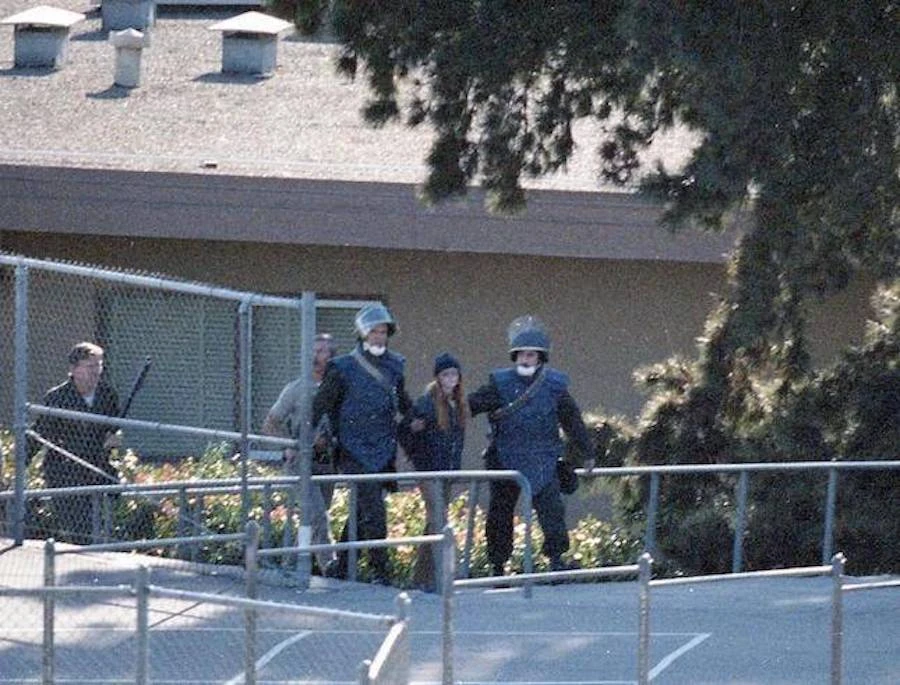
Brenda Spencer after her arrest. She was 16 years old.
During the initial police interviews, a horrific detail emerged. A year earlier, Spencer had already shot out a window at people near a school. She fired several shots from her father's pistol, but by sheer luck, she missed everyone. Brenda was then arrested and sentenced to probation. 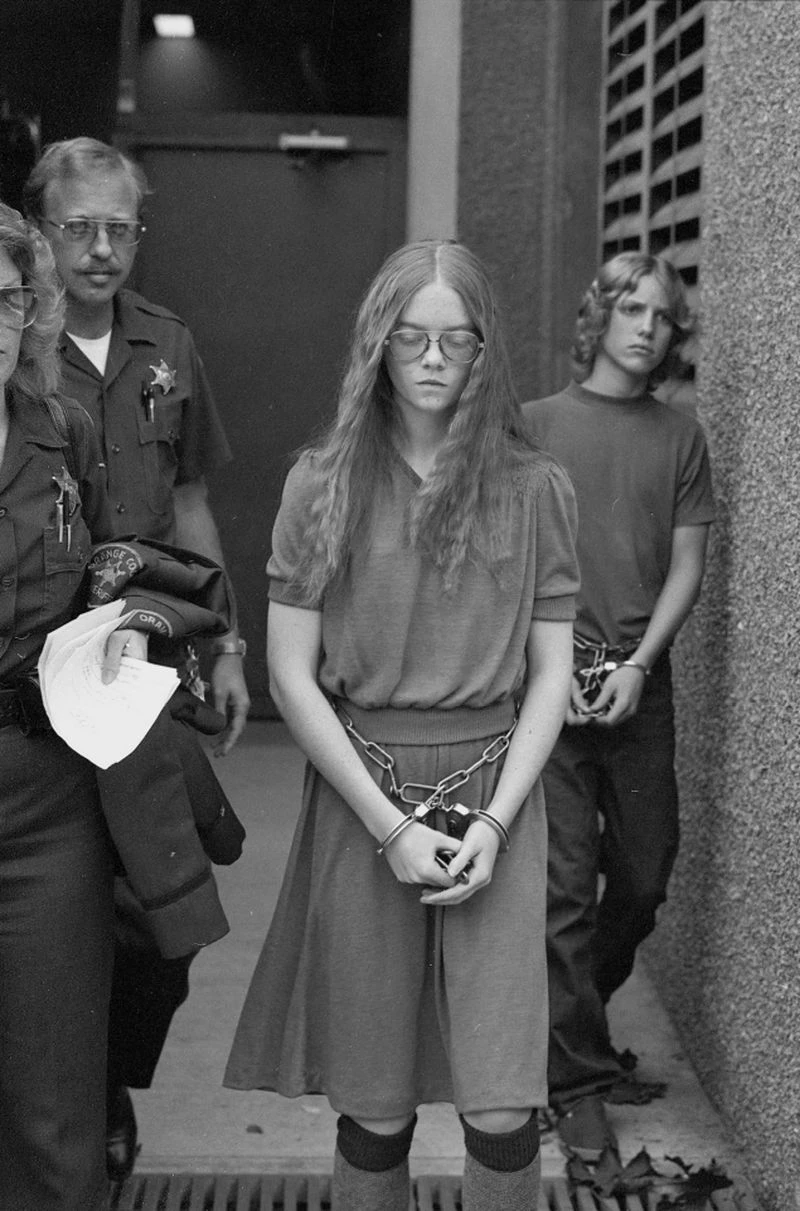
Arrested Brenda being escorted by police.
Wallace Spencer was strongly advised to commit his daughter to a psychiatric hospital. He ignored the advice, believing her to be fine. Furthermore, after the shooting, he gave Brenda a semiautomatic rifle with a scope and 500 rounds of ammunition. Brenda later testified that she had asked her father for a radio and received a gun. According to her, Wallace wanted her to commit suicide.
The Murderer's Trial
Brenda Spencer's lawyers argued that she was insane, but a psychiatric evaluation found her competent. The court also disregarded her difficult childhood. Given the gravity of the crime and her previous suspended sentence, the judges decided that Brenda deserved no leniency. She was tried as adults. 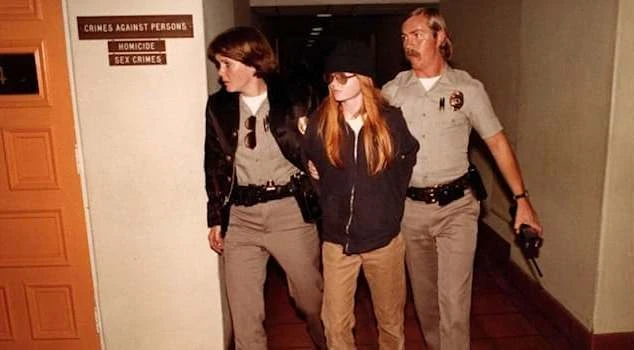
Brenda Spencer's trial lasted almost a year.
The trial lasted almost a year. On April 4, 1980—the day after her eighteenth birthday—Brenda Spencer pleaded guilty to two counts of first-degree murder. Nine counts of attempted murder were dropped. The sentence was still harsh: two life sentences with the possibility of parole after 25 years.
The defense demanded a retrial. They claimed Wallace Spencer had sexually abused his daughter. He denied it. However, Brenda's father did indeed exhibit strange tendencies: he met his daughter's 17-year-old cellmate, waited until she came of age, and married her. The girl resembled Brenda.
The Impact of the Crime on Society
Brenda Spencer is serving her sentence at the California Institution for Women in Chino. She has been denied parole six times—in 1993, 2001, 2005, 2009, 2022, and 2025. Her next hearing is scheduled for 2028. 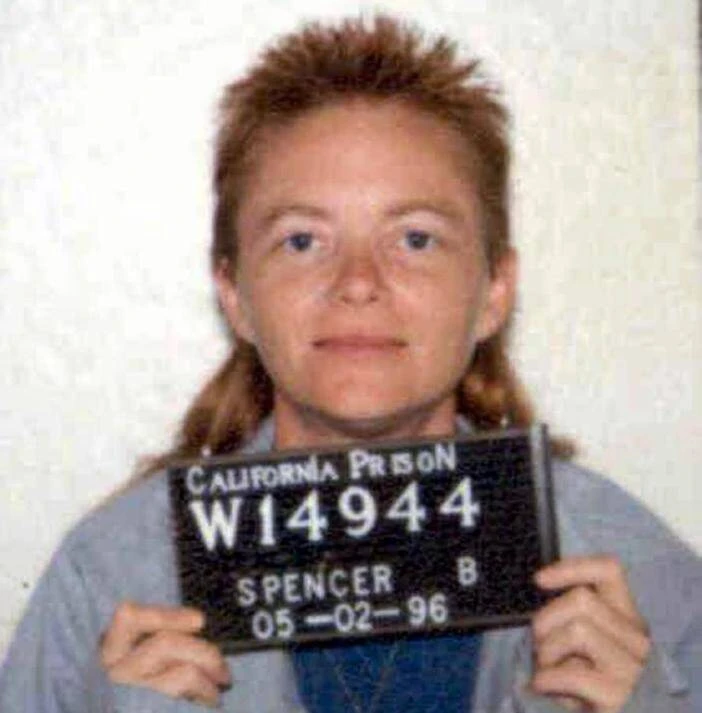
Prison photo of Brenda Spencer, 1996
Spencer's name is little known to the general public, but her quote about her dislike of Mondays has spread around the world. Inspired by the case, the Irish rock band The Boomtown Rats released the song "I Don't Like Mondays" in 1979. The single topped the UK charts and stayed at number one for four weeks. Lyricist Bob Geldof later admitted that he regretted the song; he said it made Spencer famous. 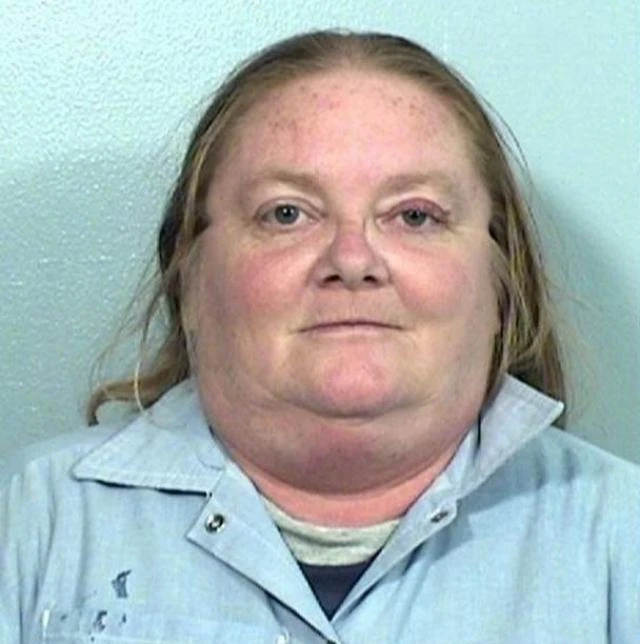
Brenda Spencer in prison. Forensic experts consider her the first high-profile school shooter in US history.
Several psychologists and criminologists believe the 1979 shooting paved the way for mass shootings in American schools. The tragedies at Columbine, Virginia Tech, and Parkland might not have happened without Spencer's precedent. Brenda herself testified at parole board hearings that she feels guilty when learning about new school shootings.
Brenda Spencer's story illustrates the consequences of a combination of domestic violence, ignoring warning signs, and easy access to guns. Do you think this tragedy could have been prevented, and what is really behind such crimes?