Ouroboros: An ancient infinity symbol that still inspires culture and science (3 photos + video)
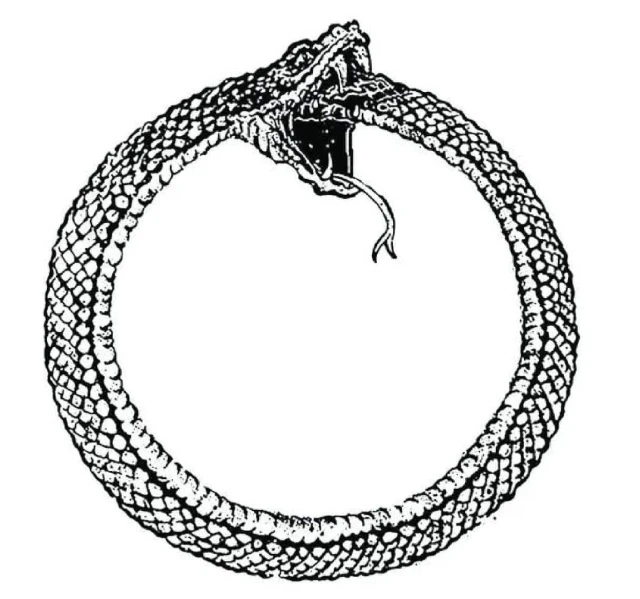
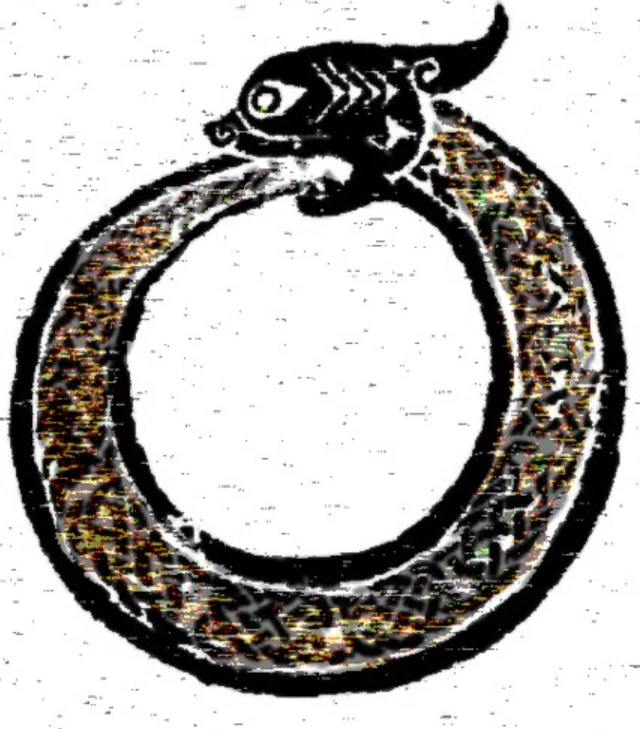
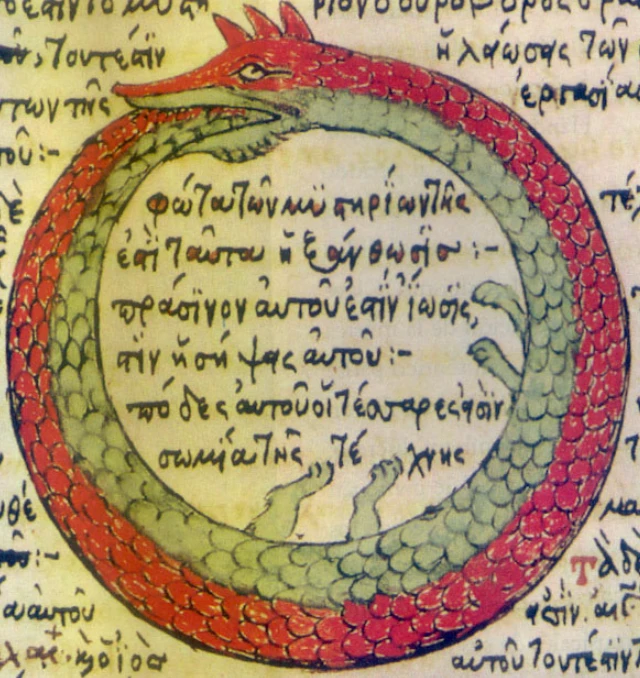
The Ouroboros is an ancient image of a snake coiled and biting its own tail, which in antiquity and occult traditions symbolized the eternal cycle and self-consuming infinity. In philosophy and alchemy, it was often interpreted as a sign of the closed cycle of life, where the end becomes the beginning.
In Orthodox Christianity, this symbol has no positive or theologically significant meaning and is not used in church tradition. Moreover, such images are usually viewed with caution, as the idea of a closed, self-sufficient cycle may contradict the Christian understanding of the world as God's creation, with a beginning and movement toward the ultimate goal of salvation and eternal life. In this context, the Ouroboros is sometimes viewed more as a symbol of a pagan or philosophical worldview, unrelated to Christian teaching.
However, in church literature and theology, there is no direct condemnation of the symbol itself as an object – it is simply not part of the system of Christian symbolism and is not used in liturgical practice.
In ancient philosophy and alchemy, the ouroboros was associated with the idea of the unity of opposites and the closed process of transformation, where destruction becomes the beginning of a new stage. In later esoteric traditions, it became established as a symbol of self-sustaining systems and the cyclical nature of existence.
Today, the ouroboros continues to live in culture, art, and philosophy as an image of cyclicality and self-sustaining processes, but in the Orthodox context, it remains outside of religious meaning and tradition.