Spanish Flu: The History of the Worst Epidemic of the 20th Century (13 photos)
The deaths of hundreds of millions of people in just 18 months—isn't that a pure apocalypse scenario? The Spanish flu, which emerged at the end of World War I, infected approximately 500 million people and, according to various estimates, claimed 10-20 times more lives than four years of bloody battles combined. Many books have been written about how such a thing could have happened in the heyday of medicine and science, but the chronology of the Spanish flu is best illustrated by photographs and posters from that era.
Scientists have never been able to identify patient zero or the country of origin of the deadly strain. A mutated Spanish flu is also responsible for an outbreak of encephalitis lethargica, an increase in cases of which was noticed just a couple of years after the primary disease had subsided. 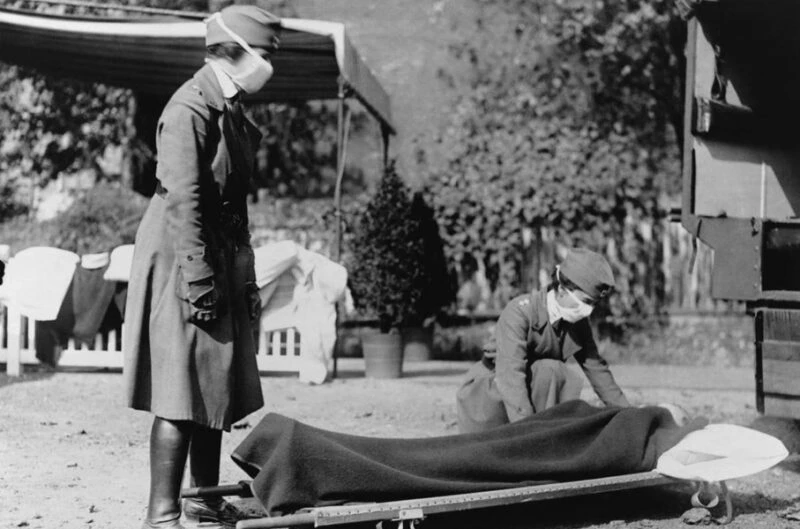
The Spanish flu was named after the country where the first serious outbreak of the epidemic occurred. 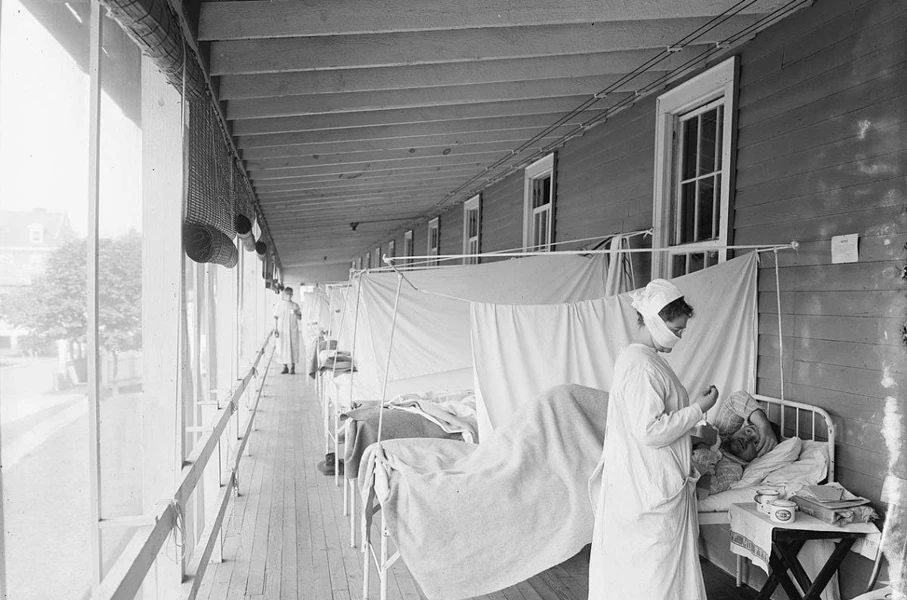
Scientists have never been able to identify patient zero or the country of origin of the deadly strain. 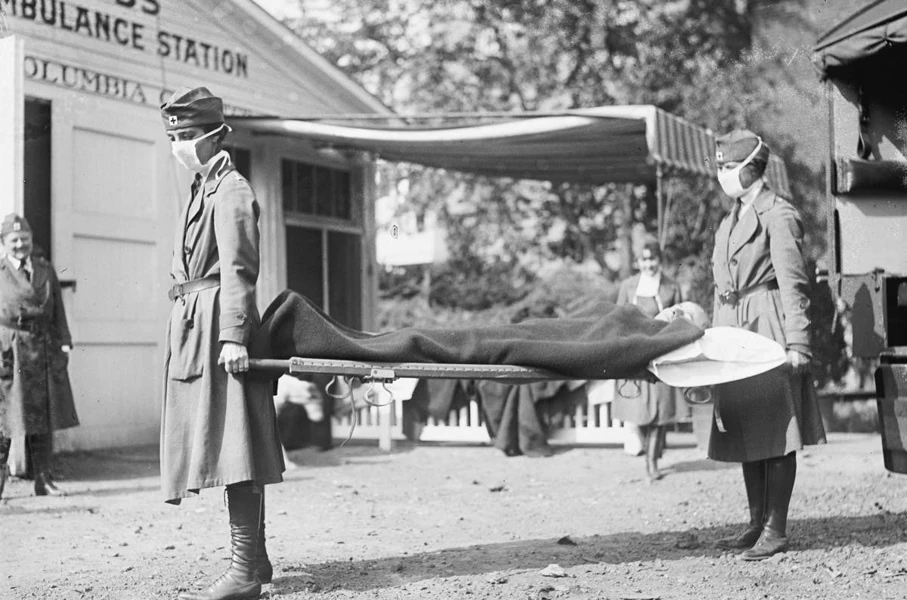
War and poor sanitation contributed greatly to the rapid spread of the contagious disease throughout the world and its rapid mutation. 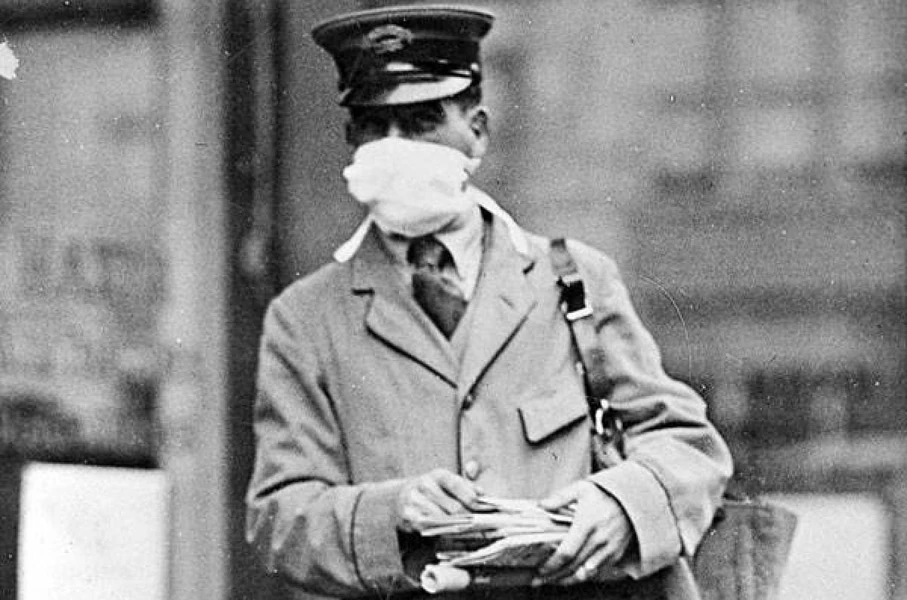
According to one theory, the Spanish flu may have originated in China, as many of the nearly 100,000 Chinese soldiers who arrived on the Western Front in late 1917 were infected with the flu to varying degrees. 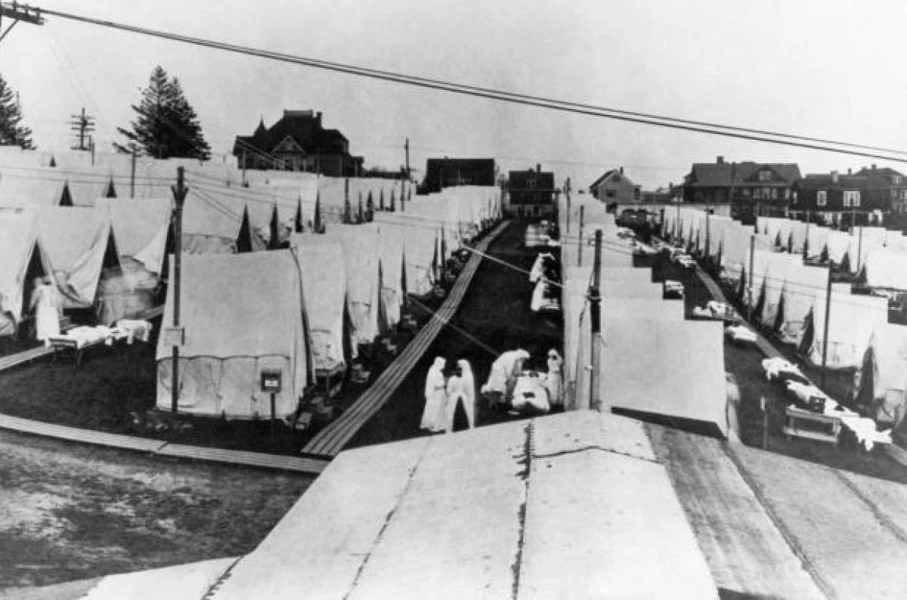
While other diseases typically attacked the weak and helpless, the Spanish flu struck everyone, including perfectly healthy young people. 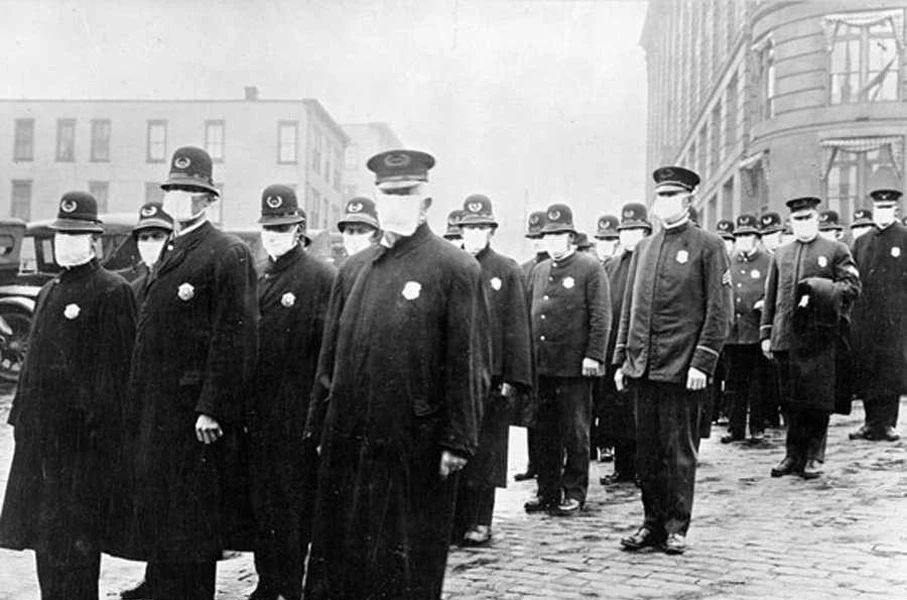
The second wave of flu in the fall of 1918 killed in just a couple of days. 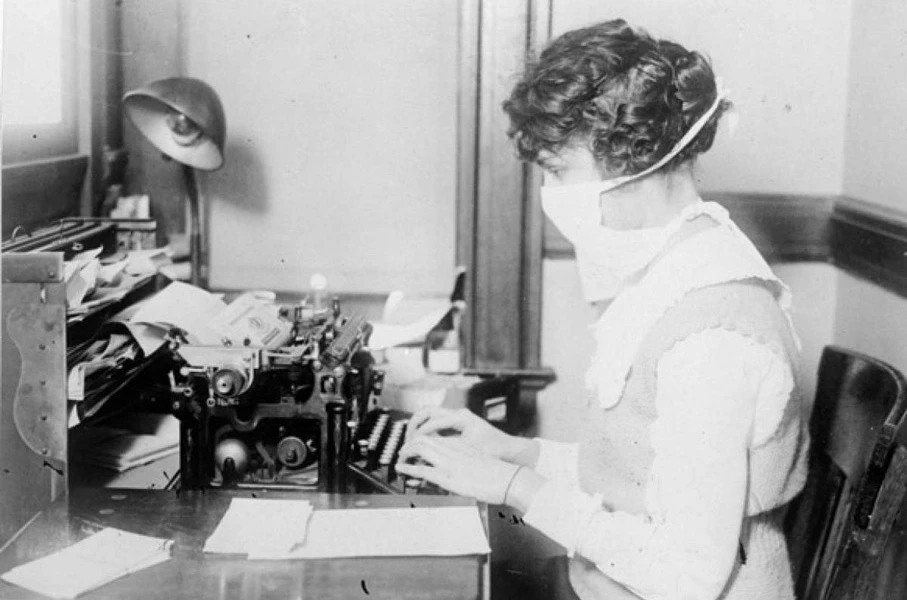
Flu had already arrived in America in March 1918, but it wasn't given much attention back then. Reminds me of the recent events with Ebola, doesn't it? 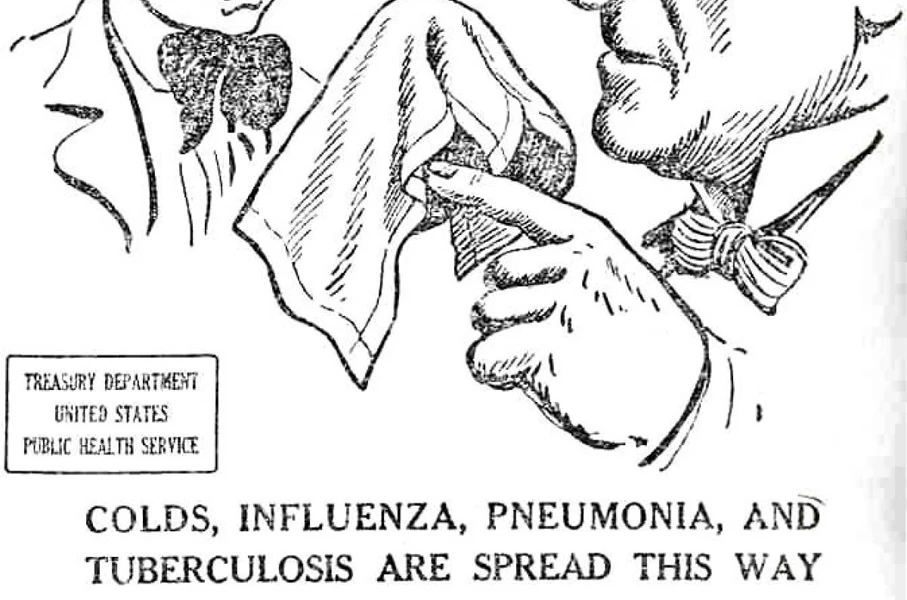
Many doctors recommended the wrong preventative measures because they simply didn't know the disease was caused by a virus, not bacteria. 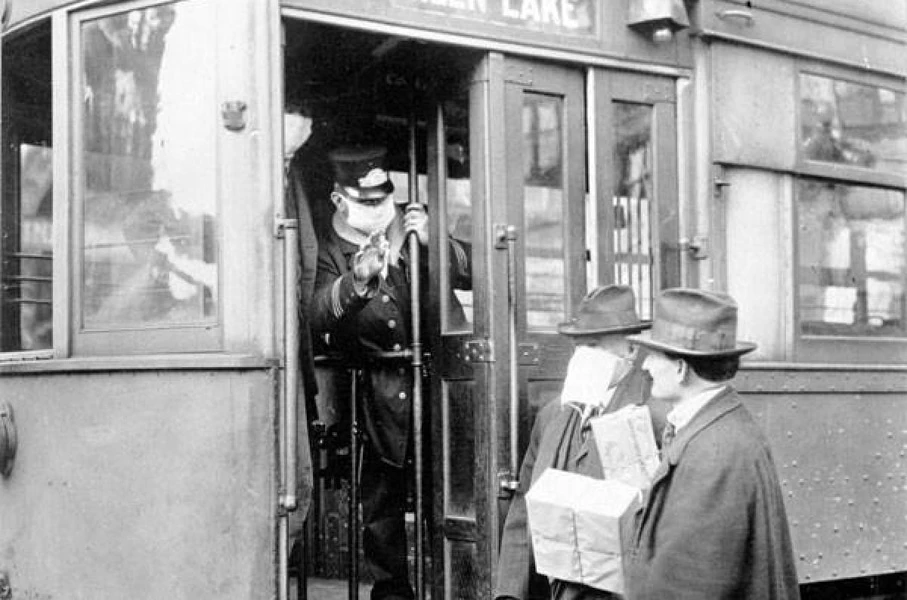
Governments around the world, although belatedly, began to impose quarantines, restricting large gatherings, government offices, and public transportation. It seemed as if the world was frozen in anticipation. 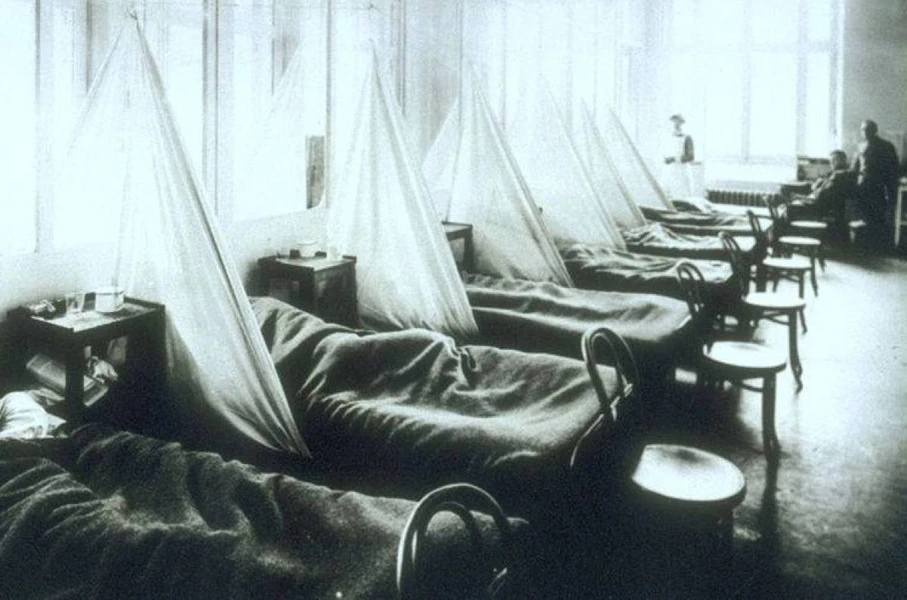
The lack of essential medications and vaccines for the Spanish flu in war-torn stockpiles forced patients to be abandoned to their fate, albeit under medical supervision. 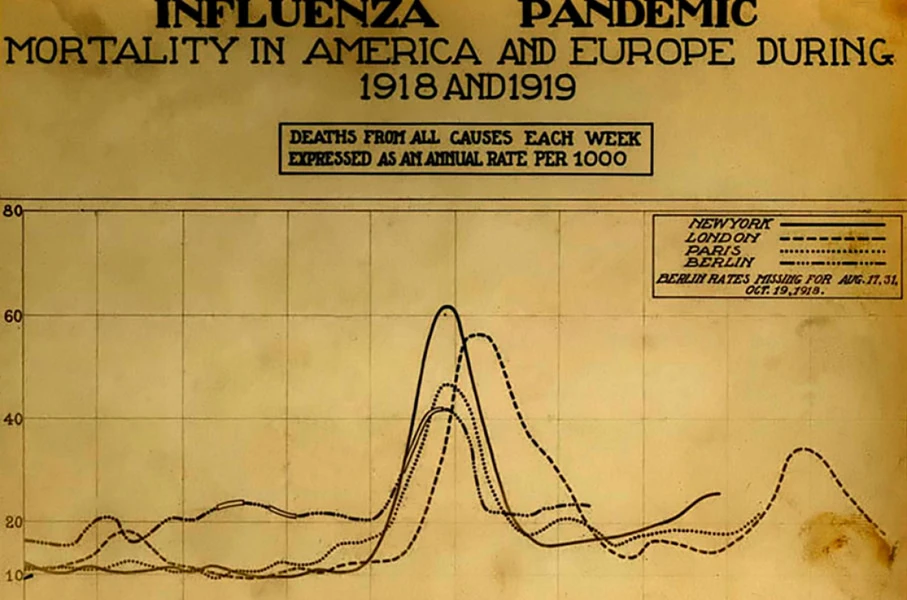
A census at the end of the epidemic in the summer of 1919 showed that 615,000 people died in America out of a total of 50-100 million victims. 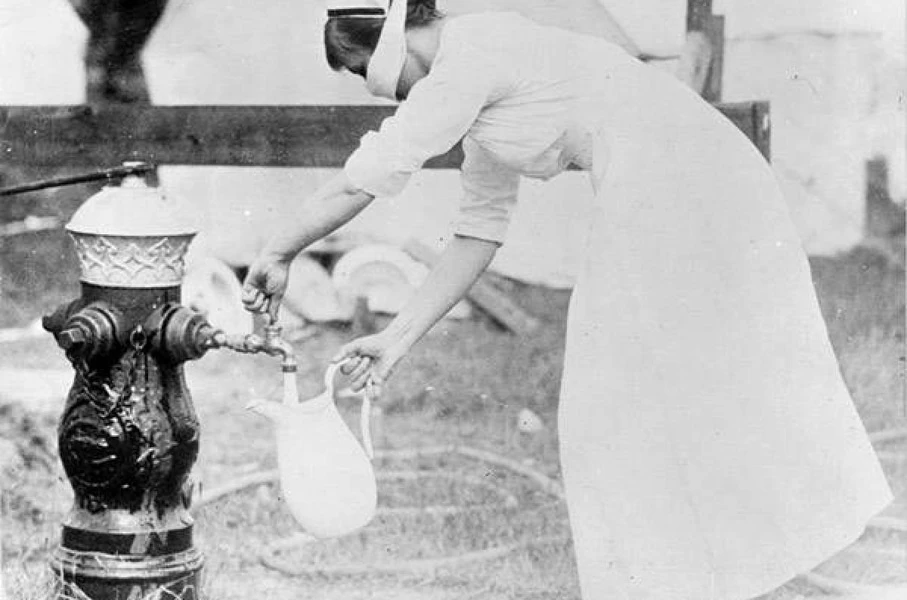
The Spanish flu can confidently be called the father of many modern strains. In particular, it is directly related to swine flu, which killed approximately 12,000 people in 2009. 
A vaccine against the 1918 strain was only developed recently, but, interestingly, it also proved effective against SARS and bird flu.