The red sole of Christian Louboutin shoes is perhaps the most striking example of how to make a statement to the world in an extraordinary way. And after the controversial song by the band "Leningrad," millions of people began dreaming of the iconic stiletto heels. But do you know how the red sole of those very same Louboutins came to be? 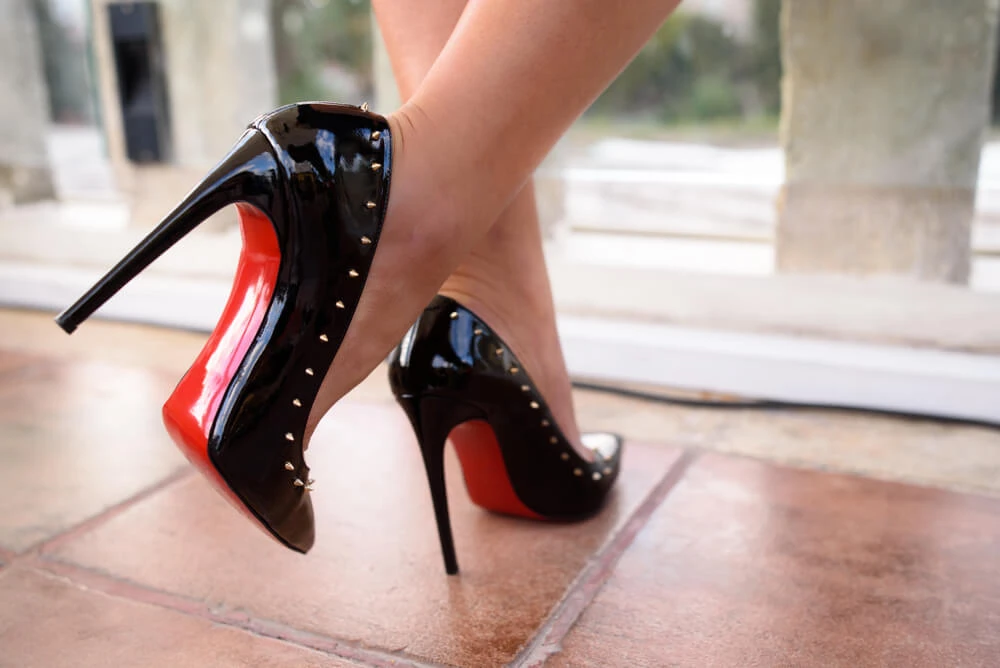
Heels: A Male Privilege of the Past
Heels weren't invented for women to wear. This statement mercilessly shatters established stereotypes, because what other element of a woman's wardrobe can compare to shoes in beauty and sexiness? However, it's worth flipping through books on the history of European fashion: the trend was set by Louis XIV, known as the "Sun King." It was he who issued a decree in the 17th century that only members of the royal court could wear shoes with red soles. Thus, shoes became a special privilege, a marker of nobility. 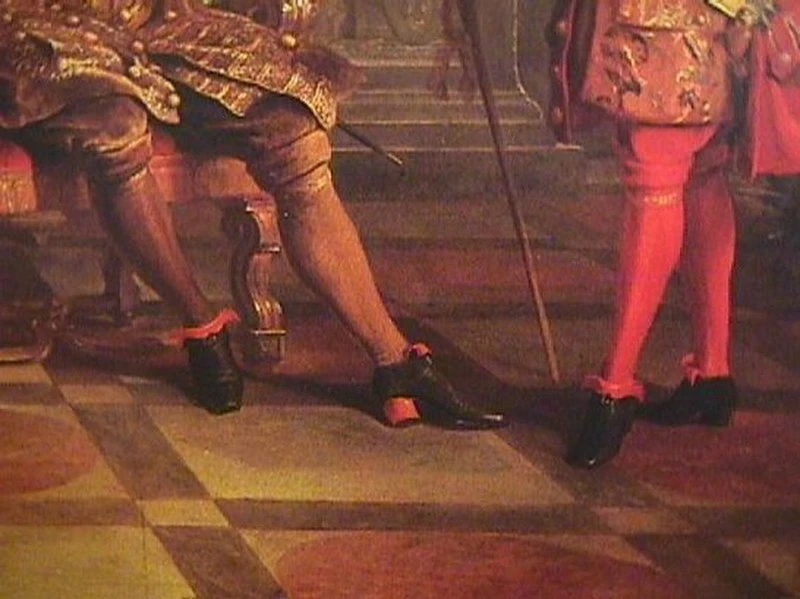
Men's Shoes at the Court of Louis XIV
How the Persian Cavalry Inspired European Aristocrats
Aristocrats of the 17th century adopted high-heeled shoes en masse, but they faced a problem: these shoes were completely unsuitable for everyday wear. It turns out Louis borrowed the design from... the Persian army. Surprised? Such footwear was indeed used in the Middle East for cavalry. Standing in the stirrup on the heel made it easier to maintain balance and draw the bow and arrows during battle. 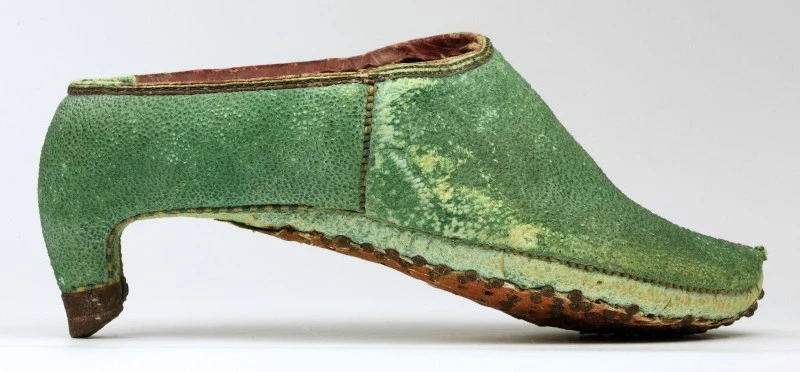
Cavalry footwear in Persia, 17th century
Shah Abbas I made every effort to strengthen relations with Western Europe in the late 16th century. He assembled the largest cavalry regiment in the world, and in 1599 he sent the first diplomatic mission from Persia to Europe. 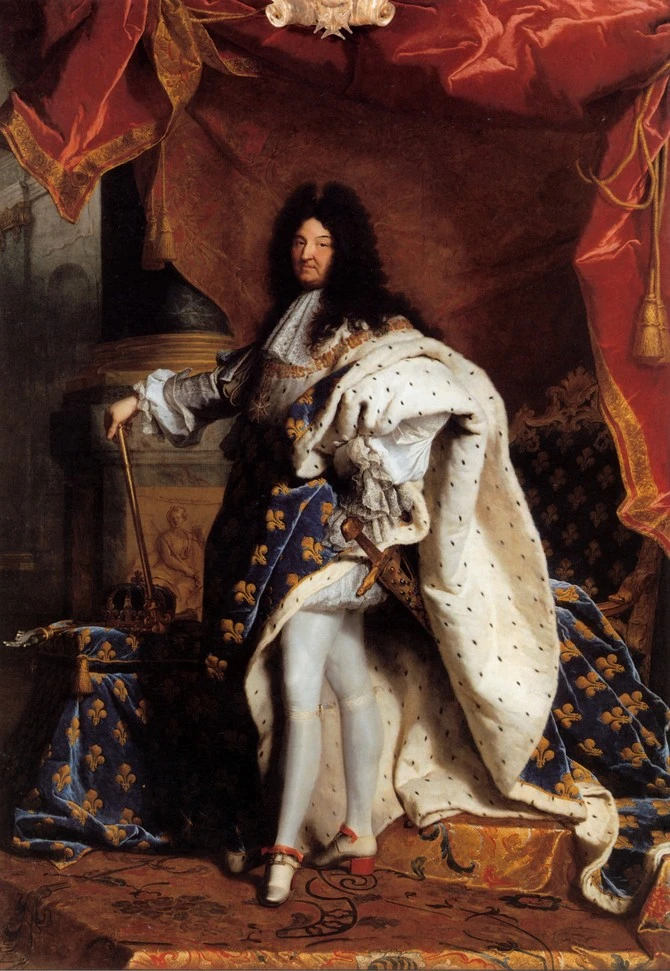
Portrait of Louis XIV, 1701, Hyacinthe Rigaud
The Persian "novelty" caught the fancy of the European aristocracy, and to further emphasize its importance, the heels began to be made slightly higher. Walking down the street in such shoes was practically impossible; they weren't designed for wearing on rough roads. However, this mattered little: aristocratic attire has always been known for its pretentiousness and pomp with minimal functionality. Moreover, important persons didn't walk the streets, so they could afford to show off their shoes on palace parquet floors. 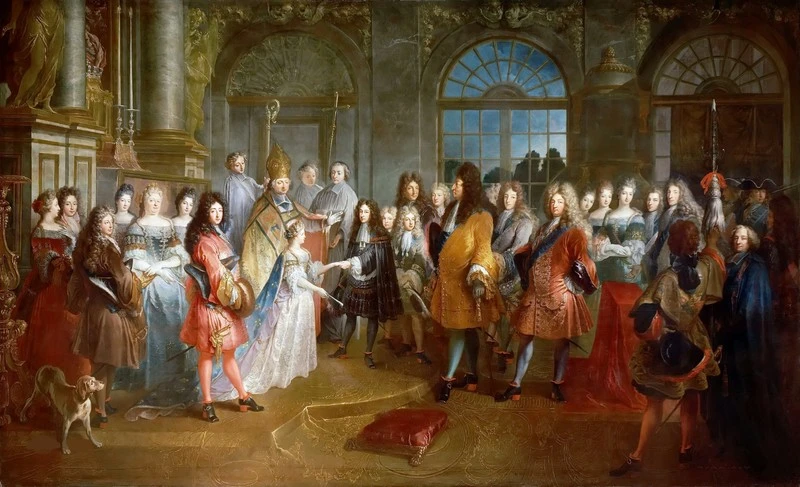
A Ball at the Court of Louis XIV
Louis XIV and His Love of Heels
Louis himself loved heels because they made him look taller. At only 1.63 m tall, he wore 10-centimeter heels that would have been the envy of modern fashionistas. This made the king look more convincing when posing for paintings of battle scenes. The soles were always exclusively red, as the shoes were perceived as part of a military uniform. These shoes soon became famous throughout Europe—for example, in 1661, Charles II sported them during his coronation in England. 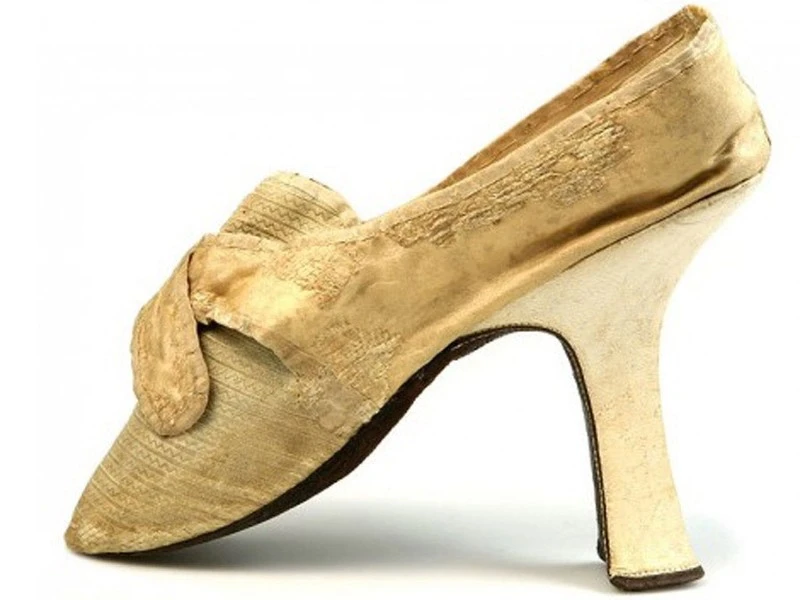
Men's Shoe
Transition to Women's Fashion: The Evolution of the Heel
Interestingly, women adopted heels precisely as part of men's attire. The first attempts to wear such shoes arose simultaneously with experiments with short men's haircuts and men's hats. Priorities shifted only in the late 17th century, when heels on women's shoes became thinner, and men gradually abandoned them altogether. According to fashion historians, men chose functionality, while women remained faithful to their "reclaimed" heels. 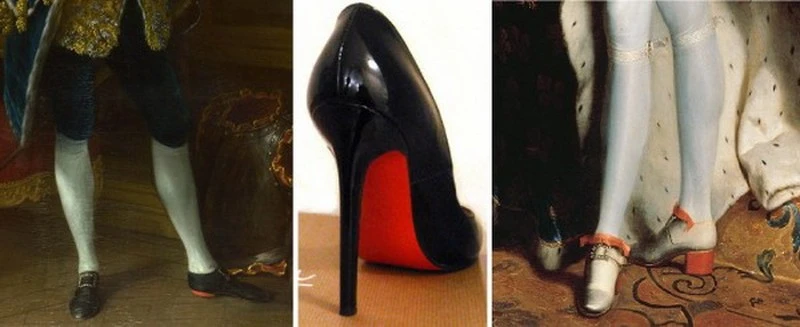
The red sole is borrowed from the military
The return of the red sole: Christian Louboutin's contribution
Several centuries later, French designer Christian Louboutin brought red soles back into fashion. Incidentally, he also contributed to the fashion trend of stiletto heels; before that, women wore very chunky shoes. The designer believed the higher the better. Among his shoe designs, the lowest heel is 10 centimeters. 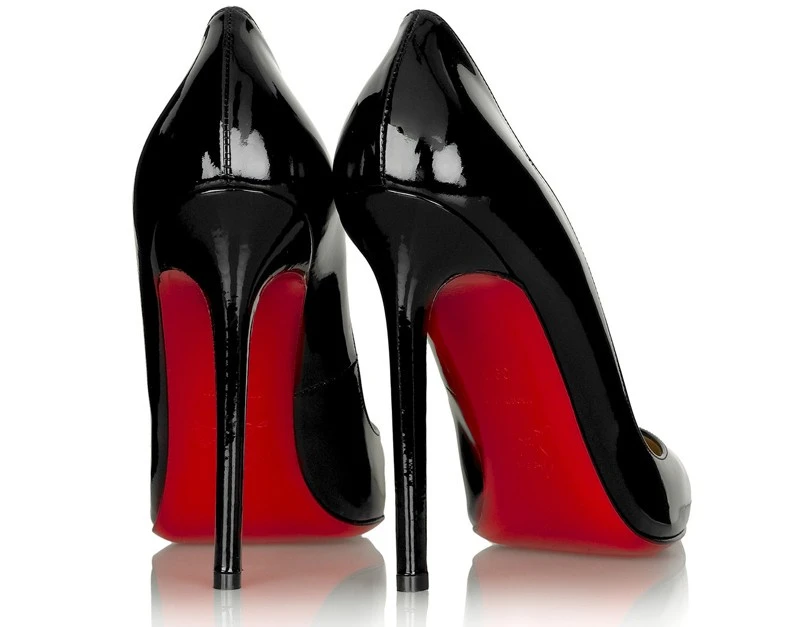
Shoes by Christian Louboutin
The legendary red-soled Louboutins appeared in the early 1990s, when, while creating a new model, the master realized something was missing. The work was sluggish, and this was causing irritation. To make matters worse, his assistant was sitting nearby, simply painting her nails. Christian snatched the polish (it turned out to be red) from her and, in desperation, painted the sole with it. Funny, what if the polish had been purple, would everything have worked out so well? Since then, the red sole has been the hallmark of Louboutin shoes.
Add your comment
You might be interested in:















Persistence in achieving a goal

A biker prevented a hit-and-run driver from escaping

Not everyone is having fun on the amusement ride

A book titled "A Guide to Rebuilding

Young women, Dancing and George Michael: nothing superfluous

An apology delivered with a running start

A steam locomotive for "big boys"

The cutest lunch delivery ever

Bollywood never ceases to amaze
