Herculaneum: Pompeii's Pompous Neighbor (14 photos + 1 video)
In late August 79 AD, Vesuvius went berserk. For three days, death rained from the skies upon the towns, villas, and farms that lay at the foot of the volcano. The most famous victim of that disaster was Pompeii—a city of the rich and their finely decorated mansions. 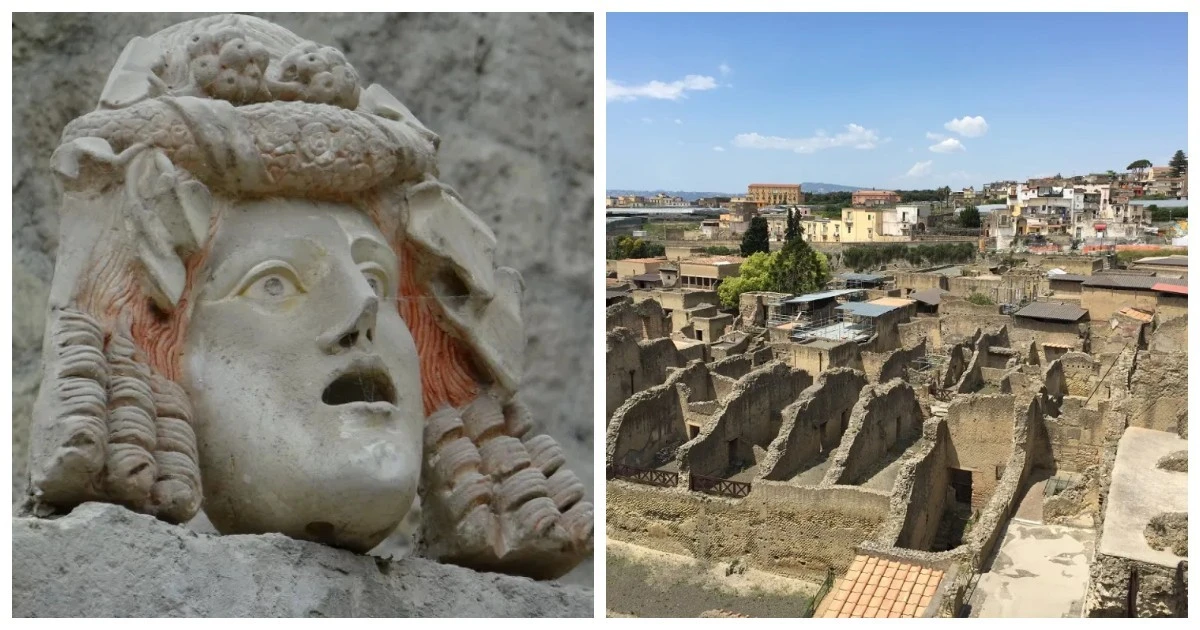
But there was a second gem: Herculaneum. An equally prosperous, but more intimate seaport, where trade flourished. 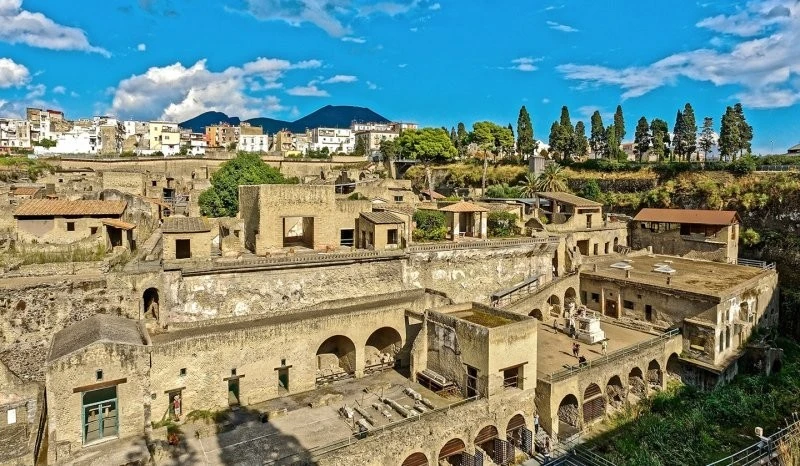
Pompeii, hyped up for its lupanaria and amphitheater, completely overshadowed Herculaneum and other cities that shared its fate. But in vain. Herculaneum deserves attention, if only because its ruins are much better preserved. 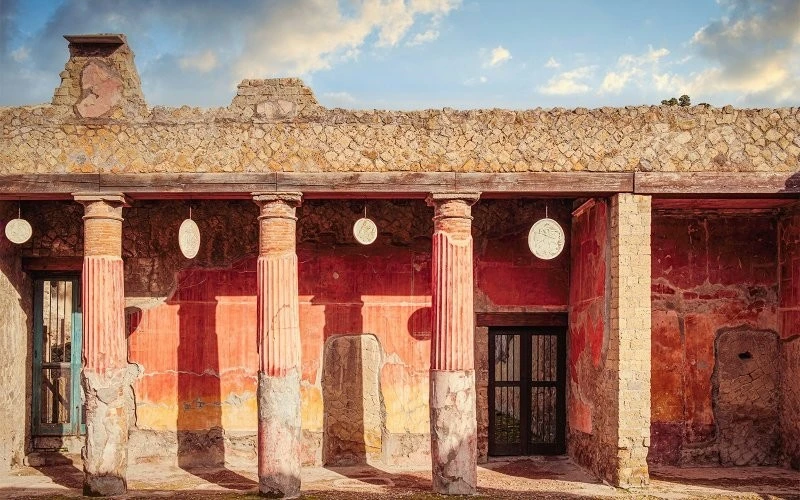
Herculaneum was much closer to the crater than its famous neighbor. However, it managed to survive the initial rain of tephra: the wind was blowing in the opposite direction. While the toxic cloud of gas and ash slowly suffocated the unfortunate inhabitants of Pompeii, people in Herculaneum were packing their bags, preparing to flee. 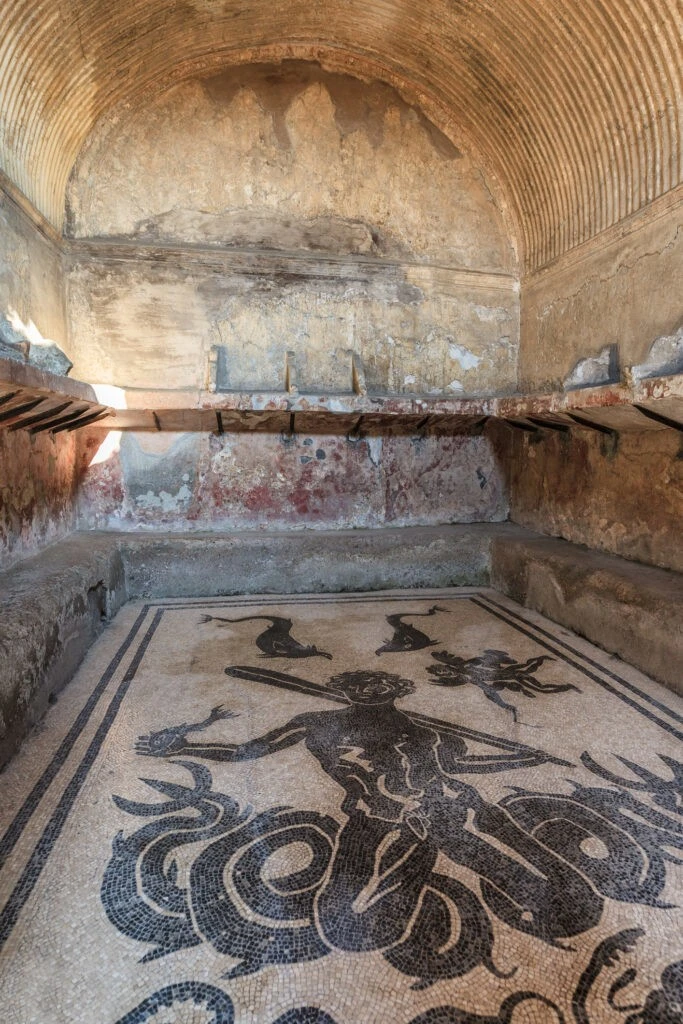
But the following night, the volcano unleashed its full fury on the now nearly deserted city. Six waves of pyroclastic flows and superheated avalanches swept through buildings, knocking down walls, tearing out columns, and destroying everything in their path. However, some areas were simply blanketed in ash and gas without any devastating impact. Almost everything there survived. 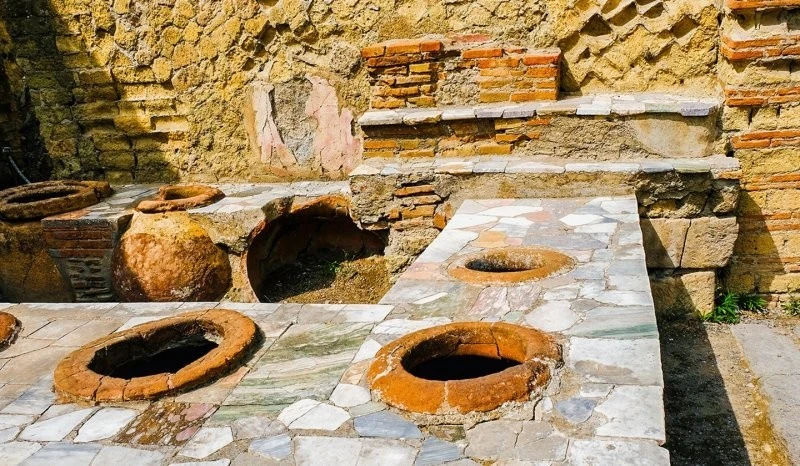
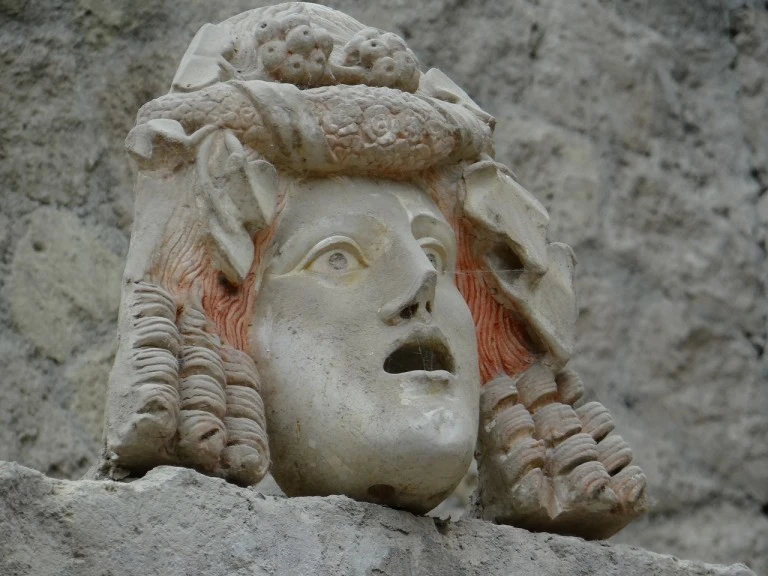
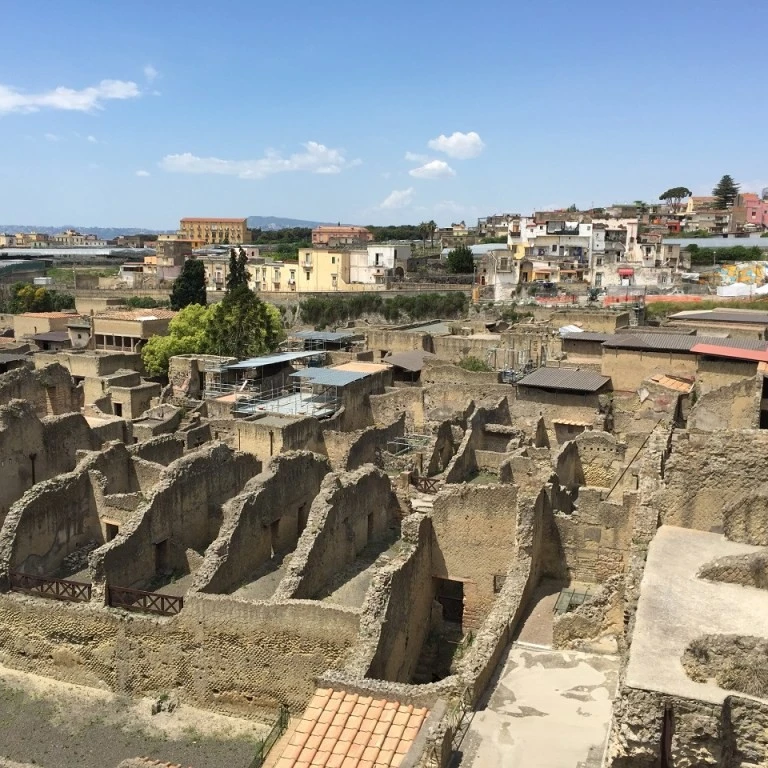
When excavations began at Herculaneum in the early 18th century, archaeologists were delighted, as they discovered entire buildings, wooden furniture, and even charred organic matter—fruit, bread, and sewer contents. Around 300 skeletons were also found there, proving that not everyone had abandoned the city. And most importantly, much of Herculaneum still awaits its time underground. 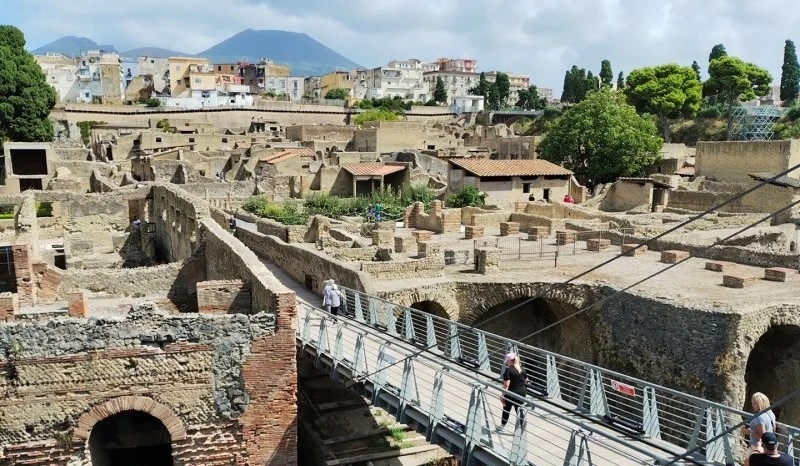
Herculaneum is easier to explore than Pompeii. It's more compact, and there are far fewer tourists here. The main local gem is the luxurious Villa dei Papiri. It is believed to have belonged to Lucius Calpurnius Piso Caesoninus, Julius Caesar's father-in-law (although later research has cast doubt on this). Four terraces lead from the villa to the sea, and most importantly, it contains a magnificent library. It is the only ancient library to have survived intact. 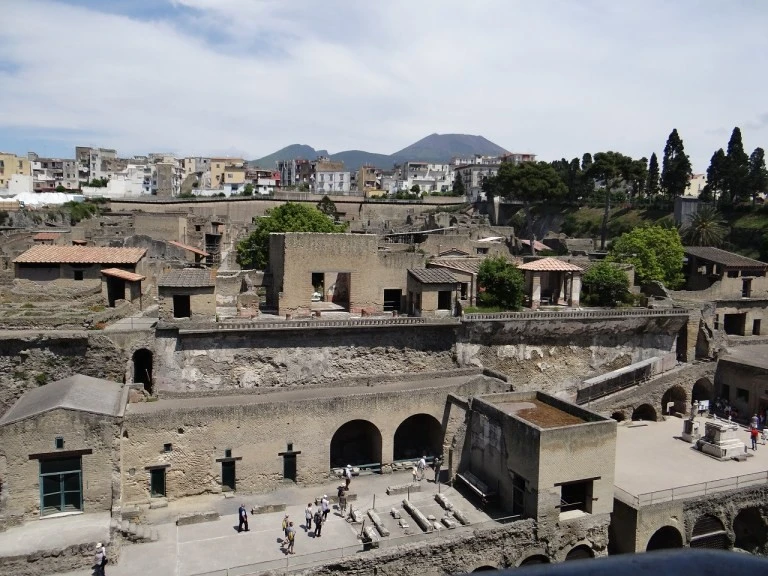
[thum b]112_files/1fc3badd2fd79eb6d84766441e6ecaf9.webp[/thumb] 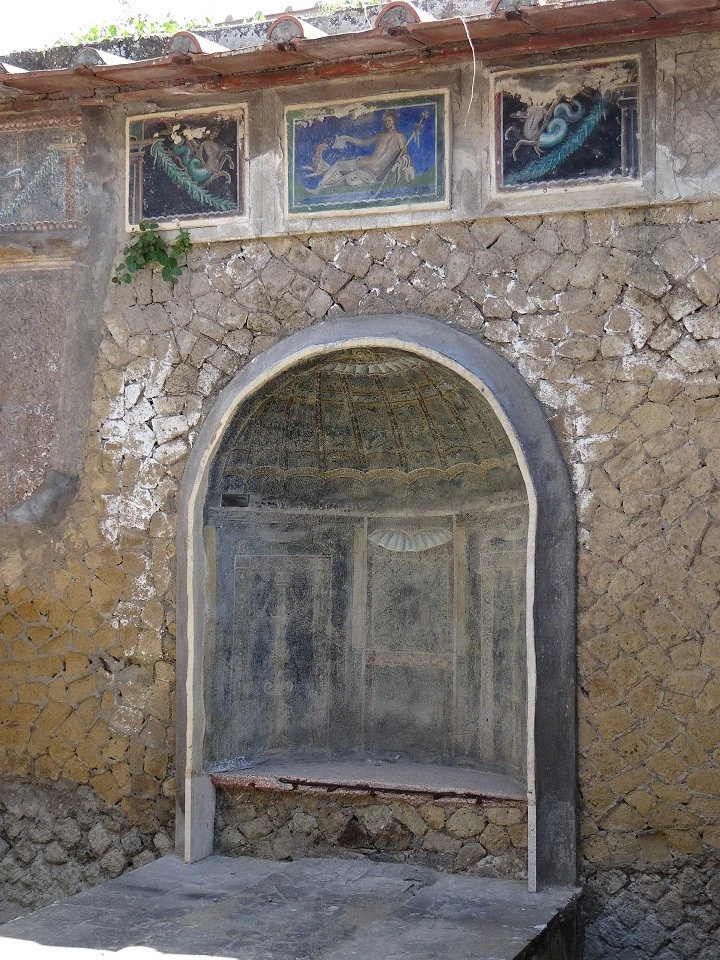
[thumb]https://cn22.nevsedoma.com.ua/p/29/2941/112_files/6f5 0a7d3173fdb8e8fc6aa106f91987e.webp[/thumb] 
[thumb]https://cn22.nevsedoma.com.ua/p/29/2941/112_files/de3fd34dd0c3bcac2c fb50c3aea41f39.webp[/thumb]