Why India Has a Zero-Rupee Banknote (5 photos)
It's a dead ringer for valuable banknotes, featuring a portrait of Mahatma Gandhi, watermarks, the denomination, a promise of payment, and even a signature. True, the denomination is "0." But this isn't a banknote issued by the central bank; the back bears the slogan "Eliminate Corruption." 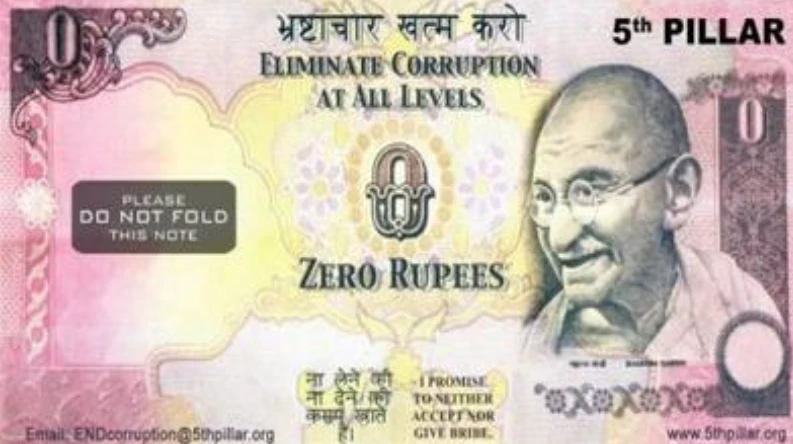
Here he is, Gandhi, the preacher of non-violence.
The story of this banknote began in 2007. It was designed by Indian activist Vijay Anand of the "Fifth Column" organization. He suffered from a pan-Indian affliction: corruption. These days in India, to get a good job or position, you have to pay "the right people," but in the 2000s, the situation was even worse. You could even pay for a doctor's appointment, a driver's license, or even an electricity permit. Any low-level official considered a bribe a second income, without which their family couldn't survive. 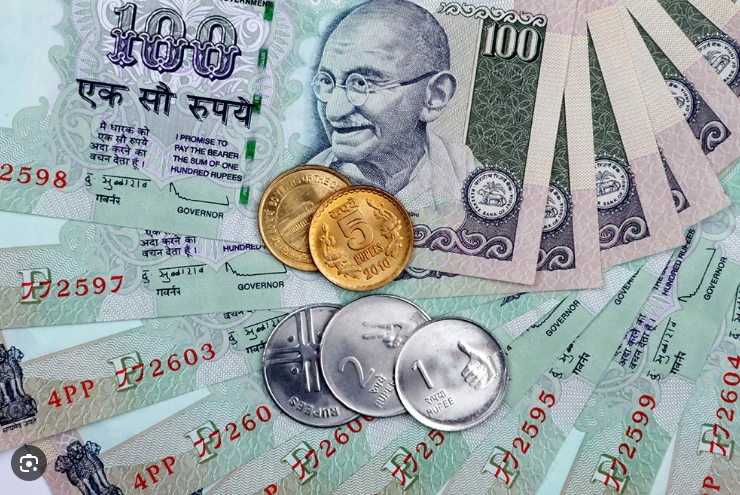
And this is what a real hundred-rupee note looks like.
Then Vijay Anand came up with a way for ordinary people to fight back. When faced with a demand for a bribe, a citizen would take out this "banknote" and solemnly hand it to the official, saying, "You asked for money? Here's your money. I'm giving you zero rupees because the service I'm legally required to receive costs zero rupees extra." The point of such a gesture was to shatter the official's expectations. He'd become accustomed to everyone handing him money without complaint, he'd already taken it in hand... And then there was a counterfeit banknote, a sign that the person knew his rights and wasn't going to back down. Sometimes, that alone (along with the suspicion that it was a marked banknote from the police) was enough to make a minor corrupt official back down and apologize. Plus, it's a very Indian solution to the problem—as Mahatma Gandhi advised: engage in nonviolent protest. 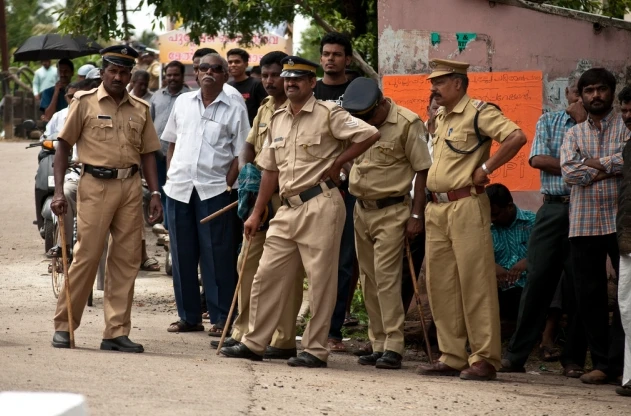
My favorite Indian crime was when scammers bought police uniforms and pretended to be a functioning police station for a month. They solved problems for bribes.
And suddenly, many people "got it." The idea was so successful that the circulation of "zero notes" numbered in the millions. The organization distributed them through volunteers, public meetings, and even sold them in souvenir packs. They were most often carried by autorickshaw drivers in Delhi and Mumbai. If a police officer stopped them for a fictitious violation and hinted at a bribe, the driver would hand him a "zero rupee note." In most cases, the officers, cursing, would let the offender go, rather than deal with the "activist." 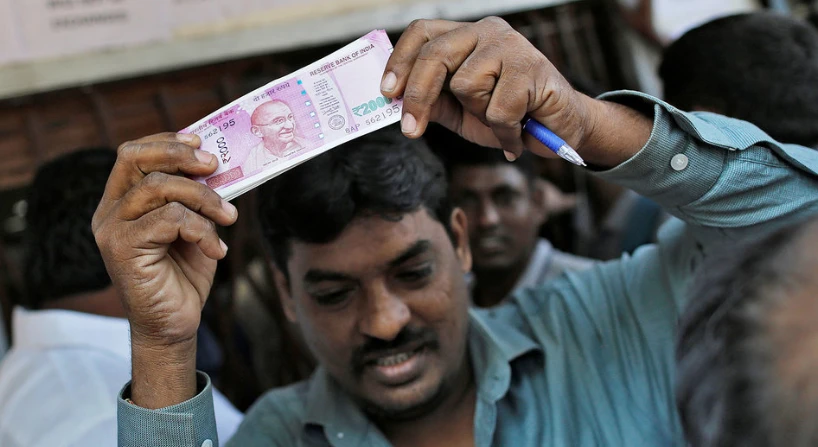
By the way, India had a major reform to abolish large banknotes, and all the bribe-takers simply panicked – they couldn't exchange their millions at the bank without suspicion!
The note spawned a wave of imitations. Students used them against teachers who demanded fees for exams, and farmers against land committee officials. The government claimed that the zero note was too similar to the real thing and thus qualified as counterfeit currency. But the positive response was so overwhelming that banning it overnight was impossible. However, reminders were issued against making notes that resembled real rupees, so gradually the zero rupee notes were phased out, and no one dared issue new ones. 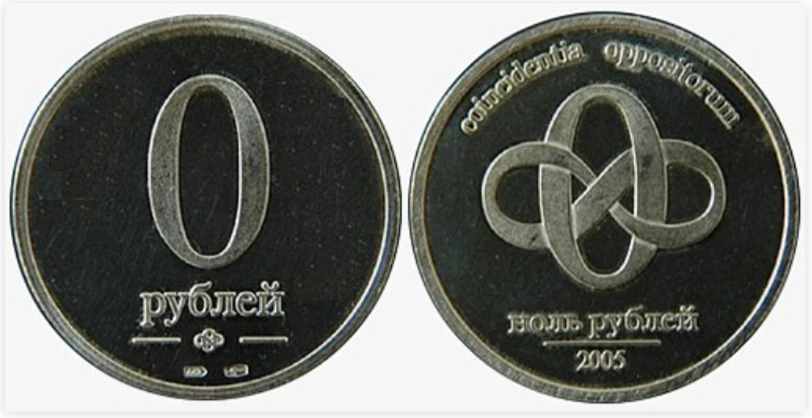
The design of the zero even seems profound.
Now people collect them – some as a funny souvenir, others as a memento of the years when they gave a policeman a zero rupee.