Icelandic moss that managed to hide the consequences of a terrible disaster (21 photos + 2 videos)
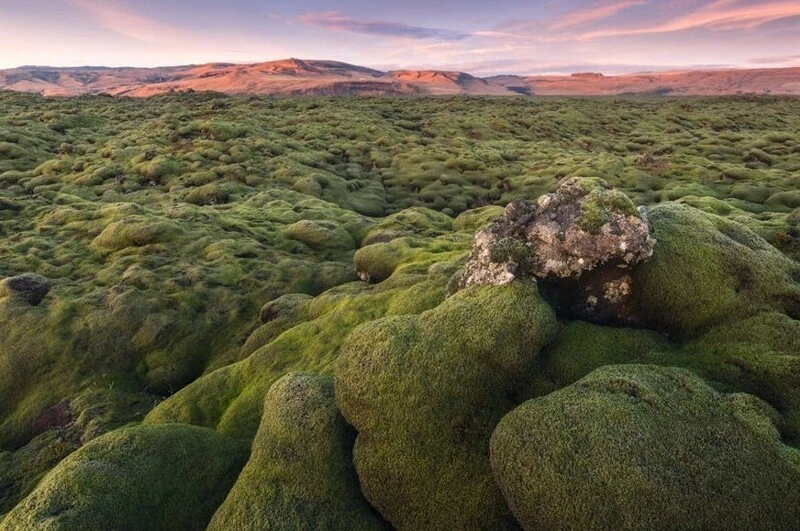
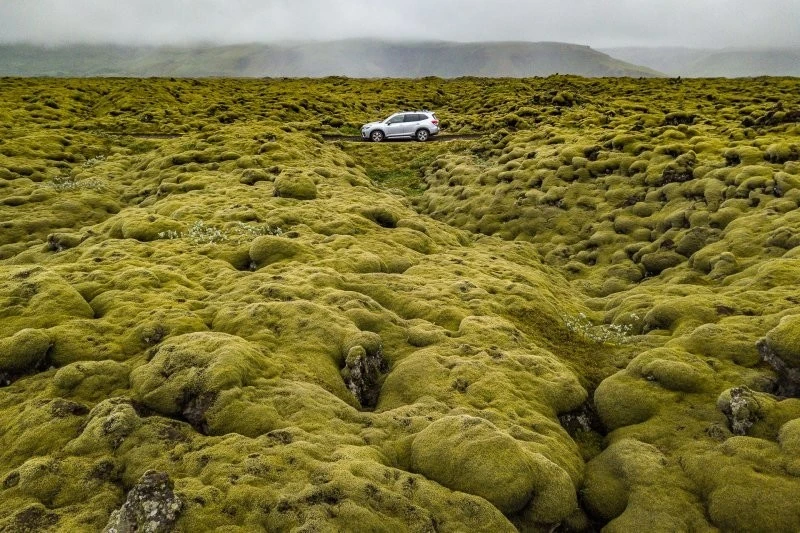
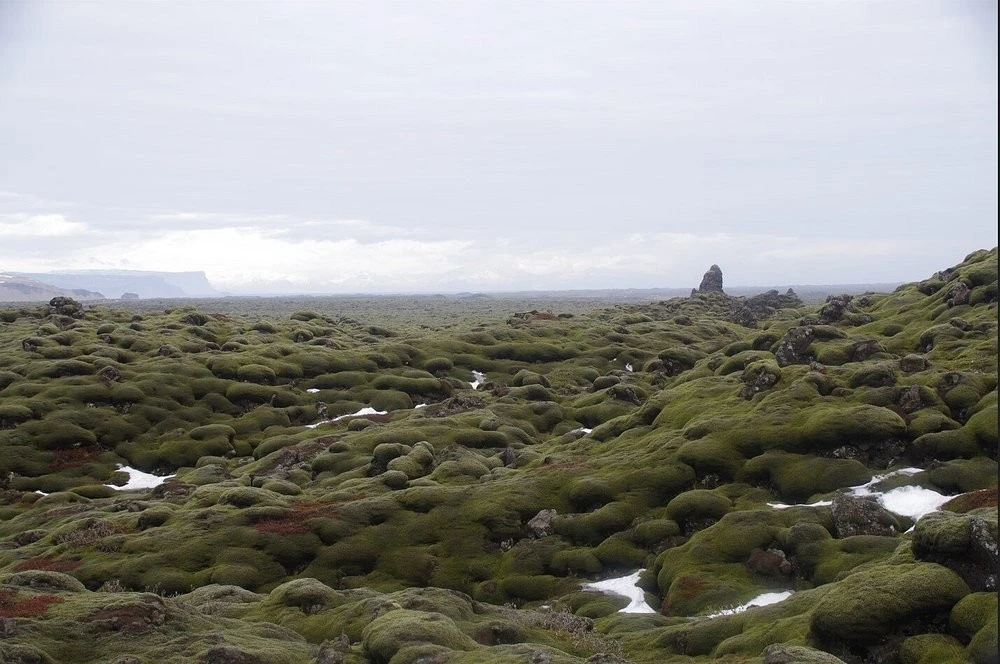
Green moss is a common sight in Iceland. It generously carpets the mountain slopes and serves as the hallmark of the local lava fields. But the most striking sight awaits travelers on the southern coast, where the Eldhraun field stretches. 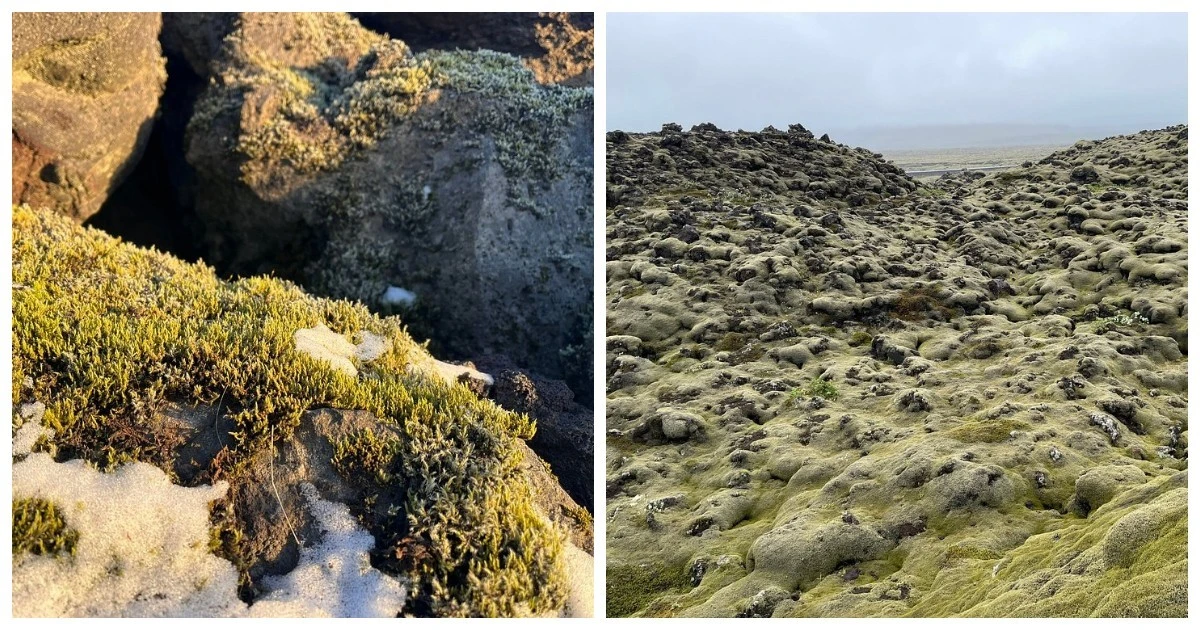
This field was born in the fires of one of the most destructive eruptions known to mankind. 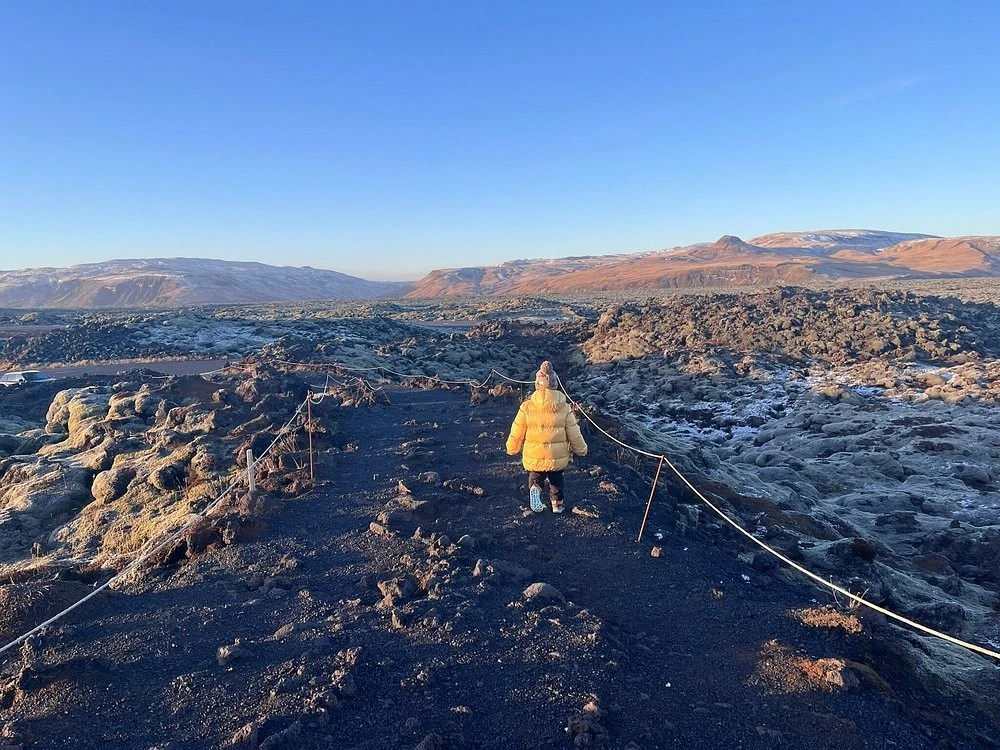
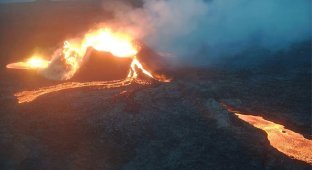
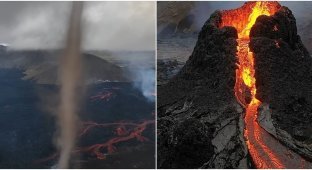
For eight months, from 1783 to 1784, the Laki fissure and the neighboring Grímsvötn volcano erupted with basaltic lava flows. Scientists estimate the volume reached 14 cubic kilometers. But the main killer wasn't the scorching rivers, but the toxic gases that contaminated the land and water. They wiped out half of Iceland's horses and cattle and more than three-quarters of its sheep. The fields stopped producing, and the fish left the fjords. The ensuing famine claimed the lives of almost a quarter of the island's population. 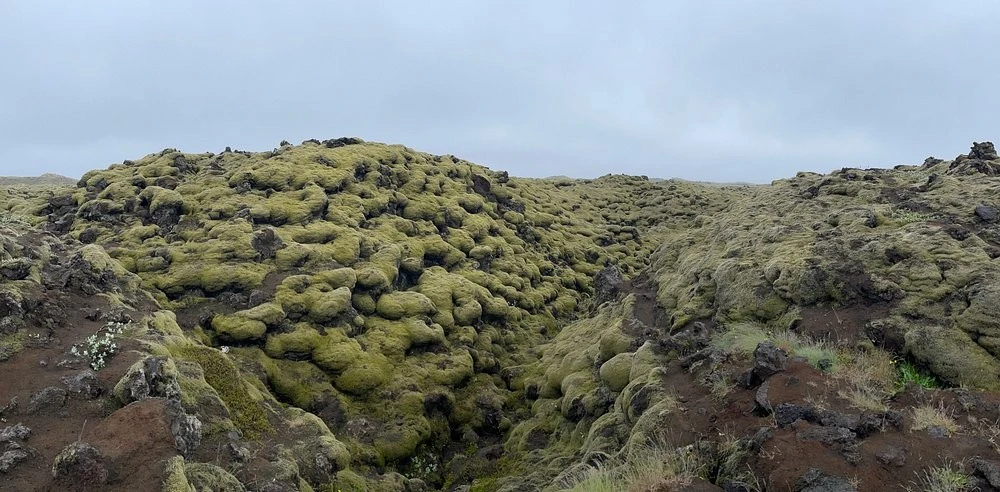
However, the echoes of the disaster reverberated far beyond Iceland. The climate of the Northern Hemisphere seemed to go crazy. The winter of 1784 in North America became one of the longest and most brutal in history. Snowstorms lashed the southern states, the Mississippi froze near New Orleans, and ice floes drifted in the Gulf of Mexico. 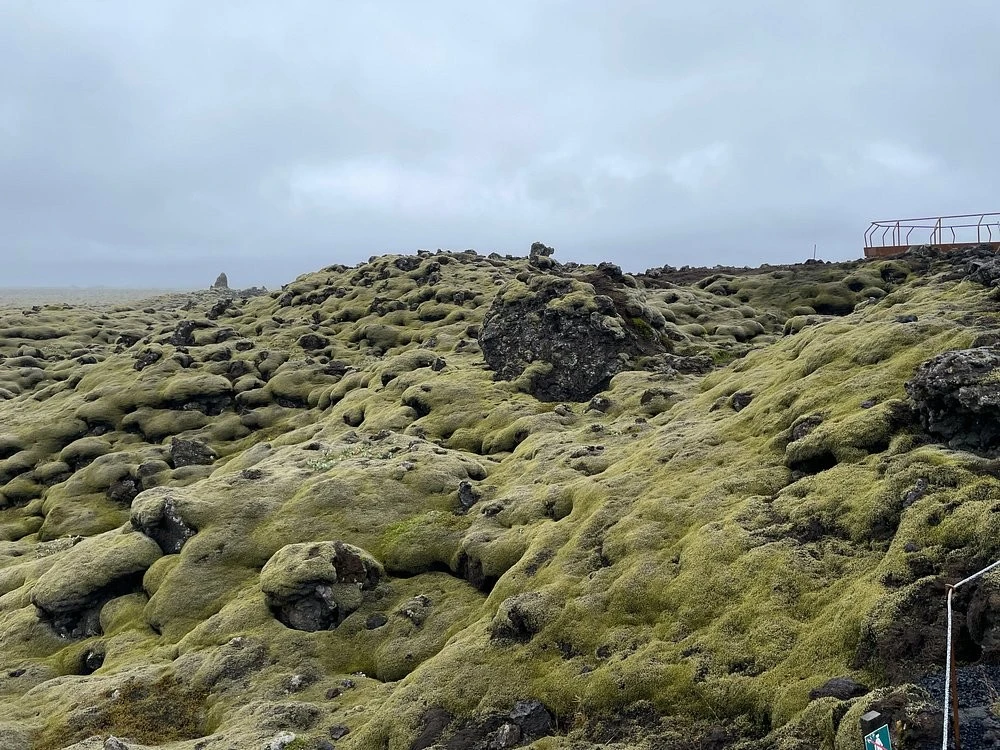
The toxic haze raised by the eruption reached India. It weakened the monsoon winds, dooming the land to drought and crop failure. The famine that struck Egypt in the same year, 1784, killed one in six people. 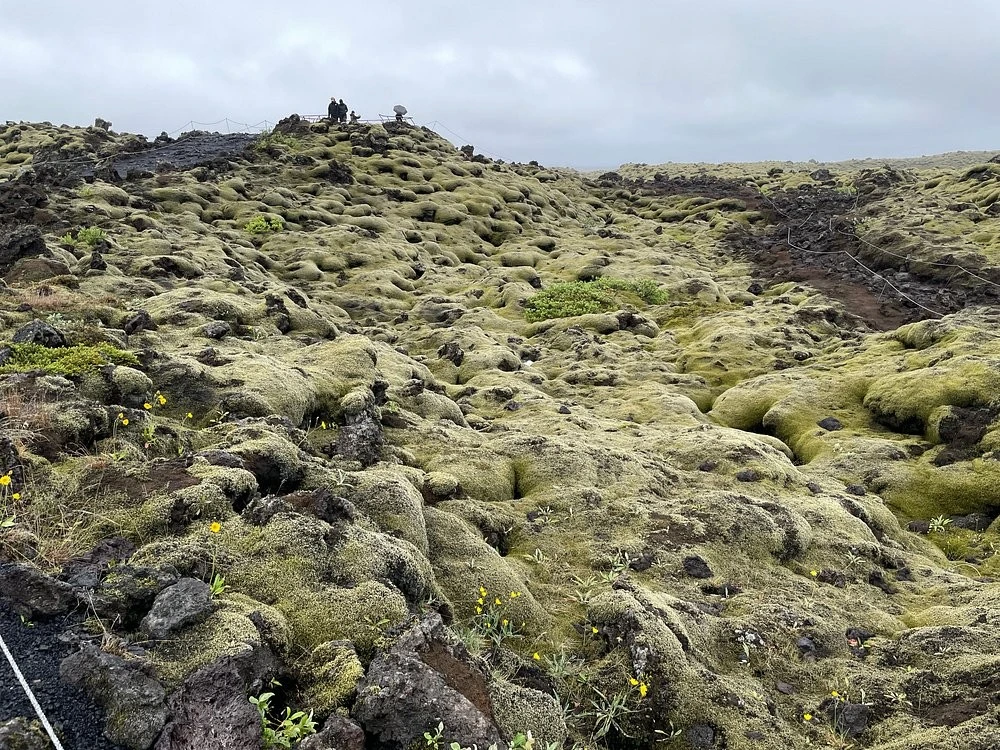
But the most severe consequences were felt in Europe. The summer of 1783 was abnormally hot. A rare anticyclone over Iceland drove southeasterly winds, poisoning the air across the continent. The toxic cloud that blanketed Europe killed tens of thousands of people from the poisoning alone. In the UK alone, smog-related deaths totaled approximately 23,000. 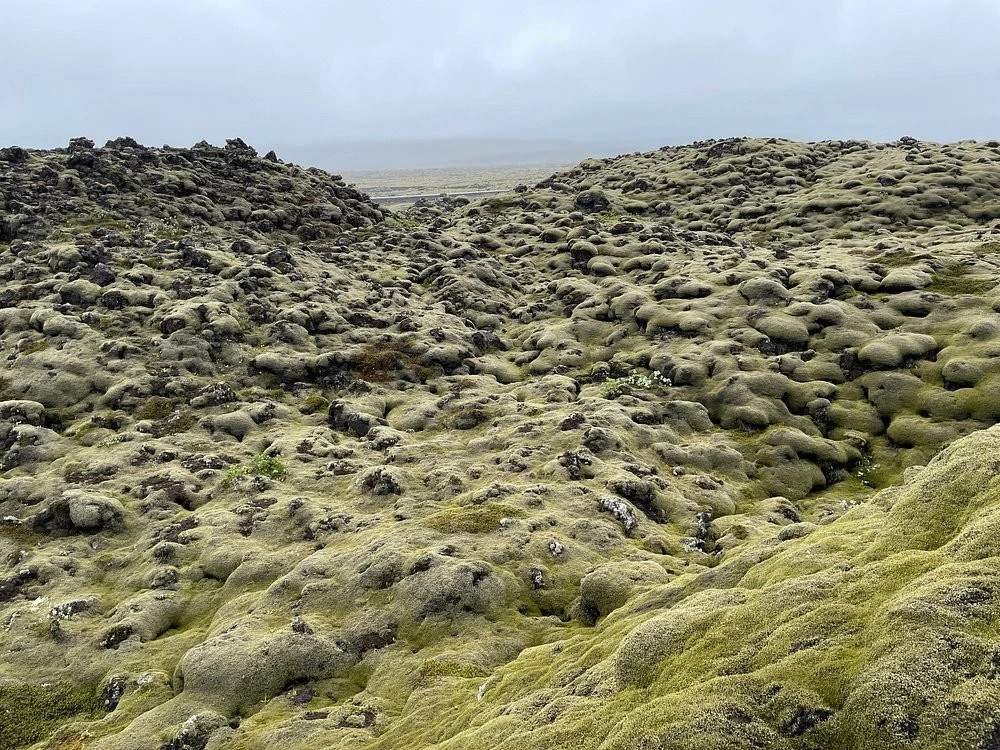
The heatwave triggered unprecedented thunderstorms. Huge hailstones fell from the sky, maiming and killing livestock. The subsequent winter was so cold that another 8,000 people died in the UK. The spring melting of ice in Germany and Central Europe led to devastating floods. And in France, a series of crop failures, poverty, and famine became the powder keg that ultimately ignited the French Revolution of 1789. 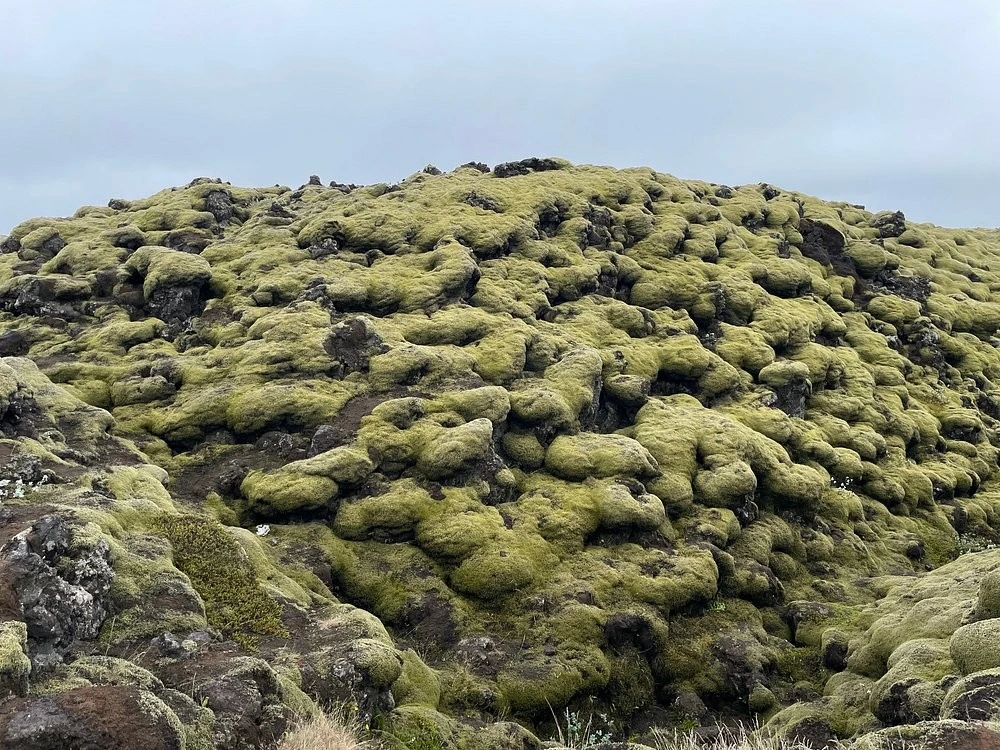
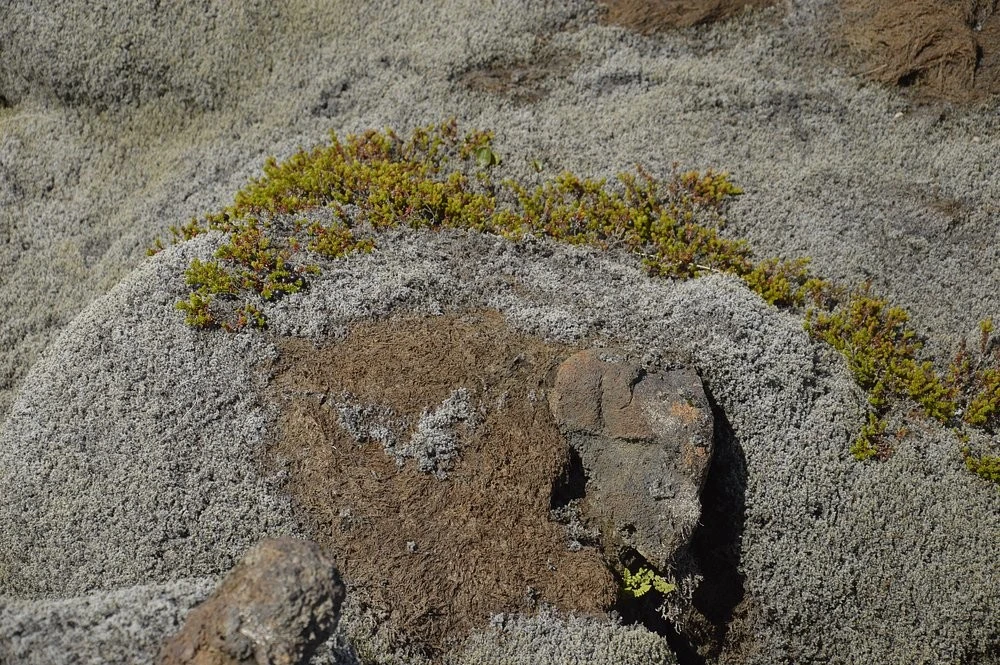
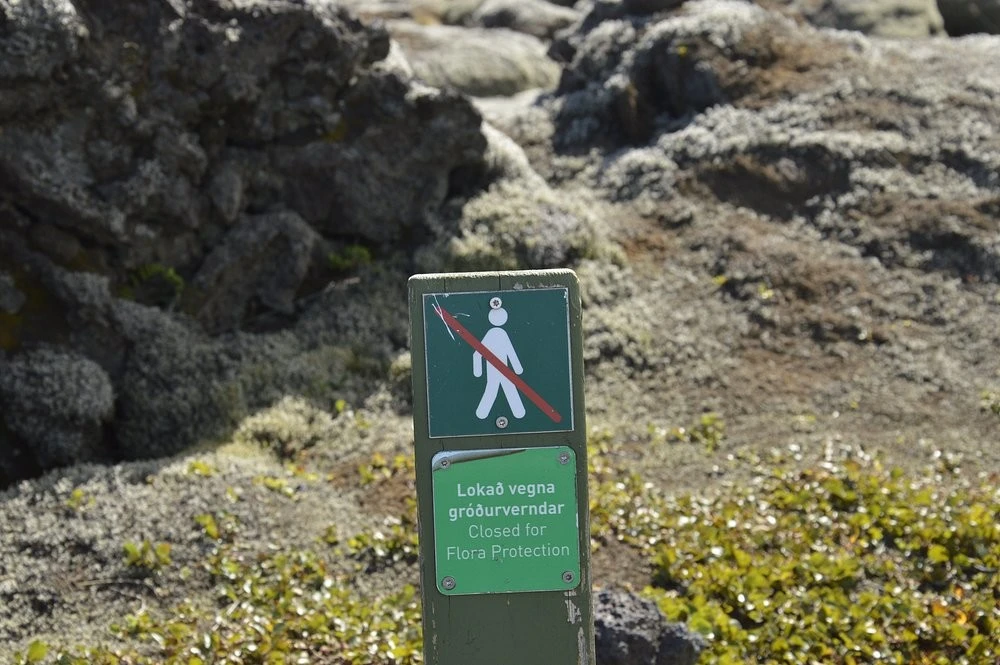
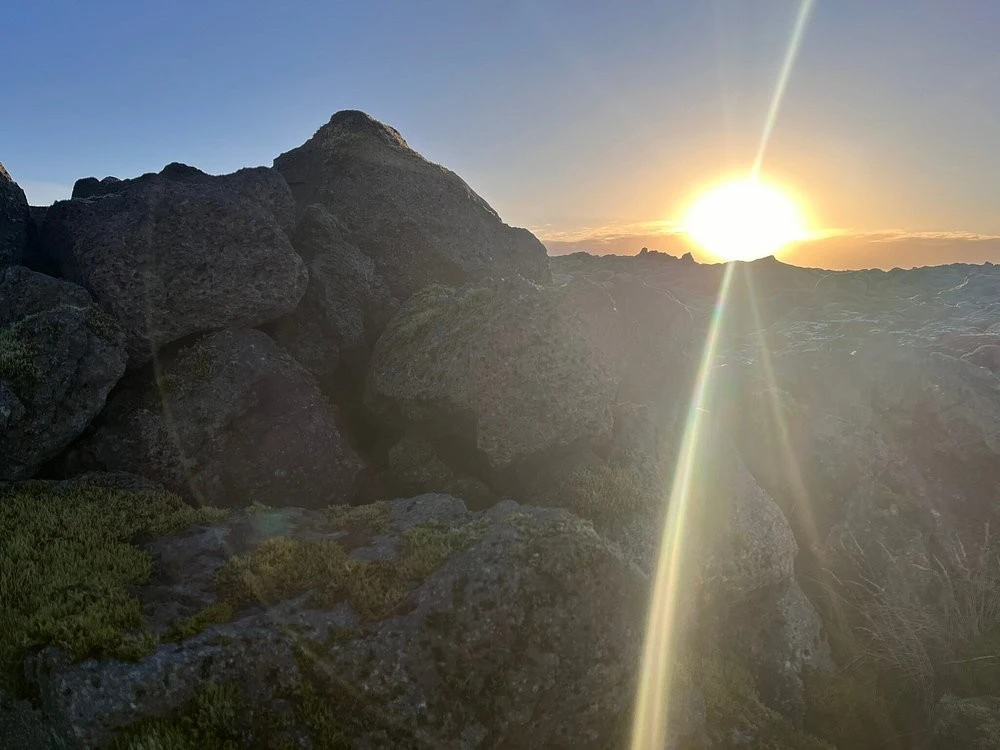
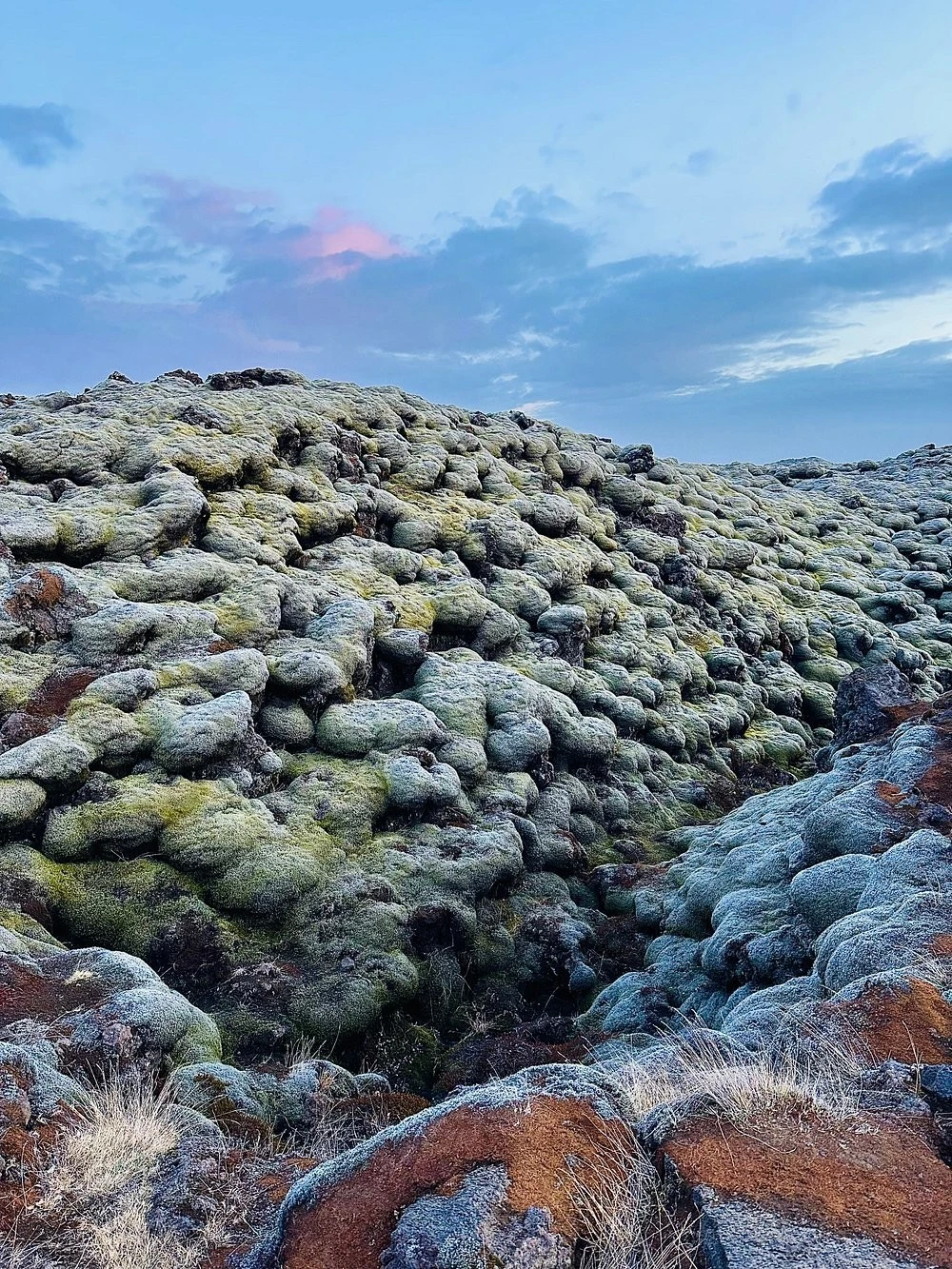
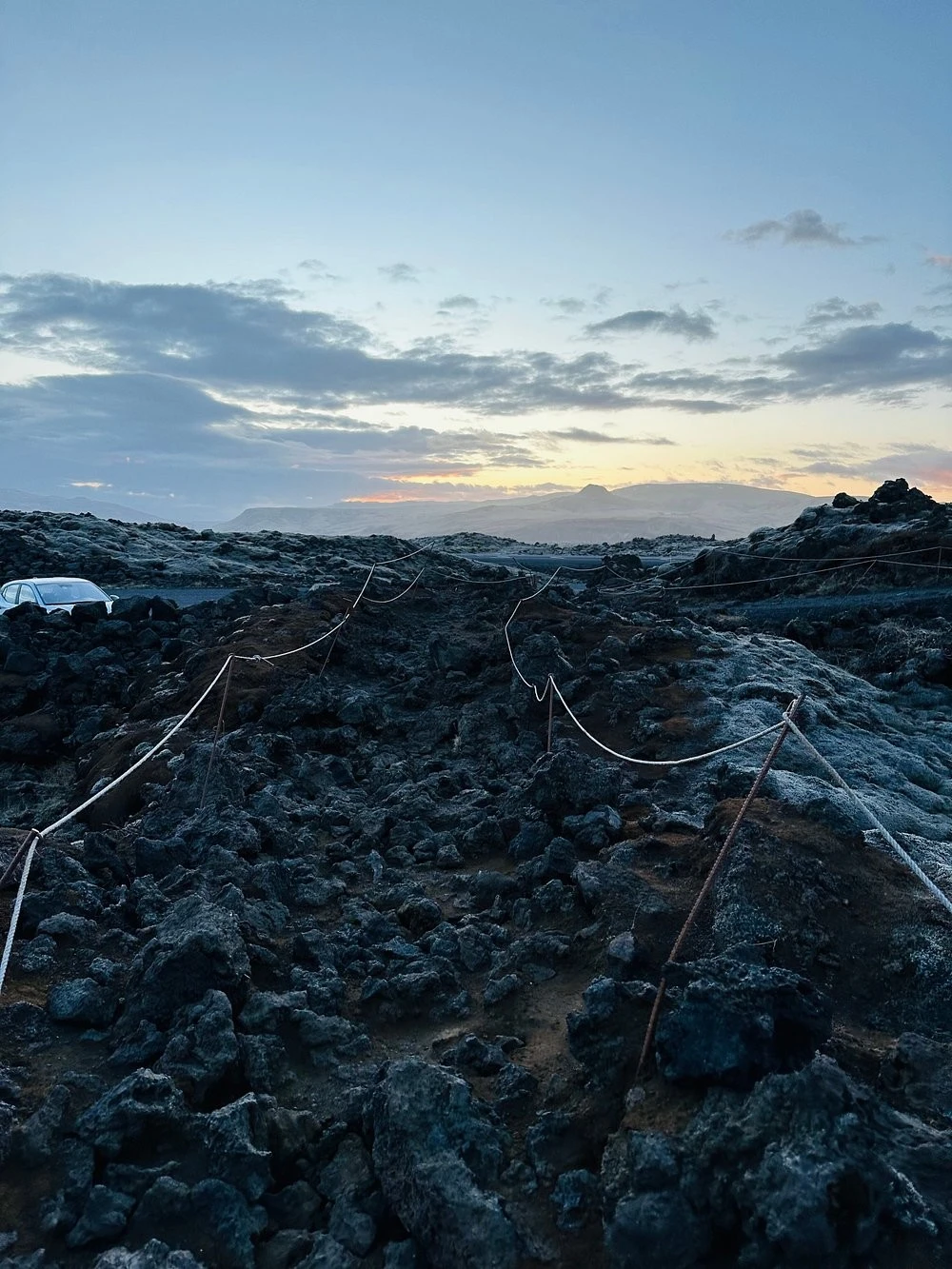
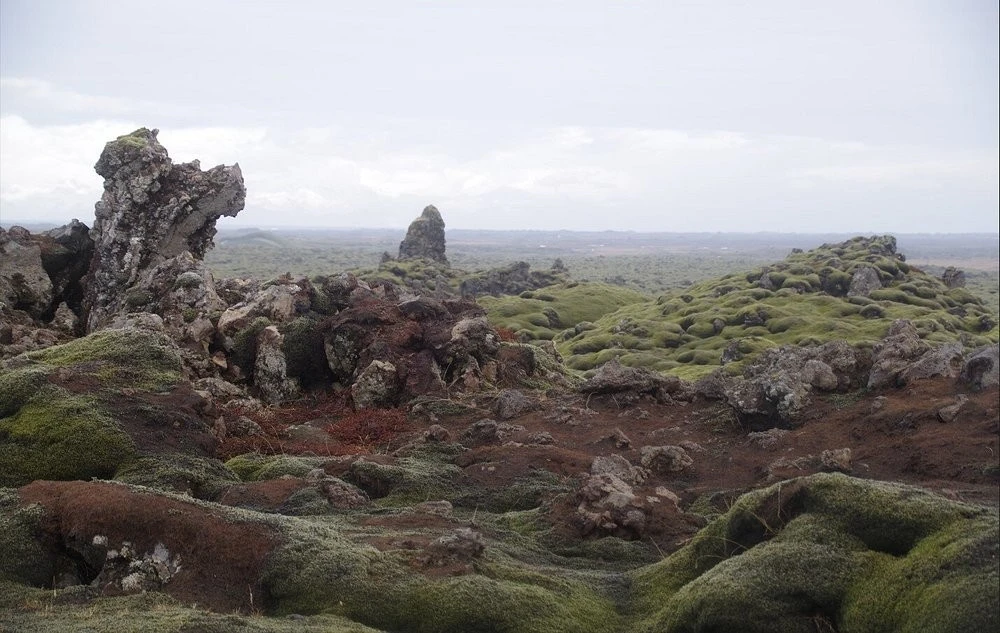
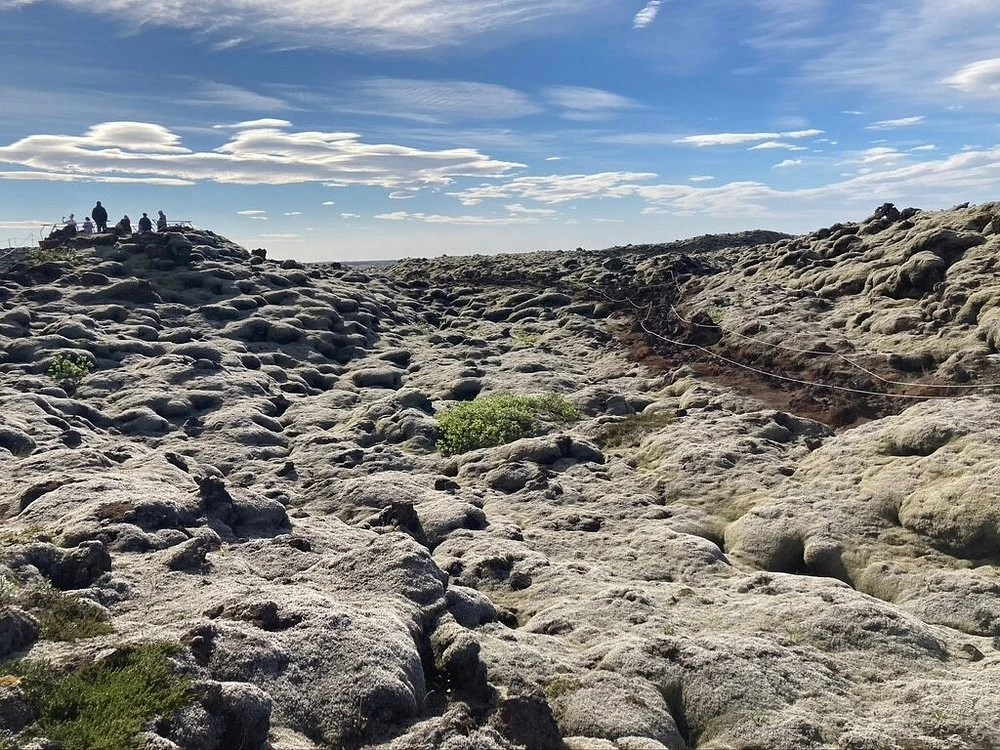
Today, the Eldhrain field is strikingly tranquil. Thick emerald moss has covered the sharp scars of the lava, transforming the harsh landscape into something soft and almost fairytale-like. It has hidden from the world the truth about the fury that once raged here. But dig deeper, and beneath the green carpet, you can still find the petrified ashes of one of the most terrible catastrophes in human history. 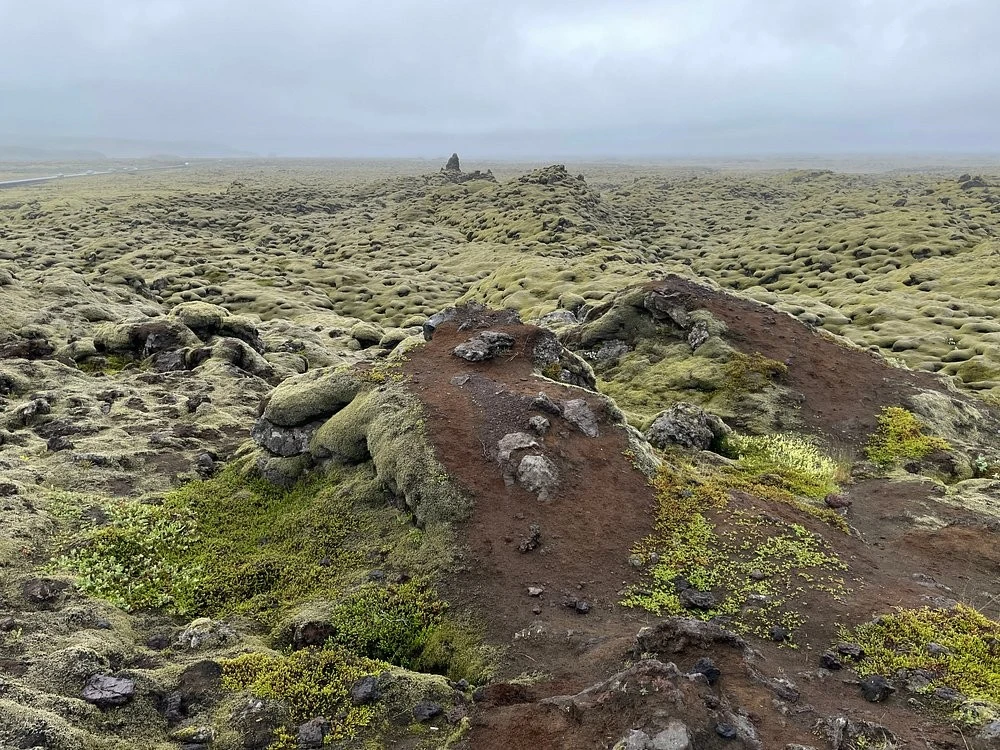
[thumb]https://cn22.nevsedoma.com.ua/p/29/2936/137_files/4776a15848 11029c6bf3aef2b75d2038.webp[/thumb] 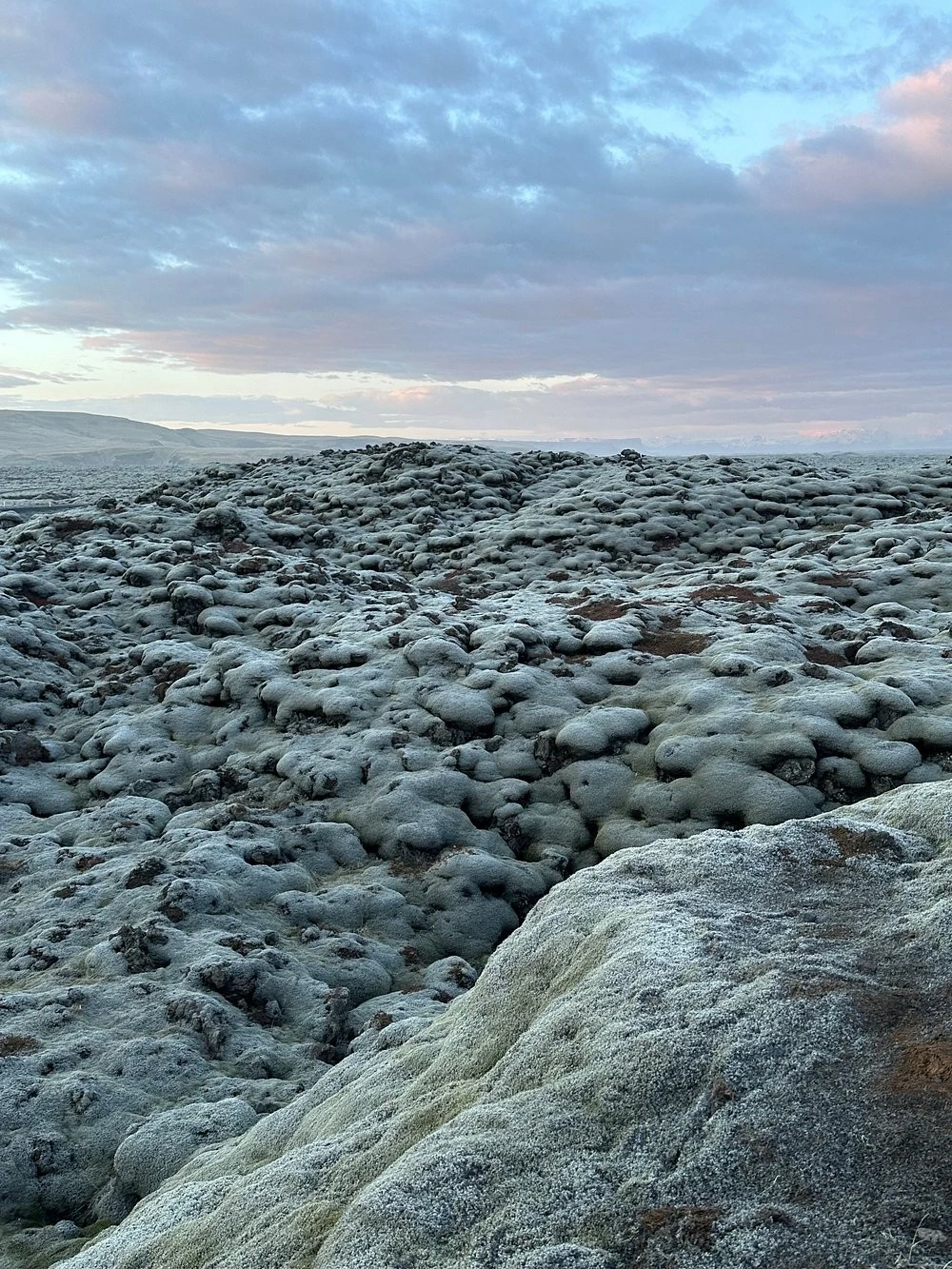
[thumb]https://cn22.nevsedoma.com.ua/p/29/2936/137_files/279e4228f9 8403a20659f030ea8811a5.webp[/thumb]