Elephants are the only animals that perform rituals over the dead. And not just their own. 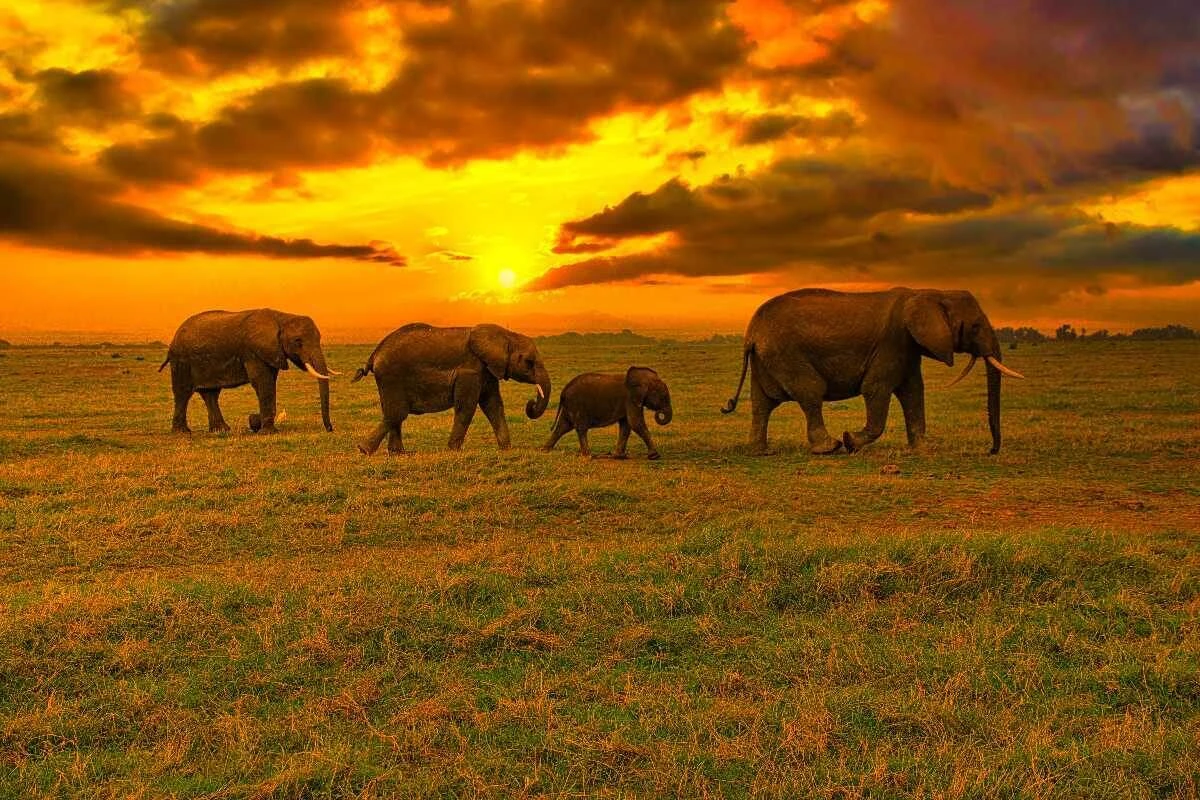
Walking through eternity on the way to eternity.
When an elephant in the herd dies, its kin don't leave. They stay nearby—sometimes for several days. They probe the body with their trunks, turn it over with their tusks, and stand silently in a tight group. Female elephants try to raise their calves, who are too late to save. Matriarchs—the oldest females in the herd—stand motionless over the body for a long time.
But here's what's really strange: they return to the bones months and years later. Passing by the site of a dead relative, the herd slows. They stop. Each one takes turns approaching and touching the bones with their trunks—especially the skull and tusks. Scientists observed an elephant holding the jawbone of its dead mother in its trunk for several minutes. Whether it recognized her is unknown. But something was clearly happening inside. 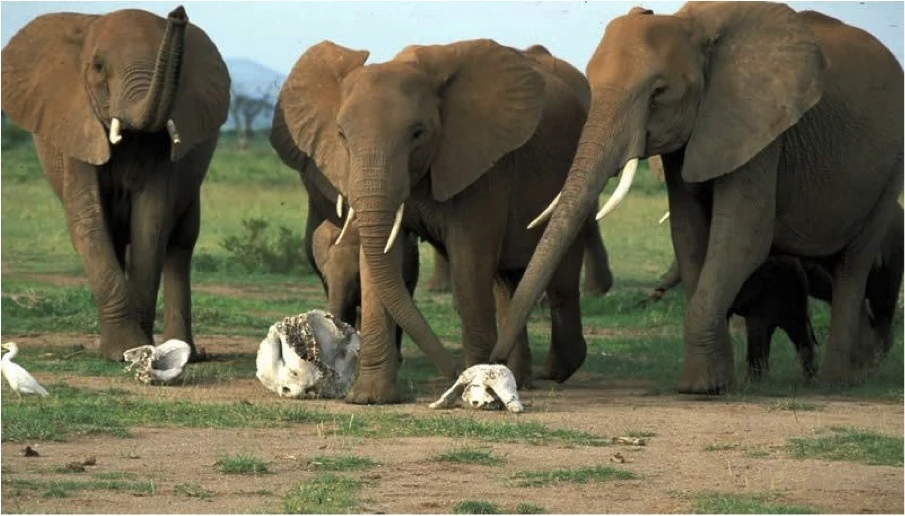
Well, not clinking glasses.
In Africa, elephants have been repeatedly recorded covering the bodies of their dead relatives with branches and leaves, creating a semblance of a primitive burial. In North Bengal, scientists documented five cases of Asian elephants literally burying their dead calves in the ground—methodically and consistently, by the entire herd. Traces of 15 to 20 elephants were found around each burial. Afterward, the herd abandoned the site for 40 minutes and then avoided returning, choosing other migration routes rather than pass by. 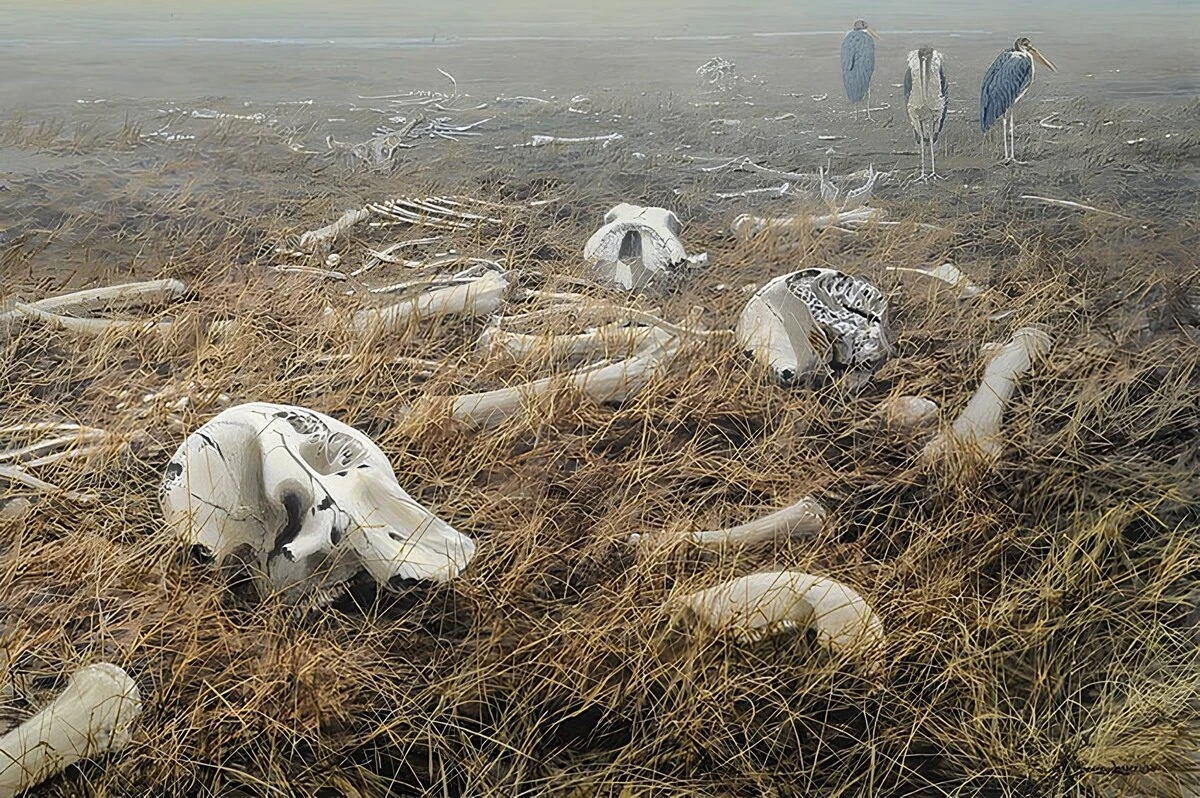
There's a story that elephants sense their approaching death and retreat to so-called "elephant graveyards." This myth arose because epidemics occurred in certain areas, and elephants died in roughly the same spot.
It gets more interesting. Elephants do the same thing with the bones of other elephants, ones they've never met. In one experiment, they were given the bones of an elephant, a rhinoceros, and a buffalo—the elephants always chose the elephant bones and spent more time with them. This isn't just a simple instinct of "smelling their own kind." The bones are old, there's almost no smell. It's something else. 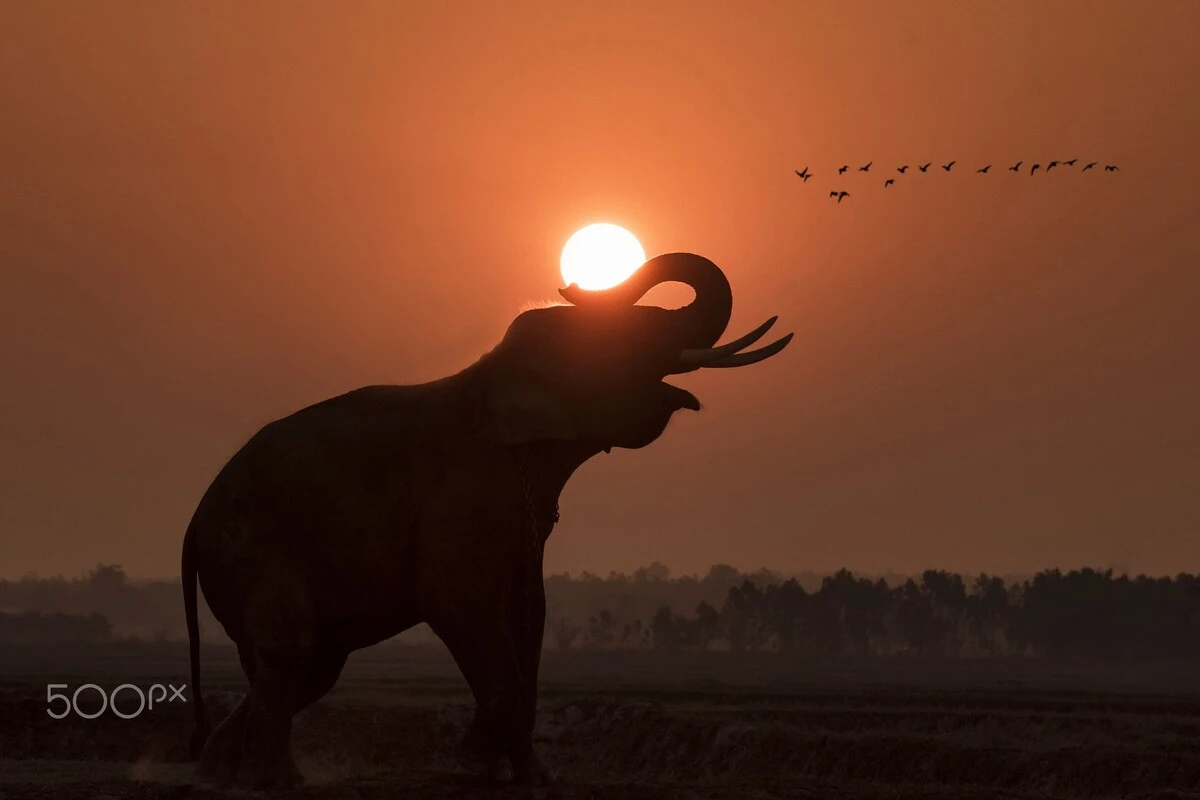
Oh, ancestors, can you hear me?
Once, observers recorded copious discharge from the temporal glands of a deceased elephant's daughter—they are located between the eyes and ears and become active during emotional stress. This means that the body's physiology is also reacting. The elephant's body literally switches into grief mode. 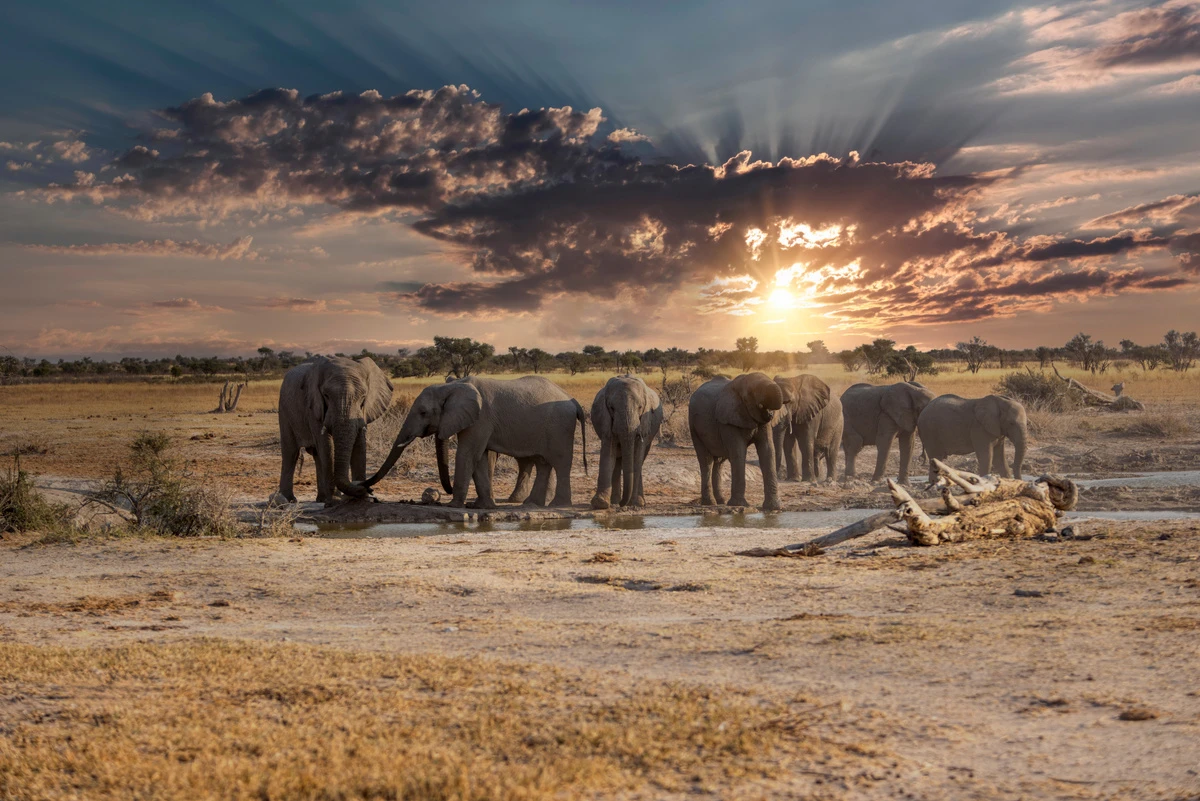
...
Elephants, apparently, have an abstract concept of death as a category. Not "my baby died"—just "death." Regardless of the personal connection. No other animal on the planet has this—except humans, and not all cultures have formalized it into a ritual. Zoologists are still debating what to call it. Because the word "grief" is for people. And they haven't come up with another word yet.
Add your comment
You might be interested in:













Margaret Hamilton Dies at 90: The Story of the Moon
25 Incredibly Beautiful and Rare Stones (26 Photos)

16 Fascinating and Surprising Facts About Life in Sweden

30 Everyday Details That Will Change How You See the World

Hypnotic and Oddly Satisfying GIFs That Show How Food Is

Who Is the Woman Standing Next to Trump — and What's Going

"What Is This Thing?": 20+ Bizarre Objects That

13 "Healthy" Habits You Should Actually Quit (14

Queen of Thailand completes first solo flight in Gripen
