18 Historical Artifacts That Prove Humans Have Always Been Strange, Yet Inventive (19 photos)
Do you think ancient people were boring? Oh, no, not really. 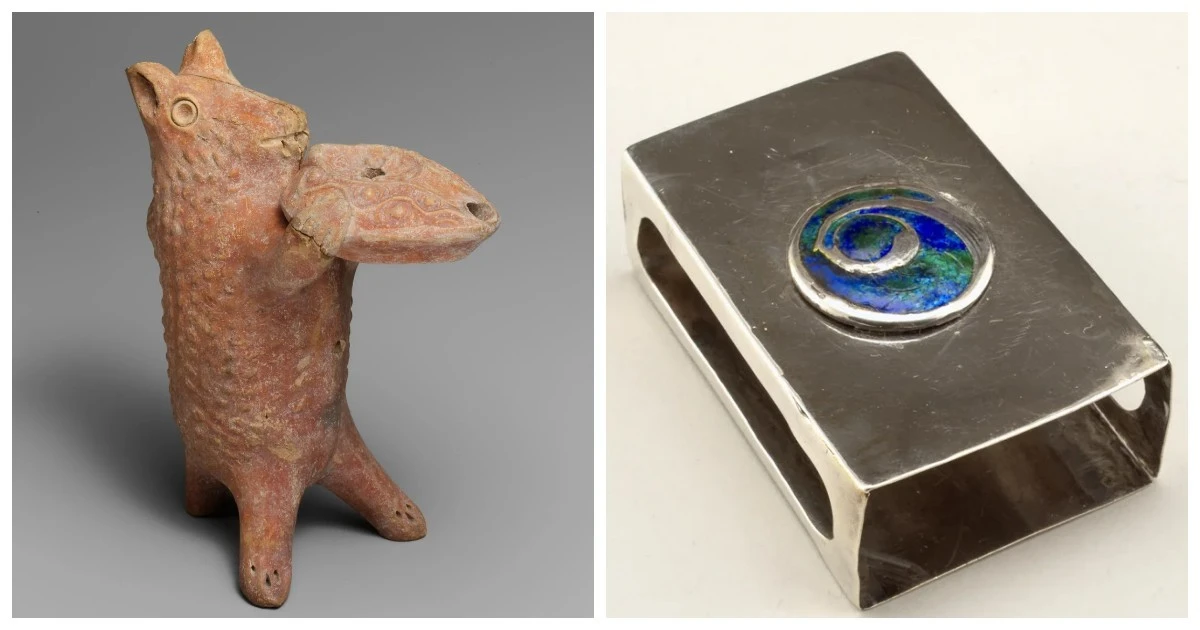
While a certain Kushim of Uruk proudly signed his name in clay, the Eskimos created frightening monsters to harm their enemies in their sleep. And the Chinese later invented a flea catcher that is very difficult to identify. Welcome to the boundless realm of human ingenuity of our ancestors.
1. A pair of gilded wheellock pistols with round handles containing small cleaning tools. Augsburg, Germany, circa 1589. 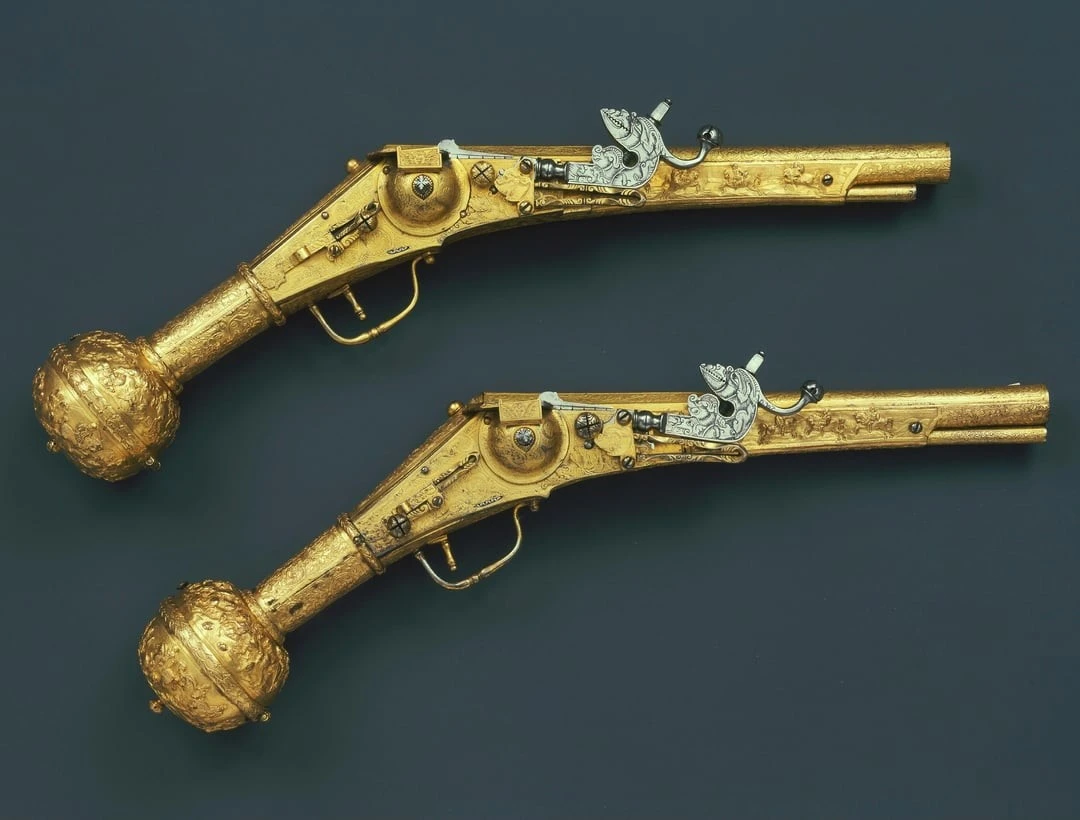
2. A pou tokomanawa (ancestor figure) from a Maori meetinghouse (wharenui), the work of the renowned 19th-century carver Raharuhi Rukupo. Saint Louis Art Museum 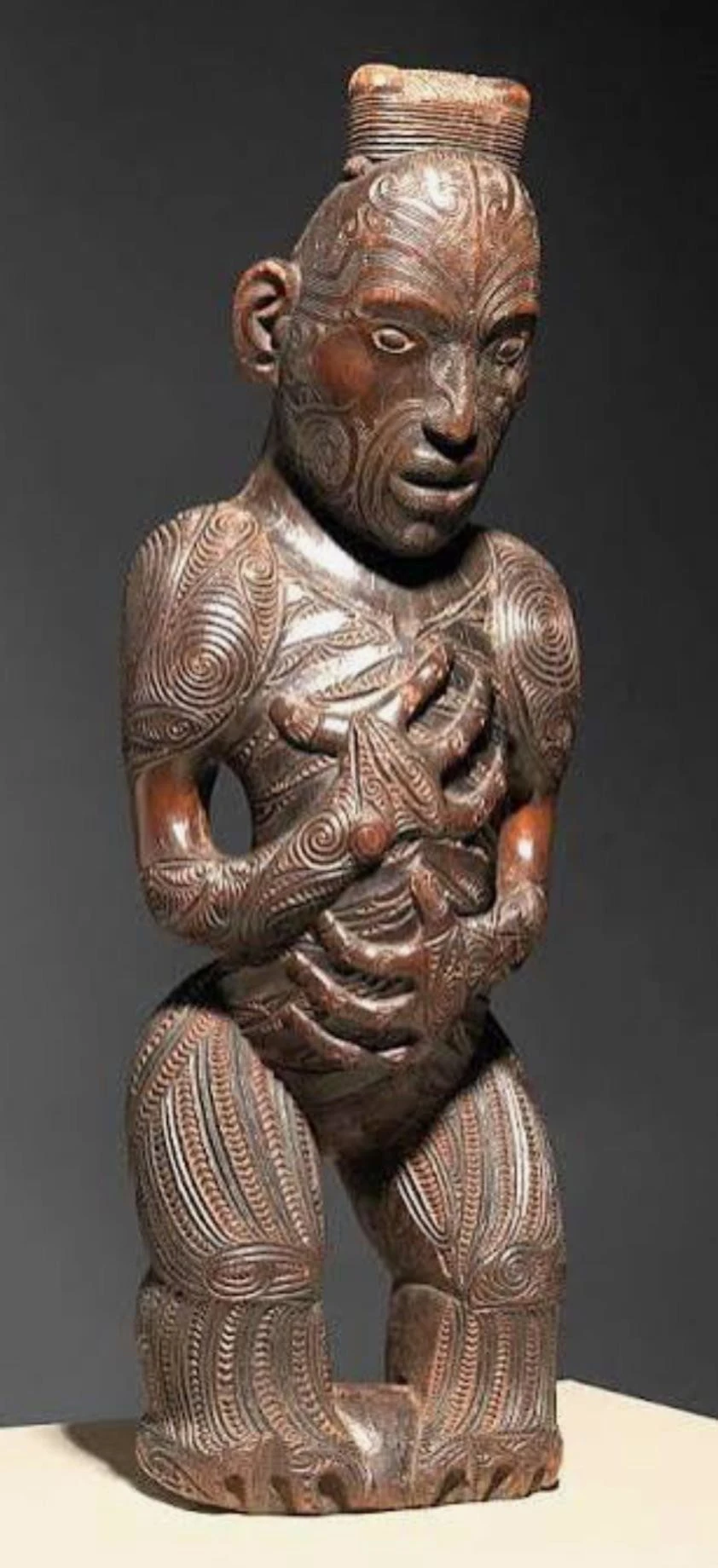
3. Mortar and pestle fragment, 17th century, Netherlands 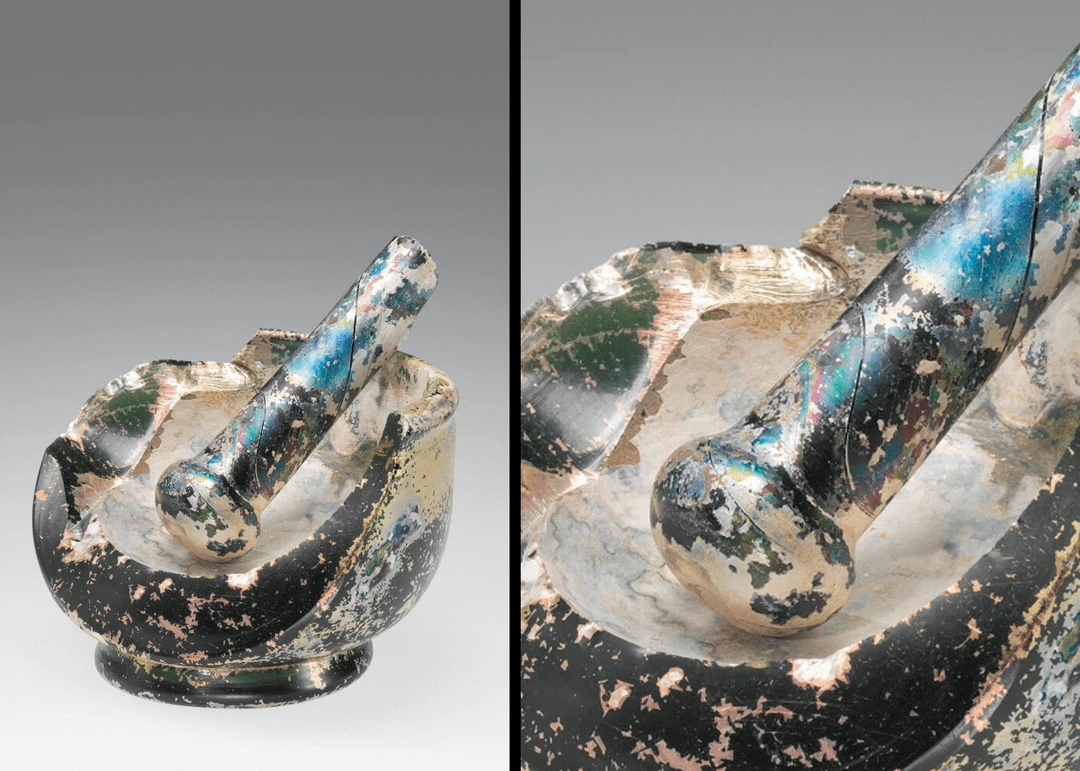
4. Funerary bust of a man. Palmyra, Syria, 150-200 CE 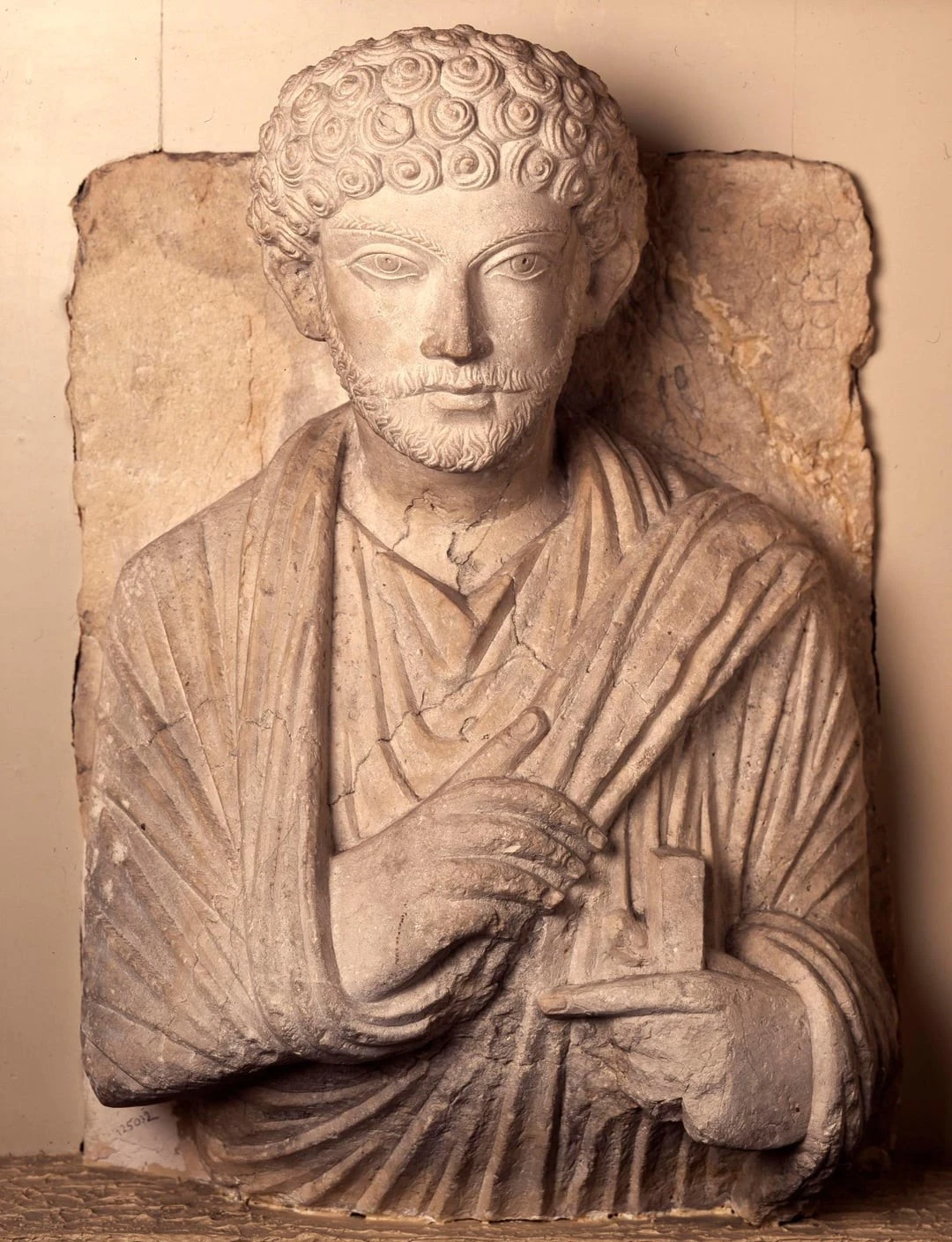
5. Tupilaks - Evil Spirit Figurines Made by the Inuit of Greenland 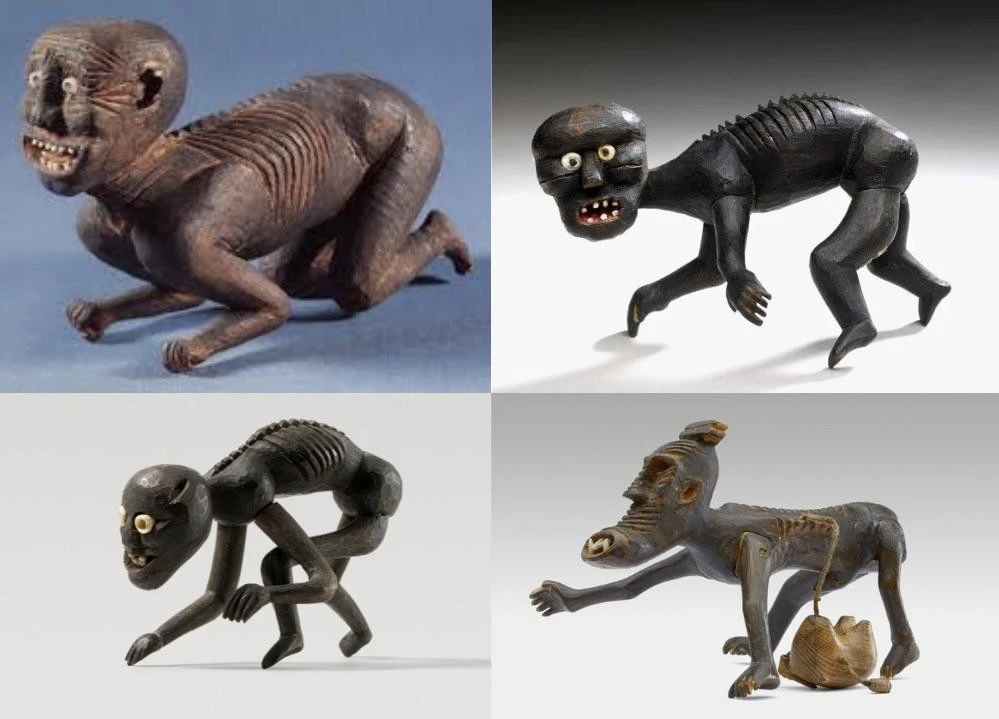
They were brought back to life by spells, and their purpose was to cast curses or kill enemies for revenge.
6. "The World's First Signature" - the "Kushim" Signature, ancient Sumerian, 3000 BC Discovered on a clay tablet from the Sumerian city of Uruk. Cheyenne Collection, Oslo, and London. 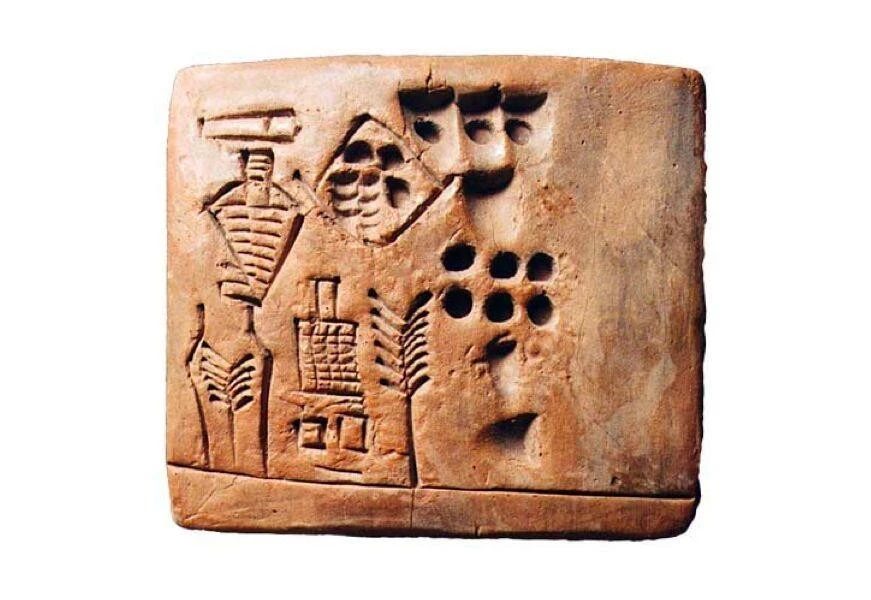
7. Figure of a Sogdian merchant with a wineskin. China, Tang Dynasty, 7th century 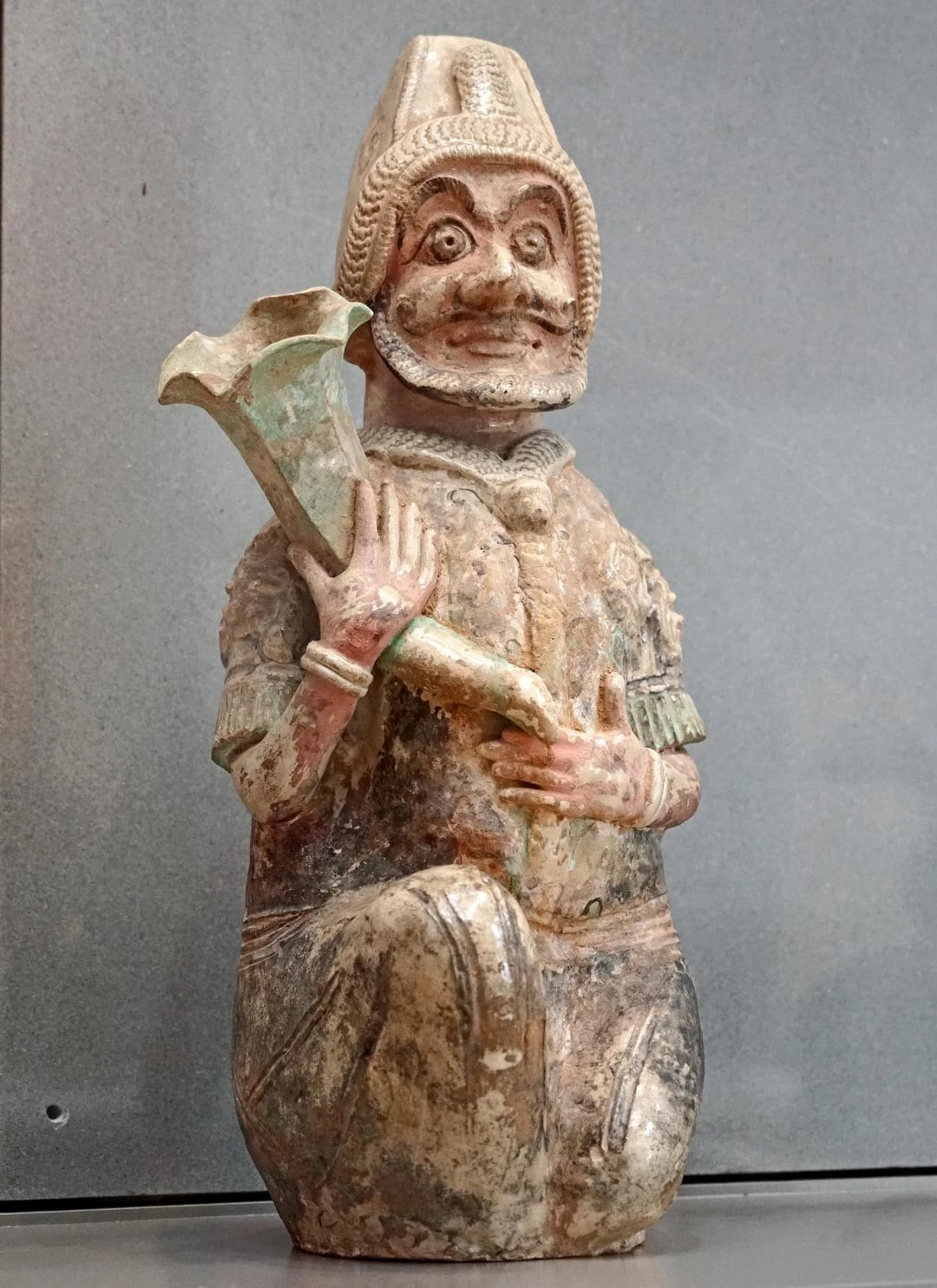
8. Calculating machine created by Philipp Matthäus Hahn 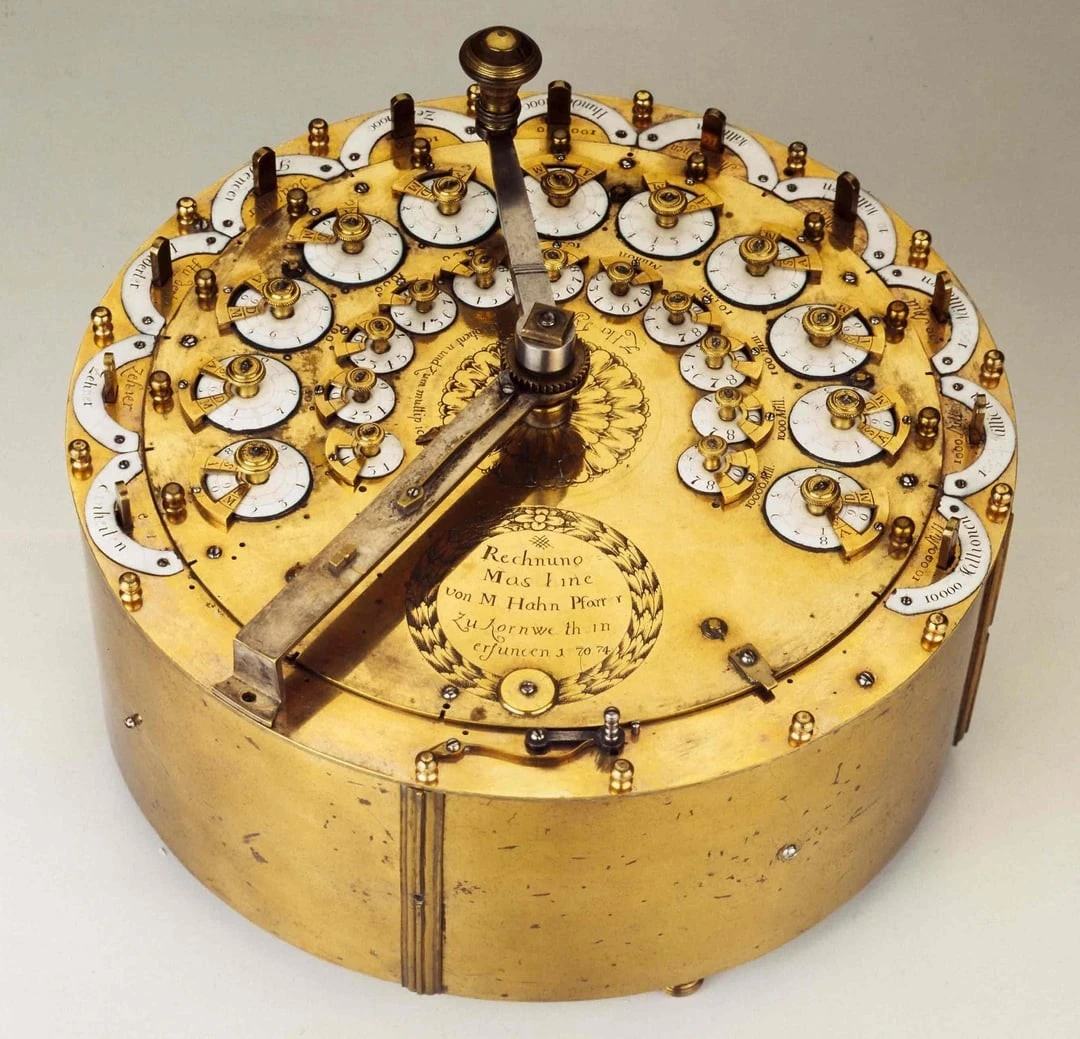
This was the first calculator that could add, subtract, divide, and multiply in a single unit and had an 11-digit capacity. Germany, Duchy of Württemberg, 1770-1774.
9. The Circle of Friends pictograph panel, located near Escalante, Utah, 500-1300 CE. 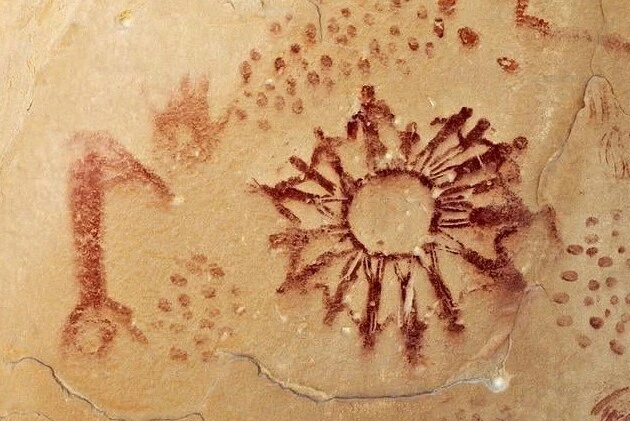
10. The hat worn by Henry VIII is likely the only surviving garment he wore. 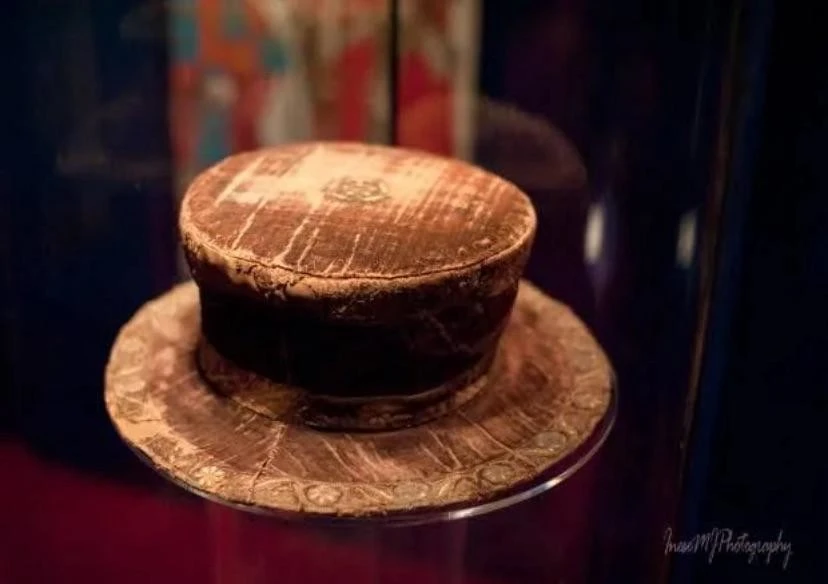
11. A 1,500-year-old Mayan mask made of jade Mosaics 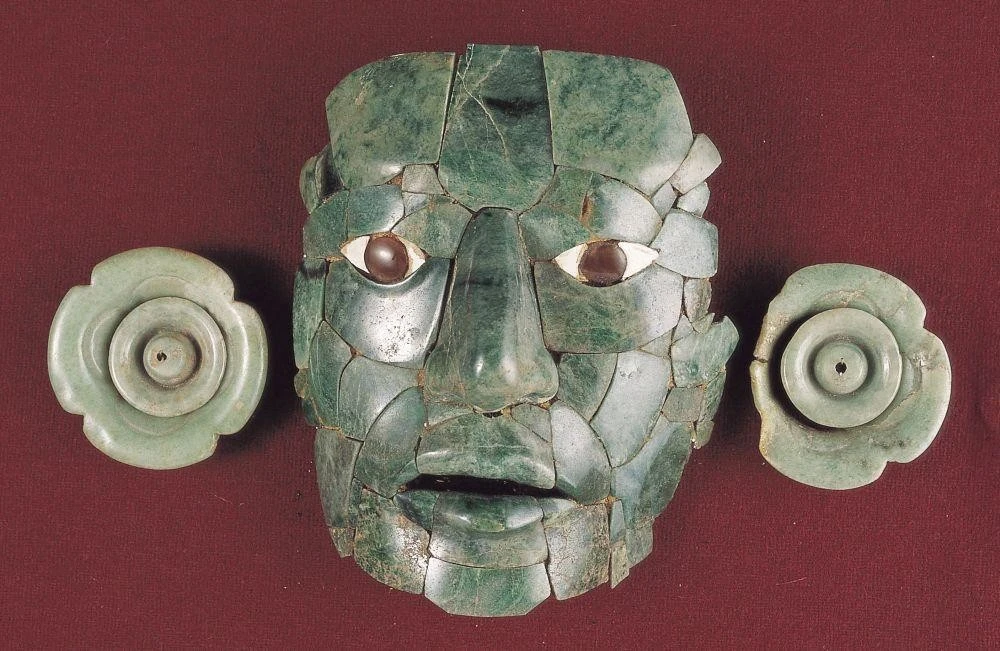
12. A carved ivory boy riding an elephant. Japan, 18th century 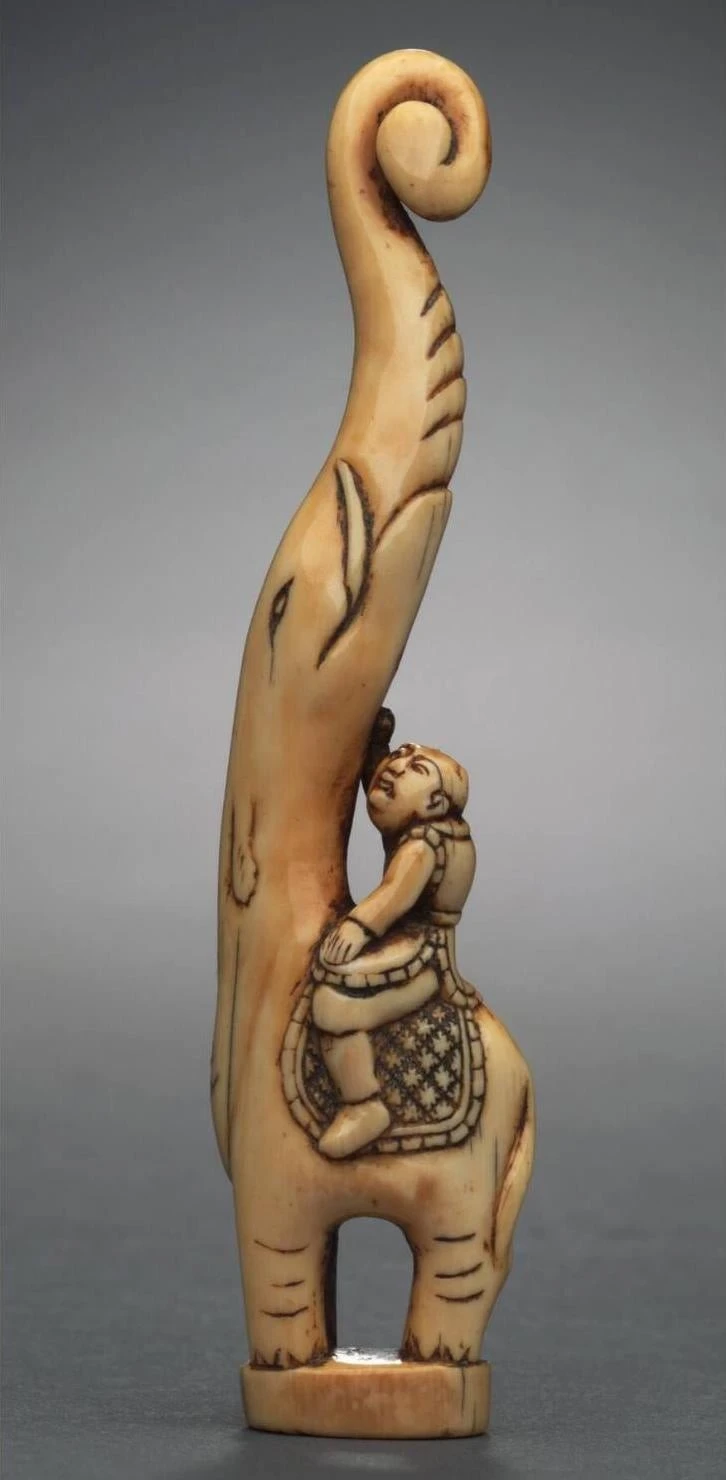
13. "Buddho" from Skara Brae - a 5,000-year-old whalebone figurine from the Orkney Islands 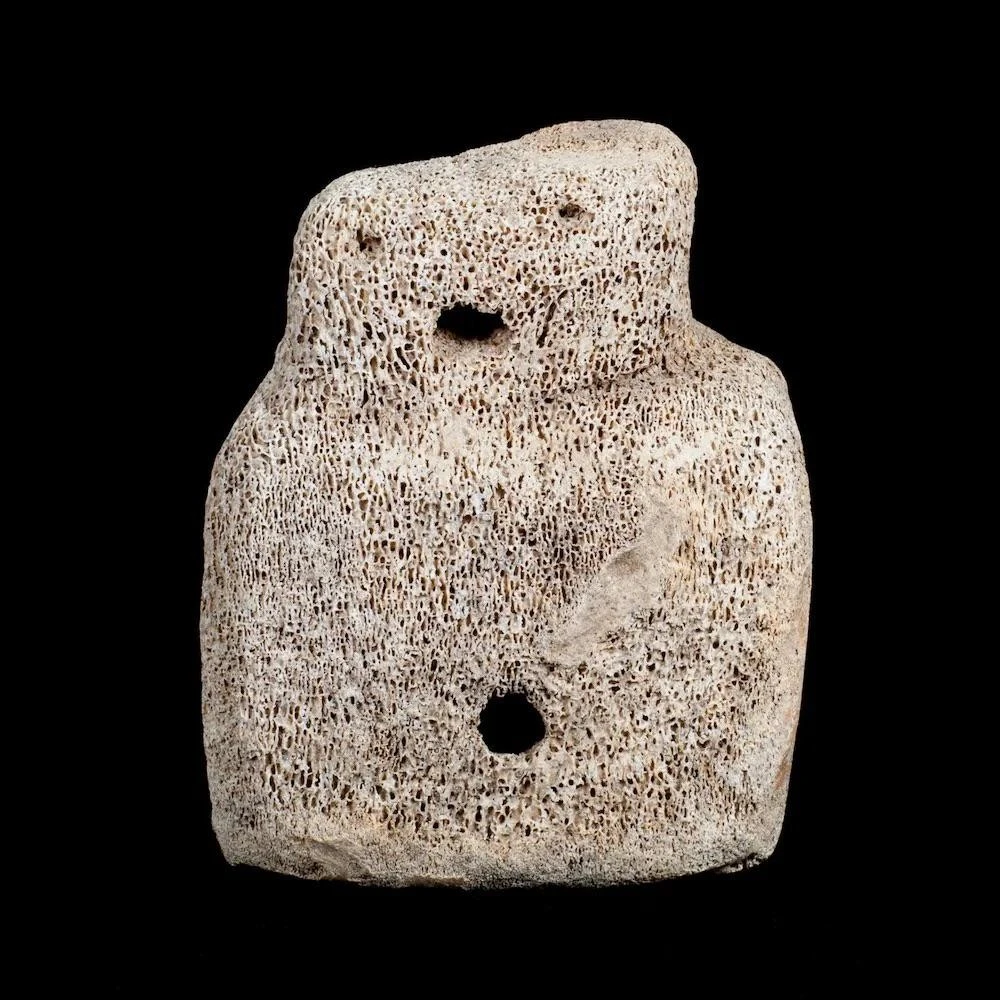
14. Roman terracotta figurine of a bear holding an oil lamp, dating from the 4th-7th centuries AD era 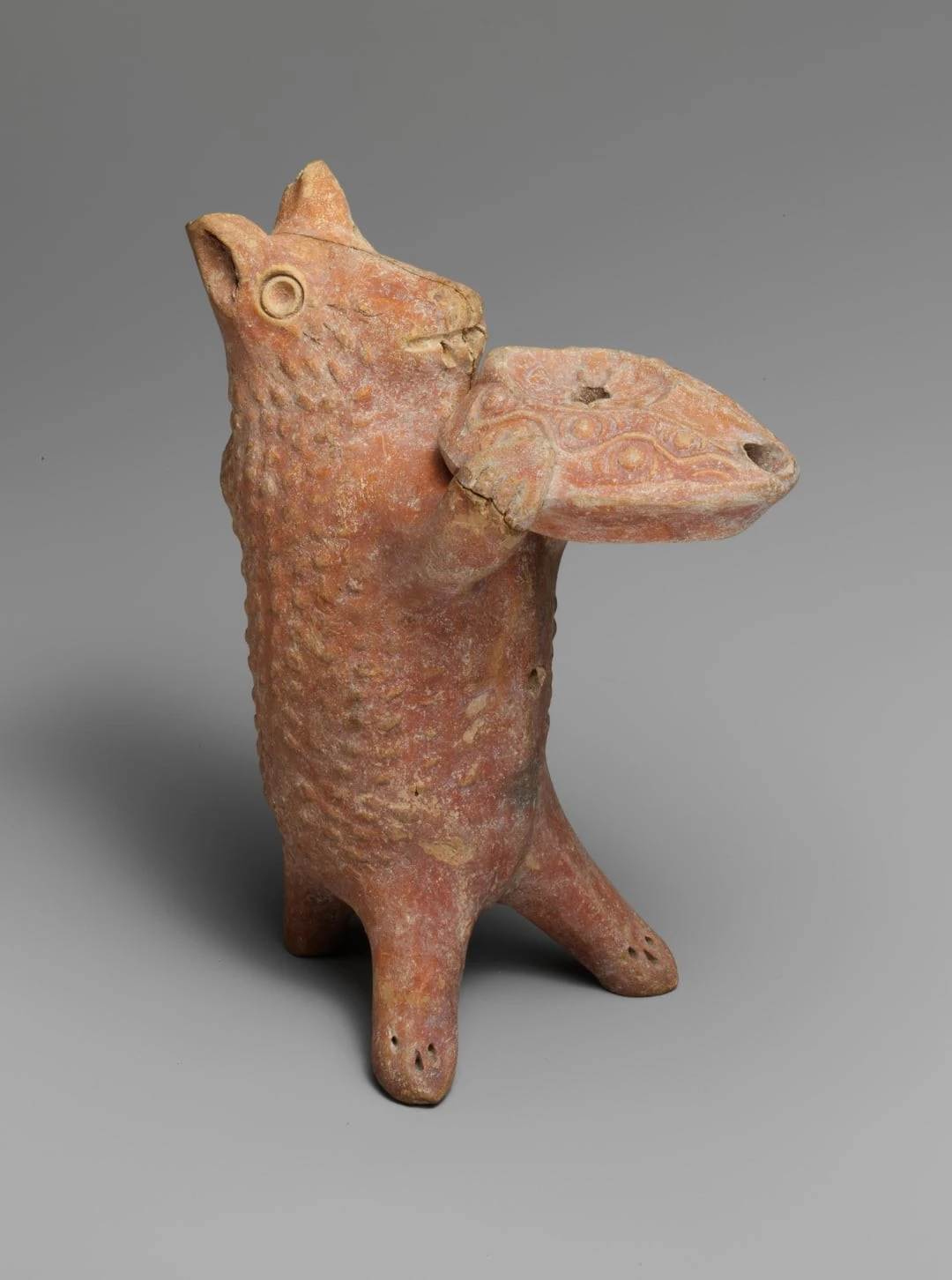
15. Matchbox holder in sterling silver with enamel, England, 1907 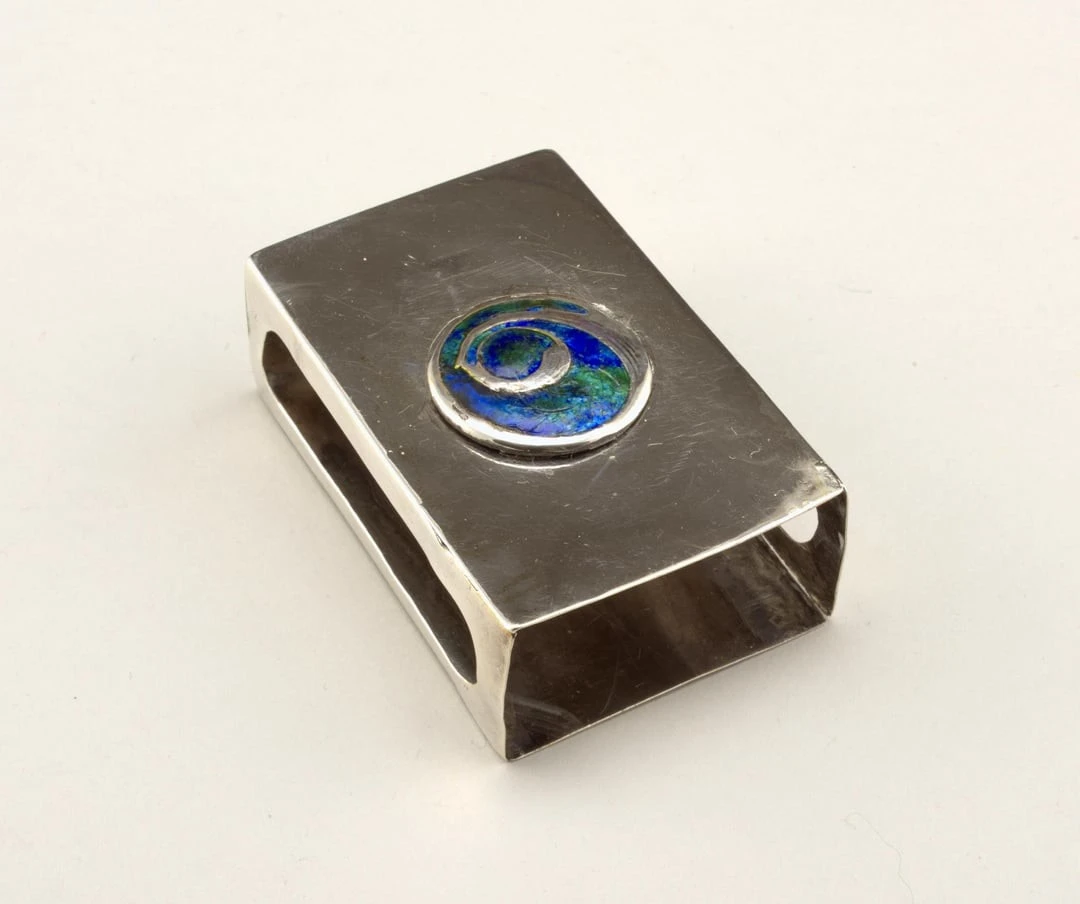
16. Hexagonal amber bowl with handles, c. 1660, Jacob Heise 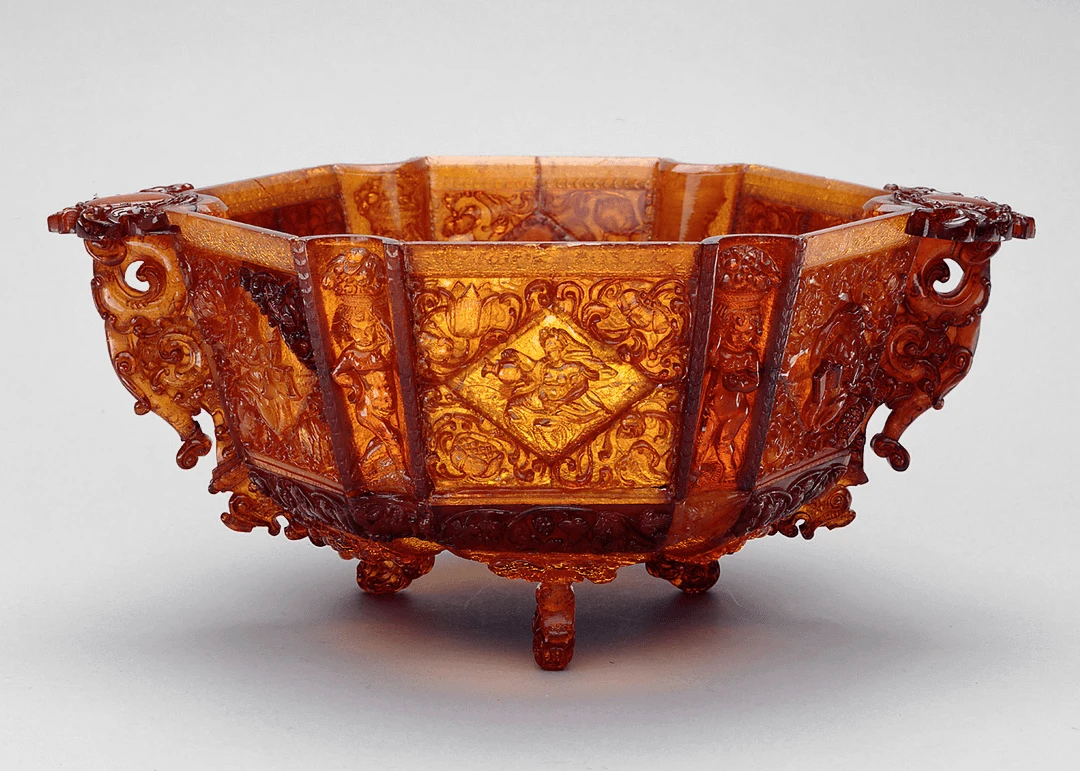
17. Bamboo flea trap, lined on the inside with a sticky substance similar to bird droppings. China, 1751-1850. 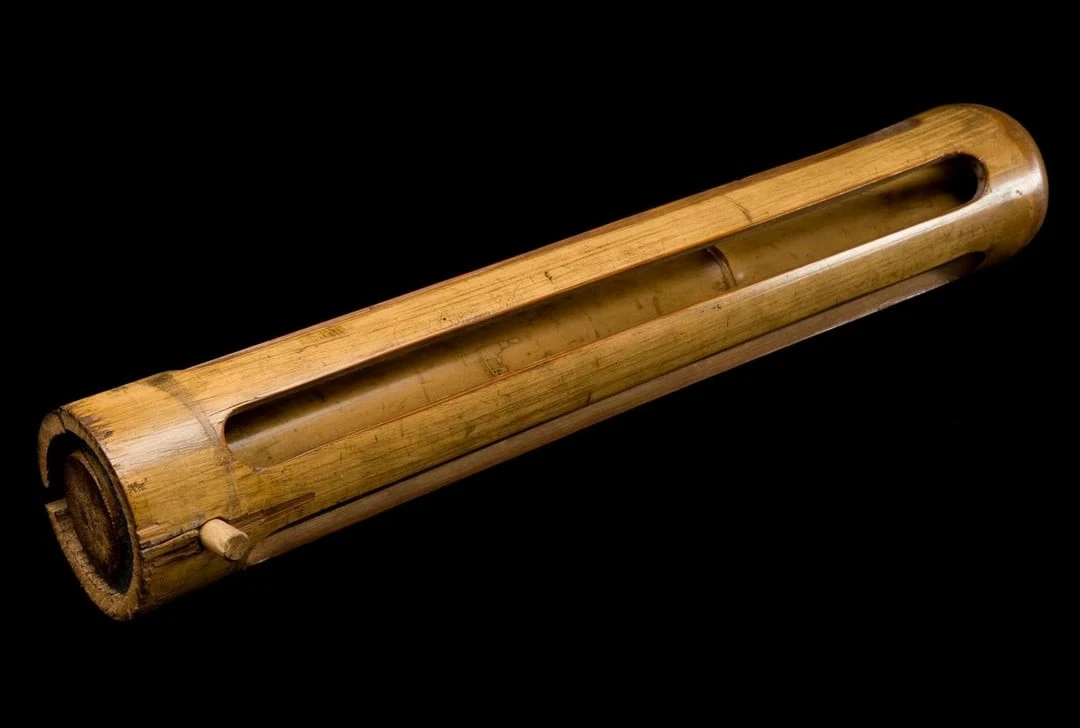
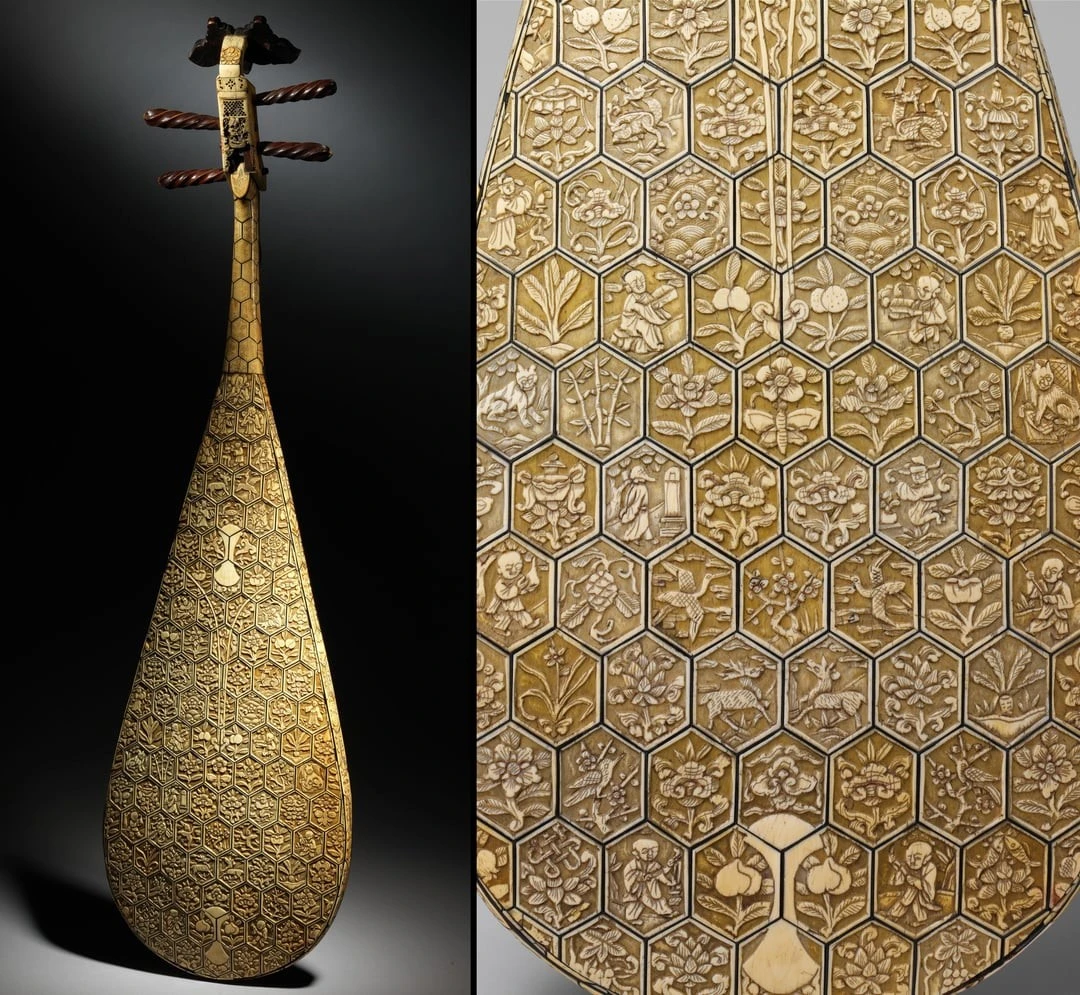
18. Pipa (lute) with 110 hexagonal ivory plates depicting Taoist, Confucian, or Buddhist figures. China, Ming Dynasty, 16th-17th centuries