Cavemen who inspired Tolkien to write "The Hobbit" (21 photos + 2 videos)
In 1777, a certain Joseph Healy of Birmingham published a guide to three great West Midlands gardens of the mid-18th century with the very long title "Letters on the Beauties of Hagley, Anvil, and Leazoe's, with Critical Remarks and Observations on the Present Taste in Gardening." 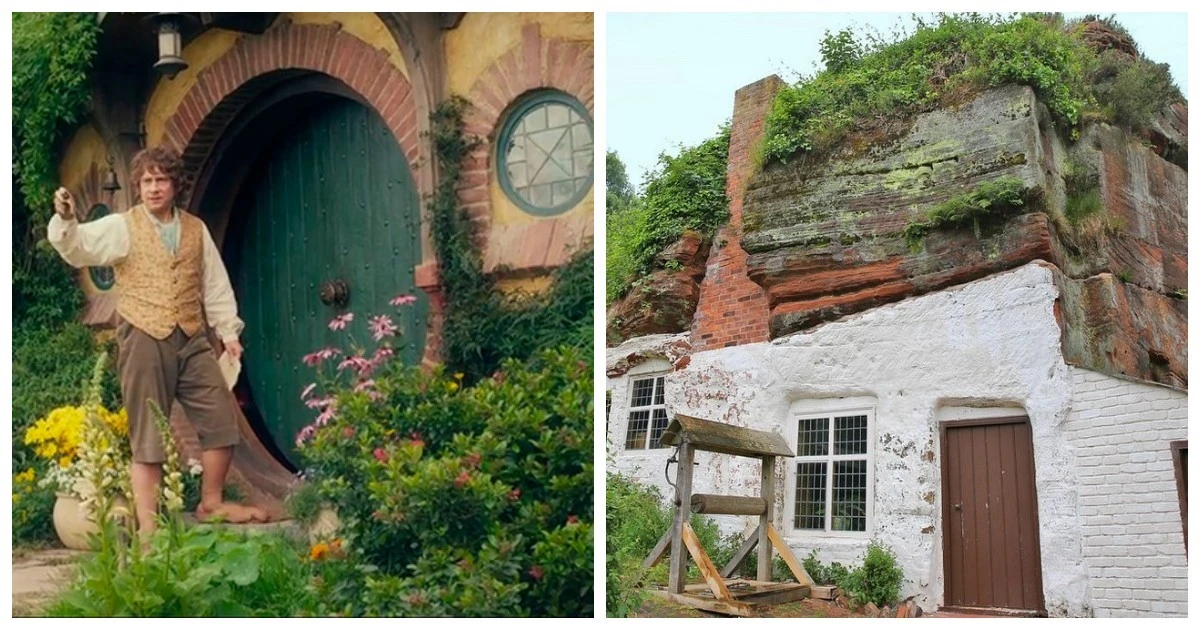
In this book, Healy describes an incident where he was walking along the edge of a cliff and was caught in a thunderstorm. Healy looked around for shelter and noticed smoke rising from a crevice in the rocks. He hurried there and was pleasantly surprised to find several houses carved into the mountainside. Healy was warmly invited into one of the houses, which he described as "quaint, warm, and comfortable." 
He described the houses as well-furnished, with ample supplies and access to water. The residents, he said, were decent people who took pride in their homes and were happy to explain in detail the labor they had put into their construction. 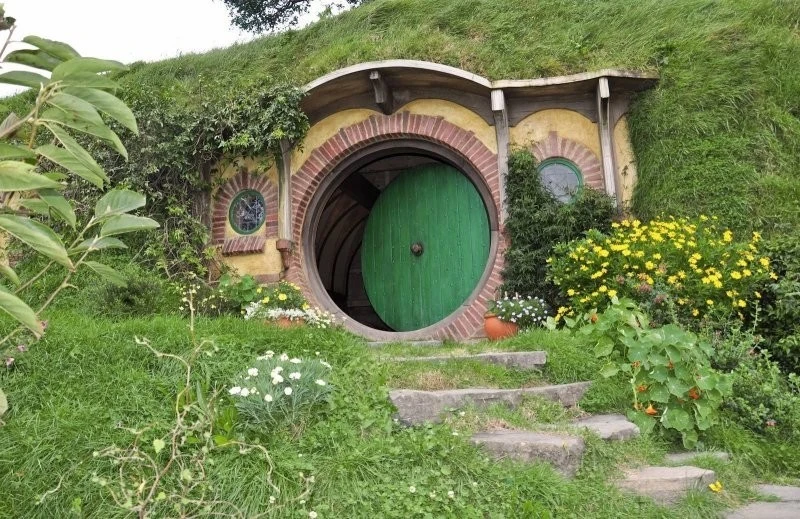
Bilbo Baggins's house, still from the film "The Hobbit"
This was the first written mention of the Kinver Rock Houses. More than a century later, these same houses would inspire J.R.R. Tolkien to write one of his most beloved and delightful stories, "The Hobbit." 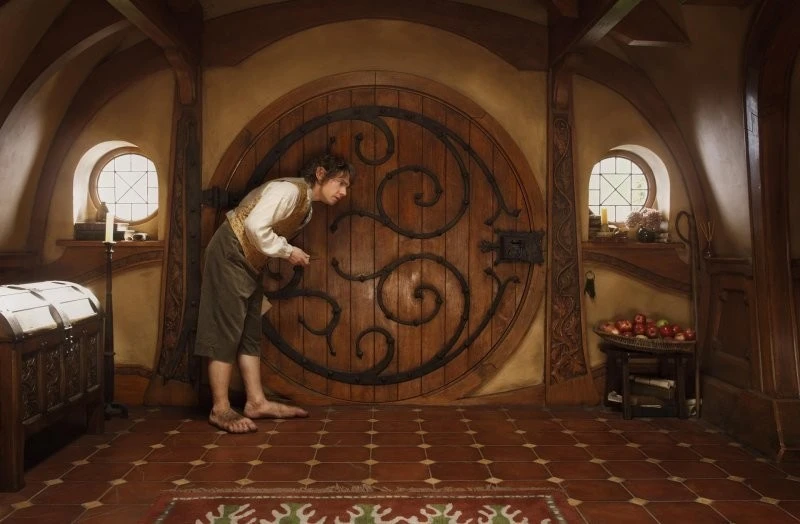
Bilbo Baggins's House, still from the film "The Hobbit"
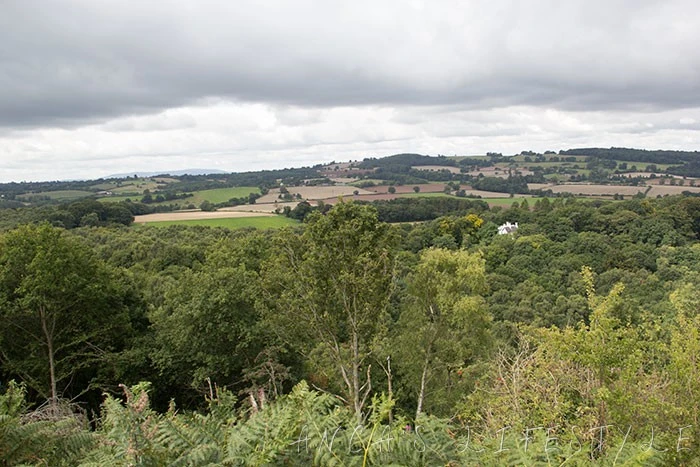
The massive sandstone cliff west of Kinver on the Worcestershire-Staffordshire border in England is dotted with numerous caves that served as homes until the 1960s. This soft Triassic stone was easy to work, and natural caves could quickly be expanded and converted into dwellings. 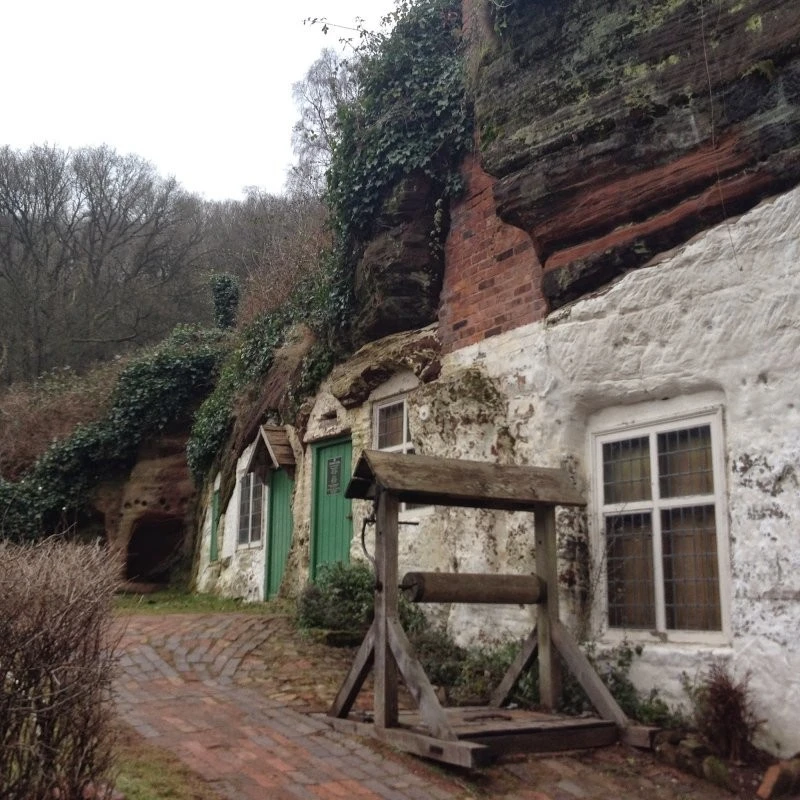
The houses are arranged in two tiers around a rock outcrop called Holy Austin. There's no exact information about how the rock got its name, but rumor has it that an Augustinian monk once lived there as a hermit. Most of the houses consisted of just two rooms, one for living and one for sleeping, with a storage room in the back. 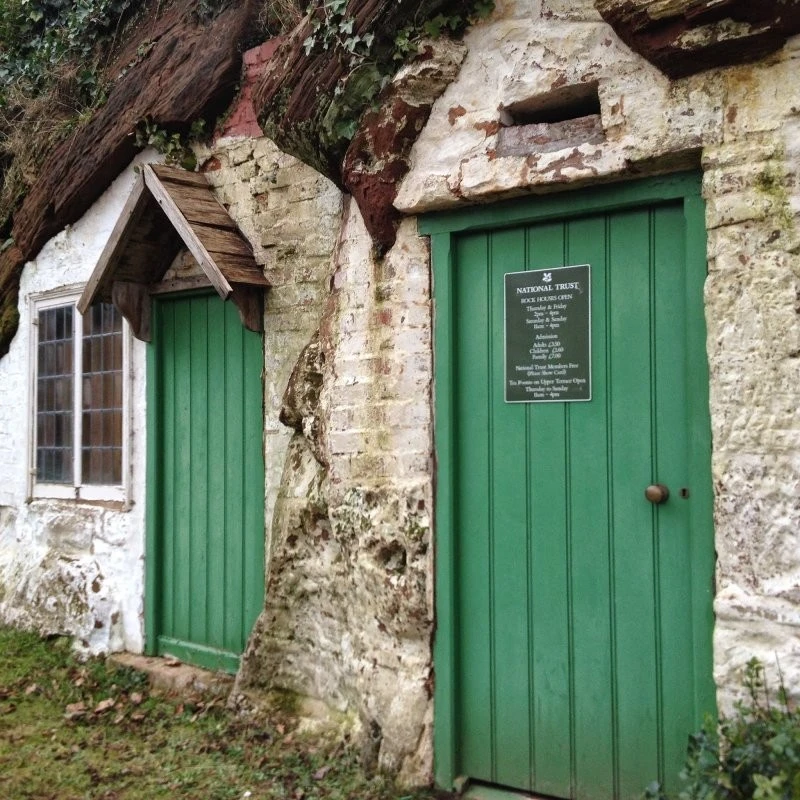
Each room had a fireplace carved into the rock, with a slanted chimney venting smoke to the outer wall. The houses even had electricity, gas, and running water. 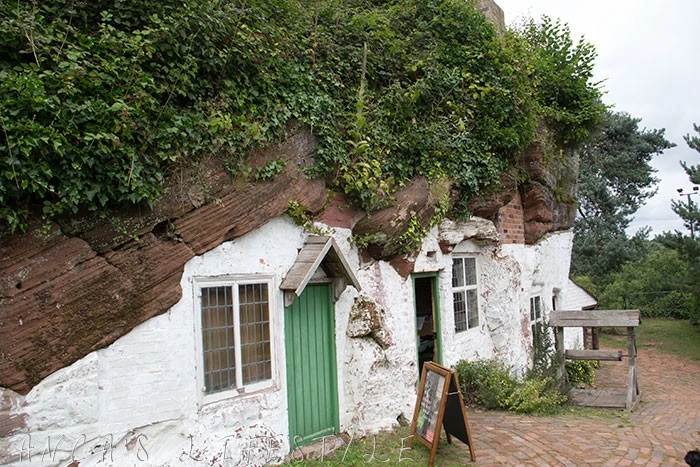
No one knows exactly when the first caves were carved. But judging by the age of similar rock-cut chambers in the neighboring county of Shropshire, it's possible that the first dwellings at Kinver Edge appeared as early as 700 AD. 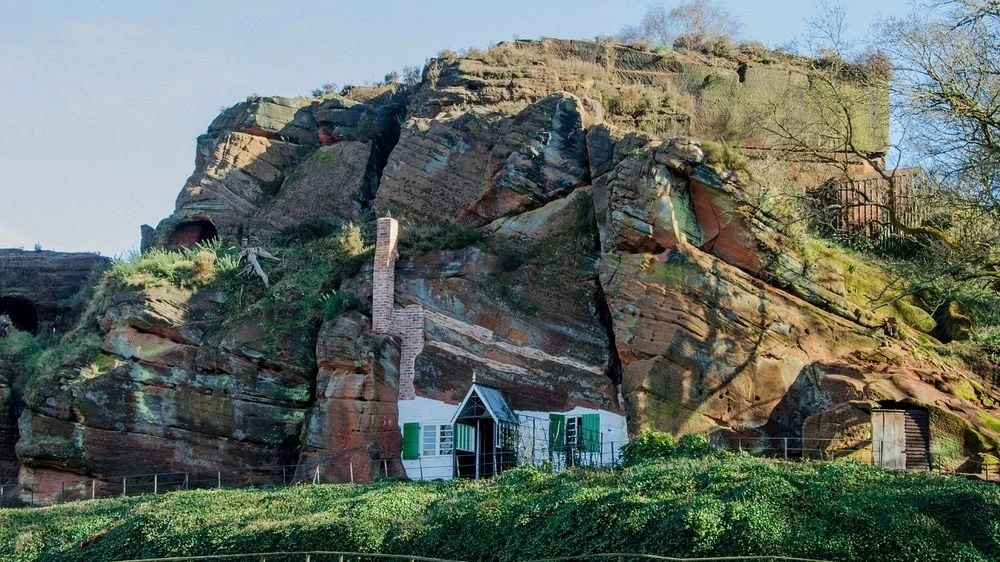
After the Norman Conquest of England in the 11th century, Kinver began to grow as a town, thanks to its agricultural lands and location on the main route from Bristol to Chester, which greatly increased its importance in the region. By the mid-17th century, some local residents had taken up quarrying the nearby cliffs. 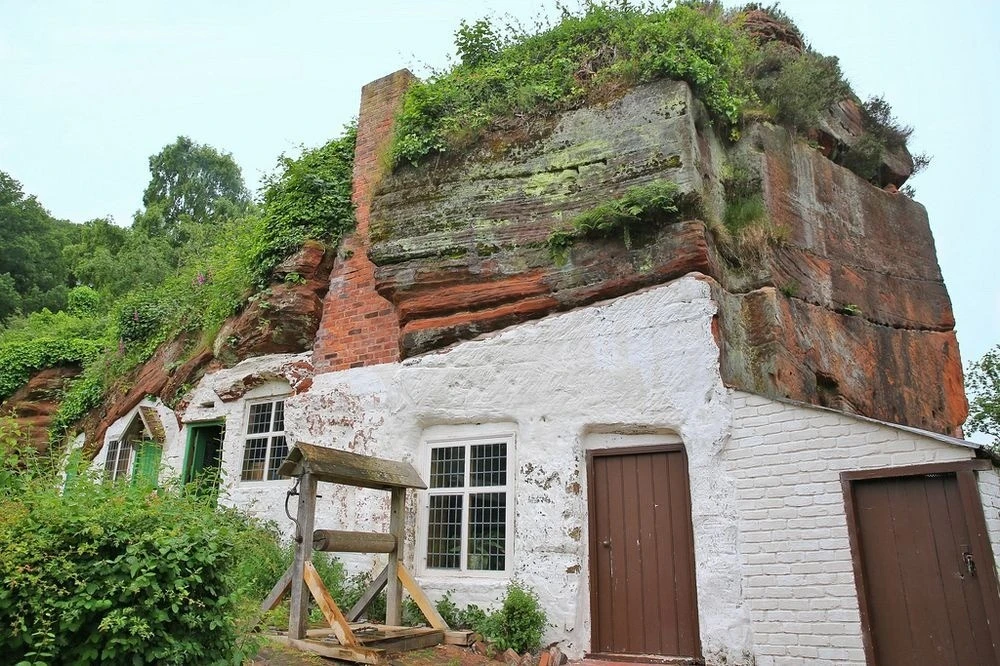
It is possible that the first permanent residents of the Cliff Houses were the descendants of local stonemasons. The 1830 census found six families living in the cave houses. At its peak, the complex housed 11 families. 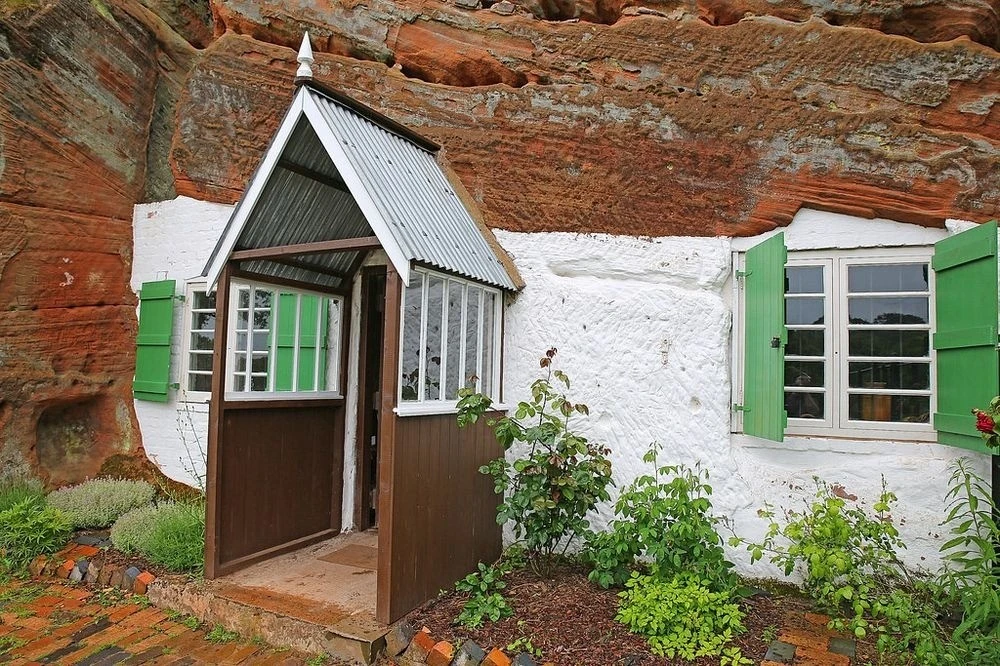
In the early 1930s, Tolkien was pursuing an academic career at Pembroke College, Oxford, when he began honing his writing skills by composing poems and imaginary letters to his children, which he accompanied with illustrations of warring dwarves and goblins. 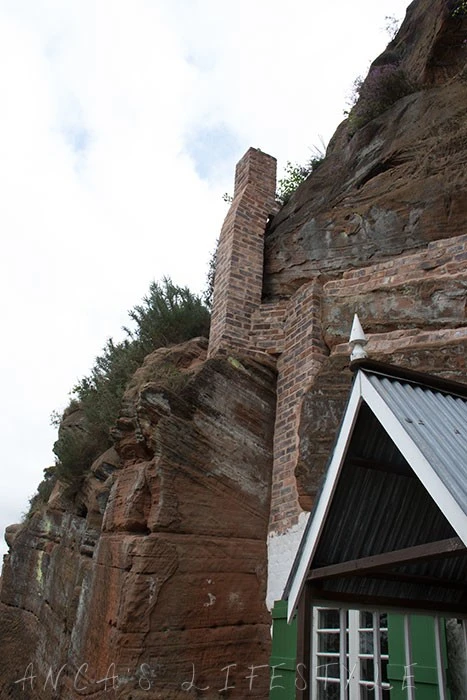
And one day, while grading exams at college, Tolkien found a blank page. Seized by sudden inspiration, he wrote the first line of the book: "In a hole in the ground lived a hobbit." 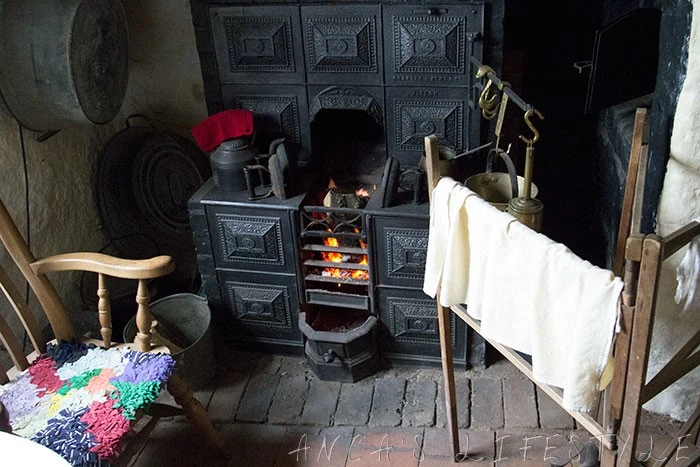
There are many similarities between 18th-century cliff dwellings and Tolkien's descriptions of hobbit holes. On the first page of the book, Tolkien describes Bilbo's house:
The door opened into a chimney-shaped hall, like a tunnel, but very cozy and smoke-free, with paneled walls and tiled and carpeted floors, polished chairs, and numerous hooks for hats and coats. 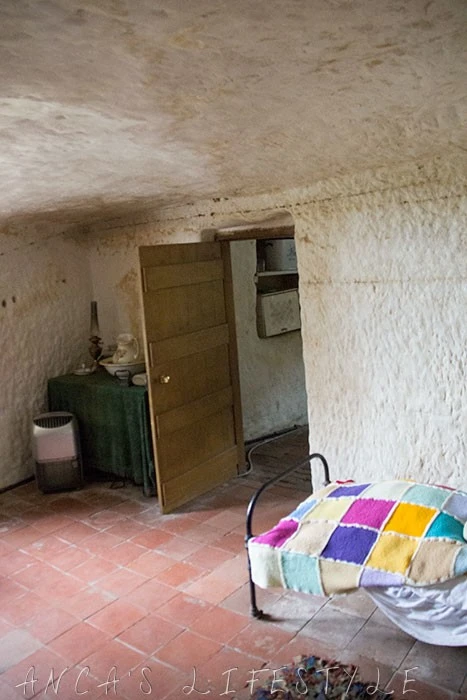
The description wasn't much different from what Healy must have seen when he took shelter in one of the houses during a thunderstorm. 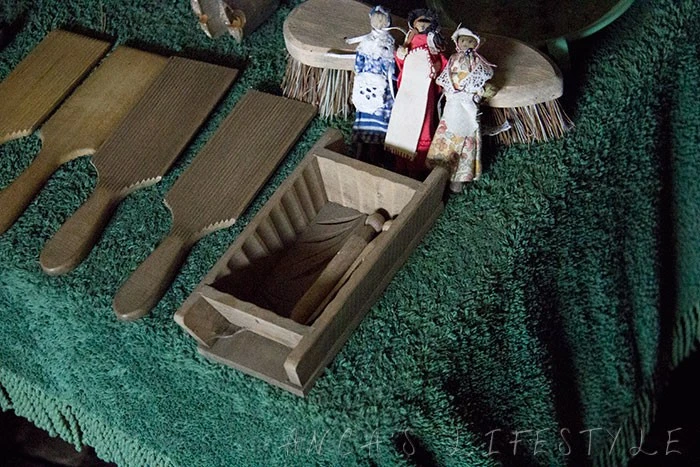
Some stories and legends associated with the Kinver cliff houses also appear to have been adapted into Tolkien's novel. Legend has it that a terrible battle once broke out between the Kinver giants who lived in the hills and the Envill giant over a beautiful giantess, resulting in the Envill giant being driven out of Kinver. To remind him not to return, the Kinver giant hurled a huge boulder after him, which landed near the village of Compton. 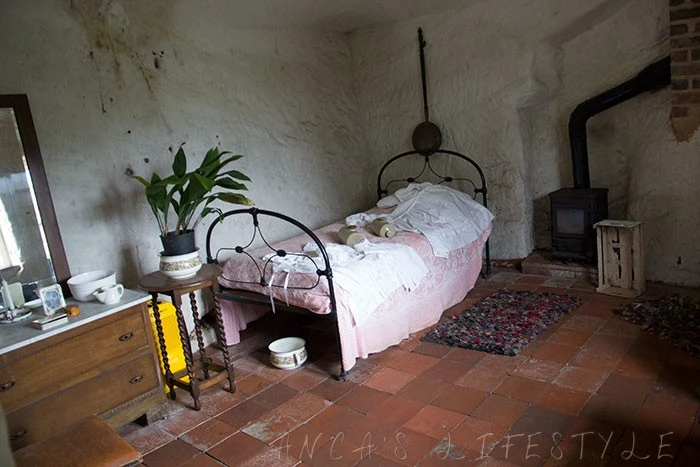
Another version of the legend says that the Envill giant was struck by lightning in the middle of a clear sky and turned to stone. These stories have undeniable parallels with Tolkien's novel The Hobbit. 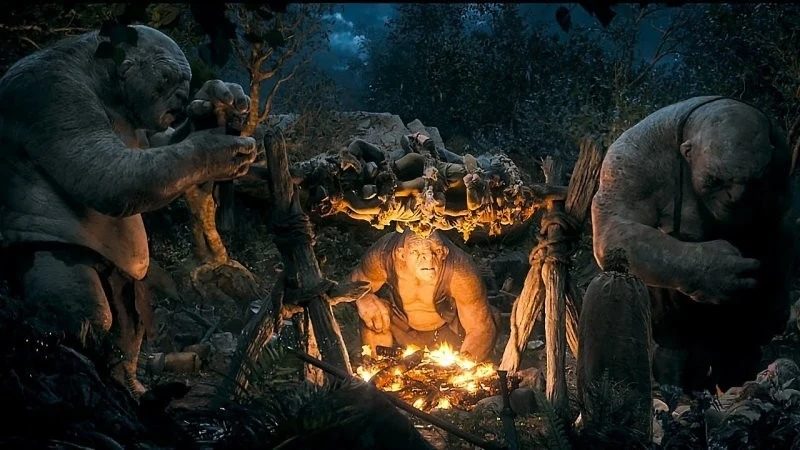
In the second chapter, "Roast Meat," Bilbo Baggins and his companions are trapped by three nasty trolls (or giants), whom they manage to outwit by forcing them to argue until dawn, when the sunlight turns them to stone. Later in the book, the heroes have to hide in a cave during a storm to avoid rocks hurled by the mountain giants. 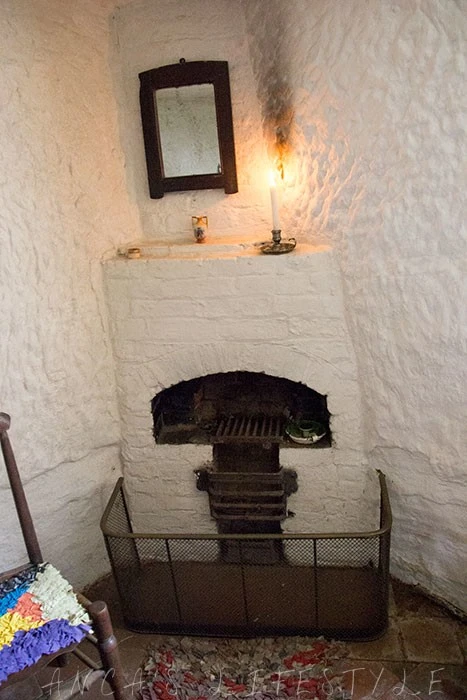
While Tolkien never revealed the names of the places that inspired his stories, he acknowledged that many of them were based on his impressions of the English Midlands, where he lived in his youth. Kinver is less than 30 kilometers from Birmingham, where Tolkien lived, and at the time it was a popular destination for day trips. 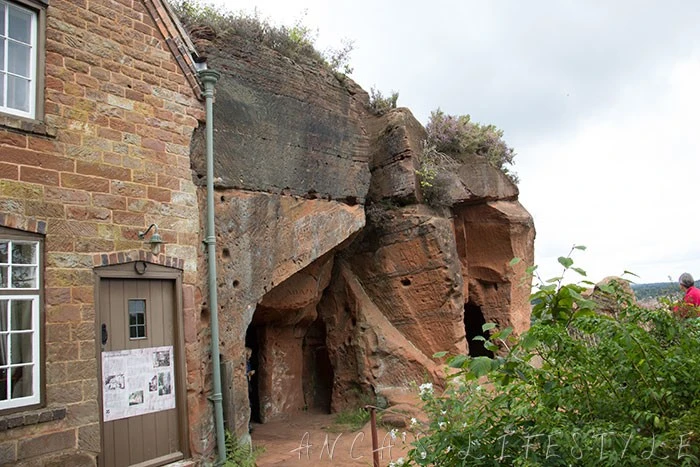
It is also known that Tolkien hated living in Birmingham itself and took every opportunity to explore the surrounding area. It is quite possible that Tolkien visited the Kinver Cliff Houses or read about these amazing dwellings. 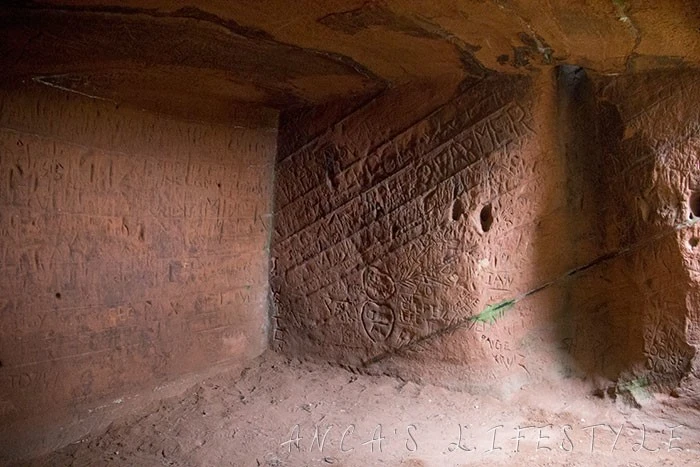
The last families living in the Cliff Houses abandoned them in the 1960s. Vandals then stole everything of any value, including doors and wooden window frames. In the 1990s, the property was acquired by the National Trust. 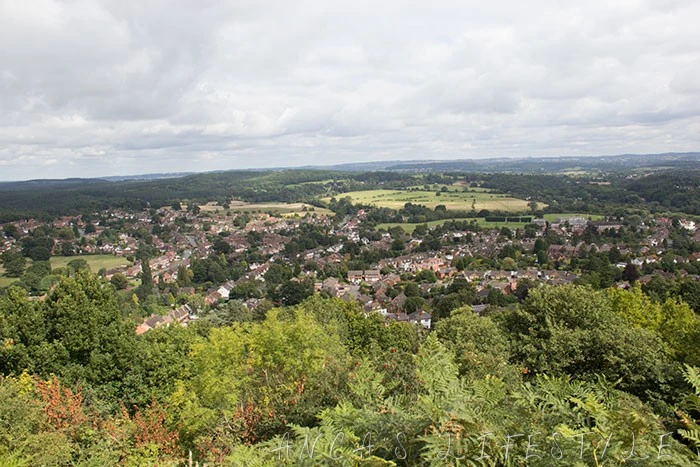
The houses have been restored to their original appearance and are now open to visitors as an open-air museum.