Brunette Day: Why they were considered fatal for centuries – and how this has changed today (12 photos)
May 28th is Brunette Day. It's unofficial, invented to counter Blonde Day, which is celebrated three days later. But behind this playful occasion lies a much more serious story: for millennia, dark hair has been considered a marker of something dangerous and alluringly forbidden. Most women on the planet are brunettes. And for centuries, they have been the femme fatale. Why? 
Light is good, dark is sinful
It all starts with a simple opposition. Light is good, dark is sinful. In the Middle Ages, this symbolism permeated everything, from church frescoes to popular superstitions. Light hair was associated with heavenly and pure. Dark hair was associated with night, mystery, and the devil. 
In iconography, the Virgin Mary was more often depicted with covered or dark hair—a symbol of humility, not beauty.
In medieval Western Europe, light hair was considered the epitome of feminine beauty. In painting, the Virgin Mary was more often depicted with covered or dark hair—a sign of humility and purity. Dark hair carried a different meaning: it marked something foreign, southern, and uncontrollable. Something that came from outside.
Unconventional appearance could become circumstantial evidence during Inquisition interrogations. Historical records documented a suspicious combination: white skin, dark hair, and black eyes. This was interpreted as a sign of duality. Darkness was associated with mystery and devilish temptation. 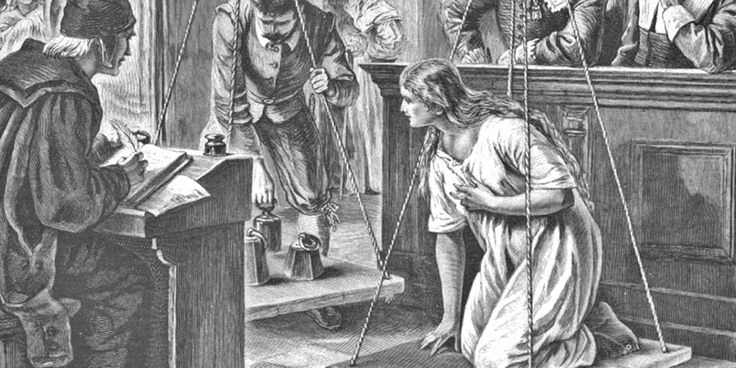
Unconventional appearance—dark hair and pale skin—could have been indirect evidence during Inquisition interrogations.
This logic is the root of one of the most enduring cultural stereotypes: dark hair = mystery = danger. It's several thousand years old.
Cleopatra, Delilah, Salome: The First Fatal
Three names—three archetypes. All three are from ancient sources. All three are associated with beauty as a weapon. In paintings, they are almost always dark-haired. 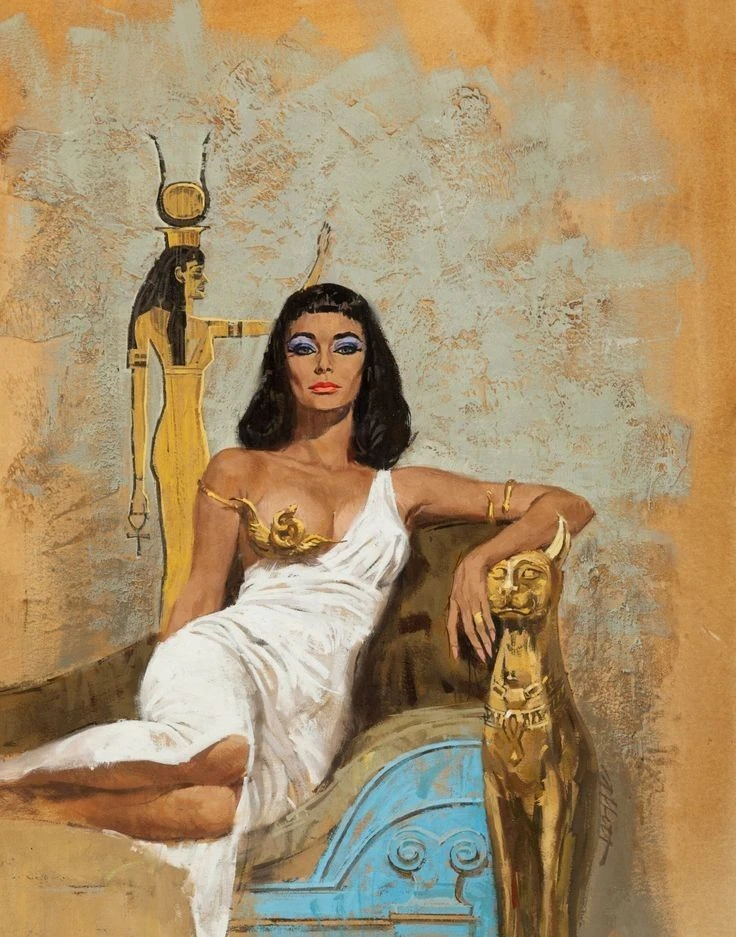
Cleopatra in Western painting is always an exotic foreigner with dark hair and a languid gaze.
Cleopatra was an Egyptian from the banks of the Nile. In the eyes of Rome, she embodied the dangerous East. She captivated Julius Caesar and Mark Antony. In Western painting, her image is invariably exotic: dark hair, swarthy skin, a languid gaze. 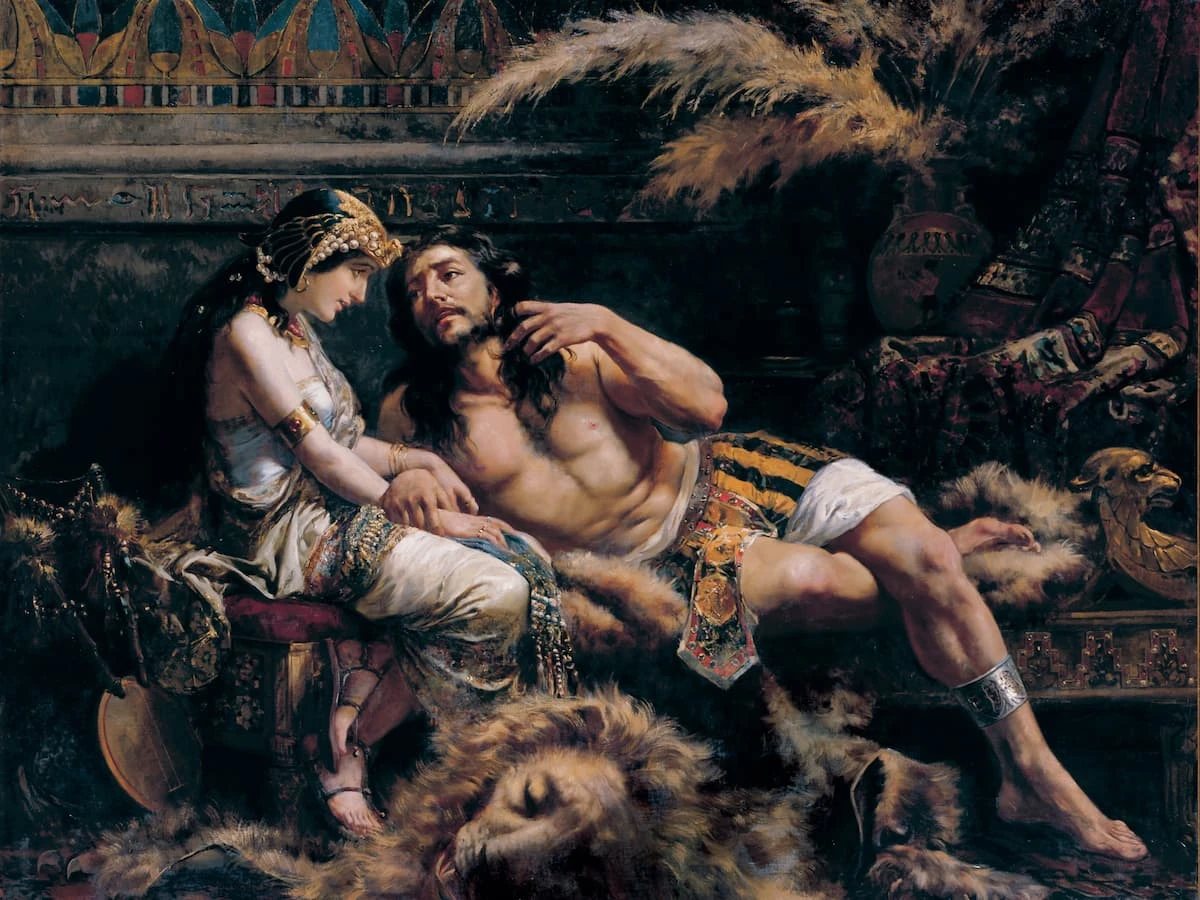
Delilah and Samson is one of the most widely reproduced themes of female power in European painting.
Delilah from the Book of Judges seduced the hero Samson. She learned the secret of his strength. When he fell asleep in her lap, she had him shorn—and he lost his strength, captured. Beauty as a trap. This is how this image is traditionally interpreted. 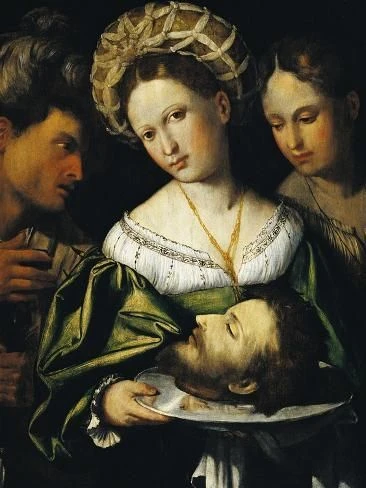
The painting "Salome with the Head of John the Baptist," painted by the Italian artist Callisto Piazza around 1530
Salome demanded the head of John the Baptist from King Herod. The biblical text is brief and lacking in detail. This did not deter artists. The theme became one of the most popular in painting for several centuries. Titian painted it around 1515, Guido Reni in the 1630s, and Gustave Moreau in 1876.
An interesting detail: Lucas Cranach the Elder depicted Salome as a blonde in the 1530s. There was no single canon. Most artists still preferred dark hair—a dark appearance seemed more convincing for a femme fatale.
Noir: The Femme Fatale Finds the Screen
Cinema cemented the stereotype. In silent films, villains were more often brunettes. Dark hair was more easily seen in black and white as something disturbing. With the advent of film noir in the 1940s, the image became canon. 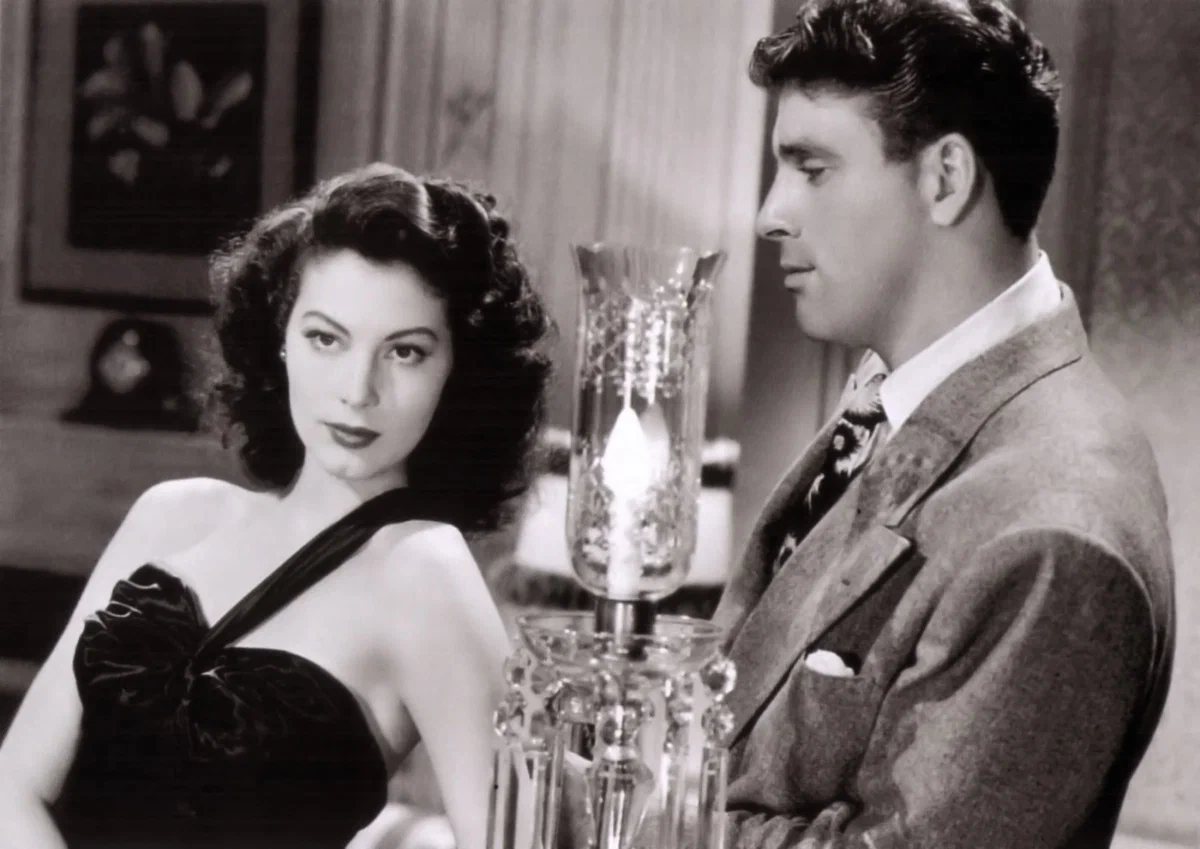
Ava Gardner in "The Killers" (1946)—a brunette in a black satin dress—became a film noir icon.
Ava Gardner in "The Killers" (1946), directed by Robert Siodmak, is a classic example. Her character, Kitty Collins, appears in a black satin dress with a single strap, dark hair, and feline movements. Siodmak specifically trained the actress to move like a predatory cat. She later wrote in her memoirs that "The Killers" defined her image—a seductress at the piano who sets the world on fire. 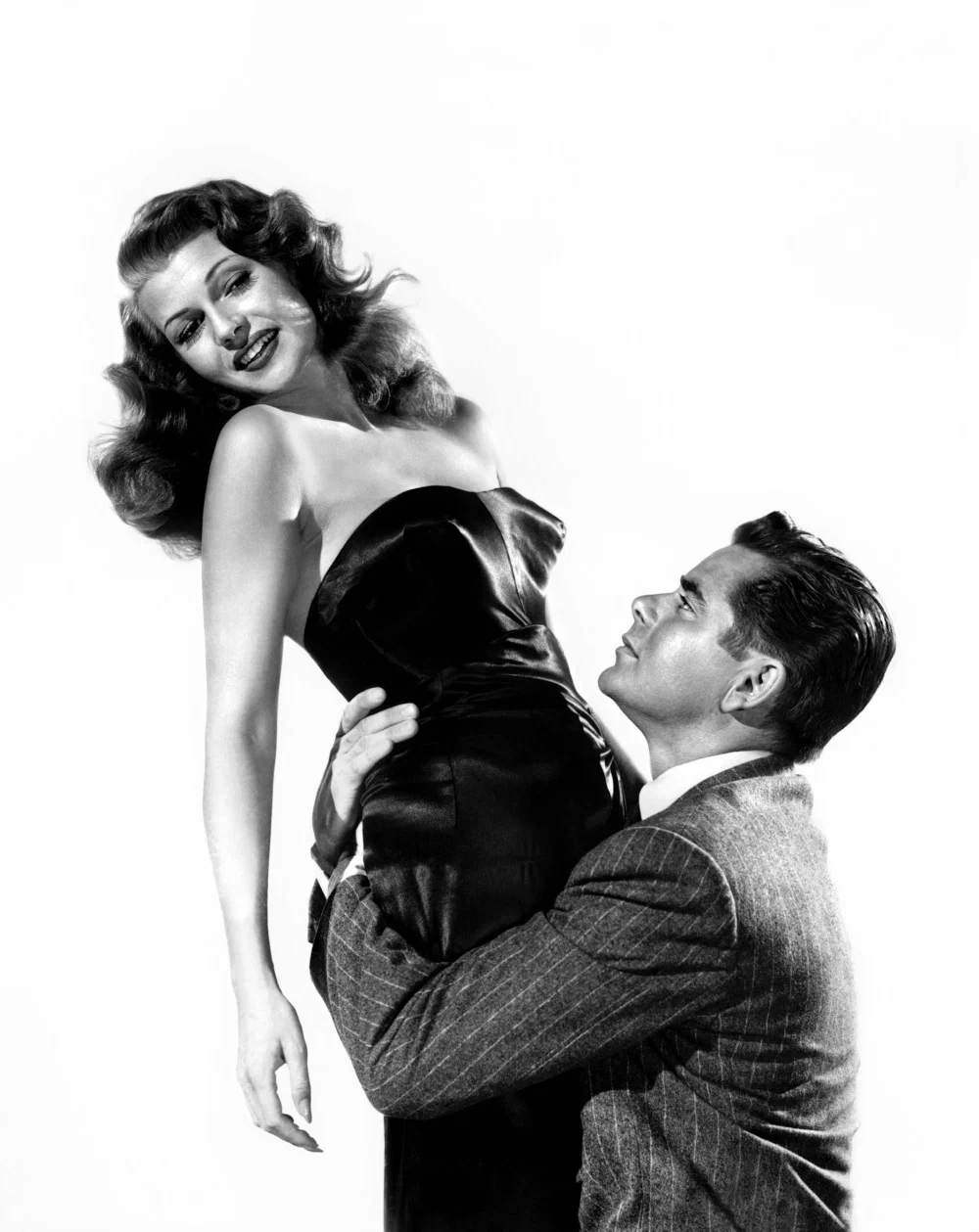
Rita Hayworth in "Gilda" (1946): "They went to bed with Gilda and woke up next to me," the actress said.
That same year, Gilda, starring Rita Hayworth, was released. She was born with black hair under the name Margarita Cansino. At Columbia's insistence, she dyed her hair red. In Gilda, she plays a femme fatale with a dark past. The scene where Hayworth removes her glove in time to the music has become a textbook example of sensuality. 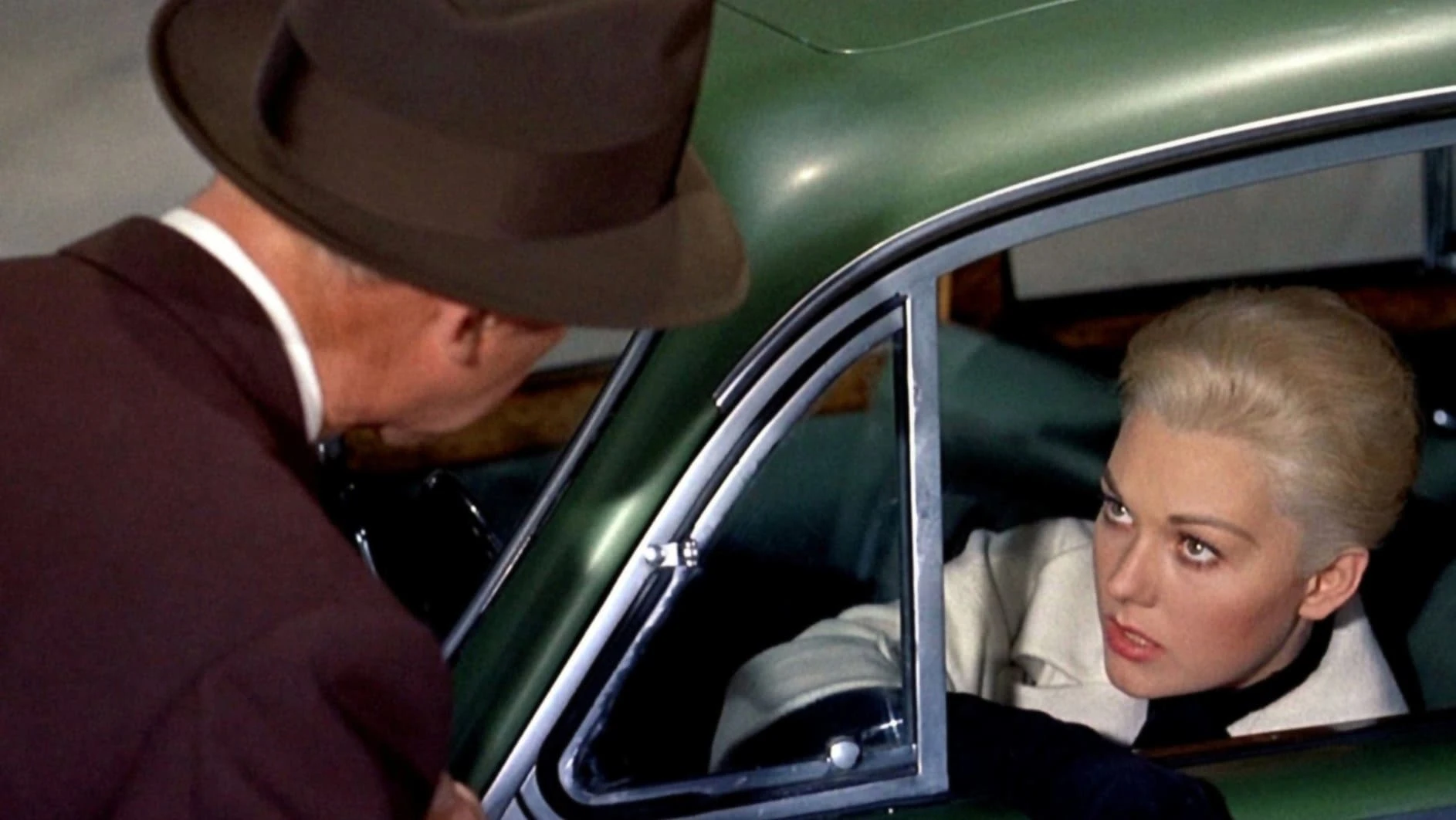
Hitchcock deliberately chose blondes: according to him, audiences are less suspicious of them, and therefore, the surprise is greater.
At the same time, Alfred Hitchcock built his films on the opposite principle. He publicly explained his passion for blondes: audiences don't suspect them at first glance. The shock is greater when such a heroine betrays them. Brunettes were considered suspicious by default—the director openly acknowledged this.
The Smart Brunette vs. the Frivolous Blonde
In 1953, Hollywood took the stereotype literally—in the title of Howard Hawks's comedy Gentlemen Prefer Blondes. Marilyn Monroe played Lorelei, a naive blonde obsessed with diamonds. And Jane Russell played Dorothy, a witty and practical brunette. 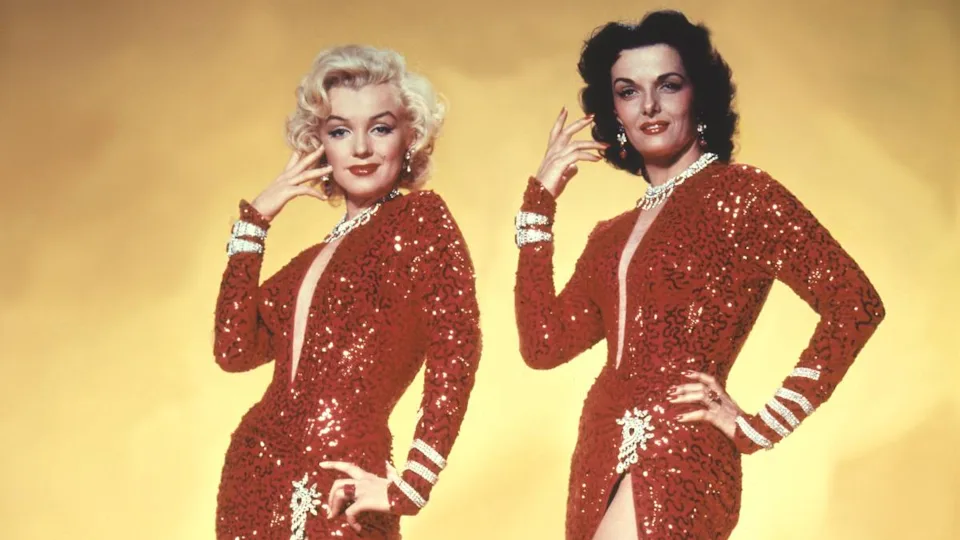
Marilyn Monroe and Jane Russell in "The Gentlemen..." (1953): a blonde and a brunette as two poles of the same stereotype
The film was released on July 15, 1953, and grossed $12 million. More than any other studio film that year. The formula worked on contrasts: the blonde is desirable and frivolous, the brunette is smart and reliable. It's a shame for both sides, but it's symmetrical.
The "fatal" brunette image never went away—she simply moved from film noir to other genres. 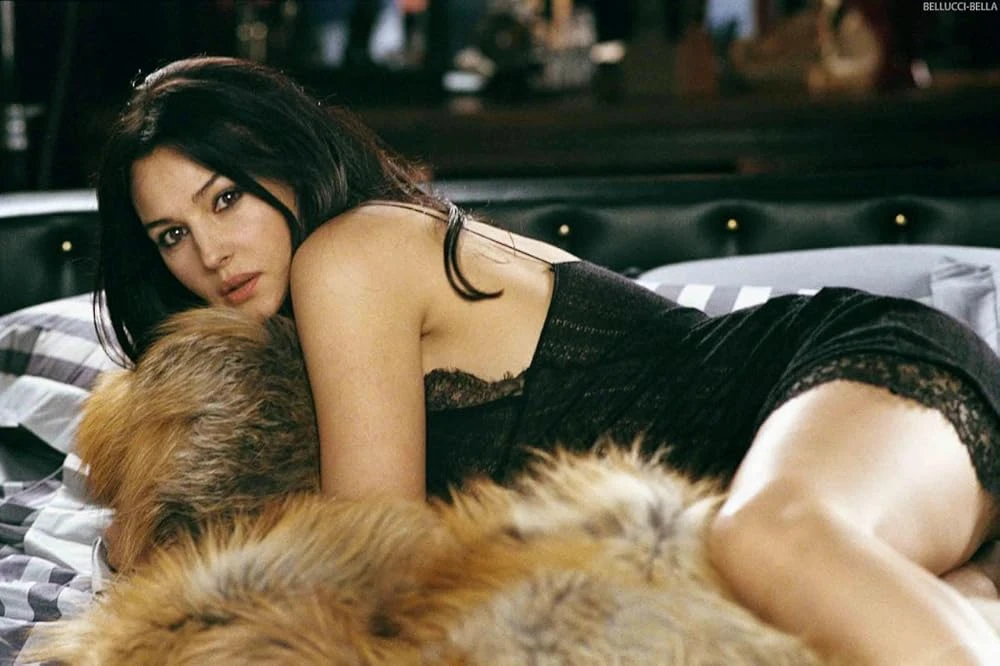
Monica Bellucci is one of the most consistent portrayals of the femme fatale in modern cinema.
Monica Bellucci, Angelina Jolie, Penélope Cruz—Hollywood has portrayed them for decades as exotic danger. Each has roles in their portfolios where dark hair serves as a signal: this woman is dangerous, unpredictable, and alluring.
Why the myth persists
The stereotype persists because it's not about hair. It's about "foreignness." In European culture, dark hair signified the South, the East, passion, and unpredictability. Anything that deviated from the bright northern ideal was perceived as a threat. Or as a temptation—which is ultimately the same thing. 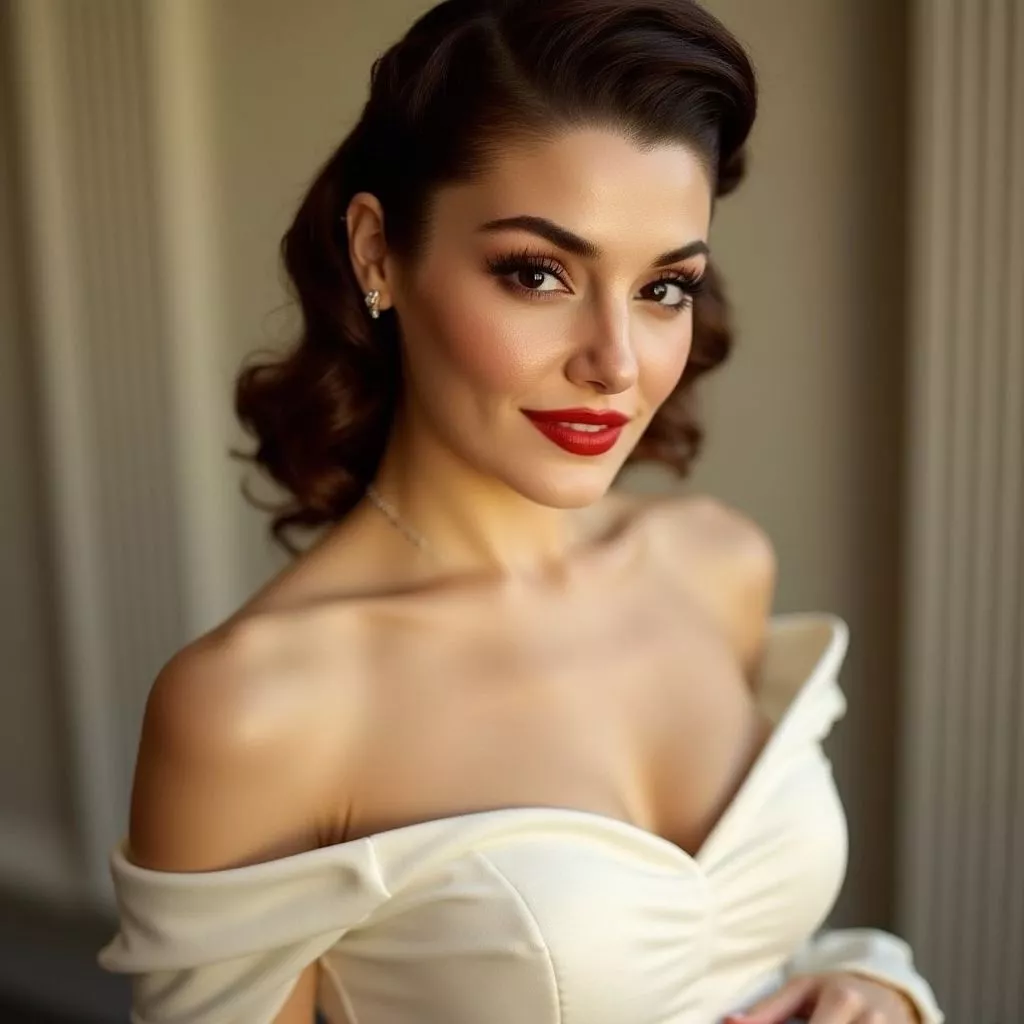
Today, being a fatal brunette is a compliment, not an accusation. The image has transformed from a threat to a charm.
Sociologists are recording a curious shift. A British study found that 62% of men associate dark hair with stability and competence. The fatal beauty has gradually transformed into a reliable person. The stereotype has been inverted, but not disappeared.
What do you think: is the fatal brunette stereotype still a prejudice or just a beautiful myth?