How was it shown in sci-fi films of the past? 2026 (3 photos)
The year 2026, where we find ourselves, is too much. It's completely future-proof. Here we are, surrounded by technologies that were once the stuff of science fiction, and we don't give a damn. And who cares? Filmmakers, for example. These people love to fantasize about the future, and some have tried to predict where humanity will be in 2026. Some have turned out to be visionary insights, while others are simply cheap greenscreens. Today, when this fictional future has become our present, it's time to check whether directors' fantasies align with our current evolution. Let's take a look at films from the past (made 10+ years ago) set in 2026 and see what they can teach us.
Dawn of the Planet of the Apes (2014) 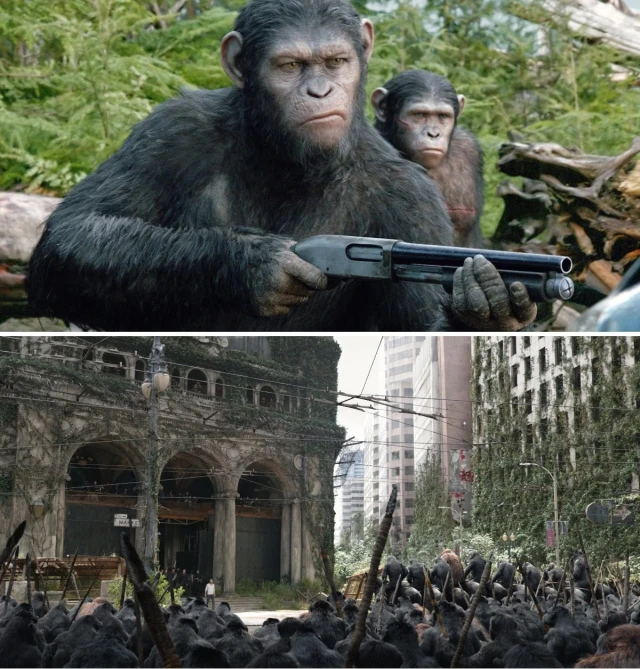
In this modern primate trilogy, 2026 marks the point of no return. As a virus decimates the human population, simultaneously enhancing the intelligence of apes, we witness the ruins of civilization. The credits of the first film, showing the speed of the disease's spread, seem frighteningly prophetic today against the backdrop of the events of 2020. However, the real 2026 turned out to be milder: humanity is wounded, but not annihilated, and our technology, contrary to the movie's predictions, is still with us.
Nevertheless, this dark film teaches an important lesson. Even when the majority strives for peace, the fate of civilization is often held hostage by those who appeal to the worst instincts of the mob. "Revolution" argues that nature—whether human or ape—inevitably leads to violence, no matter how hard peacemakers try.
Doom (2005) 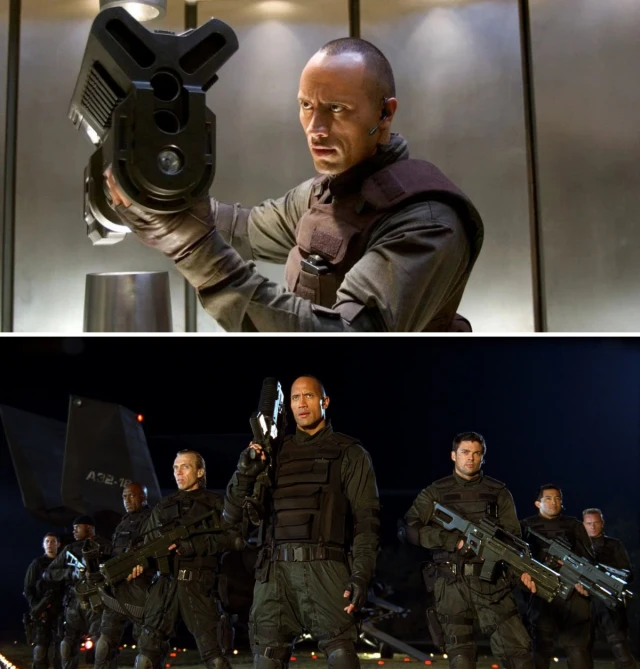
According to the plot of this action film, whose 20th anniversary passed virtually unnoticed, it is in 2026 that humanity discovers a portal to an ancient city on Mars. This discovery allows us to establish a research base there, although the real chaos—both narrative and visual (in the spirit of dubious first-person shooter imitations)—will only begin twenty years later. So, even if we find a Martian portal this year, we still have a couple of decades to avoid becoming mutants.
In reality, it's difficult to predict the reaction of today's colonization fans: will Elon Musk be delighted or dejected that the portal wasn't built with his money. In any case, "Doom" perfectly illustrates why Mars is rarely a beacon of hope in cinema. Whether it's cheap Westerns or mystical dramas, the Red Planet always seems like a lost cause. If anyone wants to sell us the idea of moving to Mars, they should at least make this real estate look a little more appealing in the movies.
Metropolis (1927) 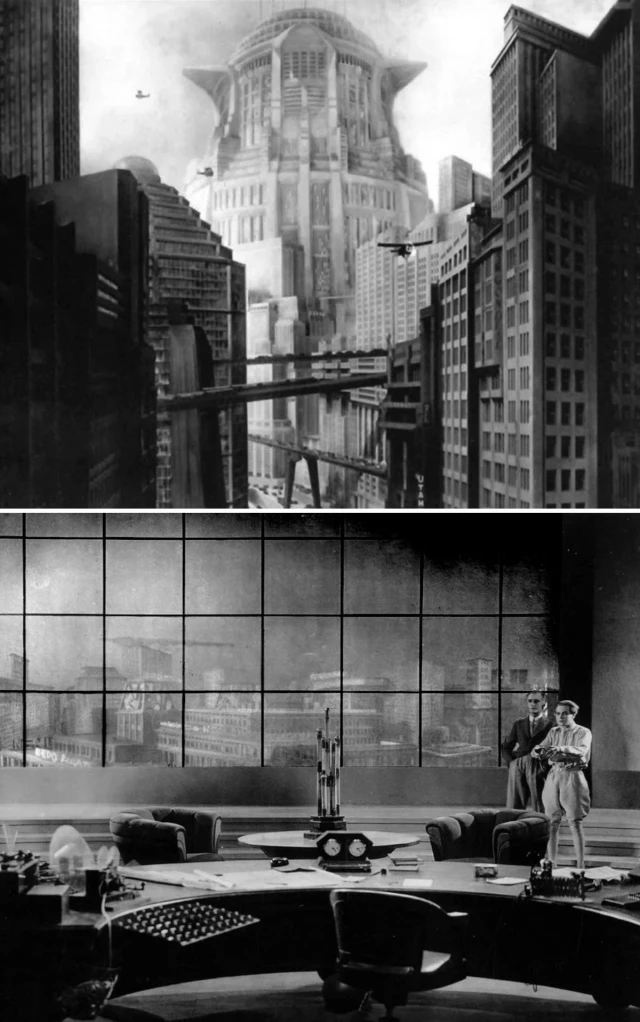
Perhaps the most famous screen incarnation of 2026 belongs to a film that is about to celebrate its centenary. In Fritz Lang's classic, the future is a gigantic hive, where the elite luxuriate in gardens atop skyscrapers while workers are burned alive by machines in underground workshops. The plot of a robot double destined to destroy this order seems ironically reversible today: in the film, the artificial copy of Maria was an instrument of chaos and rebellion, whereas in our reality, AI is primarily a toy for corporations dreaming of finally replacing such unreliable human labor.
Lang predicted a world where high technology still critically depends on backbreaking manual labor. It sounds like the perfect symbiosis of today's corporate fascination with the AI bubble and disdain for unskilled labor. The gleaming towers and caverns of heavy industry seem quite plausible today, but the film's ending—where the gap between rich and poor is bridged by love and a handshake—seems far more fantastical than an android robot. Yes, unlike Planet of the Apes, Metropolis is full of optimism about the peaceful coexistence of classes.