The search for radioactive water leaks at Fukushima Daiichi continues: on Monday morning, specialists began a leak detection operation, dyeing the water white.
Operators continue to search for other damage to the nuclear power plant's drainage system, which suffered significant damage during the March 11 earthquake. The accumulation of radioactive water within the plant and its leakage outside the power units has caused a sharp increase in radiation levels in seawater near the plant, exceeding the permissible limit by almost 4,400 times. This is preventing the resumption of active recovery efforts, including addressing the most serious issue—overheating of the damaged reactor systems.
In this issue, you will see aerial images taken over the damaged power units of the Fukushima Daiichi Nuclear Power Plant using a drone, published late last week. (See episodes: Satellite Images: Before and After the Earthquake in Japan, Situation Around the Fukushima Nuclear Power Plant) 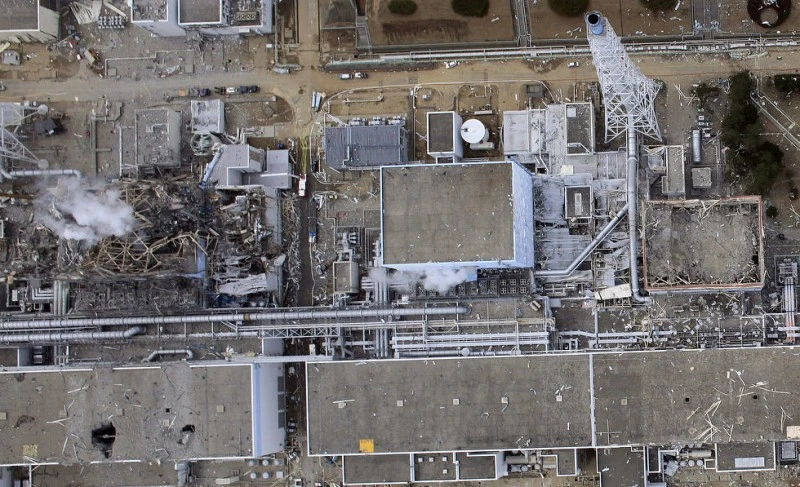
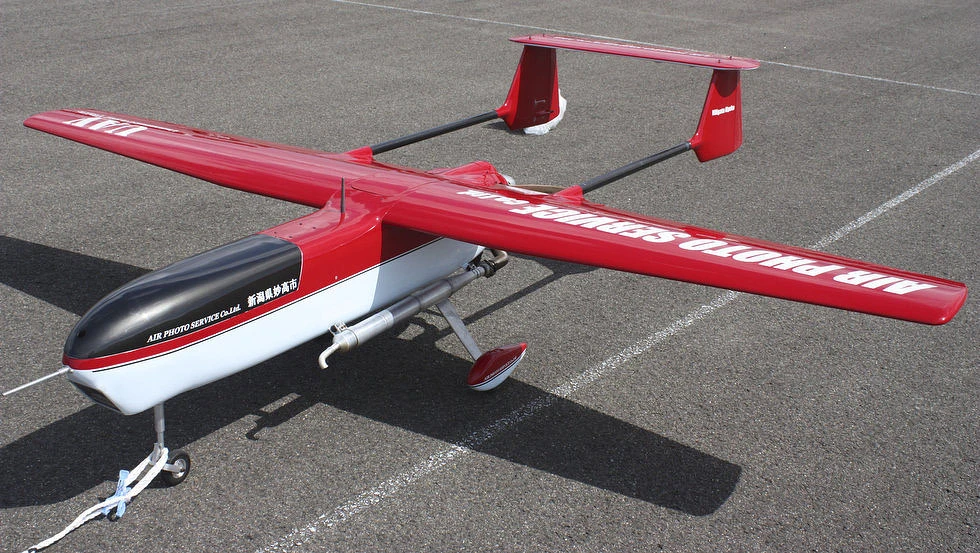
1. This image from March 24, published by AIR PHOTO SERVICE, shows the small unmanned drone that was used to take the images of the destroyed Fukushima Daiichi Nuclear Power Plant below. (AP Photo/AIR PHOTO SERVICE) 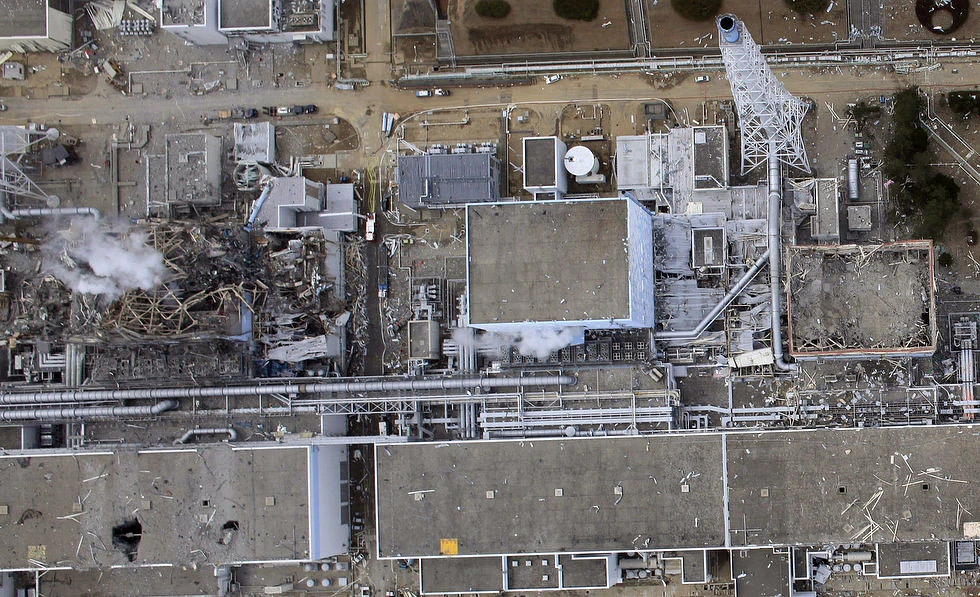
2. As of March 27, specialists reported that radiation levels and temperatures in the first, second, and third power units of the Fukushima nuclear disaster had begun to decrease. The photo from March 20 (left to right) shows power units 1, 2, and 3. (AP Photo/AIR PHOTO SERVICE) 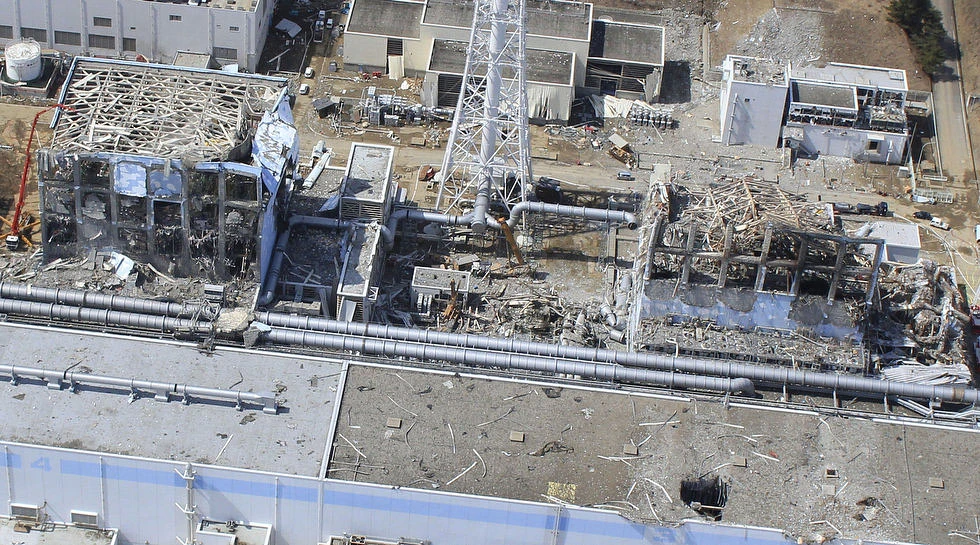
3. Despite the decrease in radiation levels, IAEA specialists call the current situation at the nuclear power plant very serious. Experts are concerned about a crack in the containment vessel of the third reactor, which uses a dangerous mixture of uranium and plutonium as fuel. This March 24 photo shows heavily damaged units 4 (left) and 3. (AP Photo/AIR PHOTO SERVICE) 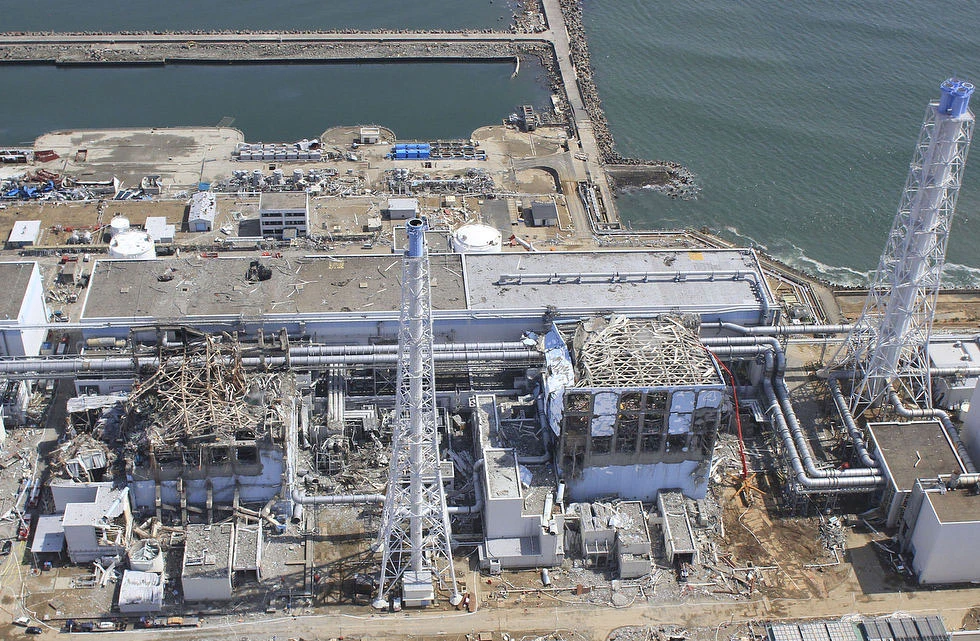
4. The accident at unit 3 resulted in increased radiation levels in the area of the nuclear power plant and the hospitalization of two workers with burns to their extremities. This March 24 photo shows the damaged units 3 (left) and 4. (AP Photo/AIR PHOTO SERVICE) 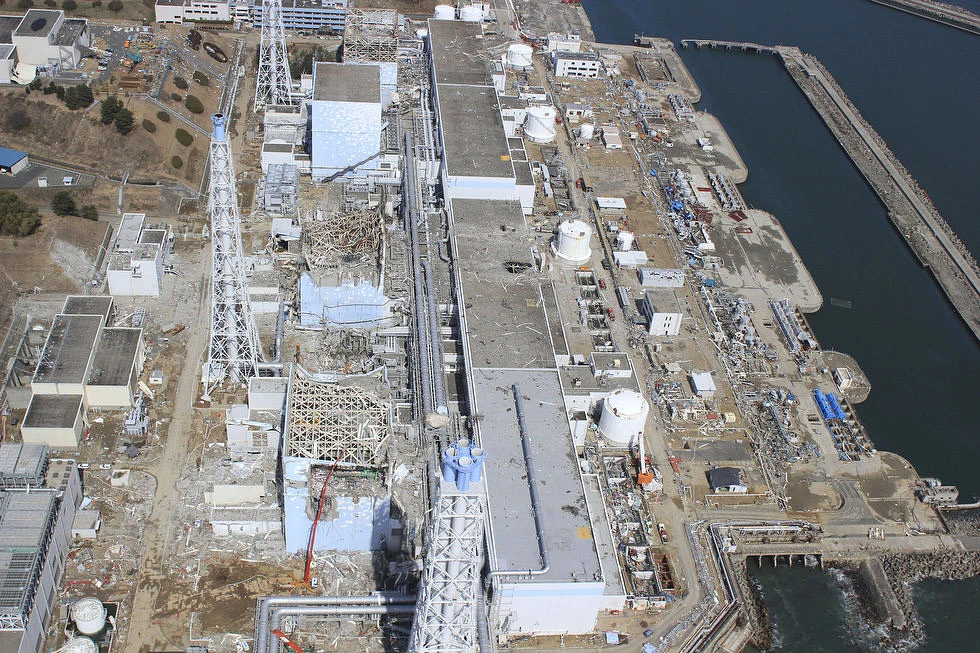
5. The temperature in the pressure chambers of the first and second reactors has dropped slightly. However, it remains high – 142 degrees Celsius in the first reactor and 97 degrees Celsius in the second. This photo from March 24 shows the damage at the Fukushima Daiichi Nuclear Power Plant (top to bottom), power units 1 through 4. (AP Photo/AIR PHOTO SERVICE) 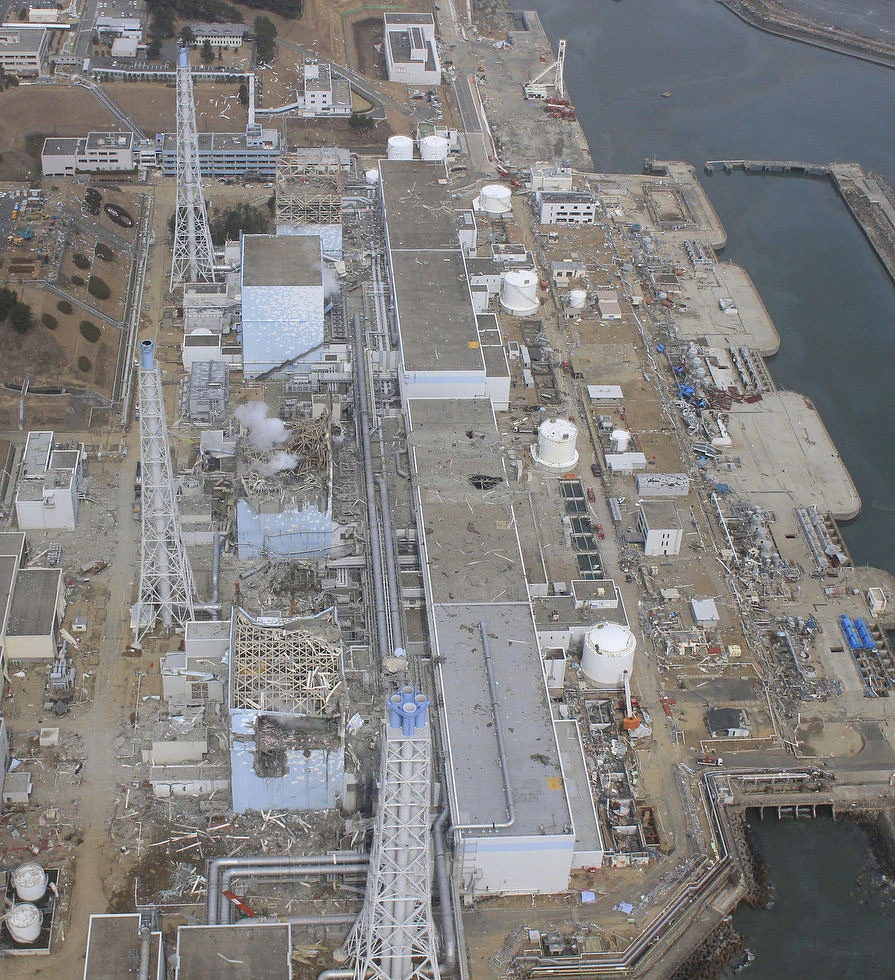
6. Japanese engineers have connected the control panels of the first, second, and third reactors to the power grid. They continue to use fresh water to cool them. This photo from March 20 shows (top to bottom), power units 1 through 4. (AP Photo/AIR PHOTO SERVICE) 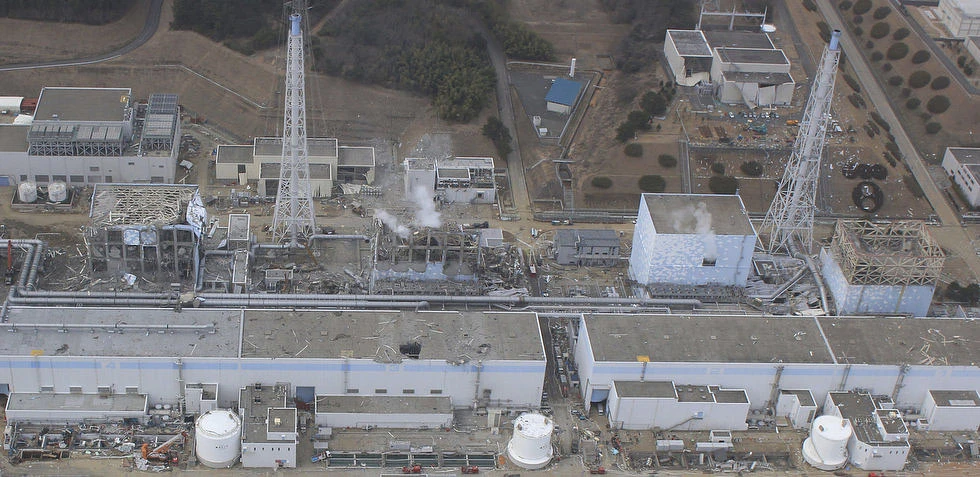
7. Engineers also continue to pump radioactive water from the turbine compartment of the first reactor to reduce the risk of contamination and facilitate the restoration of power to the nuclear power plant, Interfax reported. In the photo from March 20: (from right to left) power units 1 through 4. (AP Photo/AIR PHOTO SERVICE) 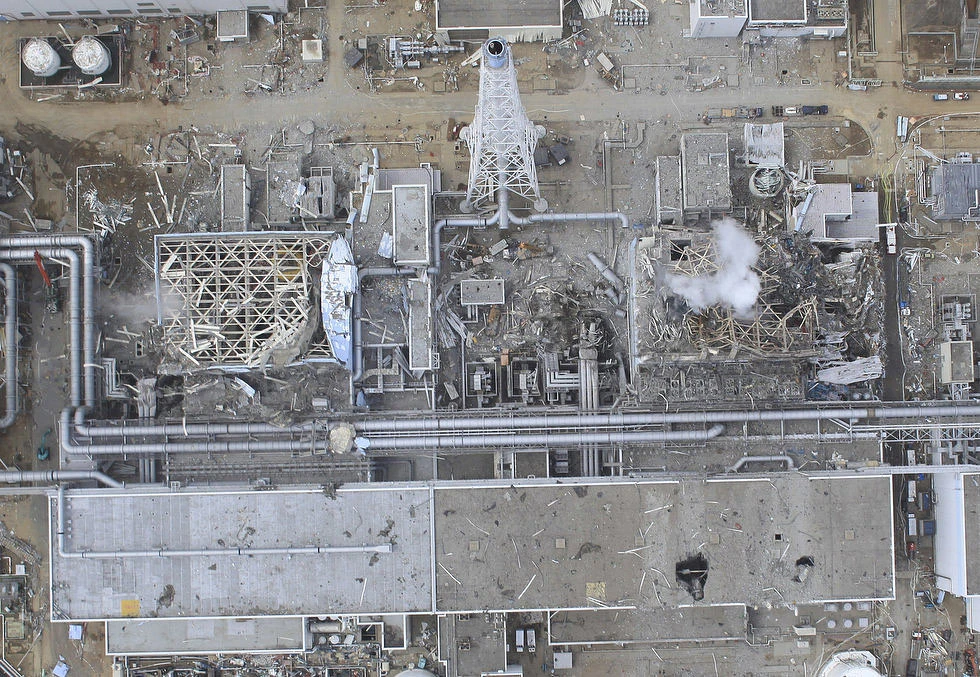
8. It was previously reported that water containing high levels of radiation is leaking from the damaged Fukushima Daiichi nuclear power plant into the Pacific Ocean. The photo from March 20 shows the destroyed power units 4 (left) and 3. (AP Photo/AIR PHOTO SERVICE) 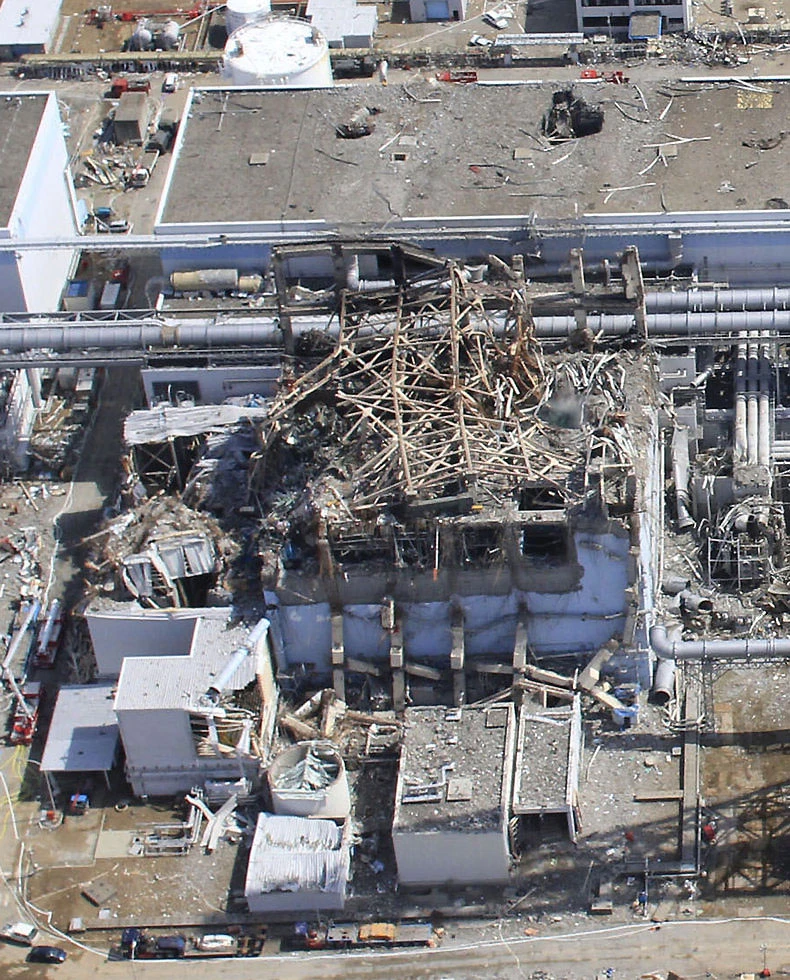
9. The photo from March 20 shows the destroyed power unit 3. (AP Photo/AIR PHOTO SERVICE) 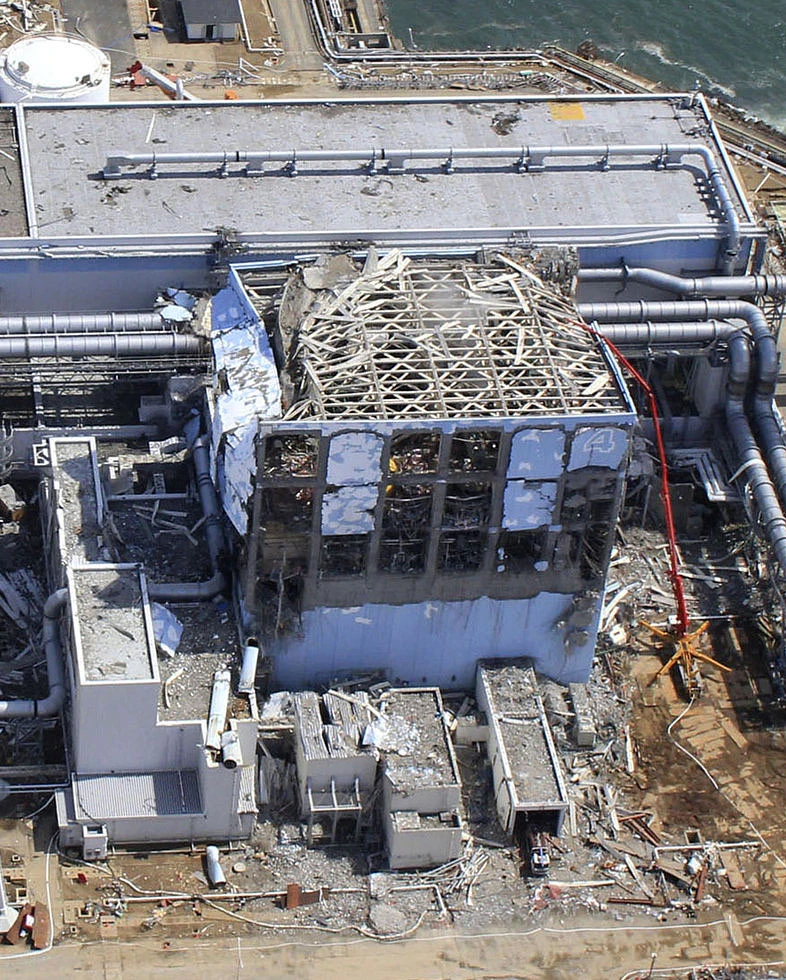
10. The photo from March 20 shows the destroyed power unit 4. (AP Photo/AIR PHOTO SERVICE) 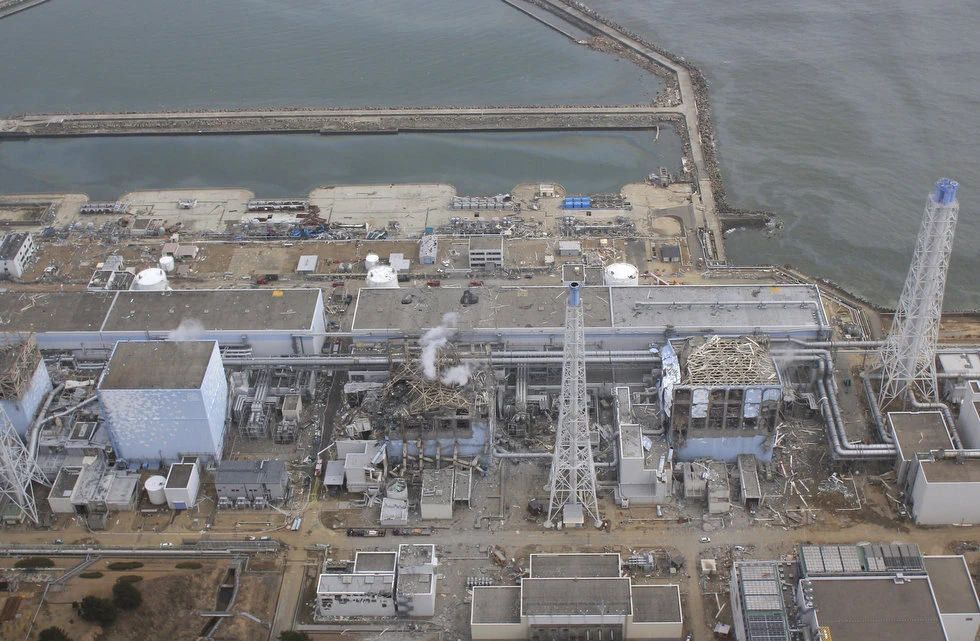
11. The iodine-131 content in the sea near the nuclear power plant is exceeded by more than four thousand times, in groundwater The waters beneath the plant itself are ten thousand times higher. It was not possible to seal a 20-centimeter hole through which water was leaking with cement. Photo from March 20: (left to right) Unit 1 (only partially visible), Units 2, 3, and 4. (AP Photo/AIR PHOTO SERVICE) 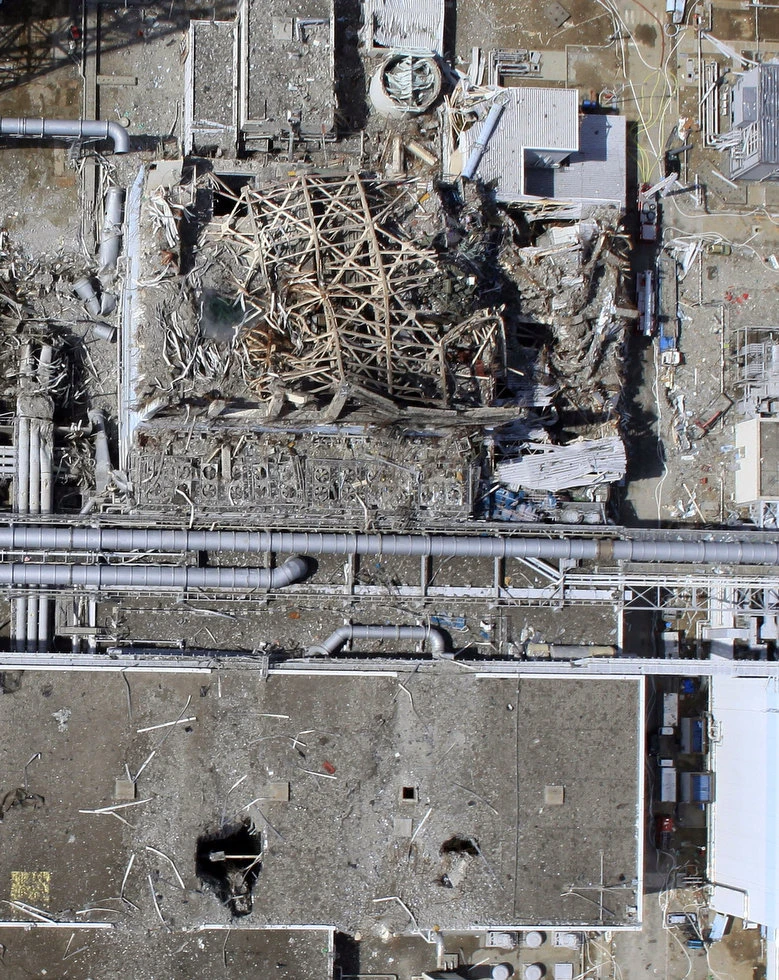
12. Aerial view of Unit 3 of the Fukushima Daiichi Nuclear Power Plant from March 24. (AP Photo/AIR PHOTO SERVICE)
Add your comment
You might be interested in:













Persistence in achieving a goal

A biker prevented a hit-and-run driver from escaping

Not everyone is having fun on the amusement ride

Absolute perfection

17 Photos That Will Stop You in Your Tracks (18 Photos)

Young women, Dancing and George Michael: nothing superfluous

The cutest lunch delivery ever

What Would Happen to a Human on Every Planet in the Solar

Toyota Celica ST165 on a rally track
