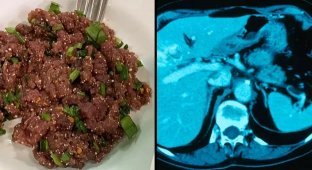
Koi Pla: The Deadly Thai Dish Killing Thousands Every Year (6 Photos)
Asian cuisine is renowned for its rich diversity and exotic dishes, many of which can seem baffling to uninitiated palates. Some delicacies, like Japan’s infamous fugu (pufferfish), are notorious for their lethality. But what if we told you there is a dish in Thailand that claims far more lives than fugu ever could—and does so slowly and silently? Enter Koi Pla, a traditional Thai meal blamed for up to 20,000 deaths every year. 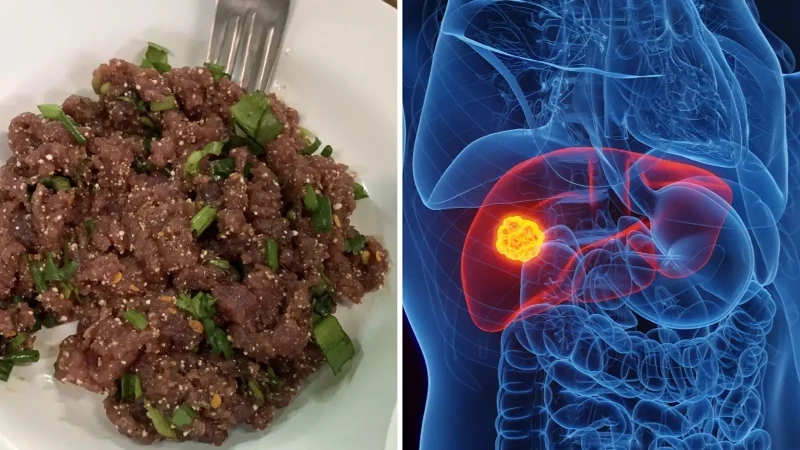
What is Koi Pla?
Koi Pla is a popular dish originating in northeastern Thailand, particularly in the provinces of Khon Kaen and Isan. It consists of finely minced raw freshwater fish tossed with fresh herbs, spices, and lime juice. While it is a beloved staple for locals, tourists often view it as far too exotic—and risky. Unsurprisingly, it is almost impossible to find in major resort areas, though it remains deeply embedded in rural daily life. 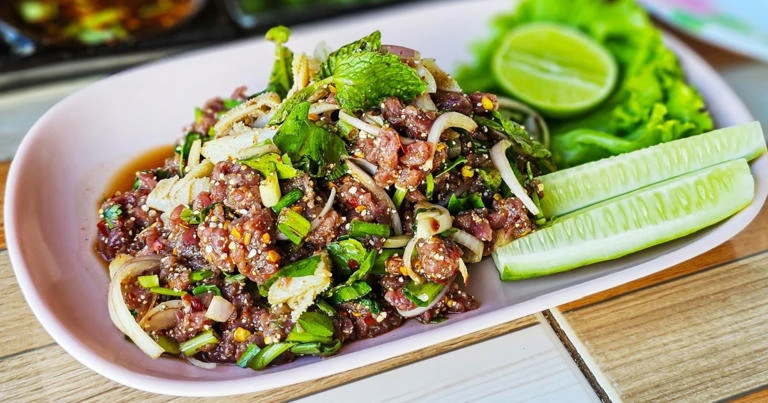
The dish traces its roots back to ancient culinary traditions, when local villagers sought quick and simple ways to prepare raw fish. Unfortunately, back then, no one knew that consuming uncooked freshwater fish exposed them to something far more sinister than typical food poisoning. 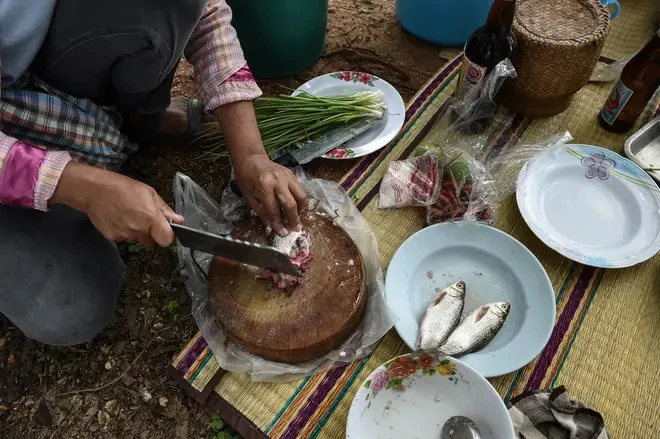
How Does Koi Pla Cause Liver Cancer?
Koi Pla is prepared using raw freshwater fish, minced and combined with aromatic herbs, spices, and lime juice. While tourists see it as an exotic curiosity, villagers consume it almost daily. There are no toxic ingredients in the recipe itself; the deadly threat lies hidden within the raw fish, which is often infested with parasitic flatworms known as liver flukes. 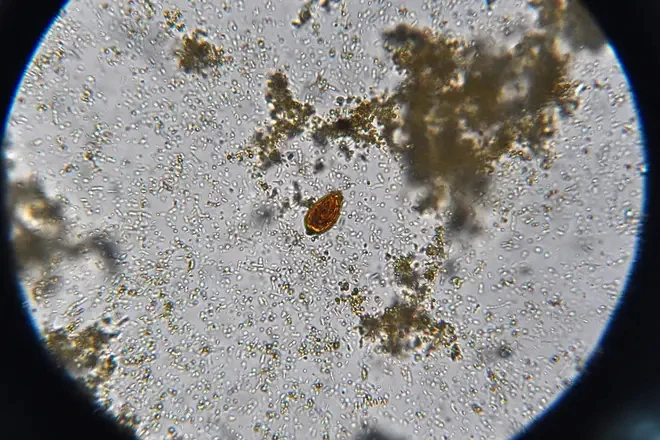
A liver fluke under the microscope
This Thai delicacy turns deadly due to liver flukes—microscopic parasitic flatworms inhabiting raw freshwater fish. Because they are invisible to the naked eye, these parasites are easily ingested when fish is served uncooked. Once inside the human body, they settle in the liver, multiplying and causing chronic inflammation. Over time, this leads to liver cirrhosis and, ultimately, liver cancer.
What makes this disease so alarming is that infection can occur after just a single meal. Once the parasites enter the body, the disease progresses undetected for years. By the time symptoms finally appear, it is often too late to save the patient. Unsurprisingly, Khon Kaen and Isan top the tragic list of regions with the highest rates of liver cancer in Thailand. 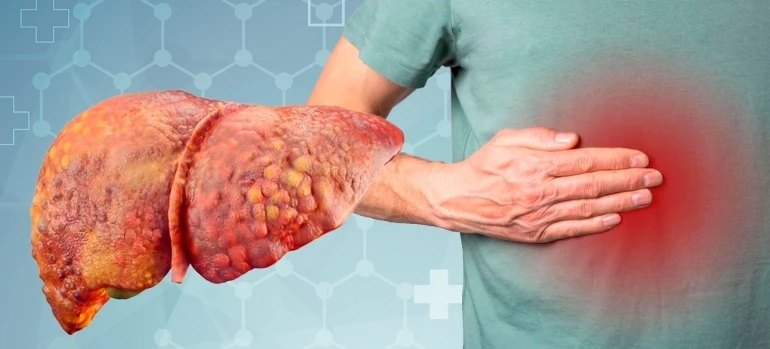
Liver flukes cause chronic inflammation in liver tissue, rapidly progressing to cirrhosis and cancer. Sometimes, a single taste of the dish is all it takes to contract the parasite and begin a fatal downward spiral. Khon Kaen and Isan—the home of Koi Pla—lead Thailand in liver cancer cases.
The Battle Against a Deadly Tradition
Doctors and medical experts are often powerless once the disease takes hold, unable even to stem the rising tide of cases. Once infected, patients face a grim prognosis; medical staff can only offer palliative care to ease suffering and briefly delay the inevitable. Dr. Narong Khuntikeo lost both of his parents to this disease. Raised in a village where eating raw fish was second nature, he has dedicated his life to fighting parasitic liver infections.
“It’s a major health burden here. But nobody knows about this because they die quietly, like leaves falling from a tree.” 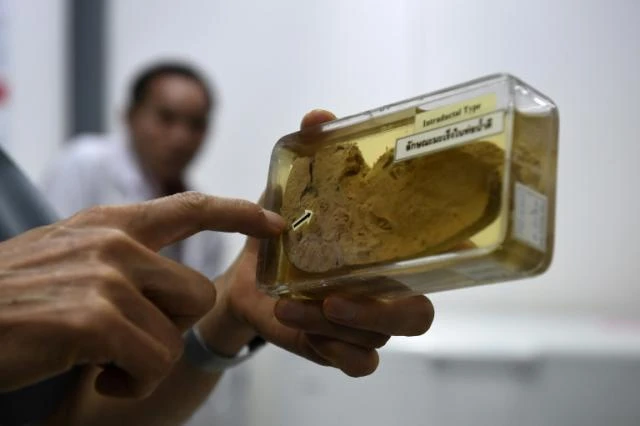
For years, Dr. Khuntikeo and a team of doctors have been touring villages across the Isan region, screening residents for parasites. Their findings are disheartening: up to 80 percent of locals in some rural communities are infected with liver flukes. Left with few treatment options, medical workers focus heavily on education, delivering lectures on the dangers of Koi Pla in local villages and schools.
Yet Dr. Khuntikeo admits their efforts often encounter stubborn resistance. Many villagers refuse to believe that microscopic worms pose any real danger and adamantly reject cooking their fish. In their eyes, thermal processing destroys the unique flavor profile and traditional charm of the dish.