14 historical artifacts that allow you to travel through time (15 photos)
The stunning, ancient, and even somewhat mystical artifacts in this collection cannot be called simply museum exhibits. 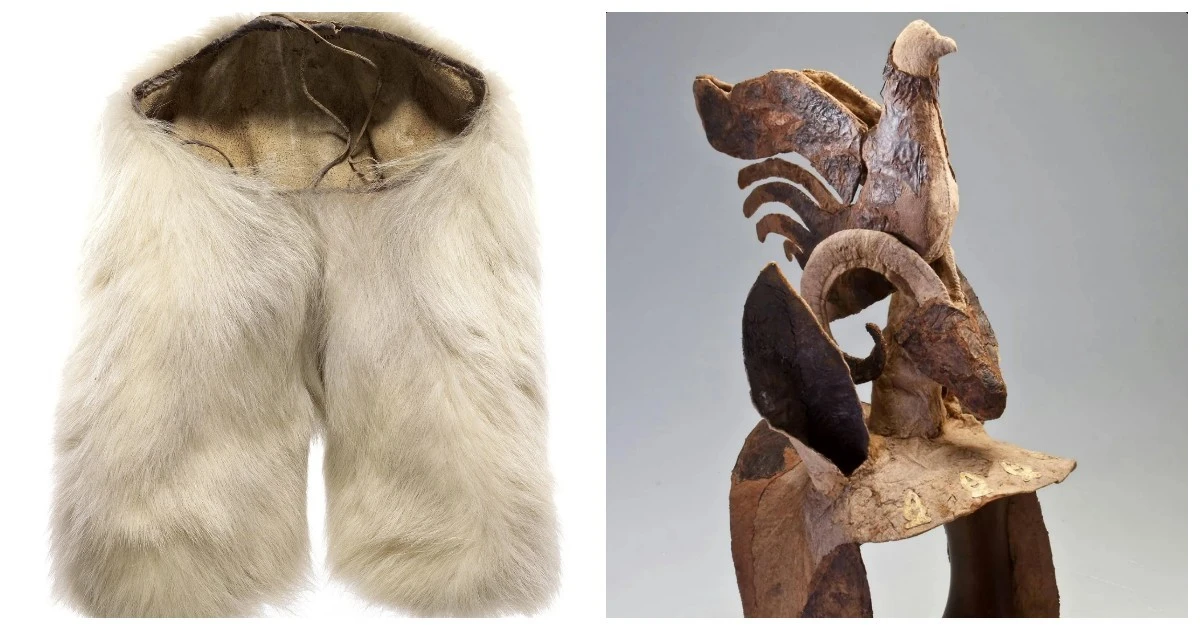
Each of these objects is a silent witness to its era, preserving in its form and material the secrets of bygone days, beliefs, and meanings that we have yet to fully unravel. These ordinary objects of their time embody an ancient belief in the afterlife, engineering genius without blueprints, a panicky fear of being buried alive, and a simple yet ingenious method for protecting the eyes from blinding snow. And thanks to these objects, it becomes clear that true culture is born in everyday life.
1. In 1797, the middle finger of Galileo Galilei's right hand was removed during the transfer of his body to the mausoleum. It is now housed in a glass egg and points to the sky in the Museo Galileo in Florence, Italy. 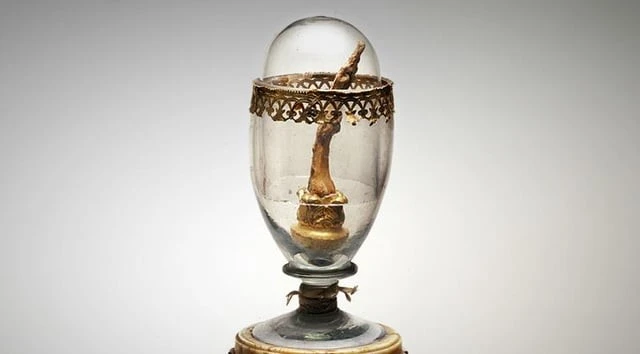
2. One of the oldest legal texts on Earth, carved in stone. Details of the Code of Hammurabi, Louvre 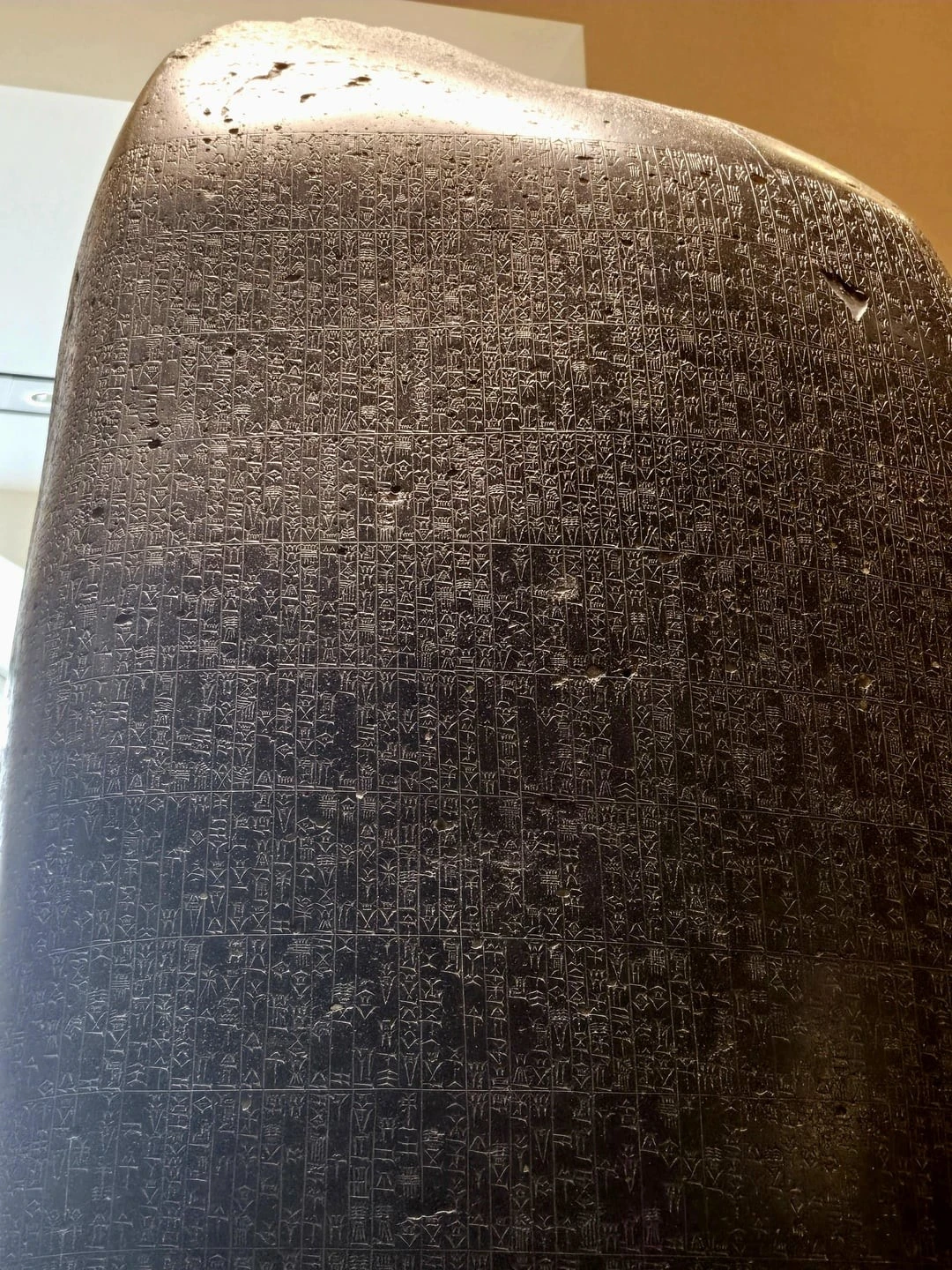
The cuneiform lines spiraling down the stone are very clear, despite being 3,800 years old.
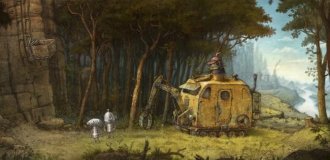
3. Illustration by Albert Robida, a French writer, illustrator, journalist, caricaturist, and lithographer, entitled "Departure from the Opera in the Year 2000," 1902. 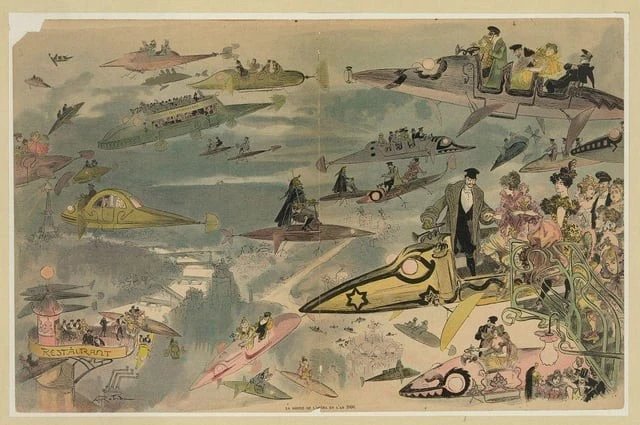
4. A pair of wheel-lock pistols. Augsburg, Holy Roman Empire, 1580. Materials: steel, wood, brass, bone. 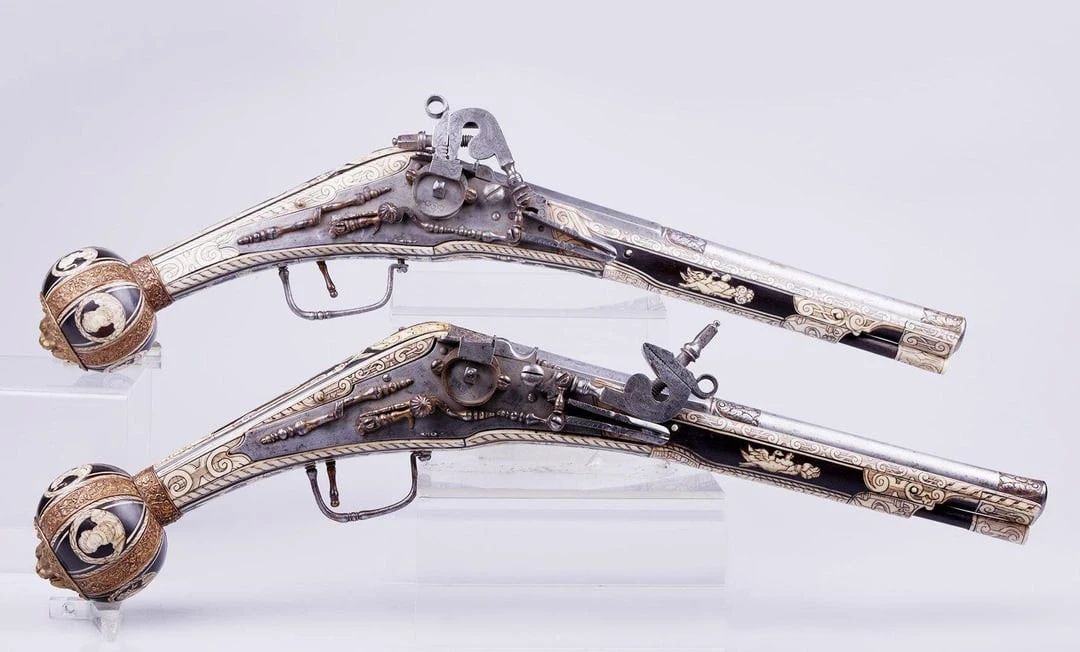
5. Mummified cat wrapped in linen. X-ray of the mummy on the right. Egypt, 400–200 BC. 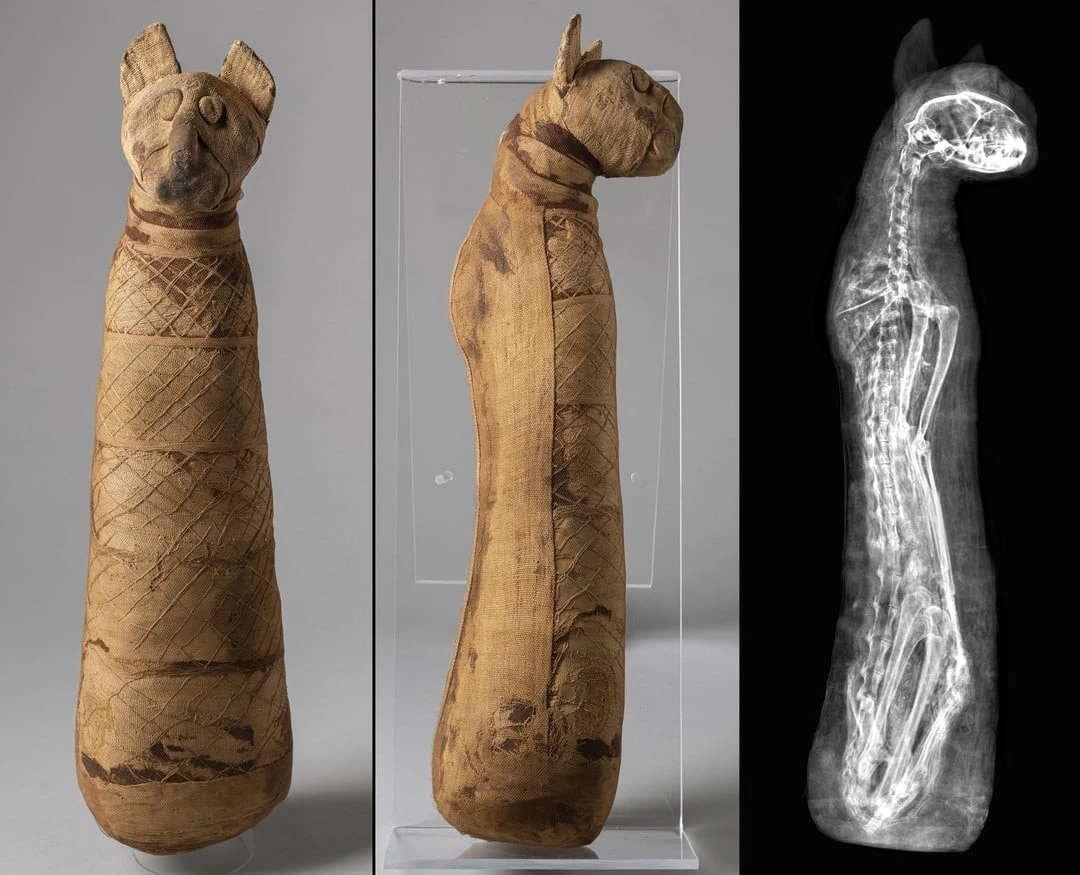
6. 2,300-year-old ceremonial horse harness, Siberia, ca. 350–300 BC. This complex structure was designed for a horse and is decorated with a figurine of a rooster perched on a ram's head. 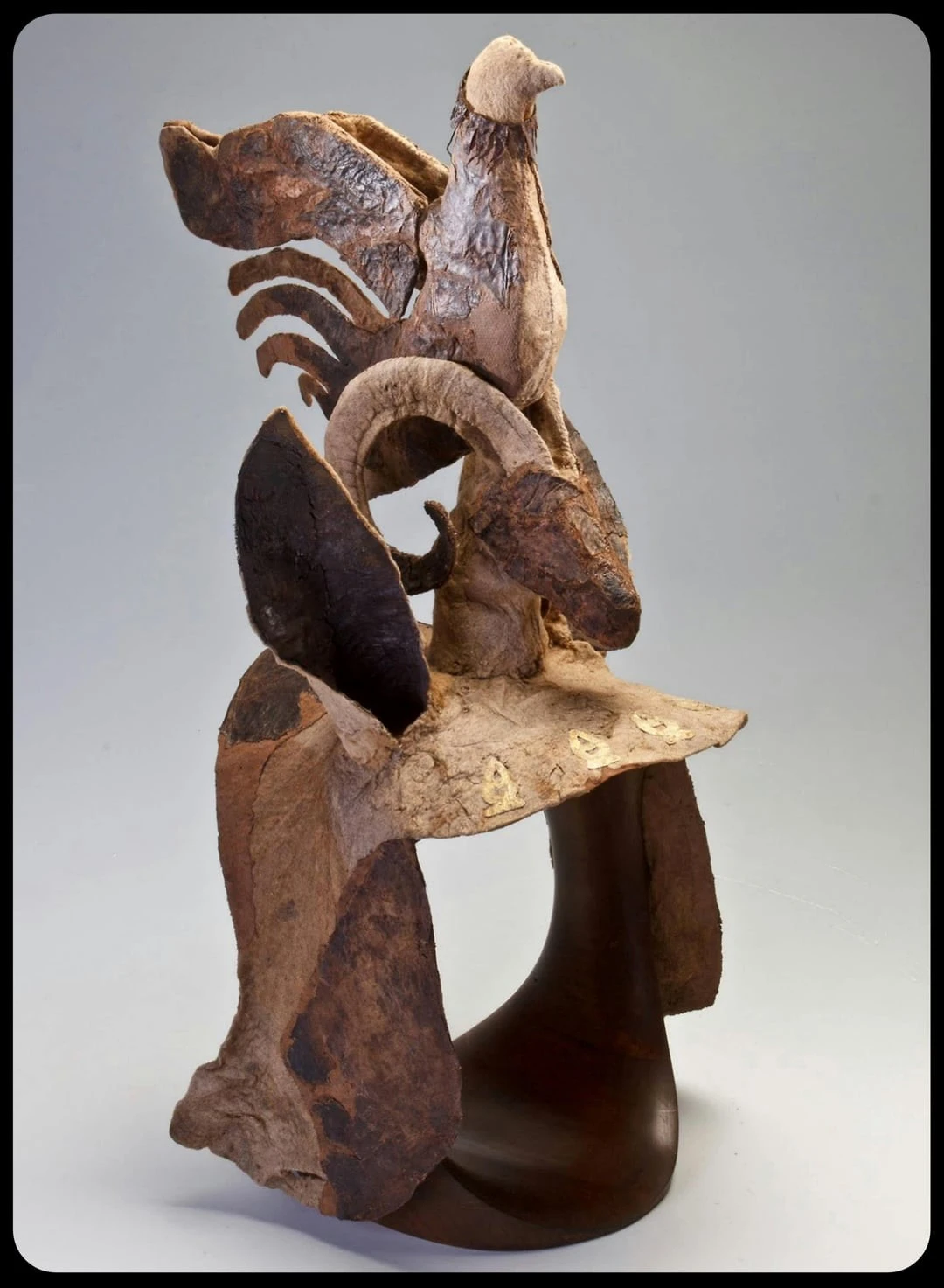
7. The oldest paved road in Europe that can still be walked today is the Minoan Royal Road in Crete, Greece. 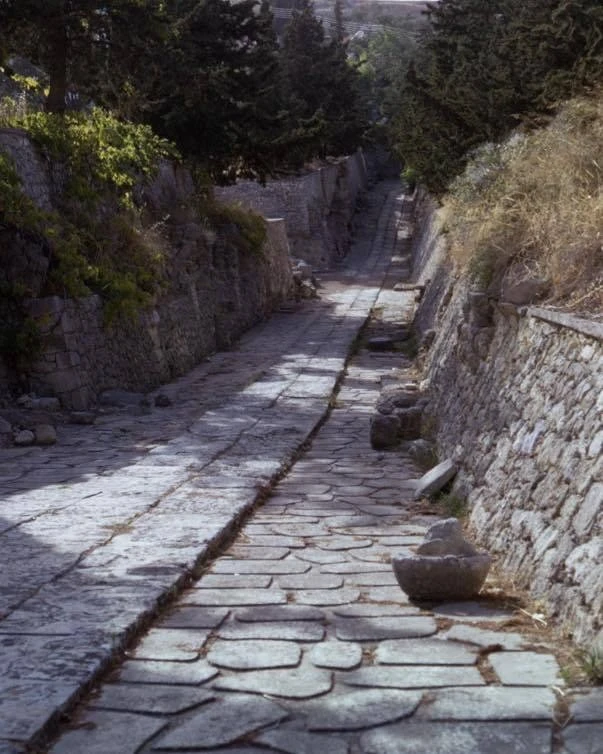
It is over 3,500 years old. The road included side drains to drain water, which helped preserve its structure and prevent moisture damage.
8. Egyptian faience dress, set with beads, ritual or funerary attire. Old Kingdom, IV Dynasty, reign of Pharaoh Khufu (Cheops), c. 2551–2528 BC. 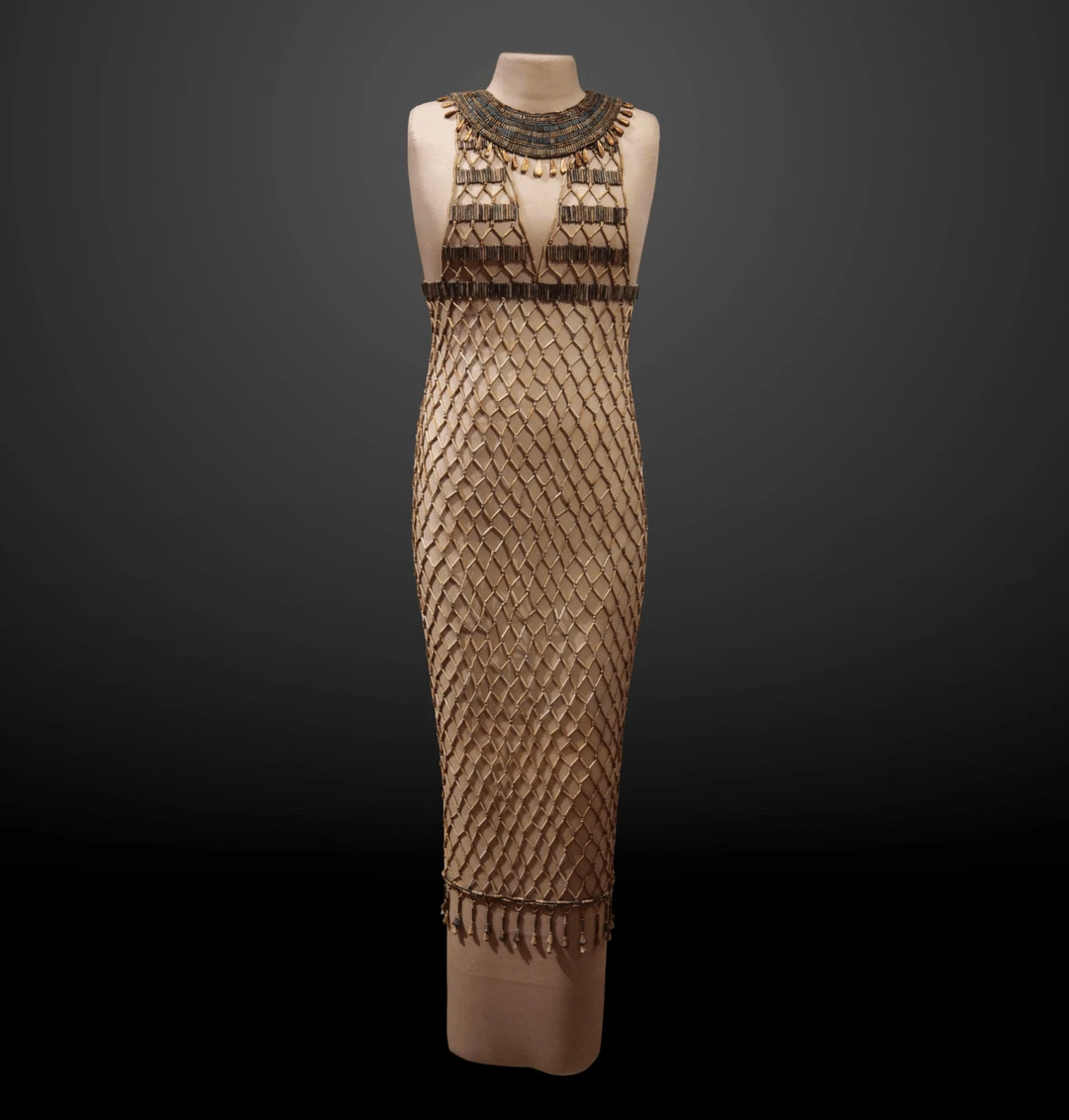
9. Cast of the Death Mask of Lorenzo de' Medici 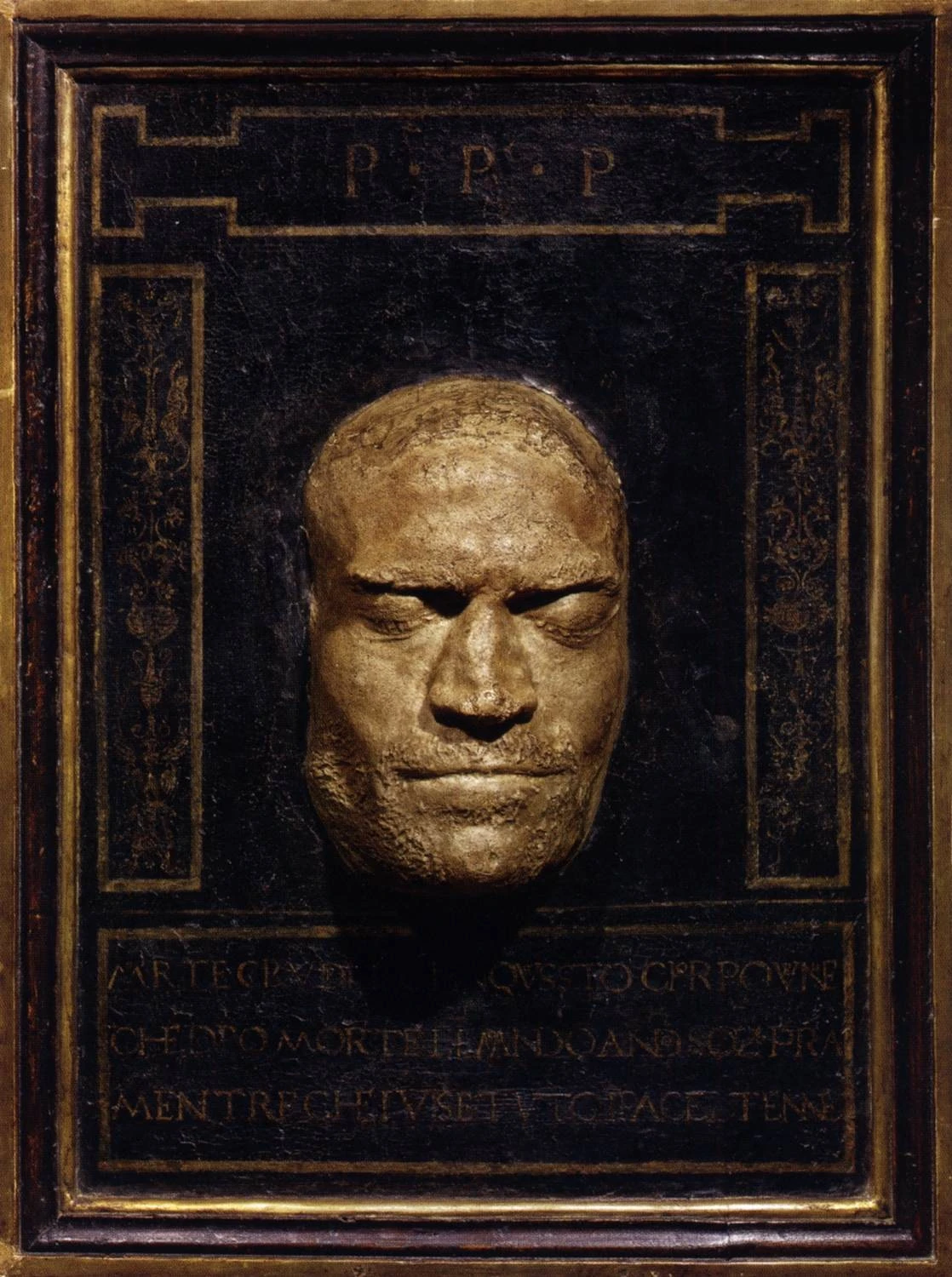
The famous portrait cast of the face of Lorenzo de' Medici (the Magnificent) (1449–1492), long considered his death mask. Modern researchers believe this plaster cast was made during the ruler's lifetime as a model for a sculpted portrait. Kept in the Silver Museum (Museo degli Argenti), Palazzo Pitti, Florence, it is a canonical depiction of one of the Renaissance's leading patrons of the arts.
10. Stromer's Dollhouse, 1639, Germanisches Nationalmuseum in Nuremberg 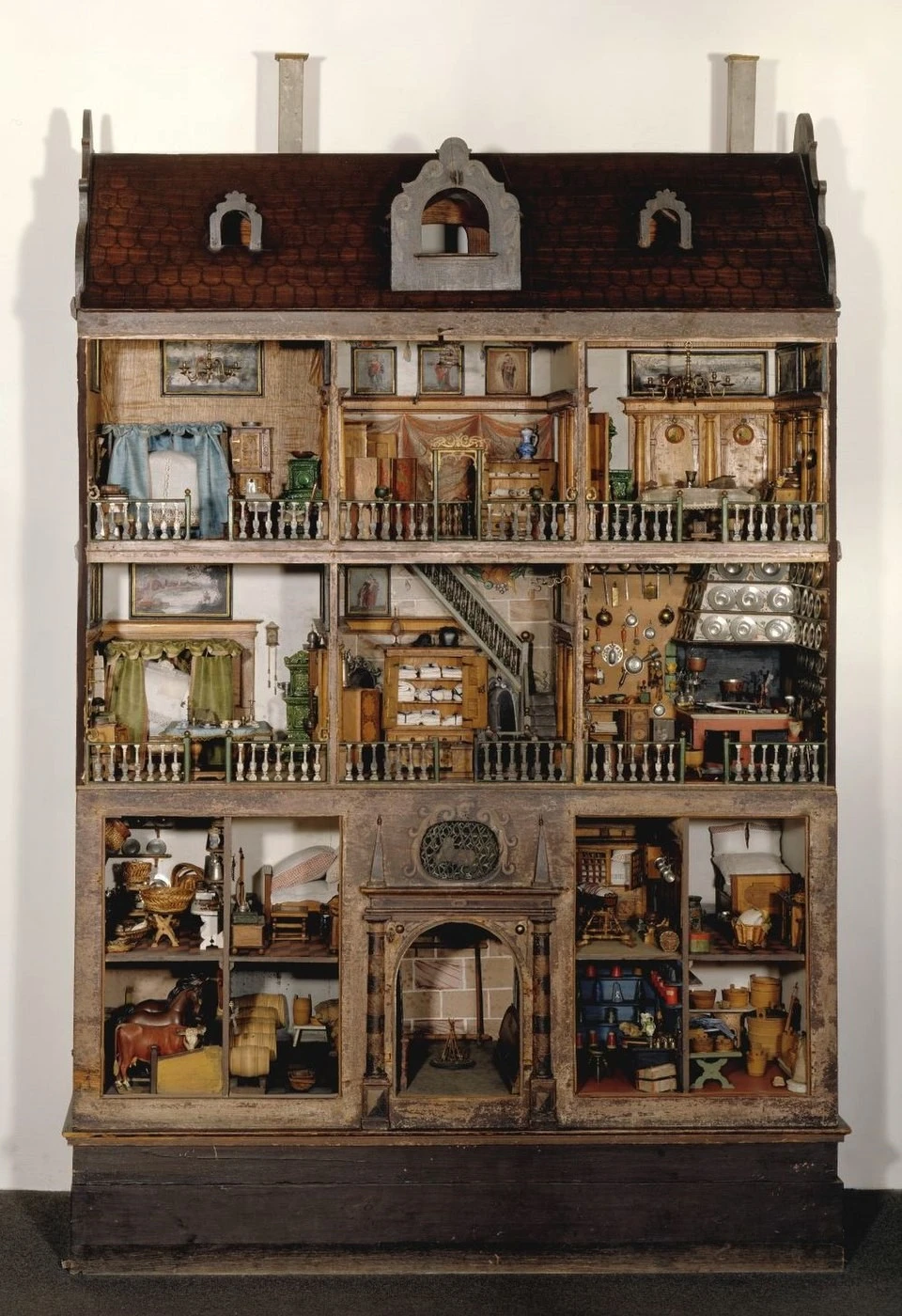
11. Fisk's Coffin, mid-19th century 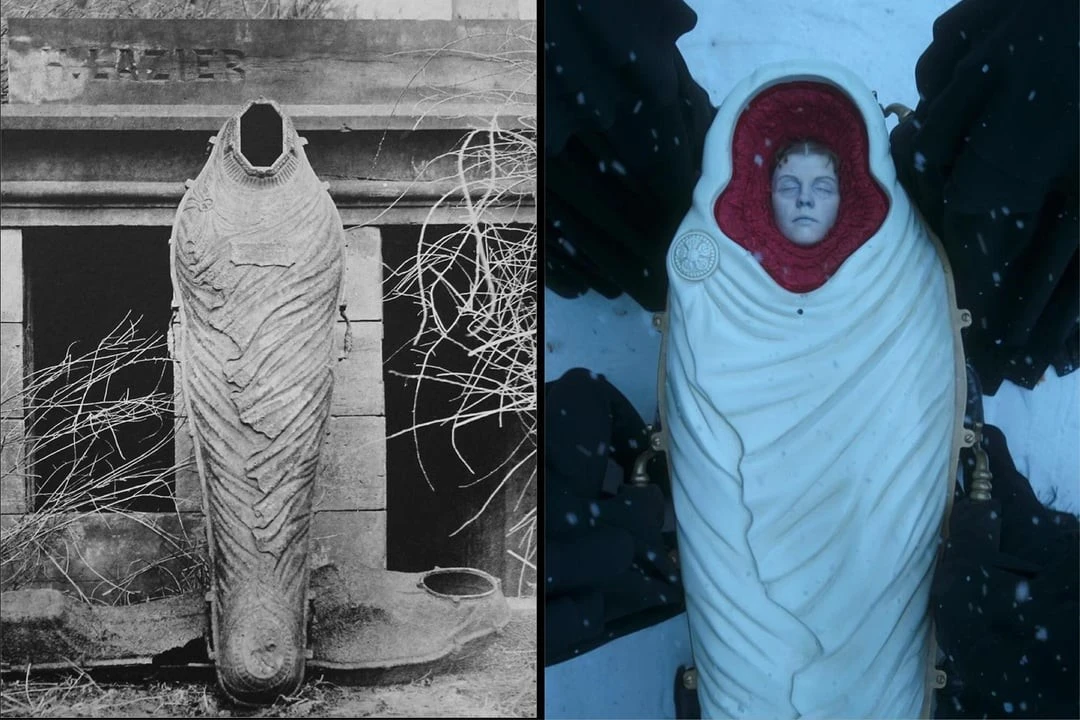
The Fisk Coffin was patented in 1848. It is an airtight wrought iron coffin, characteristic of the funerary paranoia of the Victorian era. Its primary purposes were protection from groundwater, preventing the spread of miasmas (believed to be the cause of disease), and preserving the body for a future resurrection. Such "safe" coffins, as depicted in Guillermo del Toro's Frankenstein (right frame), reflect the 19th century's deep fear of premature burial and decomposition.
12. The impeccable stonework of Sacsayhuaman, a citadel on the northern outskirts of Cusco, Peru, demonstrates the precision of 15th-century Inca megalithic architecture. 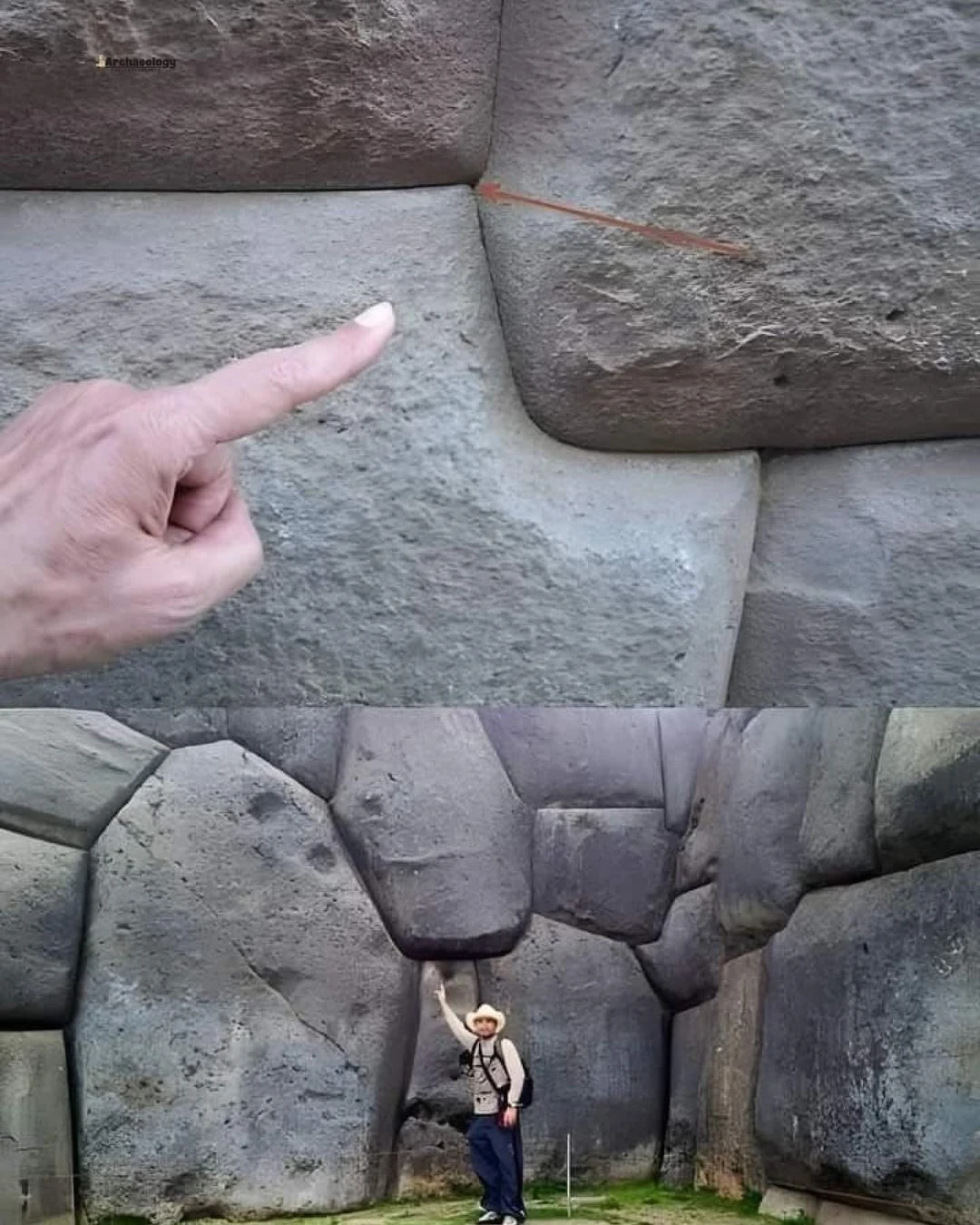
Each stone (some weighing over 100 tons) was masterfully hewn to fit perfectly against each other without mortar, and the joints are so tight that it's difficult to slide a sheet of paper between them.
13. Inuit Snow Goggles (Shields) (c. 1800–1850) 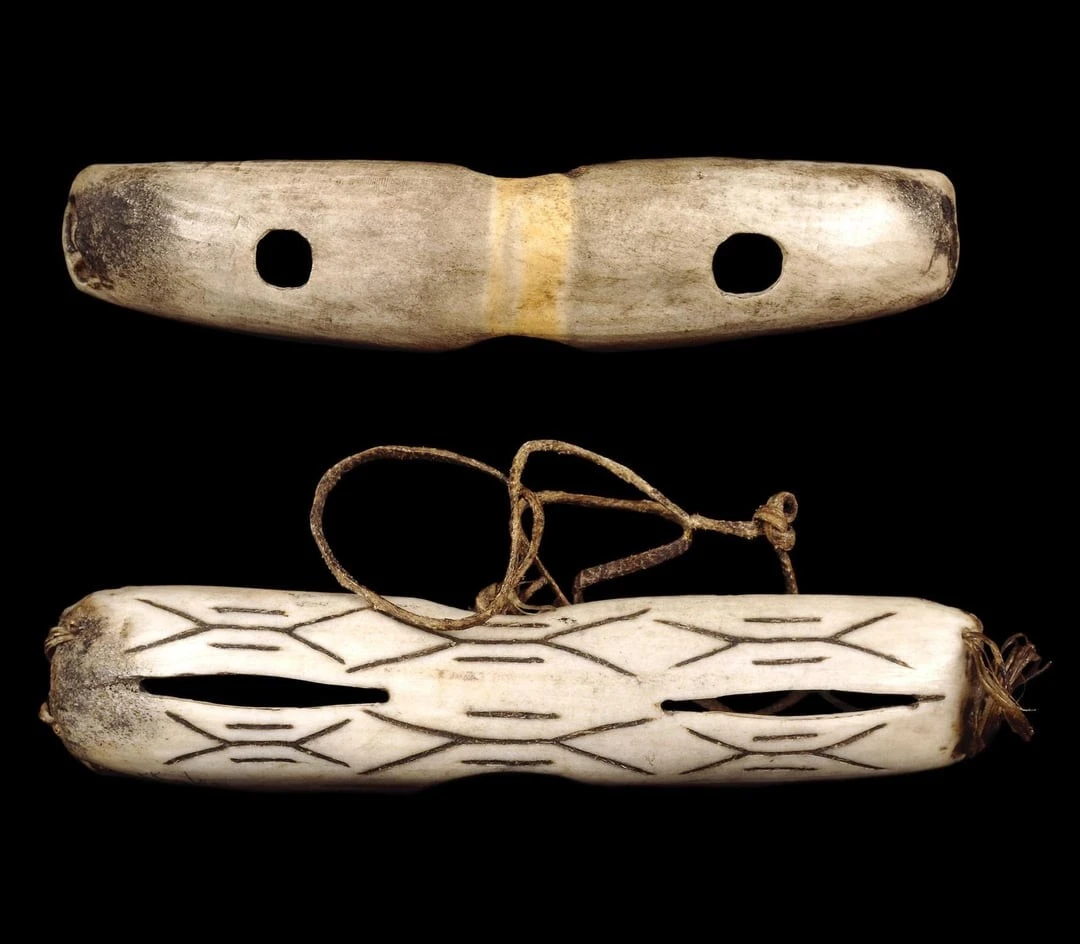
An ingenious device for protecting the eyes from snow blindness in the bright Arctic sun. Carved from wood or bone, they have narrow slits that limit the penetration of ultraviolet rays reflected from snow and ice, while improving contrast vision. A striking example of the functional and adaptive technology of the indigenous peoples of the North.
14. Polar bear fur pants. Greenland, 1892 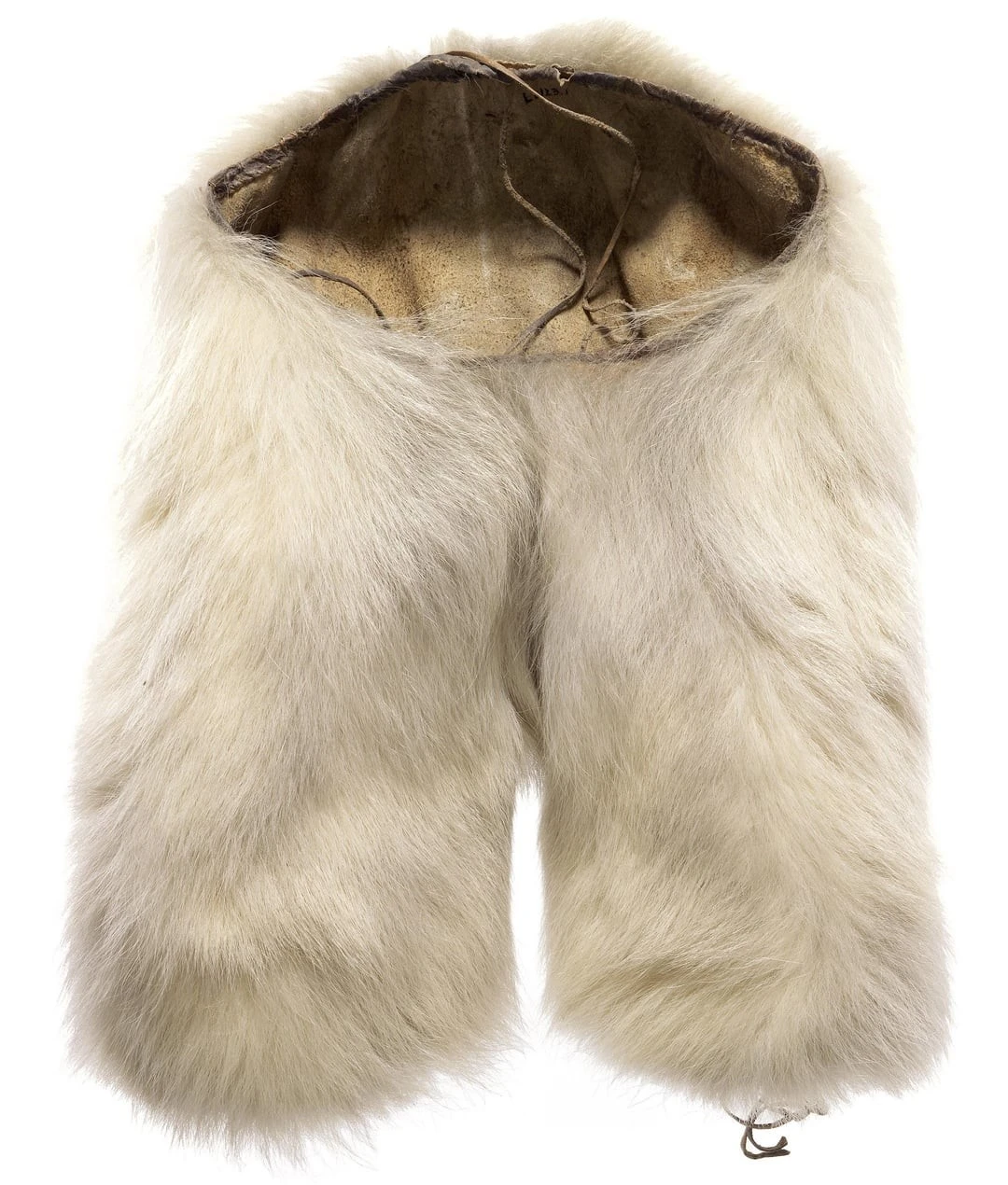
Similar clothing, collected by Europeans in the late 19th century, was not just warm – it enjoyed the highest status among the Inuit. The fur of the mightiest Arctic predator was used to make special hunting gear, believed to impart the beast's strength and endurance to humans. This item exemplifies both practical adaptation and a spiritual connection with the animal world.