Road rage is on the rise, and dangerous lane changes are on the rise (4 photos)
Aggressive behavior on the road is becoming the norm
We’ve all experienced road rage and aggressive driving in person or seen it online. If it seems like it’s becoming more common, that’s not just a feeling. A new study from AAA confirms that it’s not only on the rise, but that almost all of us are participating in it to some degree. Fortunately, there’s a solution we can all take part in.
The study acknowledges that aggressive driving and road rage aren’t easy to define. Several pages are devoted to distinguishing between the two concepts, and they are basically summed up by this definition:
“Any unsafe driving behavior that is done intentionally, with bad intentions or disregard for safety and affects others.”
What is considered aggression?
For example, speeding on an empty road would not be considered aggression, but driving fast on a busy highway would. 96% of drivers admitted that they had driven aggressively in the past year. 92% admitted to speeding or cutting in front of other vehicles. 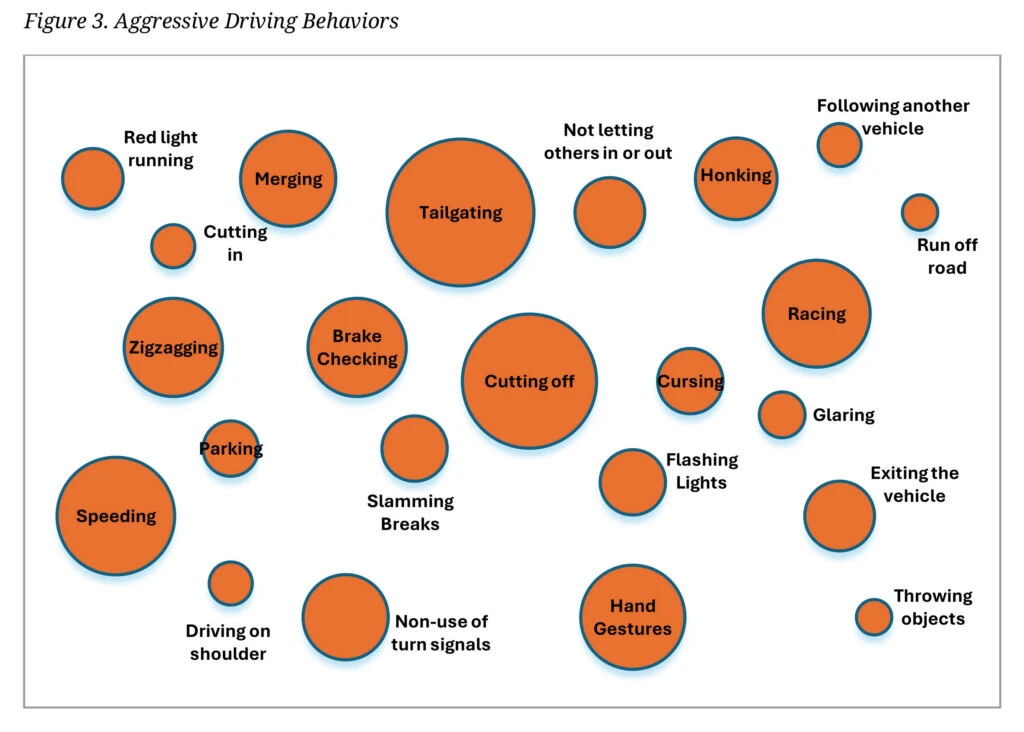
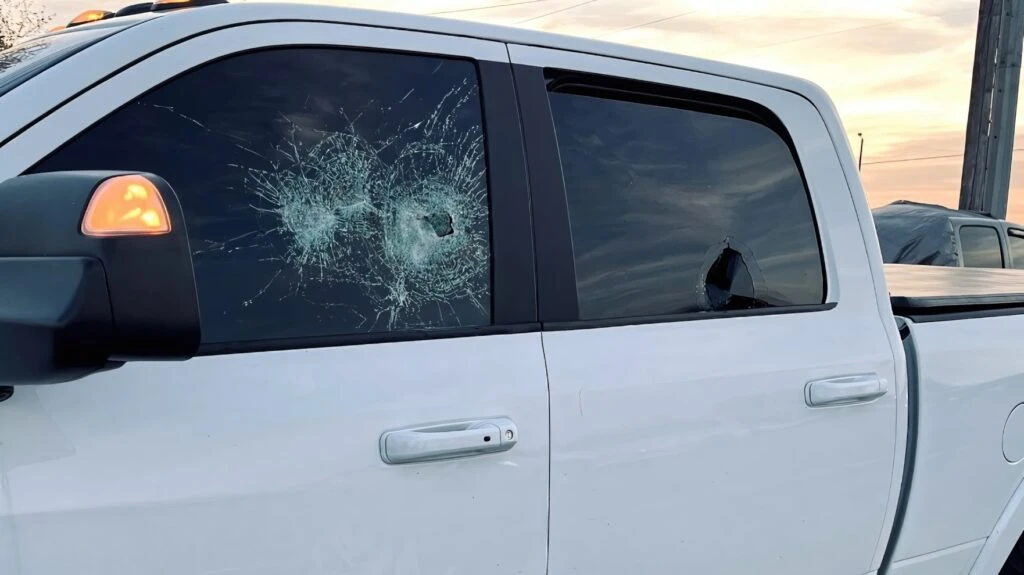
Since 2016, the number of times drivers cut off other cars has increased by 67%. Anger-related honking has increased by 47%. 11% of people admitted to violent acts, such as hitting another car or confronting another driver. The main image in the article is just one example of such an incident that occurred earlier this year in Murfreesboro, Tennessee.
“Driving can be a stressful experience because of the behavior of others on the road and how you react to different situations. Our research shows that encountering various forms of aggressive behavior on the road is common for nearly all motorists, and many drive aggressively,” said Dr. David Young, president and CEO of the AAA Foundation for Highway Safety.
It’s not all bad
Despite the increase in certain behaviors, there are positive developments. Bumper-to-bumper driving has decreased by 24% since 2016, and yelling at other drivers has decreased by 17% over the same period. AAA suggests that simple courtesy and patience can play a protective role, improving both safety and the everyday driving experience.
“This work also concludes that road etiquette and manners can be a protective factor against aggressive driving. Let’s change our driving culture so that we can achieve a vision of safe mobility for all road users,” added Young.
Does the type of vehicle affect behavior?
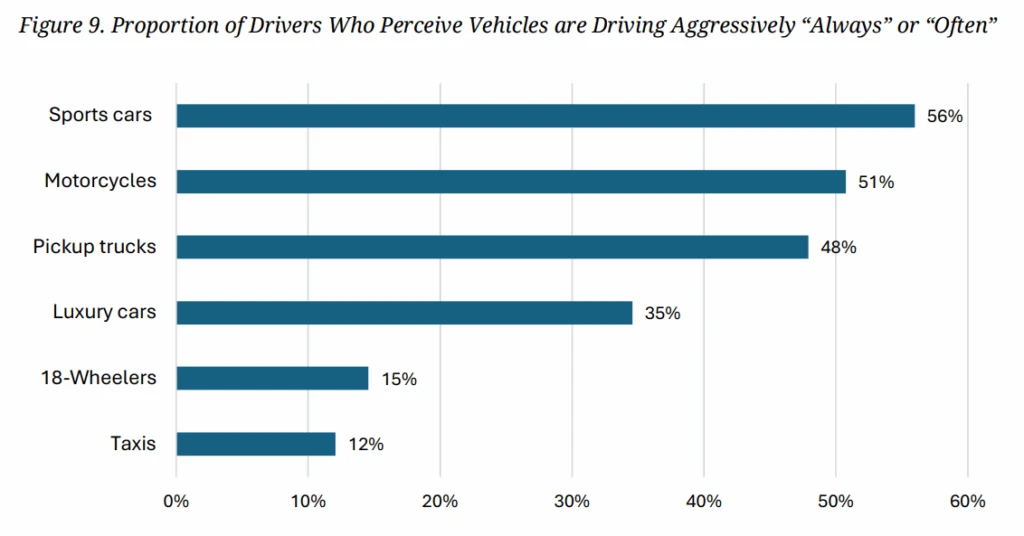
Interestingly, the study also points to a role for the type of vehicle. Drivers of large trucks, sports cars, and motorcycles reported higher levels of aggression, with some even admitting that they felt more powerful or dominant behind the wheel of these vehicles. However, the solution here is as simple as can be: don’t engage in the interaction. 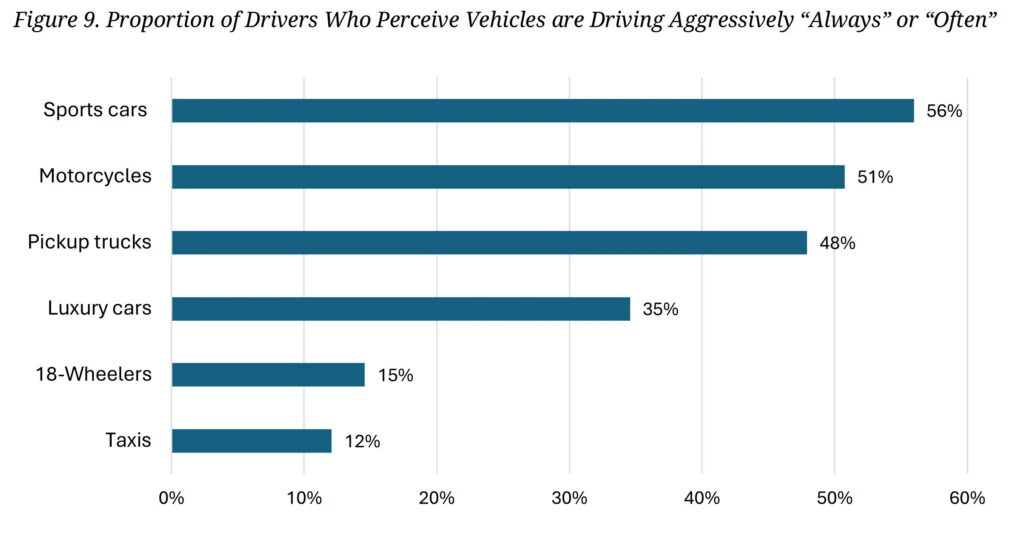
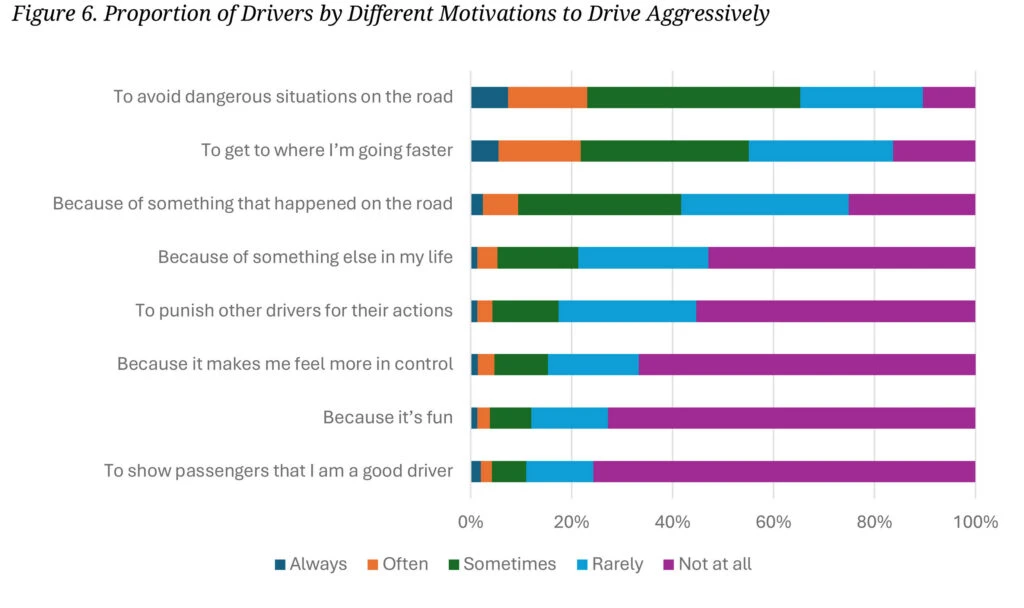
AAA recommends leaving early to eliminate time-related stress. Do not make eye contact, gesture, or respond to other aggressive drivers. Let them pass and move away from the situation. And if things get out of hand, the final step is obvious: call 911.
Main image: Murfreesboro Police Department
The rise in aggressive driving may be due to a general increase in stress levels in society and a habit of constant accelerated communication that is carried over to the road. A decrease in behaviors such as bumper-to-bumper driving may indicate the effectiveness of safety campaigns targeting this specific type of violation. It is important to understand that road safety is a collective responsibility, and changing the behavior of even a small percentage of drivers can make a significant difference for everyone.